汽车

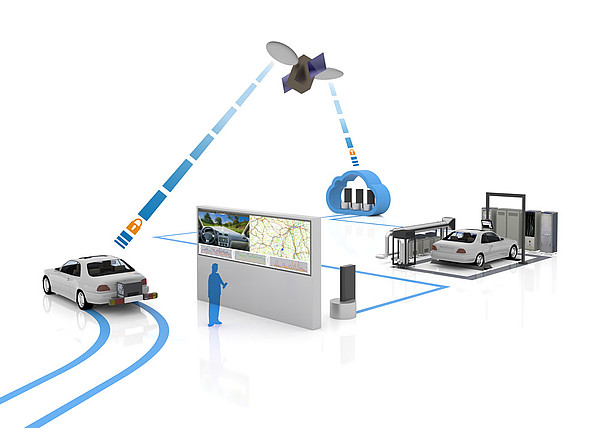
聚焦传统及新能源汽车的动力系统,制动系统,风洞和排放分析等开发测试领域,为客户提供全球领先的系统解决方案。
HORIBA 为全球政府、高校及工业企业提供高精密的计量仪器和先进的检测分析解决方案,广泛应用于能源、环境、生物、医疗、先进材料与半导体等多个领域,业务范围涵盖发动机排放检测、科学分析、环境监测、半导体工艺过程控制、体外医疗诊断、生物技术及新能源发展与利用等。多年来,HORIBA 顺应市场的不断变化,坚持创新,为全球客户提供具有高适配度、高附加值且性能卓越的产品与服务,是科研、企业研发、生产制造及质量控制的优选伙伴。
1957年 HORIBA 开始在中国开展业务,不但见证了中国经济的腾飞,而且迎着时代的潮流发展壮大。从设立办事处,到设立全资子公司,到建立本地化生产、研发基地,现在我们已经能更好地响应客户的需求,提供更加全面化的产品和服务。更多资讯,请点击“HORIBA 中国”查看。
点击阅读更多 HORIBA 最新技术、产品及解决方案
RDE+是一个快速、稳健、集成的流程和工具链,以最佳效率提供设计、开发、验证和核实。
详情HORIBA 近日正式发布 PI-200-L 在线拉曼分析仪(实验室型)。该产品面向化学反应研发、工艺优化及放大生产等应用场景,能够在无需取样、前处理的条件下,实现对反应过程的原位、实时监测,帮助用户更直观地掌握反应进程,提升研发效率,并加快工艺从实验室到生产线的转化。
在化学研发与工艺开发…
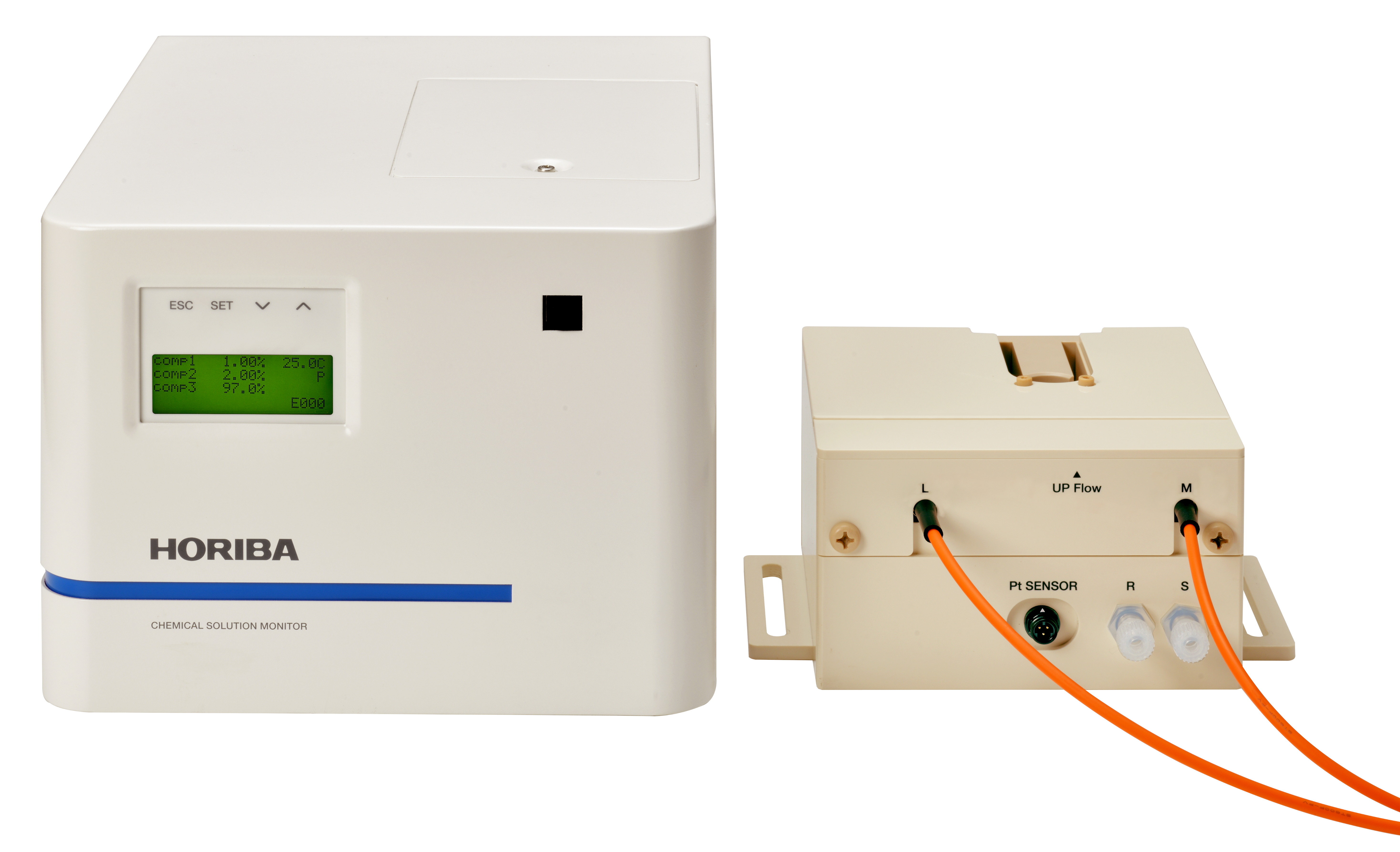
HORIBA 集团今日宣布推出 CS-900F,这是一款针对半导体制造中用于清洗和刻蚀等湿法工艺化学药液的浓度计。
湿法化学工艺对半导体良率至关重要,因为化学药液浓度的变化会影响表面处理的一致性。因此,对化学药液浓…
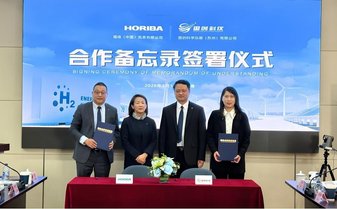
双方将依托分析测试领域的先进技术与氢能产业市场布局实现优势互补,有望助力突破研发瓶颈、加速技术迭代,为推动氢能实现大规模商业化发展贡献力量。
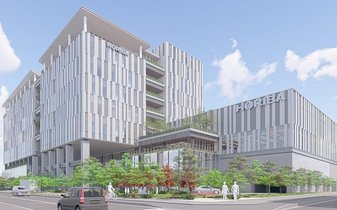
HORIBA 集团计划建设全新的全球总部大楼。该项目将有望推进集团全球业务拓展,并通过对业务场地的重新布局强化组织架构,为达成年营收 1 万亿日元的企业目标奠定基础。
【关键词】MOCVD外延, Photoluminescence (光致发光),PL Mapping (显微光致发光),PL Mapper,关键材料,化合物半导体,GaN (氮化镓),GaAs (砷化镓),InP (磷化铟),SiC (碳化硅),工艺与参数,铝组分,BOW…
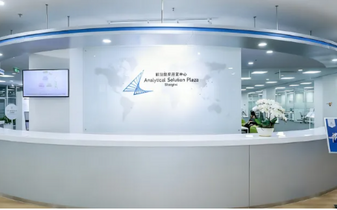
近日,HORIBA 前沿应用开发中心(Analytical Solution Plaza, 简称 ASP)正式荣获中国合格评定国家认可委员会(CNAS)授予的实验室认可证书(注册号:L24166)。这标志着 ASP…
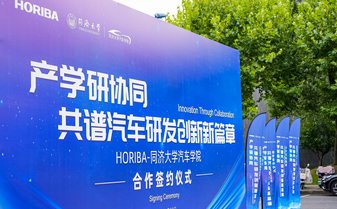
2025年9月23日下午,HORIBA 与同济大学汽车学院在同济大学嘉定校区隆重举办了“HORIBA-同济大学汽车学院合作签约仪式”。
服务是什么?它绝不仅仅是设备的维修与保养,更非简单的任务达成。服务的本质,是价值的传递与信任的构建,是深入场景、理解需求,以专业之力赋能用户成长,最终实现价值共创的升华。HORIBA “服务万里行”,正是对这一理念的生动诠释。该活动自 2024…
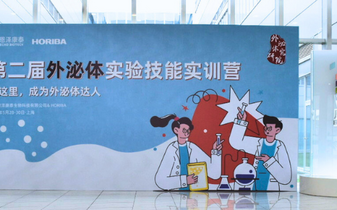
2025 年 5 月 28 至 30 日,第二届外泌体实验技能实训营在 HORIBA 前沿应用开发中心(Analytical Solution Plaza,简称 ASP)圆满举行。作为北京恩泽康泰生物科技有限公司(以下简称“恩泽康泰”)与 HORIBA 达成战略合作后的首次实践,实训营吸引了 50…
由中华环保联合会,中国节能协会等权威机构与上海荷瑞展览联合主办的世环会,将于2026年6月9-11日在上海国家会展中心举办,并以其卓越的服务标准和国际化水平,成功获得国际展览业协会(UFI)认证。展会汇聚了超3,500家企业,展示面积达21万平米规模,是专注节能环保与人居健康的世界环境博览会,旨在为…
随着生物医学及相关研究领域持续向前发展,快速、高灵敏并具有分子指纹识别特性的拉曼光谱技术受到包括生物、医学、材料和分析科学等领域专家和学者的广泛关注和青睐。2016…
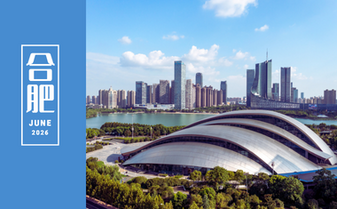
为进一步推动我省分析测试领域的学术交流与科技创新,集中展示近年来在分析测试理论、技术方法、仪器研发、应用拓展及科研仪器开放共享服务等方面取得的新进展与新成果,促进学科交叉融合与产学研协同创新,持续提升我省分析测试的整体水平与影响力,浙江省分析测试协会定于2026年7月4日在杭州市举办浙江省第十一届分…
由中国光学学会和中国化学会主办,中国光学学会光谱专业委员会、山西大学承办的“第24届全国分子光谱学学术会议暨第六届光谱年会”将于2026年7月24—27日在山西省太原市召开。
本届大会将延续历届光谱学术会议的宗旨,全面呈现我国在光谱及相关领域的最新研究进展和成果,旨在为广大光谱科学工作者和关心光谱…
创刊于1988年的《光散射学报》是中国物理学会光散射专业委员会和四川省物理学会共同主办,国家新闻出版署批准公开发行的学术刊物(北大中文核心期刊)。《光散射学报》第九届编辑委员会第一次会议拟定于 2026 年 8 月 16-18…
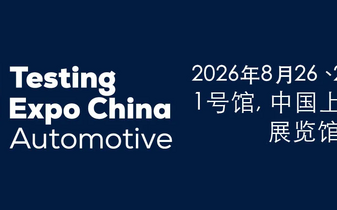
中国(上海)国际汽车测试及质量监控博览会是全球领先的汽车测试、开发与验证技术领域国际展会,每年在上海举办,并在韩国、印度、美国和德国设有姊妹展。该系列展会汇聚汽车测试行业的领先技术供应商和专业人士,是业内重要的交流与展示平台。
…
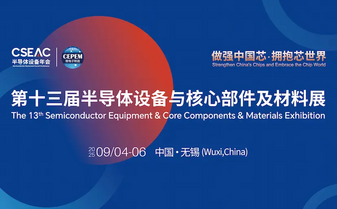
第十四届半导体设备材料及核心部件展(CSEAC 2026)将于2026年8月31日-9月2日在无锡太湖国际博览中心举行。作为我国半导体设备与核心部件领域最具权威展会,众多专家、学者和展商、观众共同铸就了CSEAC的专业性、品牌影响力与资源召唤力。CSEAC以“专业化、产业化、国际化"为宗旨,为国内外…