Particle Characterization
Laser Diffraction Technology
Light scattering has long been used to investigate the size of various objects. Gustav Mie (he of the Mie Scattering Theory) studied gold nanoparticles like those in the image below as part of his doctoral thesis. Previously confined to custom-built setups in labs, several innovations took laser diffraction from the darkroom to research labs and production floors across the world.
How Laser Diffraction Works
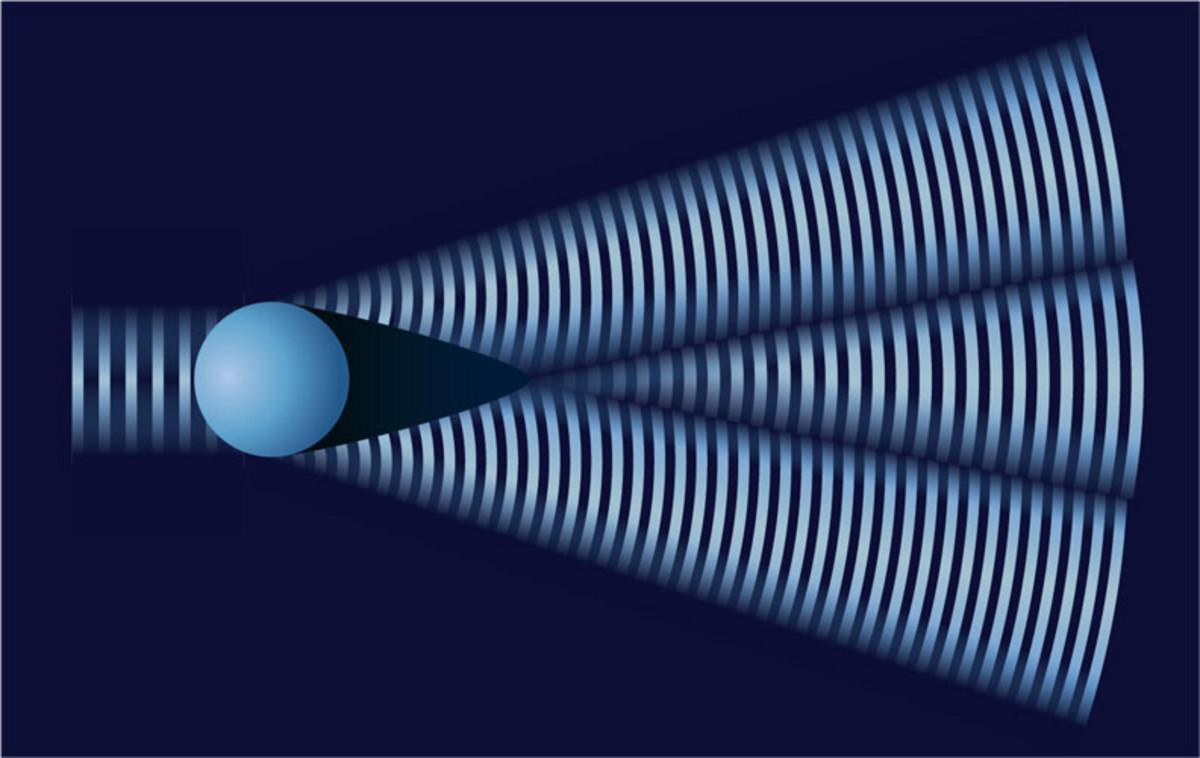
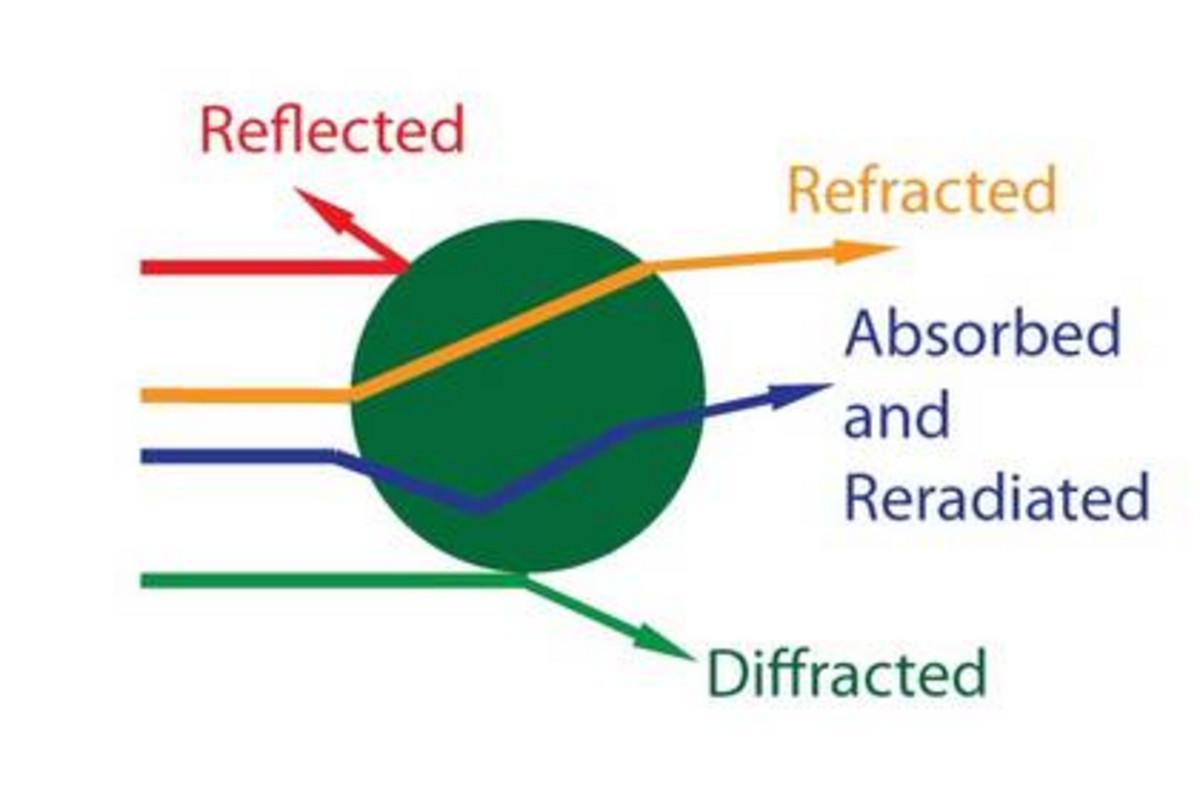
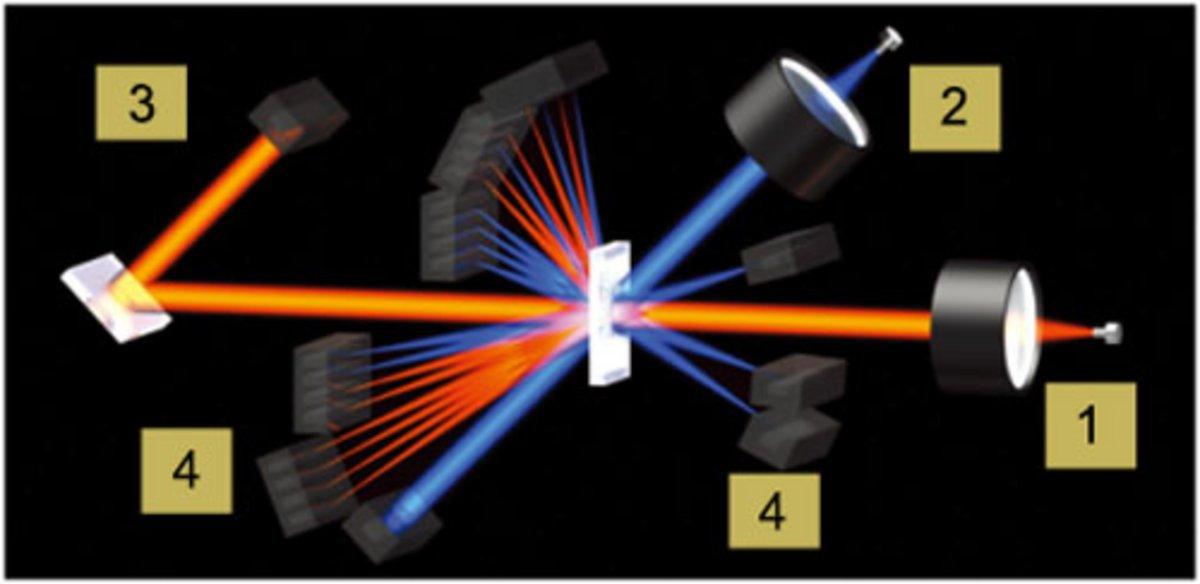
So how does laser diffraction work? At its very most basic, laser diffraction is about the relationship between particle size and the angle and intensity of scattered light. Light scatters more intensely and at smaller angles off of large particles than small particles. Every analyzer, from the very first commercial prototype to the state of the art LA-950 utilizes this principle. In fact, the analyzer itself does not measure particle size -- it measures the angle and intensity of light scattered from the particles in your sample. That information is then passed to an algorithm designed to use Mie Scattering Theory which transforms the scattered light data into particle size information.
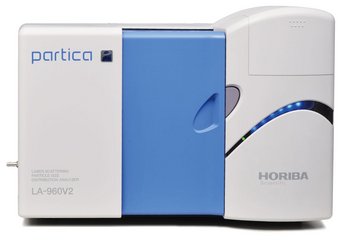
Both the hardware and software required to make a particle size measurement have gone through many revisions in order to improve accuracy, precision, reliability, and ease of use. The LA-950V2 represents the ninth generation of HORIBA laser diffraction analyzers; each different and better than the last. Read on to discover what important factors go into making this measurement routine and trustworthy.
More Information about Laser Diffraction
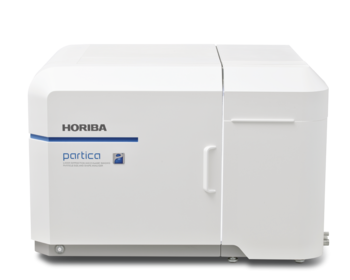
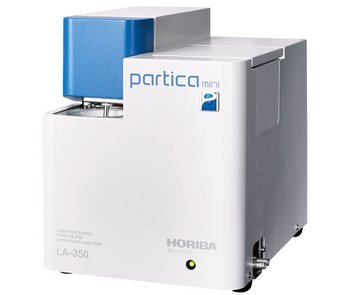
LA-Series Product Pages
Les granulomètres de la série LA utilisent la théorie de diffusion de Mie (diffraction laser ) pour mesurer la taille des particules de suspensions ou poudres sèches. La rapidité et la facilité de mise en oeuvre de cette technique en font la plus populaire pour nombre d’ applications.
- 1
Identification de l'utilisateur
Forgot Password?
Having trouble login in? Please click here and we will send a new password. If you are still having trouble, contact us at web_member@horiba.com.
Not a member yet?
Register and receive access to advanced information, including Application Data Sheets, Application Notes, Brochures, Links to External Articles, Manuals, Software Downloads, Software Updates. When you register you will also receive periodic updates by e-mail. Create a new account.