
United Nations Global Technical Regulation — UN GTR No. 22 — defines the framework for testing and evaluating the durability of in-vehicle batteries, specifically for battery electric vehicles (BEVs) and plug-in hybrid electric vehicles (PHEVs). These requirements are being integrated into upcoming environmental standards such as Euro 7 in the EU and Tier 4 in the US.
In-vehicle battery durability refers to regulatory standards for maintaining the performance of electric vehicle batteries over time. These standards aim to ensure that batteries retain a minimum level of energy capacity and driving range throughout the vehicle's lifespan.
These requirements are set to be adopted under key environmental regulations, including:
Minimum Performance Requirements (MPR)
MPRs define the acceptable rate of battery degradation over the life of a vehicle. These standards are designed to ensure that electrified vehicles maintain reliable battery performance throughout their usable lifespan.
SOCE and SOCR: Key Indicators
Battery durability is evaluated using two primary indicators:
Vehicle manufacturers must make both SOCE and SOCR values accessible to users, either through the On-Board Diagnostics (OBD) port or via Over-the-Air (OTA) updates. While UN GTR No. 22 establishes defined thresholds for SOCE, the official criteria for SOCR are still pending and will be determined in future updates.
Battery Energy-Based MPR (SOCE):
| Vehicle Type | Mileage/Age | SOCE Threshold |
|---|---|---|
BEV & PHEV (Category 1-1, 1-2: Passenger Cars)
| ≤ 5 years or 100,000 km | ≥ 80% |
| > 5 years or ≤ 8 years / 160,000 km | ≥ 70% | |
| BEV & PHEV (Category 2: Commercial Vehicles) | Reserved | Reserved |
| Note: The earlier of time or distance is applied. Based on UN GTR No. 22 as interpreted by HORIBA. | ||
Overview of UN GTR No. 22 Testing
The following section outlines the test methods used to determine the SOCE, using a BEV as a representative example.
What is SOCE?
State of Certified Energy (SOCE) is defined as the ratio of a battery’s on-board Usable Battery Energy (UBE) at a specific point in its life to the certified UBE determined during initial testing.
For example: If the certified UBE = 50 kWh. And the measured UBE = 40 kWh. Then SOCE = 80%.
UBE is determined through laboratory testing using the Worldwide Harmonized Light Vehicles Test Procedure (WLTP). A shortened version of this procedure—combining the WLTC and constant-speed phases—is used to evaluate battery performance, as shown in Figure 1. The vehicle begins from a fully charged state and is driven through the test cycle until it can no longer follow the prescribed driving profile due to battery depletion. This point is defined as the test termination criterion.
Throughout the test, changes in the vehicle’s State of Charge (SOC) are monitored, as illustrated in Figure 2. The UBE is the total amount of electrical energy consumed from the start of the test to the point at which the battery can no longer sustain operation. This value serves as a basis for calculating the SOCE.
In-Use Verification
In-use verification is carried out in two parts to confirm that the vehicle continues to meet battery durability requirements throughout its lifetime.
Part A – Monitor Verification
The accuracy of the on-board SOCE display is verified through laboratory testing. A WLTP test is conducted to measure the actual UBE, which is then compared to the displayed SOCE value.
Part B – Battery Durability Verification
Using the SOCE readings verified in Part A, the vehicle’s battery durability is assessed to ensure that the SOCE remains within the Minimum Performance Requirements (MPR).
This two-step process ensures that the SOCE values monitored during regular use reliably reflect the vehicle’s battery performance over time.
Future Outlook
The battery durability standards outlined in UN GTR No. 22 are being progressively integrated into regional regulations across key markets including Europe, North America (under CARB and EPA), and Japan.
In parallel, development is underway for durability test methods specific to heavy-duty vehicles, led by the WP.29-GRPE-EVE working group.
HORIBA offers advanced tools to streamline and automate WLTP testing for determining UBE. Our systems and software are designed to reduce testing time and operator workload, while delivering high accuracy and repeatability for both BEVs and PHEVs.
Automated calculations minimize manual input and help ensure consistent results. Additionally, our solutions support real-time, shortened test procedures by automatically calculating Constant Speed/State Monitoring (CSSM) durations based on actual EV power consumption—eliminating the need for preconditioning tests.
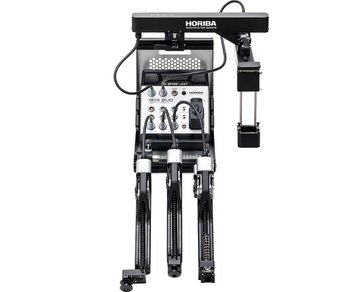
Automatic Driving System
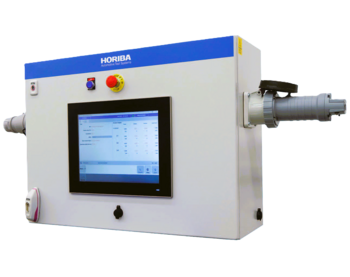
Electric Vehicle Charge Monitor

Test Automation Software for Electrified Vehicle Testing
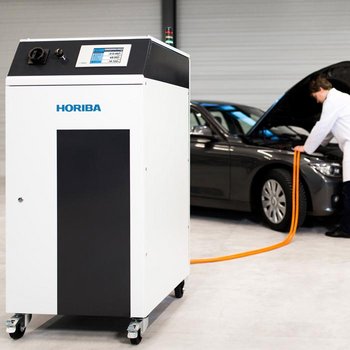
Charge-Discharge Unit for High Voltage Testing and Emulation

Test Automation Software for Durability Testing
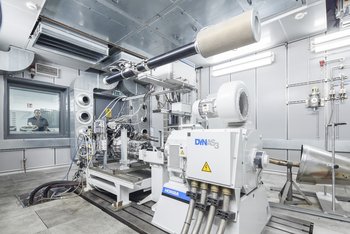
Engine Test Stand System
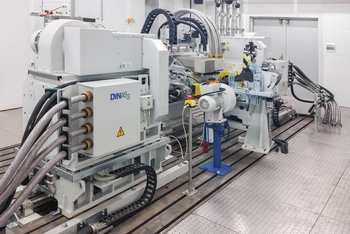
Powertrain Testing for Front, Rear and All Wheel Drive
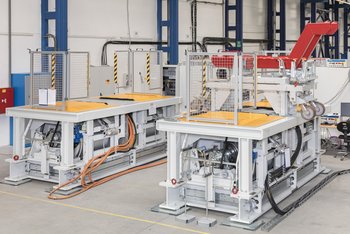
Chassis Dynamometers
Do you have any questions or requests? Use this form to contact our specialists.


