Powders and particles are widely used in various industries and academic fields such as ceramics, functional polymers, food, cosmetics, pharmaceuticals, chemicals, semiconductors, catalysts, battery materials and life sciences, contributing to the development of industries. There are various methods available for particle analysis. To properly analyze particles, it is essential to understand each analysis method and utilize them appropriately according to their respective characteristics.
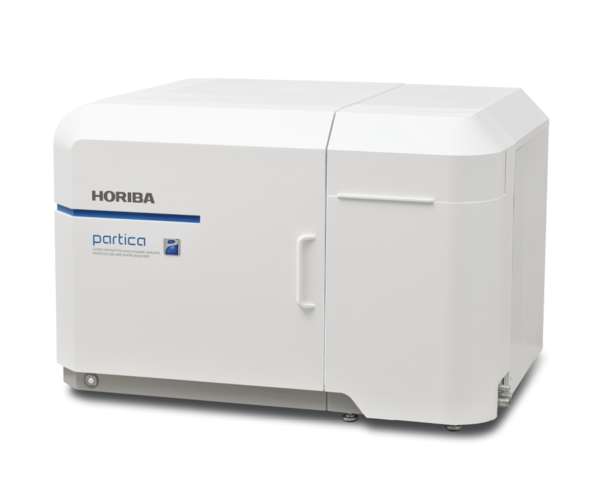
The new Partica is a laser diffraction and dynamic imaging particle size and shape analyzer that is known for its wide dynamic range, speed, excellent performance assurance, and outstanding quality.
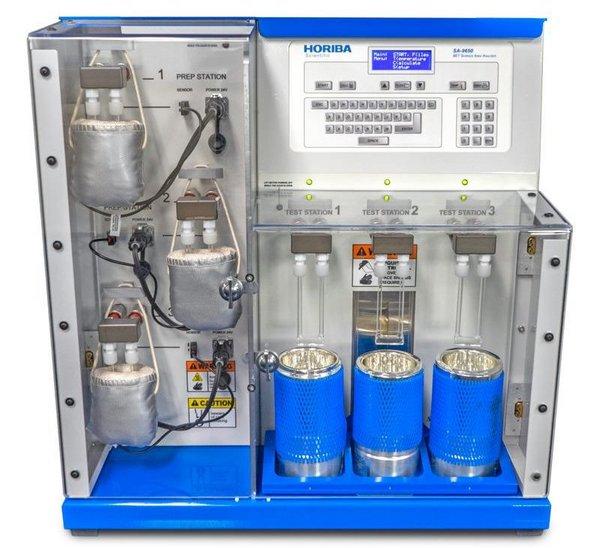
Read moreThe NEW SA-9650 series of surface area analyzers provides convenience, remarkable measurement speed, and very low cost-per-analysis for a wide variety of materials. With the push of a button, you can now perform extremely fast single point or multi-point surface area measurements.
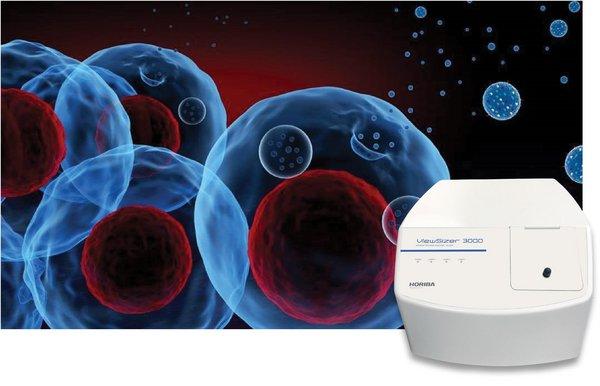
Read moreExosomes are small extracellular vesicles (EVs), 30-150 nm in diameter, which have been determined to play a crucial role in extracellular signaling. They have been observed in both prokaryotic and eukaryotic organisms, meaning they are incredibly widely spread in nature. Exosomes...
Read MoreDr. Toshiya Okazaki of the National Institute of Advanced Industrial Science and Technology (AIST) in Japan is conducting research that contributes to the supply of stable quality and production volume for the practical use of carbon nanotubes. This article is based on an interview with him.
Read MoreDo you have any questions or requests? Use this form to contact our specialists.
You might also like to know...