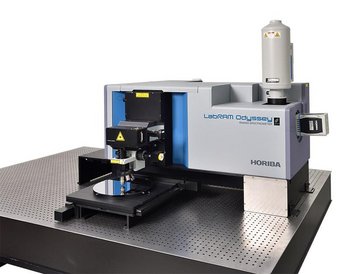
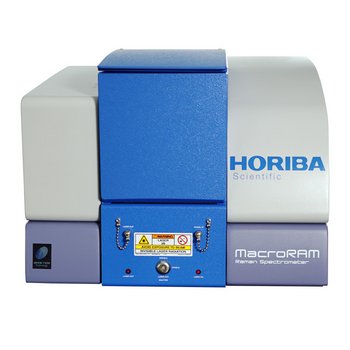
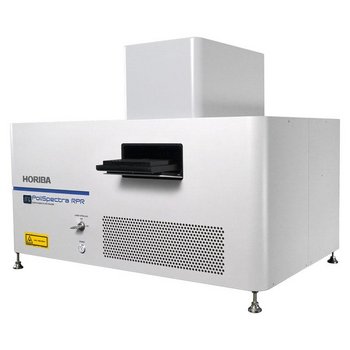
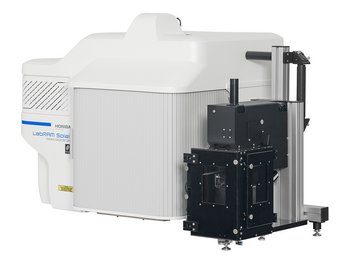
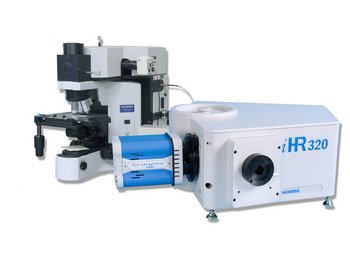
The Ultimate Raman Microscope Family
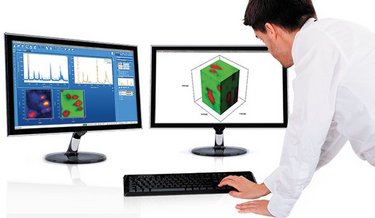
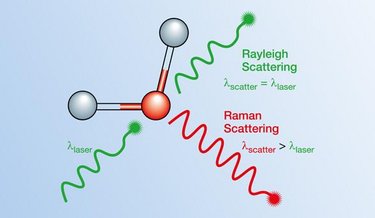
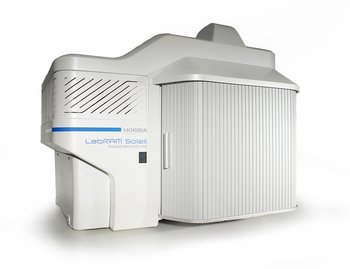
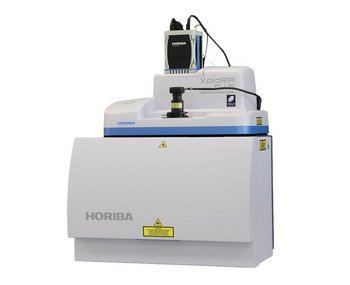
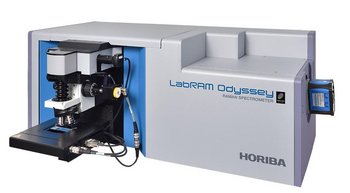
HORIBA is the world leader in Raman spectroscopy, with the benefits of more than 50 years of innovation in the technique. Raman microscopy is a technique which allows fast, non-destructive chemical analysis of solids, powders, liquids, and gases – today, Raman spectroscopy is used in many varied fields, from fundamental research up to applied solutions.
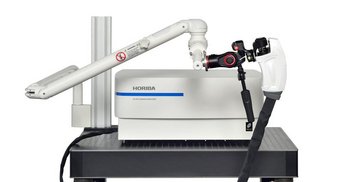
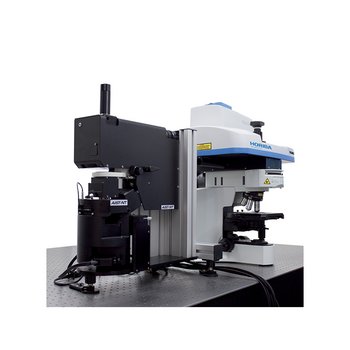
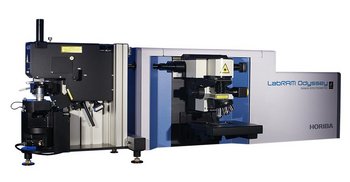
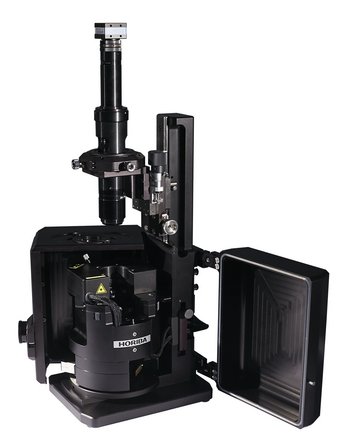
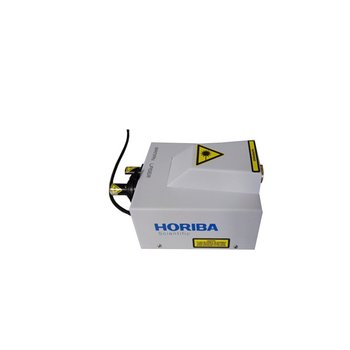
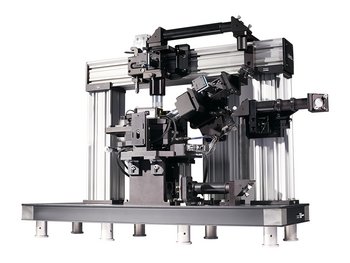
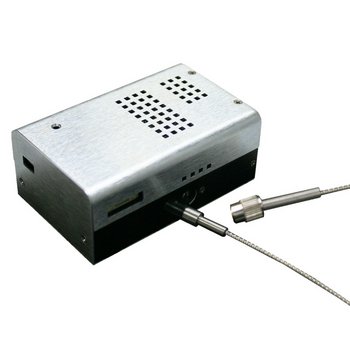
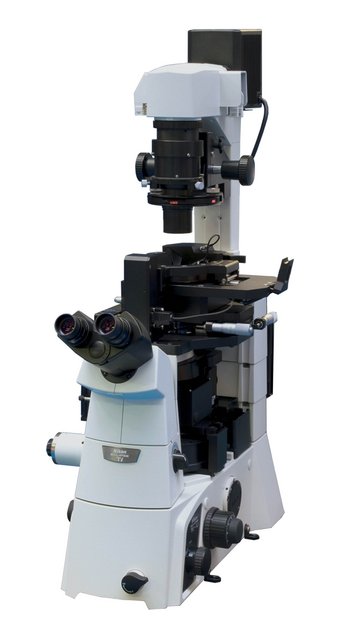
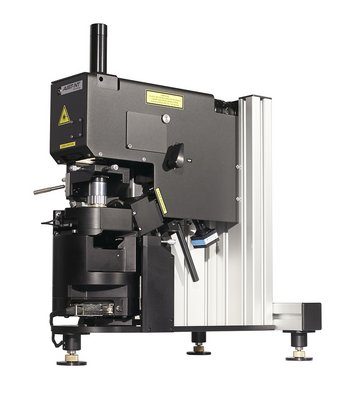
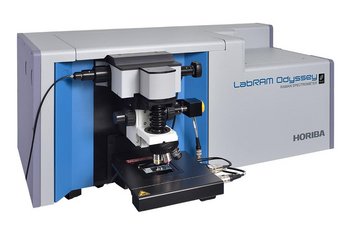
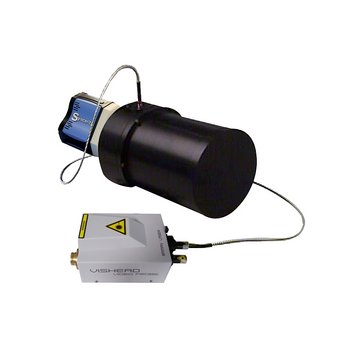
We provide complete Raman spectroscopy solutions for analytical measurements, research Raman, UV Raman, QC/QA and industrial Raman applications. These include Raman spectrometers, hybrid Raman systems (such as AFM-Raman), modular Raman systems, transmission Raman analyzers, dedicated in situ process Raman spectrometers, and miniaturized Raman instruments for high volume OEM manufacturers.
Raman enthusiasts can obtain new information on applications, products, webinars, articles, etc., by subscribing to the Raman XPerience newsletter and viewing previous issues.