Fluid Controller & Module
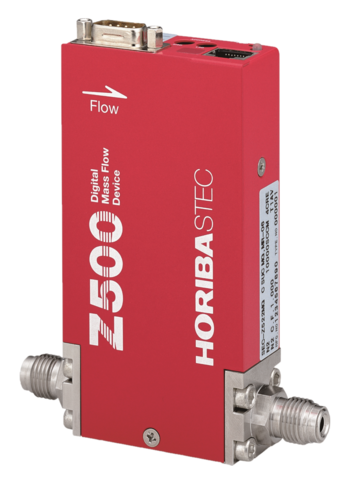
SEC-Z500X Series
Multi Range/Multi Gas Digital Mass Flow Controller
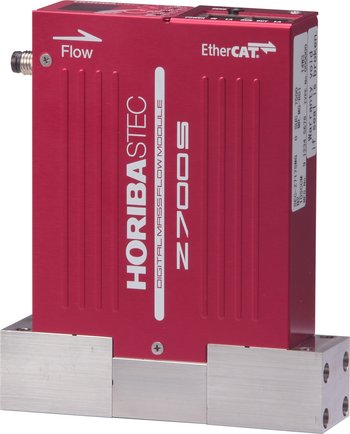
SEC-Z700S Series
New concept Pressure Insensitive Mass Flow Module
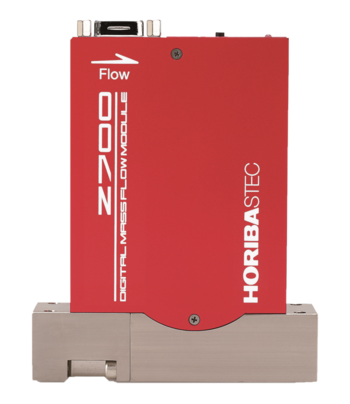
SEC-Z700X Series
Pressure Insensitive Mass Flow Controller
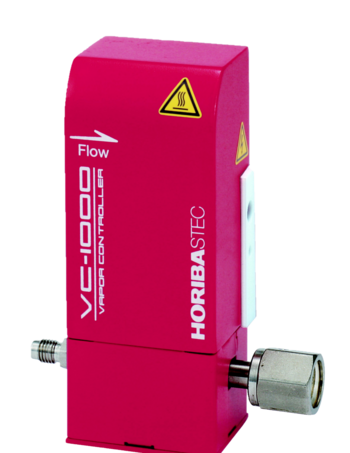
VC Series
Direct Liquid Injection System
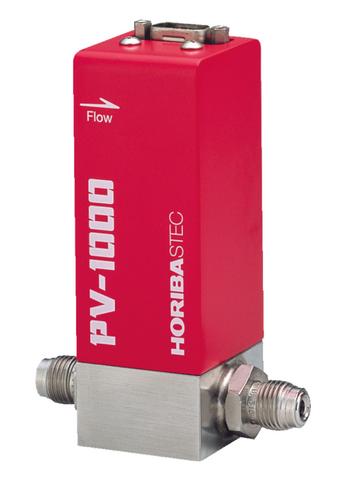
PV Series
Piezo Actuator Valve
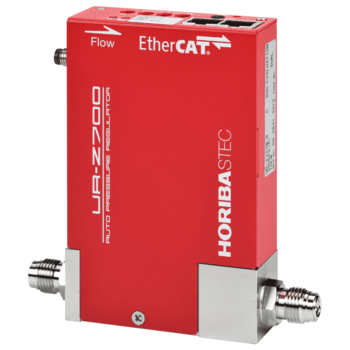
UR-Z700 Series
Digital Automatic Pressure Regulator
Process Monitor & Endpoint Detector
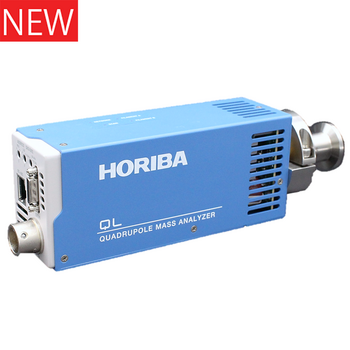
Micropole System QL Series
Quadrupole Mass Analyzer
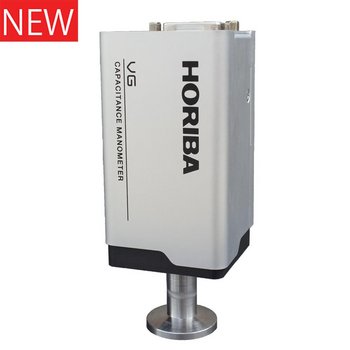
VG-200S
Capacitance Manometer
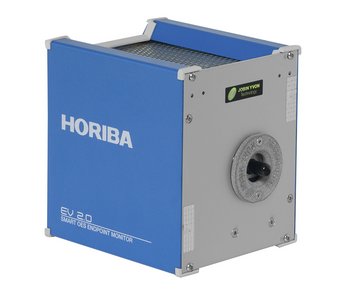
EV 2.0 Series
Endpoint / Chamber Health Monitor based on Optical Emission Spectroscopy and MWL Interferometry
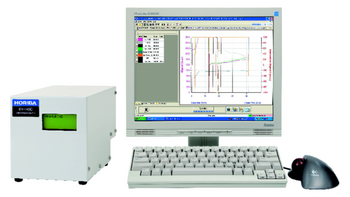
EV-140C
Optical Emission Spectroscopy Etching End-point Monitor
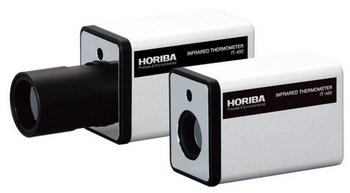
IT-480 series
High-Accuracy Infrared Thermometers [Stationary type]
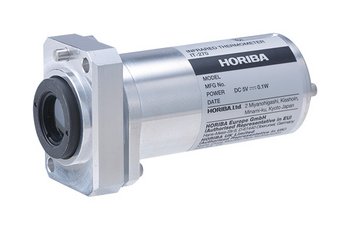
IT-270
High-Accuracy Infrared Thermometer [Built-in type]
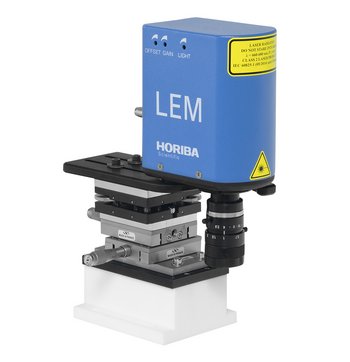
LEM Series
Camera Endpoint Monitor based on Real Time Laser Interferometry