

PDF
1.01
MB
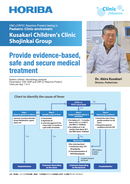
CBC+CRP (C‑Reactive Protein) Testing in the Pediatric Clinic Environment - Kusakari Children's Clinic

Dr. Akira Kusakari, Director, Pediatrician
Kusakari Children's Clinic, Shojinkai Group (Japan)
System Utilized: Hematology Analyzer
Parameters: CBC 3-Diff and CRP (C-Reactive Protein)
Tests per day: 1-2
Parents often do not realize that fever and coughing are natural protective responses against viral and bacterial infections. As a result, they may overreact and visit emergency clinics, fearing that a high fever indicates pneumonia or meningitis. I believe it is a pediatrician’s important role to provide safe and secure medical care with understandable explanations—grounded in evolutionary medicine and evidence‑based diagnosis and treatment—to help alleviate parents’ anxiety about their children’s health.
Roughly 60–70 patients per day, depending on the season. In early February, when influenza is prevalent, we may treat over 100 patients in a single day.
We perform blood tests when fever persists for more than five days, when fever exceeds 39°C, when the cause of fever is unclear, when pain accompanies the fever, and/or when parents are highly anxious. Both CBC and CRP are tested in all such cases, which account for approximately 10% of patients presenting with fever.
Although most pediatric patients with high fever have viral infections, we perform in‑clinic CBC and CRP testing to ensure that serious bacterial infections—such as pneumonia, bacteremia, and meningitis—are not overlooked. When symptoms are concerning, we also conduct biochemical tests (TP, ALB, TB, AST, ALT, LDH, BUN, creatinine, IP, Ca, Na, K, Cl) using venous blood sampling.
For unvaccinated children under three years of age, we collect a small blood sample from the fingertip to measure CBC and CRP, then follow the Chart to Identify the Cause of Fever. If bacterial infection is suspected—particularly when WBC (especially granulocytes) and CRP levels are elevated—antibiotics are administered via drip infusion.
Source: Nishimura, R. Fever of Unknown Origin and Bacteremia. Pediatric Clinical Pyxis: Common Cold Syndrome and Complications. Nakashima Shobo, pp. 176–179, 2010.
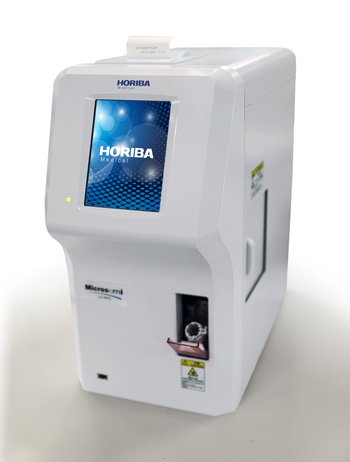
Hematology Analyzer
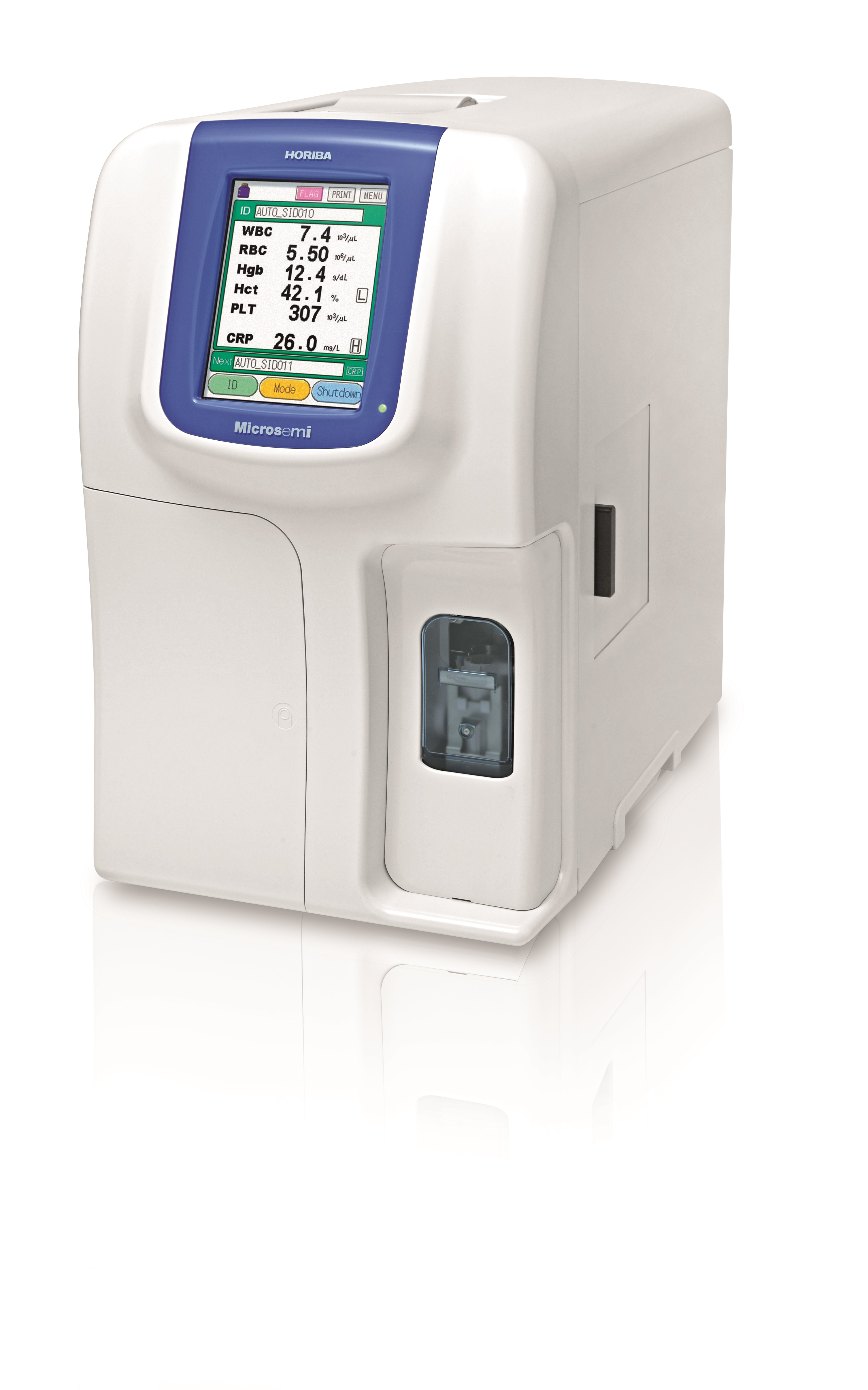
Hematology Analyzer
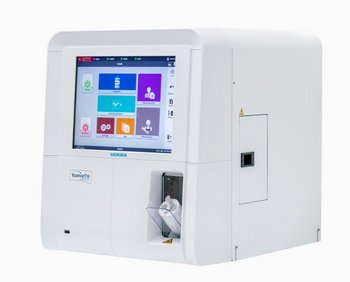
Hematology Analyzer
Do you have any questions or requests? Use this form to contact our specialists.