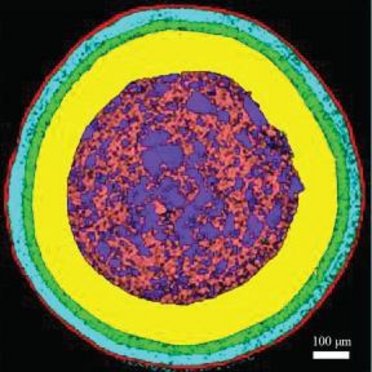
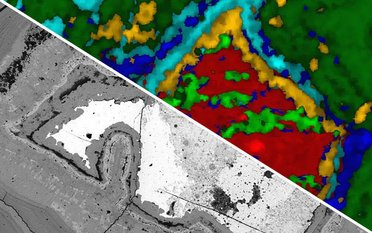
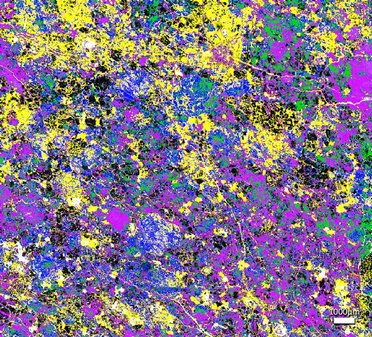
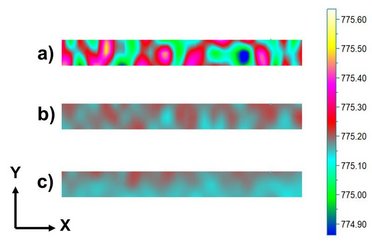
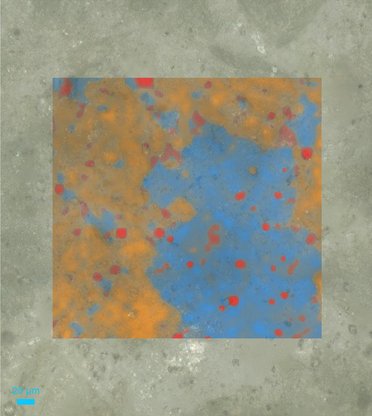
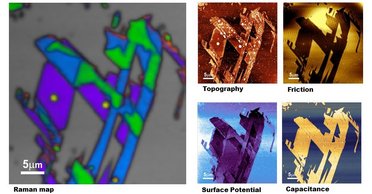
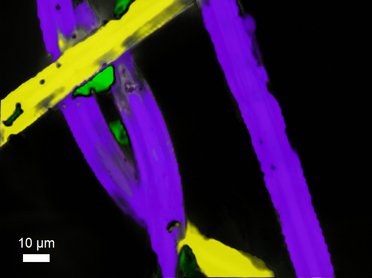
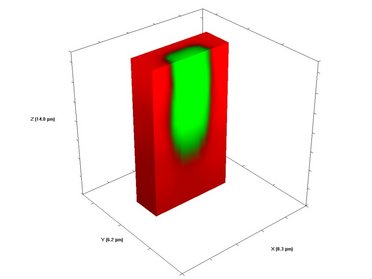
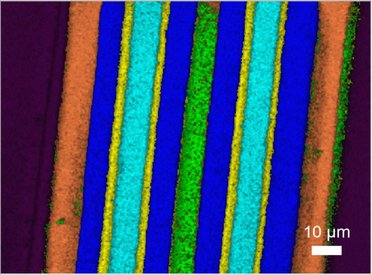
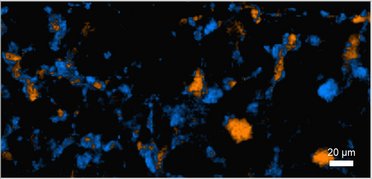
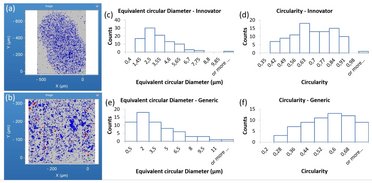
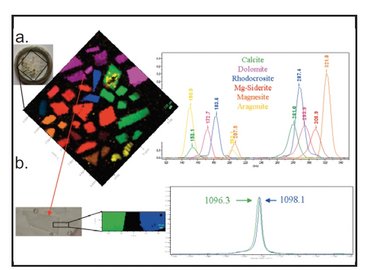
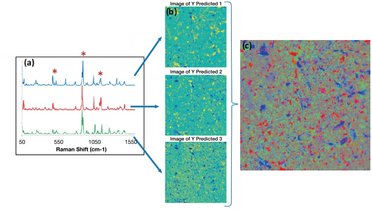
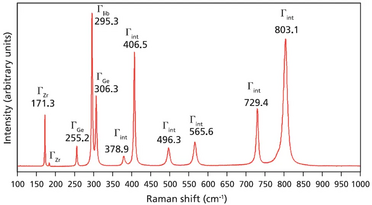
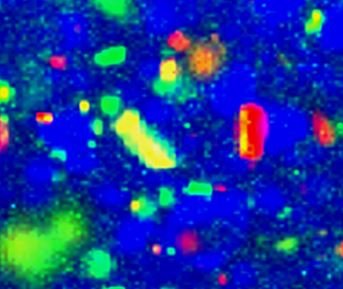
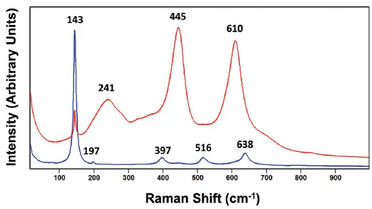
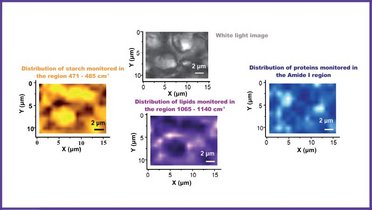
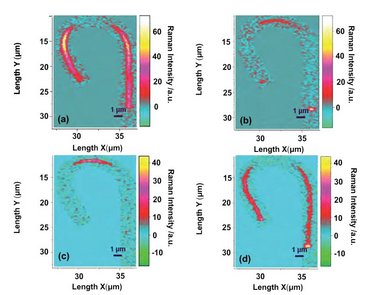
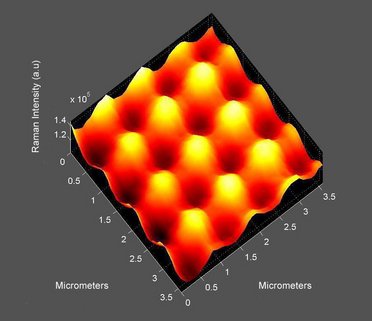
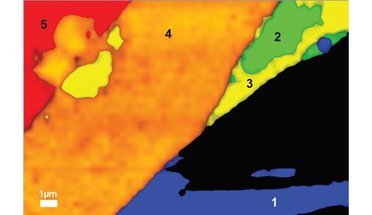
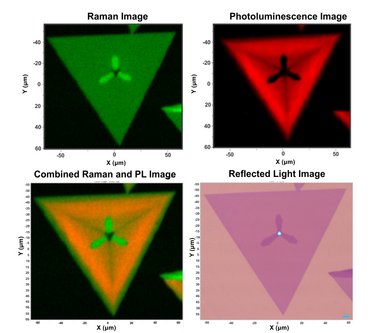
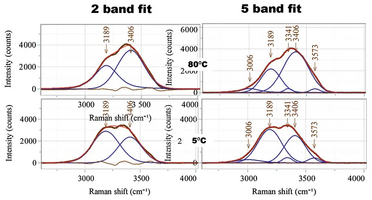
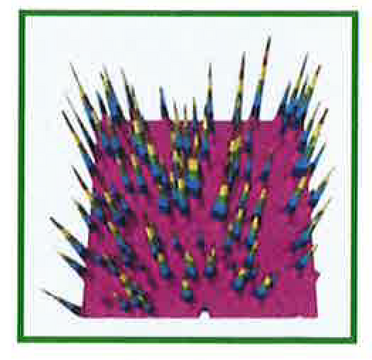
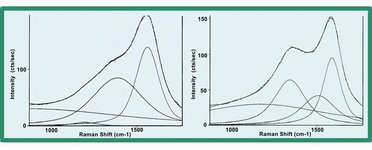
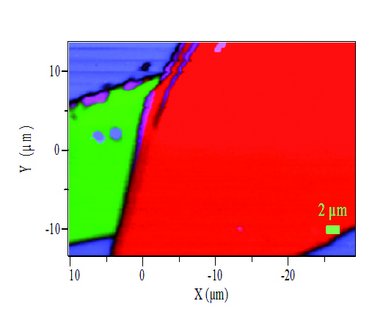
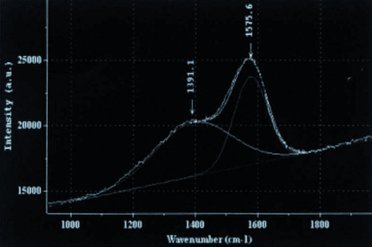
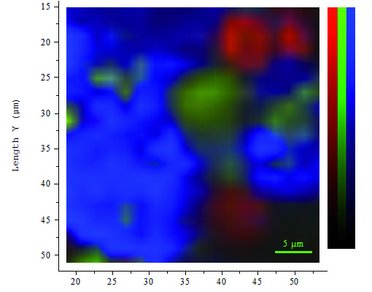
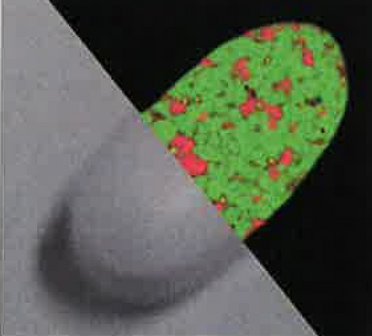
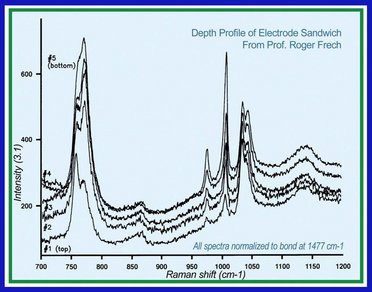
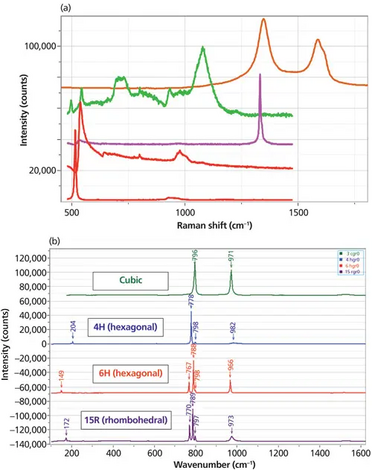
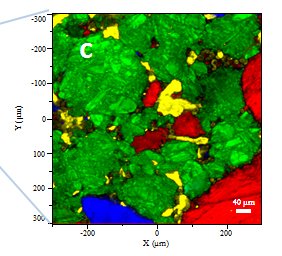
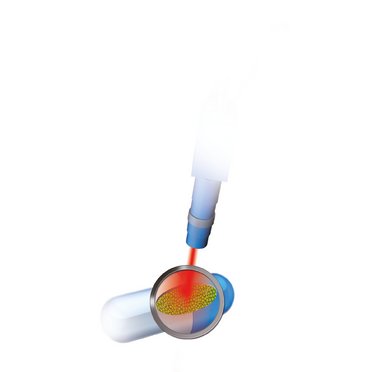
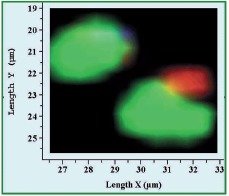
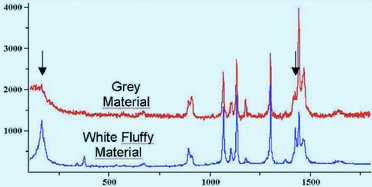
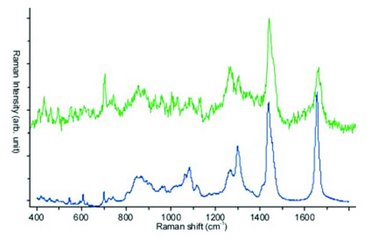
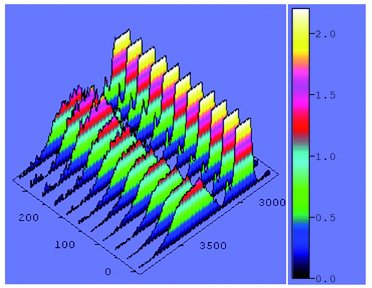
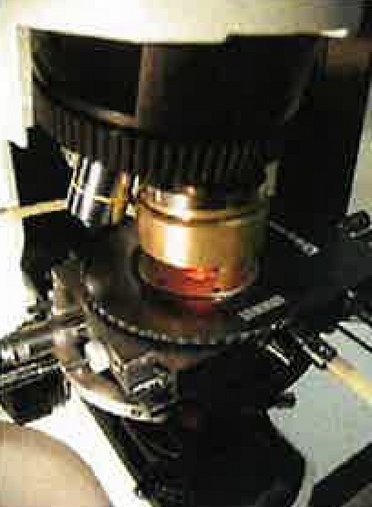
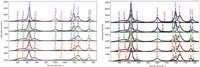
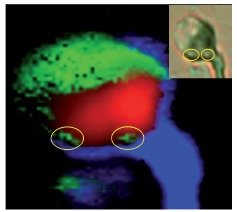
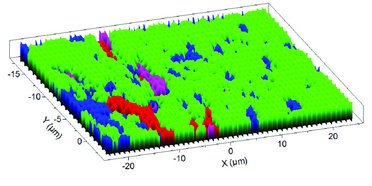
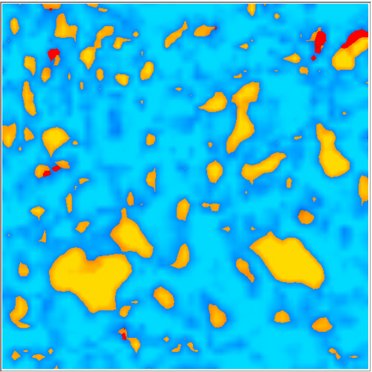
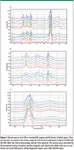
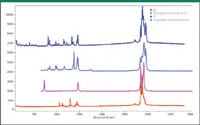
The use of Raman spectroscopy to produce material images whose contrast is derived from chemical or crystallographic species has been seen as quite useful since the introduction of the Raman microscope in 1976, but particularly, more recently, with the development of more sensitive and easier-to-use instruments. When the various species in the field of view have spectra with non-overlapping analytical bands, simple univariate analysis can provide good images. When overlapping bands are present, multivariate techniques, especially MCR (Multivariate Curve Resolution), have been successfully applied. However, there are cases where even MCR results may be problematic. We will look at some maps of a ceramic composite containing SiC, Si, B4C, and Carbon, where each of these species has non-unique spectra to see what type of results flexible software can produce. What is the goal in this type of exercise? For some of us, creating images is like a teenager’s computer game. But really what we are trying to do is to extract information about a sample from its Raman image. A beautiful rendition is nice, but it must yield information. The following will show how Raman maps can provide useful information on a sample.