PDF
0.93
MB

Rapid pH and Nutrient Analysis of Coco Coir and Coco Peat Using LAQUAtwin Pocket Meters

Coco coir and coco peat are commonly used in gardening as growth mediums. Due to slight differences in pH, it is important to measure the pH of the coco coir and coco peat before use, as this could affect the nutrient level present in the soil. This is done by mixing moist coco peat with distilled water, and results can be obtained quickly by using the LAQUAtwin pH meter. Other information like salinity, electrical conductivity, and nutrient levels (sodium, potassium, calcium) can also be obtained by using an appropriate LAQUAtwin pocket meter.
The coconut industry contributes significantly to the Sri Lankan economy, accounting for approximately 12% of all agricultural produce in Sri Lanka. They are also the world’s fourth-largest exporter of coconut and coconut-based products. In 2024, Sri Lanka’s coconut industry generated USD 856.79 million1. According to existing demand for coconuts in Sri Lanka, around 4.0 billion nuts are required, but current level of production is only between 2.8 to 3.0 billion. As such, there are several strategies recommended by the Coconut Research Institute of Sri Lanka to try and step up the country’s coconut crop, such as enhancing soil quality and managing soil water2.
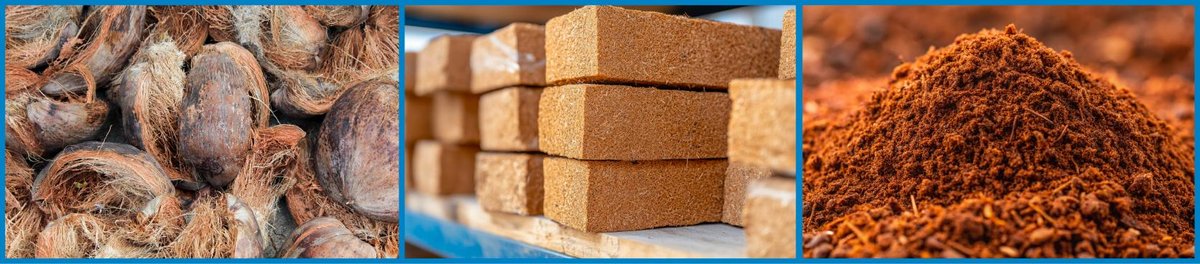
Aside from their use in food and beverages, coconuts have a wide array of uses in other applications as well. The husk, which is the outer layer of the coconut, can be harvested and processed to obtain coco coir and coco peat, which are commonly used in gardening as growing mediums. Aside from their use in food and beverages, coconuts have a wide array of uses in other applications as well. The husk, which is the outer layer of the coconut, can be harvested and processed to obtain coco coir and coco peat, which are commonly used in gardening as growing mediums.
The husk, which is the outer layer of the coconut, can be harvested and processed to obtain coco coir and coco peat, which are commonly used in gardening as growing mediums.
Coco coir contains natural rooting hormones that aid with plant development even though it is relatively low in nutritional value. Coco peat on the other hand, possesses more nutrients such as nitrogen, potassium and phosphorous, which are vital for plant growth. Both products have no overlapping features, nor do they cancel each other out and as such are commonly used together in the market.3 This makes it very versatile, as it can be mixed with other soil supplements, nutrients and fertilizers, to create customized soil blends for specific plant needs. One thing to note is that there are slight pH differences between coco coir and coco peat. Coco coir has a more neutral pH level of 6 to 6.8, while coco peat tends to be more acidic at a pH level of 5.5 to 6.5. When dealing with sensitive plants, it is thus important to measure the pH level of the soil, as the level of nutrients in the soil varies depending on the pH level, so that the plant receives an adequate amount of nutrients for its growth.
| Growing Mediums | Coco Coir | Coco Peat |
|---|---|---|
 |  | |
| Nutritional Value | Contains natural rooting hormones which are relatively low in nutritional value | Possesses more nutrients such as Nitrogen, Potassium and Phosphorous |
| Function | Promotes root development | Supports overall plant growth |
| pH Level | More neutral pH: 6.0 - 6.8 | More acidic pH: 5.5 - 6.5 |
| Compatibility | No overlapping features with each other Commonly used together Can be mixed with other soil supplements | |
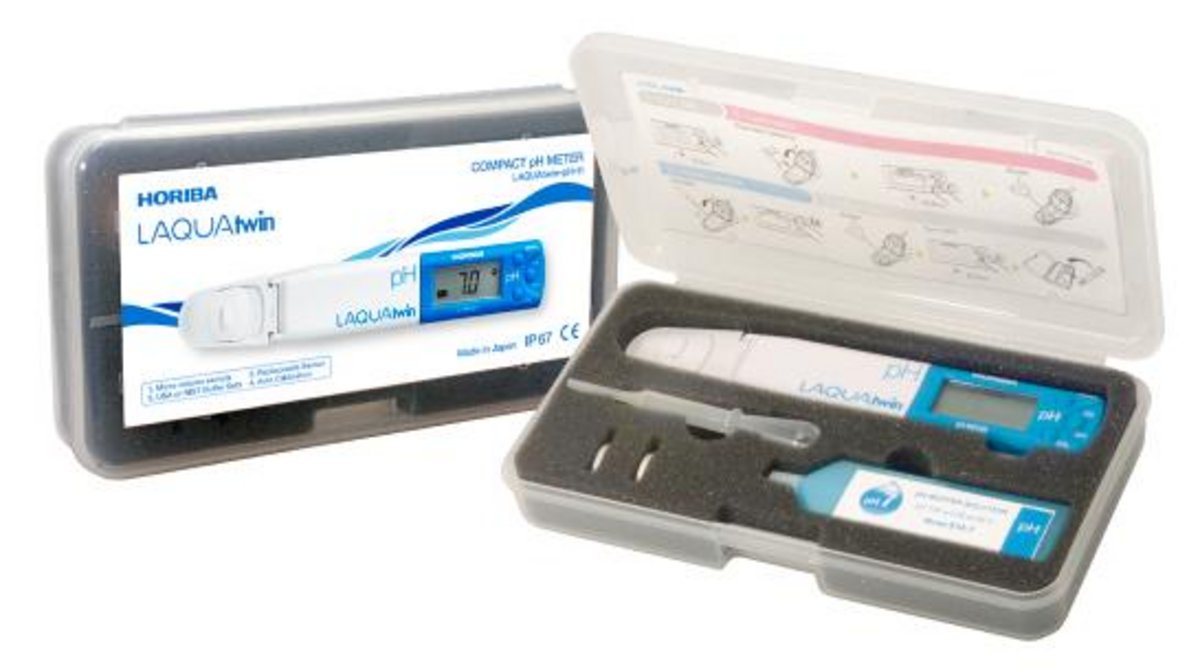
The LAQUAtwin series of water quality meters provide quick and accurate on-site readings from small volumes of sample across various parameters like pH, electrical conductivity (EC), salinity and ions such as sodium, potassium and calcium, depending on the meter chosen. They are cost-efficient and easy to use and operate, to ensure you get the most accurate reading, all in a small form factor.
LAQUAtwin pocket meters: pH, ORP, potassium, electrical conductivity, total dissolved solids, calcium, sodium, fluoride, salinity, nitrate, bovine blood calcium
Calibrate the LAQUAtwin meters being used using standards included with each kit, according to manufacturer’s instructions.
pH
pH affects nutrient solubility. Outside of a specific pH range, nutrients may become less soluble/more unavailable, leading to potential deficiencies. Hence, pH monitoring is required to ensure optimal nutrient availability to the plant and to avoid any deficiencies and toxicities which can affect plant growth.
Electrical Conductivity (EC)
Electrical conductivity is the measure of the ability of a substance in conducting electricity. While dissolved salts in solution contribute to conductivity, it can also be impacted by other dissolved substances. It also provides some insight into the salinity of the coco peat and the availability of nutrients present. It should be noted that while the terms electrical conductivity and salinity might be used interchangeably sometimes, electrical conductivity is affected by the concentration of ALL dissolved ions in solution, while salinity is only affected by dissolved salts ONLY.
Salinity
As mentioned above, while salinity may sometimes be referred to as electrical conductivity, salinity refers to ONLY the concentration of dissolved salts present (e.g. sodium chloride, calcium chloride). High salinity levels reduce water availability to the plant, eventually causing drought and plant death.
Sodium Ion
Coco peat naturally possesses moderate to high levels of sodium, especially if it's raw or unwashed. High levels of sodium can be toxic to plants as it competes with other essential nutrients like potassium and calcium. This causes osmotic stress to the plant as it inhibits water and nutrient uptake. This can be corrected by washing with water and buffering with calcium nitrate solution.
Potassium Ion
Potassium is an essential macronutrient for plants as it is responsible for flowering, fruiting and stress tolerance. Raw, unprocessed coco peat contains high levels of potassium and this causes uptake competition with other nutrients like calcium and magnesium. This could result in nutrient imbalances and deficiencies. One way to work around this is to wash the coco peat and buffering the coco peat with calcium nitrate solution.
Calcium Ion
Coco peat naturally contains low levels of calcium due to its cation exchange profile. Cation exchange sites in coco peat are often filled with potassium and sodium ions and this can block calcium uptake of the plant unless it is corrected. Low calcium intake would result in calcium deficiency in plants, especially in fruiting crops like tomatoes or peppers. One way to correct this is to treat coco peat by buffering with calcium nitrate or calcium chloride solution, as this displaces sodium and potassium from the cation exchange sites.
Summarised below is a table of ideal values of each measurement parameter in coco peat:
| Parameter | Coco peat | |
| Raw, unwashed | Washed and buffered (ideal) | |
| Electrical Conductivity (EC) | >0.8 mS/cm | <0.5 mS/cm |
| Salinity* | >2 g/L | >0.2 % | <1 g/L | <0.1 % |
| pH | 5.5-6.5 | 5.5-6.84 |
| Sodium | 200-1000 ppm | 30-50 ppm |
| Potassium | 1500-7000 ppm | 100-500 ppm |
| Calcium | 10-100 ppm | 100-200 ppm |
*Values are aligned according to international buyer requirements.
| 1 | Sri Lanka Export Development Board, “Coco peat Based Products from Sri Lanka”, SriLankaBusiness.com, accessed June 2025, https://www.srilankabusiness.com/coconut/coco-peat-products.html |
| 2 | Sri Lanka Export Development Board, “Industry Capability of Coconut and Coconut Based Product Sector in Sri Lanka”, SriLankaBusiness.com, accessed June 2025, https://www.srilankabusiness.com/coconut/about/industry-capability.html |
| 3 | Coco Coir Global, “Coco Coir vs Coco Peat: Differences and Similarities”, CocoCoirGlobal.com, accessed June 2025, https://cococoirglobal.com/coco-peat-vs-coco-coir/ |
| 4 | Sri Lanka Standards Institution (2025). SLS 1219:2025 — Coir fibre pith substrate: Requirements and test methods. Sri Lanka Standards Institution. |
Revision 0, 07 October 2025
HORIBA제품의 자세한 정보를 원하시면, 아래의 양식에 내용을 입력을 부탁드립니다.