PDF
0.27
MB
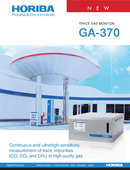
GA-370 Trace Gas Monitor
Brochure

Methane reformers convert methane (CH4) into hydrogen-rich synthesis gas via high-temperature catalytic reactions with steam, carbon dioxide (CO2), or oxygen (O2). They are widely used for hydrogen (H2) production in refining, chemical processing, and energy applications.
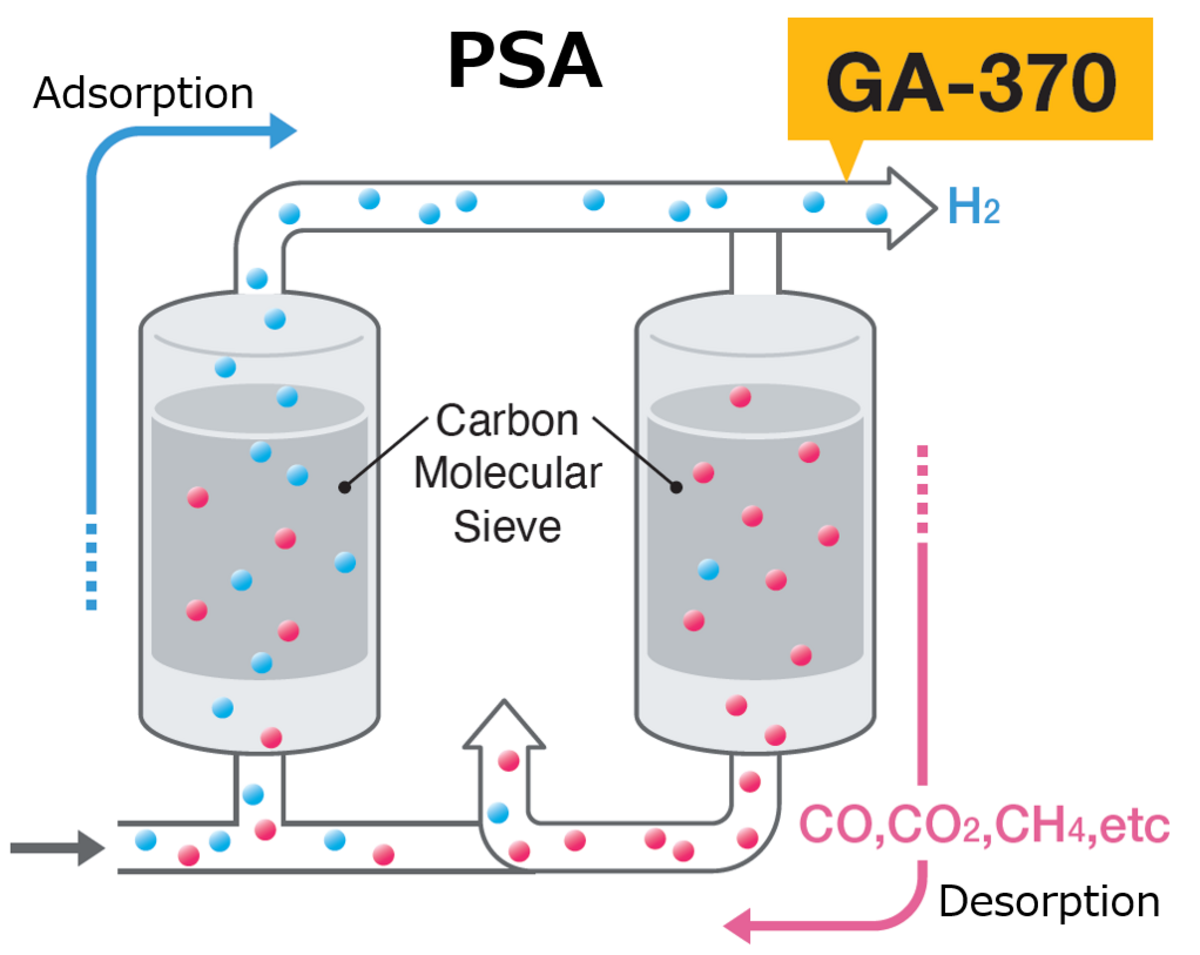
Downstream, Pressure Swing Adsorption (PSA) purifies the hydrogen, with typical residual impurities including CO, CO2, and CH4.
For fuel applications, ISO 14687 defines strict impurity limits. Carbon monoxide (CO) serves as a key indicator of hydrogen quality.
Schematic drawing of the PSA process
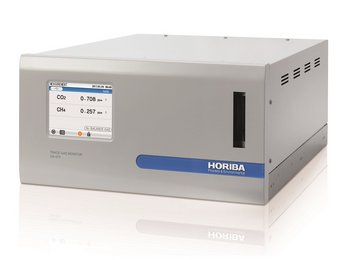
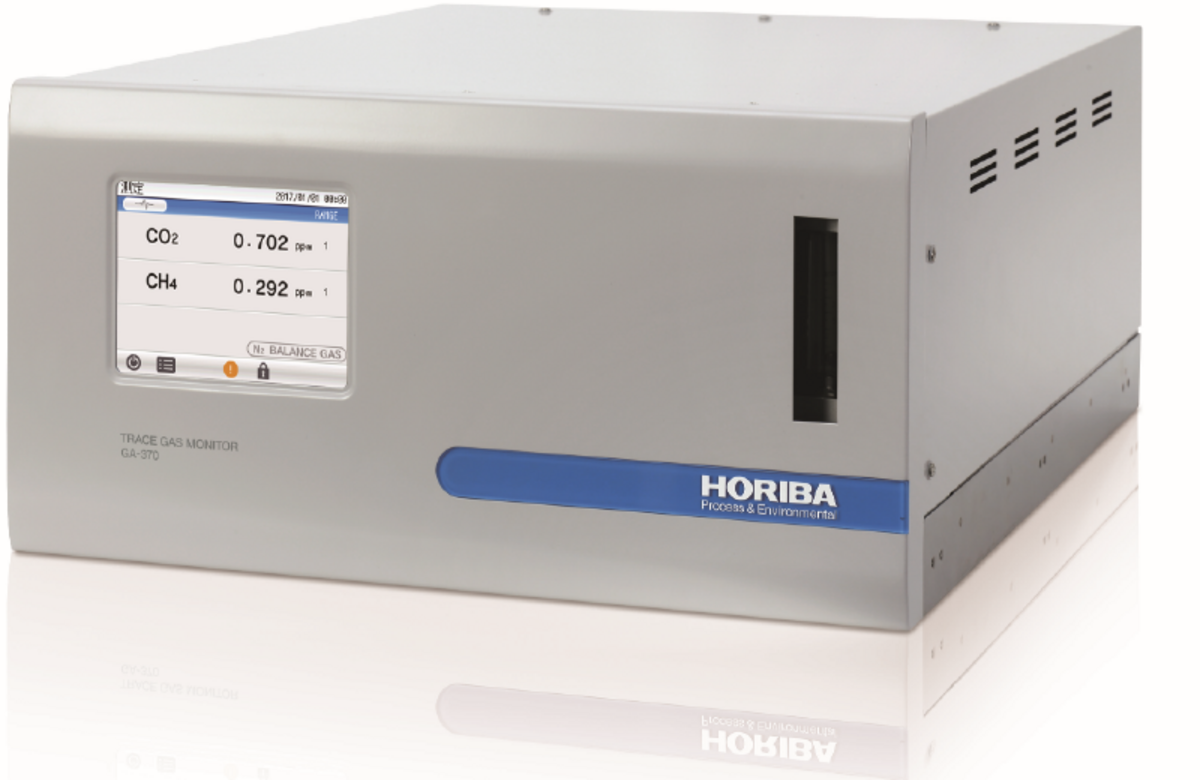
HORIBA's Trace Gas Monitor GA-370 uses non-dispersive infrared (NDIR) photometry to measure trace levels of carbon monoxide (CO), carbon dioxide (CO2) and methane (CH4) with measurement ranges starting at 0–1 ppm and a detection limit as low as 10 ppb.
GA-370 Trace Gas Monitor
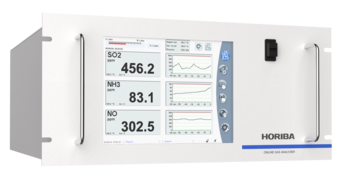
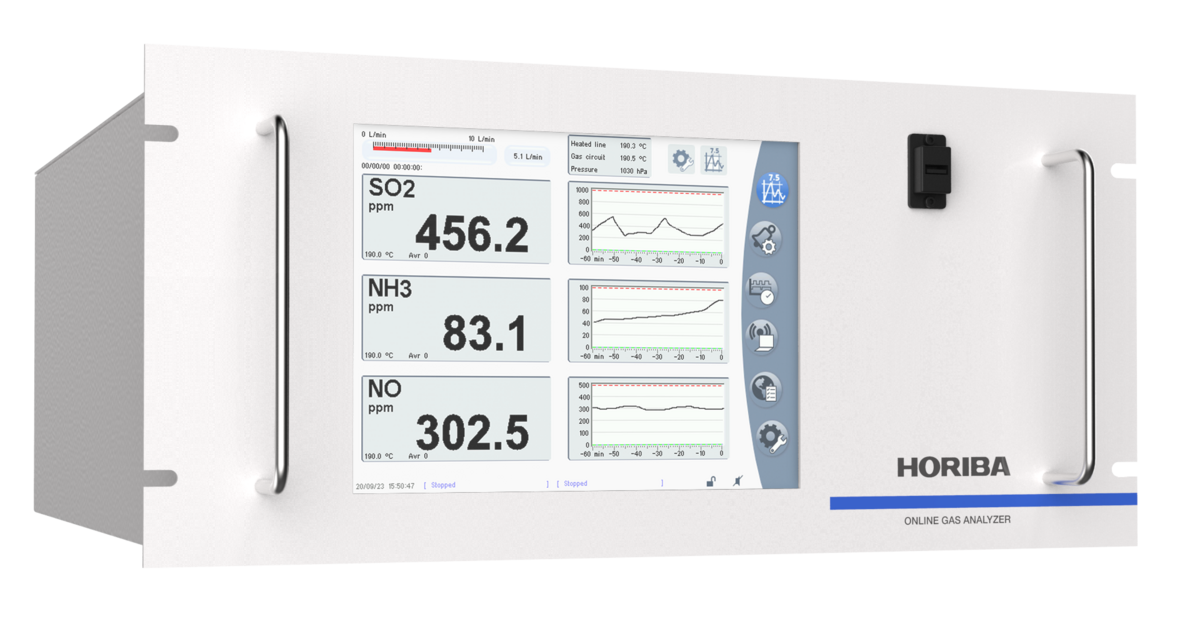
HORIBA’s Online Gas Analyzer EXM500-L uses UV spectroscopy to detect trace ammonia (NH3) contamination in hydrogen production.
EXM500-L Online Gas Analyzer
Masz pytania lub prośby? Skorzystaj z tego formularza, aby skontaktować się z naszymi specjalistami.
N2, O2, Ar: Air separator
CO2: Industrial sources or combustion
CO: Methane reformer (HyCO)
H2: H2O electrolysis and methane reformer
NH3: Haber-Bosch process
N2O: Heating of NH4NO3
NO: Oxidation of NH3
He: Natural gas sources
C2H4: Steam cracker
Non-dispersive infrared photometry (NDIR)
Used to measure impurities and purity levels in CO, CO2, N2O, CH4, etc.
UV fluorescence (after oxidation)
Used to measure impurities in SO2, H2S and other sulfur-containing compounds (TRS, TS).
Paramagnetic detector (PMD)
Used to measure impurities & purity in O2.
Chemiluminescence detector (CLD)
Used to measure impurities in NO, NO2, NOx.
Flame ionization detector (FID)
Used to measure impurities in CH4, C2H6, etc.