ViewSizer 3000

ViewSizer 3000

Simultaneous Multispectral Nanoparticle Tracking Analysis (NTA)

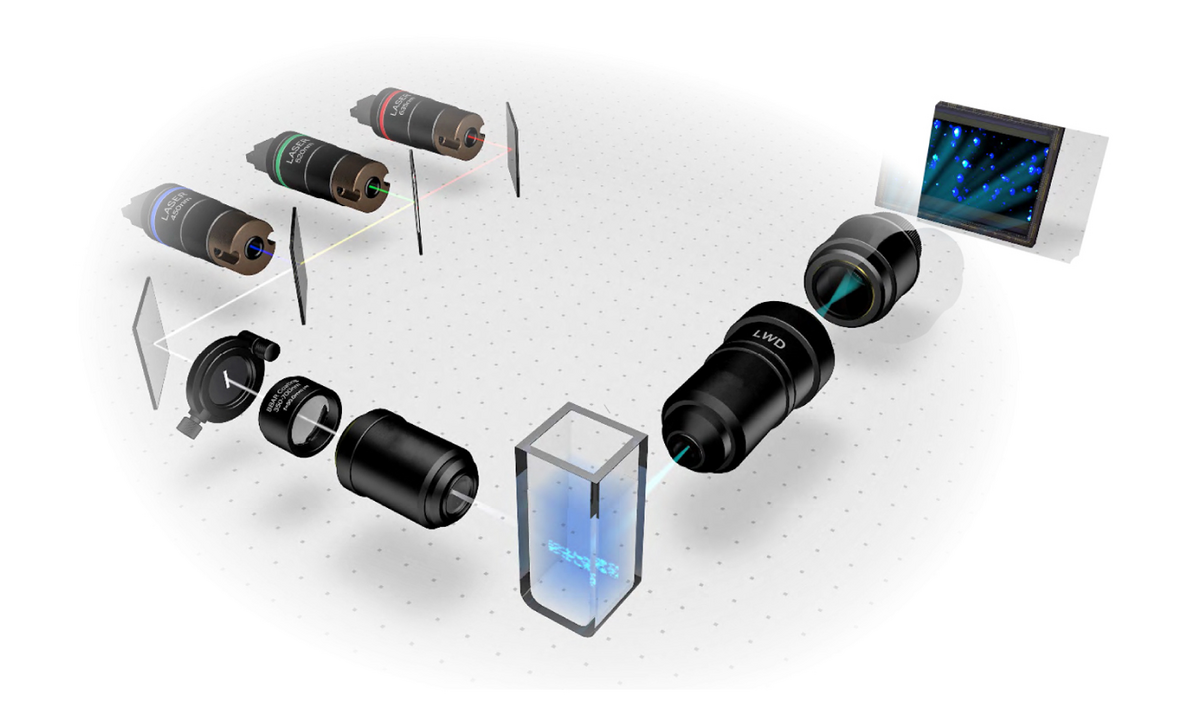
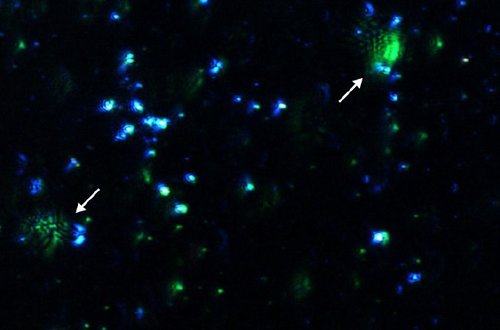
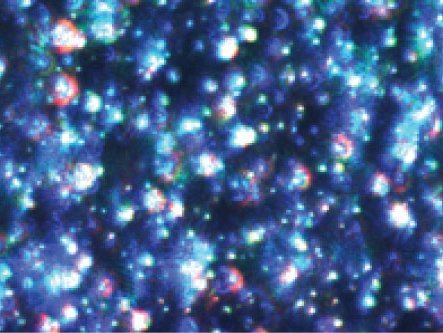
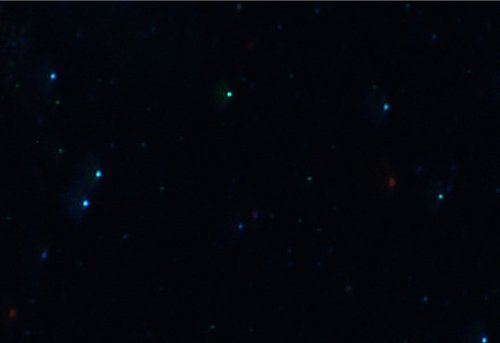
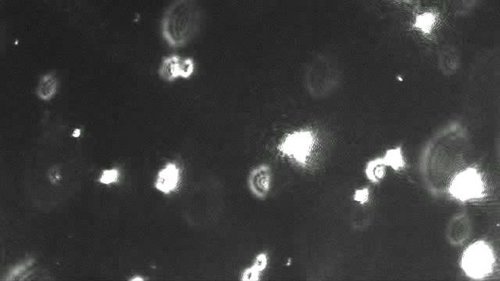
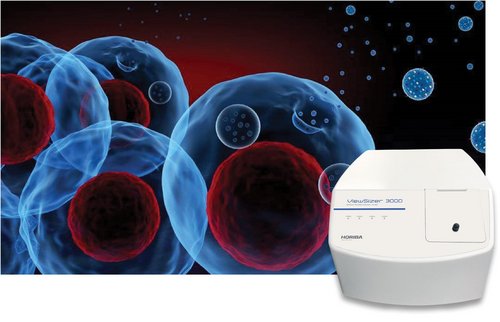
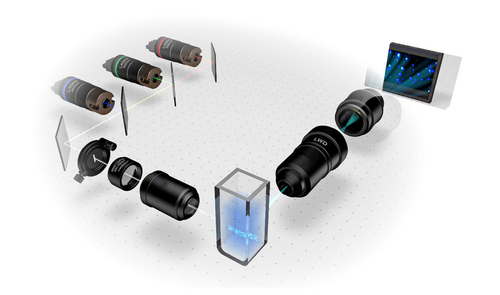
Traditional Nanoparticle Tracking Analysis (NTA) often fails to accurately characterize polydisperse samples like extracellular vesicles, fine bubbles, viruses, and engineered nanoparticles. The ViewSizer™ 3000 overcomes this limitation by employing an advanced Multi-energy NTA approach—specifically, Multispectral NTA—to capture comprehensive, detailed particle data across the entire size distribution.

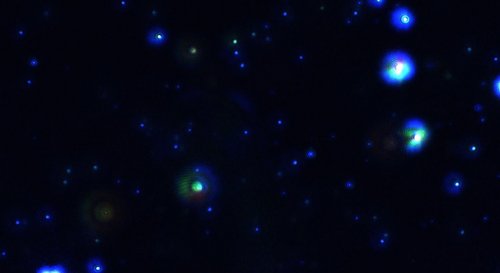
The ViewSizer 3000 uses simultaneous measurement with three lasers at different power levels, ensuring every particle is accurately tracked, regardless of its scattering intensity. This results in the most complete size and concentration information for samples from 10 nm to 15 microns.

Key Advantages of the ViewSizer 3000

  • Multi-energy NTA for Comprehensive Data: Using different power levels for each laser color, the system automatically corrects for particle size effects on light scattering. Data from a lower power laser is used when a particle signal is too bright, and data from a higher power laser is used when scattering is too weak, guaranteeing accurate results across a wide size range in a single measurement.

  • Guaranteed Accuracy and Compliance: Fully compliant with ISO 19430: 2024 for reliable, traceable particle size and concentration determination.

  • Zero Cross-Contamination: The easy-to-remove sample cell can be fully disassembled for rapid and thorough cleaning, eliminating the risk of cross-contamination and ensuring high data integrity—a critical factor for core facilities and high-throughput labs.

  • Wide Dynamic Range: Measures sample concentrations from 105 to 109 particles/mL and particle sizes from 10 nm to 15 µm.


Scroll down and contact us for more information

Сегмент: Scientific
Подразделение: Particle Characterization
Производитель: HORIBA Instruments Incorporated

Product video

Watch videoWatch video

Featured Publications for the ViewSizer 3000:

Ultrasensitive detection of intact SARS-CoV-2 particles in complex biofluids using microfluidic affinity capturehttps://www.science.org/doi/10.1126/sciadv.adh1167
Orthogonal Measurement of Number Concentration Standards for NTA Calibration[Direct Link]
Biological characterization using protein crystal measurementshttps://bioprocessintl.com/analytical/product-characterization/biological-characterization-using-protein-crystal-measurements/
A lipase-independent pathway of lipid release and immune modulation by adipocyteshttps://science.sciencemag.org/content/363/6430/989
Application of a novel new multispectral nanoparticle tracking techniquehttps://iopscience.iop.org/article/10.1088/1361-6501/aab940/meta
Biophysical characterization of polydisperse liposomal adjuvant formulationshttps://doi.org/10.1016/j.bbrc.2020.05.156
Characterisation of particles in solution – a perspective on light scattering and comparative technologieshttps://doi.org/10.1080/14686996.2018.1517587
Cyclodextrin Reduces Intravenous Toxicity of a Model Compoundhttps://doi.org/10.1016/j.xphs.2019.01.004
Development and anti-Candida evaluation of the vaginal delivery system of ... nanosuspension-loaded thermogelhttps://doi.org/10.1080/1061186X.2018.1434660
Electrochemical sensor based on F,N-doped carbon dots decorated laccase for detection of catecholhttps://doi.org/10.1016/j.jelechem.2019.03.071
Light scattering by pure water and seawater: the depolarization ratio and its variation with salinityhttps://doi.org/10.1364/AO.58.000991
Lipid Nanoparticle-Delivered Chemically Modified mRNA Restores Chloride Secretion in Cystic Fibrosishttps://doi.org/10.1016/j.ymthe.2018.05.014
Mesenchymal Stromal Cell Bioreactor for Ex Vivo Reprogramming of Human Immune Cellshttps://doi.org/10.1038/s41598-020-67039-w
Multifunctional Nanocomposites Based on Liposomes and Layered Double Hydroxides Conjugated with Glycylsarcosine for Efficient Topical Drug Delivery to the Posterior Segment of the Eyehttps://doi.org/10.1021/acs.molpharmaceut.8b01136
Particle size analysis of polydisperse liposome formulations with a novel multispectral advanced nanoparticle tracking technologyhttps://doi.org/10.1016/j.ijpharm.2019.06.013
Review of nanoparticles in ultrapure water: definitions and current metrologies for detection and controlhttps://www.ovivowater.com/review-of-nanoparticles-in-ultrapure-water-definitions-and-current-metrologies-for-detection-and-control/
Spark erosion as a high-throughput method for producing bimodal nanostructured 316L stainless steel powderhttps://doi.org/10.1016/j.powtec.2018.01.012
Synthesis and Characterization of EGFR-Targeted Immunoporphysomeshttp://hdl.handle.net/1807/89548
Synthesis of Ultrasmall Synthetic Melanin Nanoparticles by UV Irradiation in Acidic and Neutral Conditionshttps://pubs.acs.org/doi/abs/10.1021/acsabm.9b00747
Nanoparticle Tracking Analysis for the Quantification and Size Determination of Extracellular Vesicles | Protocol (jove.com)https://doi.org/10.3791/62447
Isolation and characterization of EV in Saliva of Children with Asthmahttps://evcna.com/article/view/3962
Spinal cord injury alters microRNA and CD81+ exosome levels in plasma extracellular nanoparticles with neuroinflammatory potentialhttps://doi.org/10.1016/j.bbi.2020.12.007
Skeletal muscle tissue secretes more extracellular vesicles than white adipose tissue and myofibers are a major source ex vivo but not in vivohttps://doi.org/10.1101/2020.09.27.313932
Human milk extracellular vesicle miRNA expression and associations with maternal characteristics in a population-based cohort from the Faroe Islandshttps://www.nature.com/articles/s41598-021-84809-2
Purification of Cas9 - RNA Complexes by Ultrafiltrationhttps://doi.org/10.1002/btpr.3104
Assessment of Surface Glycan Diversity on Extracellular Vesicles by Lectin Microarray and Glycoengineering Strategies for Drug Delivery Applicationshttps://doi.org/10.1002/smtd.202100785
Bioactive extracellular vesicles from a subset of endothelial progenitor cells rescue retinal ischemia and neurodegenerationhttps://doi.org/10.1172/jci.insight.155928
Circulating Extracellular Vesicles From Septic Mice Induce Brain Inflammation via Mirna Cargohttp://hdl.handle.net/10713/19055


Measurement Range

10 nm to 15 μm

Typical Sample Volume

350 µL to 2.5 mL

Typical Sample Concentration
(Sample dependent)

10^5 – 10^9 particles/mL

Sample Temperature Range
(Controlled)

10° C to 50° C +/- 0.1° C

Dimensions

55 cm W x 66 cm D x 35 cm H

Weight

27 kg

Operational Environment

15° C to 30° C with < 85% RH


Particle Analysis in Vaccine Manufacturing and Development
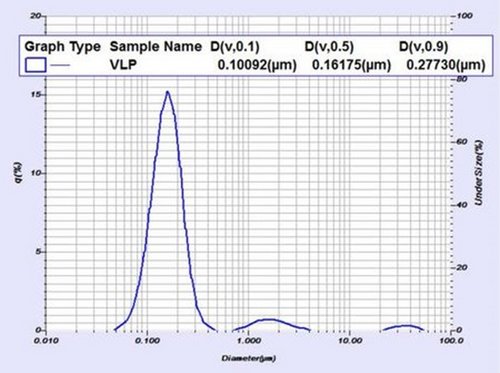
Size matters in vaccine delivery systems. Nanoparticles smaller than 200 nm generally present a greater immunogenic response than micro-particles larger than 1 micron.
Achieving Infectious Titer with Multi-laser Nanoparticle Tracking Analysis (NTA)
In this note, the upstream process of analyzing viral preparations is addressed, as well as the use of multi-laser nanoparticle tracking analysis (NTA) as a cost and time efficient method to measure size, count virus particles, and correlate to infectious titer.
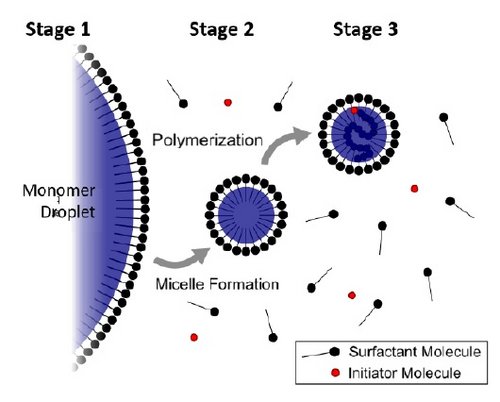
Optimization of an Emulsion Polymerization Process and Product Through Nanoparticle Concentration Analysis
This note covers the history, theory and processes used for emulsion polymerization. It also examines the importance of measuring the concentration of latex nanoparticles produced by emulsion polymerization for a biotech application developed by the Gianneschi lab at UCSD.
Predicting Whiskey Shelf Stability with Particle Size Distribution
Careful control of the particulates in whiskey is an important step to quality flavor and color. Inadequate monitoring of particle size impedes the final product stability, consistency, quality, and price. In this note, the particle science behind these determining factors will be thoroughly examined and explained.
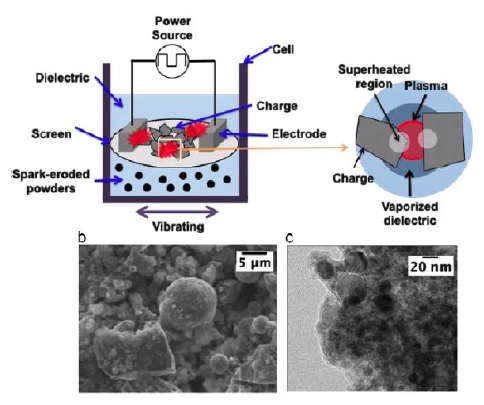
Optimization of High-Performance Nanostructured Powder Metallurgy Materials
In this note, we will briefly explore the history of powder metallurgy and then examine the importance of powder quality to the production of nanomaterials.
Nanobubble Size and Concentration Analysis with Multi-laser NTA
This note analyzes carbon dioxide and oxygen gas nanobubbles used for pain management to demonstrate multi-laser Nanoparticle Tracking Analysis’s ability to characterize a mixture of nano and microbubbles without sample manipulation.
Accurate Protein Aggregation Analysis
Protein aggregation is an important concern when developing and manufacturing biotherapeutics. It is important to quantify protein aggregation and particle formulation as this data is needed to guide formulation development, evaluate handling requirements, and monitor product quality.
Size Distribution and Concentration of Extracellular Vesicles
In this study, we demonstrate the ViewSizer 3000’s capabilities as a next generation NTA based analysis instrument in order to accurately and efficiently measure and characterize extracellular vesicles (EV) via particle size and concentration.
Characterization of Sub-Visible Particles in Protein Therapeutic Formulations
The ViewSizer™ 3000 enables scientists to visualize and quantify the kinetics of protein aggregation in real-time for biologic therapeutics under a variety of stress conditions.
Metal Powder Size Measurement
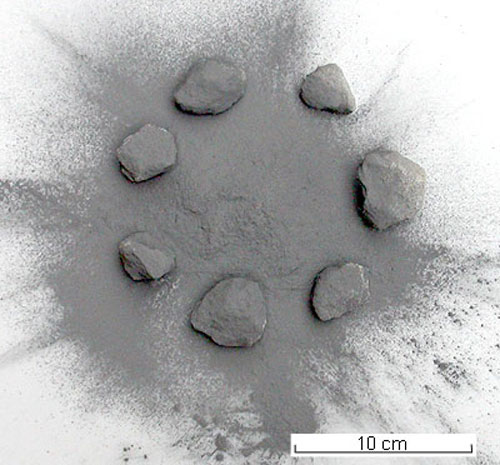
Virtually any metal can be made into a powder through processes including atomization, electrolysis, chemical reduction, and size comminution. The metal powder can then be used to fabricate parts from simple to complex shape. The technique and study of these processes is known as powder metallurgy, a field of study well acquainted with particle characterization. The size distribution and shape of the powder metal particles influences the physical properties of the parts created.
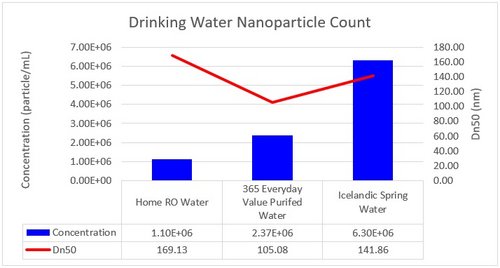
Quantifying Trace Amount of Nanoparticles in Drinking Water
The concern of water contamination from nanoplastics (≤ 1 µm) is a study receiving close scrutiny from FDA and EPA alike. Nanoparticles can gain access through inhalation, ingestion, or dermal exposure and have greater cellular uptake than those bigger in size. Nanoparticles subsequently pose a greater impact on health.
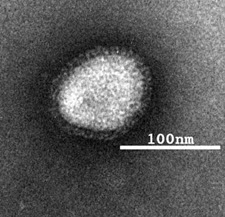
Viruses and Virus-Like Particles
A virus particle consists of several parts including the genetic material (DNA or RNA), a protein coat that protects these genes, and in some cases an envelope of lipids that surrounds the protein coat when they are outside a cell.
Enhanced Characterization of Fluorescently Labeled Extracellular Vesicles using ViewSizer 3000
Exosomes are small extracellular vesicles, 30-150 nm in diameter, which have been determined to play a crucial role in extracellular signaling. They have been observed in both prokaryotic and eukaryotic organisms, meaning they are incredibly widely spread in nature. Exosomes bud off from their parent cells in a sealed package, taking the properties of their parent cell walls with them and encasing many intracellular components.
Comparison of Extracellular Vesicle Purification Methods
Extracellular vesicles (EVs) are particles secreted by cells and contain valuable information for both diagnostic and therapeutic purposes. However, the collection, storage, preparation, and separation of samples significantly influence EV yield both quantitatively and qualitatively.
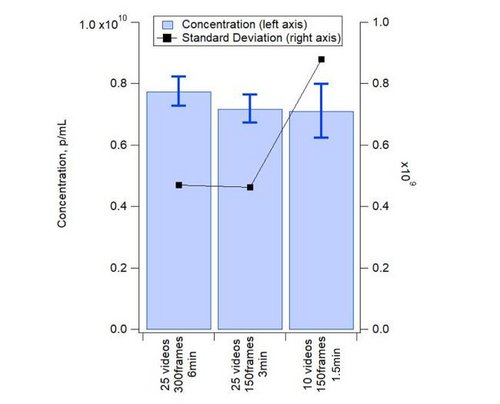
Tradeoffs for Rapid NTA Measurements
Nanoparticle tracking analysis (NTA) is a high-resolution technique for analyzing extracellular particle (EP) size and concentration. Unlike dynamic light scattering (DLS), which offers bulk measurements, NTA tracks individual particle movements, making it ideal for polydisperse samples like extracellular vesicles (EVs). However, longer recording times are often required to capture sufficient data before particles leave the field of view. This study examines how reduced measurement durations impact the trade-off between data acquisition speed and result precision.
Investigating the Lower Size Limit of the ViewSizer 3000 with 10 nm Silver Nanoparticles
The ability to measure nanoparticles down to 10 nm is becoming more and more important to numerous fields as processes and products become more refined and demand for higher resolution particle size distribution data increases. In this application note, the ViewSizer 3000 was used to measure 10 nm silver nanoparticles confirmed by sizing from transmission electron microscope (TEM) images.

Запросить информацию

У вас есть вопросы или пожелания? Используйте эту форму, чтобы связаться с нашими специалистами.
* Эти поля обязательны для заполнения.

Related products

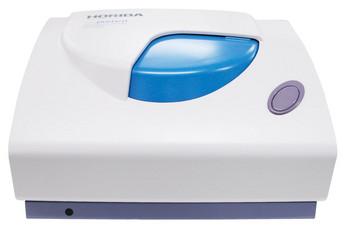
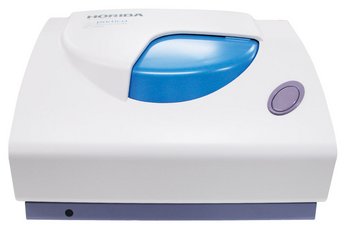
nanoPartica SZ-100V2 Series

Nanoparticle Analyzer

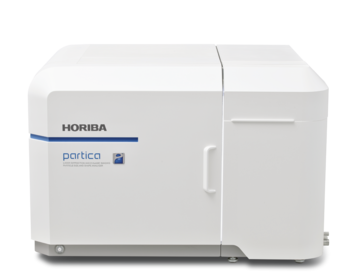
Partica LA-960V2
Partica LA-960V2

Laser Scattering Particle Size Distribution Analyzer
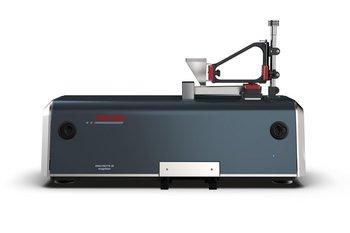
ANALYSETTE 28 ImageSizer*

Dynamic Image Analysis

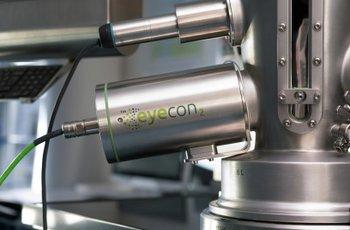
Eyecon2™*
Eyecon2™*

Direct Imaging Particle Analyzer

nanoPartica SZ-100V2 Series

Nanoparticle Analyzer

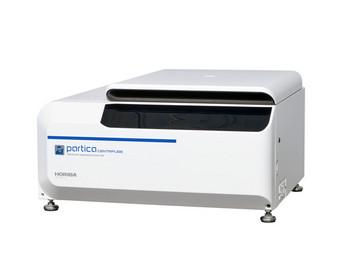
Partica CENTRIFUGE
Partica CENTRIFUGE

Centrifugal Nanoparticle Analyzer

Partica LA-960V2
Partica LA-960V2

Laser Scattering Particle Size Distribution Analyzer
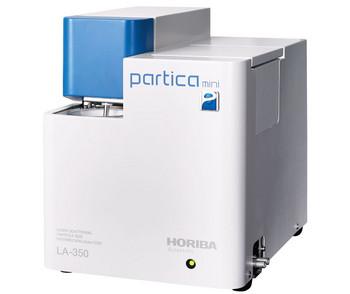
Partica mini LA-350
Partica mini LA-350

Laser Scattering Particle Size Distribution Analyzer
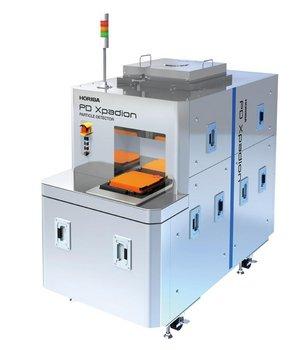
PD10
PD10

Reticle / Mask Particle Detection System
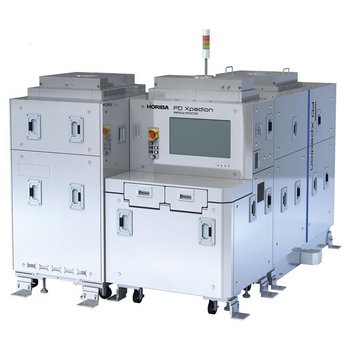
RP-1
RP-1

Reticle/Mask Particle Remover

SA-9600 Series
SA-9600 Series

BET Flowing Gas Surface Area Analyzers
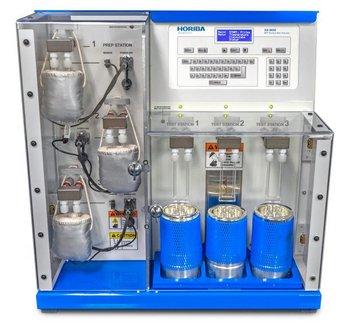
SA-9650 Series
SA-9650 Series

BET Surface Area Analyzers

Corporate