OpenPleX

Manual label-free molecular interaction analysis machine Flexible Research Platform

OpenPleX

Surface Plasmon Resonance imaging made easy

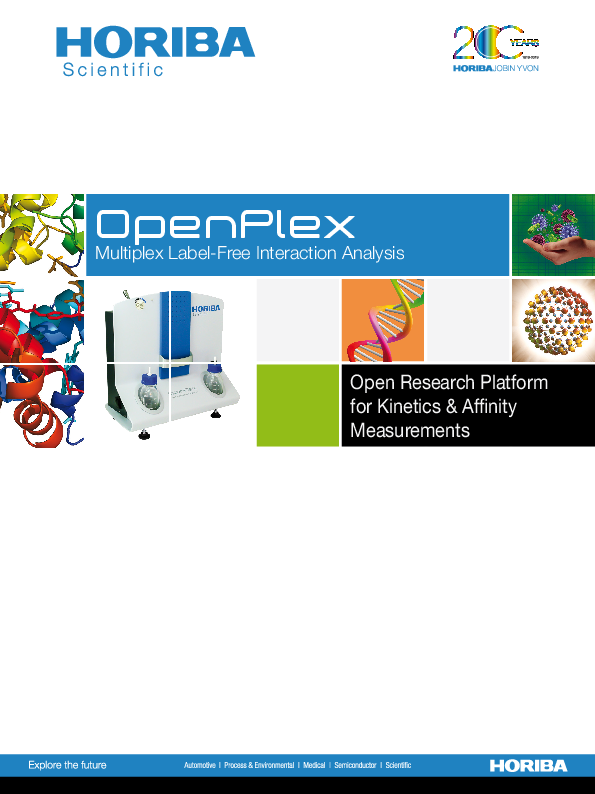
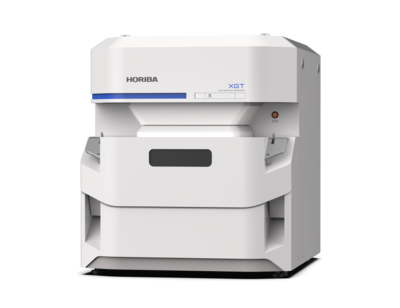
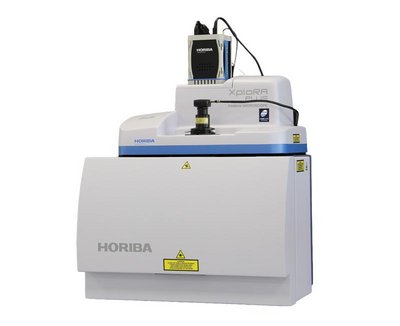
Designed to meet the demands of biologists, biochemists and biophysicists, the OpenPlex is a flexible surface plasmon resonance imaging system.
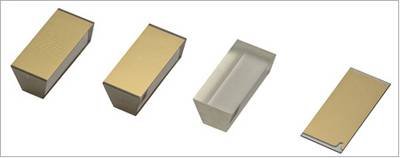
OpenPlex is your companion for the development of label-free and multiplexed bio-assays and molecule detection. It is a robust and compact system designed for simple use and high versatility. Its open format, dedicated sensor chips and manual operation enable numerous types of experiments to be explored without compromise, covering chemistry, biochemistry, physico-chemistry and biomolecular interactions.

Open your research areas with OpenPlex! Choose between three different flow cell configurations without concession:

  • Normal flow cell for standard surface plasmon resonance imaging experiments
  • Window flow cell, compatible with fluorescence measurements
  • Cuvette cell, compatible with electrochemistry measurements

Manual and flexible Surface Plasmon Resonance imaging system for:

  • Label-free interaction analysis
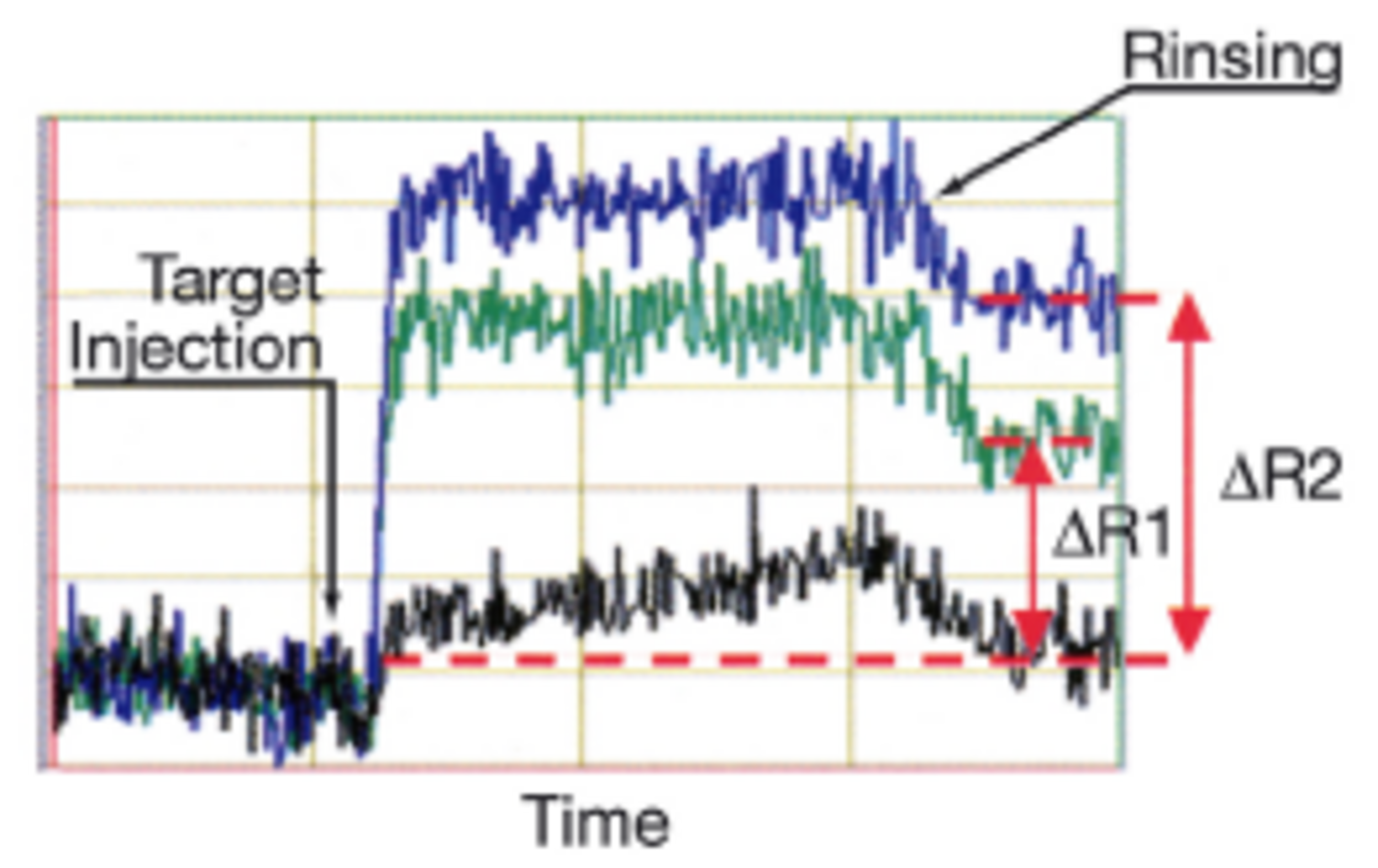
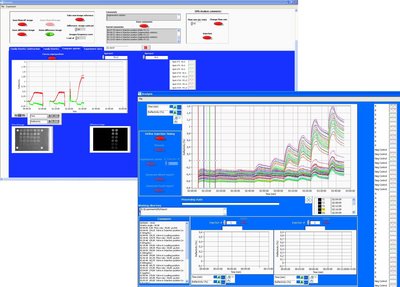
  • Real-time monitoring of kinetic curves
  • Determination of affinity/kinetic parameters
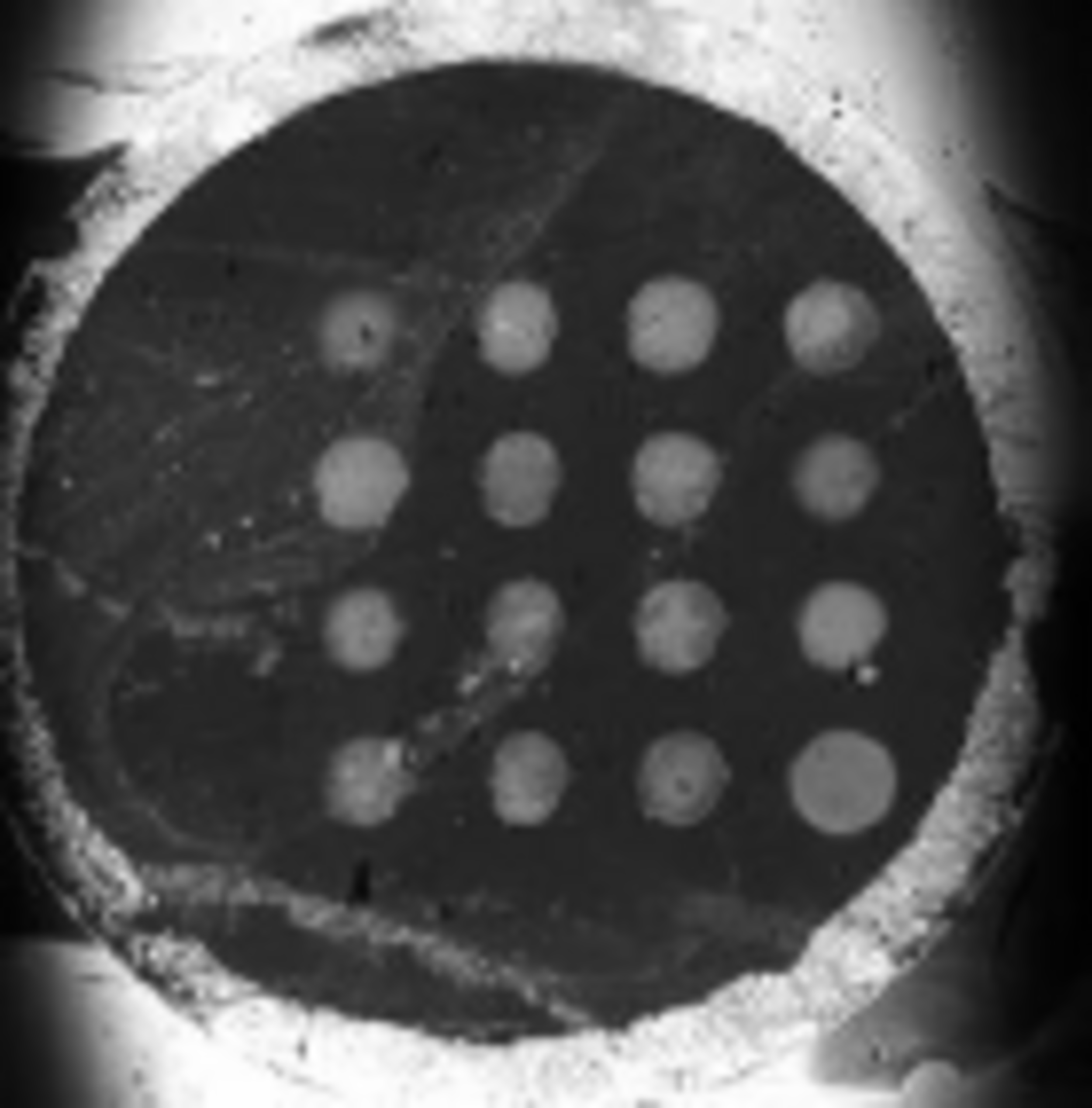
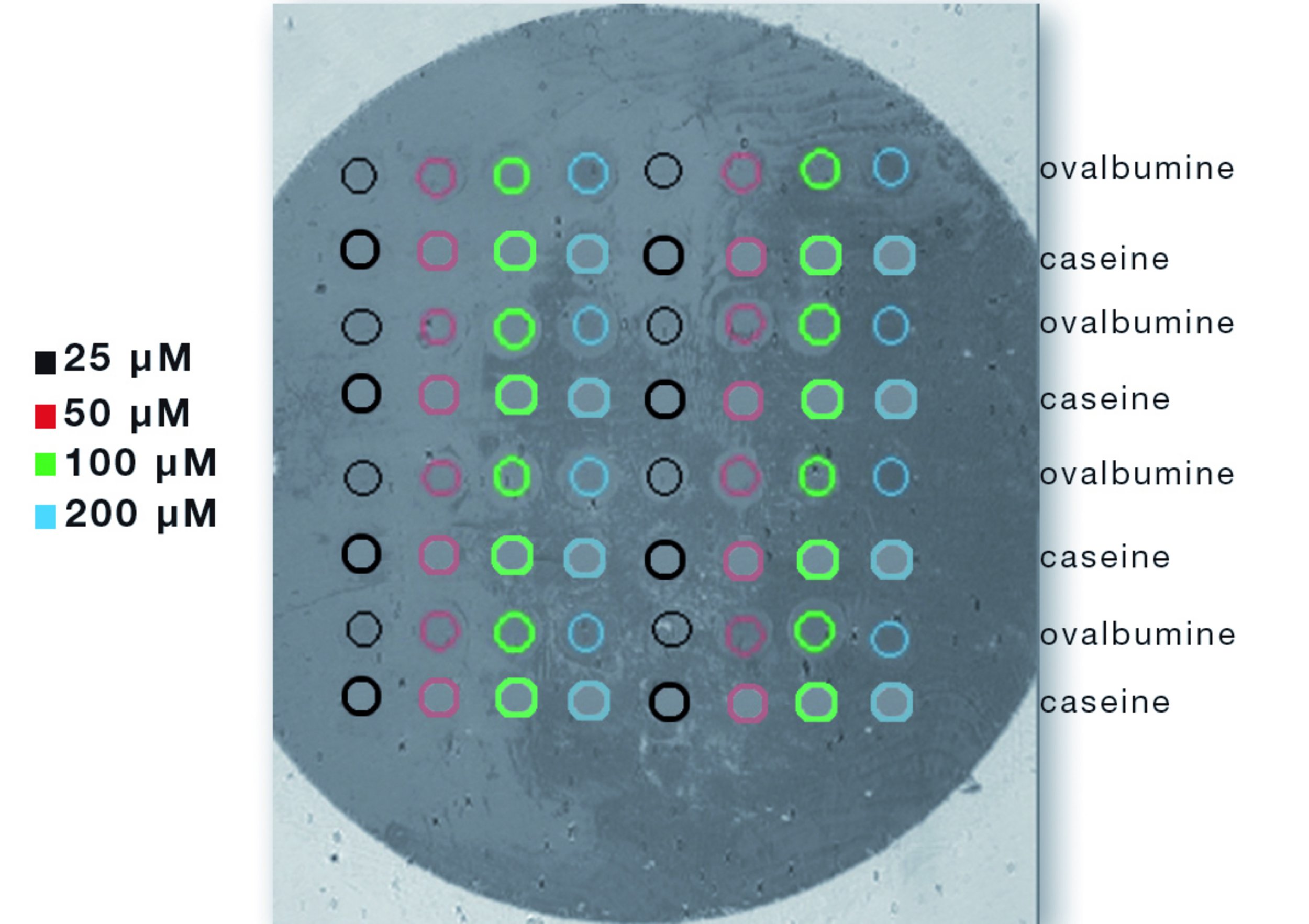
  • Multiplexed imaging (up to 400 spots)
  • NEW: Temperature control: 15 - 40 °C


Testimonials


"We are able to generate consistent results that enable us to identify full binding coefficients for multiple candidate aptamer sequences simultaneously. The instrument […] has become one of the most essential tools that we have." Dr. G. Penner, NeoVentures Biotechnologies, Canada


"…an essential tool […] for the characterization of sophisticated ultrasensitive diagnostic platforms integrated with either nanomaterials, modified gold nanostructures or microfluidics”
Prof. Maryam Tabrizian, McGill University, Canada


“The accessibility of the hardware and the flexibility of the software […] allow us to stretch the limits of what can be studied with SPRi. We have been able to modify the flow cell to study bacterial cells and biofilms in unique geometries.”
Dr. E. D. Goluch, Northeastern University, USA


  • Sample volume: typically 200 μL
  • Sample concentration: 300 ng/mL (100-1000 kDa) to 10 μg/mL (4-20 kDa)
  • Sample molecular weight: > 240 Da
  • Limit of detection: 5 pg/mm2
Biotechnology & Biomedical
Life Sciences | Proteomics | Drug Development & Formulation | Bioprocessing | Drug Delivery | Pharmaceuticals and Medicine Manufacturing

The Detection of a Low Molecular Weight Enzyme Inhibitor using the OpenPlex™ system

The use of low molecular weight molecules in the industries of drug discovery and agri-food has become increasingly important over the course of a century of drug research and science development in agriculture and in pharmaceutical field.

Explore application
Biotechnology & Biomedical
Microbiology

Real time detection of lymphocytes with SPRi

Explore application
Biotechnology & Biomedical
Proteomics | Life Sciences

SPRi Imaging of oligosaccharides proteins interactions

The majority of proteins are glycosylated: they possess oligosaccharide chains and are hence termed glycoproteins. Oligosaccharides, also called carbohydrate or sugar, are often quite large (as large as some protein domains for example) and they have many functions in molecular interactions.

Explore application
Biotechnology & Biomedical
Proteomics | Life Sciences | Blood Testing

Protein-Peptide interactions studies with SPRi

Description of the advantages of combining the use of peptide chips with direct label-free detection as achieved by SPR imaging (SPRi).

Explore application
Biotechnology & Biomedical
Proteomics | Life Sciences

Interaction between immobilized peptides and protein from sera on Cystamine / Glutaraldehyde functionalized biochip

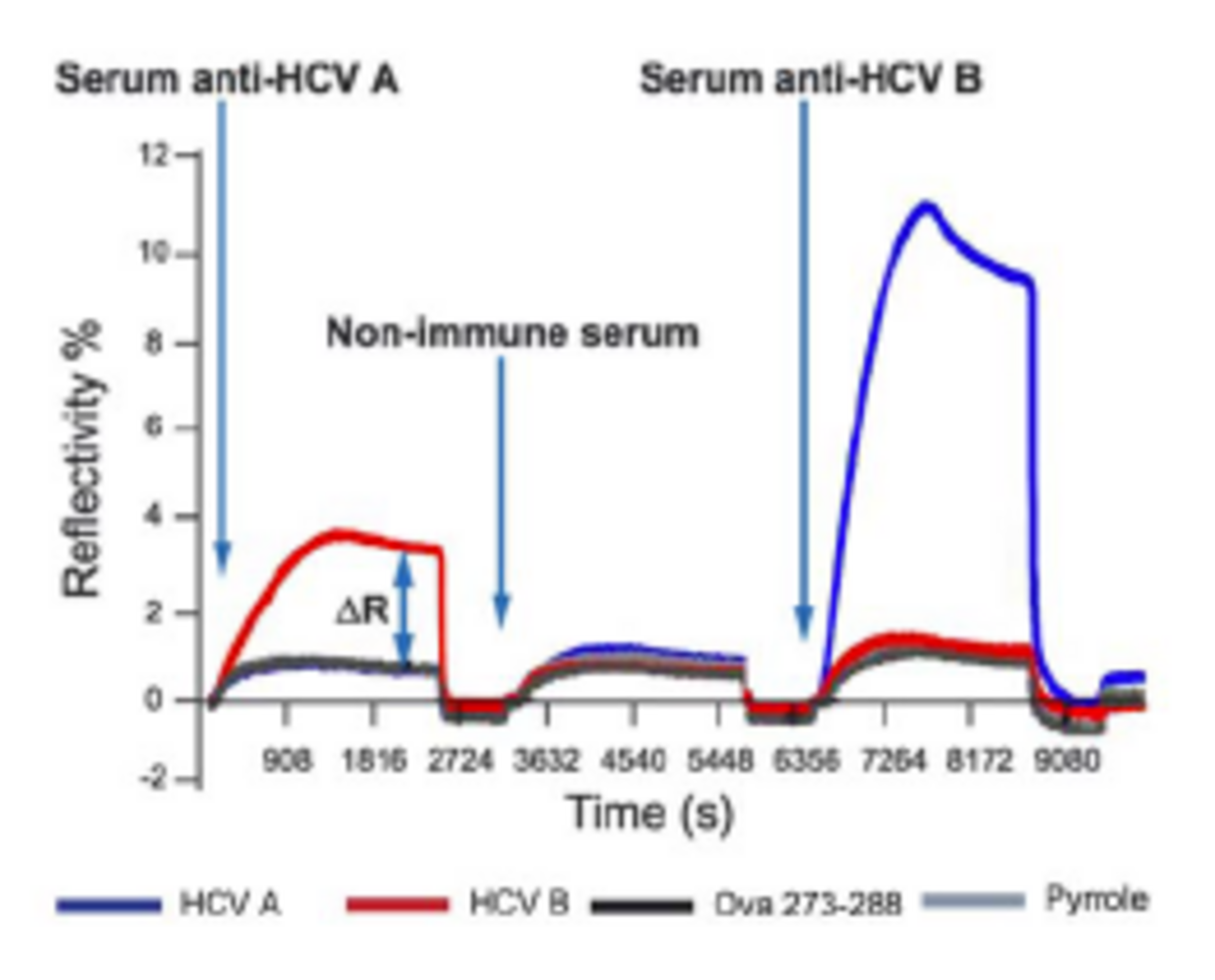
Our SPRi technology (Surface Plasmon Resonance imaging), is able to measure multiplexed label-free biolo-gical interactions in a complex media such as serum.We will demonstrate the ability to monitor specific interactions between immobilized peptides and proteins issued from non purified immune sera, using a cystamine/glutaraldehyde SAM surface chemistry on the bio-chip surface. We chose to illustrate this ability by monitoring the interaction between an ovalbumin peptide fragment and an ovalbumin immunized serum.

Explore application
Biotechnology & Biomedical
Life Sciences | Proteomics

Antibody-Antigen Specific interaction

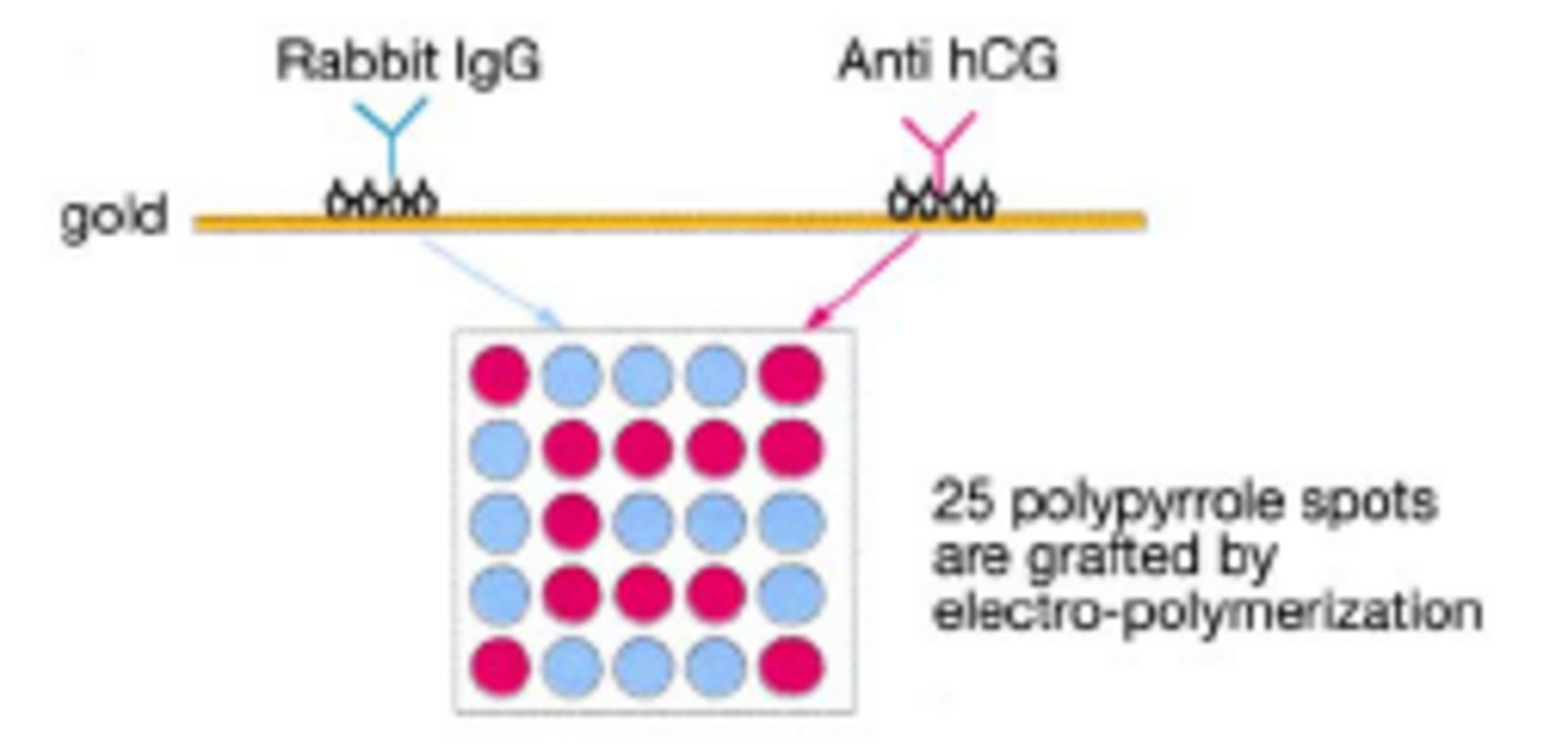
HORIBA provides the pharmaceutical industry, biotech companies and academic research laboratories with high performance instrumentation based on SPRi technology (Surface Plasmon Resonance imaging). To demonstrate the power of this technology, we carried out an experiment based on an antibody-antigen interaction. Original surface chemistry combined with an electrochemical process allows the rapid coupling of biomolecules to the gold layer (polypyrrole co-polymerisation) on the top of a glass prism.

Explore application
OpenPlex Brochure

OpenPlex Brochure

2.34 MBPDF
Market: Scientific
Manufacturing Company: HORIBA France SAS

Request for Information

Do you have any questions or requests? Use this form to contact our specialists.

* These fields are mandatory.

Label-free Detection/Surface Plasmon Resonance Imaging

Surface Plasmon Resonance imaging (SPRi) is a label-free optical detection technique used to monitor and analyze biomolecular interactions in real time. Do you want to learn more about this technique?