

PDF
5.98
MB

Forensics
Forensic science uses highly developed technologies such as imaging techniques, data analysis, forensic light sources and spectroscopy to uncover scientific evidence and solve crimes.

Forensics science applies scientific methods such as imaging, data analysis, spectroscopy, and others, to uncover evidence like fingerprints, bloodstains, and trace evidence such as gunshot residue, soils, glass, and fibers. It plays a crucial role in the justice system by providing objective, reliable evidence to support informed decisions in court, and ensuring public safety.
In addition to criminal cases, forensic science also is also important in civil cases helping to detect forgeries and fraud. It also aids regulatory agencies and law enforcement officials in verifying safety and legality of in the marketing of foods, drinks, and pharmaceuticals.
In industrial settings, forensic analysis is used to investigate equipment failures, contamination, and product tampering. This ensures product quality and compliance, and consumer safety, by identifying underlying issues.
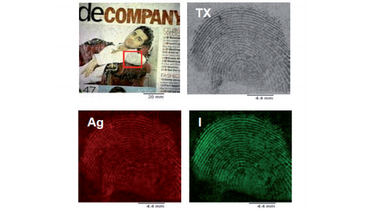
Fingerprint analysis involves examining the unique patterns of ridges and valleys on fingers. These patterns are used to identify individuals and link them to crime scenes. Elemental distribution imaging by micro-XRF is one of the helpful lab analysis tools to visualize the fingerprint on evidence.
Pattern Analysis Bloodstain pattern analysis examines the shapes, sizes, and distribution of bloodstains at crime scenes. Analysts interpret these patterns to reconstruct events, determine the positions of victims and perpetrators, and identify the type of weapon used. Raman spectroscopy and micro-XRF are helpful to get further insights based on chemical and elemental information. This analysis provides valuable insights into violent crimes and helps corroborate witness statements.
Forensic toxicology involves detecting and analyzing drugs, alcohol, poisons, and other toxic substances in biological samples. Toxicologists determine the presence and concentration of these substances to understand their effects on the body and their role in causing death or impairment. Raman spectroscopy is helpful to identify organic poisons or drugs, and XRF is helpful to detect toxic heavy elements such as mercury and lead. This analysis is essential in cases of overdose, poisoning, and drug-related crimes.
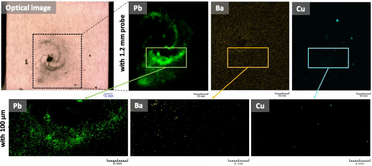
Trace evidence analysis examines microscopic materials found at crime scenes, such as gun shot residue (GSR), glass fragments, metal fragments, fibers, hair, soils, explosive residues, and paints. Such trace evidence can provide critical clues in investigations. Cross validation using scientific analytical instruments is essential for solving complex forensic cases, providing critical insights for legal investigations and court proceedings. Depending on the material, Raman spectroscopy or X-ray spectroscopy could be used to compare evidence (unknown) to a known (collected sample), to see if they match.
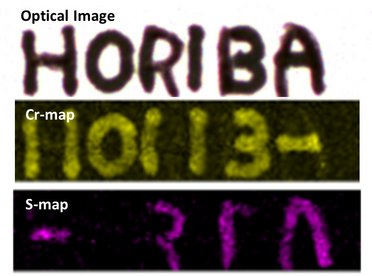
Forensic analysis of documents and art forgery involves examining materials, techniques, and signatures to detect fraudulent items. Scientific analytical methods, including X-ray fluorescence (XRF) to analyze pigments and paper composition, and Raman spectroscopy to identify inks and dyes and to uncover alterations or inconsistencies. This field is crucial for legal papers, authenticating artworks, and historical documents, ensuring their integrity and preventing fraud.
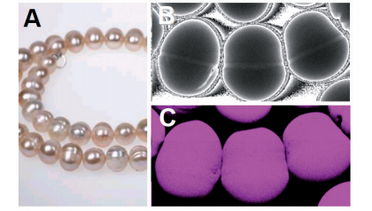
Analyzing counterfeit consumer goods and imitation jewelry is essential in forensic science to combat economic fraud and to preserve brand authenticity. The analyses should be non-destructive to preserve the evidence. Raman spectroscopy identifies the chemical composition of materials, distinguishing genuine products from fakes. X-ray fluorescence (XRF) helps in determining the elemental composition of metals or inorganic materials such as jewelry stones.
Industrial forensic analysis investigates incidents in industrial settings, such as equipment failures, structural collapses, and accidents. Experts use material analysis to determine causes and liability. Food fraud detection maintains trust in the food supply chain, ensuring that products meet quality standards and are safe to eat. Counterfeit consumer goods detection is important to protect consumers from economic losses by ensuring they get what they pay for.
With its advanced, non-destructive, and rapid analysis technologies, HORIBA empowers forensic investigators to uncover critical evidence. From trace material identification to chemical and elemental profiling, HORIBA’s instrumentation delivers high-resolution results essential for case validation. These tools ensure reliable, reproducible data that meet the rigorous standards required in criminal and civil court proceedings.
Raman Spectroscopy (LabRAM Soleil)
Raman spectroscopy is a non-destructive technique that provides a unique molecular fingerprint for identifying trace materials like drugs, explosives, fibers, paints, inks, and gunshot residues. It requires little or no sample preparation and preserves the integrity of evidence.
XRF is a scientific analysis tool for elemental composition identification. fast, non-destructive elemental analysis of evidence materials such as gunshot residues, inks, glass, soils, and metals, even without standard samples. The advantage is ideal to identify unknown trace evidence collected from forgeries or at a crime scene. A portable compact XRF analyzer is ideal for material identification on site.
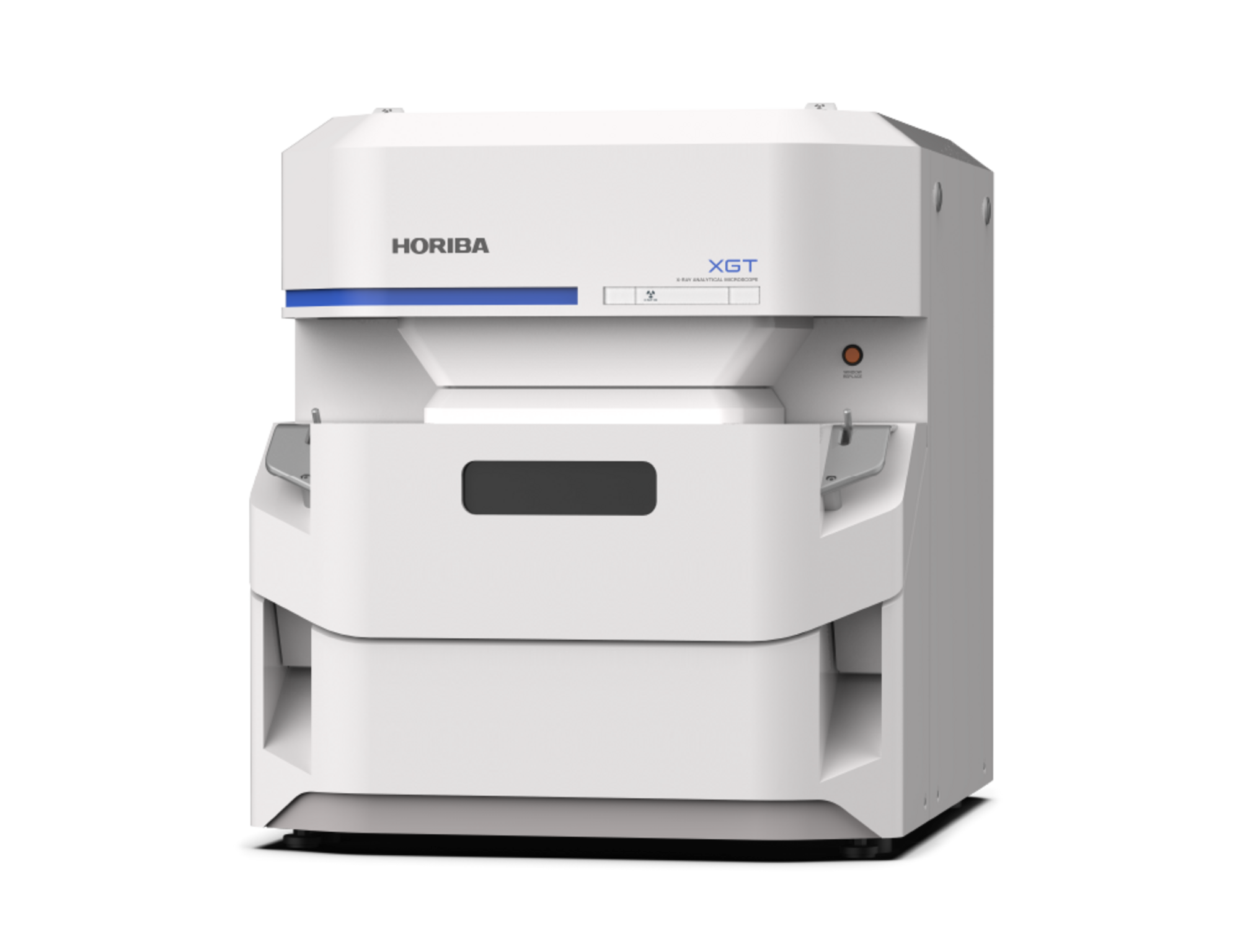
Micro-X-ray Fluorescence (micro-XRF) (XGT-9000)
Micro-XRF, a XRF having micro beam spot, is suitable for elemental analysis on small trace evidence such as glass fragments, paint chips, soils, and small gems. Also, it is also capable of elemental distribution imaging by scanning over a sample surface, and it is particularly valuable for visualizing gunshot residue patterns, revealing hidden fingerprints, and analyzing small fragments of glass or tempered documents by different inks.
Do you have any questions or requests? Use this form to contact our specialists.