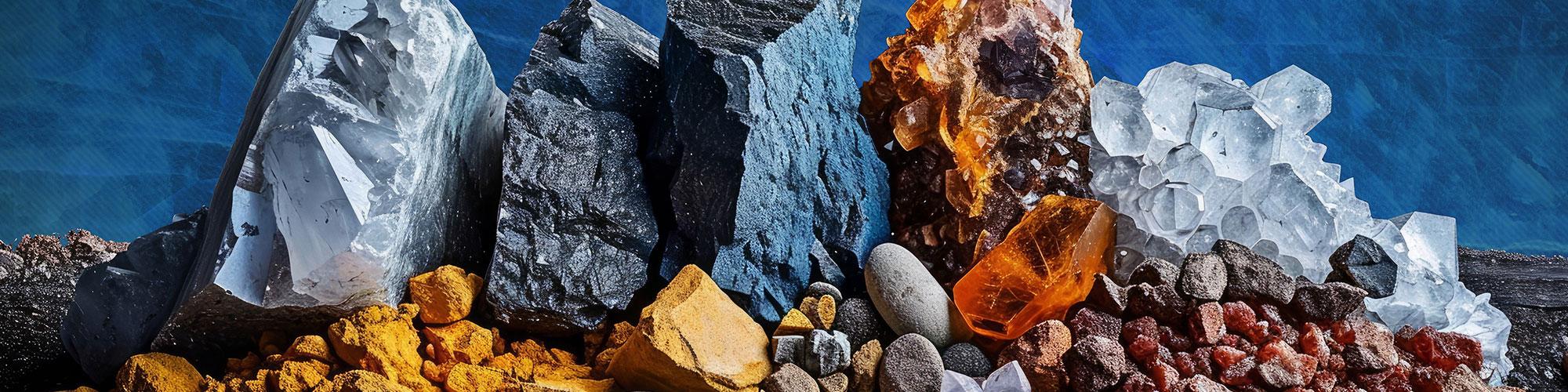
Minerals

Mineral Analysis

Minerals are naturally occurring, inorganic substances with a specific chemical composition and crystalline structure. Each mineral has unique physical properties, such as color, hardness, luster, and density, which make them identifiable. There are thousands of known minerals, with new ones being discovered regularly, each contributing to the diversity and complexity of the natural world.

Minerals are indispensable to our daily lives and the advancement of technology. They are used in everything from building materials and electronic devices to renewable energy technologies and medical equipment. Understanding minerals also helps in the exploration and sustainable extraction of natural resources, ensuring that these materials can be utilized responsibly and efficiently.

Featured product
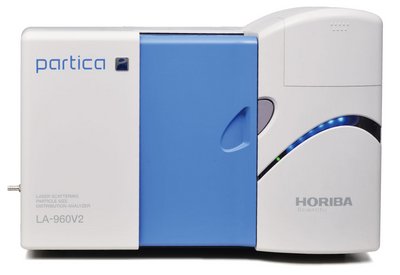
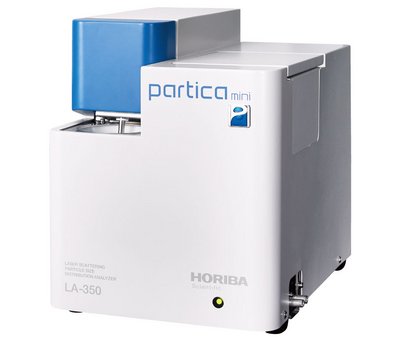
Partica
Laser Diffraction and Dynamic Imaging Particle Size and Shape Analyzer

What are the different mineral types?

Mineralogy is a large field, as there are hundreds of types of minerals on Earth. As it is difficult to categorize them explicitly, here are three main categories under which it is possible to gather most of the minerals.

Rare Earth Elements

Rare Earth Elements (REEs) are a group of 17 chemical elements in the periodic table, specifically the 15 lanthanides, plus scandium and yttrium. Despite their name, most of these elements are relatively abundant in the Earth's crust, but their dispersed nature makes them challenging to extract in economically viable concentrations.

REEs are known for their unique magnetic, luminescent, and electrochemical properties, which make them indispensable in modern technology and various scientific applications.

The unique properties of Rare Earth Elements have led to their widespread use in a variety of fields such as electronics, aerospace and other energy technologies.

Rare Earth Elemental Analysis

Rare Earth Elemental Analysis

Discover how rare earths elements help move our technology ahead and why spectroscopy is an effective means for characterizing these precious resources.

4.18 MBPDF

Rocks

Rocks are naturally occurring solid aggregates of minerals and mineraloids that form the building blocks of the Earth's crust. They are categorized into three main types based on their origin and formation processes: igneous, sedimentary, and metamorphic.

Each type of rock provides a unique record of the Earth's history, revealing information about past environments, geological events, and the processes that shaped our planet.

HORIBA TECHNO SERVICE Joins Team Analyzing Bennu Asteroid Samples Collected by the NASA OSIRIS-REx Sample Collector

Gemstones

Gemstones are naturally occurring minerals that have been selected for their beauty, durability, and rarity, and are often cut and polished for use in jewelry and decorative items. These precious and semi-precious stones have been valued by cultures throughout history for their aesthetic appeal and symbolic meanings. Gemstones can be classified into different categories based on their mineral composition, color, and optical properties, each with its own unique allure.

Gemstones are used in various technologies; for instance, diamonds are used in cutting and drilling tools due to their hardness, while quartz is essential in timekeeping and electronic devices for its piezoelectric properties.

What are the analytical needs?

The analytical needs of mineralogy are diverse and encompass a range of scientific techniques to understand minerals' composition, structure, formation, and applications. These needs are essential for advancing knowledge in geology, developing new materials, and managing natural resources sustainably. Through precise and comprehensive analysis, mineralogy contributes to scientific research, technological innovation, environmental management, and economic development.

Mineral Phase Analysis

Elemental analysis involves determining the types and concentrations of elements present in a mineral sample. This analysis is essential for understanding the mineral's composition, formation processes, and potential applications.

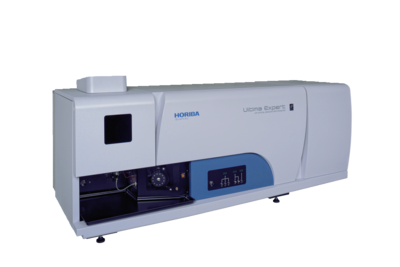
  • Inductively Coupled Plasma Optical Emission Spectroscopy (ICP-OES) can measure the concentration of major, minor, and trace elements, essential for understanding the overall composition of minerals, and notably for REE analysis.
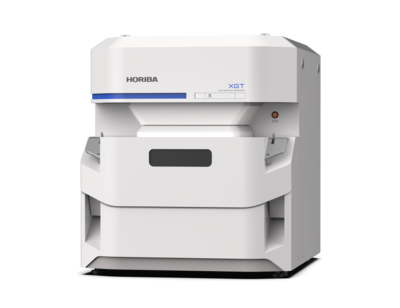
  • X-ray Fluorescence (XRF) Spectroscopy is used to determine the elemental composition of mineral samples, which is critical for both qualitative and quantitative analysis. µ-XRF also allows mapping and full identification of multiphase minerals.
  • Cathodoluminescence enables a rapid identification of different minerals in small volumes and very low concentration. This technique is essential for studying the processes of mineral origin and formation.
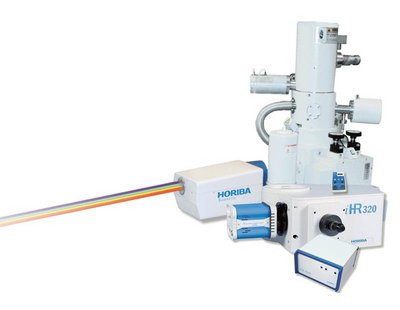
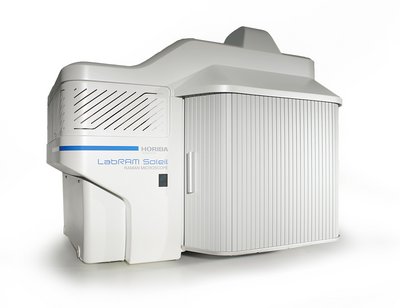
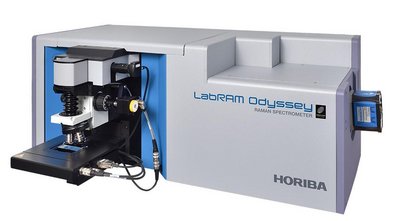
  • Raman Spectroscopy can distinguish between different mineral phases based on their unique vibrational spectra. This technique is particularly useful for identifying polymorphs and determining mineral phase transitions.
  • Particle Characterization Analyzers can help identify the different mineral phases present in a sample through the analysis of the size of particles which influences the physical properties of minerals, such as bulk density, porosity and adsorption capacity.


Microstructural Analysis

Microstructural analysis examines the internal structure of minerals at the microscopic level. This analysis helps in understanding the texture and formation history of the mineral.

  • Cathodoluminescence is a powerful technique for identifying and visualizing microstructures in minerals using high-resolution imaging or spectral analysis. This technique is often used to understand the formation and alteration processes of minerals.
  • Raman Microscopy is useful for examining the microstructure of minerals, identifying inclusions, and studying the distribution of different phases within a sample.
  • Particle Characterization Analyzers can measure particle size distribution and shape. These parameters are important for understanding the microstructural properties of powdered minerals.
  • X-ray Fluorescence (XRF) Spectroscopy can reveal defects and inclusions through transmission detection.
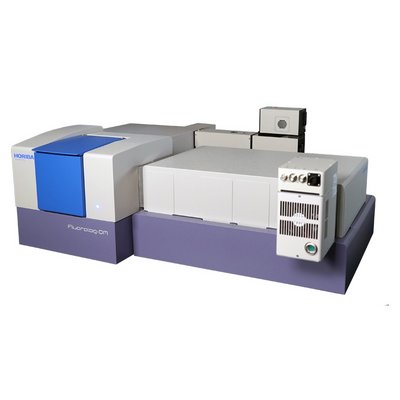
  • Spectrofluorescence is used to differentiate mineral phases based on their unique fluorescence emission characteristics.


Surface Characterization

Surface characterization focuses on studying the surface properties and chemical composition of minerals. This analysis is important for understanding interactions with the environment, surface reactivity, and weathering processes.

  • Raman Spectroscopy can be used to study the surface chemistry of minerals, including the identification of surface phases, chemical bonds, and reaction products. This is valuable for understanding surface interactions, corrosion, and weathering processes.
  • Glow Discharge Optical Emission Spectroscopy (GDOES) allows depth profiling elemental analysis useful to perform aging or corrosion studies on layered minerals and materials.
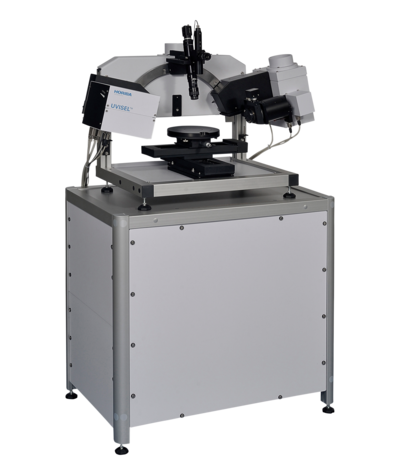
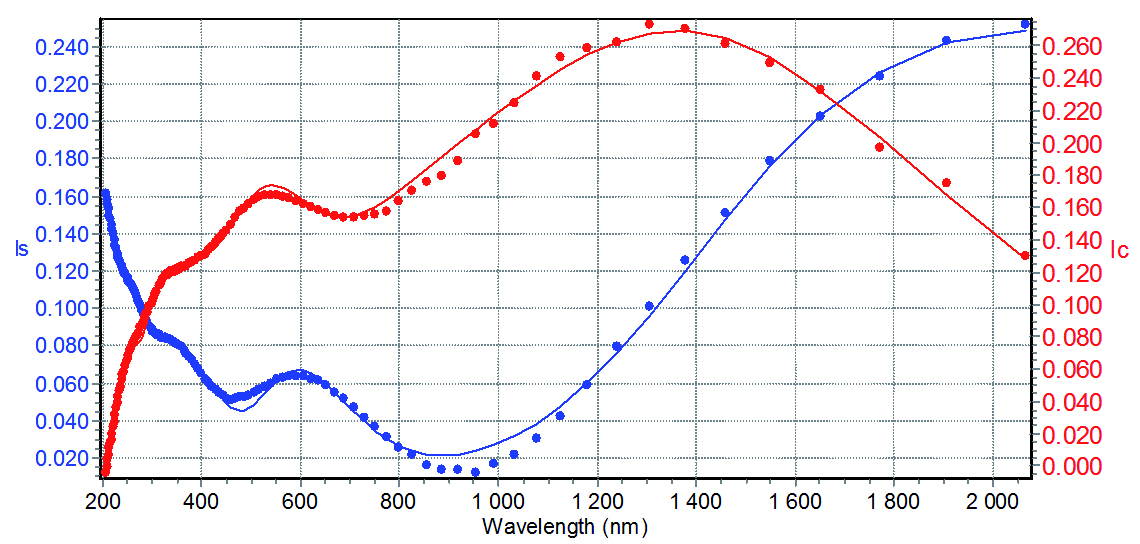
  • Spectroscopic Ellipsometry is traditionally used for thin films and coatings. This technique can be adapted to study the surface properties of minerals, including thickness, optical properties, refractive index (in particular anisotropy), electrical properties, and surface modifications.
  • Cathodoluminescence can reveal small variations in chemistry and structure of minerals
  • Particle Characterization Analyzers can characterize surfaces and thus helps analyzing and understanding the functional and structural properties of minerals (molecules adsorption, fluid storage capacity, mechanical resistance, …). The specific surface of minerals can help interpret processes such as soil formation, rock weathering and metamorphism.
  • Spectrofluorescence helps identify surface features, compositions, and chemical reactions, providing insights into mineral surface properties.


Purity and Contamination Analysis

Purity and contamination analysis involves detecting and quantifying impurities or foreign substances within a mineral. This analysis is essential for quality control and ensuring the suitability of minerals for specific applications. It also plays an important role in the detection of counterfeit.

  • Raman Spectroscopy can detect trace levels of foreign substances in minerals, which is crucial for assessing purity and detecting contamination.
  • Cathodoluminescence can detect structural defects, such as dislocations, vacancies, and inclusions, which may influence the mineral's physical properties.
  • ICP-OES and XRF can analyze the presence of undesirable elements, which is important for applications where high purity is required, such as in the production of high-tech materials.
  • Particle Characterization Analyzers can detect, quantify and understand the presence of contaminants or impurities, thus guaranteeing mineral quality and integrity. The presence of different particle sizes may indicate contamination by other minerals or unwanted mineral phases.
  • Spectrofluorescence can distinguish impurities and contaminants by analyzing their unique fluorescence signals, helping to assess the purity of the mineral.

What are the analytical solutions?

HORIBA offers a range of analytical instruments and solutions tailored to meet the needs of mineral analysis in advanced materials. HORIBA's comprehensive range of analytical tools helps researchers and industry professionals to accurately and efficiently analyze REEs, ensuring the development and production of high-quality advanced materials.

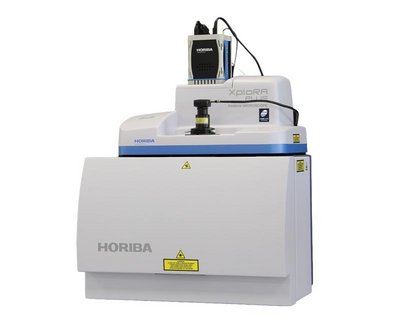
As stated previously, the analysis of minerals can be performed with instruments using different techniques like Raman imaging and spectroscopy, cathodoluminescence, ICP-OES, GDOES, X-ray fluorescence, spectroscopic ellipsometry, particle characterization, and spectrofluorescence.

Videos

Targeting Toxic Waste With Minerals

Watch video on HORIBA.com

Downloads

Rare Earth Elemental Analysis

Rare Earth Elemental Analysis

Discover how rare earths elements help move our technology ahead and why spectroscopy is an effective means for characterizing these precious resources.

4.18 MBPDF

Application notes

Ellipsometric Characterization of Doped and Undoped Crystalline Diamond Structures

In this work, spectroscopic ellipsometry is used to investigate the optical and structural properties of crystalline doped and undoped diamond layers. This information is important for the optimization of the efficiency of these layers when involved in different kinds of devices.

Learn more

The Power of Micro-XRF in Gemology – Part 6: Verifying Copper in a Small Paraiba Tourmaline Gemstone

Verifying the presence of copper in a Paraiba tourmaline is an important approach to separate it from other similar color tourmalines. This application note introduces the feasibility of non-destructive copper detection inside a small Paraiba tourmaline gemstone using HORIBA’s micro-XRF XGT-9000 X-ray Analytical Microscope.

Learn more

Co-localized microscopy techniques for pyrite mineral spatial characterization

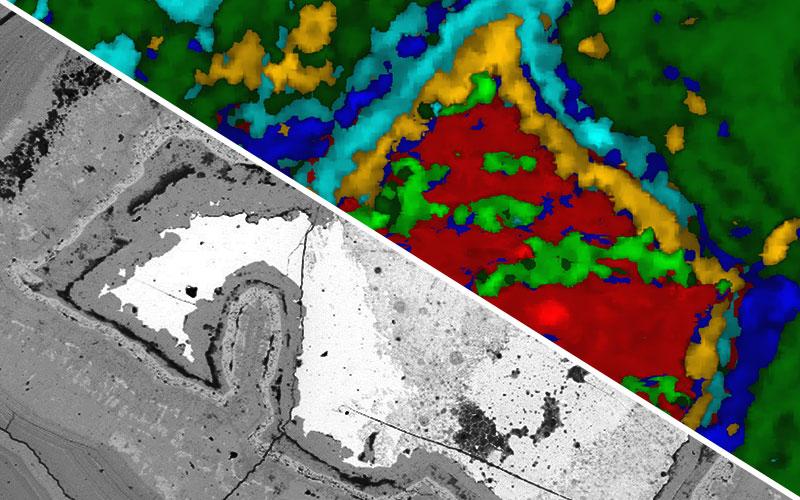
In this study we have chosen to investigate pyrite and its surrounding minerals in order to identify the different mineral phases as well as the chemical variations from micro- to nano-scale. Using the different microscopes instruments and being co-localized allows a comprehensive characterization of the sample and a precise superimposition of all the images.

Learn more
Co-localized microscopy techniques for pyrite mineral spatial characterization

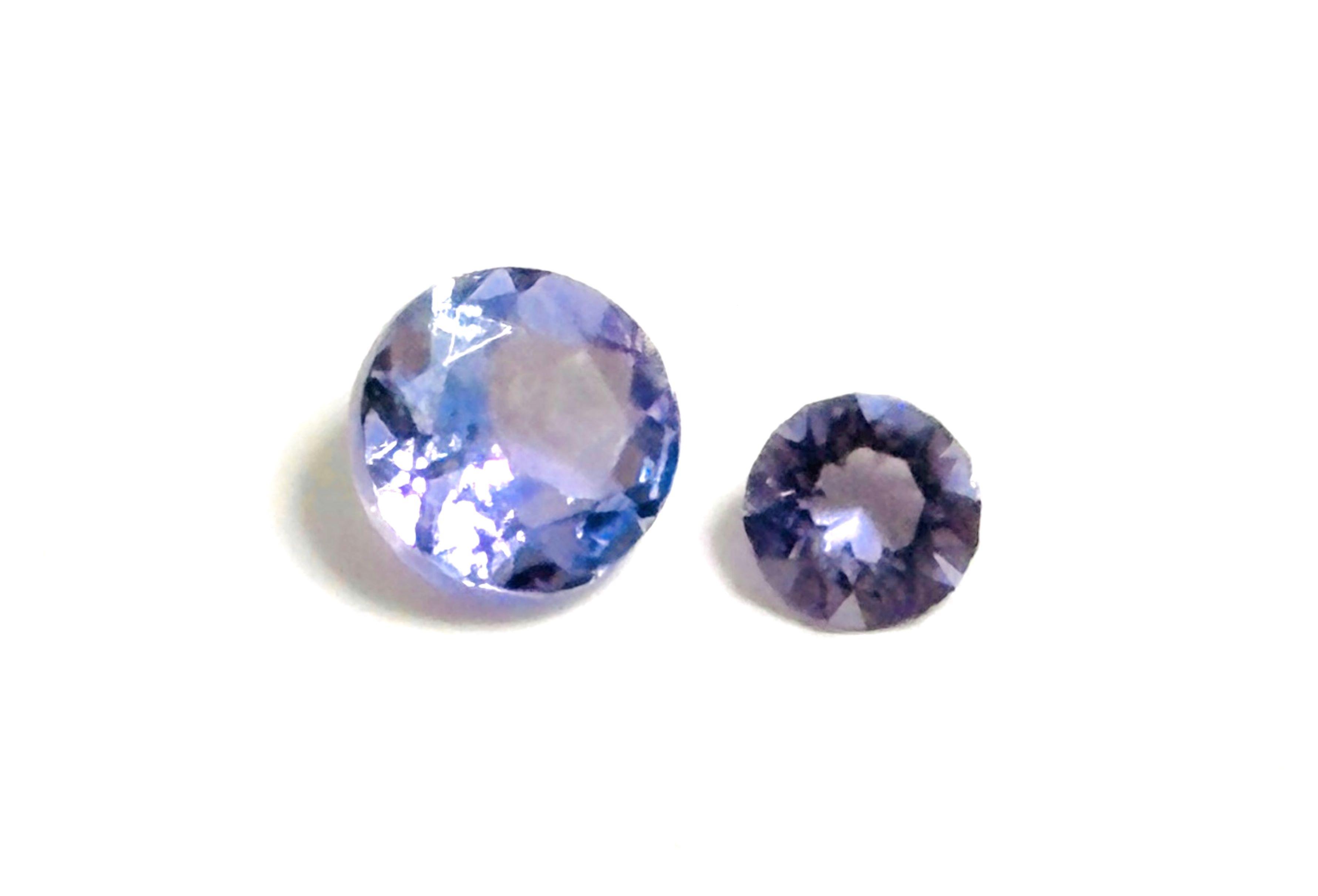
The Power of Micro-XRF in Gemology – Part 4: Non-destructive Differentiation of an Imitated Tanzanite from a Real Tanzanite

In this application note, we prepared two small violet color stones and demonstrated the feasibility of micro-XRF for screening to distinguish a tanzanite gemstone and its imitation non-destructively.

Learn more

Optical Micro-spectroscopies on a Path to Identify the Source of Life

In this article, we present how our Raman and X-Ray Fluorescence microscopies can be combined to shed some light on the origins of the universe. We show some examples on a meteorite piece and on water inclusion in quartz matrix.

Learn more
Optical Micro-spectroscopies on a Path to Identify the Source of Life

The Power of Micro-XRF in Gemology – Part 3: Non-destructive elemental analysis on pearls on earrings

In this application note, we compared a real pearl earring with an imitation pearl earring, and we demonstrated elemental analysis using HORIBA’s micro-XRF XGT-9000 to non-destructively evaluate and differentiate them.

Learn more

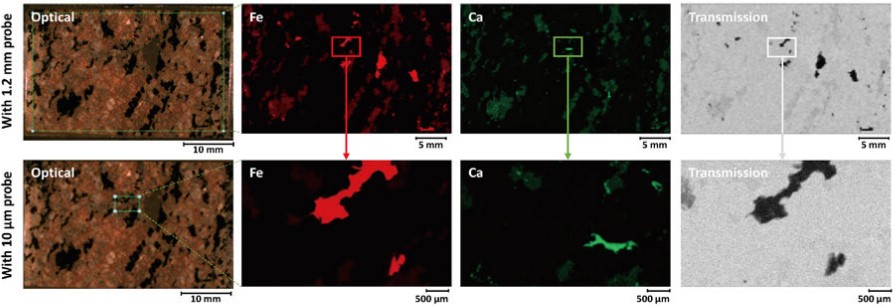
Characterization of Pyrite Inclusions in Lapis Lazuli Using X-ray Fluorescence Micro-imaging

Lapis lazuli is a deep-blue metamorphic rock used as a semiprecious stone which contains inclusions that can impact its value. Pyrite impurities and major elements distribution are studied with the XGT-9000, HORIBA’s new X-ray microscope.

Learn more
Characterization of Pyrite Inclusions in Lapis Lazuli Using X-ray Fluorescence Micro-imaging

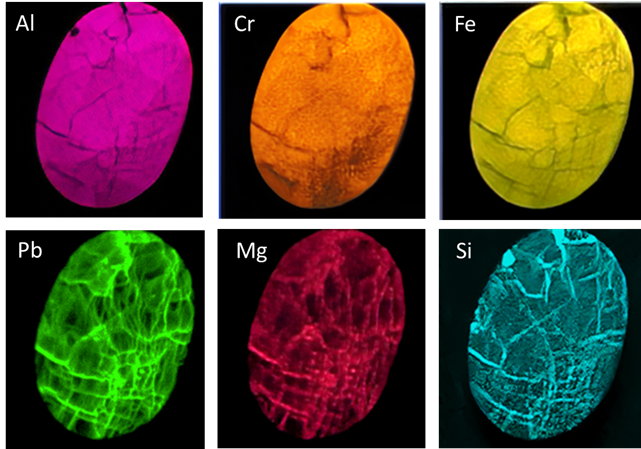
Glass-Filled Ruby Characterization with the XGT-9000, HORIBA’s new micro-XRF

Gemstones for jewelry are treated by heating, irradiation, or filling of cracks to make them flawless. We performed imaging analyses using an XGT-9000 X-ray Analytical Microscope on a ruby provided by Mineralab. The transmission X-ray imaging revealed that the ruby included several internal defects, and the fluorescent X-ray imaging revealed that the ruby surface was treated by filling with Pb, Mg and Si which are representative of lead glass.

Learn more

The Power of Micro-XRF in Gemology – Part 2: Non-destructive Screening to Find an Imitated Emerald Product

We introduce a non-destructive screening method for gemstone counterfeit analysis using a HORIBA XGT-9000 X-ray Analytical Microscope. We analyzed two emeralds, and without any sample destruction, we could successfully determine that one of them was an imitated product made of a green-colored glass.

Learn more

The Power of Micro-XRF in Gemology – Part 1: Small Garnet Characterization

We will introduce a non-destructive method for garnet characterization. In this application note, we used a HORIBA XGT-9000 X-ray Analytical Microscope (micro-XRF) with a 100 μm ultra-high intensity probe to get the elemental composition information of a small garnet stone. Thanks to the micro-spot with high intensity, we could detect the key elements of the small garnet stone just in 30 seconds, and the obtained elemental composition suggested that the garnet stone had similar composition to the chrome poor pyrope from Monte Suímo, Portugal.

Learn more

Elemental Composition Identification of Geoscience/Mineralogical Samples

The XGT-9000 Series can be equipped with various probes and spot sizes providing comprehensive and detailed understanding of geological and mineral samples.

Learn more

Study of geological materials with Raman Spectroscopy

Natural rocks composing the Earth are complex. They consist of an aggregate of one or more minerals. Each mineral can be defined by its chemical composition and its crystalline structure and sometimes can also contain fluid inclusions. Geologists need a powerful characterization technique to get detailed information on the rock formation history.

Learn more
Study of geological materials with Raman Spectroscopy

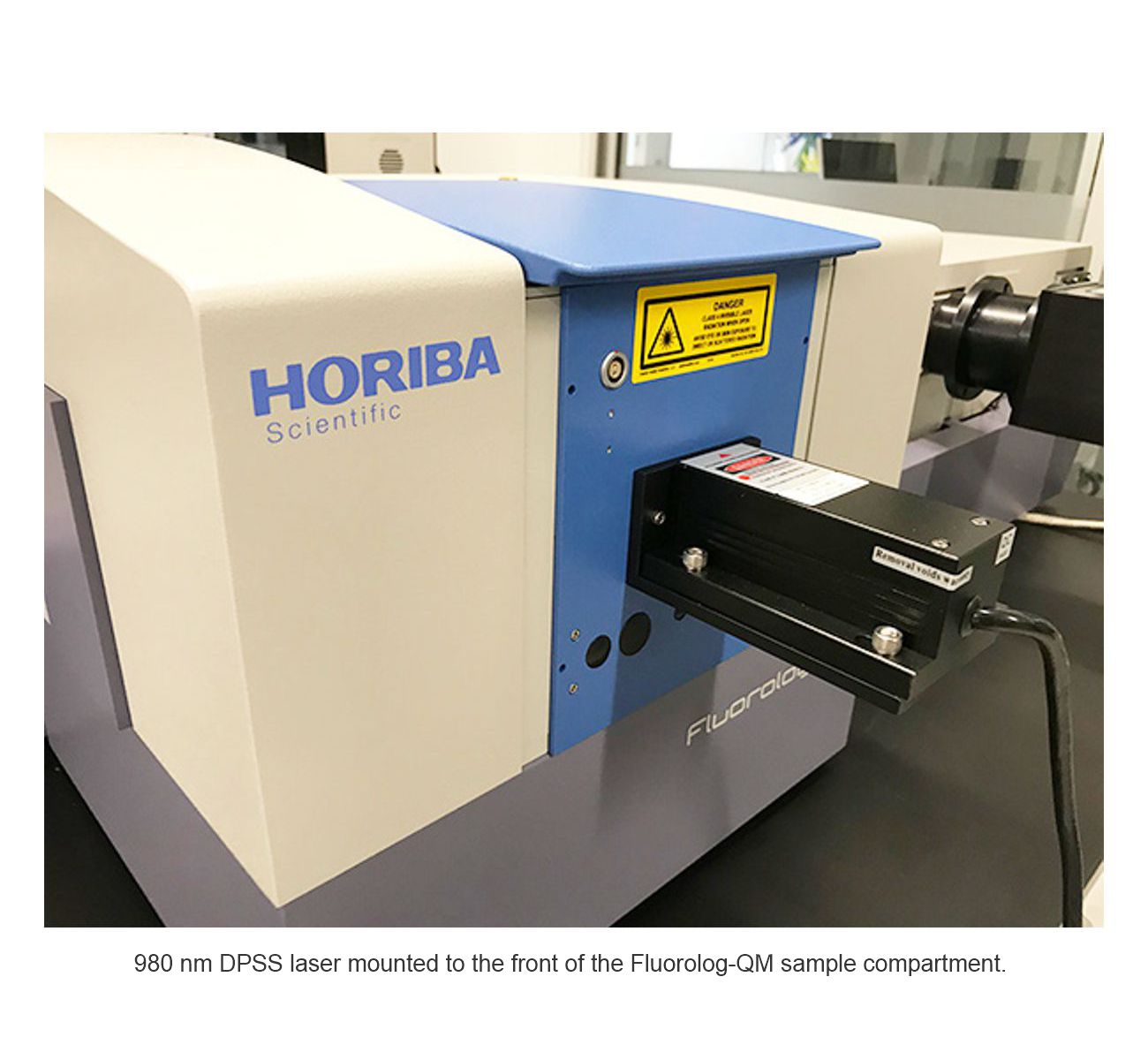
Photoluminescence Upconversion with the Fluorolog-QM

The new Fluorolog-QM spectrofluorometers, due to their modularity and advanced software and a universal interface, are an ideal choice for studying multiple aspects of upconversion. This technical note illustrates the use of Fluorolog-QM-75-21 for spectral and time-resolved characterization of these materials.

Learn more

Particle Analysis in Mining and Minerals

Extracting useful minerals is an arduous and technically demanding process. First, any material on top of the deposit, known as overburden, must be removed or tunneled through. In the next step, the ore is blasted or cut and loaded and hauled to the mill for the secondary crushing and grinding which prepares the material for its intended use.

Learn more

Request for Information

Do you have any questions or requests? Use this form to contact our specialists.

* These fields are mandatory.