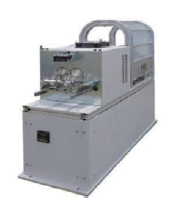
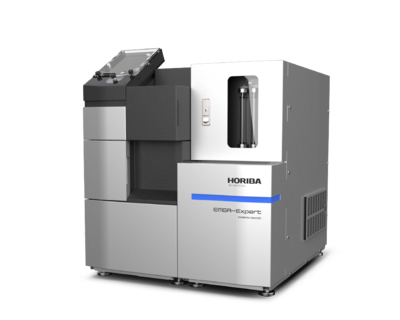
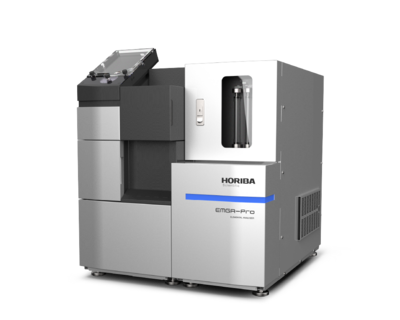
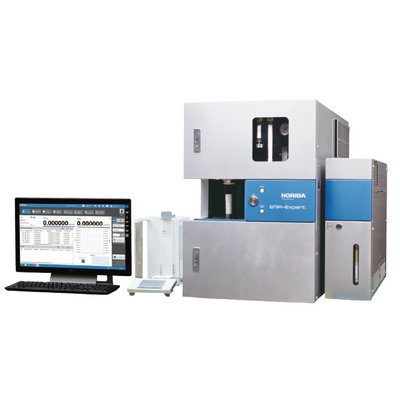
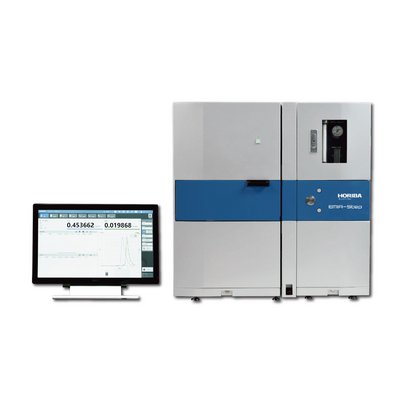
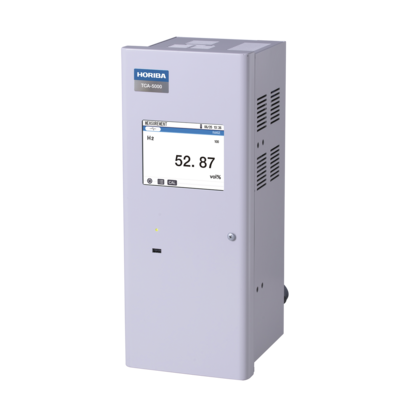
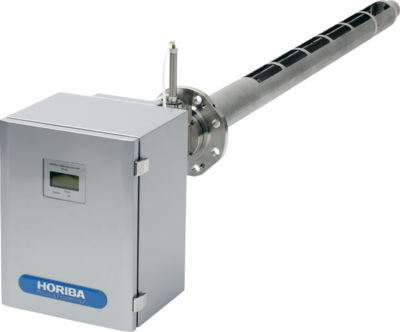
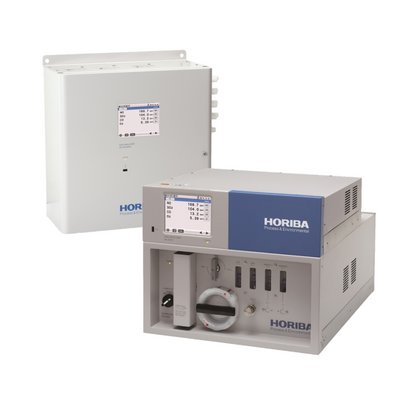
EMIA-Pro

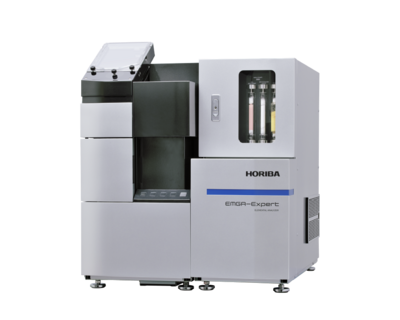
Carbon/Sulfur Analyzer (Entry Model)

Your high-precision solution for diverse samples and increased productivity

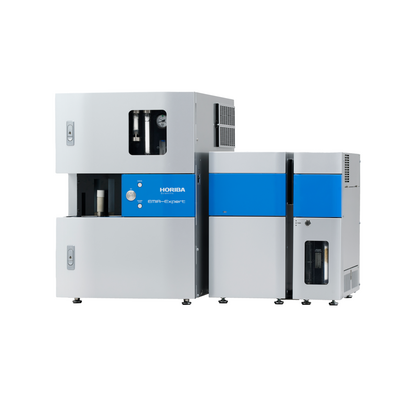
The EMIA-Pro Carbon/Sulfur Analyzer provides exceptional accuracy, streamlined maintenance and user-friendly software enhancements that enable efficient measurements. Its reduced cycle time also helps to accelerate development and manufacturing speed.

Typical Applications:
- Energy: Materials for lithium-ion battery, fuel cell, electrolyzer
- Electric parts
- Ceramics
- Semiconductor: Silicon, poly-silicon, GaN
- Steel and non-ferrous alloy (metallurgy): Iron, copper, nickel, aluminum, zinc, tungsten carbide
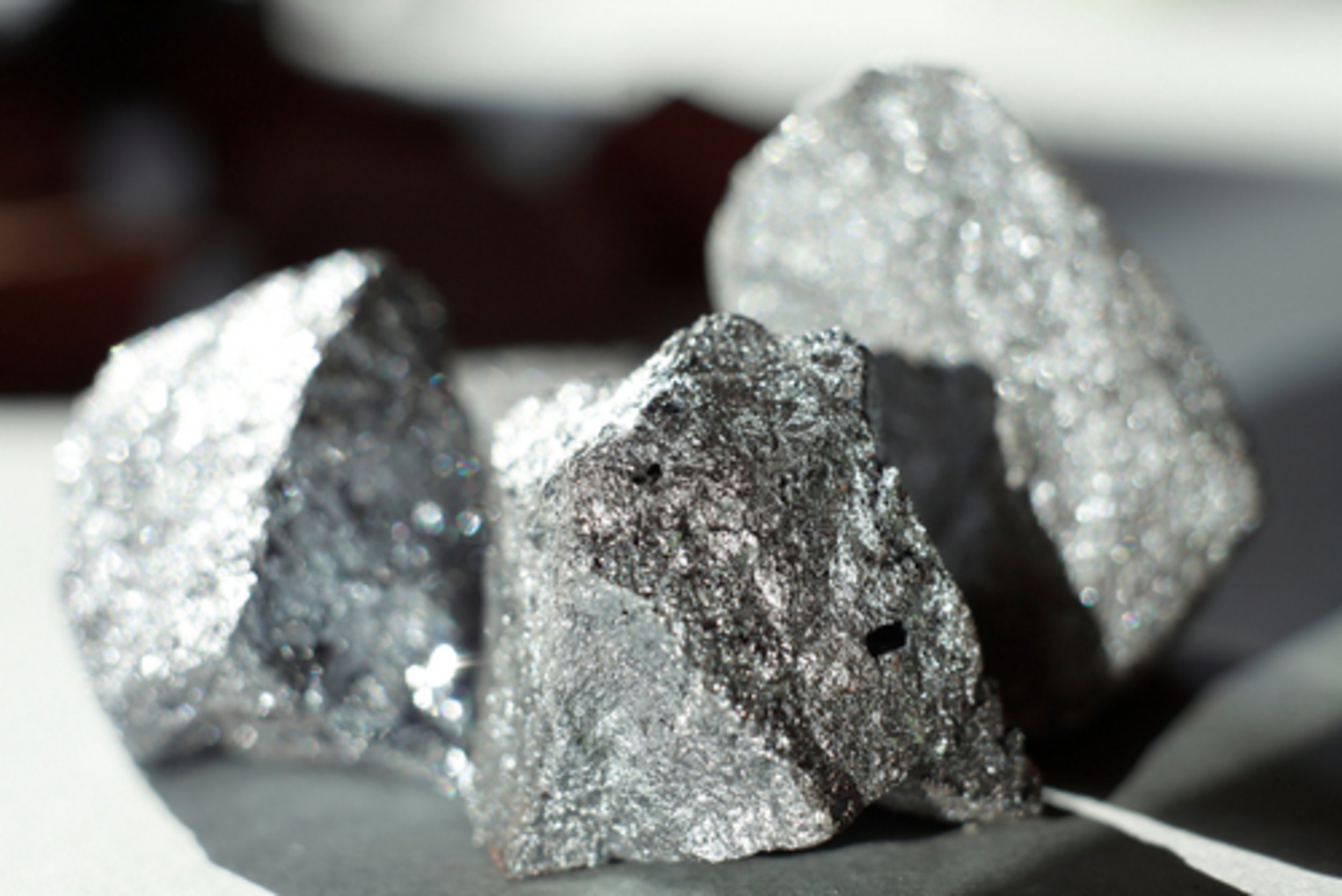
- Mineral: Cokes, lime stone, coal, silicone, rare-metal
- Others: Catalyst, rubber, carbon black, silica, cement

* For even higher measurement accuracy and lower detection limit, we also offer the EMIA-Expert Carbon/Sulfur Analyzer (Flagship High-Accuracy Model).

Greater Accuracy

Proven NDIR Gas Detection Technology

The EMIA-Pro Carbon/Sulfur Analyzer utilizes the infrared method to measure the carbon and sulfur content of a sample after combustion in an induction furnace. It leverages HORIBA's reliable Non-Dispersive Infrared (NDIR) measurement technology, providing a measurement range optimized for carbon from 1.6 ppm to 6.0% and for sulfur from 2 ppm to 1.0%. The analyzer features a unique CO detector and can be utilized for a wide range of inorganic materials, including steel, cokes, catalysts, non-ferrous alloys like aluminum, and lithium-ion battery materials.

Please also refer the Measurement Principle page for the details.


Flexible Upgrade after Installation

Customer has the option to expand the functionality of the EMIA-Pro system at any time, even after installation, depending on their specific needs:

  • Purifier Unit for carrier gas (for C Analysis) - Enables measurement of ultra-low carbon concentration with high accuracy by eliminating hydrocarbon impurities in the carrier gas.
  • Auto Sampler Unit - Able to accommodate up to 20 positions.
  • Halogen Trap Unit - Helps remove halogen elements in the sample to prevent damage to the device.


Improved Measurement and Maintenance Efficiency

Substantial Reduction in Maintenance

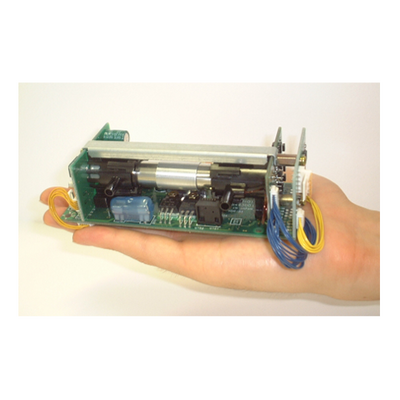
Along with the EMIA-Pro's cleaning feature, HORIBA has developed a robust design with fewer components for more reliable use and less service requirements.

 

The latest innovations have enabled the cleaning time for the EMIA Series to be typically half that of our conventional models (patent applied for*). Additionally, the structure around the combustion area has been designed to be as simple as possible, allowing for quick and intuitive maintenance. Specialized skills or knowledge are not required for maintenance work.
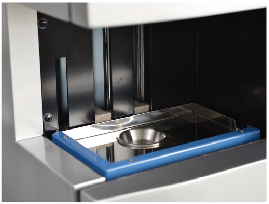
 

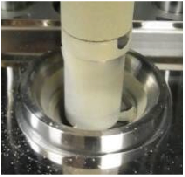
Flat design around the crucible stand    


The cleaning efficiency of the EMIA Series instruments has been significantly improved compared to our conventional Carbon/Sulfur analyzers with the use of a unique automatic cleaning mechanism (patent applied for*). This allows users to repeat measurements up to 200 times**, with reduced time required for maintenance and cleaning, without sacrificing measurement accuracy.

* JP6063582, US10379017, EP3064938, ZL201480058824.2, IN351227, JP6605807, US9778148, EP3037814 and ZL201510971175.1
** Number of repeatable measurements may vary depending on the sample and measurement conditions.
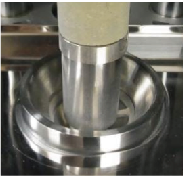
  

  Before measurement               After 200 measurements

Watch the EMIA Series cleaning video


High Throughput

The EMIA Series can complete one measurement cycle, measurement-display result-cleaning, in 70 seconds (i.e. about 50 samples/hour).


More Intuitive Software for Easy Operation

Advanced Operation Software

The EMIA Series features its own proprietary operating software, which has been designed with a focus on ease of use, optimizing layout, operating menus, and functions for enhanced user-friendliness.
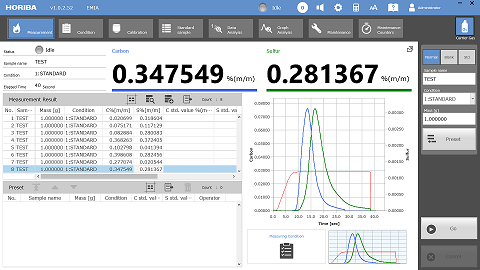
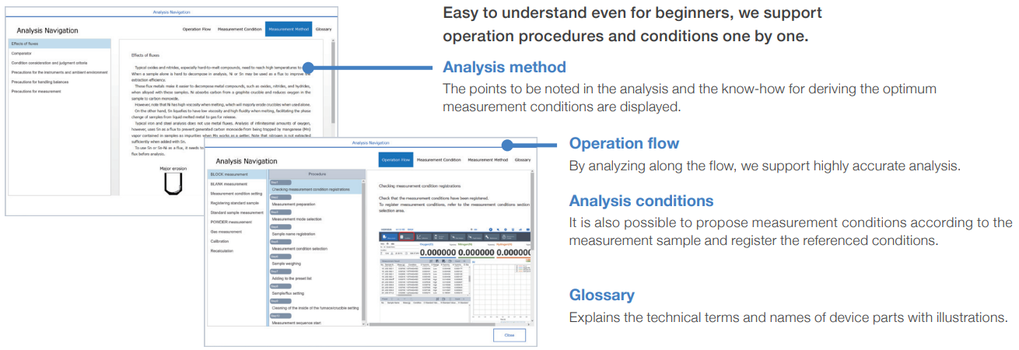
 

Enhanced Operator Assistance

Additionally, the software includes a self-diagnostic monitoring feature to assess the status of connected devices, an alarm function, and three navigators to recommend the most suitable conditions for samples, troubleshoot errors, and alert users to perform maintenance. These features improve daily operation and ensure efficient analysis.

Watch the EMIA Series maintenance video

ContentsEMIA-Pro
Required sample amount1g ± 0.1g
Typical Meas. time70 seconds/cycle
CarbonMeas. Range (m/m)1.6 ppm - 6.0%
Blank accuracyσn-1 ≦ 0.8 ppm
SulfurMeas. Range (m/m)2.0 ppm - 1.0%
Blank accuracyσn-1 ≦ 1.0 ppm
Sample meas. AccuracyCarbonσn-1 ≦ 2.0 ppm
or RSD≦1.0%
Sulfurσn-1 ≦ 2.0 ppm
or RSD≦1.5%
UtilityCarrier gasOxygen
(Purity; 99.5%, Pressure; 0.30-0.33MPa)
Operation gasNitrogen
(Purity; 99.5%, Pressure; 0.35-0.38MPa)
Power200/220/240V, 50/60Hz, 5kVA
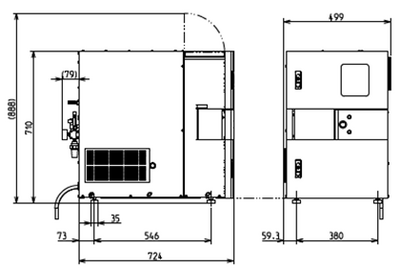
DimensionsMain unit*500(W) x 725(D) x 710(H) mm
MassMain unitapproximately 134 kg
Data processing and operationUSB data communication with PC Windows 8.1
Touch panel or Key board and mouse operation
Model nameEMIA-20P: Carbon/Sulfur
EMIA-21P: Carbon
EMIA-22P: Sulfur

Note) "ppm" is equal to mg/kg.

*Except piping parts, projection parts (D:79mm) and flow meter on the back side.


Schematics


Accessories

Crucible Pre-heating Unit

The crucible pre-heating unit; FK-100 with automatic transportation function to heat a ceramic cruible at 1100 degree in 10min. before analysis.

Autosampler

Automation crucible loading and disposing unit. Up to 20 pcs of crucible are available to be set. Click here for more information of automation options.

Consumables

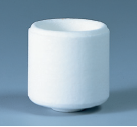
Ceramic crucible

Low carbon blank and high dimension tolerance for high precision analysis.

Accelerators

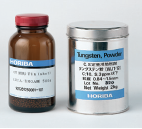
High-purity materials which support stable analysis: Tungsten(W), Tin(Sn), Copper(Cu), Iron(Fe)

Metallurgy
Nonferrous Metals | Metal Powder | Coatings

Quantitative elemental analysis in nonferrous metals aluminum, copper, and titanium

Nonferrous metals such as aluminum, copper, and titanium are functional, lightweight materials with excellent thermal conductivity and heat resistance, and are used in a variety of applications. Oxygen, hydrogen, and sulfur are intentionally added to these materials to improve their functions. In addition, the concentration of oxygen, hydrogen and carbon as foreign substances is controlled to improve quality.

Explore application
Energy
Metal Powder | Material Research | Nonferrous Metals | Semiconductors | Battery

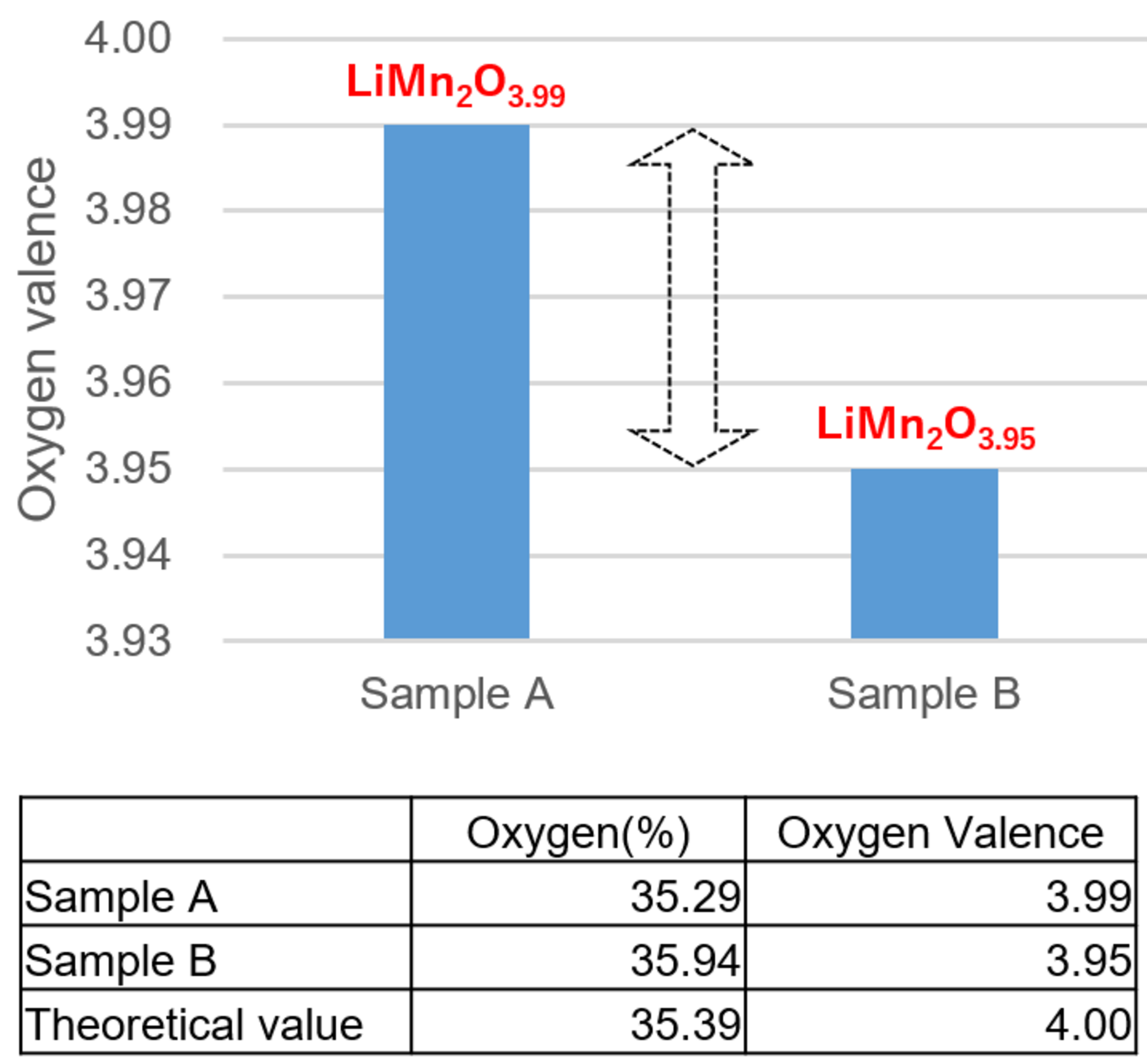
Quantitative Measurement in Lithium Manganate

With the increasing demand for lithium-ion batteries, various compounds have been investigated as cathode materials. Typical examples include lithium cobaltite and lithium manganate, and the amount of oxygen deficiency is important as one of the items to evaluate the material properties. This is because deficient oxygen has an important influence on battery performance.

Explore application
Energy
Chemicals | Chemical Manufacturing | Petrochemicals | Petroleum and Coal Products Manufacturing

Analysis of carbon and sulfur in catalysts in oil refining

Refineries are equipped with desulfurization units to remove sulfur from oil. The changes in Carbon and sulfur content in catalysts before and after the usage is very important to determine the efficiency and performance of developed catalyst. Therefore, a reliable quantitative analysis of carbon and sulfur is important.

Explore application
Energy

Oxygen, Nitrogen, and Carbon Analysis in Nuclear Fuels

From the perspective of ensuring energy security and reducing CO2 emissions, the use of nuclear energy is attracting worldwide attention. A joint declaration was also released by 25 countries setting forth a cooperation policy toward the ambitious goal of tripling the world's nuclear power generation capacity by 2050 compared to 2020 levels. The safety of nuclear fuel as well as the improvement of fuel performance is extremely important, and the content of oxygen, nitrogen, and carbon must be strictly controlled in nuclear material performance.

Explore application
Metallurgy
Nonferrous Metals | Primary Metals | Primary Metal Manufacturing | Metal Powder

Analysis of ultra-trace amounts of sulfur in metal

As the steel materials are becoming more sophisticated, such as natural gas or crude oil pipeline, sulfur content is recommended below 0.5 ppm. Hence, more accurate ultra-trace amount sulfur analysis is required. Analysis of trace amount of sulfur in steel materials can be done quickly with the conventional combustion-infrared absorption method, but the problem is that the sensitivity of the detector is insufficient and it can not be measured.

Explore application
Metallurgy
Nonferrous Metals | Electrical Equipment | Chemicals

Purity Analysis in Precious Metal Recycling

While precious metals such as Au, Ag, Pt, and Pd are finite materials, they are essential for electronic components and functional materials. Therefore, it is important to separate and extract the necessary precious metals from the final products and recycle them as high-purity precious metals in order to secure resources and reduce costs. Impurities, which must be controlled, include light elements such as carbon, sulfur, oxygen, and nitrogen. For example, Au (gold) used in electronic devices must be at least 99.999% pure.

Explore application
Biotechnology & Biomedical
Life Sciences | Material Research

Quantitative analysis of carbon contained in bone substitute material

Can we accurately and quickly measure the amount of carbon contained in the material?

Explore application
Chemistry
Plastics and Rubber | Automotive Manufacturing

Quantitative analysis of carbon and sulfur in tires

To accurately and quickly measure the amount of carbon and sulfur contained in the material.

Explore application
Chemistry
Nonmetallic Minerals

Measurement of Carbon and Sulfur in Cement

This application note describes the method and conditions to use with the EMIA 820V C/S analyzer to measure cement.

Explore application
Chemistry
Plastics and Rubber

Measurement of Sulfur in Rubber

Sulfer is added in the natural rubber to produce plastic materials. However, it is important to measure the sulfer contained in the rubber to define the chemical and mechanical properties of the final product.

Explore application
Metallurgy
Primary Metals

Measurement of Carbon in Ferrosilicon

Ferrosilicon is added as a deoxidant and as an alloying element to steel, that require a special low carbon content. The Low Carbon in Ferrosilicon decreases the electrical conductivity and magnetostriction of electrical steels.

Explore application
Metallurgy
Primary Metals

Quality Assurance for the Analysis of Steel by Gas Component Analysis

Explore application
Metallurgy
Primary Metals

Sample Preparation and Sampling Methods for the Gas Analysis of Steel

Explore application
Metallurgy
Nonferrous Metals

Measurement of Carbon and Sulfur in Copper

Copper in reddish metal, it is malleable, ductile and an extremely good conductor of both heat and electricity. Copper metal is widely used for electrical wiring, water piping, and corrosion resistant parts, either pure or in alloy such as brass and bronze. Carbon and Sulfur are considered as impurities, so it is important to measure and check the Copper purity.

Explore application
Chemistry
Chemicals

Measurement of Carbon and Sulfur in Titanium Oxide

Titanium oxide are used primarily in the production of paints and plastics and are also used in paper, priniting inks, cosmetics, textiles and food stuffs.

Explore application
Food & Beverage
Agriculture & Crop Science | Material Research

Carbon Analysis: Organic and Inorganic Carbon in Soils

The aim of this application note is to explain the determination of organic and inorganic carbon in soils and how to prepare samples to eliminate inorganic carbon (carbonates) in these soils.

Explore application
Energy
Catalyst

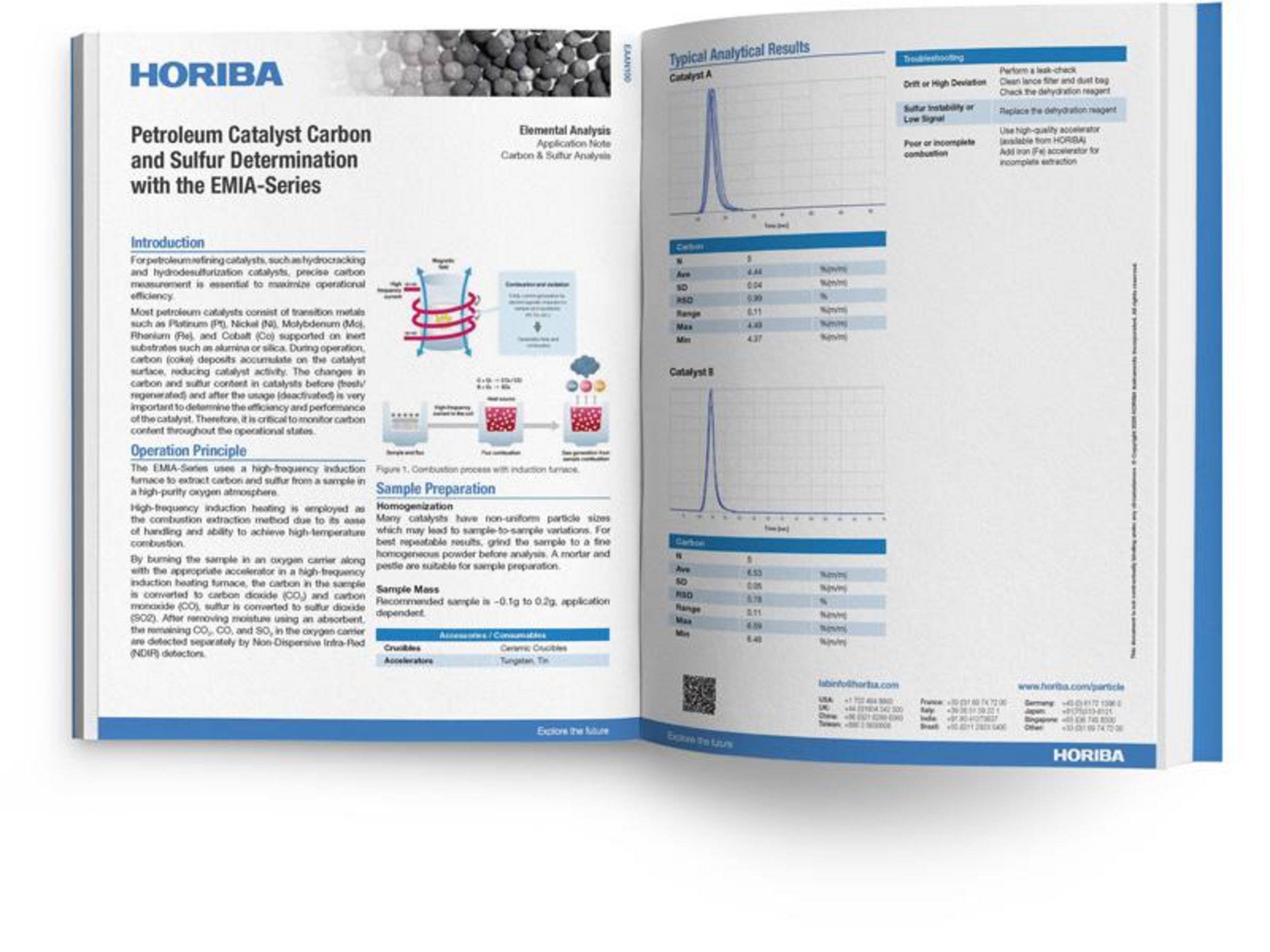
Petroleum Catalyst Carbon and Sulfur Determination with the EMIA-Series

The EMIA-Series uses a high-frequency induction furnace to extract carbon and sulfur from a sample in a high-purity oxygen atmosphere. High-frequency induction heating is employed as the combustion extraction method due to its ease of handling and ability to achieve high-temperature combustion.

Explore application
EMIA Series catalog

EMIA Series catalog

4.08 MBPDF
Auto Sampler Options for the EMIA/EMGA Elemental Analyzers

Auto Sampler Options for the EMIA/EMGA Elemental Analyzers

4.53 MBPDF
Market: Scientific
Manufacturing Company: HORIBA, Ltd.

Request for Information

Do you have any questions or requests? Use this form to contact our specialists.

* These fields are mandatory.

Elemental Analysis - C, S, N, O, H

Inorganic Elemental Analysis

Non-Dispersive Infrared Spectroscopy (NDIR)