Science in Action

Welcome to Science in Action. Our new series showcasing how our technologies, scientists, design and software engineers, and solutions are applied to real-world situations. From drilling thousands of feet below the icy surface of Antarctica to exploring concepts of life on other planets, our stories will stimulate your imagination and open new possibilities in your own scientific endeavors.

open
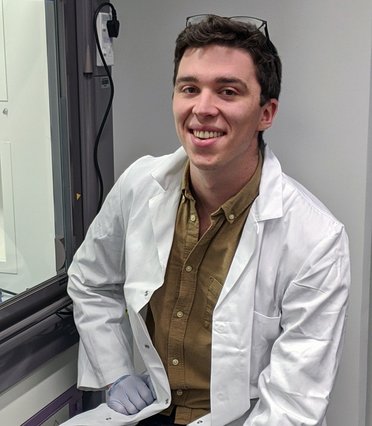
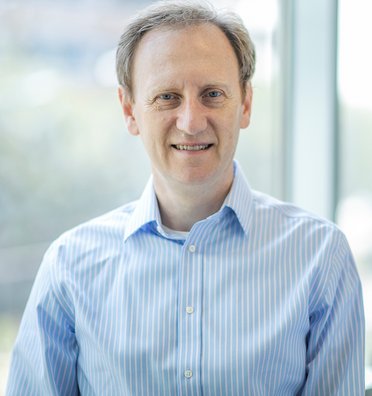
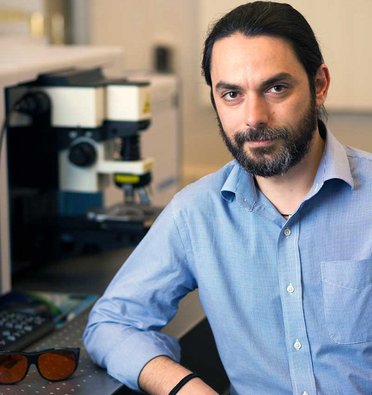
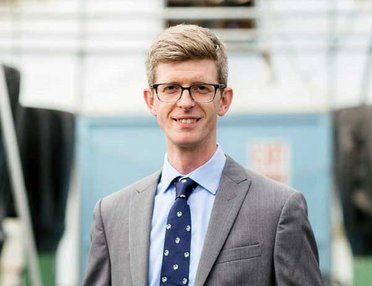
Benjamin de Jourdan
The Fight to Protect the Oceans and Marine Life
Benjamin de Jourdan, Ph.D., Huntsman Marine Science Center | Water Research
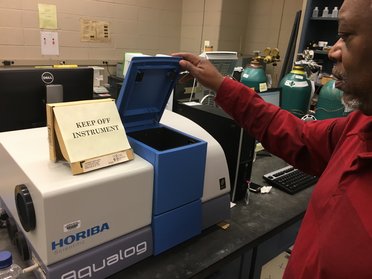
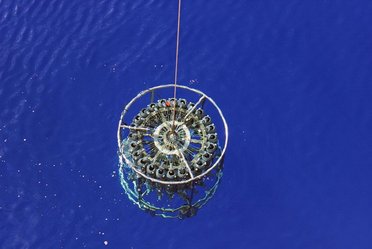
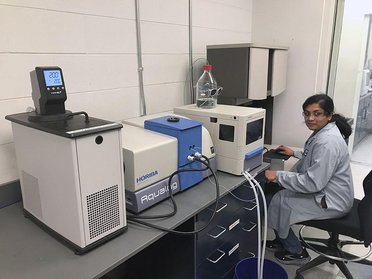
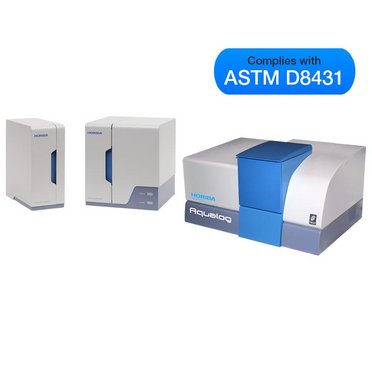
Benjamin de Jourdan is on a mission – to protect economically important marine species from oil spills and other toxins. He uses a HORIBA Aqualog spectrofluorometer to characterize the spills and formulate mitigation strategies.
open
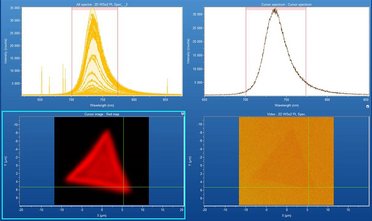
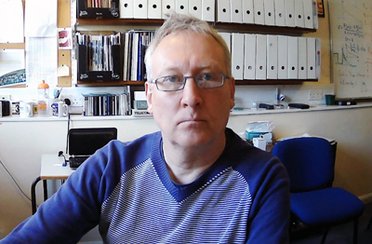
Using fluorescence spectroscopy to develop novel light-emitting materials
Marc Etherington, Ph.D., Northumbria University | Energy
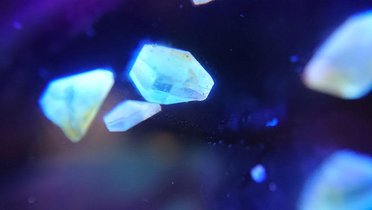
It’s never been more crucial to discover efficient and stable light-emitting compounds that can curtail energy consumption. See what one researcher from the UK is doing.
open
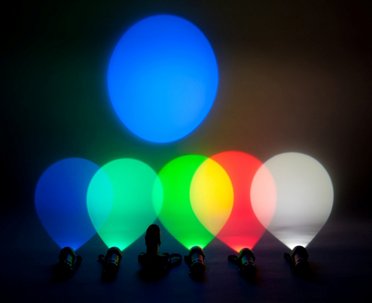
Alternative Light Sources and forensic creativity identify suspects in armed robberies
Todd Cole, Denver Police Department | Forensics
Alternative light sources are valuable tools for identifying critical evidence in crimes. This one is unusual.
open
Investigators develop photographic evidence of domestic assault using alternative light sources
Randy Sparks, Coos Bay, Oregon Police Department | Forensics
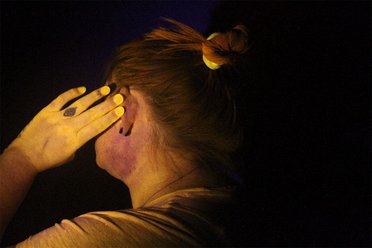
Alternate light sources have proven effective at displaying domestic assault markings that ordinary white light photography doesn’t capture.
open
A giant leap in fuel cell engineering
Associate Professor Takashi Sasabe, Tokyo Institute of Technology | Energy
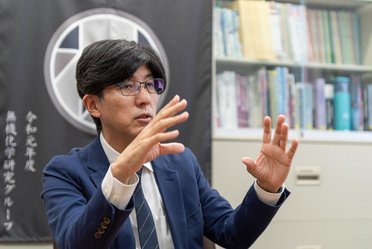
Read about Associate Professor Takashi Sasabe at the Tokyo Institute of Technology who is developing fuel cell systems with higher efficiencies.
open
Developing in-situ, online monitoring tools for radioactive materials using fluorescence spectroscopy
Hunter Andrews and Luke Sadergaski, Oak Ridge National Laboratory | Energy
Making radioactive isotopes requires precision to preserve valuable resources and maximize quality. See how fluorescence spectroscopy plays a role.
open
Fluorescence spectroscopy proves a fast accurate and economical method for wastewater measurement
Prof. Shane Snyder, Nanyang Environment & Water Research Institute | Water Treatment
Prof. Shane Snyder talks about wastewater management challenges and how he depends on fluorescence spectroscopy to monitor water quality.
open
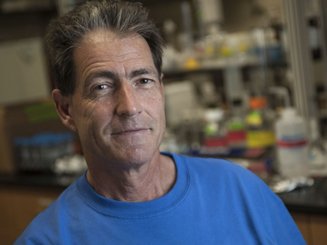
Juliana D'Andrilli, Ph.D.
Fluorescence spectroscopy exposes carbon cycle changes
Juliana D’Andrilli, University of North Texas | Water Research
Humans, through the migration of populations, agricultural practices and fossil fuel consumption have interfered with the natural carbon cycle of the planet, Fluorescence spectroscopy gives us clues as to how those changes will affect our environment.
open
"Tokaido 53rd Nouchi Mizuguchi Choemon" (Kaei 5/1852), by Utagawa Toyokuni
Raman and X-ray fluorescence spectroscopies reveal the mysteries behind ancient Japanese art form
Yuya Shimoi, Shimoi Woodblock Printing Co., Ltd., Kamakura | Art
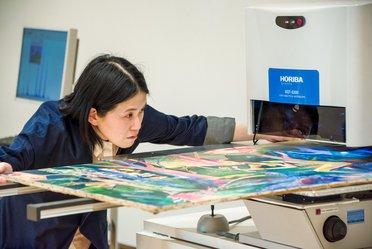
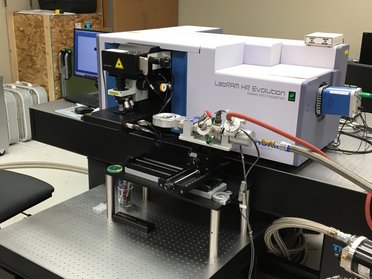
Yuya Shimoi, an Ukiyo-e reproduction specialist from Shimoi Woodblock Printing Co. in Kamakura, collaborates with HORIBA’s Hakaru LAB in Tokyo to scientifically analyze original Edo period Ukiyo-e pigments. He uses energy-dispersive micro XRF (HORIBA XGT 5200) to non destructively determine elemental compositions of mineral pigments, and confocal Raman microscopy (LabRAM HR Evolution) to identify organic plant based dyes. This dual spectroscopic approach reveals materials like turmeric, safflower, lead-white, and oyster shell powder—unveiling mysteries about traditional paint usage and supporting faithful reproductions.
open
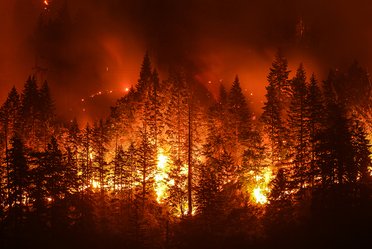
Wildfire frequency and duration have increased in recent years
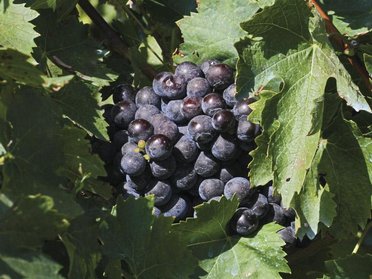
Detection of smoke taint in grapes and wine—a simpler, faster and less expensive optical method based on A-TEEM spectroscopy
Kerry Wilkinson, University of Adelaide | Food and Beverage
Increasingly frequent wildfires and bushfires threaten grape and wine output. Read how fluorescence spectroscopy and A-TEEM technology can quantify smoke taint and yield cost and quality benefits.
open
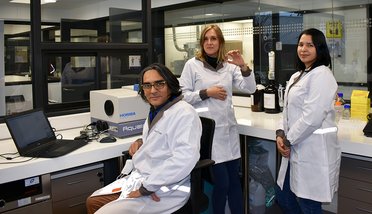
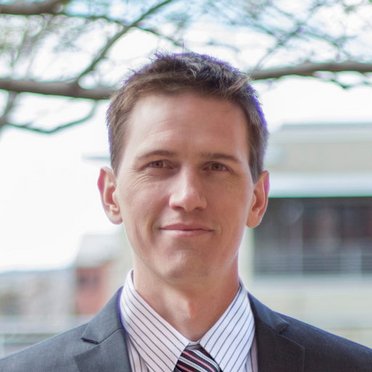
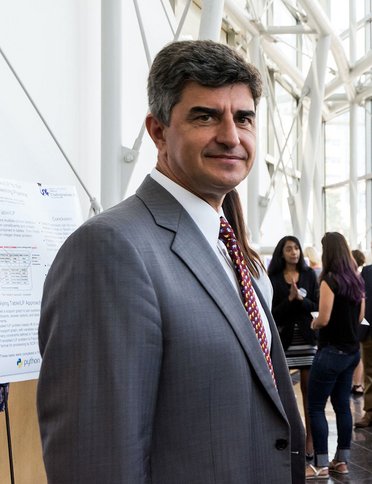
From left to right: Jorge Zincker, Doreen Schober, and Mónica Rodríguez
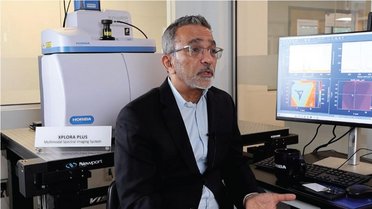
Chilean grape and wine quality assessment with Aqualog A-TEEM analyses
Doreen Schober, Viña Concha y Toro | Food and Beverage
See how scientists at Chile’s largest wine maker are using HORIBA’s Aqualog with A-TEEM technology to classify grapes and wines for quality and chemical composition.
open
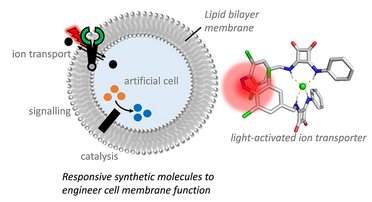
Research into ion transport through cell membranes aided by fluorescence spectroscopy
Matthew Langton, University of Oxford | Biomedical
Ion transport through cell membranes is at the heart of most biological processes. Matthew Langton of Oxford is finding ways using fluorescence spectroscopy to synthesize molecules to take the place of dysfunctional proteins.
open
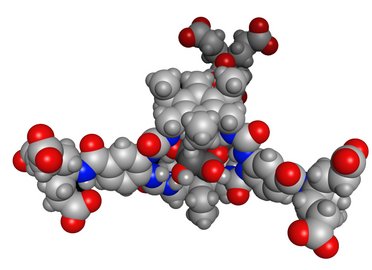
Glucose binding receptor
Glucose Binding Molecules could revolutionize diabetes management
Robert Tromans, Bristol University | Biomedical
The discovery of a glucose binding molecule could revolutionize diabetes management. Researchers are also working with partners to develop these molecular sensors to release insulin as needed. And the Duetta benchtop spectrofluorometer is at the heart of the discovery.
open
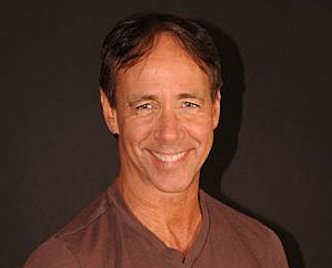
Rich Lamar, Ph.D.
A-TEEM and fluorescence spectroscopy may offer a better way to feed the world
Rich Lamar, Linxi Chen, Bio Huma Netics, Inc. | Agriculture
Humic materials are part of a class of compounds called biostimulants that, when applied to plants or agricultural soils, stimulate plant growth and productivity. A-TEEM fluorescence spectroscopy and can quantify the concentration of fulvic acids more efficiently.
open
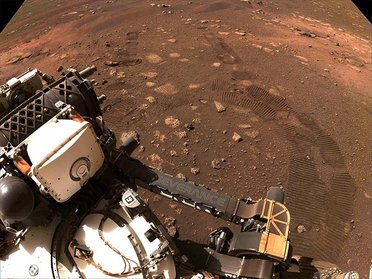
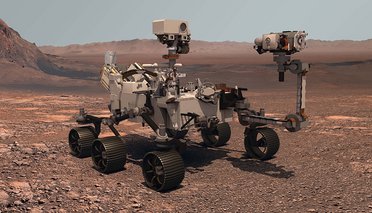
Perseverance Roving on Mars. (Courtesy of NASA/JPL-Caltech)
Perseverance lands to pursue answers to life on Mars using XRF
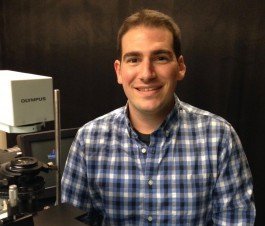
Dr. Andrew Czaja, University of Cincinnati | Geology
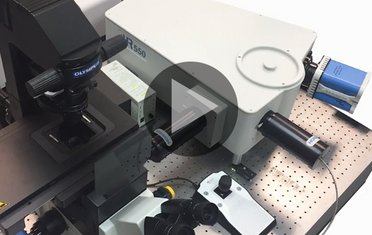
Dr. Andrew Czaja of the University of Cincinnati assists NASA’s Mars 2020 Perseverance mission by selecting promising rock samples from Jezero Crater that may preserve signs of ancient life. On Mars, PIXL (XRF) and SHERLOC (UV Raman) instruments measure elemental and organic signatures in situ. Back on Earth, Czaja plans to analyze returned Martian samples using a HORIBA T64000 Raman spectrometer to detect organic carbon and potential microbial textures. His work aims to identify biosignatures and inform future assessments of past Martian life.
open
Matthew Harris
Historic carbon fluctuations could expose climate change secrets
Matthew Harris, University of New South Wales, Keele University Ice Laboratory | Paleoclimatology
Our planet has posed a baffling puzzle for scientists ―one that contradicts established climate theories and has enormous implications for the future.
open
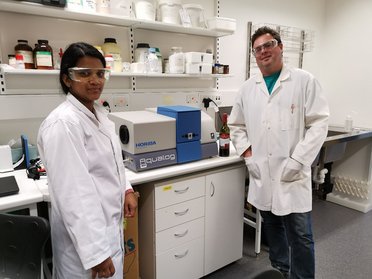
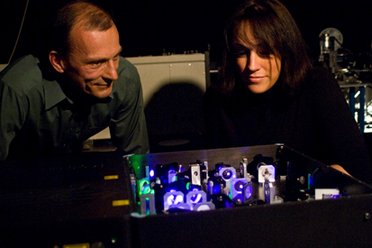
Ruchira Ranaweera and David Jeffery in their lab with a HORIBA Aqualog.
Study validates fluorescence spectroscopy with A-TEEM for fast and precise wine authentication
Ruchira Ranaweera, University of Adelaide | Food and Beverage
The aim of the study was to see if fluorescence spectroscopy, using HORIBA’s proprietary A-TEEM technology, and a novel use of a multivariate algorithm could effectively and economically identify a number of wine samples produced from various regions in Australia.
open
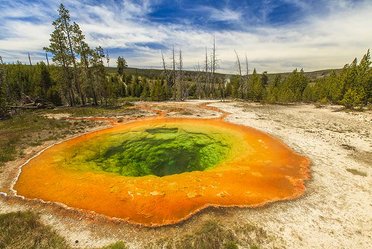
Hot Spring in Yellowstone National Park
Yellowstone’s treasures may hold clues to life
Michael Gonsior, University of Maryland’s Center for Environmental Science | Biogeochemistry
Michael Gonsior studies dissolved organic materials (DOM) from an environment that scientists believe replicates many of the conditions of ancient Earth ― the majestic hot springs in Wyoming’s Yellowstone National Park.
open
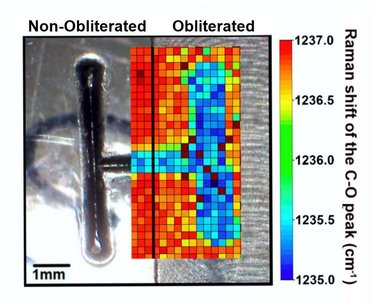
Superimposed image of the pixels, showing the Raman information extracted and analyzed.
Raman breakthrough recovers erased serial numbers from plastic guns
Dr. Andreas Ruediger, Institut national de la recherche scientifique, Université du Québec | Forensics
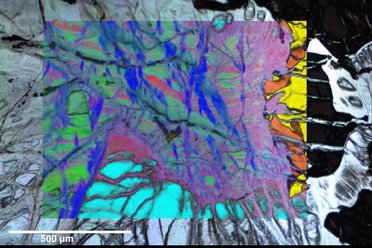
Dr. Andreas Ruediger at INRS Université du Québec employs Raman spectroscopy to recover serial numbers ground off polymer firearms. Mechanical embossing induces subsurface residual strain that persists even after grinding. His team captured spectral imaging showing Raman peak shifts (up to ~1 cm⁻¹) and broadening correlating with strain. Combined imaging and histogram analysis enabled visualization and statistical confirmation of obliterated characters up to hundreds of micrometers deep. This nondestructive approach offers promising forensic tools for law enforcement.
open
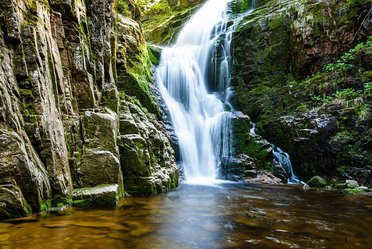
The Kamienczyk waterfall in the Karkonosze National Park in Poland
"Disruptive" carbon research deepens climate change understanding
Ryan Pereira, Heriot-Watt University | Biogeochemistry
Increasing atmospheric CO2 is causing significant warming of the Earth by changing the heat and water balances between the surface and atmosphere.
open
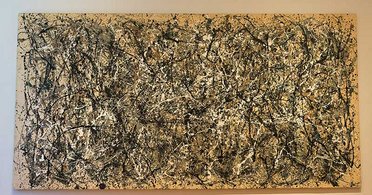
Jackson Pollock painting
Can Raman microscopy reveal art forgeries?
Jennifer Mass, PhD., Scientific Analysis of Fine Art, LLC. | Art
This HORIBA feature explores how Raman microscopy can help expose art forgeries by non-destructively analyzing the molecular makeup of pigments and materials. By capturing detailed Raman spectra of authentic and suspect artworks, scientists can identify inconsistencies in chemical fingerprints that indicate restoration, aging discrepancies, or fraudulent compositions. With diligence, appropriate instrumentation, and expert interpretation, Raman microscopy empowers specialists to discern genuine works from forgeries, potentially reducing the prevalence of counterfeit art in the market.
open
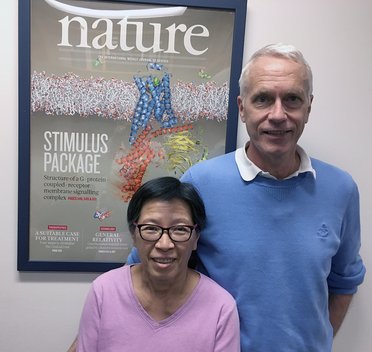
Tong Sun Kobilka, M.D., and her husband, Nobel Laureate Brian Kobilka, M.D.
The baker’s son
Brian Kolbilka, Stanford University | Biopharma
The chairman told him the news. The Nobel Committee chose Kobilka and his mentor, Robert Lefkowitz, M.D., as the 2012 co-recipients of the Nobel Prize for Chemistry.
open
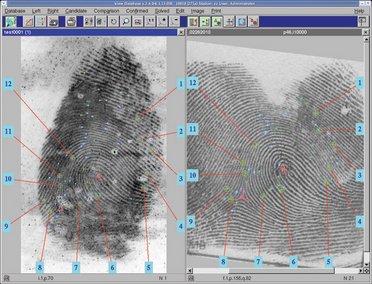
PrintQuest print extraction
AFIS key to catching crook in unlikely match
Bradley Whitaker, Moore County Sheriff’s Office, North Carolina | Forensics
The investigators lifted the palm print, and the readable area of that print was tiny - the size the tip of a pinky.
open
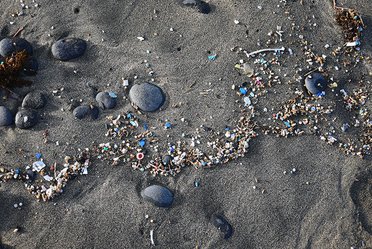
Microplastics from waste
What are microplastics?
HORIBA Science Team | Environment
This HORIBA Science in Action entry defines microplastics as plastic fragments ≤ 5 mm, either purposefully manufactured (primary) or deriving from breakdown of larger plastic debris (secondary) The article highlights the ubiquity of microplastics—in oceans, soils, rainwater, food, salt, sugar, beer, and honey. It distinguishes primary particles intentionally released (e.g., in cosmetics) from secondary ones formed via environmental degradation, emphasizing the diverse and pervasive nature of this pollutant.
open
Where do primary microplastics come from?
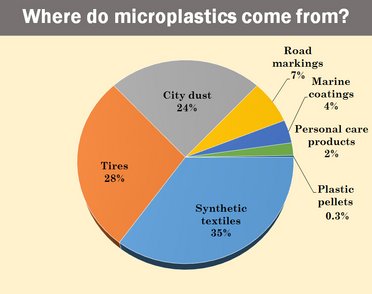
Where do microplastics come from?
HORIBA Science Team | Environment
Microplastics – tiny plastic particles smaller than 5 mm – from that shirt or car tires are seeping into our biosphere. We ingest, inhale and absorb these particles through our skin.
open
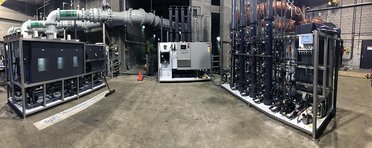
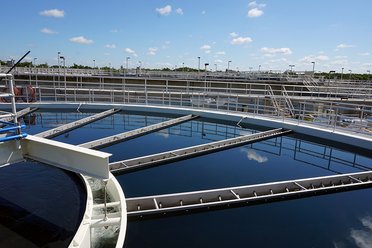
Pilot equipment for experimental water treatment process at the Hampton Roads SanitationDistrict
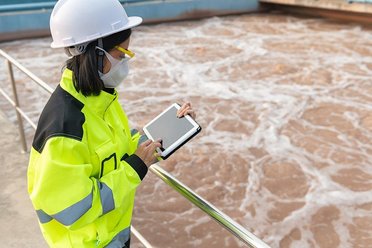
Scientist pioneers wastewater treatments to fight global warming effects
Ramola Vaidya, Virginia Polytechnic Institute and State University | Wastewater Treatment
Vaidya and her team are developing methods of advanced water treatment that not only returns the wastewater to a healthy level, but raises the ground water level, and prevents land subsidence and seawater intrusion.
open
Microplastics explained videos
Microplastics explained
HORIBA Science Team | Environment
This HORIBA Science in Action article explores microplastics—tiny plastic particles (≤ 5 mm) either manufactured or formed through degradation—that are contaminating oceans, drinking water, rain, salt, and even the air we breathe. They serve as carriers for pollutants, bacteria, and viruses, entering wildlife and human food chains. Raman spectroscopy plays a crucial role in identifying the chemical composition and origins of these particles, supporting the development of policies and monitoring procedures to limit microplastic contamination.
open
Cleaner water through fluorescence spectroscopy and artificial intelligence
Chris Miller, University of Akron in Ohio/Fontus Blue, Inc. | Water Treatment
Miller focused his research on drinking water quality monitoring and management, along with treatment optimization.
open
Fluorescence spectroscopy becoming key to identifying pain
Mikhail Berezin, Washington University | Biomedical
Berezin turned his focus to imaging inflammation in the body – and how to locate it. That, he hoped, would eventually lead to the treatment of peripheral neuropathy and chemotherapy induced peripheral neuropathy in particular.
open
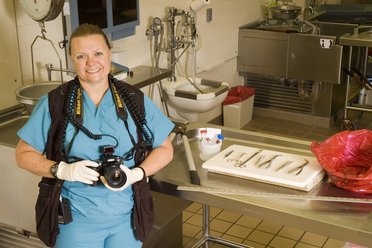
Heidi Nichols
Medical examiner department ID’s evidence with alternative light sources
Heidi Nichols, Miami-Dade County Medical Examiner's office | Forensics
Alternative light sources are typically used in crime scene investigation and post mortem examinations to identify many forms of evidence.
open
Is this the next breakthrough in medicine?
Dr. Wei Min, Kavli Institute for Brain Science, Columbia University | Life Sciences
Dr. Wei Min of Columbia University is pioneering the application of Raman spectroscopy—particularly stimulated Raman scattering—for biomedical imaging to visualize metabolism and molecular dynamics in living tissues. He uses supermultiplexed optical imaging, deploying dozens of distinct Raman probes simultaneously to map diverse biomarkers within cells and tissues. This label-free, high-throughput method holds promise for earlier disease diagnosis, better understanding of metabolic disorders (like cancer, obesity, neurodegeneration), and enhanced drug development by revealing molecular processes in unprecedented detail.
open
Targeting Toxic Waste With Minerals
Targeting toxic waste with minerals
Dr. Aaron Celestian, Natural History Museum of Los Angeles County | Environment
Aaron Celestian’s research employs Raman spectroscopy and XRF to evaluate minerals used for treating toxic waste. By analyzing their chemical composition and structure, he identifies which minerals most effectively immobilize or neutralize contaminants. This scientific approach helps determine optimal materials for environmental remediation, guiding efforts to restore polluted sites. Spectroscopic data enable selection of mineral-based solutions that can "heal our world" by targeting specific toxic compounds through evidence-based mineral waste treatment strategies.
open
Forensic light source
Fingerprint database leads to killers
Donna Carmichael, St. Lucie County Sheriff’s Department | Forensics
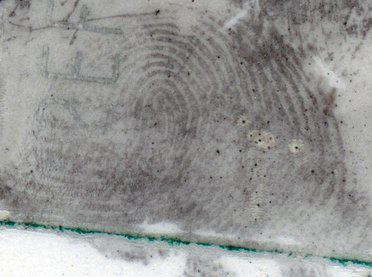
Back at the St. Lucie County Sheriff’s Department, crime scene investigators processed the tickets with chemicals to make any fingerprints on them visible.
open
Dave Brogle of the Middlesex Water Company
Companies collaborate for better water treatment
Dave Brogle, Middlesex Water Company | Water Treatment
Dave faced challenges managing the amount of dissolved organic material from its water source. Its main supply of raw water is the Delaware Raritan Canal. Rain events cause runoff, compounding the problem.
open
Photovoltaics and Photoluminescence
Photovoltaics and photoluminescence
Taylor Harvey, Texas A&M University | Energy
Watch the interview with Taylor Harvey, Ph.D., of Texas A&M University-Central Texas on Next Generation Photovoltaics
open
Taylor Harvey, Ph.D., of Texas A&M University-Central Texas
Photoluminescence contributes to staggering growth of photovoltaics
Taylor Harvey, Texas A&M University | Energy
Taylor Harvey, Ph.D., of Texas A&M University-Central Texas, is deep into photovoltaic research.
open
The best nanoparticle video
The best nanoparticle
Justin Sambur, Colorado State University | Energy
Professor Justin Sambur, from Colorado State, talks about his group's working looking into how to best use nano materials for better...
open
Justin Sambur, Ph.D
Nanotechnology a pathway to efficient solar energy
Justin Sambur, Colorado State University | Energy
A Colorado group is tackling one of the largest issues facing us with some of the smallest materials known to mankind.
open
Lednev lab
Raman spectroscopy breakthroughs make CSI real
Prof. Igor K. Lednev, Department of Chemistry, University at Albany (SUNY) | Forensics
Prof. Igor K. Lednev at SUNY Albany develops Raman spectroscopy for forensic use, enabling non-destructive identification of body fluids (blood, semen, saliva, sweat) using a universal chemical fingerprint, unlike presumptive biochemical tests. His team also measures the age of bloodstains to time crime events. Lednev is working to translate lab workflows to handheld Raman devices that law enforcement could deploy on-site, allowing rapid, low-cost sample triage.
open
fingerprint identified by an alternative light source
Alternative light sources and AFIS help identify murder suspects
Kyle King, Indian River Sheriff’s Department | Forensics
The Indian River Sheriff’s Department in Vero Beach uses alternate forensic light sources for their investigations every day.
open
Researcher fights food fraud
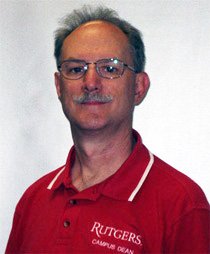
Gene Hall, Rutgers University | Food and Beverage
Gene Hall is a crusader. His mission is to find mislabeled food and dietary supplement products, and reveal them to the world.
open
Andrew Whitley
Man of science follows business path
Dr. Andrew Whitley, Vice President of Sales and Business Development, HORIBA
Dr. Andrew Whitley, Vice President of Sales and Business Development at HORIBA Scientific, merges technical expertise with business acumen. A classically trained chemist (PhD in vibrational spectroscopy, University of Durham), he champions applied Raman and fluorescence spectroscopy, leveraging his FACSS Charles Mann Award winning body of work to foster new applications and broaden HORIBA’s reach. Choosing a business-focused path rather than bench research, he empowers researchers globally by tailoring instrumentation solutions and enabling success.
open
Fine wine-making with the help of HORIBA tech
Adam Gilmore, HORIBA | Food and Beverage
There are a lot of quality characteristics that the winemakers are interested in that relate to the color of the wine and the phenolic content – compounds that affect the wine’s taste, color and mouthfeel.
open
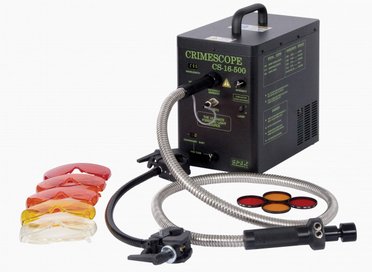
CrimeScope CS-16-500W
Forensic light sources nab the suspects
Mark Zabinski, Rhode Island State Crime Laboratory | Forensics
Alternative light sources used by crime scene investigators help them identify evidence left by suspects at a crime scene.
open
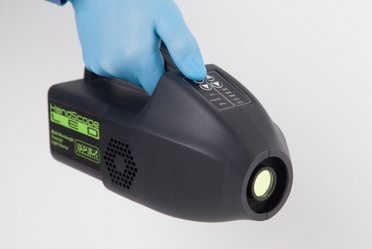
HandScope HS LED
An act of mercy in Baltimore
Debra Holbrook, Mercy Medical Center | Forensics
How a team of nurses revolutionized the investigation of strangulation cases in the area of domestic assault.
open
Elemental analysis and a cold brew
Matthieu Chausseau, HORIBA | Materials
Elemental Analysis is a process where a sample of a material is analyzed for its elemental and sometimes isotopic composition.
open
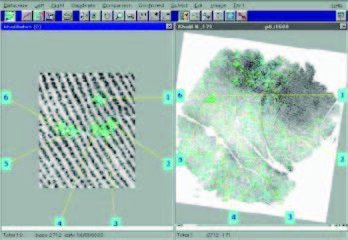
SPEX Forensics algorithms used to solve cold cases
Andy Parker, Raleigh/Wake City-County Bureau of Identification | Forensics
In one case, using an innovation created by SPEX Forensics, a division of HORIBA Instruments, a suspect was subsequently linked by fingerprints to 32 different outstanding felony cases.

Request for Information

Do you have any questions or requests? Use this form to contact our specialists.
* These fields are mandatory.

Corporate