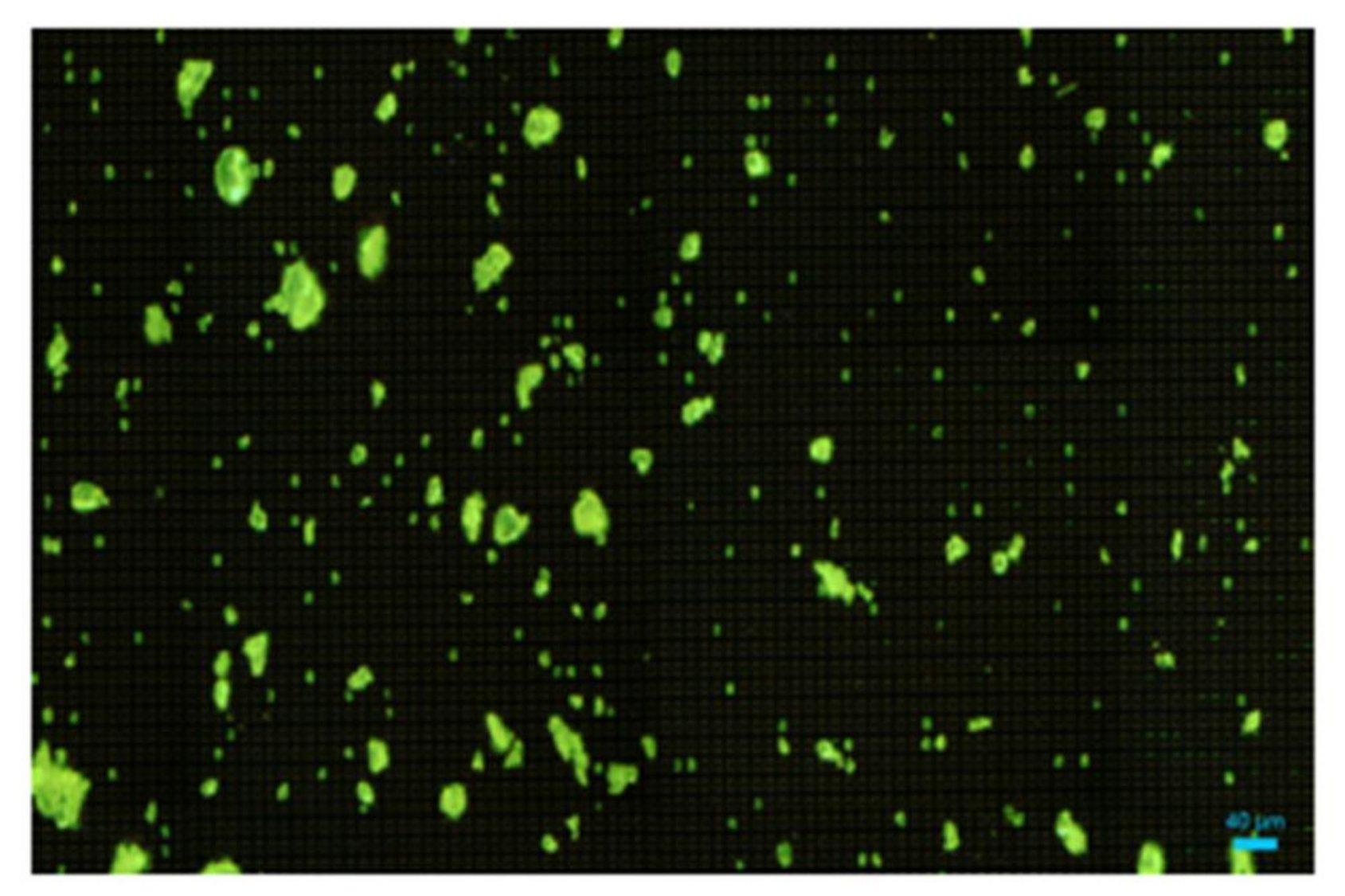
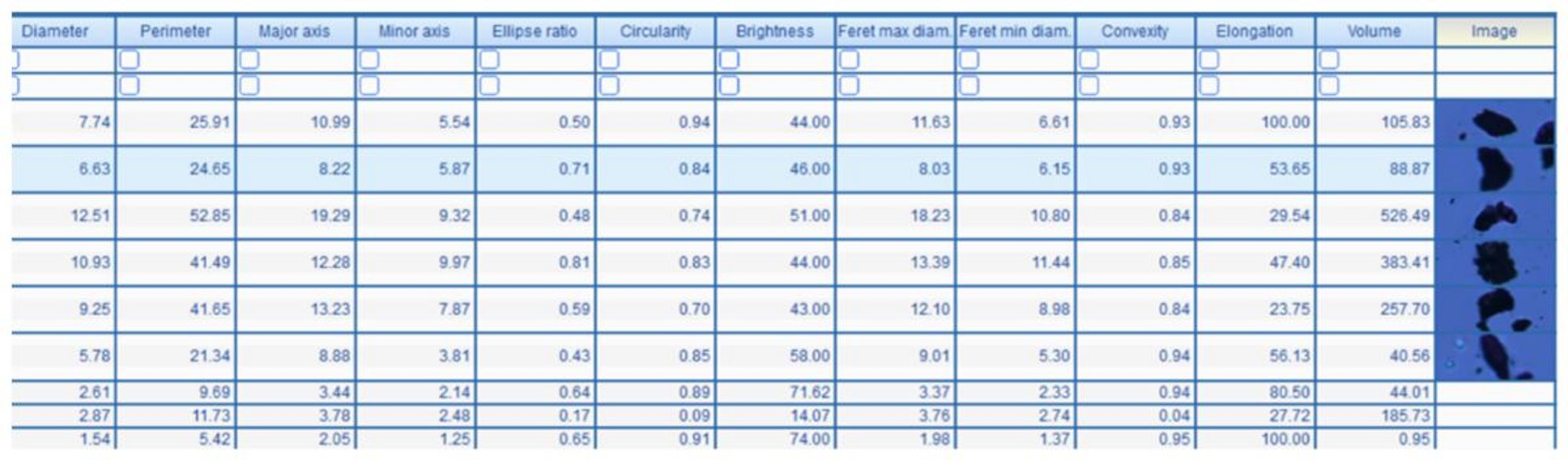
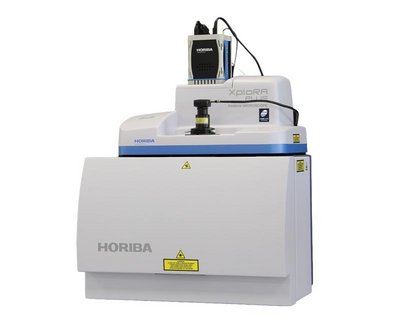
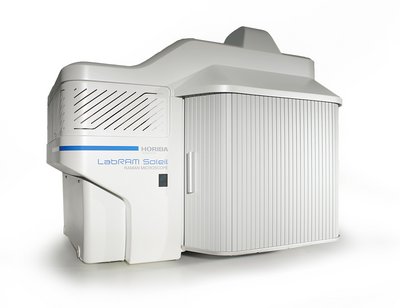
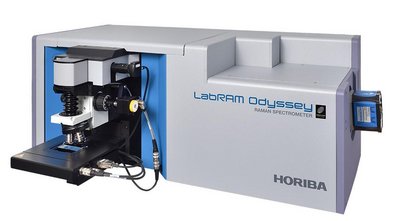
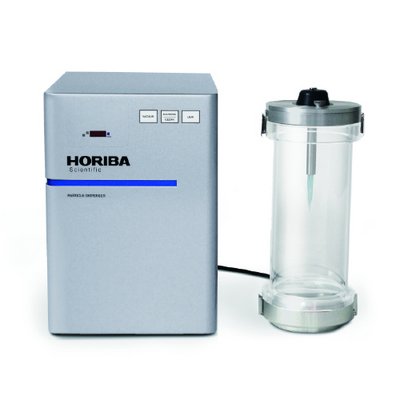
PCRS delivers two critical dimensions of particle intelligence:
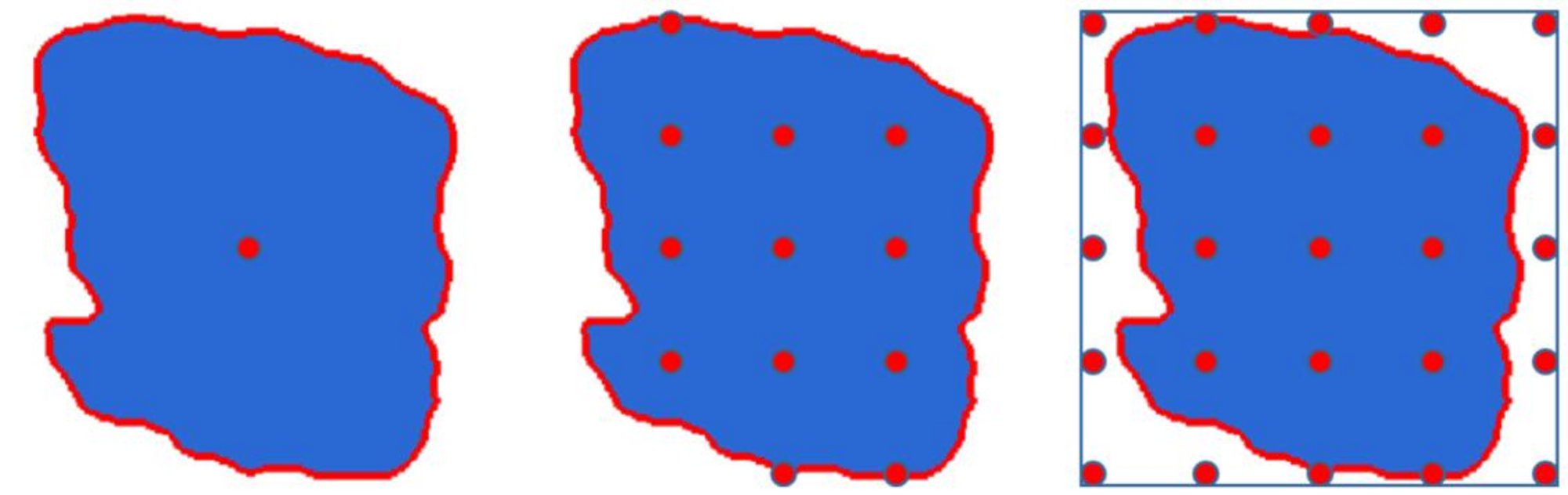
- Morphology — size, shape, aspect ratio, transparency, surface features
- Chemical ID — molecular identity and composition via Raman spectroscopy
Together, these provide true single‑particle characterization, rather than isolated metrics.
A Bidirectional, Flexible Analytical Workflow
Unlike traditional approaches that separate particle sizing from chemical analysis, PCRS enables a bidirectional workflow that adapts to your application needs.
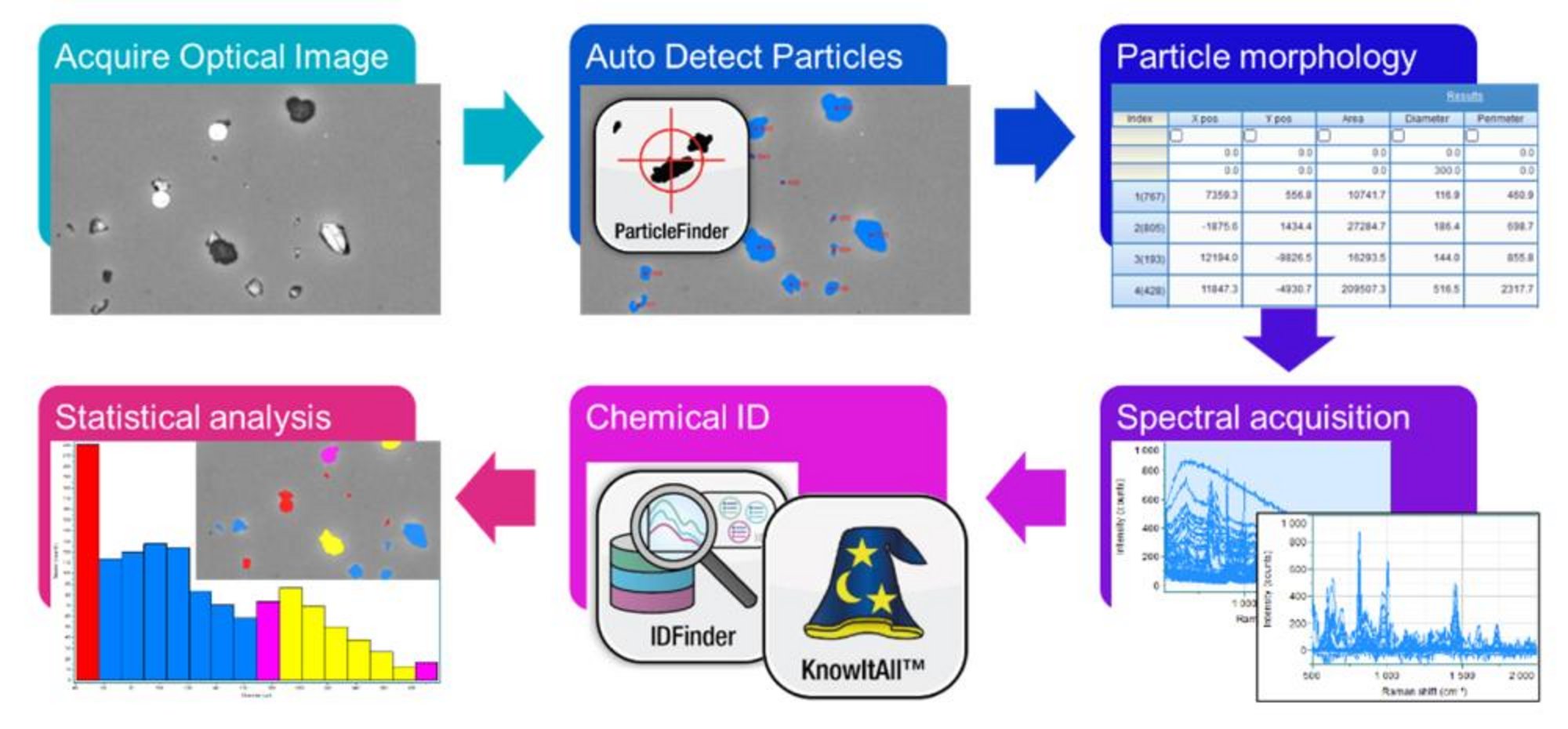
For many applications, microscopy and image analysis guide Raman measurements:
- Particles are first detected, segmented, and classified by size, shape, or visual features
- Raman analysis is then targeted only to particles of interest
- This approach improves throughput and focuses on chemical ID, where it adds the most value
Chemically-Resolved Particle Statistics
Once particles are chemically identified by Raman spectroscopy, PCRS enables the workflow to move in the opposite direction:
- Particles are grouped by chemical identity
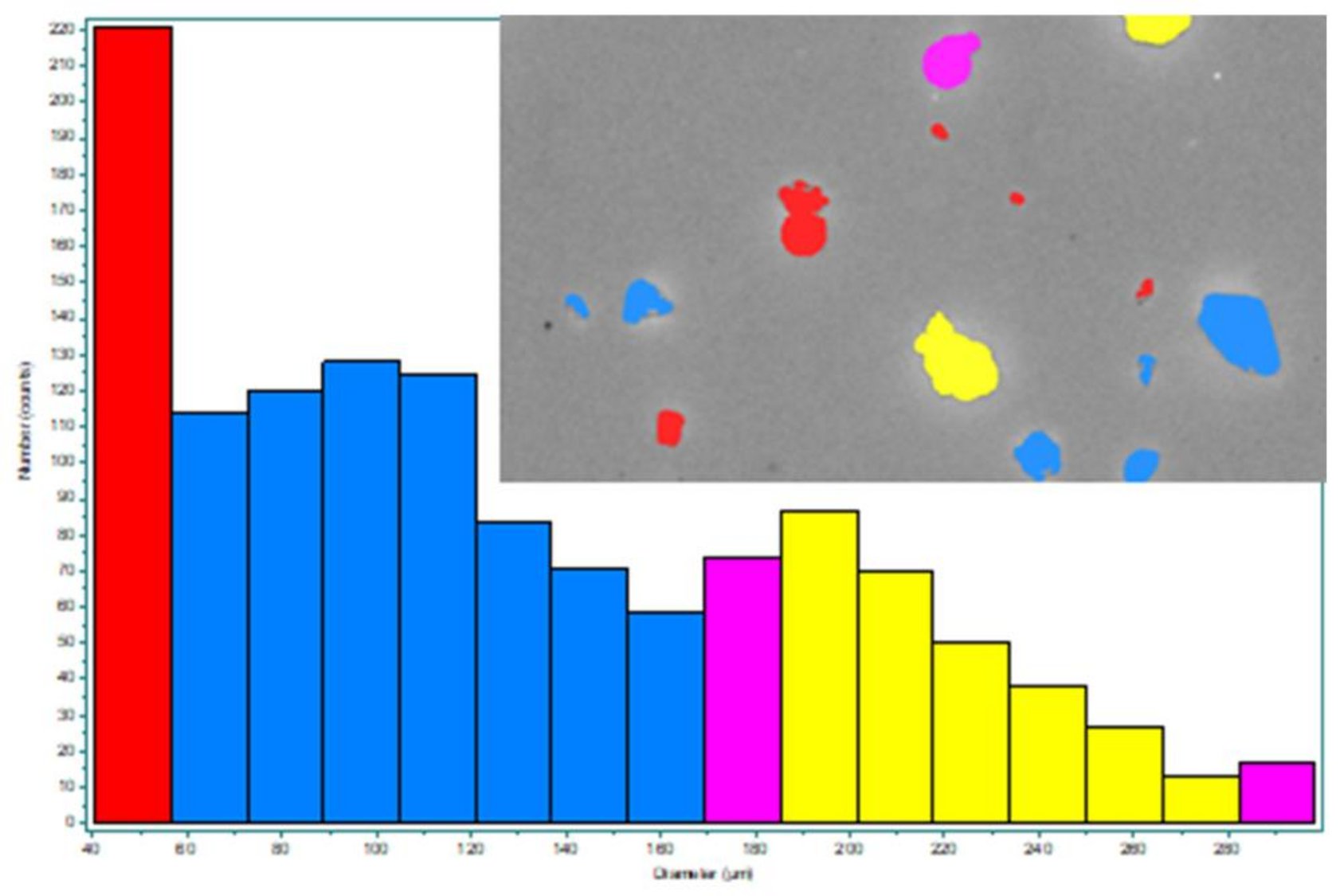
- Size, shape, and population statistics are then presented by chemical ID
- Users can compare morphology across different materials or contamination types
This enables chemically resolved particle sizing and shape analysis, not just bulk averages.
PCRS: More Than Counting. More Than Identification.
By correlating Raman spectroscopy with particle imaging, PCRS enables:
- Chemical identification and detailed morphology at the single‑particle level
- Confident differentiation between visually similar particles
- Faster root‑cause analysis and contamination investigations
- Measurement strategies tailored to the question—not the tool
With PCRS, particle analysis becomes actionable insight. You move beyond knowing that particles exist to understanding what they are, how they behave, and why they matter—supported by real, defensible data.
Sample Preparation for PCRS
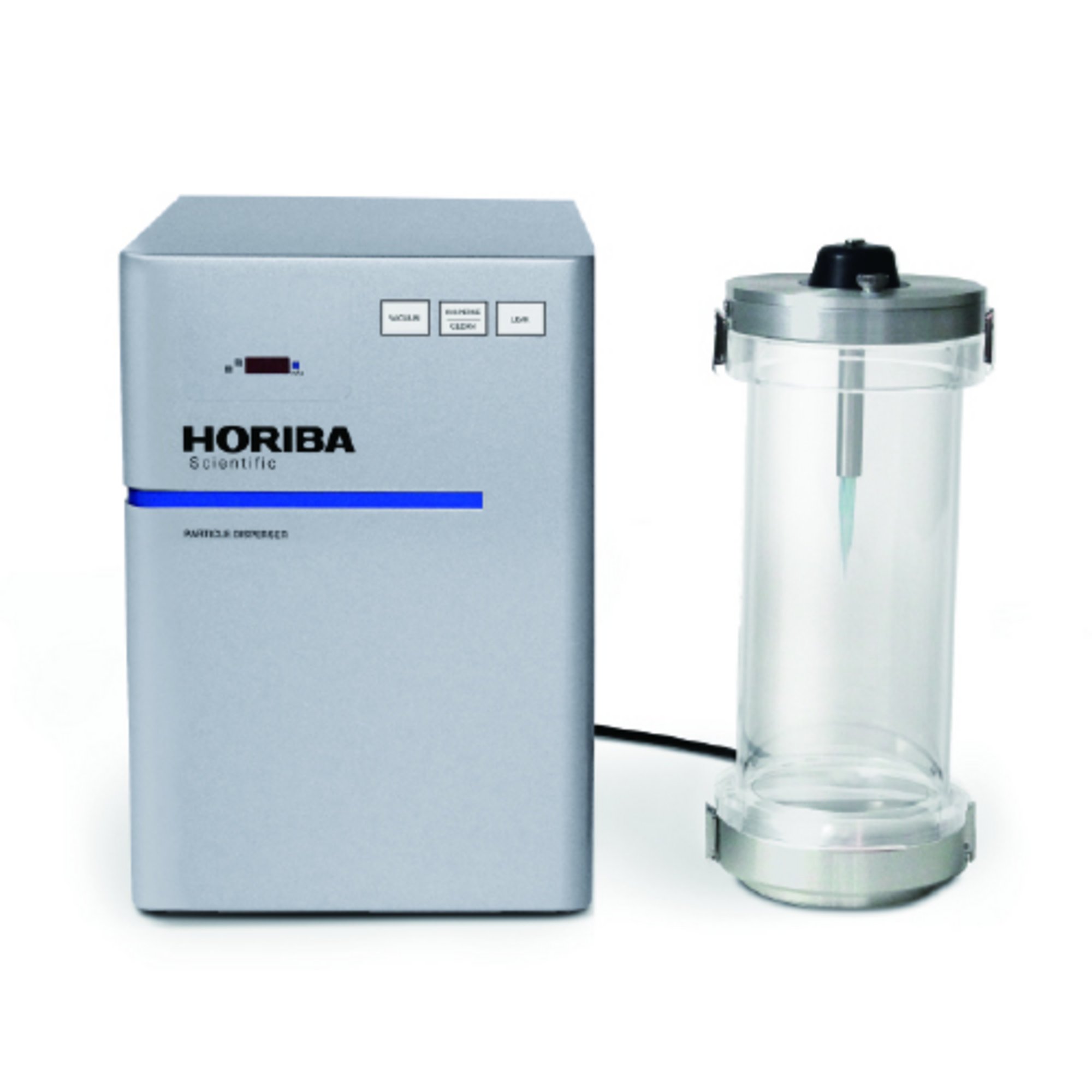
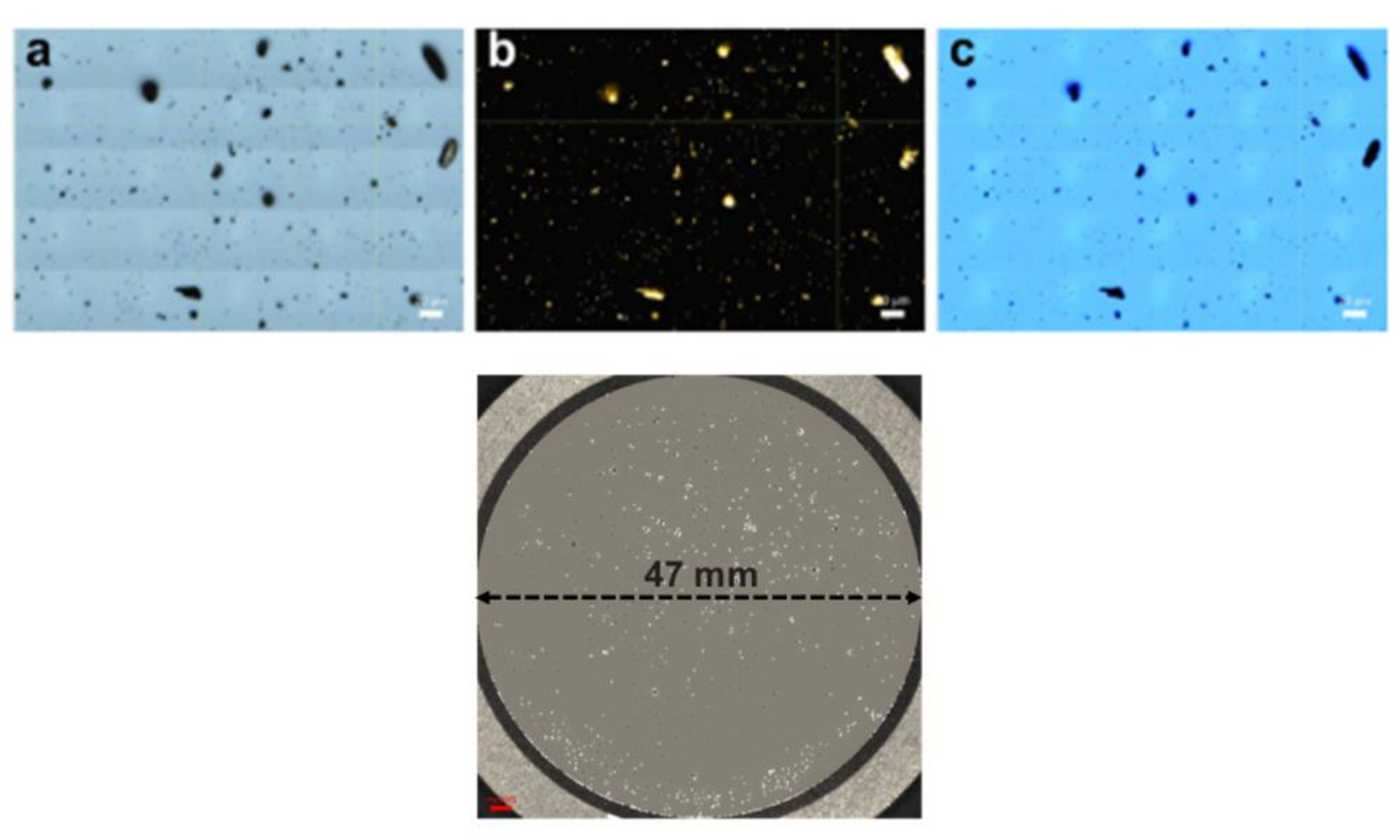
Proper sample preparation is critical for reliable PCRS analysis, as particle detection and Raman spectral quality depend on dispersion, substrate background, and optical access. Preparation workflows are designed to preserve particle integrity, minimize spectral interference, and ensure sufficient particle separation for automated analysis across applications including pharmaceuticals, batteries, carbon materials, forensics, and microplastics.