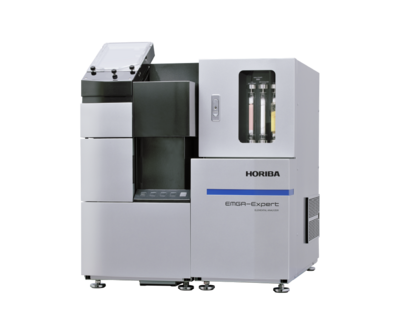
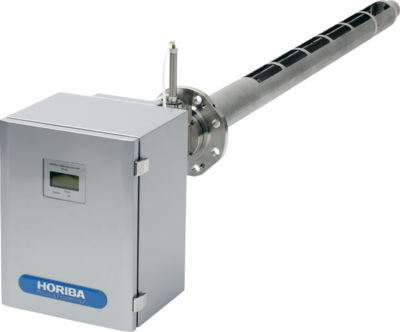
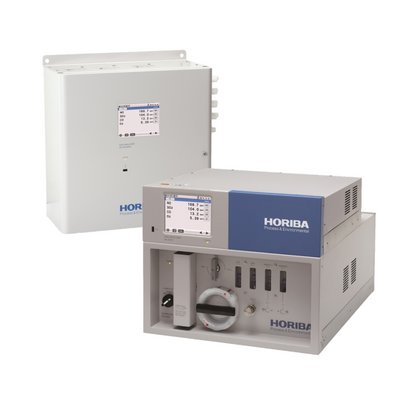
EMIA-Step

Carbon/Sulfur Analyzer (Tubular Electric Resistance Heating Furnace Model)

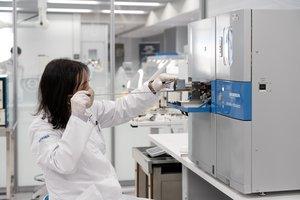
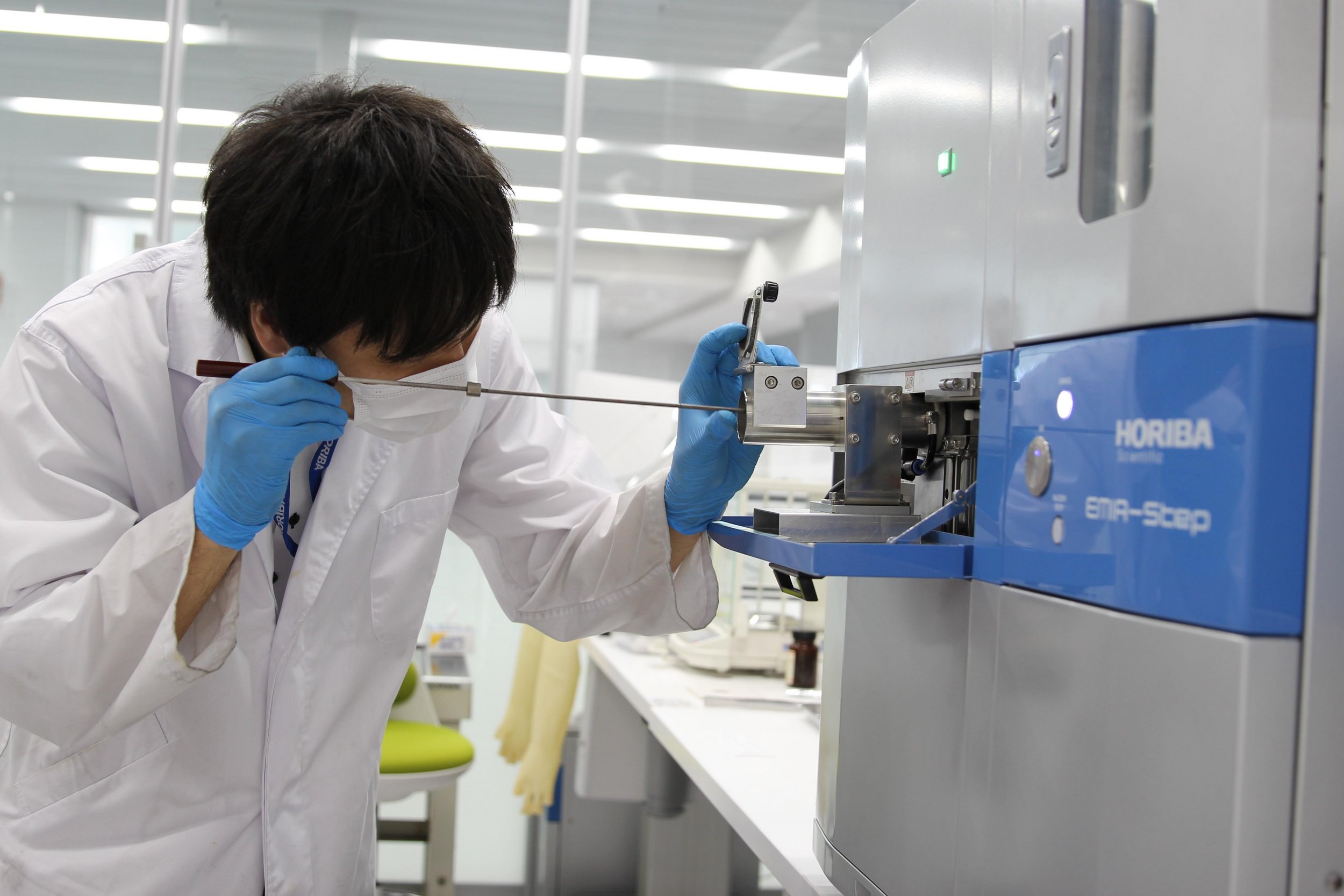
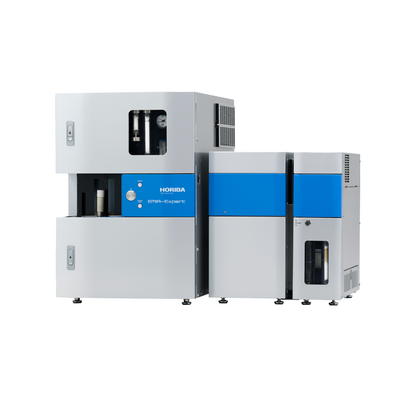
The EMIA-Step Carbon/Sulfur Analyzer, which uses a tubular electric resistance heating furnace, offers highly accurate and sensitive analysis. Its variable heating temperature (up to 1450°C)  function allows for quantitative analysis by separating it by temperature or humidity as well as whole quantity analysis.

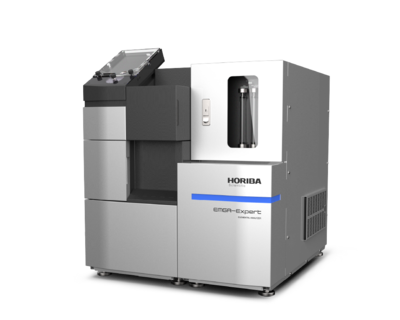
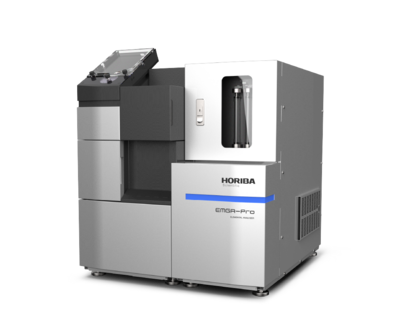
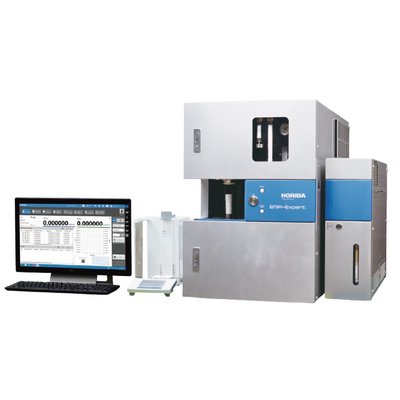
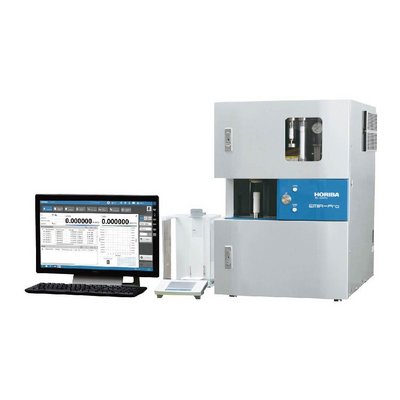
* For samples which is difficult to burn (e.g. ceramics, Ti alloys, etc), we also offer the EMIA-Pro (Entry model) and EMIA-Expert (Flagship High-Accuracy Model).

Read latest news: HORIBA Joins Team Analyzing Bennu Asteroid Samples Collected by the NASA OSIRIS-REx Sample Collector

Greater Accuracy

Proven NDIR Gas Detection Technology

The EMIA-Step Carbon/Sulfur Analyzer uses the infrared method to measure Carbon and Sulfur after combustion in an electric resistance furnace. With HORIBA's renowned Non-Dispersive Infrared (NDIR) measurement capabilities, it can detect carbon ranging from 0.0003 to 6.0% (m/m) and sulfur ranging from 0.0004 to 1.0% (m/m). The analyzer is also equipped with a unique CO detector and can be used for a wide range of inorganic materials, including steel, cokes, catalysts, non-ferrous alloys like aluminum, and lithium-ion battery materials.

Please also refer the Measurement Principle page for the details.


Temperature Control Function

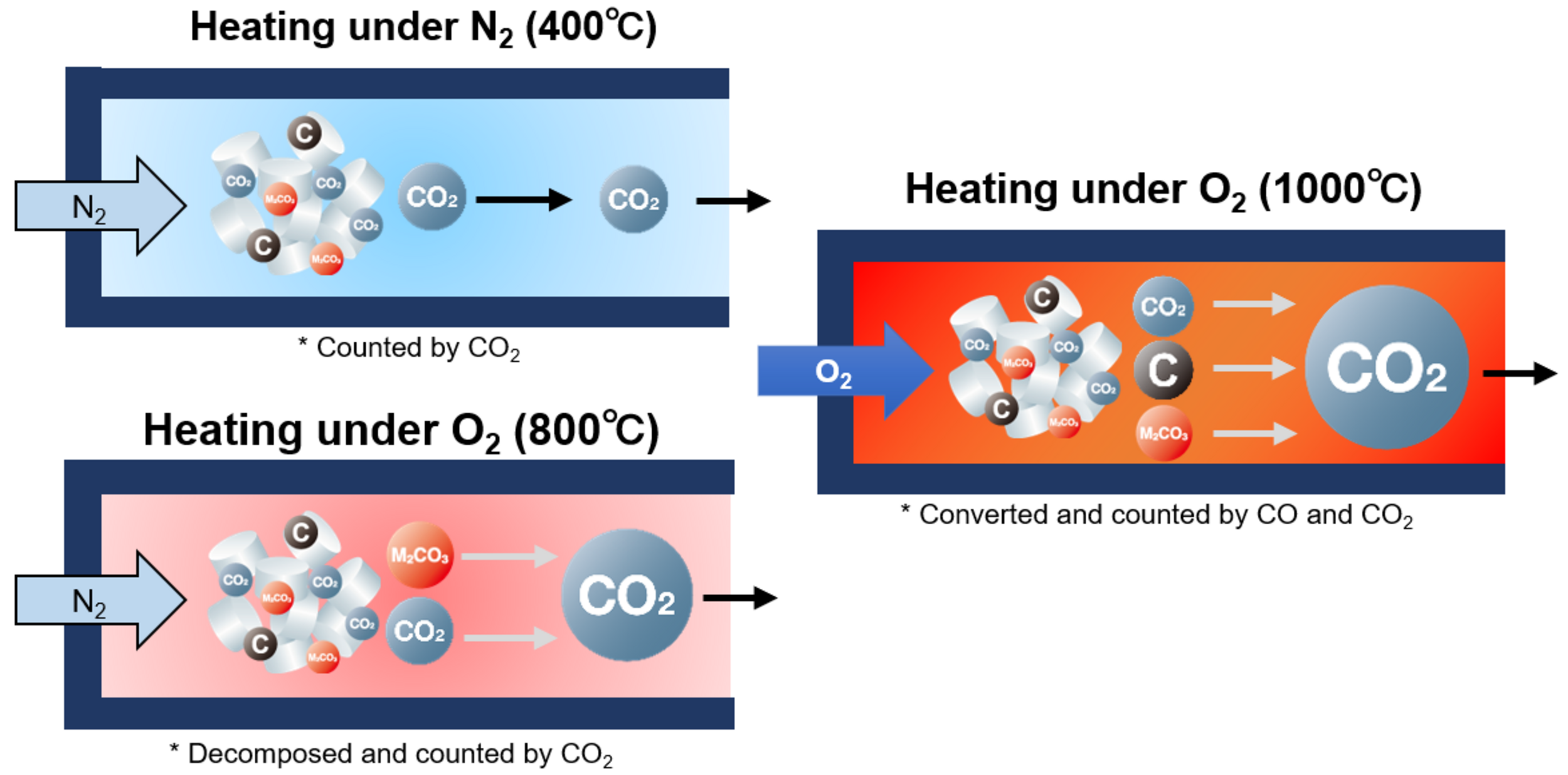
The combustion furnace of the analyzer utilizes a distinctive sealed system, which facilitates efficient combustion of flame-retardant samples through high-pressure oxygenation. The system offers excellent temperature stability, ensuring consistent performance across low and high temperatures. This broadens the range of applications to samples containing substances that are easily decomposed and burned at low temperatures. The decomposition combustion of organic and inorganic matter can be easily observed.
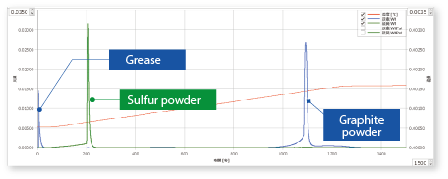


       Temperature rise control from 300 °C to 900 °C


Improved Measurement and Maintenance Efficiency

New dust-filter provides easy maintenance capability

The EMIA-Step features a dust-filter mechanism that has been proven effective in high frequency induction heating models. The filter unit collects dust generated by high-temperature combustion to prevent it from adhering to the piping after the combustion furnace. This reduces the adsorption of CO2 and SO2 gases by dust and ensures highly accurate and sensitive analyses.
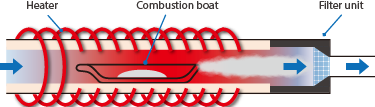


  Schematic of tubular electric resistance heating furnace


High Throughput

The EMIA Series can complete one measurement cycle, measurement-display result-cleaning, in 70 seconds (i.e. about 50 samples/hour).


Gas Collection Mode

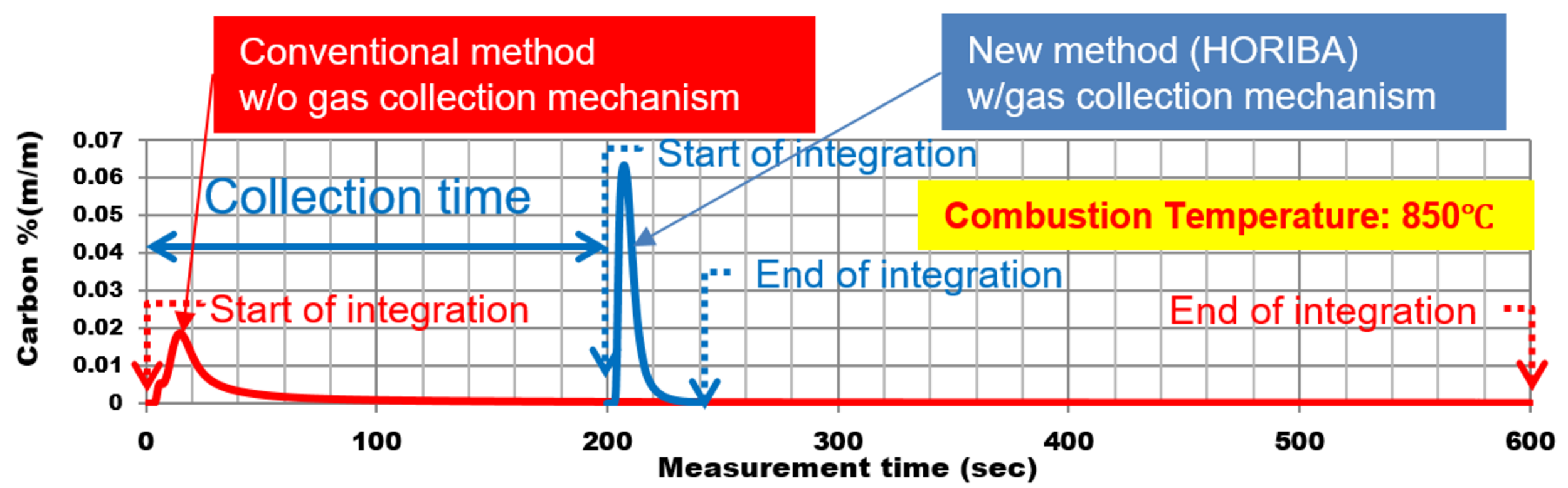
Our exclusive furnace features a closed structure that enables efficient combustion under high-pressure oxygen and allows for the burning of high melting point materials. This unique furnace design allows Gas Collection analysis, in which small amounts of gases are captured within the furnace and then transferred to the detector for analysis.


More Intuitive Software for Easy Operation

Advanced Operation Software

The EMIA Series features its own proprietary operating software, which has been designed with a focus on ease of use, optimizing layout, operating menus, and functions for enhanced user-friendliness.
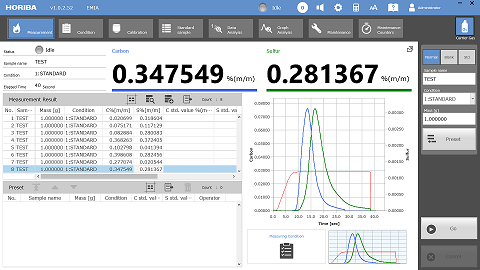
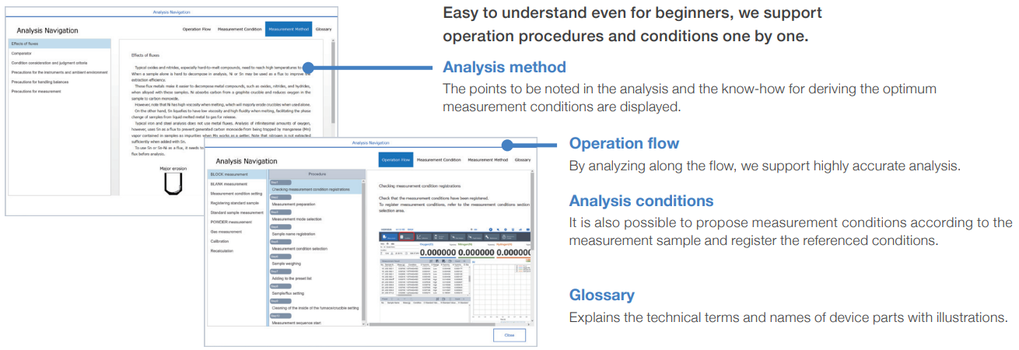
Enhanced Operator Assistance

Additionally, the software includes a self-diagnostic monitoring feature to assess the status of connected devices, an alarm function, and three navigators to recommend the most suitable conditions for samples, troubleshoot errors, and alert users to perform maintenance. These features improve daily operation and ensure efficient analysis.

Watch the EMIA Series maintenance video
*The user interface and functionalities of the software for this system are the same with those of EMIA-Pro


Compliance with ISO/ASTM Standards

TestMethods

Title

Carbon

Sulfur

ISO/TR 15349-1:1998

UNALLOYED STEEL — DETERMINATION OF LOW CARBON CONTENT — PART 1: INFRARED ABSORPTION METHOD AFTER COMBUSTION IN AN ELECTRIC RESISTANCE FURNACE (BY PEAK SEPARATION)

✓


ISO/TR 15349-3:1998

Unalloyed steel — Determination of low carbon content — Part 3: Infrared absorption method after combustion in an electric resistance furnace (with preheating)

✓


ASTM E 1019-18

Standard Test Methods for Determination of Carbon, Sulfur, Nitrogen, and Oxygen in Steel, Iron, Nickel, and Cobalt Alloys by Various Combustion and Fusion Techniques

✓


ASTM E 1587-17

Standard Test Methods for Chemical Analysis of Refined Nickel

✓

✓

ASTM E 1941-10 (2016)

Standard Test Method for Determination of Carbon in Refractory and Reactive Metals and Their Alloys by Combustion Analysis

✓


ASTM E 1915-20

Standard Test Methods for Analysis of Metal Bearing Ores and Related Materials for Carbon, Sulfur, and Acid-Base Characteristics

✓


ASTM E 1552-16e

Standard Test Method for Sulfur in Petroleum Products by High Temperature Combustion and Infrared (IR) Detection or Thermal Conductivity Detection (TCD)


✓

ASTM E 4239-18e1

Standard Test Method for Sulfur in the Analysis Sample of Coal and Coke Using High-Temperature Tube Furnace Combustion


✓

ASTM E 5016-16

Standard Test Method for Total Sulfur in Coal and Coke Combustion Residues Using a High-Temperature Tube Furnace Combustion Method with Infrared Absorption


✓

ASTM E 1619-16a

Standard Test Methods for Carbon Black—Sulfur Content


✓

Detection method

NDIR (Non-Dispersive InfraRed) 

Required sample amount

1.00 ± 0.10 g

Minimum reading

0.000001% (m/m) for both Carbon and Sulfur

Carbon

Measurement range

0.0003 〜 6.0% (m/m) 

Accuracy (Repeatability)

σn-1 ≦ 0.00015% (m/m) or RSD ≦ 0.75%

Sulfur

Measurement range

0.0004 〜 1.0%(m/m)

Accuracy (Repeatability)

σn-1  ≦ 0.00020% (m/m) or RSD ≦ 2.00%

Setting temperature range

0 (room temperature) - 1450℃

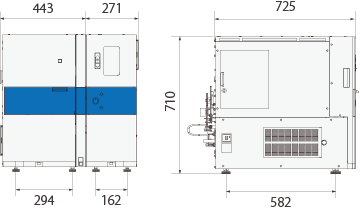
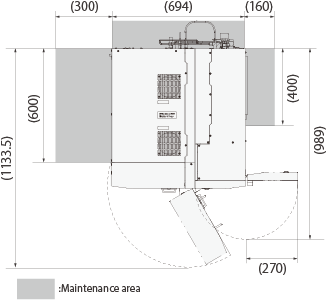
Dimensions [ W x D x H ]

Combustion unit: 443 × 725 × 710 mm
Measurement unit : 271 × 725 × 710 mm

Mass

Combustion unit: 77 kg,  Measurement unit : 53 kg

Power

200/220/240 V, 5 kVA *Excluding peripheral devices

Carrier gas

Oxygen: Purity 99.5%, Pressure: 0.30〜0.33 MPa

Operation gas

Nitrogen: Purity 99.5%, Pressure: 0.35〜0.38 MPa
*Dry air excluding moisture and oil content can be used as the operation gas
 only for the standard model

Data processing and operation

PC with Windows® 10

User interface

Touch panel/Keyboard/Mouse

* Windows is a registered trademark or trademark of Microsoft Corporation in the United States and/or
  other countries. 


Nonmetallic Minerals

Separation and Quantitative Analysis of Carbon and Carbonates in Surface Material of Asteroids

Carbon, as a constituent of matter, is broadly classified into organic carbon and inorganic carbon. Organic carbon refers to carbon contained in organic materials, while inorganic carbon refers to elemental carbon and carbonate carbon. The presence of carbonate in a sample taken from an unknown planet indicates the possibility of the presence of water on that planet. Therefore, the determination of carbonate is very important in space science.

Explore application
Semiconductor Manufacturing Process | Semiconductors | Material Research | Raw Materials | Nonferrous Metals | Metal & Mining
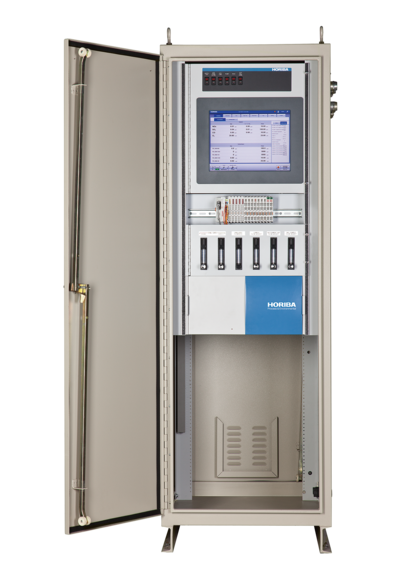
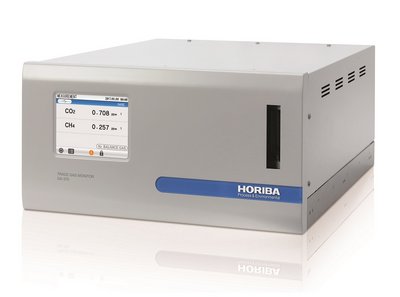
Quantitative Analysis of Carbon in Polysilicon

Polysilicon, the raw material for silicon wafers, requires strict control of carbon content, which affects its conductivity. As higher purity silicon wafers are required, it is important to understand the amount of carbon contained in polysilicon supplied as a material. However, some carbon is present as carbonate and some is attached as CO2, making it very difficult to distinguish between them and analyze the extremely small amount of carbon.

Explore application
Biotechnology & Biomedical
Life Sciences | Material Research

Quantitative analysis of carbon contained in bone substitute material

Can we accurately and quickly measure the amount of carbon contained in the material?

Explore application
Analysis of Free Carbon in SiC
Ceramics | Nonmetallic Minerals

Analysis of Free Carbon in SiC

Can free carbon in SiC be rapidly and conveniently quantified?

Explore application
Chemistry
Plastics and Rubber

Measurement of Sulfur in Rubber

Sulfer is added in the natural rubber to produce plastic materials. However, it is important to measure the sulfer contained in the rubber to define the chemical and mechanical properties of the final product.

Explore application
Chemistry
Nonmetallic Minerals

Measurement of Carbon and Sulfur in Cement

This application note describes the method and conditions to use with the EMIA 820V C/S analyzer to measure cement.

Explore application
Metallurgy
Primary Metals

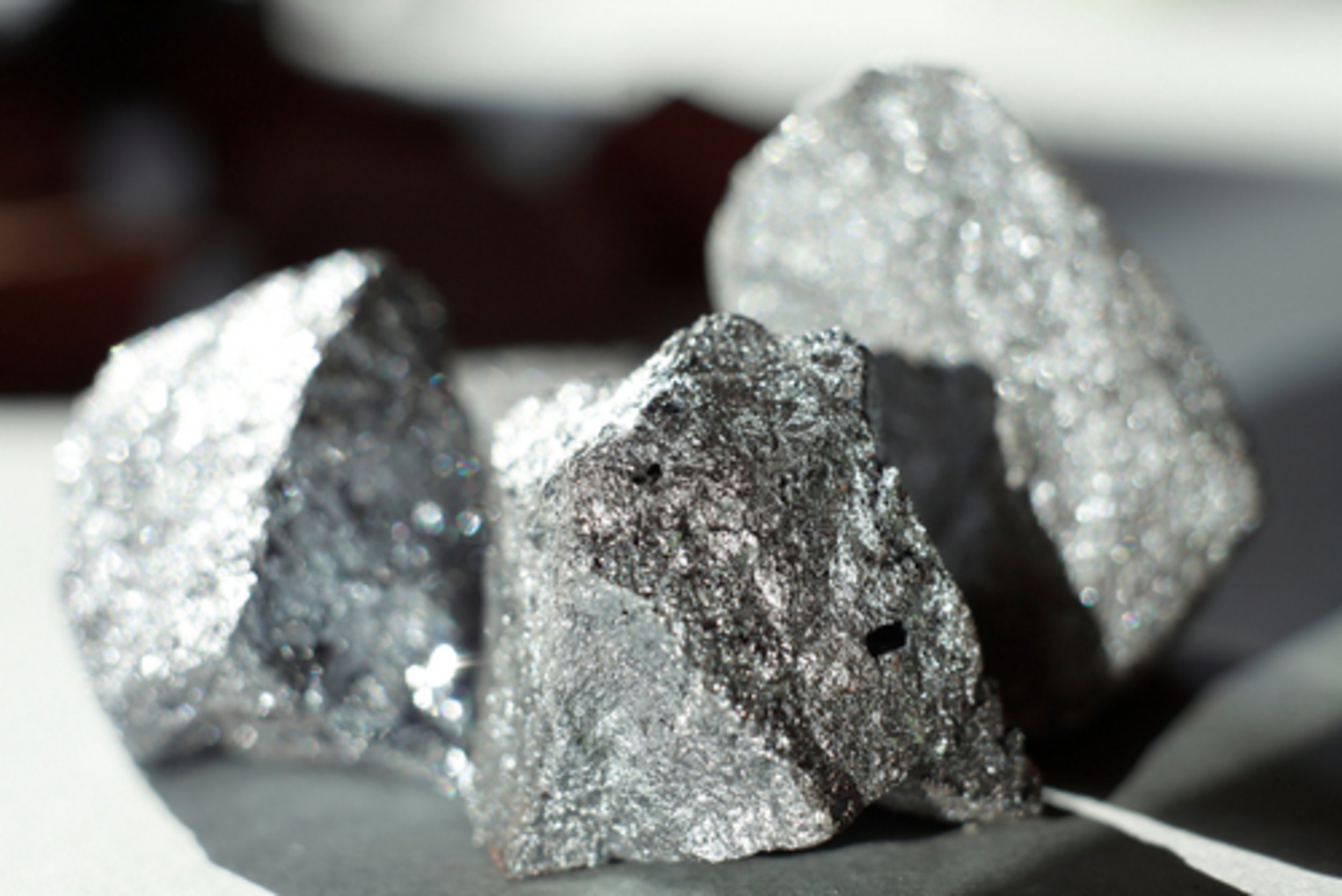
Measurement of Carbon in Ferrosilicon

Ferrosilicon is added as a deoxidant and as an alloying element to steel, that require a special low carbon content. The Low Carbon in Ferrosilicon decreases the electrical conductivity and magnetostriction of electrical steels.

Explore application
Metallurgy
Primary Metals

Quality Assurance for the Analysis of Steel by Gas Component Analysis

Explore application
Metallurgy
Primary Metals

Sample Preparation and Sampling Methods for the Gas Analysis of Steel

Explore application
Metallurgy
Nonferrous Metals

Measurement of Carbon and Sulfur in Copper

Copper in reddish metal, it is malleable, ductile and an extremely good conductor of both heat and electricity. Copper metal is widely used for electrical wiring, water piping, and corrosion resistant parts, either pure or in alloy such as brass and bronze. Carbon and Sulfur are considered as impurities, so it is important to measure and check the Copper purity.

Explore application
Chemistry
Chemicals

Measurement of Carbon and Sulfur in Titanium Oxide

Titanium oxide are used primarily in the production of paints and plastics and are also used in paper, priniting inks, cosmetics, textiles and food stuffs.

Explore application
Food & Beverage
Agriculture & Crop Science | Material Research

Carbon Analysis: Organic and Inorganic Carbon in Soils

The aim of this application note is to explain the determination of organic and inorganic carbon in soils and how to prepare samples to eliminate inorganic carbon (carbonates) in these soils.

Explore application
EMIA-STEP catalog

EMIA-STEP catalog

4.17 MBPDF
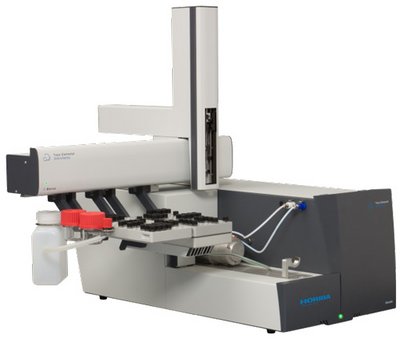
Auto Sampler Options for the EMIA/EMGA Elemental Analyzers

Auto Sampler Options for the EMIA/EMGA Elemental Analyzers

4.53 MBPDF
Segmento: Scientific
Fabricante: HORIBA, Ltd.

Pedido de Informação

Você tem alguma dúvida ou solicitação? Utilize este formulário para entrar em contato com nossos especialistas.

* Esses campos são obrigatórios.

Elemental Analysis - C, S, N, O, H

Non-Dispersive Infrared Spectroscopy (NDIR)

Inorganic Elemental Analysis