
A Devastating Global Heath Problem
Despite many advances in vector control, diagnostic screening and effective treatments, Malaria continues to have a devastating impact on health around the world.
The World Health Organisation (WHO) launched a Global Technical Strategy for malaria 2016 – 2030 in 2015 with the aim to reduce global malaria incidence and mortality rates by at least 90% by 2030. Technical solutions include the control of the mosquito vector, improved treatment and prophylaxis regimes, and effective screening and diagnosis.
High Performance Screening with a Complete Blood Count
Diagnosis of malaria is typically carried out by manual examination of a thick or thin blood smears stained by Romanowski methods at a pH of 7.2. Other tests include rapid testing techniques and PCR.
Most patients presenting with malaria symptoms will have a Full blood count performed. In addition, these symptoms are similar to those of other infections, including Dengue, which can be endemic in the same area.
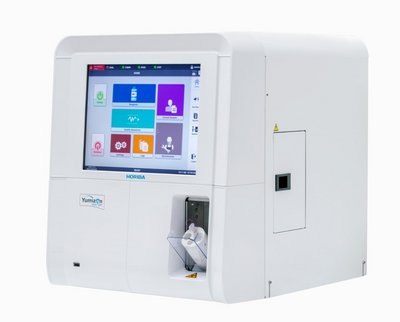
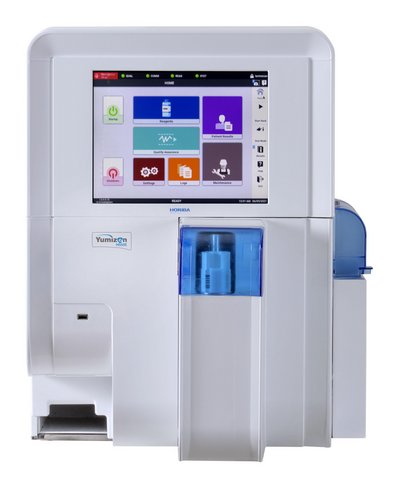
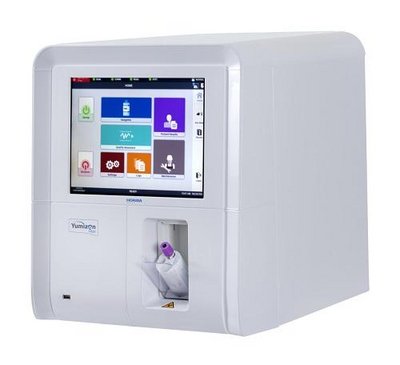
HORIBA has developed infectious screening flags from full blood count data, based on innovative and contemporary machine-learning techniques and thousands of measurement points.
The clinical performances of these flags have been assessed through on site validation studies performed for Malaria (both Plasmodium vivax and Plasmodium falciparum) and Dengue with high clinical sensitivity and specificity.