Size:
1.26
MB
VS100 HTR Specsheet
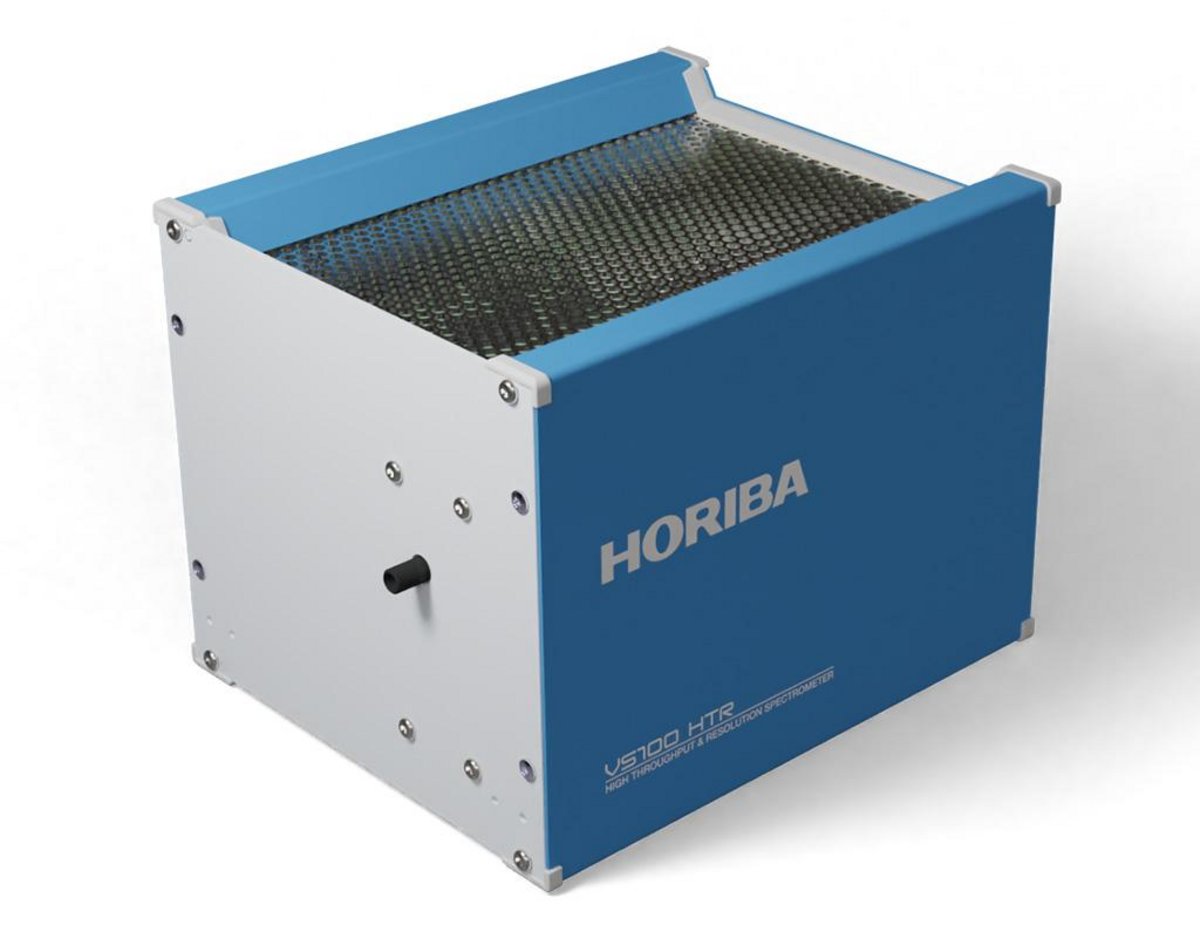
Compact High Throughput & Resolution Spectrometer for OEM Industry
Engineered for combined excellent throughput and resolution, VS100 HTR Spectrometer delivers up to five times the sensitivity of standard systems with minimal stray light.
Its robust, easily integrated design, ensures superior mechanical strength and temperature stability, guaranteeing reliable results in both industrial and laboratory environments.
Specially optimized for low-intensity signal detection, the VS100 HTR provides uncompromising sensitivity and accuracy requested for absorbance or emission measurements in Lifesciences or semiconductor applications.
Customizable in single or multichannel use, it’s the ideal solution for advanced analytical applications.
This product is available for EMEA and Asian markets.
If you need this reference for other regions, please scroll down and contact us.
Máte nějaké dotazy nebo požadavky? Pomocí tohoto formuláře kontaktujte naše specialisty.