<< Back to OEM Solutions for Environment
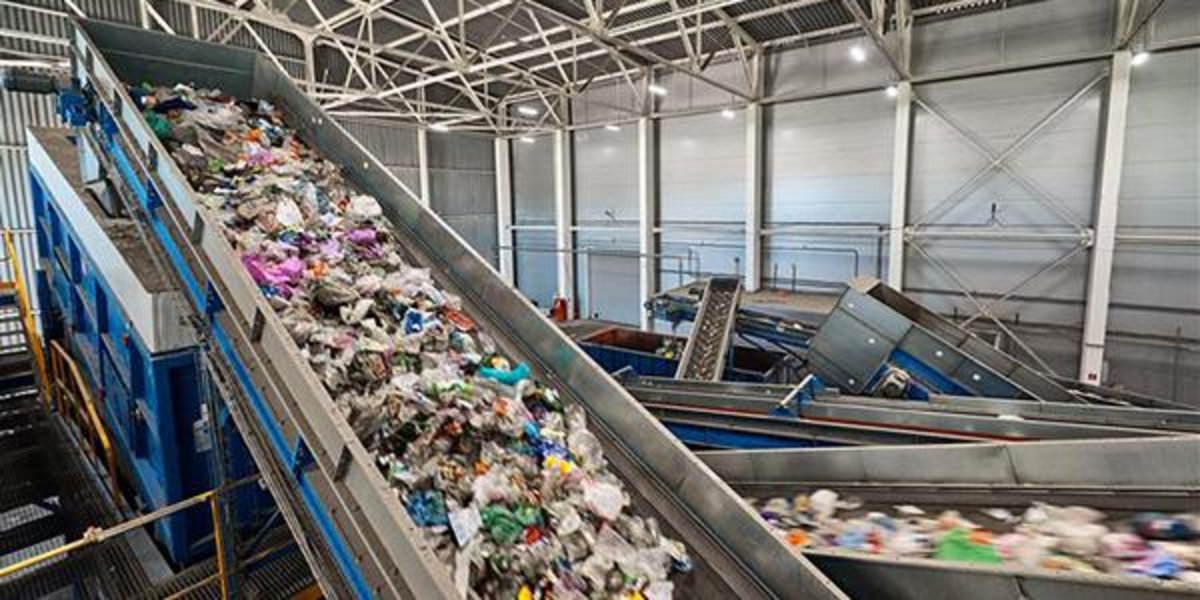
Proper waste sorting of materials like plastics, paper, textiles, glass, and wood is crucial for maintaining the quality and purity of recycled products, thus enhancing the efficiency and effectiveness of the recycling process.
Automatic sorting systems are an excellent way to reduce human error and make the sorting process more effective and efficient. Effective waste management not only conserves resources and reduces landfill use but also significantly mitigates environmental pollution.
Different waste types | Sorting technique | HORIBA solutions
Waste sorted for recycling includes:
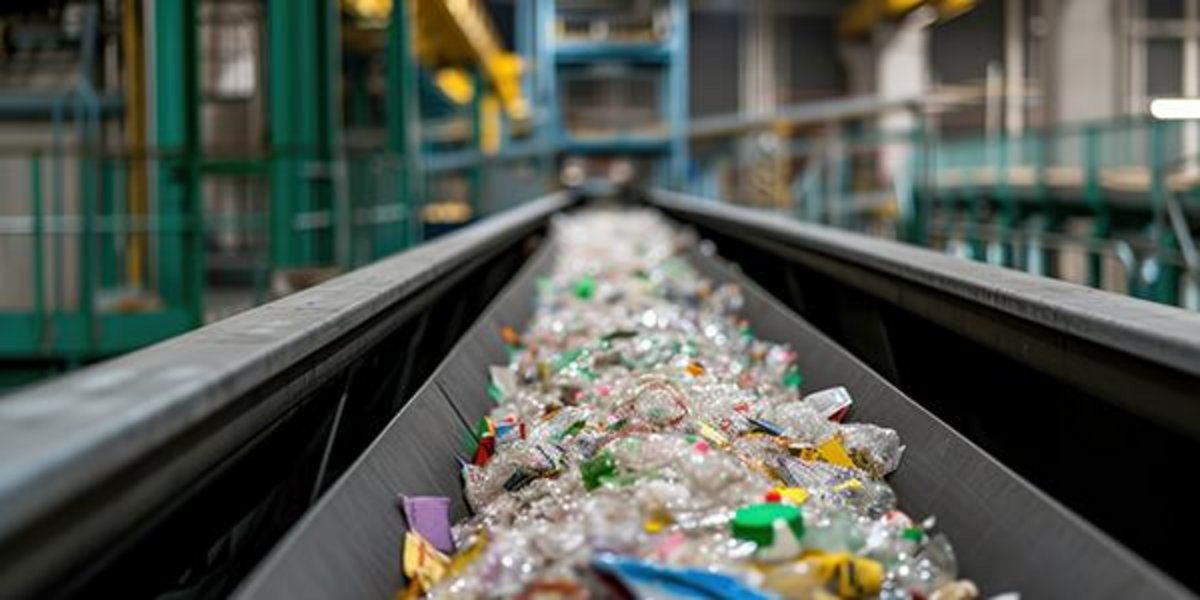
Plastic industries are pushed by new regulations to reuse recycled materials/polymers in new polymer resin to reduce energy consumption, CO2 emissions, manufacturing costs, and landfill waste and pollution.
Incorporating recycled plastic into a new resin is a vital step for the petrochemical sector. When impurities are introduced during this process, it can compromise the properties of the final hardened plastic, leading to a lower-grade product or, even worse, a product that is no longer recyclable.
Accurate control and sorting of collected plastic is necessary to ensure high-quality and pure recycled products.
New waste sorting machines are using different technologies including optical sensor technology, to identify, classify and sort plastics by checking precisely color and material chemical identity through polymer's unique fingerprints.
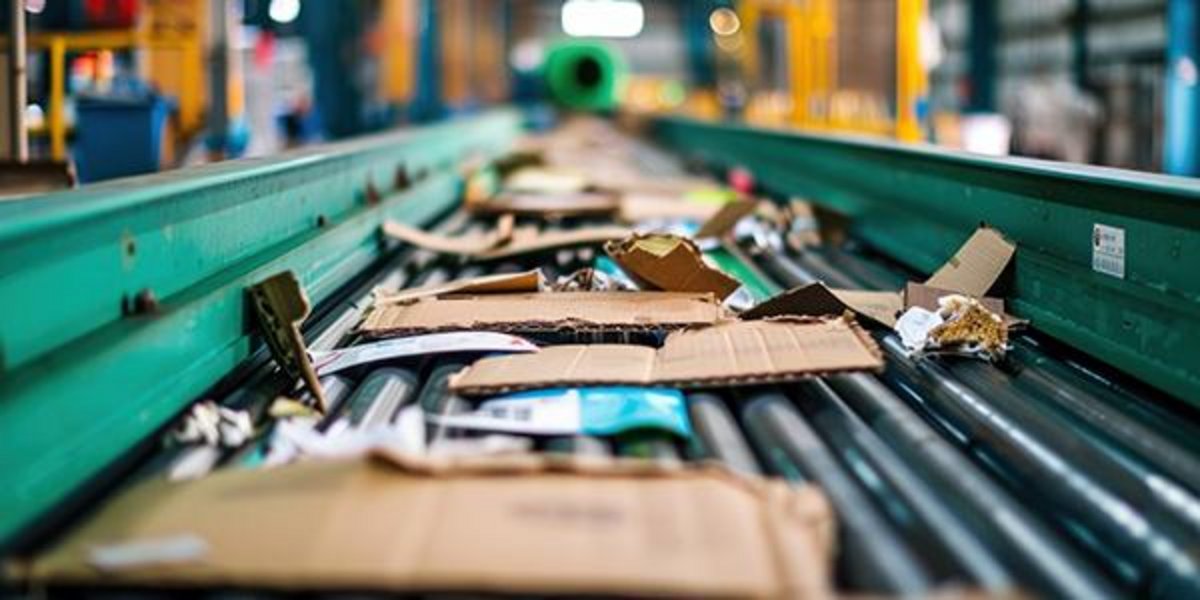
The need for recyclable waste in the paper industry is growing because of the reusable capability of waste paper and the capacity limitations of paper mills.
Key challenges in this field deal with contamination with other materials, such as food or plastic, or identification of low-quality paper fibers that cannot be recycled.
Once the paper has been collected, it is taken to a sorting facility where it will be sorted and baled into various “grades”—such as newspaper, magazines, white paper, cardboard boxes, paper grocery bags, paper cups or milk and juice cartons, and mixed paper.
Wood industry needs to process both recycled wood and waste wood.
Processing waste wood is a complex process, as it’s a mix of processed and non-processed wood. To ensure high-quality standards, wood fractions must be thoroughly cleaned, eliminating all contaminants. Foreign objects like stones or metals can damage the equipment; Plastic can lead to visual defects in the end product and impact quality levels.
Since only the purest non-processed wood fractions are suitable to produce some high-quality products made of recycled content, separating wood by type is an indispensable step in modern manufacturing and wood recycling plants.
Near-Infrared and Deep Learning technologies enable high sorting accuracy and purity levels and allow to distinguish different material types, such as processed wood and non-processed wood.
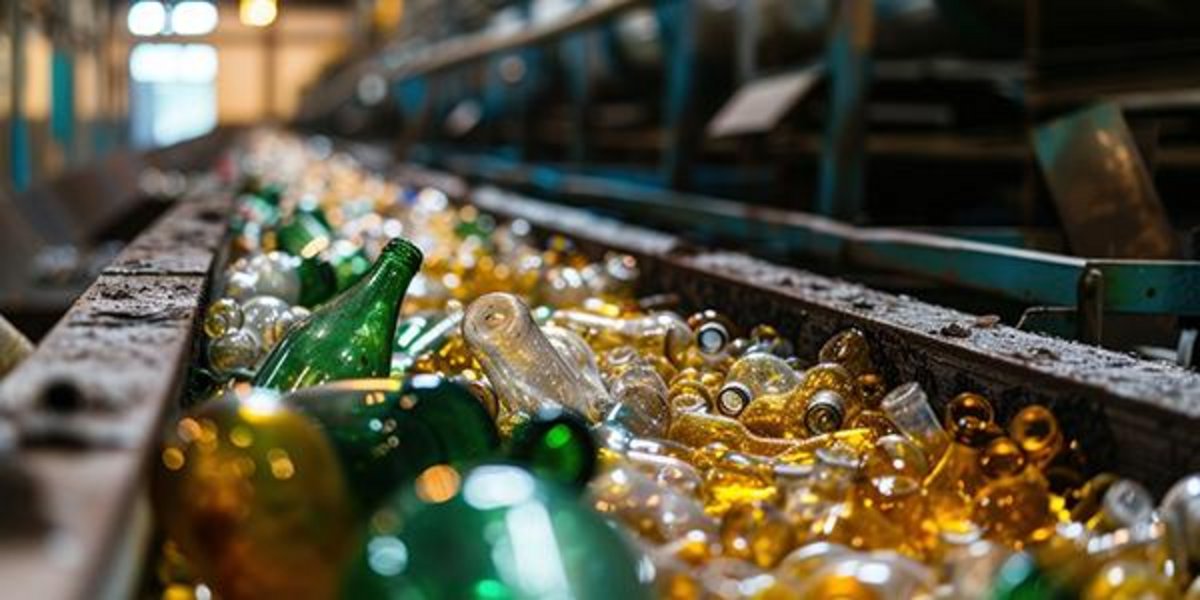
To maintain high recyclability and performance in the glass industry, the quality of glass fragments must be meticulously checked to prevent contaminants from compromising the quality of recycled glass and to avoid damage to processing equipment.
Advanced processing equipment separates these fragments into dedicated material flows by color and glass type, while effectively removing contaminants such as ceramics, stones, and porcelain.
Various sensors, including color and shape sensors as well as near-infrared sensors, are employed to achieve this precision, depending on the specific application requirements.
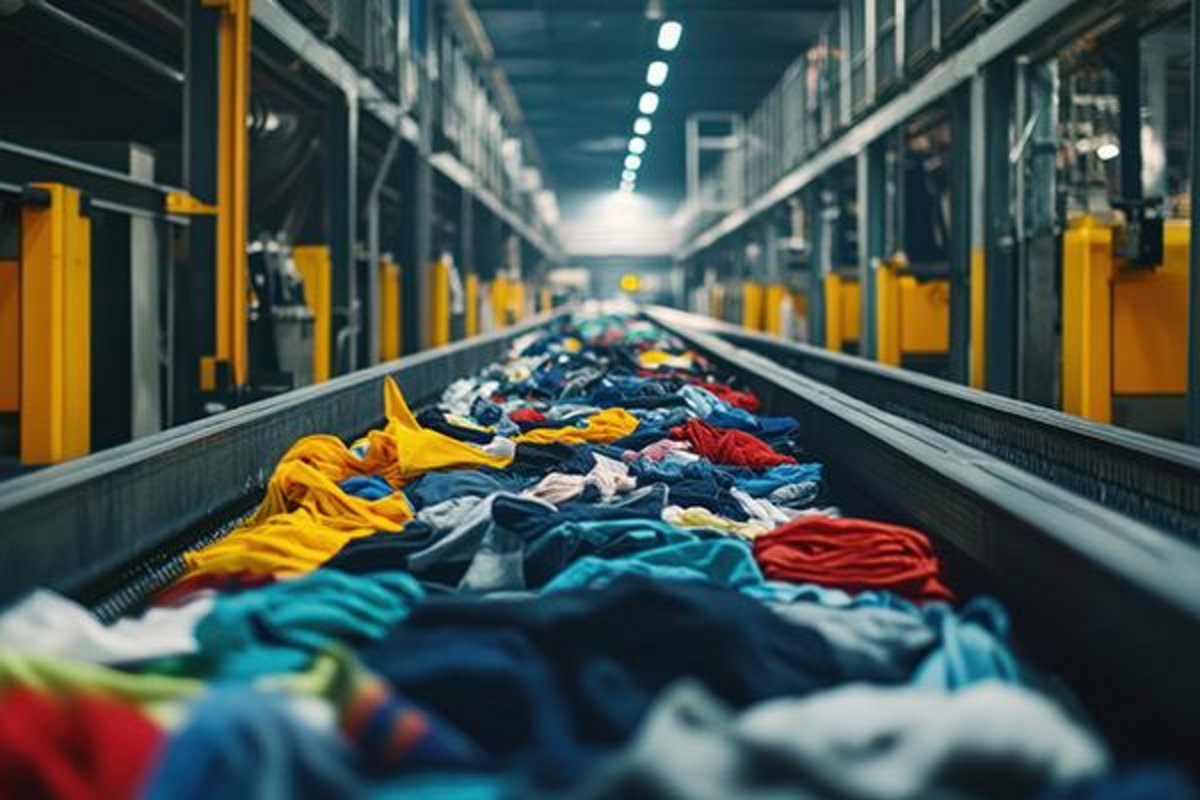
Sorting materials in the textile industry is particularly challenging due to the high manufacturing complexity, including 3D textiles, multilayer fabrics, and multiple compositions with black pigments.
It is crucial to distinguish pure textiles from mixtures and blends, as even a small percentage of certain materials in blended textiles can significantly affect the chemical recycling process.
Advanced technologies such as Near-Infrared (NIR) Short-Wave Infrared (SWIR) spectroscopy and Hyperspectral Imaging (HSI) cameras are employed to efficiently detect and sort textiles, ensuring the purity and quality necessary for effective recycling.
Sensor-based sorting is a cutting-edge technique utilized in automated waste management to enhance the efficiency and accuracy of separating different types of materials. This method employs a variety of sensors, such as optical sensors or near-infrared (NIR) spectroscopy, to identify and classify waste based on its physical and chemical properties.
Spectroscopy is a powerful technique used in sorting industry to allow a fast and accurate sorting/separation and classification of different materials.
When materials are illuminated with a broad-spectrum light source, their specific colors or chemical properties determine the unique light spectrum that is reflected or absorbed, enabling fast identification. The information obtained can help with the quantification of impurities content.
This method, integrated into advanced sensor-based sorting machines, allows rapid, nondestructive sorting of various materials, such as plastics, glass, and paper.
With more than 30 years of expertise, HORIBA is a trusted OEM partner, delivering cost-effective, customized gratings and spectrometer solutions for high-volume industrial applications. Our proven experience ensures reliable performance tailored to any specific needs.
HORIBA’s imaging spectrograph designs are based on in-house made optical components like holographic gratings and free-form optics, that feature excellent spectral and imaging properties.
By integrating these advanced technologies, HORIBA’s solutions enhance the accuracy and efficiency of material sorting, contributing to more effective recycling and waste management operations. Their robust and reliable designs to meet the specific needs of OEM customers, ensure high performance and sustainability in sorting applications.
HORIBA's NIR spectroscopy devices are used to identify and sort materials based on their chemical composition. This technique is particularly effective for distinguishing between different types of plastics and other materials that may look similar to the naked eye but have distinct chemical properties.
HORIBA visible spectrometers are used to identify colors enabling the separation of different materials. This is especially useful for sorting plastics of various colors and other visually distinct materials, enhancing the efficiency of recycling processes.
HORIBA's hyperspectral imaging systems can observe of wide field of view and acquire simultaneously spectral and spatial information reflected by samples lighted with a broad band lamp. With such technologies, we can classify and sort accurately materials based on their unique spectral fingerprint. This technique provides more detailed information than conventional imaging methods, as both images and chemical identity are combined, ensuring precise sorting of complex material mixtures.
Sie haben Fragen oder Wünsche? Nutzen Sie dieses Formular, um mit unseren Spezialisten in Kontakt zu treten.