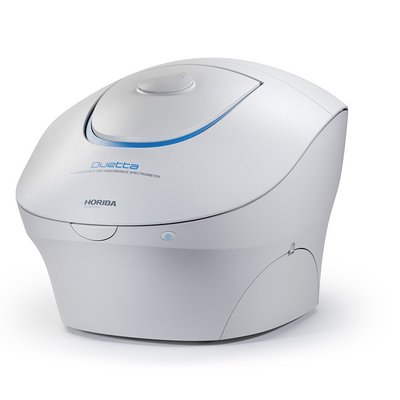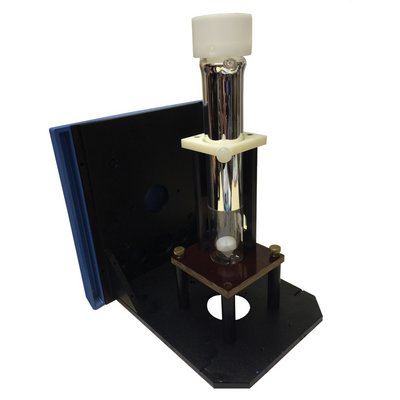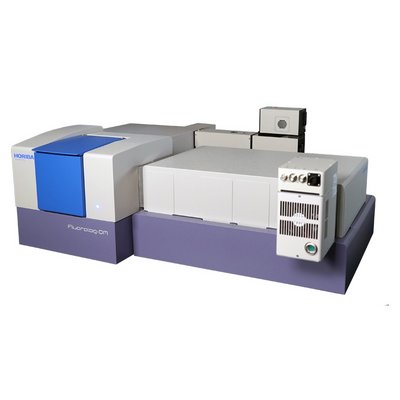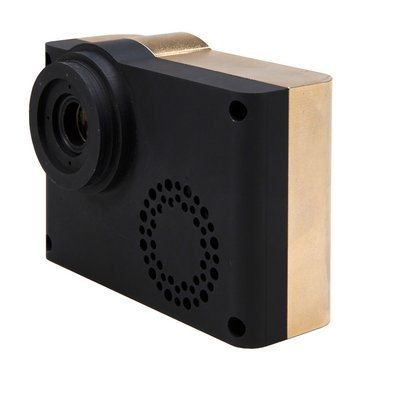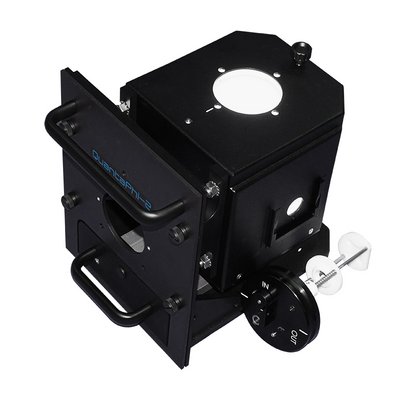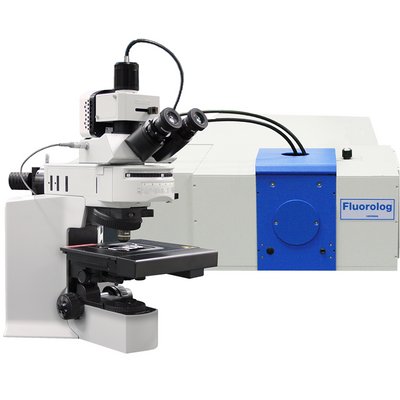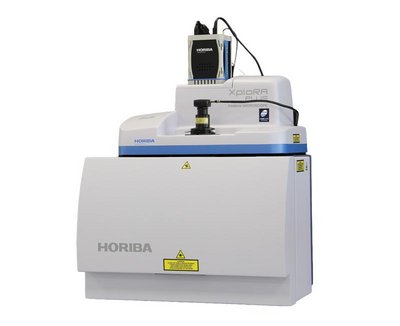
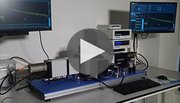

DeltaFlex

TCSPC/MCS Fluorescence Lifetime System

Ultimate TCSPC/MCS Performance and Flexibility for Lifetimes From 5 Picoseconds to Seconds

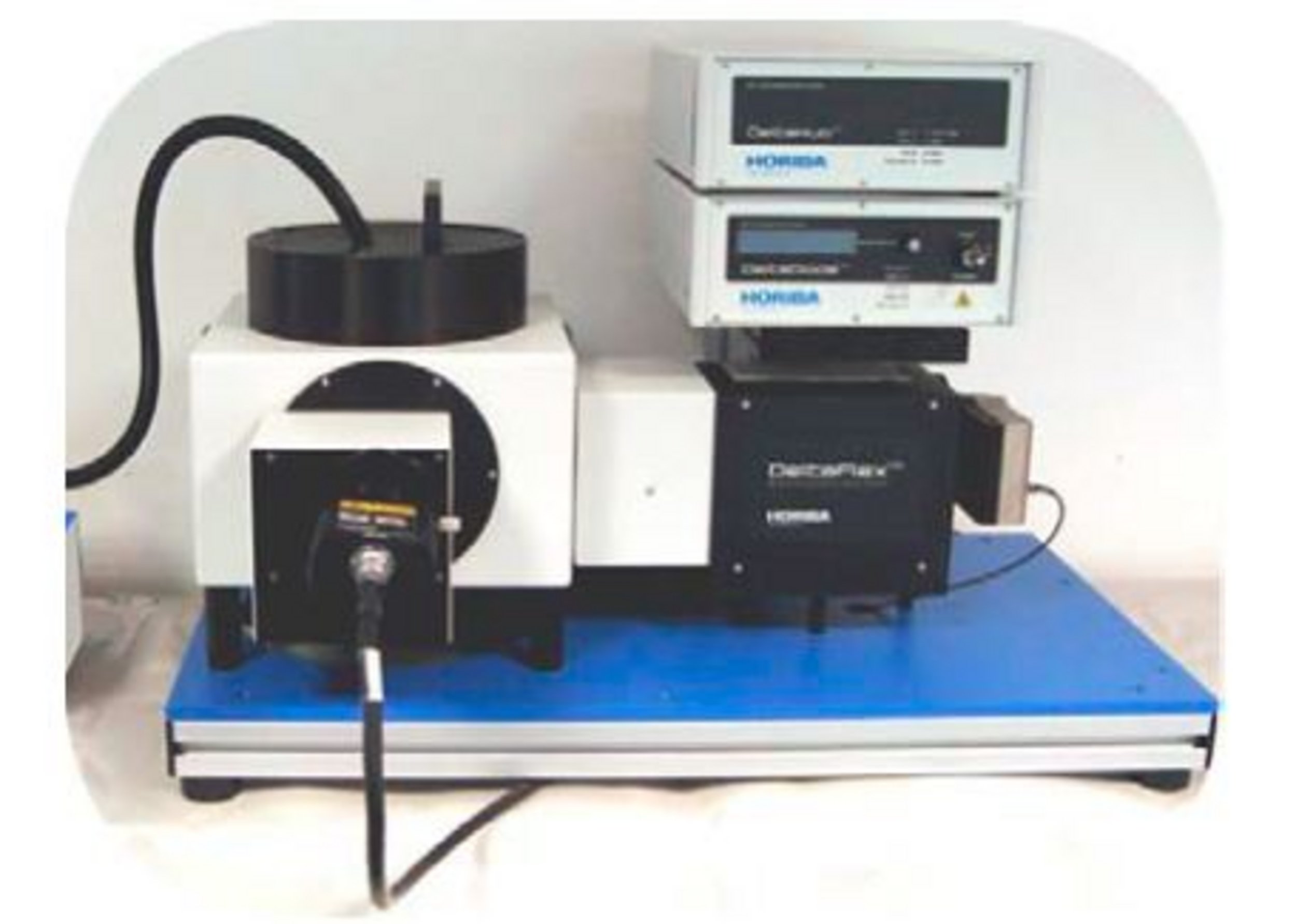
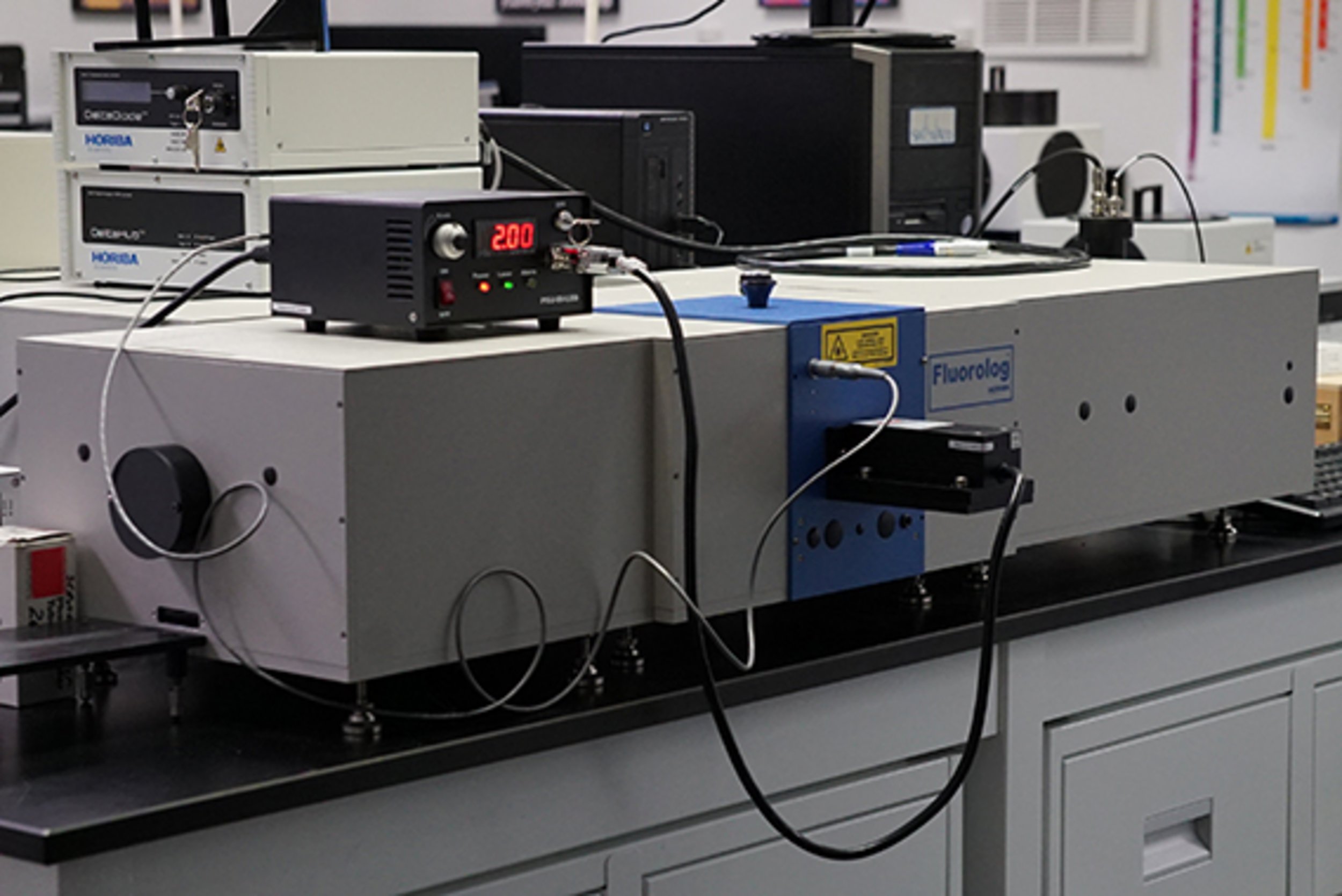
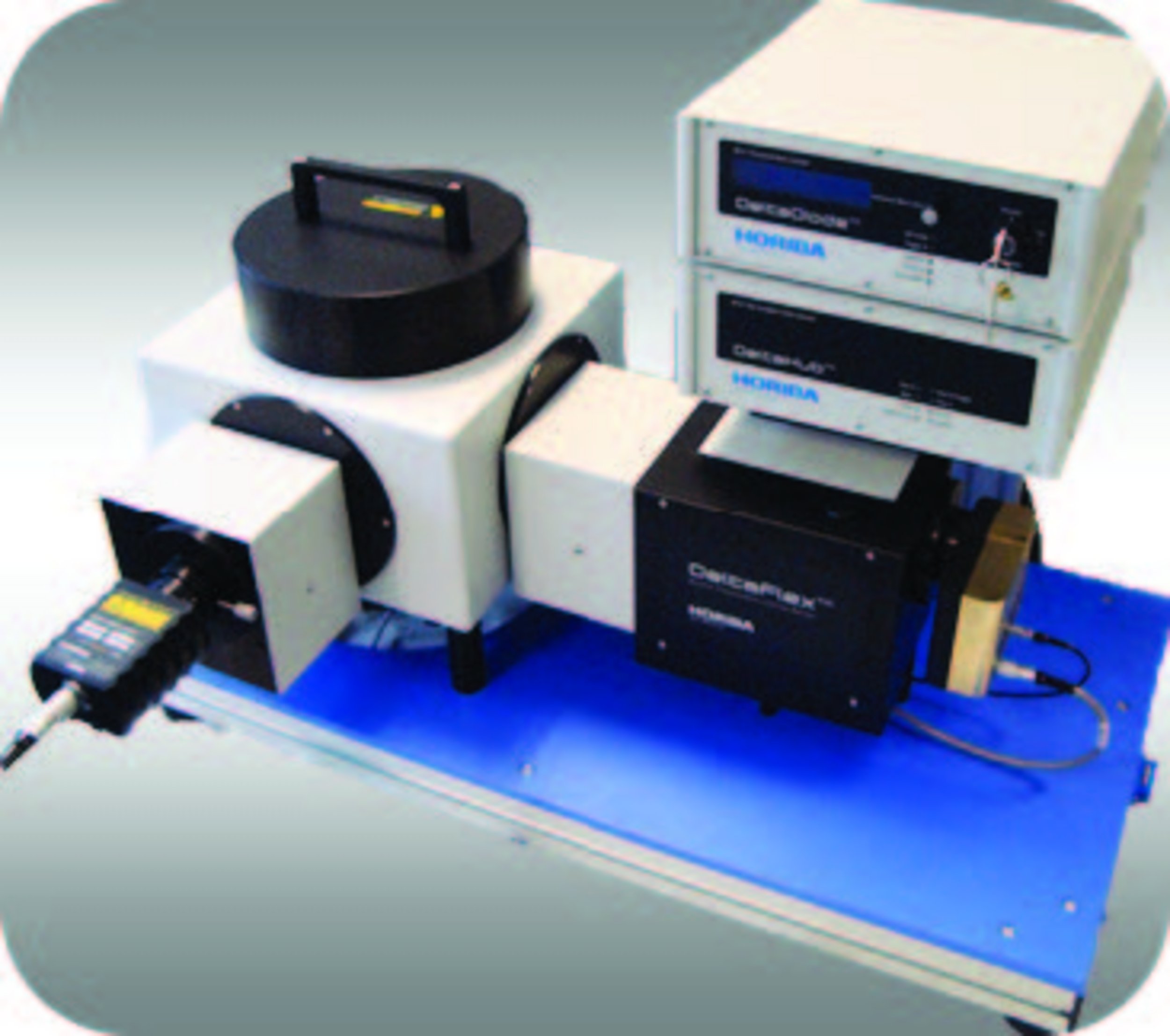
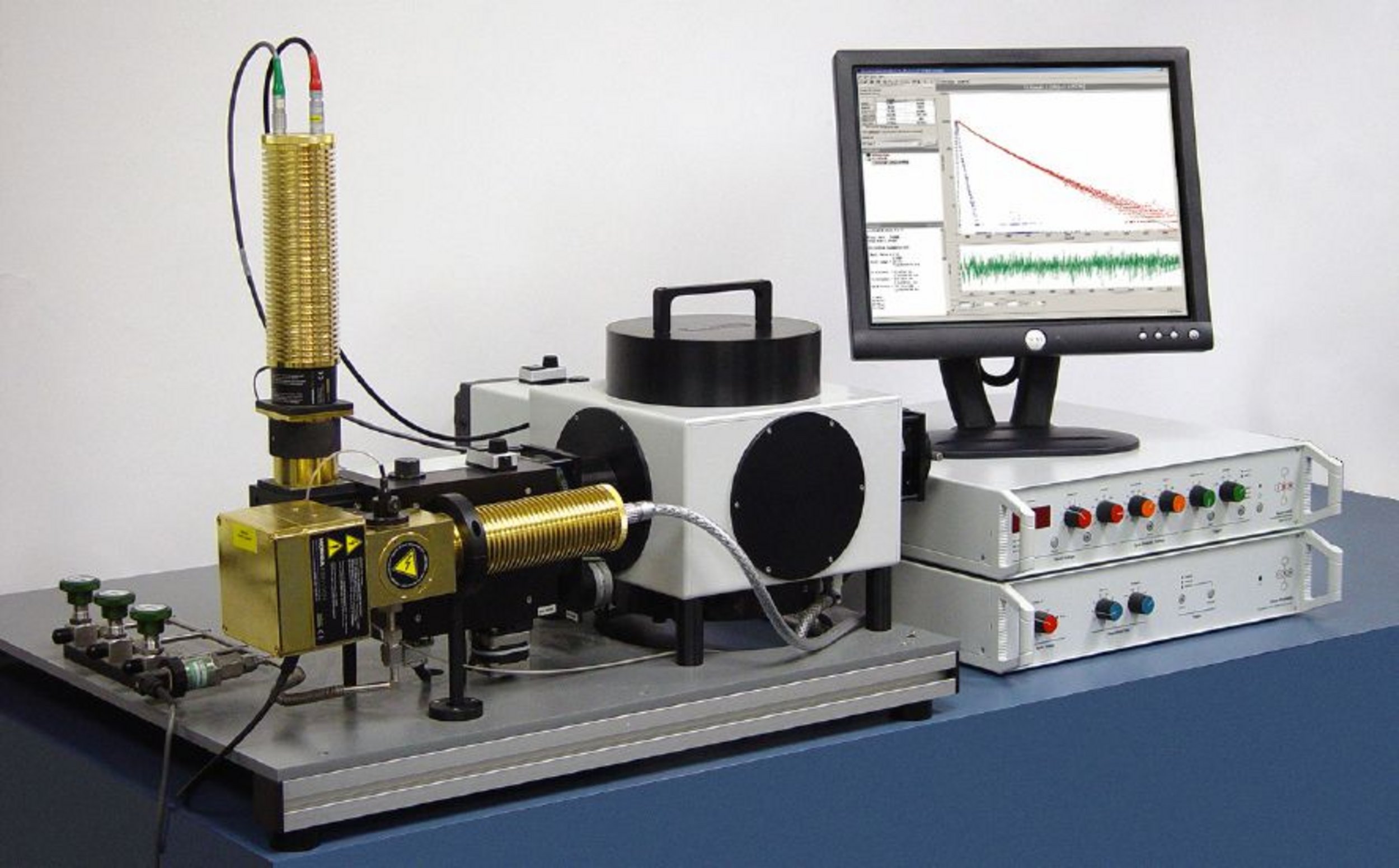
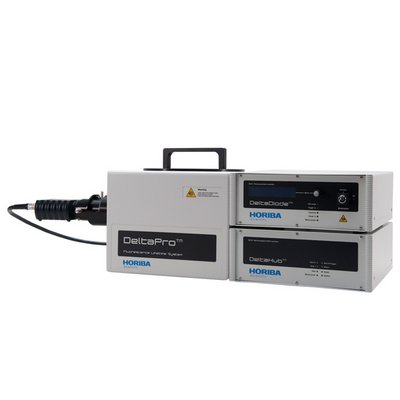
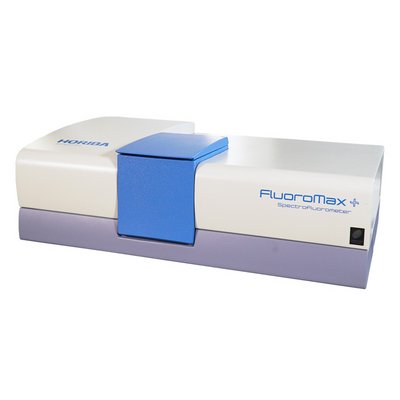
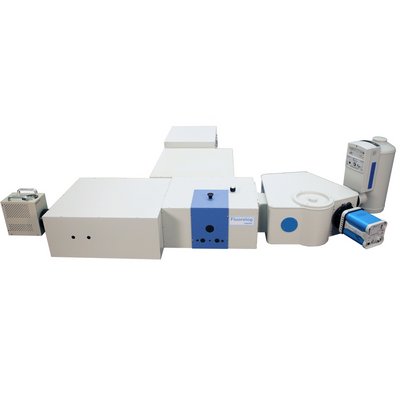
The HORIBA DeltaFlex™ system is the Time-Correlated Single Photon Counting (TCSPC) system of choice for the measurement of fluorescence lifetimes from picoseconds to seconds. Taking advantage of more than 45 years of TCSPC innovation, it is a complete fluorescence/phosphorescence system designed and optimized with innovative pulsed lasers and LEDs, timing electronics, detectors and sample handling components, all powered by HORIBA’s highly intuitive and extremely powerful EzTime™ touchscreen software interface. 

Unique Benefits from a Lifetime in Fluorescence

  • Flexibility to meet any requirement
  • Better user experience with automated component recognition and control
  • Extensive choice of sources and detectors to meet all wavelength and lifetime requirements
  • EzTime intuitive, automated, touchscreen software


DeltaFlex: Flexibility is in the name, and flexibility is in the design

The modular DeltaFlex system is comprised of a choice of the following main components:

  • Optical configuration
    Choose from filters or monochromators and single detector (L format) or simultaneous dual detector (T Format)
  • Excitation sources
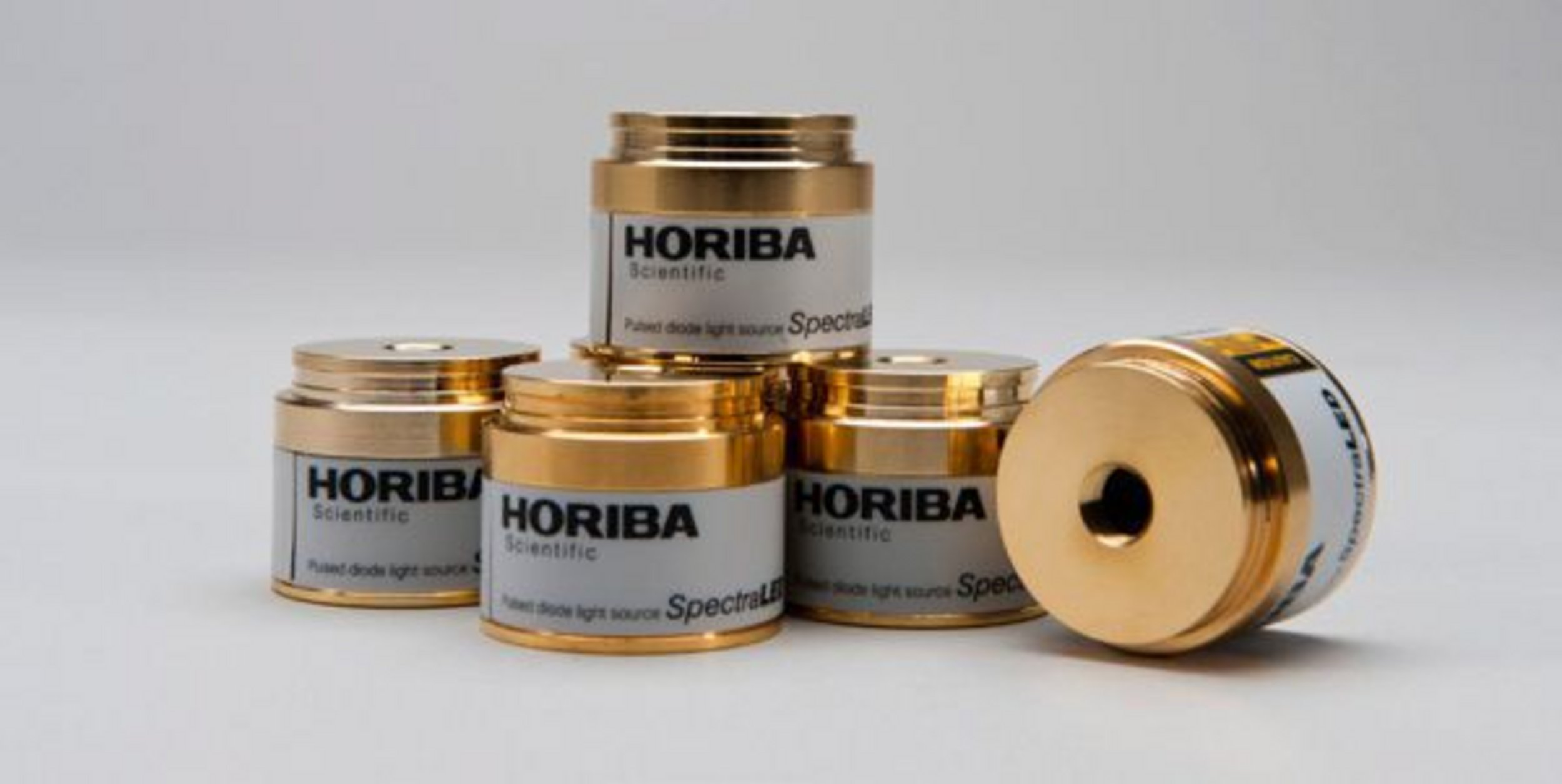
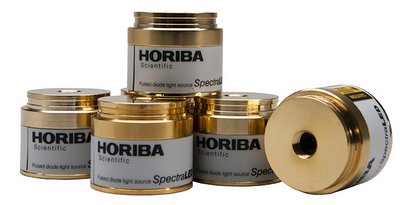
    Choose from a plethora of pulsed lasers and LED sources
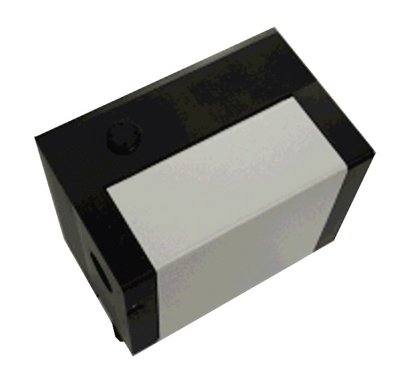
  • Detection modules
    Choose from a wide range of dedicated TCSPC detectors depending on your emission wavelength range, lifetime requirements and budget
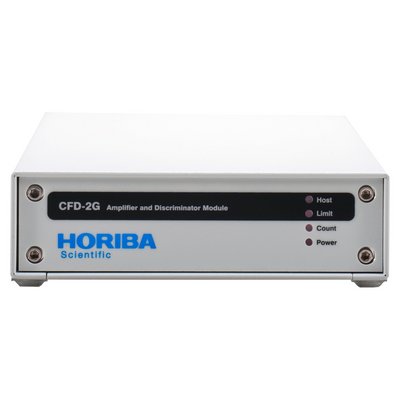
  • Timing electronics
    Choose from standard or high resolution electronic interfaces depending on your lifetime requirements


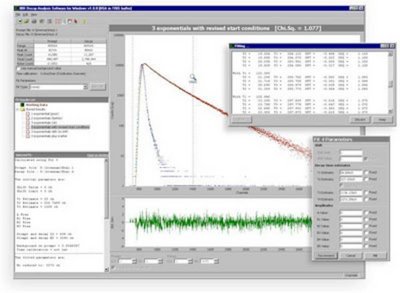
All DeltaFlex systems are controlled using EzTime software which provides for full instrumentation control and acquisition, as well as a comprehensive suite of data analysis modules for fluorescence and phosphorescence lifetime determination, decay associated spectra (DAS), time-resolved anisotropy and uncorrected steady state emission spectra (if equipped with a scanning emission monochromator).

Optional Pulsed Laser and LED Light Sources


Featured Videos


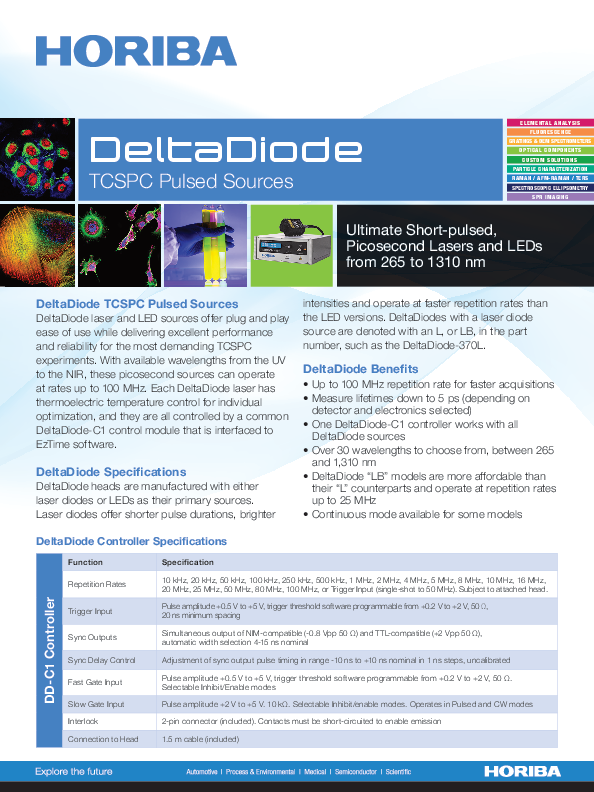
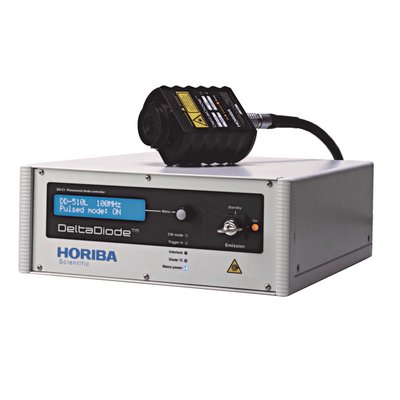
DeltaDiode™ General Specifications

DeltaDiode TypePulse DurationRepetition RateAvailable Wavelengths
DeltaDiode Laser
(Denoted with an “L” on part number)
35 to 200 ps10 kHz to 100 MHz375 to 1,310 nm
DeltaDiode LED
(No “L” on part number)
750 to 950 ps10 kHz to 25 MHz265 to 455 nm


DeltaDiode Controller Specifications

DD-C1 Controller

FunctionSpecification

Repetition Rates

10 kHz, 20 kHz, 50 kHz, 100 kHz, 250 kHz, 500 kHz, 1 MHz, 2 MHz, 4 MHz, 5 MHz, 8 MHz, 10 MHz, 16 MHz, 20 MHz, 25 MHz, 50 MHz, 80 MHz, 100 MHz, or Trigger Input (single-shot to 50 MHz). Subject to attached head

Trigger Input

Pulse amplitude +0.5 V to +5 V, trigger threshold software programmable from +0.2 V to +2 V, 50 Ω, 20 ns minimum spacing

Sync Outputs

Simultaneous output of NIM-compatible (-0.8 Vpp 50 Ω) and TTL-compatible (+2 Vpp 50 Ω), automatic width selection 4-15 ns nominal

Sync Delay Control

Adjustment of sync output pulse timing in range -10 ns to +10 ns nominal in 1 ns steps, uncalibrated

Fast Gate Input

Pulse amplitude +0.5 V to +5 V, trigger threshold software programmable from +0.2 V to +2 V, 50 Ω. Selectable Inhibit/Enable modes

Slow Gate Input

Pulse amplitude +2 V to +5 V. 10 kΩ. Selectable Inhibit/enable modes. Operates in Pulsed and CW modes

Interlock

2-pin connector (included). Contacts must be short-circuited to enable emission

Connection to Head

1.5 m cable (included)

User Interface

LCD display (stand-alone operation) or software (PC control)

PC interface

USB 2.0 with integral hub for downstream connection to other USB peripherals (cable to host PC and software supplied)

Power Requirement

90 V to 250 V AC, 50/60 Hz, 100 VA

Operating Temperature

+15˚ C to +30˚ C (ambient)

Weight & Dimensions

3.1 kg, 234 x 255 x 92 mm


Solas MOFA Fiber Laser Specifications

Parameter

Solas 355L

Solas 532L

Solas 1064L

Power

> 7 mW at 80 MHz

> 30 mW at 80 MHz

> 300 mW at 80 MHz

Power Stability

0.5% RMS over 10 min

Pulse duration

80 to 100 ps (FWHM)

Spectral Width

< 0.2 nm

< 0.4 nm

Resolution Rate

Pulse on demand to 100 MHz

Pointing Stability

< 1 μrad

Polarization Extinction Ratio

> 20 dB

Beam Quality

Multi-mode fiber output

Circular TEM00 beam


SpectraLED Specifications

 Pulse DurationRepetition RateAvailable Wavelengths
SpectraLED< 250 ns to > 10 s0.1 to 100 kHz265 to 1,275 nm


SpectraXE Specifications

 Pulse DurationRepetition RateAvailable Wavelengths
SpectraXE0.4 μs0.1 Hz to 80 Hz185 to 2,000 nm


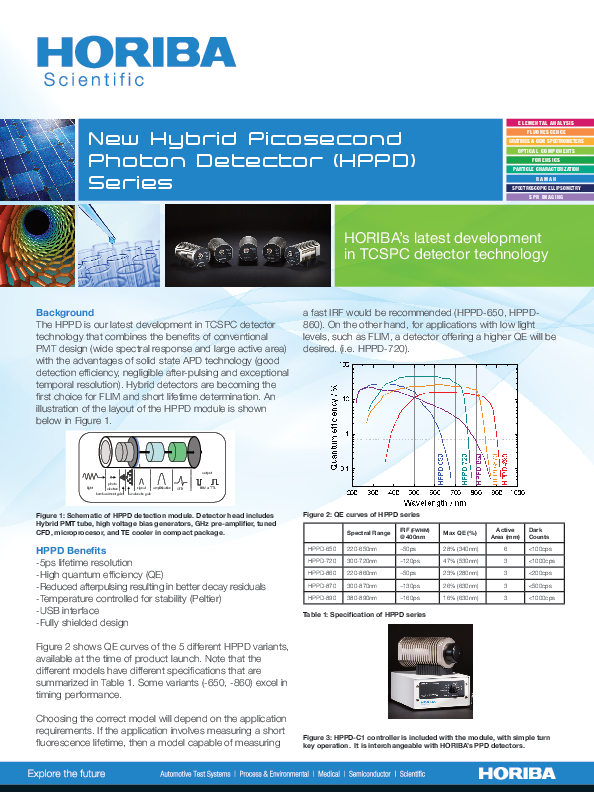
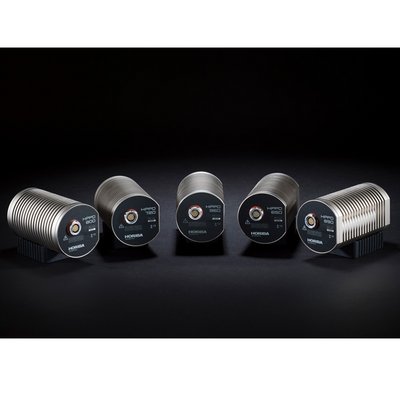
HPPD Specifications

ModelWavelength RangeTemporal Response
(IRF FWHM)
Dark CountQuantum Efficiency
HPPD-650220 to 650 nm50 ps< 100 cps28% (340 nm)
HPPD-720300 to 720 nm120 ps< 1000 cps47% (530 nm)
HPPD-860220 to 860 nm50 ps< 200 cps23% (280 nm)
HPPD-870300 to 870 nm130 ps< 500 cps26% (630 nm)
HPPD-890380 to 890 nm160 ps< 1000 cps16% (630 nm)


MCP-PMT Detectors

 HPPD-860 COOLEDMCP-PMT (R3809-50)

Typical IRF FWHM at 400 nm

40-45 ps 

40-45 ps

Shortest Measurable Lifetime 

40-45 ps 

5 ps

Wavelength Response

 220-860 nm

160-850 nm

Robust for Steady State Spectra

Yes

No

Amplifier + CFD

Integrated (no cable)

External

High Voltage Bias

Integrated (no cable)

External

Compatible with Phos and Steady State

Yes

No (requires second detector)

Temperature Control

Integrated TEC (air-cooled)

External (water-cooled)

Dark Count Rate (Cooled)

 < 200 cps 

 < 20 cps

PC Interface

N/A

N/A


NIR TCSPC Specifications


ModelSensorWavelength RangeTemporal ResponseDark CountCooling

NIR-R4

R5509-43 PMT

300 to 1,400 nm

1.5 ns (TTS)

< 25,000 cps

Liquid nitrogen

NIR-R7

R5509-73 PMT

300 to 1,700 nm

1.5 ns (TTS)

< 250,000 cps

Liquid nitrogen

NIR-H2

H10330-25 PMT

950 to 1,200 nm

400 ps (TTS)

< 2,500 cps

Thermo-electric

NIR-H4

H10330-45 PMT

950 to 1,400 nm

400 ps (TTS)

< 25,000 cps

Thermo-electric

NIR-H7

H10330-75 PMT

950 to 1,700 nm

400 ps (TTS)

< 250,000 cps

Thermo-electric

NIR-S1

Count-100N SPAD

400 to 1,000 nm

< 3 ns (TTS)

100 cps

None


FiPho TCSPC Electronics Specifications

Specifications

FiPho

FiPho-HR

Full Detectable TCSPC Lifetime Range

<20 ps to 30 sec

5 ps to 30 sec

TCSPC Converter Type

Digital TDC

Digital TDC and Analog TAC

TCSPC Bin Width

<15 ps

~ 250 fs

Phosphorescence Mode

MCS

MCS

Independent Stop Channels

1 to 4

1 to 4

Photon Streaming

Included

Included

FLIM Capable

Yes

Yes


Detailed FiPho Electronics Specifications

Specifications

FiPho (TDC, MCS)

FiPho-HR (TDC, TAC, MCS)

Full Detectable Lifetime Range

<20 ps to 30 sec

5 ps to 30 sec

TCSPC Time Range

<2 ns to 55 μs

<2 ns to 55 μs

Deadtime

5 ns

5 ns

TCSPC Bin Width

<15 ps

~ 250 fs

Electronics Jitter (FWHM)

30 ps

< 10 ps

TCSPC Histogram Size

Up to 16k

Up to 64k

Histogram Bin Depth

32 bit

32 bit

Independent Stops

1 to 4

1 to 4

Maximum Start Rate

100 MHz

100 MHz

Maximum Stop Rate

40 Mcps

40 Mcps

Operating Mode

Automatic Forward Timing

Automatic Forward or Reverse timing

Streaming Mode

Photon Streaming (Time-Tag)

Photon Streaming (Time-Tag)

MCS Bin Width

5 ns

5 ns

MCS Time Range

< 2.5 μs to 330 seconds

< 2.5 μs to 330 seconds

Maximum MCS Histogram Size

64k

64k

Acquisition and Analysis Macro Scripting

Yes

Yes

PC Interface

USB 3.0

USB 3.0

Software

EzTime, EzTime Image

EzTime, EzTime Image

HORIBA Scientific has a policy of continuous product development, and reserves the right to amend part numbers, descriptions and specifications without prior notice.
Biotechnology & Biomedical
Proteomics | Biotechnology | Blood Testing

Dye‐protein binding monitored in a microliter volume using timeresolved fluorescence

The potential health benefits stemming from the antioxidant activity of curcumin, commonly found in turmeric (Curcuma longa L), has attracted the interest of several research groups.

Explore application
Biotechnology & Biomedical
Proteomics | Biotechnology | Blood Testing

Stopped flow time‐resolved fluorescence study of serum albumin – curcuminoid binding

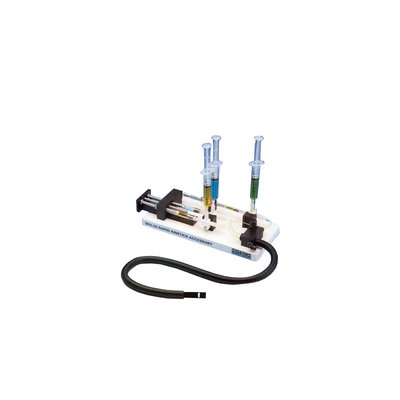
Rapid mixing accessories to perform stopped flow measurements have found application in characterizing interactions and reactions occurring in solution. Reactants are expelled from syringes, mixed and injected into a flowcell.

Explore application
Biotechnology & Biomedical
Proteomics

Fluorescence Anisotropy Studies

Polarized light striking a fluorescent molecule results in polarized fluorescence. This polarized emission gradually returns to unpolarized fluorescence depending on rotational diffusion and other factors. Anisotropy is directly related to the polarization, and is the ratio of the polarized light component to the total light intensity.
Explore application
Material Research

Measuring PL Upconversion Spectra and Lifetimes of Lanthanide-Doped Nanoparticles

Upconverting lanthanide-based nanomaterials exhibit a unique fluorescence anti-Stokes shift, which enables them to convert NIR wavelength excitation into visible shorter wavelength emissions (NIR to UV-Vis).

Explore application
Energy
Photovoltaics | 2D Materials

Characterizing Lanthanides in Glasses for Optical Applications

Glasses are essential materials with a multitude of uses and many forms. In the area of optoelectronics there is an interest to modify the glass composition to favor the incorporation of lanthanide elements.

Explore application
Energy
Photovoltaics

Upconversion of Lanthanide-containing glasses using DD‐980L excitation

The phenomenon of upconversion is an optical process that takes in lower energy (longer wavelength) photons and emits higher energy (shorter wavelength) photons.

Explore application
Energy
Photovoltaics

Measurement of carrier lifetime in perovskite for solar cell applications

Hybrid perovskite photovoltaics (PV) show promise because of their good efficiencies, which can be around 20%. Along with their PV characteristics, perovskite materials exhibit a high degree of radiative recombination.

Explore application
Food & Beverage
Agriculture & Crop Science | Biotechnology

Monitoring Whole Leaf Fluorescence Using Time‐resolved Techniques

Light incident on a leaf can be absorbed by chlorophyll to commence the photosynthetic cycle. Excess energy can be liberated as heat or by emission of fluorescence and this can be used to assess the efficiency of the photosynthetic process.

Explore application
Biotechnology & Biomedical
Human Health Care

The Measurement of Singlet Oxygen Lifetime Sensitized using Rose Bengal

The study of singlet oxygen (1O2) is of interest, principally, as it is a highly reactive species. It can be produced by photosensitisation, usually of a molecule such as a dye or porphyrin. Thus, by the appropriate selection of sensitiser, the presence of oxygen and light, 1O2 can be selectively generated. From a biological aspect it has the ability to damage and destroy cells, which has lead to interest in its use as an anticancer agent in photodynamic therapy (PDT).

Explore application
Selection of SpectraLED pulsed excitation sources
Biology | Blood Testing

Effect of temperature on HSA structure inferred using time-resolved room-temperature phosphorescence

To access intrinsic amino acids, such as tryptophan, as probes, the UV excitation wavelengths for pulsed phosphorescence measurements have long been the preserve of low-repetition-rate gas-filled lamps or larger laser systems. Recent developments have enabled the use of interchangeable semiconductor diodes...

Explore application
Chemistry
Chemical Manufacturing | Chemicals | Material Research | Nanomaterials | Nanoscience

Plasmon enhancement of protein fluorescence by silver nanostructures

The use of metal surfaces in conjunction with fluorescence molecules employing a plasmon effect, sometimes referred to as metal enhanced fluorescence, can be advantageous because of the possible enhancement of photophysical properties.

Explore application
Biotechnology & Biomedical
Pharmaceuticals and Medicine Manufacturing | Drug Delivery

Investigating photocleavage using time‐resolved emission spectra

The choice of protecting group is of crucial importance in the success of many steps in organic synthesis and the manipulation of polyfunctional molecules, since they can prevent the formation of undesired side products and reactions.

Explore application
Chemistry
Chemical Manufacturing

Time‐resolved luminescence of security inks from the UV to NIR

The use of security features, such as luminescent inks, has increased significantly in an attempt to prevent fraud and counterfeiting of materials and goods.

Explore application
Nanoscience

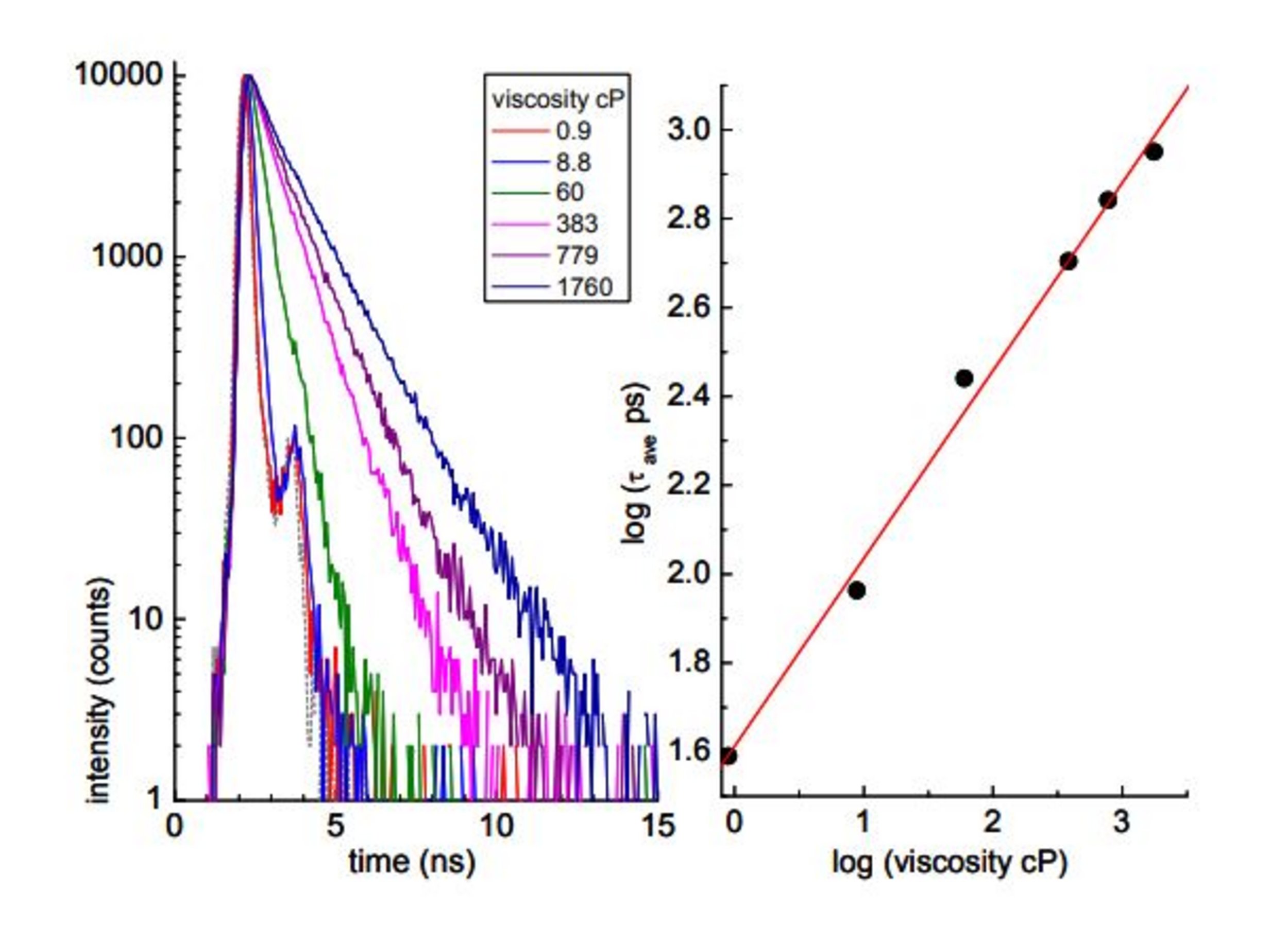
Elucidating Local Viscosity Using Fluorescence Lifetime Measurements

Certain fluorescent molecules, known as molecular rotors, can be employed to estimate the local (nanoscale) viscosity in microheterogeneous systems by measurement of their fluorescence lifetime. This can be advantageous over the usual fluorescence anisotropy method, as the measurement is simpler and faster to perform. This is demonstrated using the HORIBA Scientific TemPro fluorescence lifetime system to monitor the gelation of silica produced using the sol‐gel technique.

Explore application
Multichannel scaling (MCS) single-photon-counting spectroscopy performed using HORIBA Jobin Yvon’s FluoroCube fluorescence lifetime system.
Biotechnology & Biomedical
Biology

MCS and Protein Phosphorescence

Tryptophan phosphorescence within protein molecules is gaining attention as a probe of protein dynamics and structure. The tryptophan phosphorescence lifetime, τ, varies with the protein molecule’s local environment and conformation.

Explore application
DeltaFlex Brochure

DeltaFlex Brochure

8.07 MBPDF
DeltaDiode Specification Sheet

DeltaDiode Specification Sheet

0.68 MBPDF
Fluorescence Product Line Brochure

Fluorescence Product Line Brochure

16.83 MBPDF
Technical Note: Hybrid Picosecond Photon Detector (HPPD)

Technical Note: Hybrid Picosecond Photon Detector (HPPD)

0.88 MBPDF
Technical Note: Correlation (g2) Measurement of the Single-photon Emission from a Quantum Dot

Technical Note: Correlation (g2) Measurement of the Single-photon Emission from a Quantum Dot

0.6 MBPDF
Time‐resolved fluorescence lifetime measurements Technical Note PDF

Time‐resolved fluorescence lifetime measurements Technical Note PDF

0.23 MBPDF
Market: Scientific
Manufacturing Company: HORIBA Scientific

Request for Information

Do you have any questions or requests? Use this form to contact our specialists.

* These fields are mandatory.

Fluorescence

What is Fluorescence? The term fluorescence refers to one type of luminescence. Luminescence, broadly defined, is light emission from a molecule. There are several types of luminescence.

Photoluminescence and Electroluminescence

What is Photoluminescence Spectroscopy Photoluminescence spectroscopy, often referred to as PL, is when light energy, or photons, stimulate the emission of a photon from any matter.