
Environmental sustainability is one of the largest challenge of our current world. By developing advanced analytical instruments used in environmental sciences, HORIBA contributes in ensuring that our future generations will have the natural resources available to live a better way of life. HORIBA analytical instruments cover a wide range of environmental applications including air pollution and monitoring, drinkable and waste water analysis, detection and characterization of microplastics, soil contamination and many others. HORIBA analytical instruments provide unprecedented levels of reliability, reproducibility and sensitivity, combined with advanced data sciences with the goal to make our current world a better one.

Applications
Environment
Featured Application
Microplastics


Browse Applications
Environment
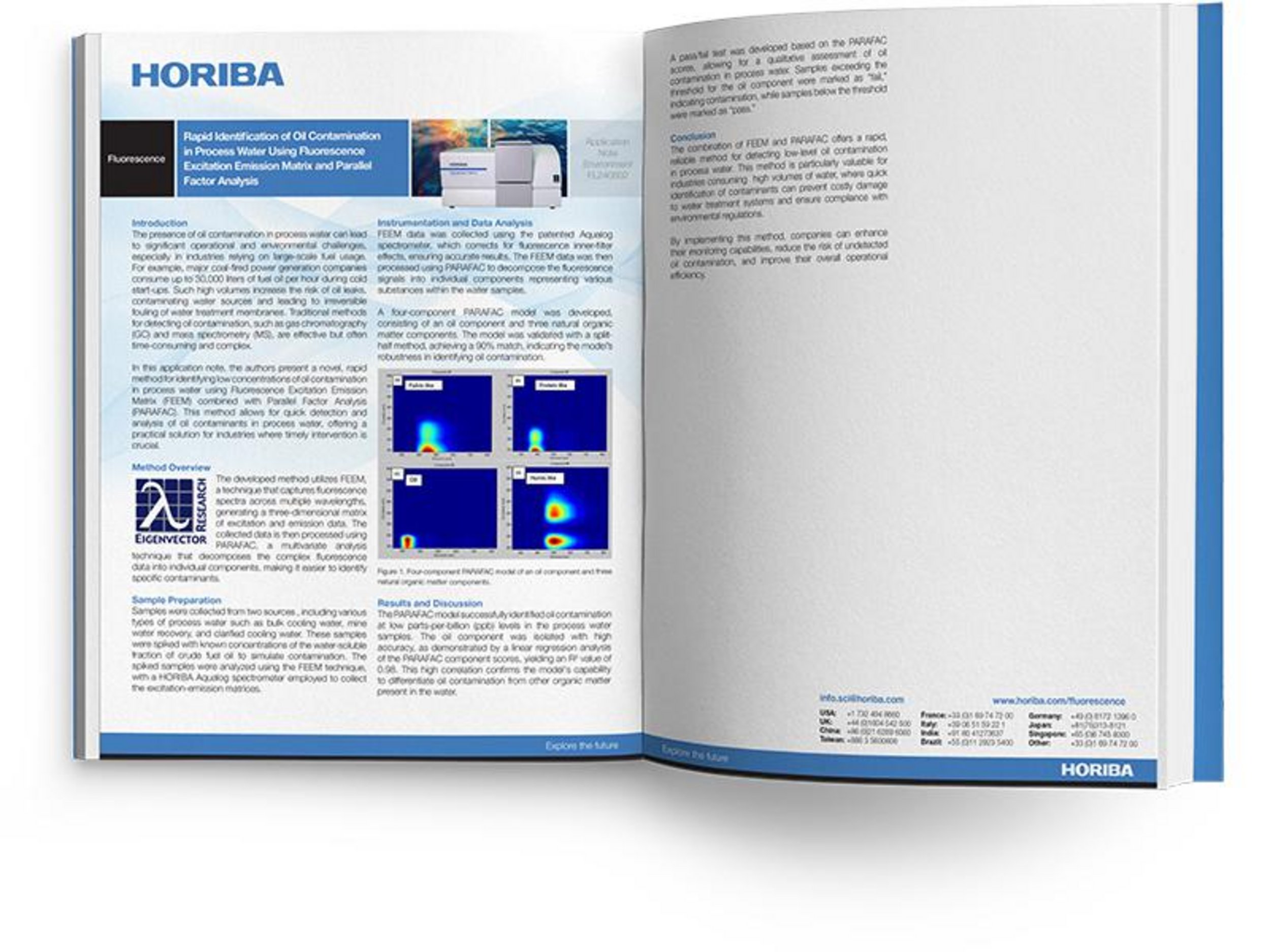
Rapid Identification of Oil Contamination in Process Water Using Fluorescence Excitation Emission Matrix and Parallel Factor Analysis
In this application note, the authors present a novel, rapid method for identifying low concentrations of oil contamination in process water using Fluorescence Excitation Emission Matrix (FEEM) combined with Parallel Factor Analysis (PARAFAC). This method allows for quick detection and analysis of oil contaminants in process water, offering a practical solution for industries where timely intervention is crucial.
Explore application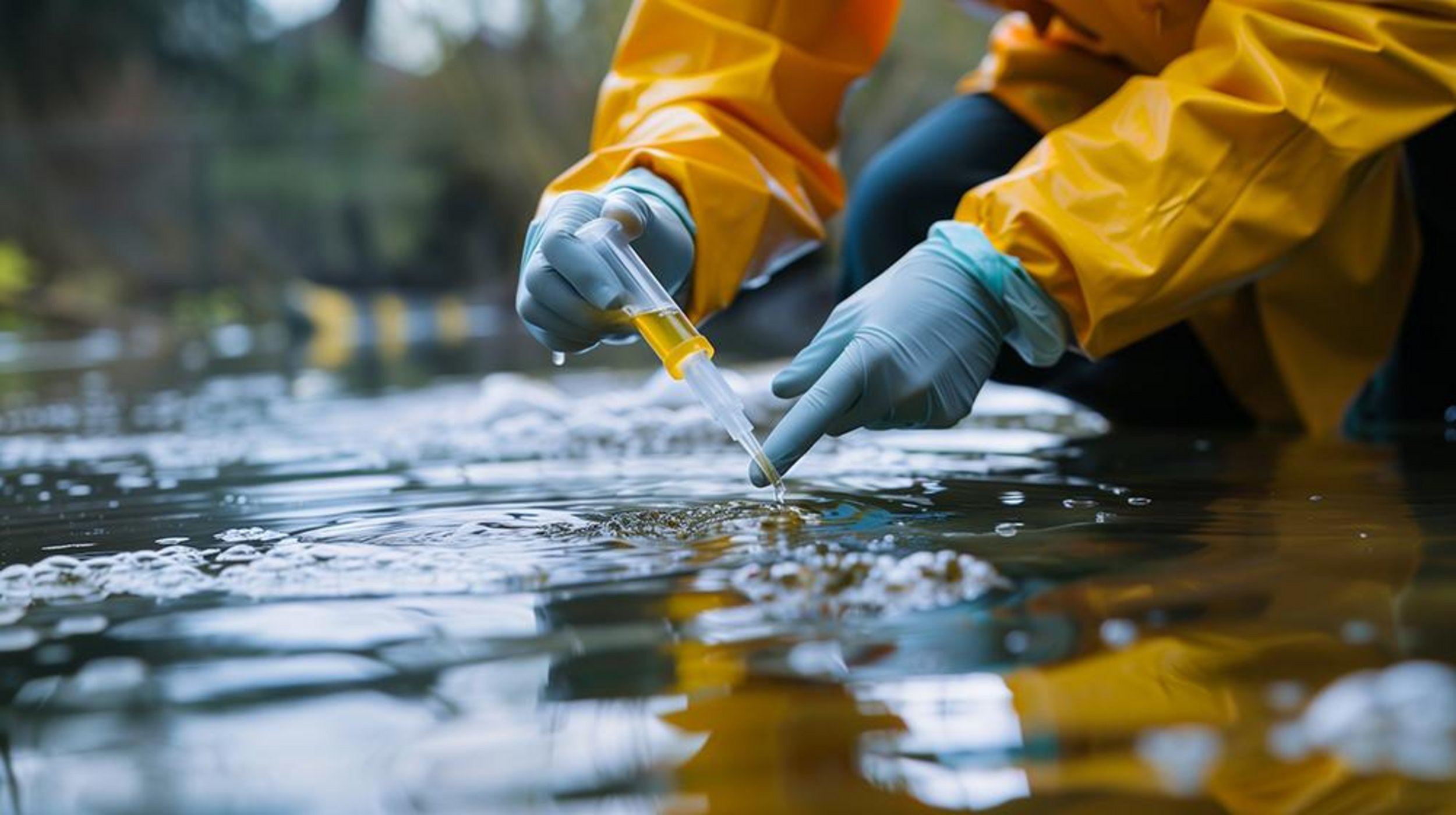
Environment
Detecting Biochemical Oxygen Demand (BOD) Using A-TEEM Fluorescence Spectroscopy
Recently, A-TEEM (Absorbance–Transmittance Excitation–Emission Matrix) fluorescence spectroscopy has emerged as a rapid and effective alternative for BOD detection.
Explore application
Environment
Turbidity Monitoring of Treated Water using the LAQUA TB220 Meter
Explore application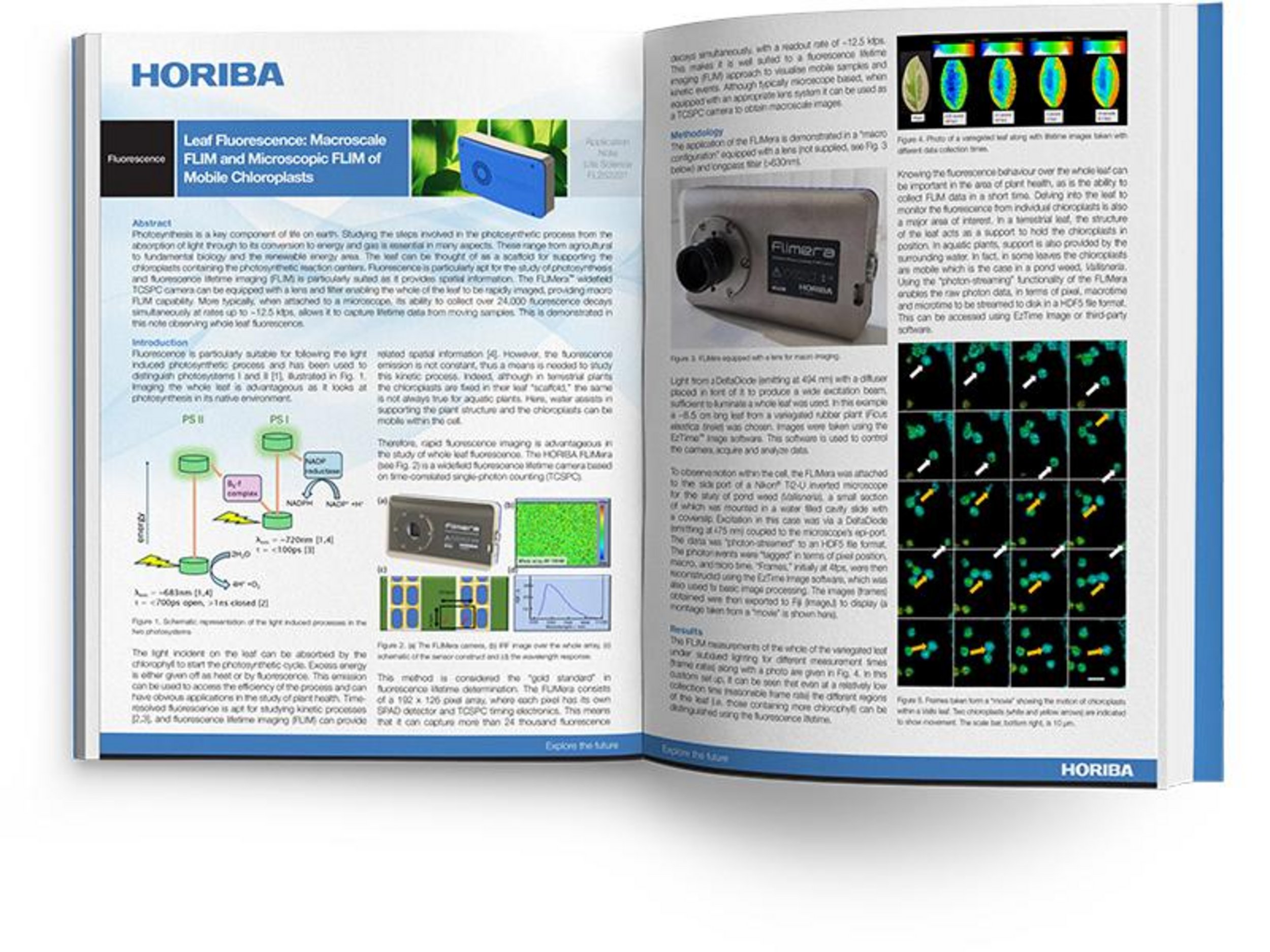
Environment
Leaf Fluorescence: Macroscale FLIM and Microscopic FLIM of Mobile Chloroplasts
Photosynthesis is a key component of life on earth. Studying the steps involved in the photosynthetic process from the absorption of light through to its conversion to energy and gas is essential in many aspects. These range from agricultural to fundamental biology and the renewable energy area. Fluorescence is particularly apt for the study of photosynthesis and fluorescence lifetime imaging (FLIM) is particularly suited as it provides spatial information.
Explore application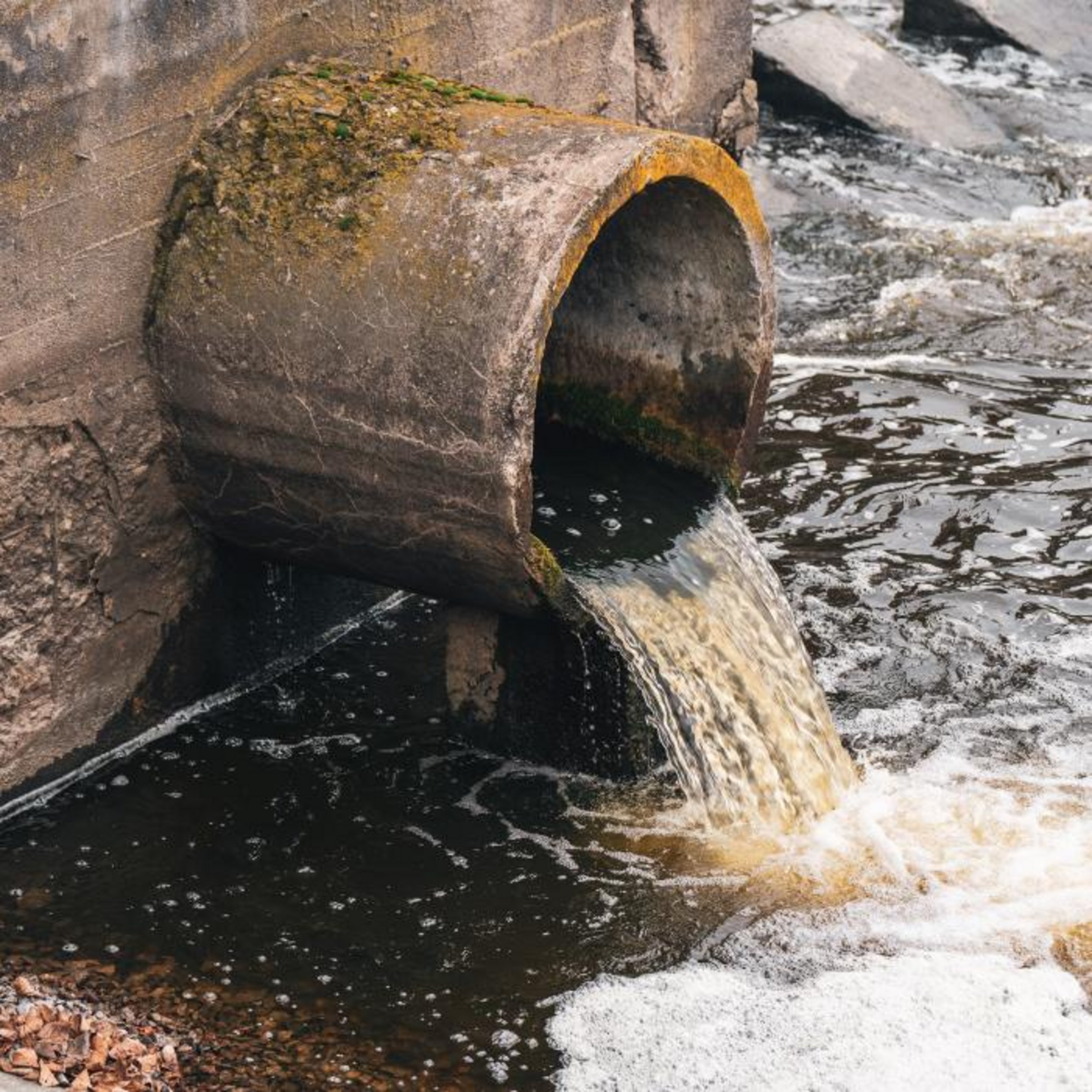
Environment
Measurement of Fluoride in Industrial Wastewater
Explore application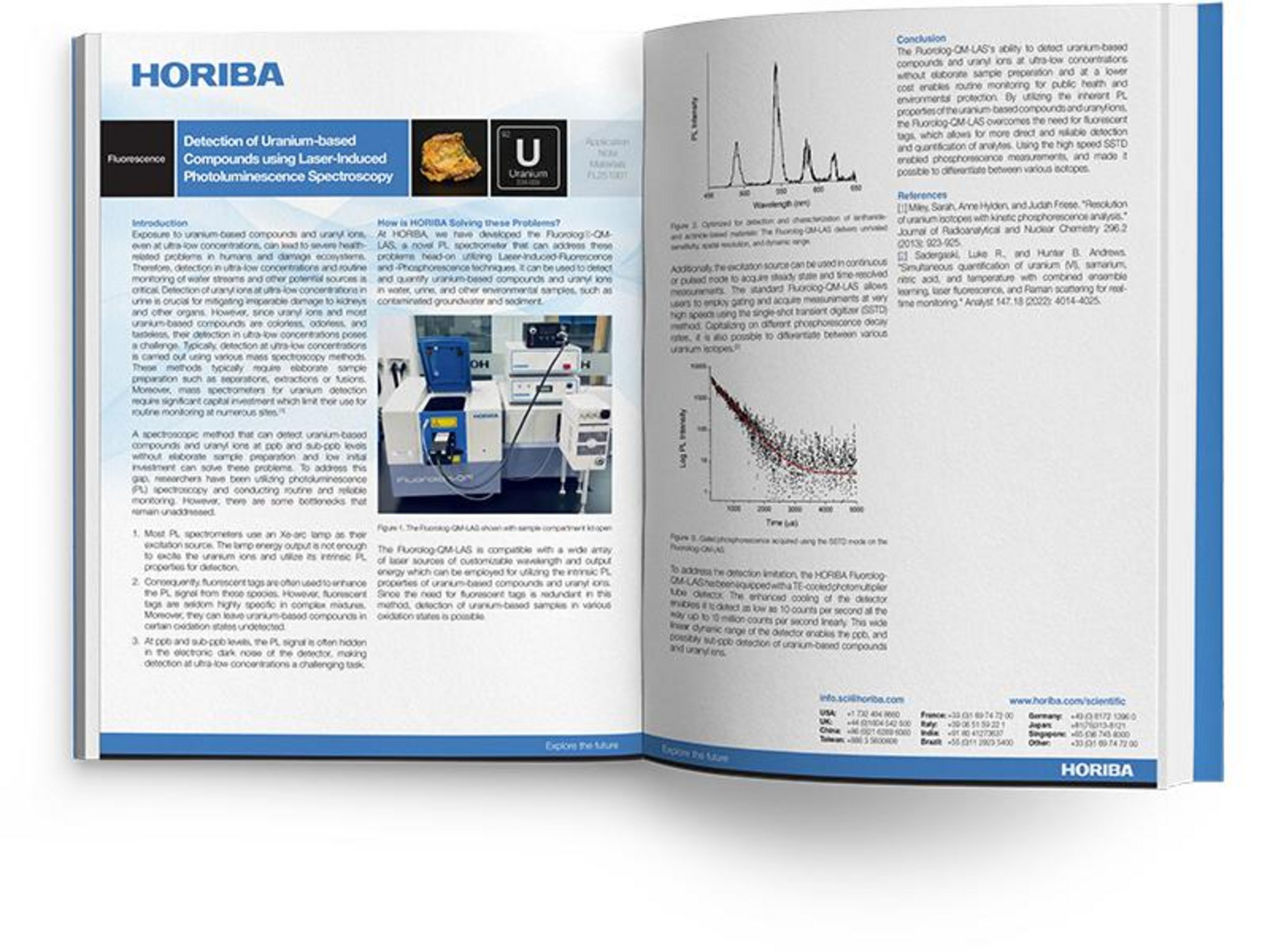
Environment
Detection of Uranium-based Compounds using Laser-Induced Photoluminescence Spectroscopy
Exposure to uranium-based compounds and uranyl ions, even at ultra-low concentrations, can lead to severe health-related problems in humans and damage ecosystems. Therefore, detection in ultra-low concentrations and routine monitoring of water streams and other potential sources is critical.
Explore application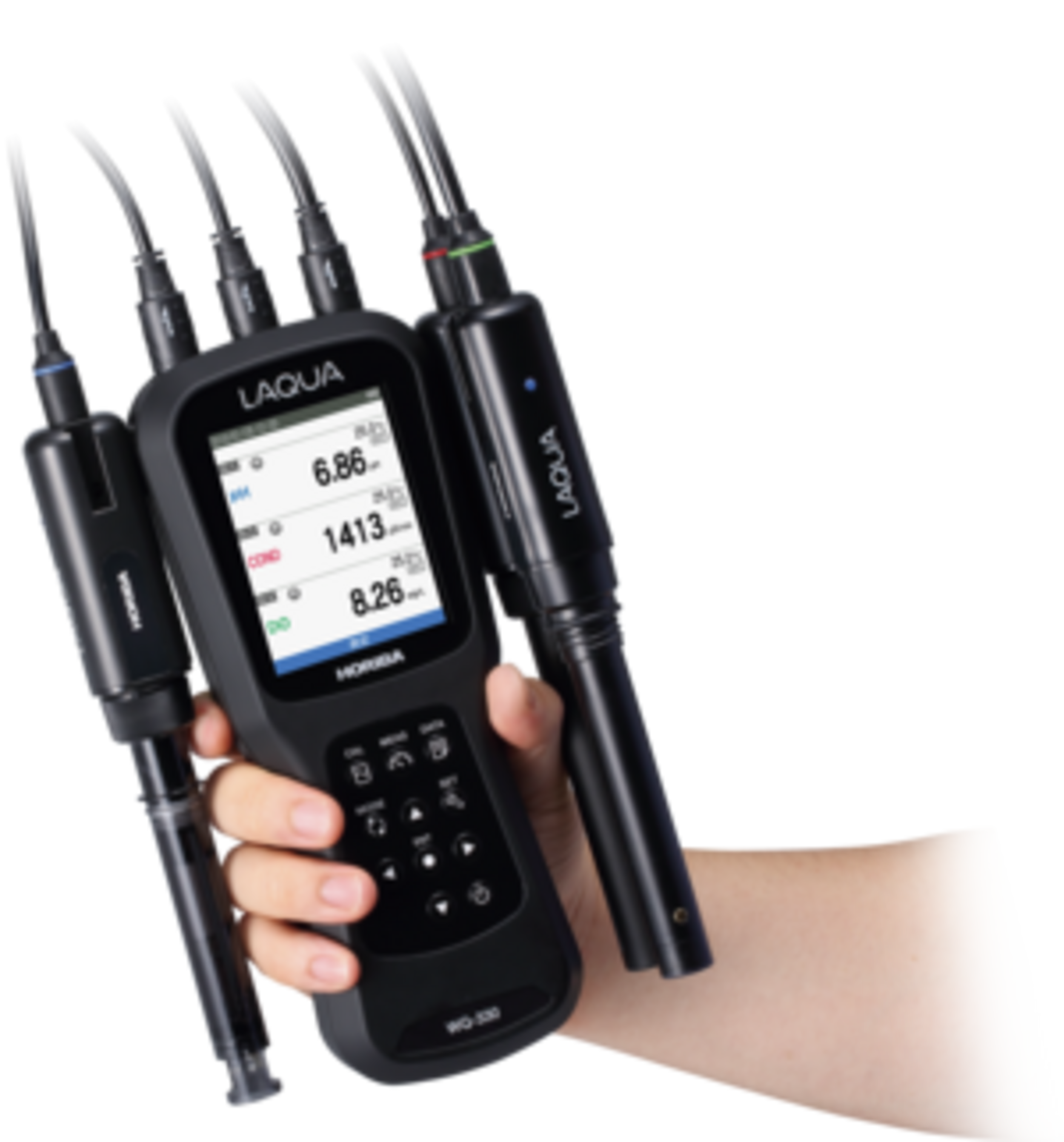
Environment
Water Quality Assessment of Inukami River in Japan
Explore application
Environment
pH Measurement of Pure Water using 9600-10D and 9615S-10D pH Electrodes
Explore application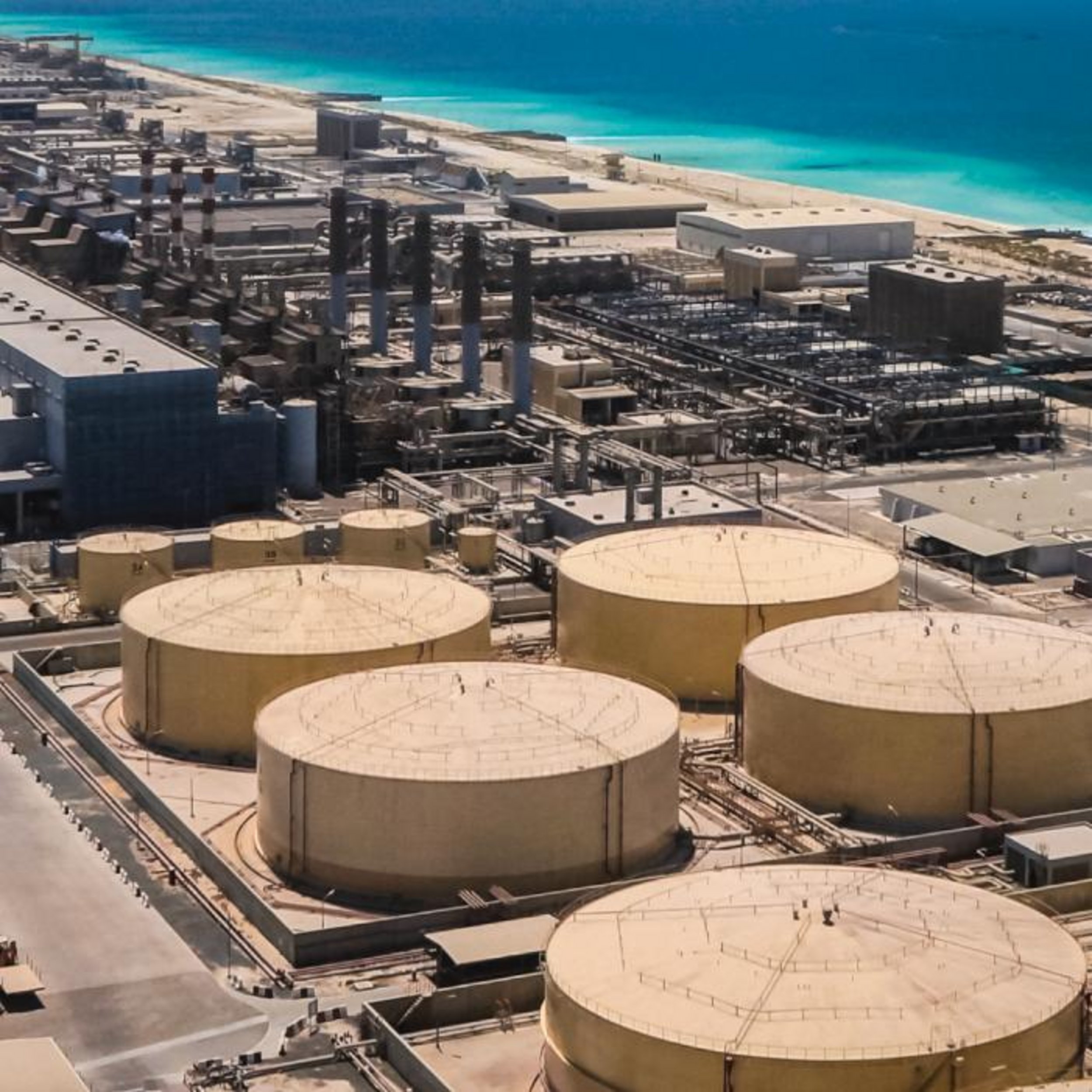
Environment
Turbidity Monitoring in Desalination Plants
Explore application
Environment
Measuring Salinity of Water
Explore application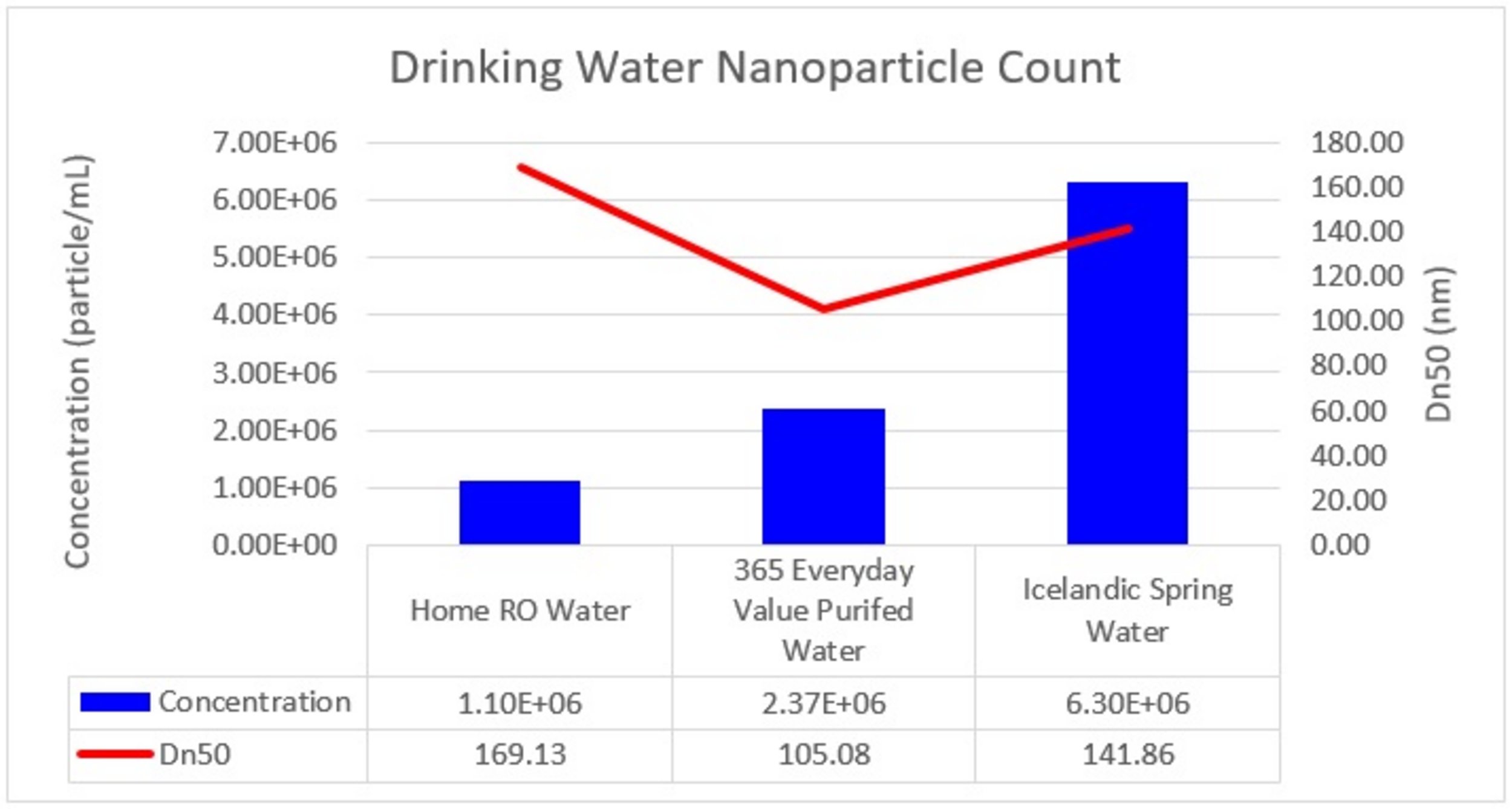
Environment
Quantifying Trace Amount of Nanoparticles in Drinking Water
The concern of water contamination from nanoplastics (≤ 1 µm) is a study receiving close scrutiny from FDA and EPA alike. Nanoparticles can gain access through inhalation, ingestion, or dermal exposure and have greater cellular uptake than those bigger in size. Nanoparticles subsequently pose a greater impact on health.
Explore application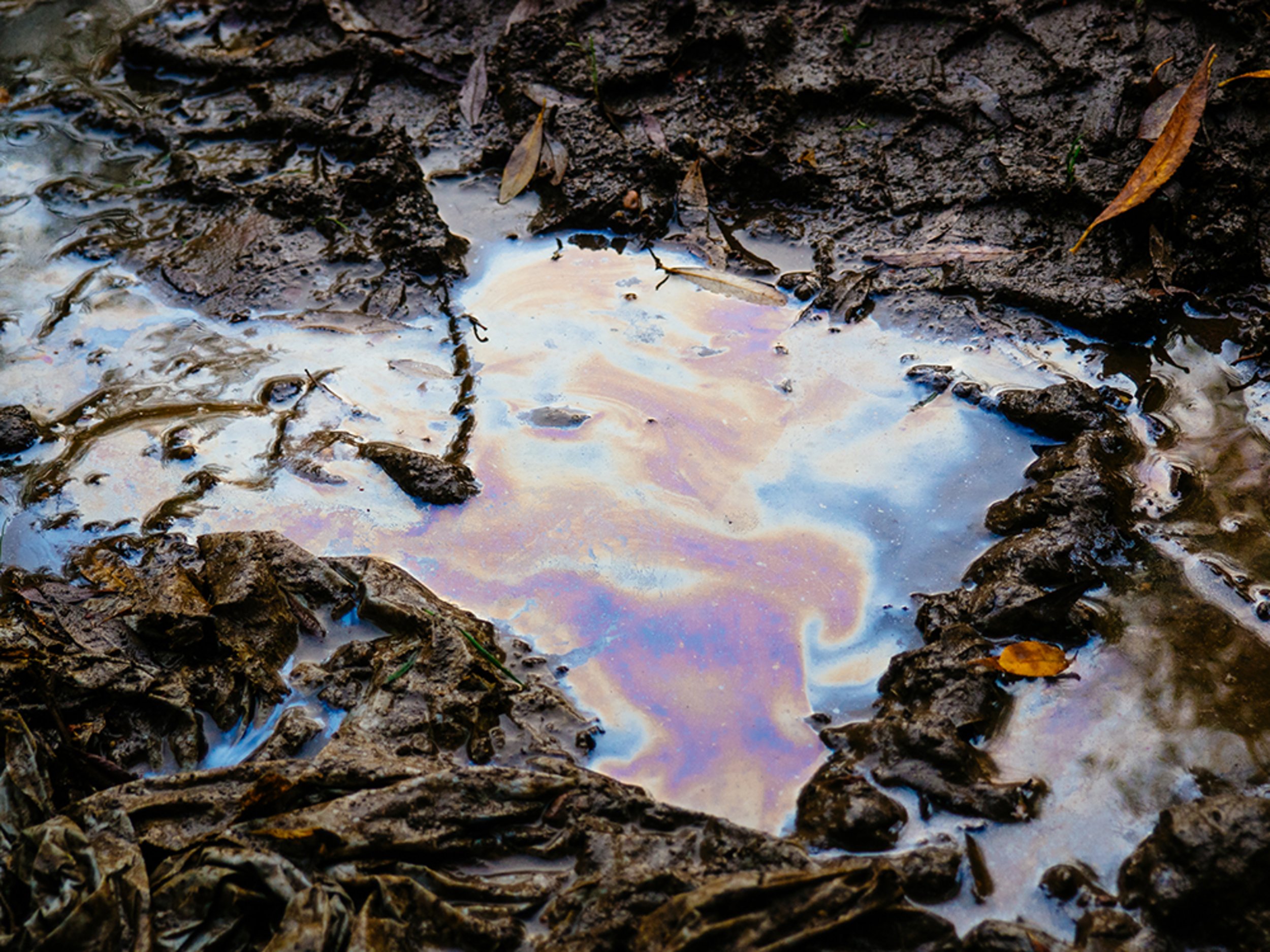
Environment
Petroleum and Oil Spill Products
Global drinking water sources remain prone to carcinogenic petroleum product contaminations due to lack of detection capacity at or before treatment plant intake. The Aqualog A-TEEM method provides a reliable optical detection of these compounds at low quantities discriminating from the highly absorbing and fluorescent backgrounds of natural Dissolved Organic Matter (DOM) components.
Explore application
Environment
Determination of Potassium in Sea Water
Explore application
Environment
Measurement of Calcium in Drinking Water
Explore application
Environment
Brine Analysis with the Ultima Expert ICP-OES
The analysis of brines can be easily performed using the Ultima Expert. Low detection limits are obtained due to the ability of the system to perform the analysis without any dilution thanks to the 3 mm i.d. injector associated with radial viewing and the Total Plasma view that minimize matrix effects and enhance sensitivity. The sheath gas device allows perfect short and long-term stability of the system for routine analysis, without any internal standard, recalibration, or drift correction procedure. Good long term stability allows the use of the best plasma parameters and integration times for enhanced performance.
Explore application
Environment
Laser Diffraction Analysis of Soils and Sediments
Measurement of the particle size of soil and sediment sample is a critical part of understanding the geological history of a particular area.
Explore application
Environment
Trihalomethane Speciation Modeling in Drinking Water Using the A-TEEM Spectroscopic Technique and Multivariate Data Analysis
This application note describes a rapid, sensitive nondestructive disinfection byproducts (DBP) prediction method using patented simultaneous Absorbance-Transmittance and fluorescence Excitation-Emission Matrix (A-TEEM) spectroscopy.
Explore application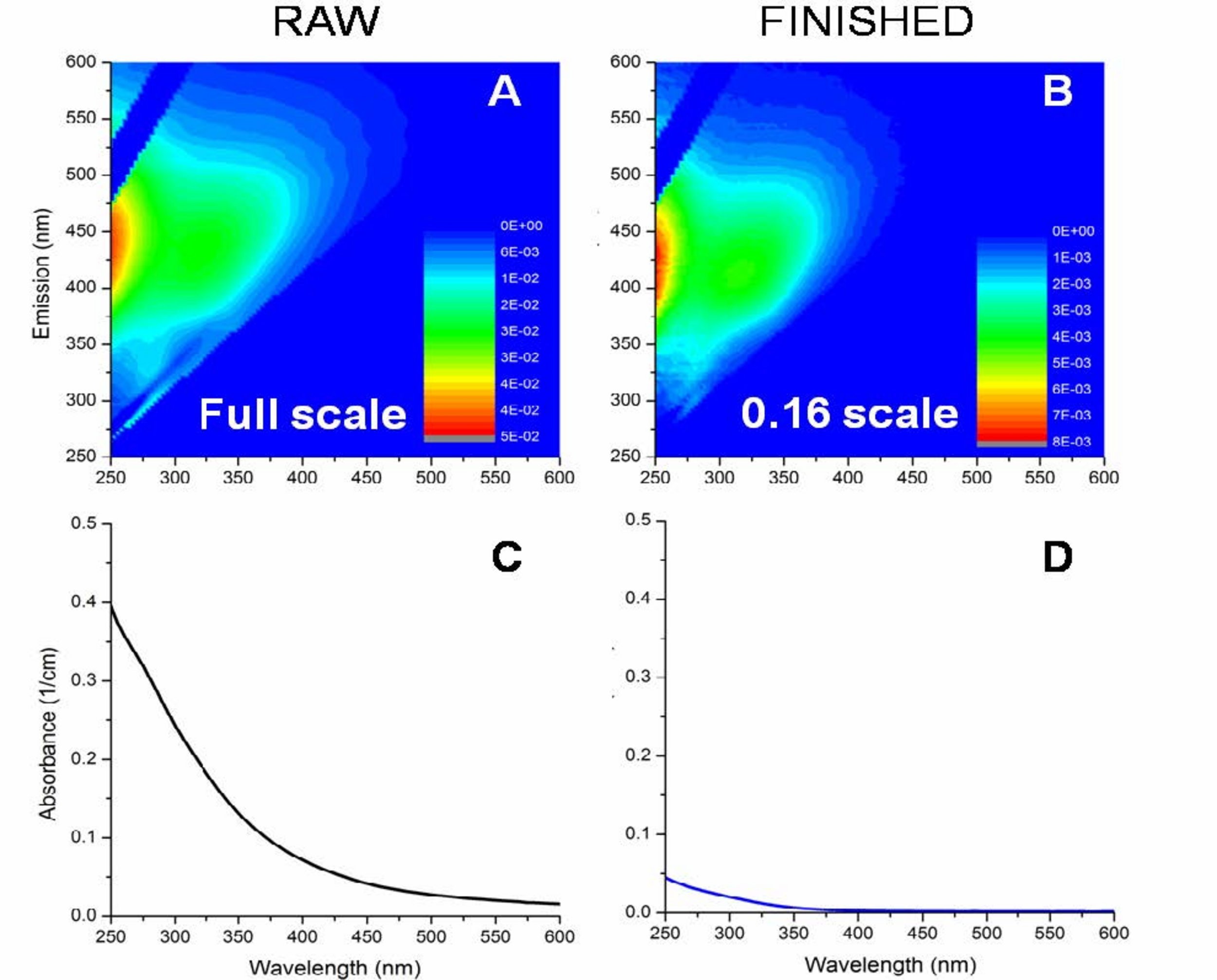
Environment
Disinfection Byproducts (DBPs) and Precursors in Drinking Water for EPA Compliance
This application note describes the use of the Aqualog for monitoring regulated Dissolved Organic Matter (DOM) and disinfection by-product issues for drinking water treatment.
Explore application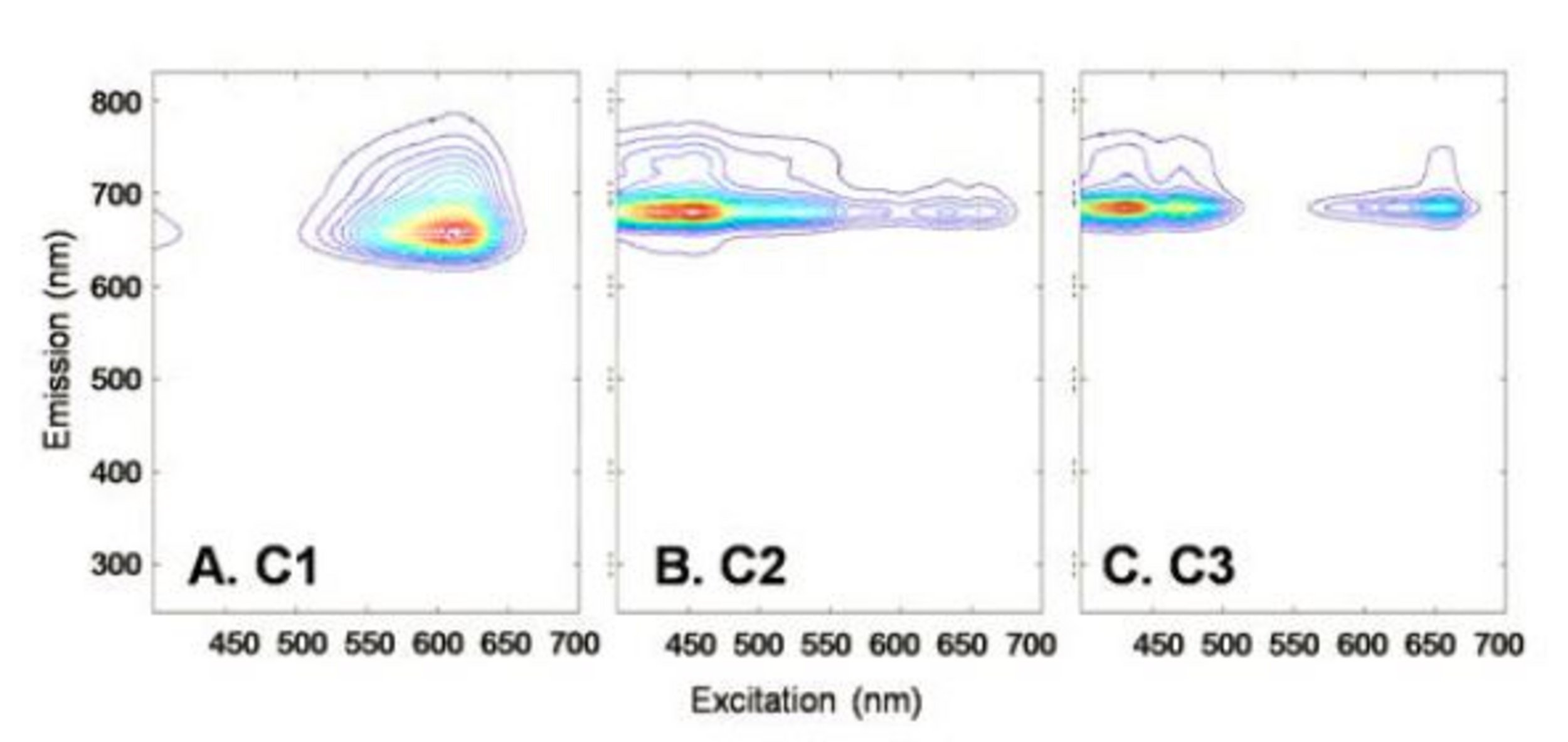
Environment
Harmful Algal Blooms (HABs)
This study describes the application of simultaneous absorbance and fluorescence excitation-emission matrix (EEM) analysis for the purpose of identification and classification of freshwater planktonic algal species.
Explore application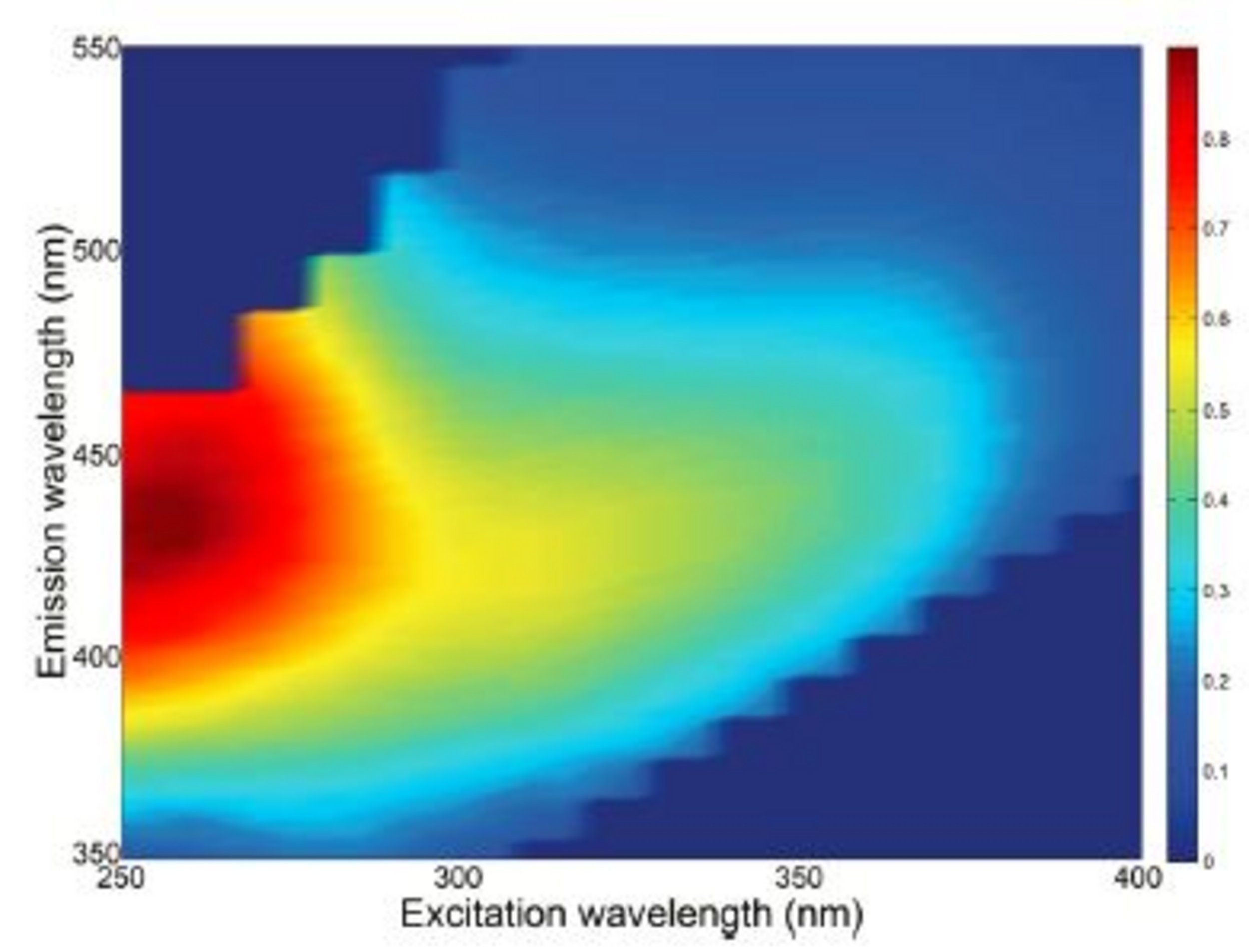
Environment
Fluorescence Spectroscopy and Water Quality
Water travels through the environment carrying dissolved organic matter (DOM), made up of various chemical compounds, which have entered the water column from many sources.
Explore application
Environment
Analysis of Chlorine, Bromine and Iodine in Water using ICP-AES
The analysis of Br, Cl, and I is possible with ICP-AES at low limits of detection due to an adaptation of the instrument. This adaptation doesn't affect the determination of other elements and will generally improve analytical performance for any elemental lines below 200 nm for example, Pb at 168 nm.
Explore application
Environment
Snow, Ice, and Particle Size
Several different compounds are used for melting snow. The melting and spreading process is a function of particle size.
Explore application
Environment
Soils, Sand, and Sediment Particle Size
HORIBA systems have been used successfully for a range of soil and sediment applications. The LA-960V2 is uniquely qualified since the dynamic range is the broadest of any system.
Explore application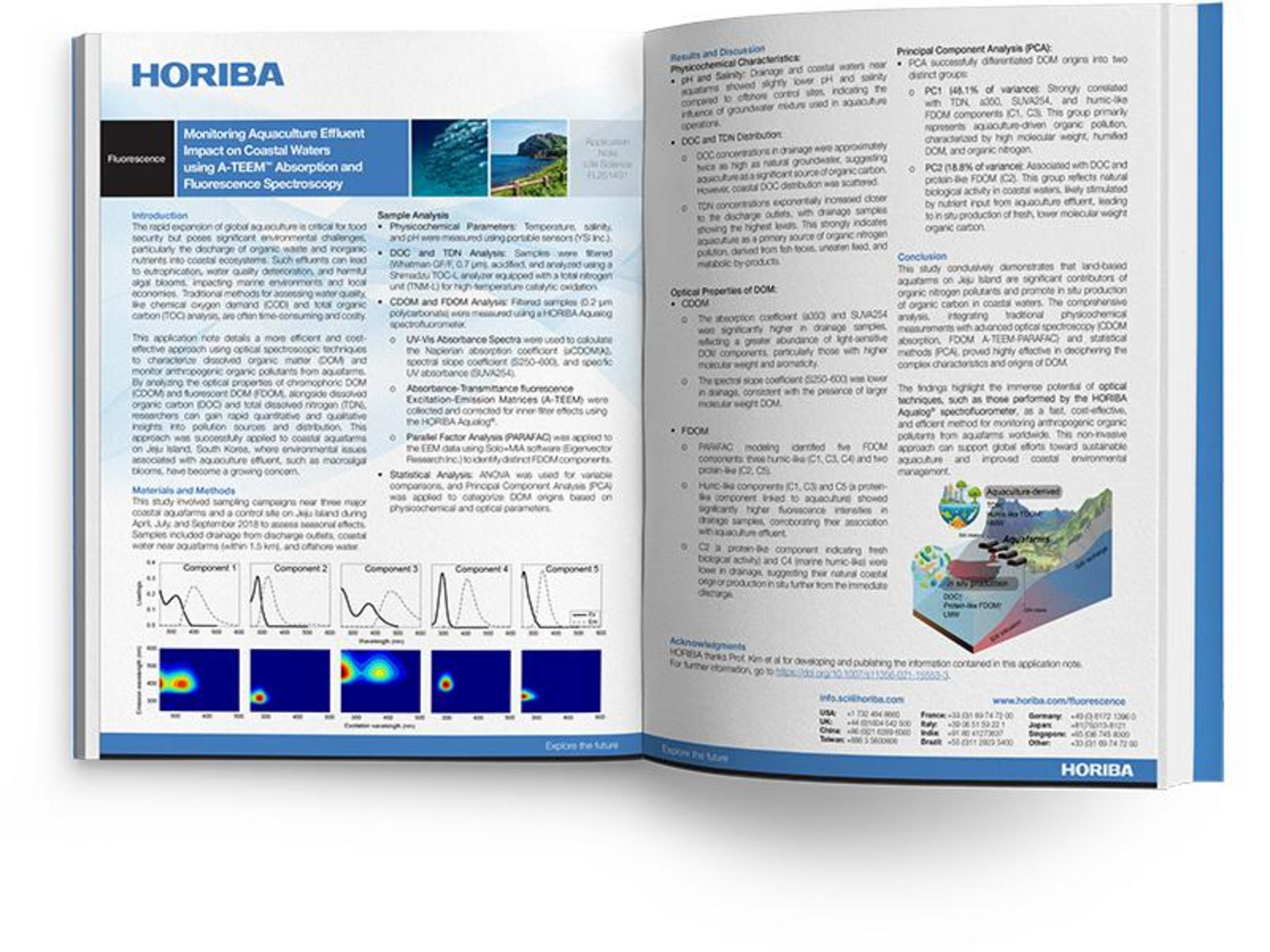
Environment
Monitoring Aquaculture Effluent Impact on Coastal Waters using A-TEEM™ Absorption and Fluorescence Spectroscopy
Traditional methods for assessing water quality, like chemical oxygen demand (COD) and total organic carbon (TOC) analysis, are often time-consuming and costly. This application note details a more efficient and cost-effective approach using optical spectroscopic techniques to characterize dissolved organic matter (DOM) and monitor anthropogenic organic pollutants from aquafarms.
Explore application
Environment
Particle Sizing of Sediments
Particle characterization is an important tool for studying current environmental effects related to pollution transport, erosion, and sediment transport.
Explore application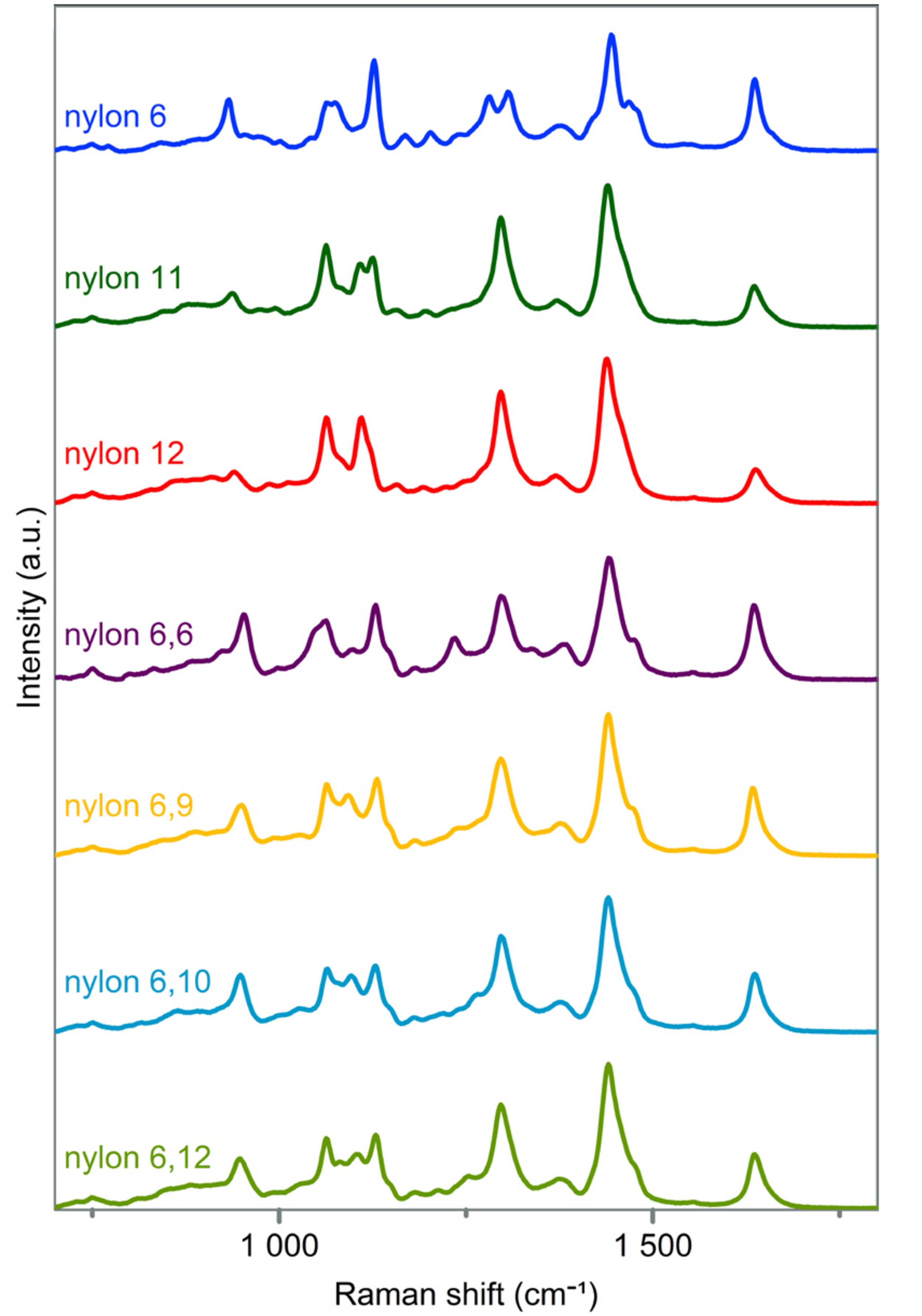
Environment
Rapid Polymer Identification of Fishing Gear Using Raman Spectroscopy
Plastic pollution from fishing gear is a global problem that harms the environment. Recycling of damaged or abandoned fishing gear is one way of mitigating the issue, however the exact nature of the polymer must be known in order to identify the correct recycling stream. In this paper, the MacroRAM benchtop Raman spectrometer with remote BallProbe® is used to quickly identify plastics used in various gillnet samples. Raman spectroscopy is demonstrated to be an excellent technique for identifying not only different types of polymers, but also different variants within a polymer class and additives including pigments.
Explore application
Environment
Morphological and chemical characterizations of microplastic particles using ParticleFinderTM and Raman techniques
The assessment of microplastics in a marine environment is a multi-step process (sampling, extraction, detection and quantification of microplastics), in which each step is time consuming. Analyzing the chemical composition and morphology of microplastics represents a real challenge for answering crucial questions about the sources and fate of microplastics in aquatic environments. In this application note, we present a reproducible and time-effective method for fast and thorough morphological and chemical characterization of microplastics using a semi-automated scanning of particles coupled to micro-Raman spectroscopy. The rapid analysis of large number of collected particles allows for an exhaustive assessment of both large sample sizes and small subsamples.
Explore application
Environment
Zeta Potential of Clay for Wastewater Treatment
In this note, the effect of coagulant choice and concentration on the treatment of suspended clays is analyzed.
Explore application
Environment
Wastewater Treatment Optimization with Zeta Potential
Suspended solids are a common impurity in wastewater from industrial and mining operations. In order for water clarity, the suspended solids are often allowed to settle. The duration of these processes is a strong function of the particle size. Thus, if particles can be made to aggregate, the settling process is shorter and the treatment operation is faster and less expensive.
Explore application
Environment
Repeatability of Traces and Major Elements in Water
Explore application
Environment
Very Rapid Analysis of Supply Water, Sludge From Purification Station and Animal Food
ICP-OES is multielement technique that allows for the fast analysis of more than 75 elements on the Periodic Table in a variety of matrices. This application note examines the analysis of six water and animal food samples.
Explore application
Environment
Waste Water and Soil Analysis
Explore application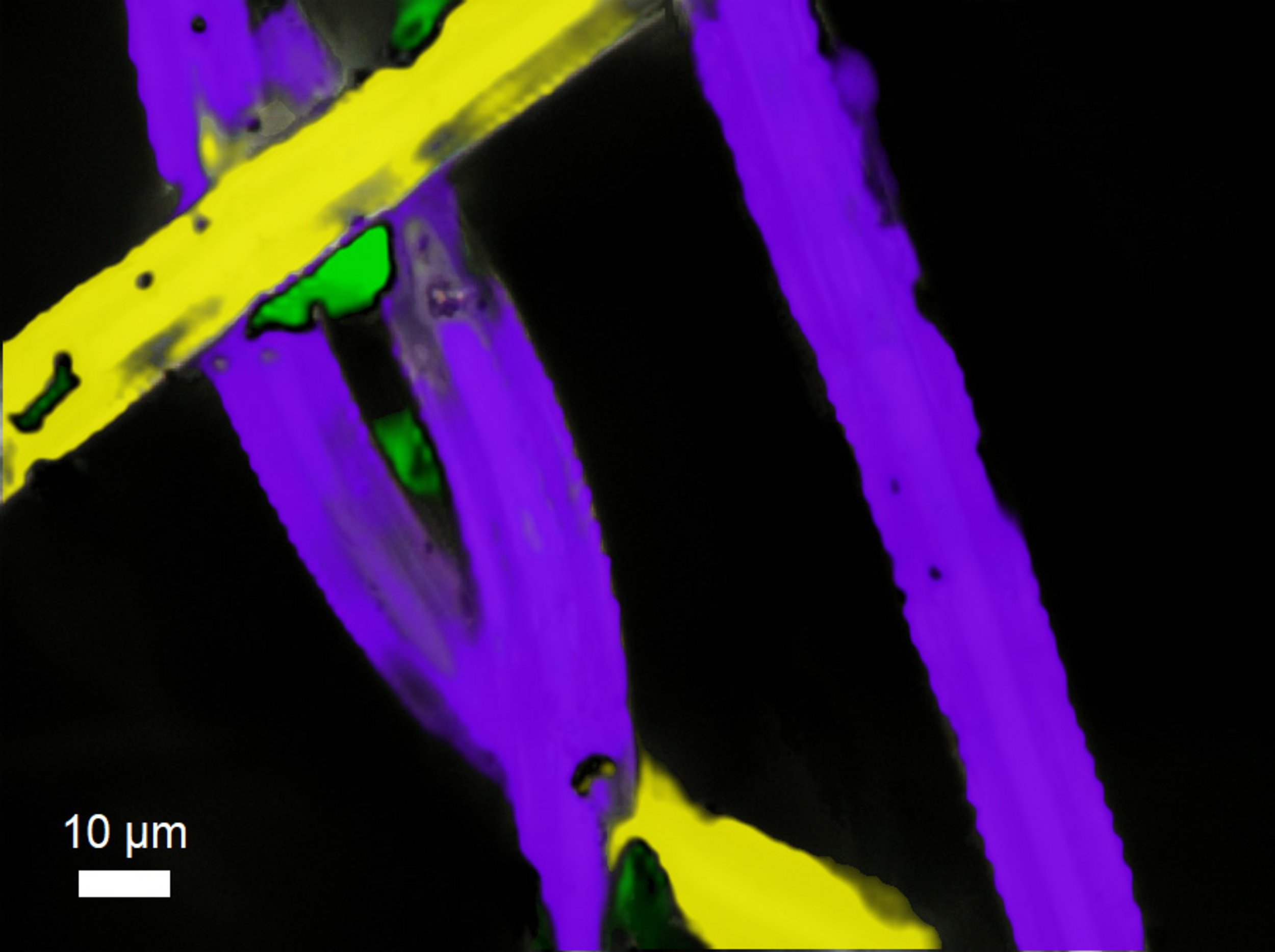
Environment
Characterization of protective mask fibers by Raman microscopy
Due to Covid-19, a wide choice of protective masks are now on the market. These types of masks are distinguished, in particular, by their different efficiencies linked to their filtration capacity. These differences in protective properties have therefore made it essential to characterize the composition of the masks. In this paper, we present why LabRAM Soleil™ confocal Raman multimode microscope is the perfect tool for studying the distribution and composition of mask fibers.
Explore application