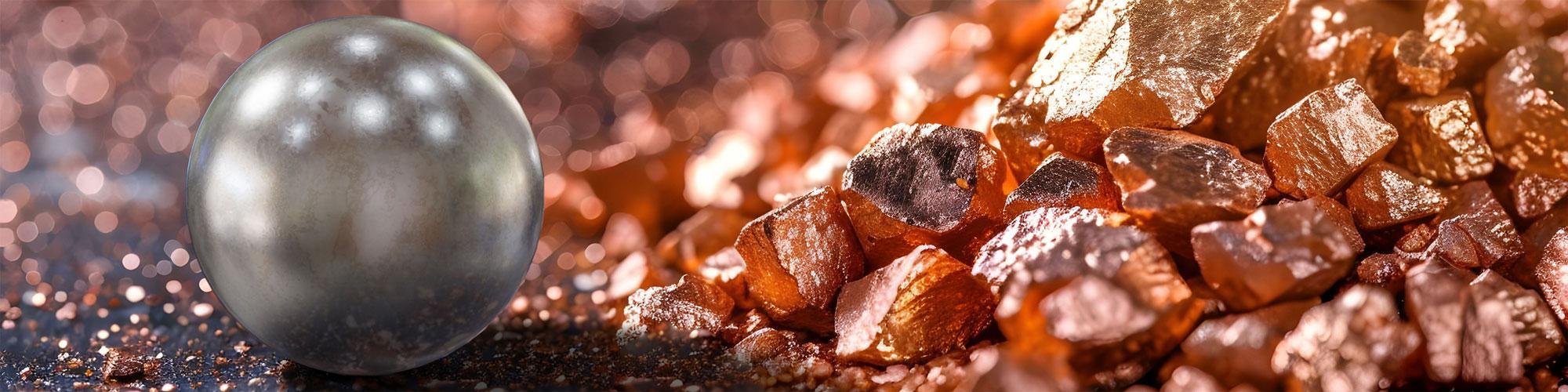
Metals

Non-ferrous Metal Analysis

Non-ferrous materials are vital in various industries such as aerospace, transportation, medical, construction, and automotive due to their unique properties and applications. Unlike steel, which is an alloy of iron and carbon, non-ferrous metals encompass a wide range of pure metals and their alloys. For example:

  • Aluminum: Lightweight and corrosion-resistant, used in aerospace, transportation, and packaging.
  • Copper: Excellent conductivity and antimicrobial properties, vital in electronics, construction, and medical fields.
  • Titanium: High strength-to-weight ratio and biocompatibility, essential in aerospace, medical implants, and marine applications.
  • Magnesium: Extremely lightweight, ideal for aerospace, automotive, and electronics.
  • Nickel: Corrosion-resistant and high-melting point, used in aerospace, batteries, and stainless-steel production.
  • Zinc: Good for galvanizing, key in construction and automotive industries.
  • Lead: High density and radiation shielding properties, used in batteries and medical radiation shielding.
  • Gold, Silver, Platinum: Highly conductive and biocompatible precious metals, used in electronics, medical devices, and aerospace.
Given the diverse compositions and constant advancements, ongoing analysis and improvement of non-ferrous materials are crucial:

  • Elemental Analysis: This process determines the precise chemical composition of non-ferrous materials, ensuring the correct elements and compounds are present to achieve the desired properties and performance.
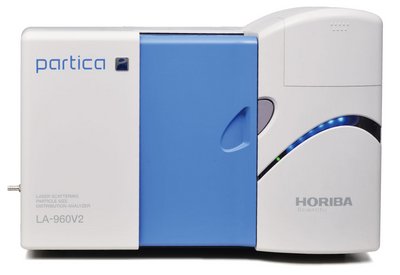
  • Particle Analysis: Examining the microstructural features of these materials helps detect any inclusions, voids, or defects that could affect their mechanical properties, performance, and resistance to wear and corrosion.
  • Structural Analysis: Assessing properties such as tensile strength, hardness, and elasticity is crucial to ensure that the materials meet the stringent requirements of their intended applications.
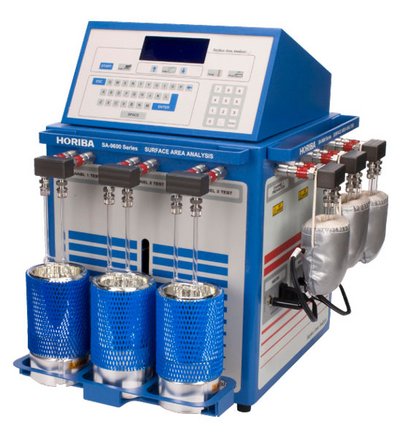
  • Surface Analysis: Evaluating the surface characteristics of non-ferrous materials, including their ability to resist wear, corrosion, and environmental degradation, is essential for their use in demanding conditions.

Resources

Non-ferrous metals application notes

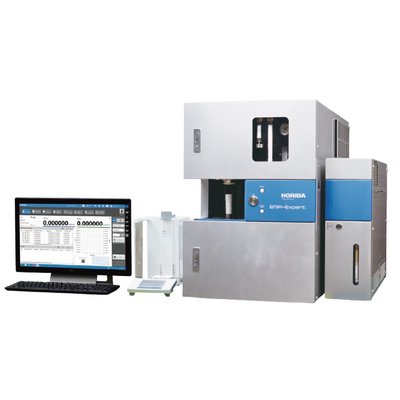
Quantitative elemental analysis in nonferrous metals aluminum, copper, and titanium

Nonferrous metals such as aluminum, copper, and titanium are functional, lightweight materials with excellent thermal conductivity and heat resistance, and are used in a variety of applications. Oxygen, hydrogen, and sulfur are intentionally added to these materials to improve their functions. In addition, the concentration of oxygen, hydrogen and carbon as foreign substances is controlled to improve quality.

Learn more

Trace oxygen analysis in copper

To quickly and accurately quantify the oxygen contained as trace impurities in copper.

Learn more

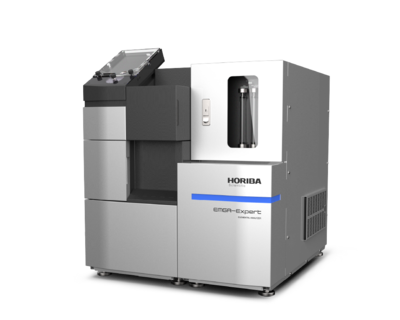
Quantitative Analysis of Low-concentration Hydrogen Content in Titanium Alloy

Can we perform quantitative analysis of hydrogen in a titanium alloy to prevent hydrogen embrittlement?

Learn more

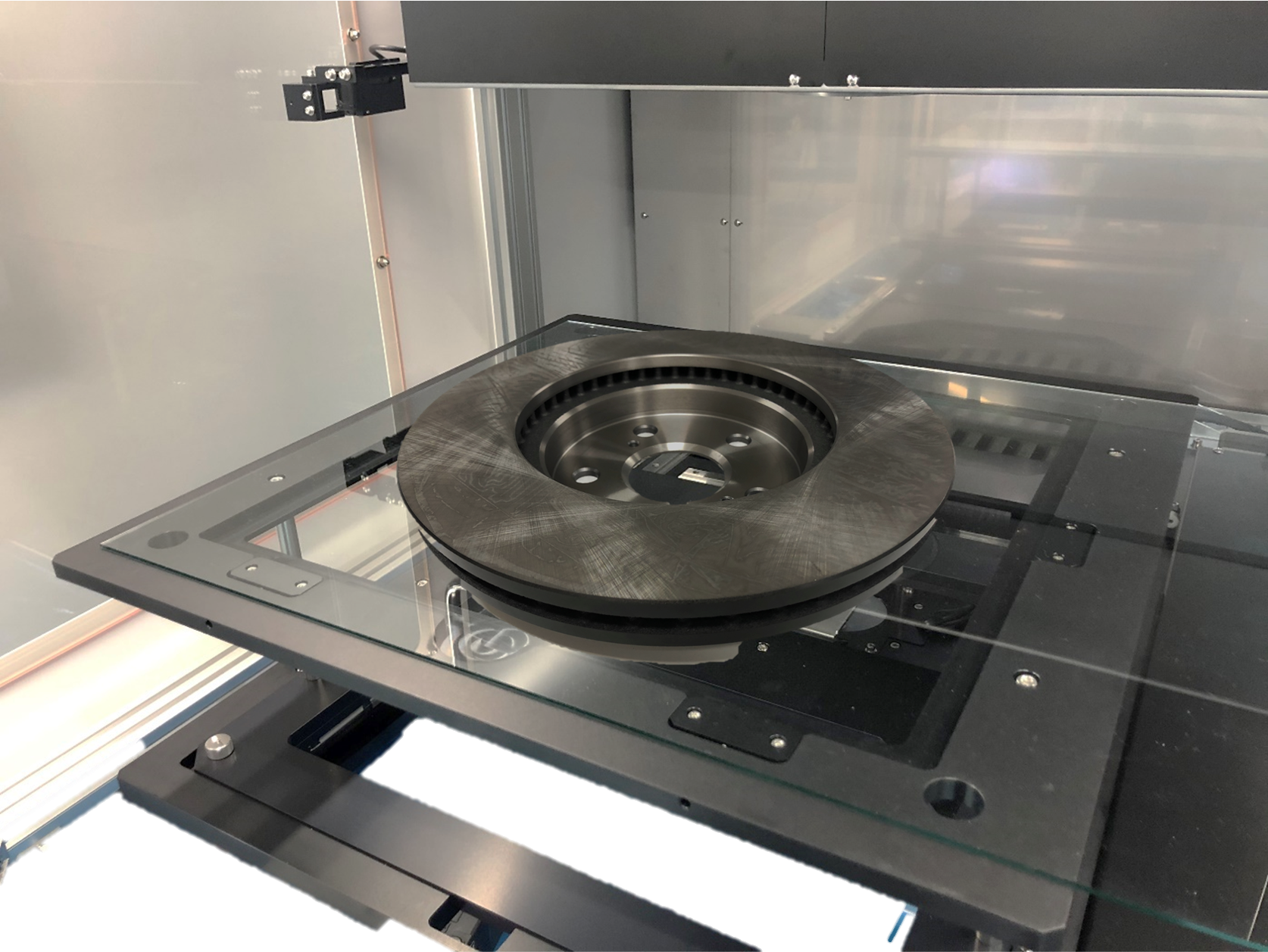
Surface analysis on a brake rotor of automotive tire

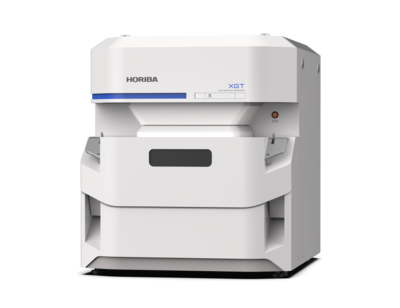
The XGT-9000SL’s large chamber capacity allows you to put whole a brake rotor and carry out spectrum analysis and elemental distribution imaging on the rotor surface, non-destructively.

Learn more

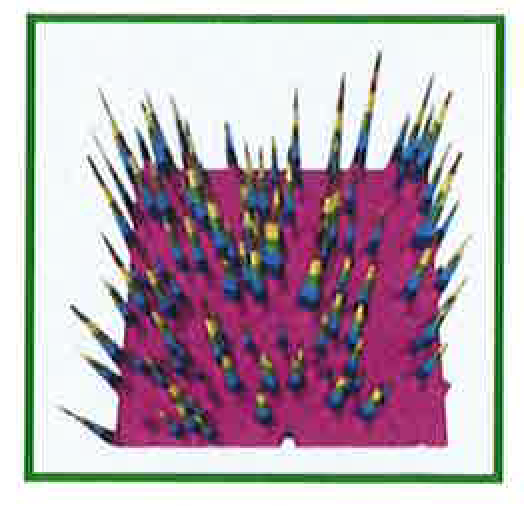
Observing Oxidating Kinetics on an aluminium alloy surface with Fluorescence mapping

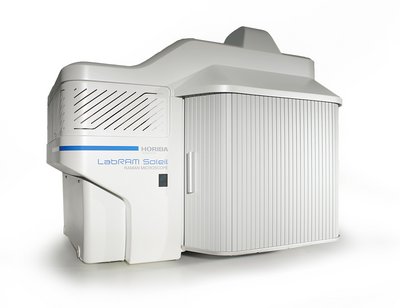
Metal oxides, in contrast to most metals, are wekk known to be easily distinguished by their characteristic Raman spectra; their presence can be detected on a scale of micrometers with a Raman microprobe.

Learn more

HORIBA Solutions

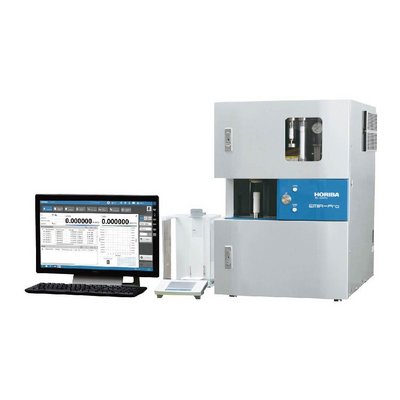
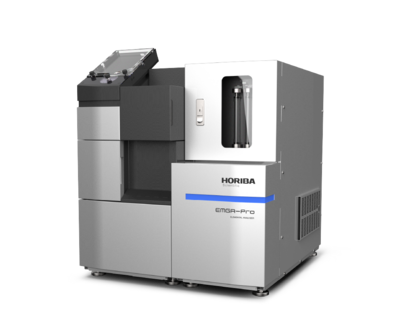
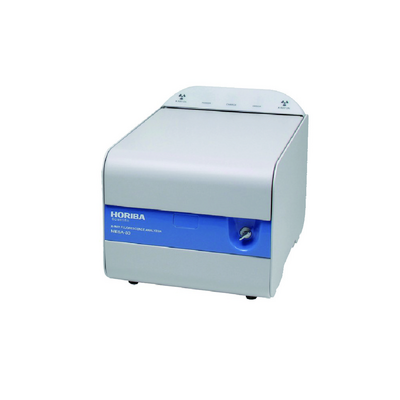
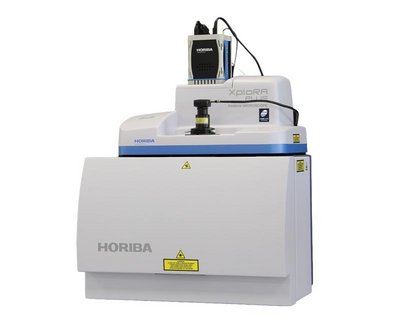
HORIBA provides advanced analytical instruments and solutions that significantly aid in the analysis of non-ferrous metals.

Request for Information

Do you have any questions or requests? Use this form to contact our specialists.

* These fields are mandatory.