Introduction
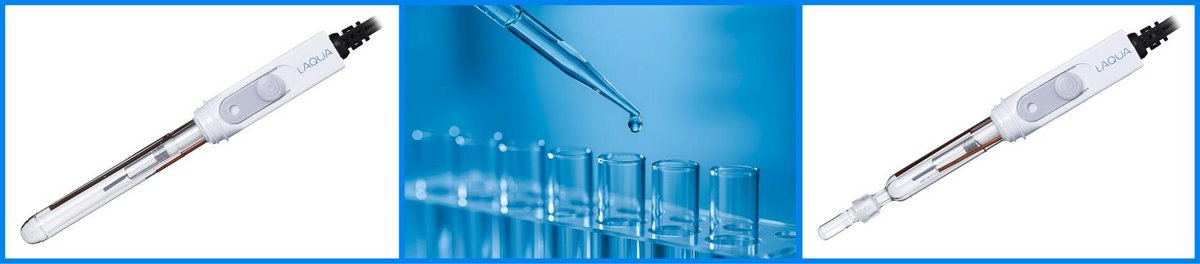
pH measurement of a solution using a glass electrode works by measuring the potential difference generated between a glass electrode and a reference electrode across a liquid junction. A liquid junction1 is a fine aperture that allows internal solution to flow out from the electrode, thus establishing electrical contact between the reference electrode and the sample of interest. HORIBA’s 9615S-10D electrode is an example of a glass electrode with a ceramic liquid junction.
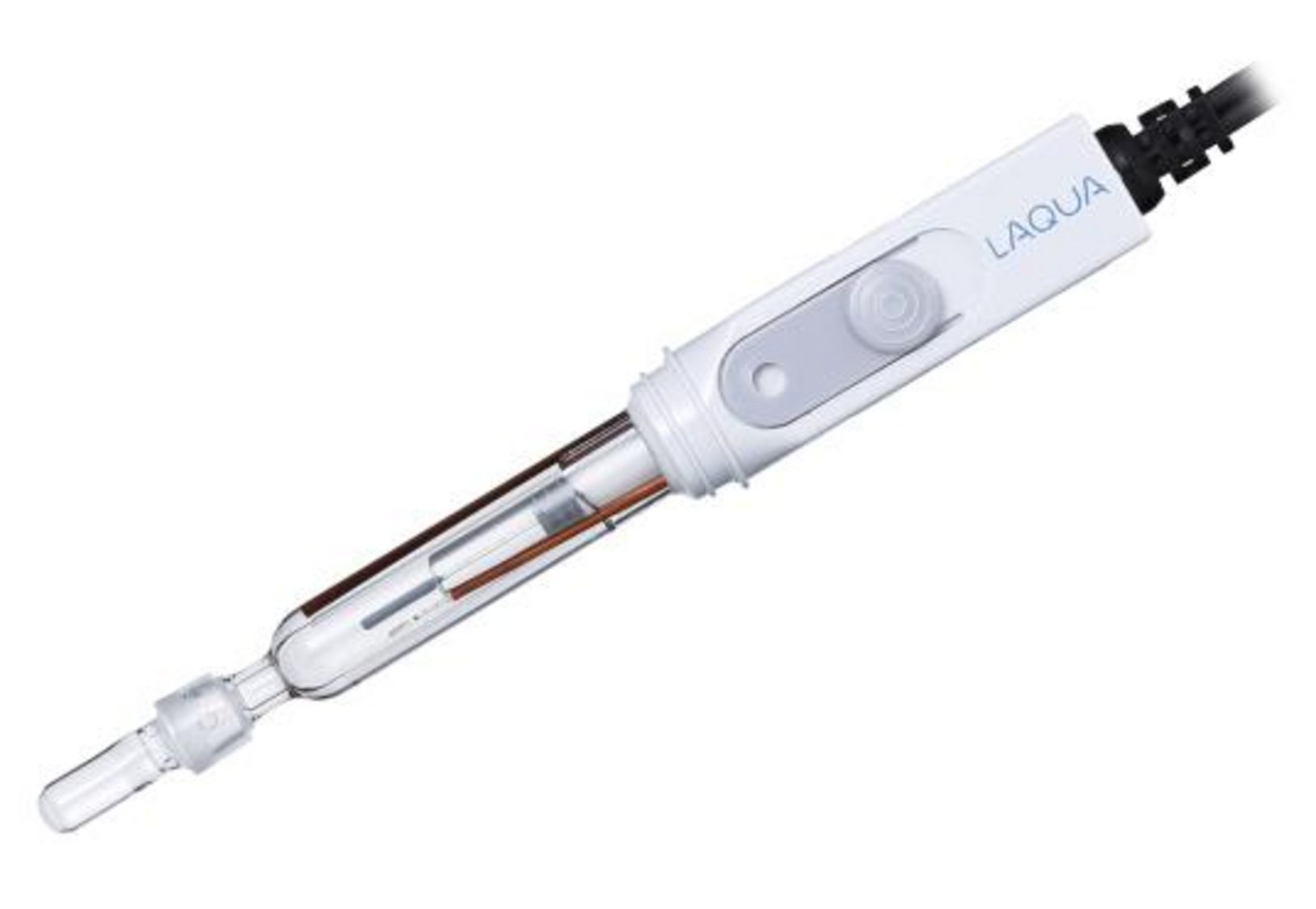
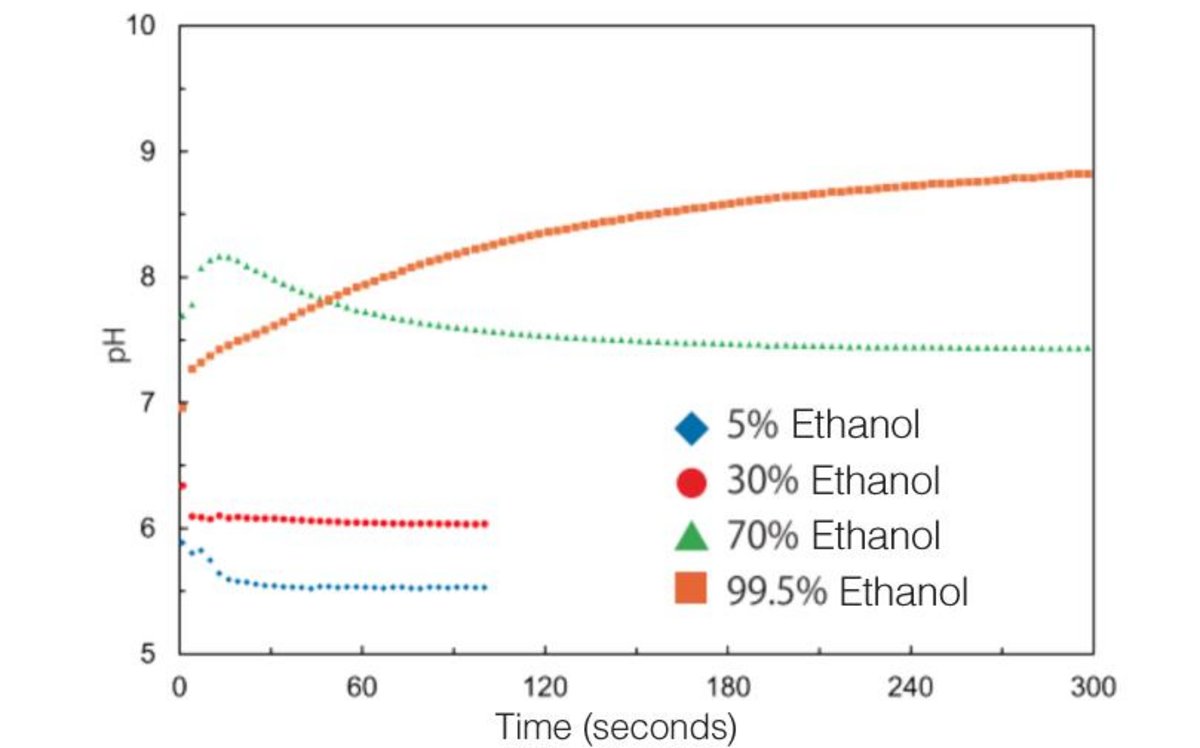
Samples that contain organic solvents tend to generate a junction potential, which occurs at the junction of the reference electrode and happens due to differences in electrolyte properties. It often takes time for the value to stabilize.
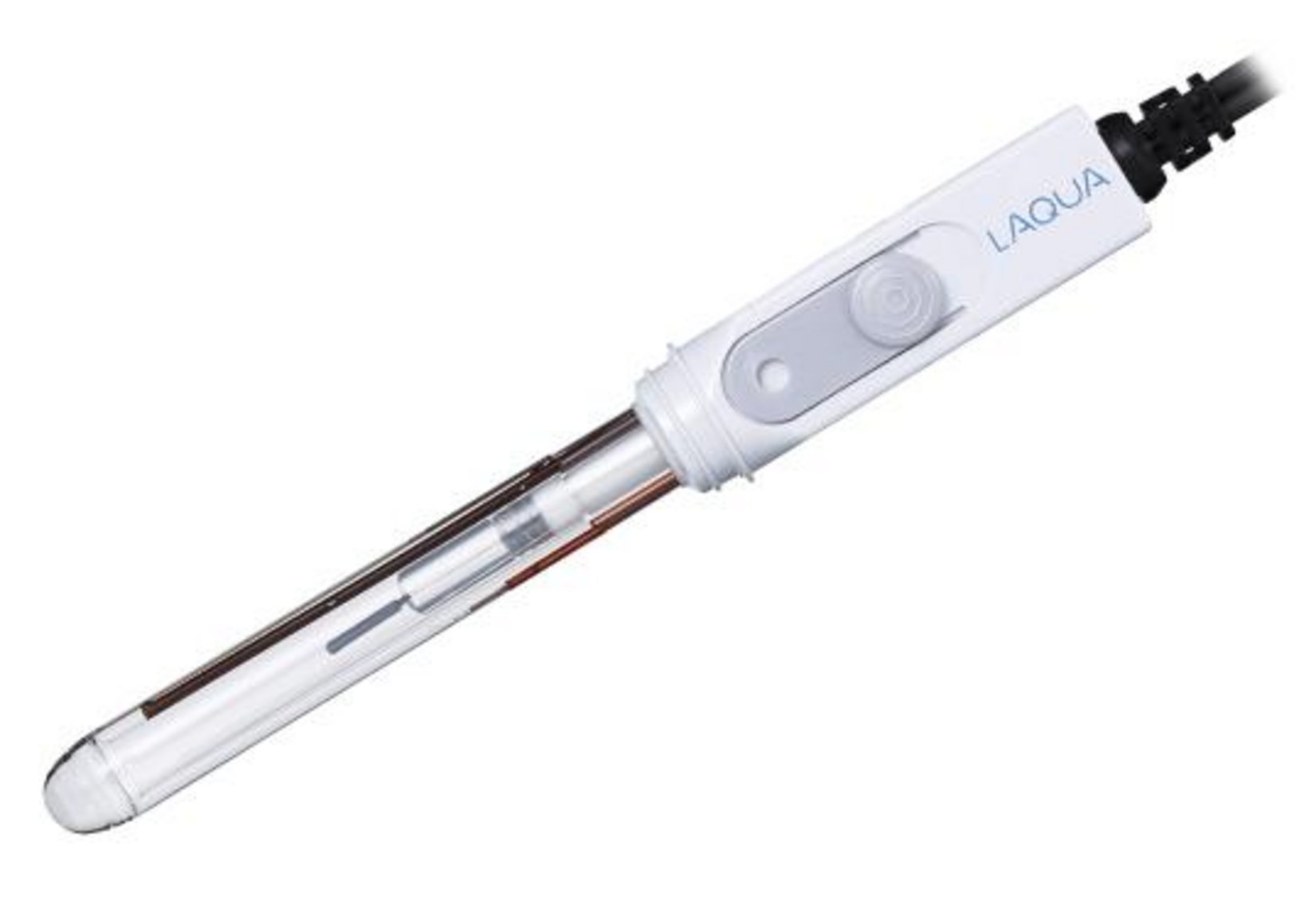
For pH measurements in organic media, selecting an electrode with a sleeve junction is recommended to suppress the development of erratic junction potentials. The high flow rate of reference internal solution in sleeve junctions ensures a stable electrical interface, resulting in a more responsive measurement. An example of this is HORIBA’s 9681S-10D electrode.
As a comparison, in a ceramic-type reference electrode, the level of internal solution decreases at a rate of 0.1 – 1.0 mm/hr^, whereas for a sleeve-type reference electrode, the level of internal solution decreases at a rate of 0.5 – 8.0 mm/hr^, and the rate of decrease varies depending on how the sleeve is closed.
^ values were determined experimentally in HORIBA’s laboratory.
This application note is adapted from the original technical note, ‘Responsiveness and stability when measuring organic solvents,’ published by HORIBA Japan.