Wood contains not only organic constituents, but also inorganic elements, both of which are important indicators of tree characteristics and physiological processes. Handheld XRF and ICP-OES are widely used for elemental analysis of wood, offering rapid on-site measurements and high sensitivity for trace-element detection, respectively. However, these techniques provide only average compositional information from sampled regions and do not reveal spatial variations within the wood structure.
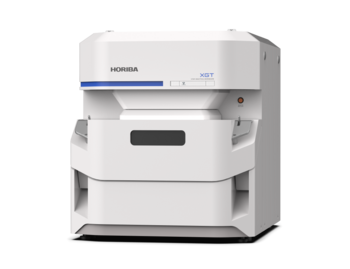
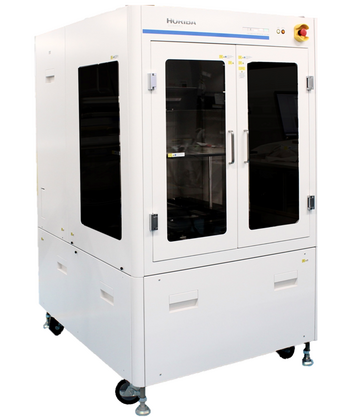
Since certain inorganic elements in wood are known to exhibit heterogeneous distributions, understanding their spatial distribution is as important as determining their bulk composition. HORIBA’s XGT-9000 micro-XRF analyzer is a non-destructive elemental imaging system based on XRF principles. Unlike SEM-EDX, which uses an electron beam, micro-XRF utilizes X-rays, allowing direct analysis of non-conductive wood samples without conductive coating. In addition, micro-XRF is well suited for comprehensive elemental mapping over larger areas than SEM-EDX.