
Energy is the fuel of our society. It powers our houses, cars, and electronics. HORIBA analytical instruments cover a wide range of energy applications, including sulfur-in-oil monitoring, fuel cells analysis, photovoltaics and Lithium ion battery characterization and many others. HORIBA analytical instruments provide unprecedented levels of reliability, reproducibility and sensitivity, combined with advanced data sciences, to contribute in the development of renewable source of energy, and making energy production and consumption more efficient.

Applications
Energy
Browse Applications
Energy
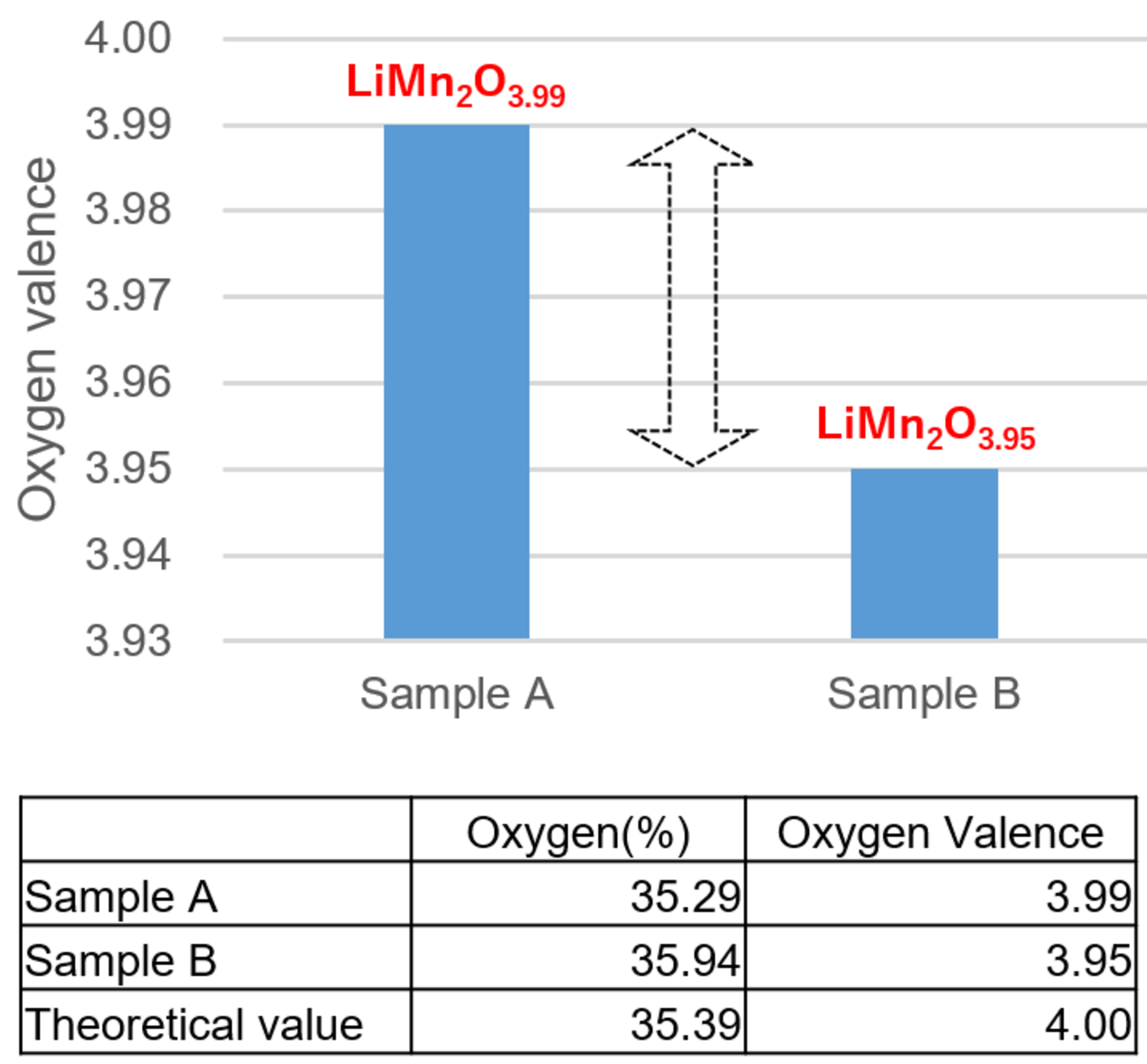
Quantitative Measurement in Lithium Manganate
With the increasing demand for lithium-ion batteries, various compounds have been investigated as cathode materials. Typical examples include lithium cobaltite and lithium manganate, and the amount of oxygen deficiency is important as one of the items to evaluate the material properties. This is because deficient oxygen has an important influence on battery performance.
Explore application
Energy
In-Line XRF Monitoring
With in-line X-ray fluorescence measurement, you can accurately determine material thickness or element loading in real-time during production, eliminating the need to remove products for time-consuming laboratory analysis.
Explore application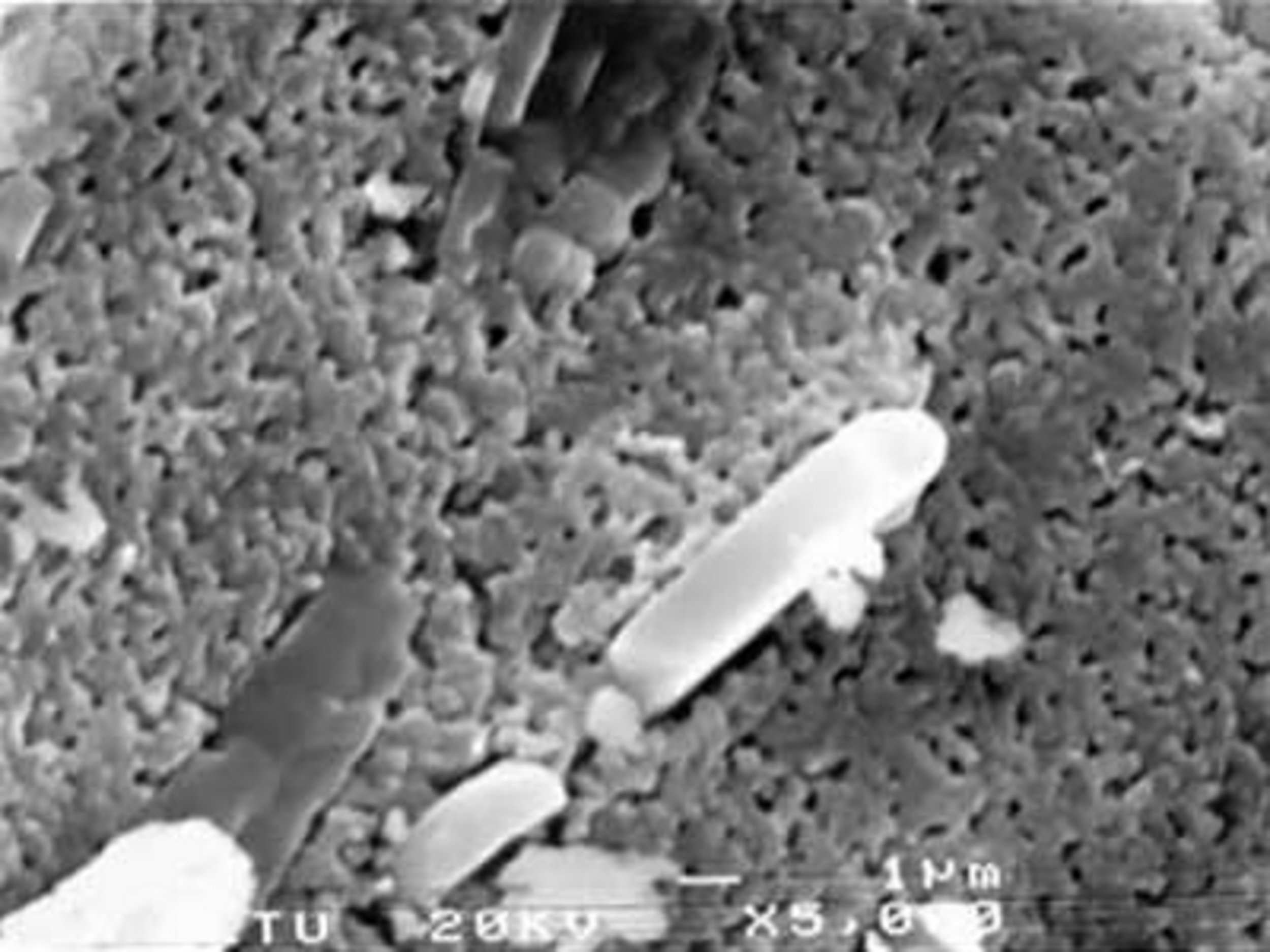
Energy
Particle Analysis for Power Plant Emission Control
The importance of particle size for power plants is found in their ability to meet environmental regulations while controlling capital expenditures and operating costs. This application page will show how investing in particle size analysis helps control operating costs and improve margins for power plants.
Explore application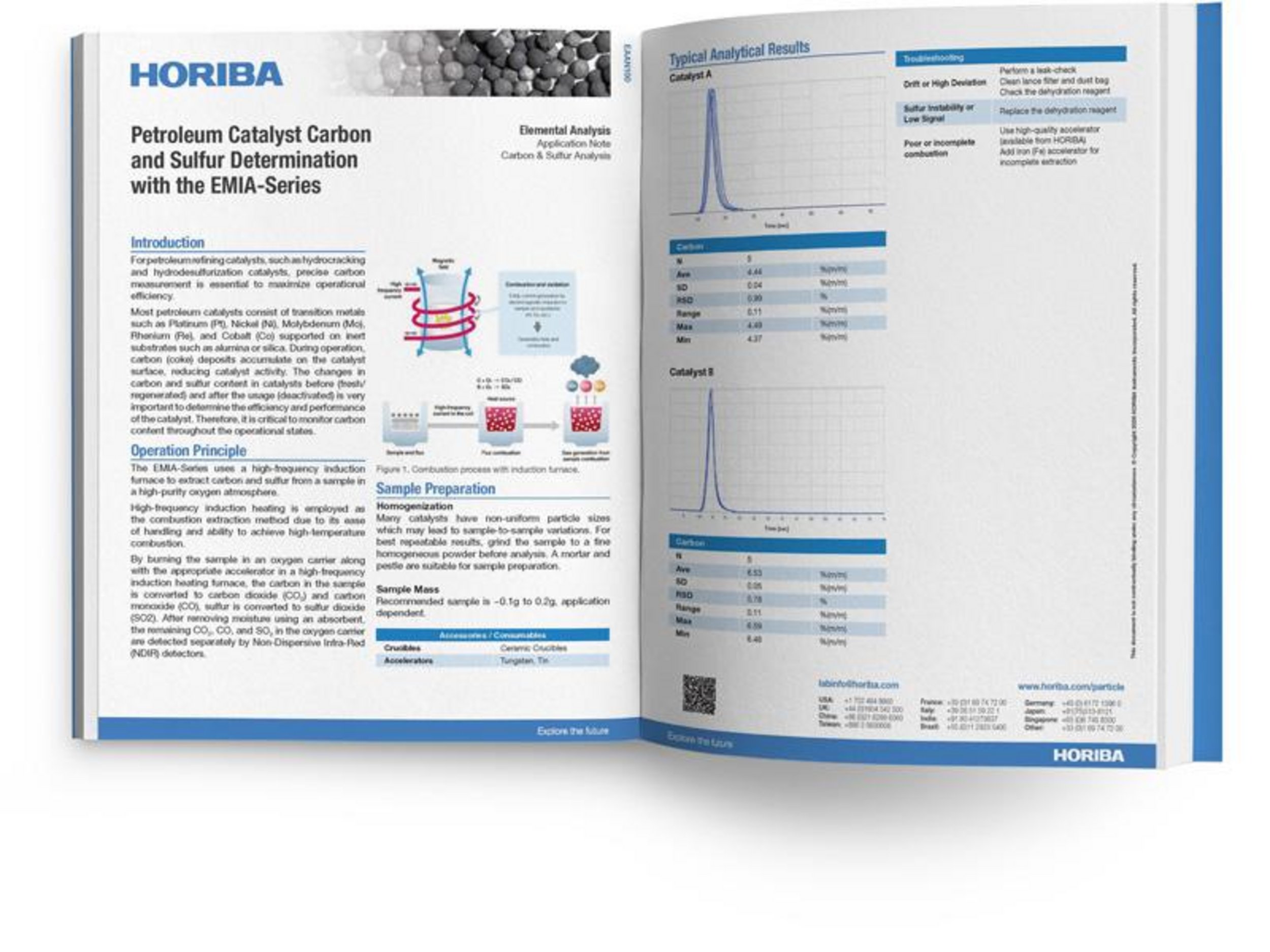
Energy
Petroleum Catalyst Carbon and Sulfur Determination with the EMIA-Series
The EMIA-Series uses a high-frequency induction furnace to extract carbon and sulfur from a sample in a high-purity oxygen atmosphere. High-frequency induction heating is employed as the combustion extraction method due to its ease of handling and ability to achieve high-temperature combustion.
Explore application
Energy
LabRAM Soleil Nano for the chemical analysis of thin film solar cell interfaces
Raman spectroscopy coupled with atomic force microscopy (AFM) allows a precise nano-scale characterization of the layers composing thin film solar cells, as well as the cross-contamination occurring at their interfaces.
Explore application
Energy
Analysis of carbon and sulfur in catalysts in oil refining
Refineries are equipped with desulfurization units to remove sulfur from oil. The changes in Carbon and sulfur content in catalysts before and after the usage is very important to determine the efficiency and performance of developed catalyst. Therefore, a reliable quantitative analysis of carbon and sulfur is important.
Explore application
Energy
Analysis of Lubricating Oils using ICP-OES.pdf
Explore application
Energy
Direct Elemental Analysis of Battery Materials Using ICP-OES with ElectroThermal Vaporization (ETV)
Analyze battery materials such as graphite and carbon black directly without acid digestion using ICP-OES coupled with ElectroThermal Vaporization (ETV). Using simultaneous ICP-OES acquisition of transient signals, this analysis minimizes sample preparation while delivering accurate trace element analysis for quality control and regulatory compliance.
Explore application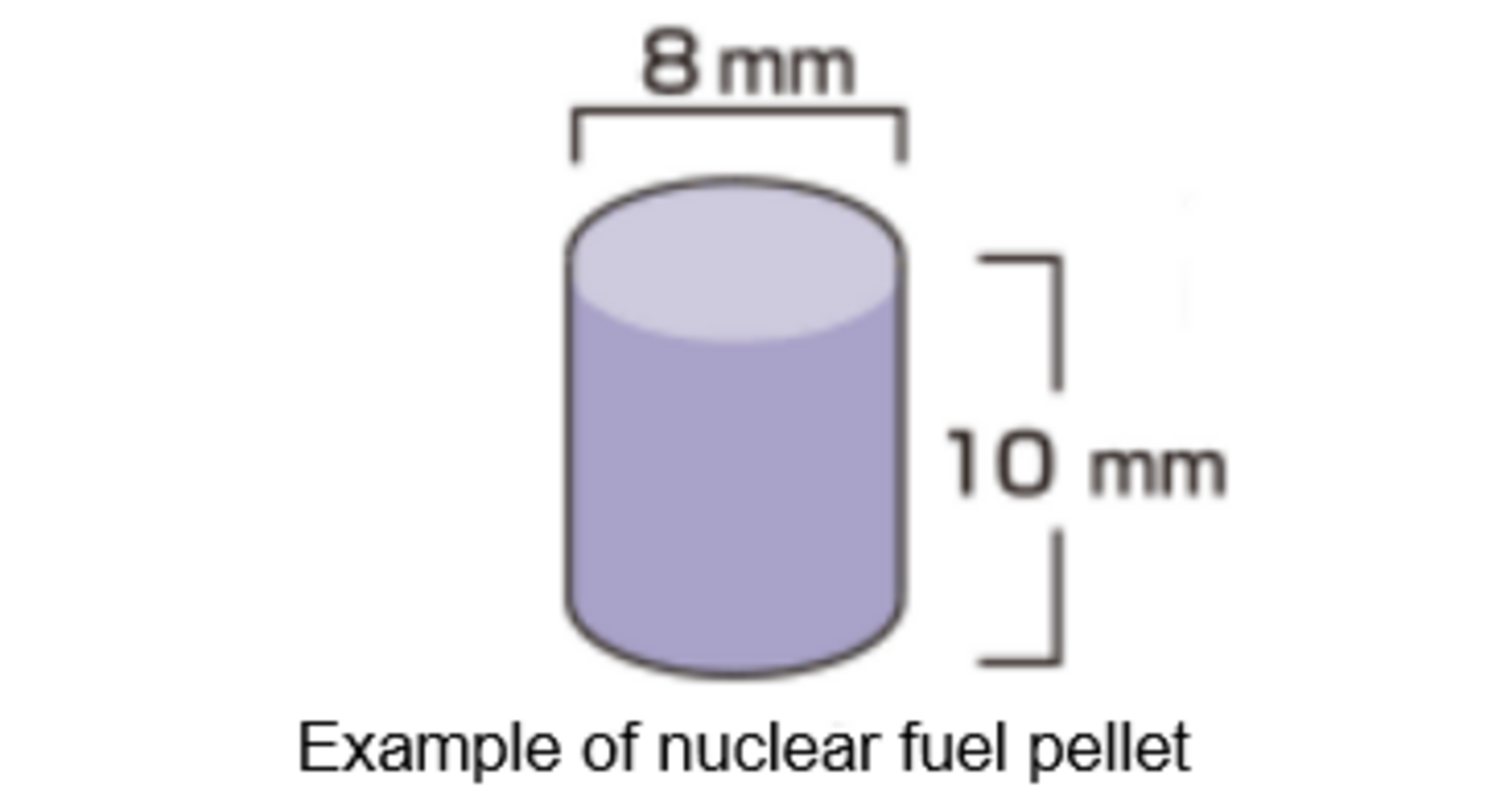
Energy
Oxygen, Nitrogen, and Carbon Analysis in Nuclear Fuels
From the perspective of ensuring energy security and reducing CO2 emissions, the use of nuclear energy is attracting worldwide attention. A joint declaration was also released by 25 countries setting forth a cooperation policy toward the ambitious goal of tripling the world's nuclear power generation capacity by 2050 compared to 2020 levels. The safety of nuclear fuel as well as the improvement of fuel performance is extremely important, and the content of oxygen, nitrogen, and carbon must be strictly controlled in nuclear material performance.
Explore application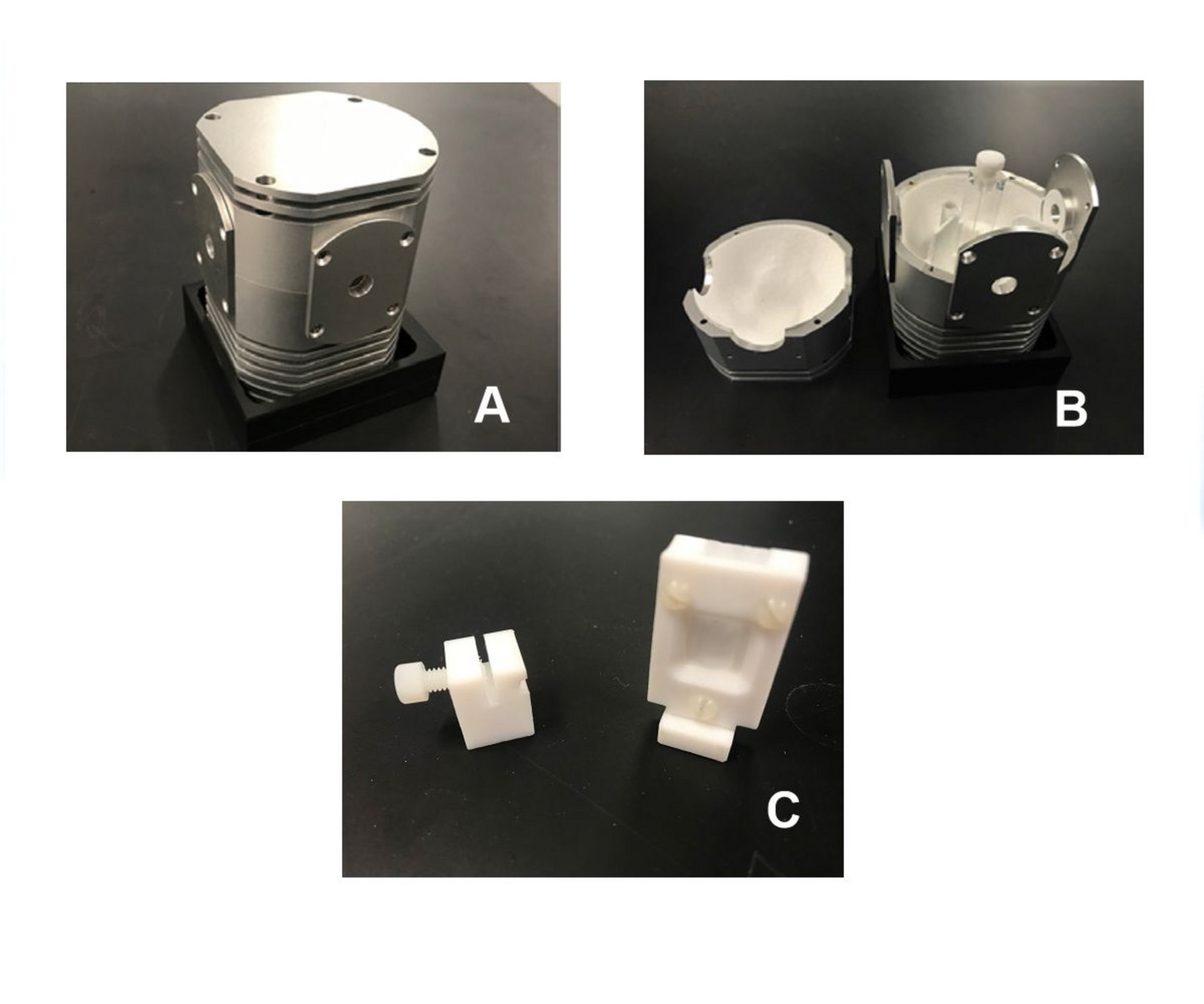
Energy
PLQY in NIR with Fluorolog-QM and K-Sphere
The Fluorolog-QM fluorescence spectrometer with an integrating sphere option is an excellent choice for PLQY measurements in NIR. The K-Sphere is very convenient and easy to use, as it couples directly to the sample compartment optics and allows a use of external light sources, such as DPSS lasers, which can be attached to the front of the sample compartment. The sphere has holders for cuvettes, slides and powders that can be easily interchanged. The results demonstrate very good reproducibility and precision for NIR PLQY measurements spanning almost two orders of magnitude. Based on multiple measurements, the demonstrated PLQY standard deviations range from 1.3% for high QY value (77%) to 6.4% for the QY below 1%.
Explore application
Energy
Micro-XRF analysis for lead contamination in toys
A plastic toy is analysed for the presence of lead within its many components. Spot analysis shows concentrations of this harmful element can reach as high as 0.3%. XRF imaging allows its distribution across the toy to be quickly characterised.
Explore application
Energy
Operando Electrochemical-TERS Study to Unveil Structure-Activity Relationships in Li-Ion Batteries
Observing the nanoRaman signature of a sample while it undergoes electrochemically induced modifications can reveal the local appearance of transient species and give the possibility of studying their formation kinetics.
Explore application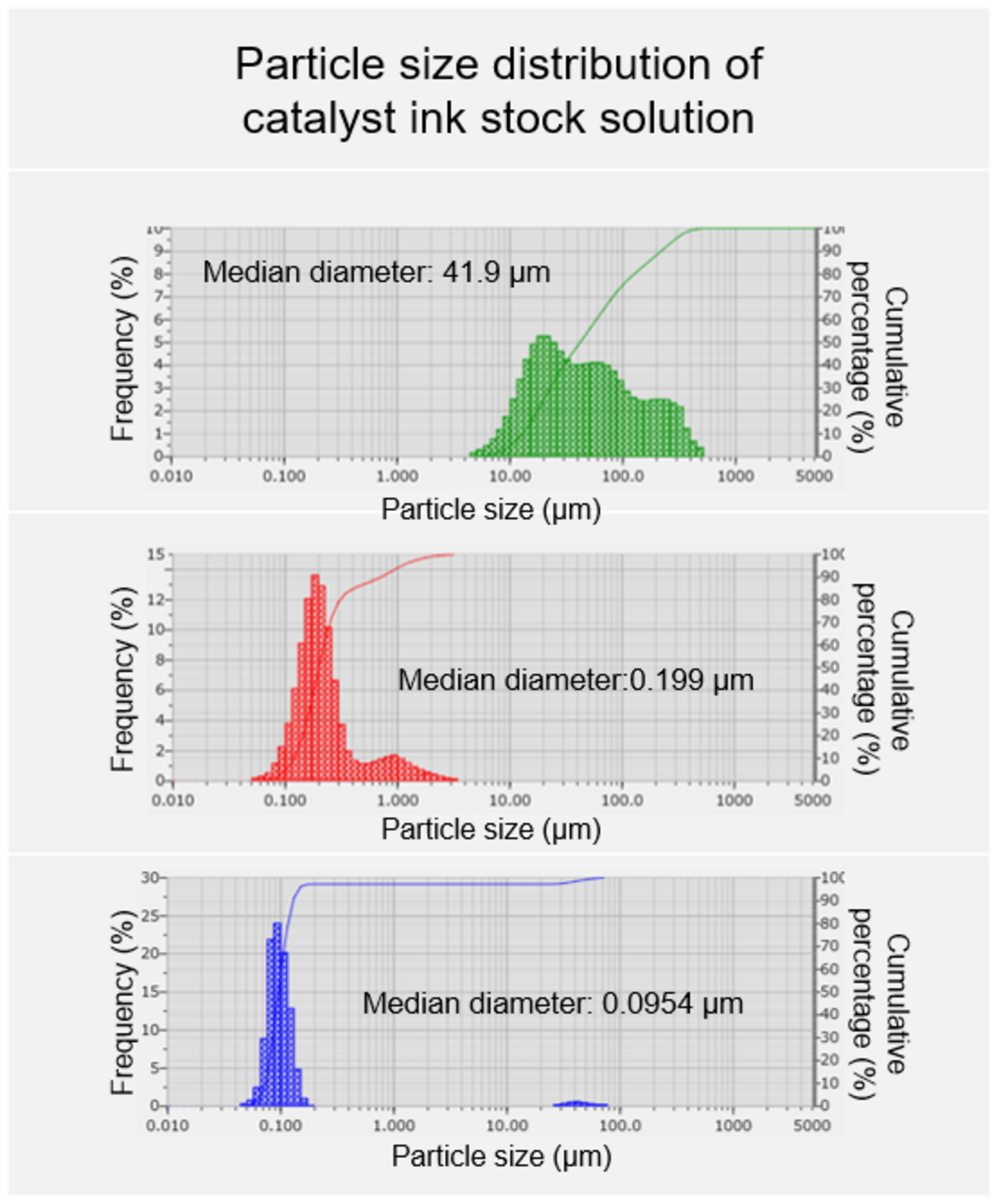
Energy
Particle Sizing of the Catalyst Ink for the Cathode Material of the Fuel Cell
Knowing the particle size distribution of catalyst ink before coating can predict the battery performance, and prevent the fault occurrence of electrodes, and finally enable the shortening of the manufacturing process of the fuel cell.
Explore application
Energy
Photoluminescence Upconversion with the Fluorolog-QM
The new Fluorolog-QM spectrofluorometers, due to their modularity and advanced software and a universal interface, are an ideal choice for studying multiple aspects of upconversion. This technical note illustrates the use of Fluorolog-QM-75-21 for spectral and time-resolved characterization of these materials.
Explore application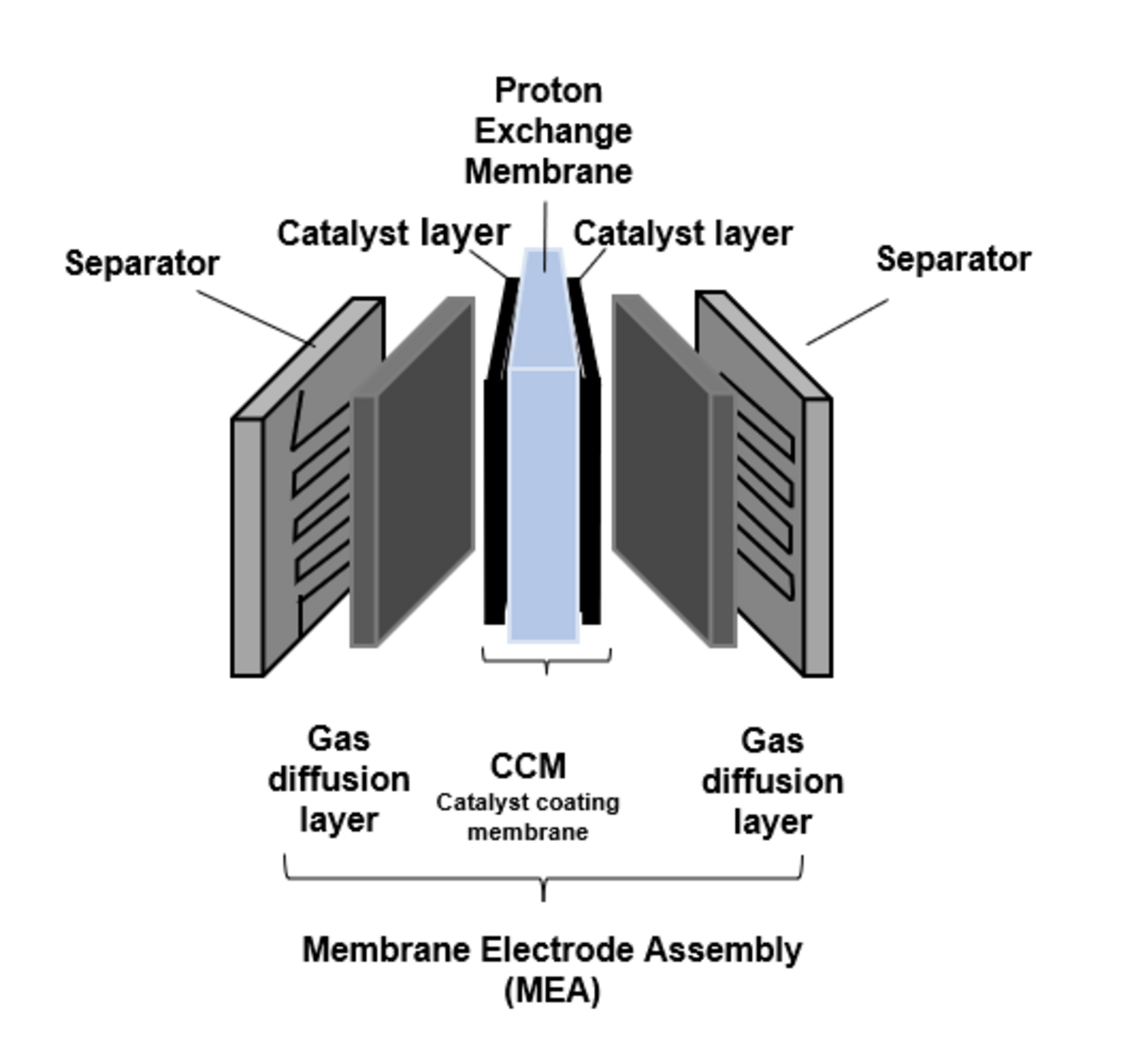
Energy
Evaluation on the dispersibility of the catalyst-ink for MEA of the fuel cell
Laser Scattering Particle Size Distribution Analyzer Partica LA-960V2 can evaluate the dispersion of catalyst ink particles. By evaluating the dispersion of catalyst ink, which is one of the causes of cracks in the catalyst layer of the MEA after durability testing, it becomes possible to contribute to the improvement of power generation efficiency and thick film formation.
Explore application
Energy
Macro Photoluminescence and Electroluminescence
Time-resolved photoluminescence (TRPL) spectroscopy is an important tool which can be used to characterize optical materials such as LEDs and photovoltaic (PV) materials.
Explore application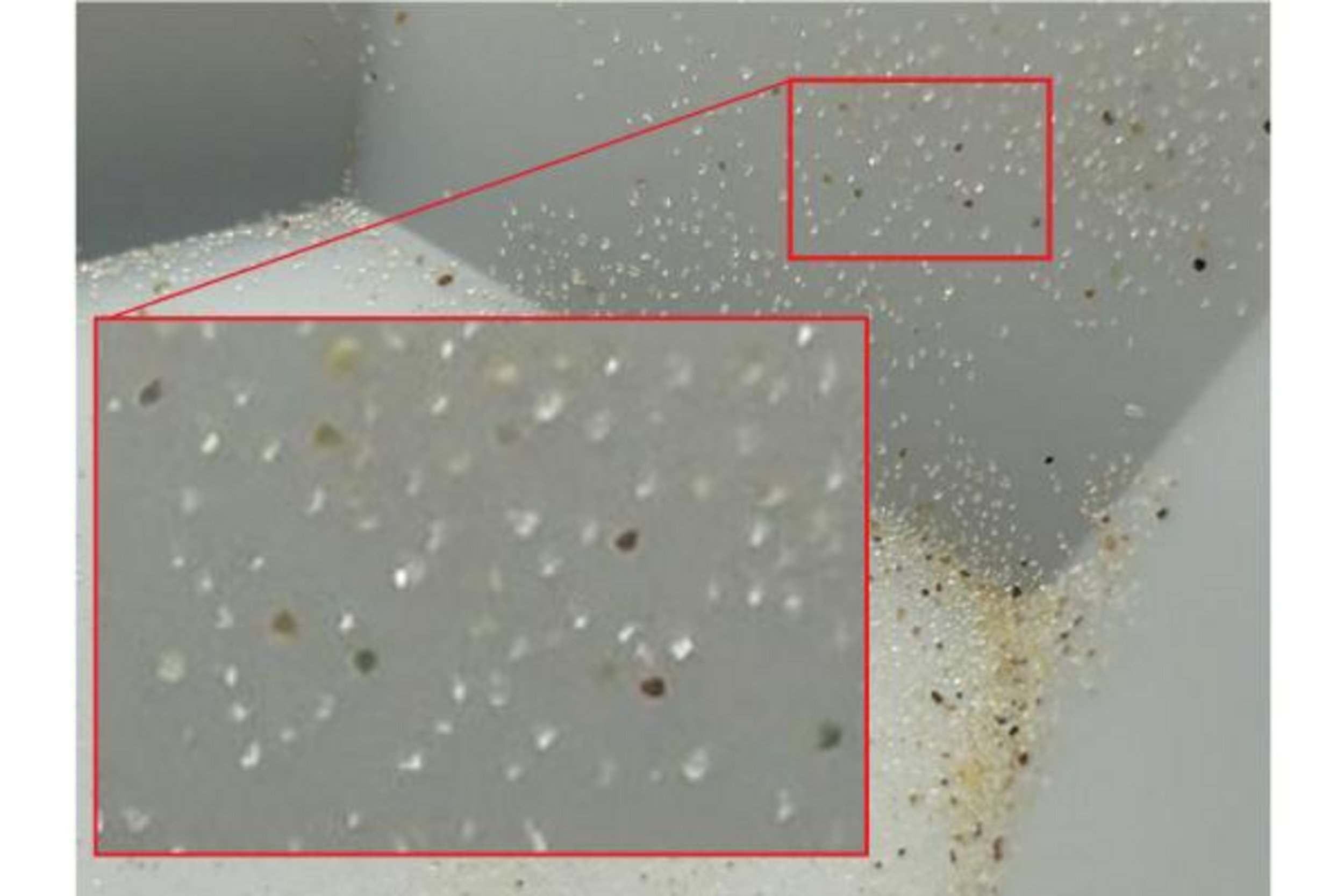
Energy
Measuring Size and Shape of Frac Sand with the Analysette 28
Fracking is a technique where liquids and a proppant is pushed into a drilled cavity. The high pressure fractures the rock, which releases oil and natural gas. Proppants keep the rock open and allow flow of these materials out of the rock for collection and processing. A common proppant is sand, which is carefully taken and processed to ensure purity as well as correct shape and size. The Analysette 28 is a dynamic image analyzer, which takes pictures to measure particle size and shape.
Explore application
Energy
Particle Sizing of Alkaline Battery Materials
Alkaline batteries have unique features compared to zinc-carbon batteries, including high energy density, a wide operating temperature range, high current capability, and a leak-proof design. They are also used for a wide range of purposes. The alkaline battery is generally made with a positive electrode consisting of a mixture of manganese oxide and graphite, a negative electrode of zinc, and an electrolyte solution of potassium hydroxide.
Explore application
Energy
Application of RF GDOES to Solid Oxide Fuel Cells (SOFC)
Explore application
Energy
Wear metals and additive Elements Analysis.
Explore application
Energy
Studying perovskite solar cells with HORIBA Scientific equipment
With their ~20 % efficiency, hybrid perovskite solar cells are the new promising candidate for next generation photovoltaics. Thanks to the wide HORIBA Scientific portfolio, different techniques can be used to gain in depth knowledge on the optoelectronic properties and mechanisms of this class of materials. In this application note we decided to use spectroscopic ellipsometry, steady-state and time-resolved fluorescence and Glow Discharge Optical Emission Spectroscopy to investigate the properties of CH3NH3PbI3 thin films deposited on a spin-coated PEDOT:PSS. The impact of the exposure to air was addressed.
Explore application
Energy
Thin Film Photovoltaics
Explore application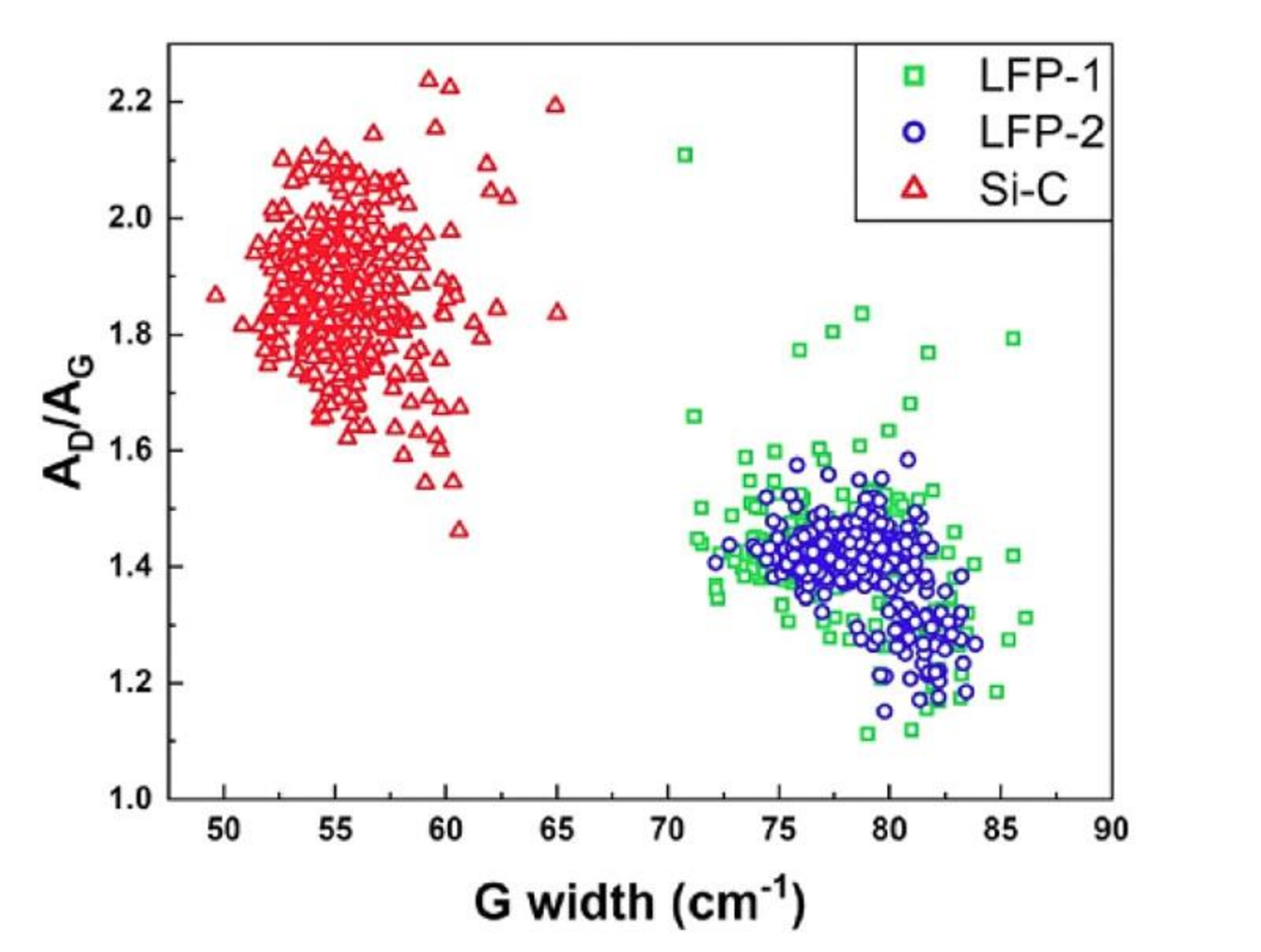
Energy
Characterizing Battery Materials by Particle Size and Shape Analysis and Raman Spectroscopy
As the requirements for electric vehicles and other portable devices become more and more demanding, the need for higher performance batteries and the ability to monitor the battery material’s physical and chemical characteristics will continue to increase. Of the novel battery materials finding more usage in rechargeable lithium-ion batteries are lithium iron phosphates (LFPs), used to comprise the cathode, and carbon-coated silicon (Si@C), used to make the anode.
Explore application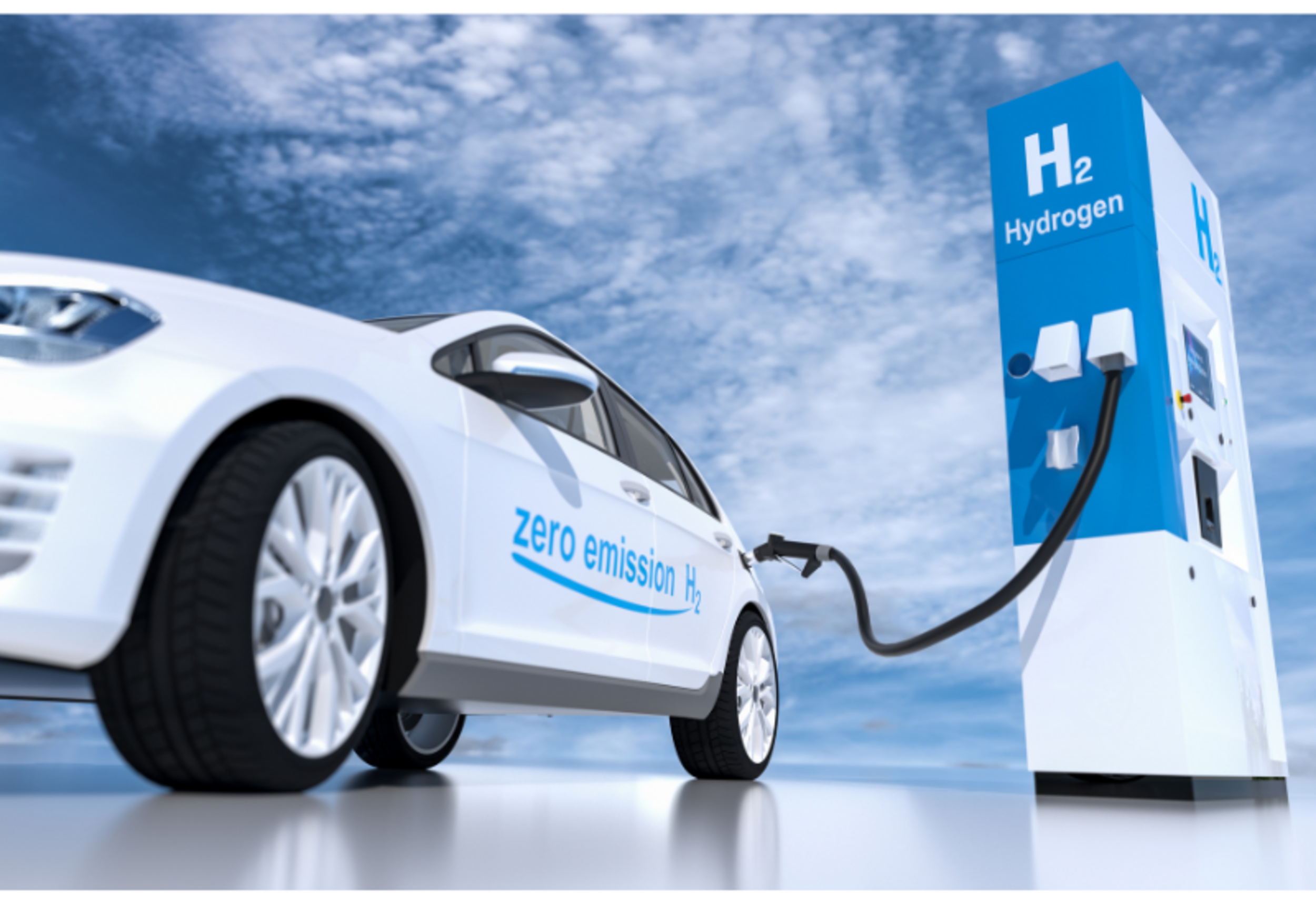
Energy
Non-destructive failure analysis of a commercial PEMFC using a micro-XRF with a super large chamber
We introduce non-destructive failure analysis on a large membrane electrode assembly (MEA) from a commercial PEMFC stack using a HORIBA XGT-9000SL, a micro-XRF with an extra-large chamber capacity. Thanks to the chamber capacity, we successfully performed non-destructive elemental imaging on a defective area without cutting the sample, and we found unexpected distributions of Fe, Ni, Mn and Cr within the defective area, and that the elements are present in the MEA as a result of possible degradation of the bipolar plate.
Explore application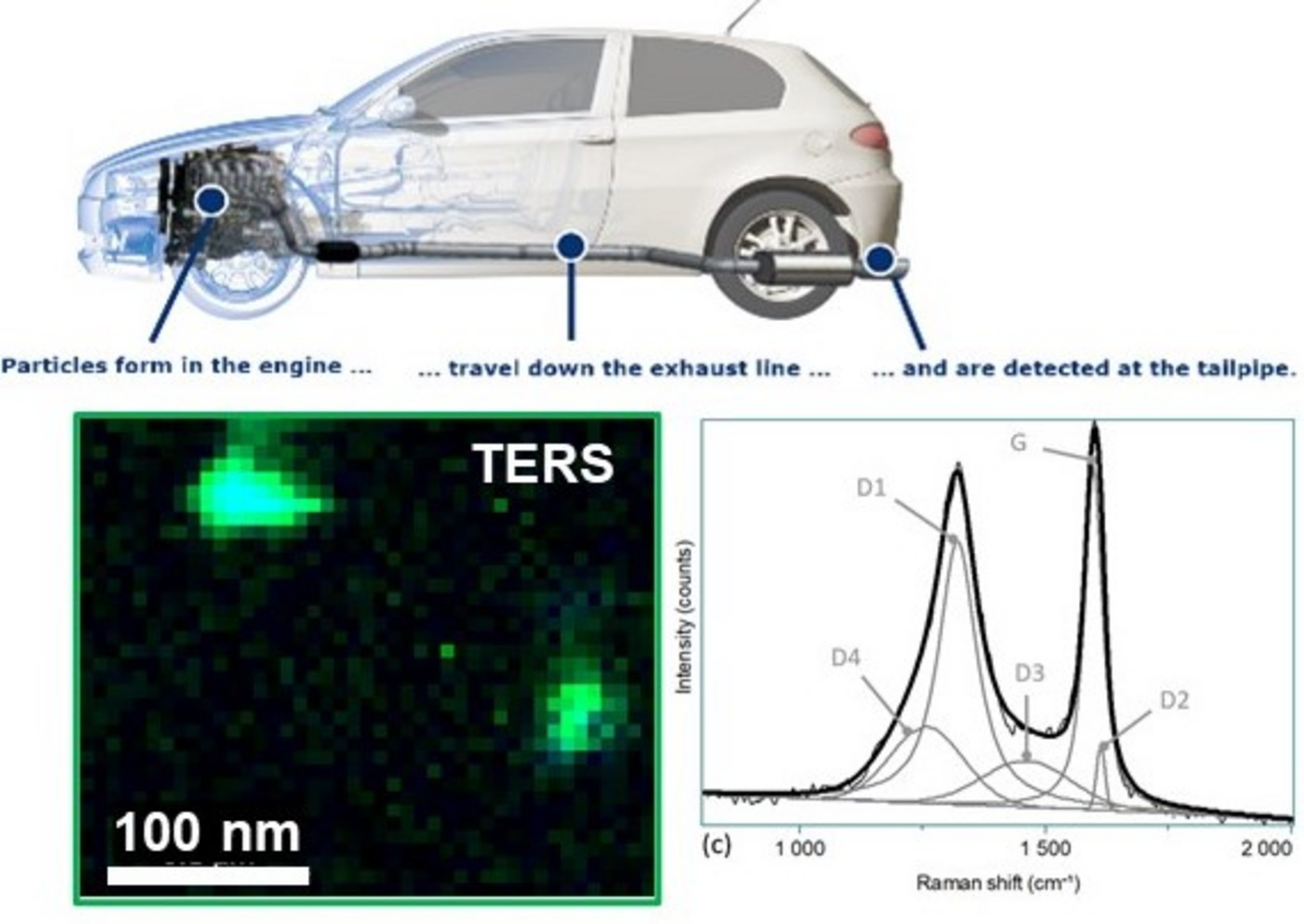
Energy
Characterization of Nanoparticles from Combustion Engine Emission using AFM-TERS
A new concern for human health is now raised by sub-23 nm particles emitted by on-road motor vehicles. Beyond measuring particle number and mass, it is also critical to determine the surface chemical composition of the nanoparticles to understand the potential reactivity with the environment.
Explore application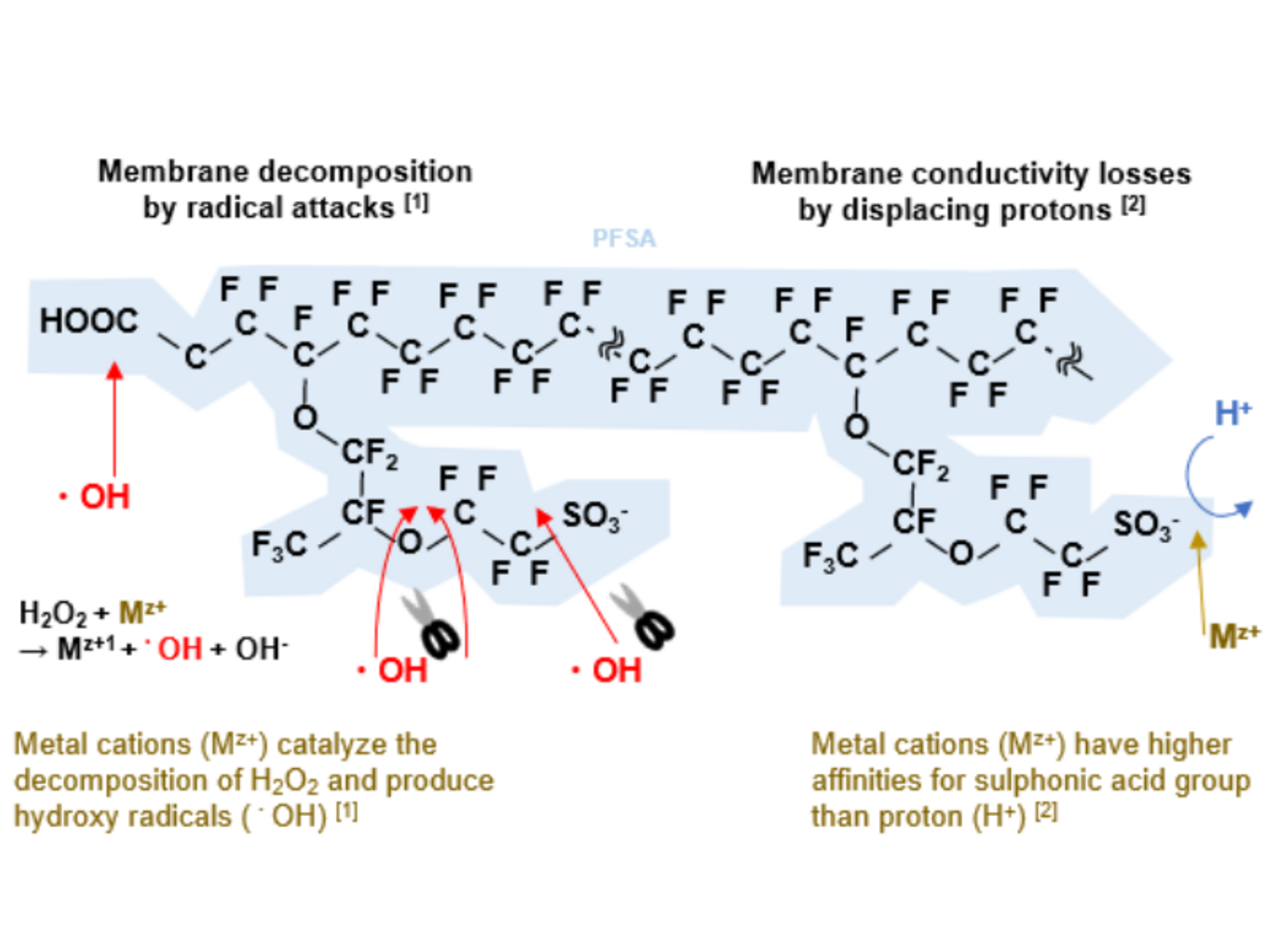
Energy
Metal elusion imaging using micro-XRF to identify the root cause of PEMFC degradation
Proton exchange membrane fuel cells (PEMFCs) are getting more and more popular as a clean energy, and a lot of research is being done to achieve better durability for further spread into more commercial phase.
Explore application
Energy
Sulfur monitoring in Marine Oil with the SLFA in a growing environmental protection context
Monitoring of Sulfur in petroleum products is an important topic in the current environmental protection context. Indeed, during combustion, Sulfur will cause acid rains and particles emissions that induce environmental and health problems. If industries and vehicles emissions have been the main target of Sulfur emission control since few tens of year, the new target is the maritime navigation. In this domain, now, the level of Sulfur is regulated by the MARPOL (International convention) Annex VI. For this specific regulation, the technique and measuring range of our SLFA series is perfectly suitable to allow the fast and accurate determination of Sulfur in Marine oil. Our compact SLFA-60 can be used on board and the SLFA-6800, with its autosampler (eight positions), will enhance the productivity of the control laboratories.
Explore application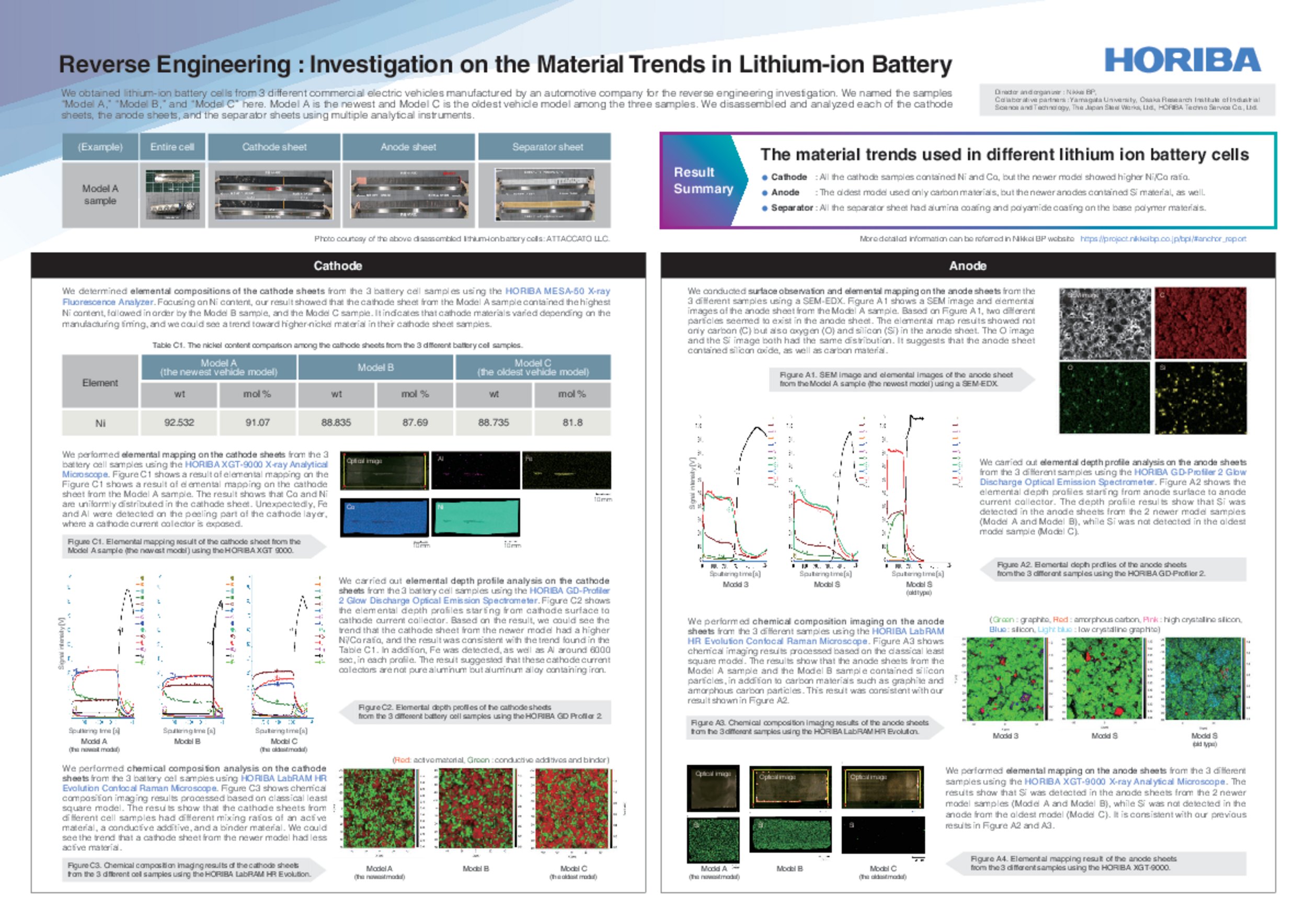
Energy
Reverse Engineering : Investigation on the Material Trends in Lithium-ion Battery
We obtained lithium-ion battery cells from 3 different commercial electric vehicles manufactured by an automotive company for the reverse engineering investigation. We disassembled and analyzed each of the cathode sheets, the anode sheets, and the separator sheets using multiple analytical instruments.
Explore application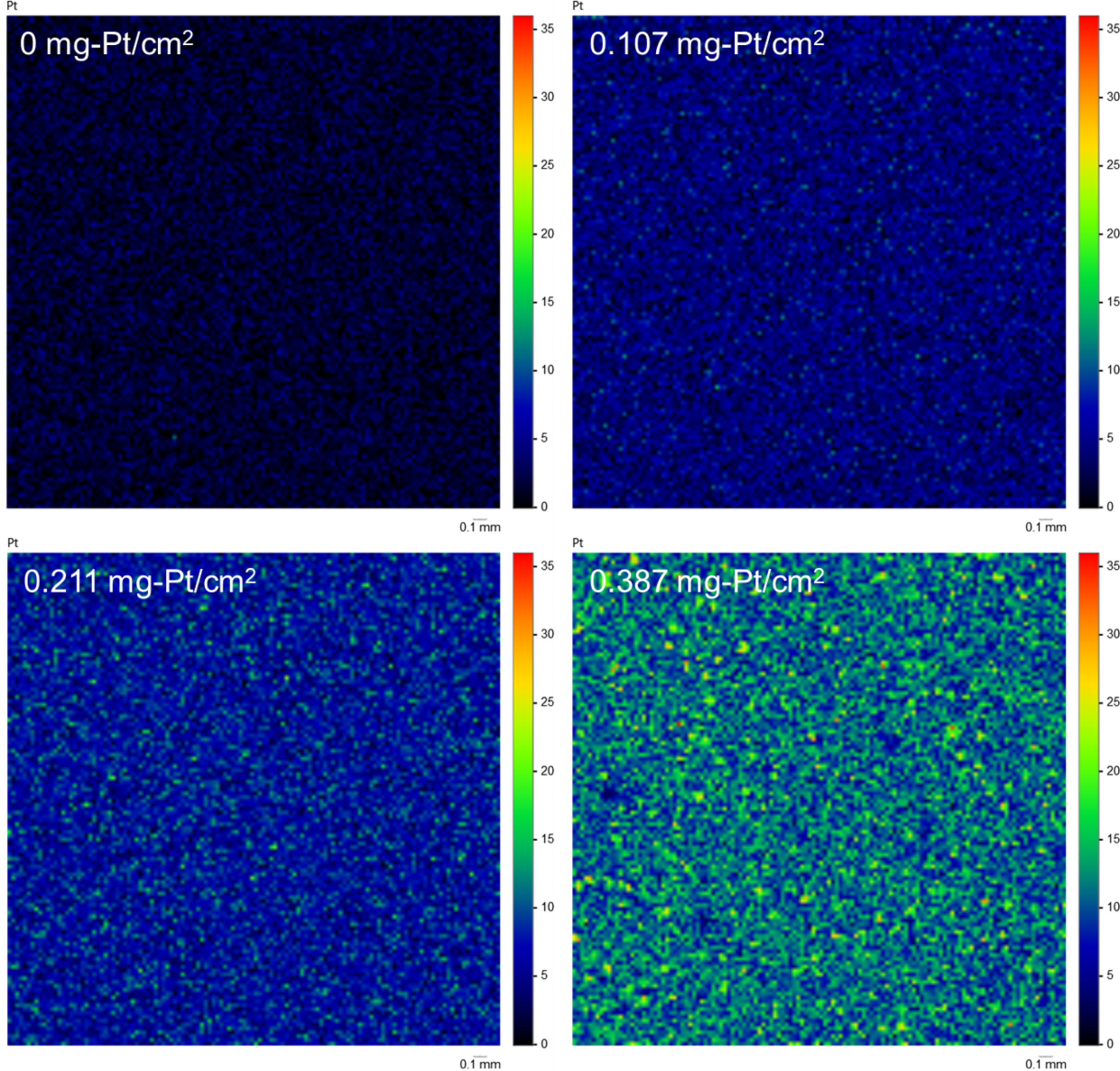
Energy
Applications of micro-XRF for PEMFC catalyst research: Pt catalyst uniformity imaging and Pt loading mass determination
The HORIBA micro-XRF system performs two applications for proton exchange membrane fuel cell (PEMFC) catalyst research: One is Pt catalyst uniformity imaging within a catalyst sheet thanks to the imaging capability. The other is Pt catalyst loading mass determination on average, which is a popular application of EDXRF. Through the experiments, we successfully visualized aggregates of Pt catalyst in our samples, and we also got a good linearity of calibration curve for Pt catalyst loading mass determination.
Explore application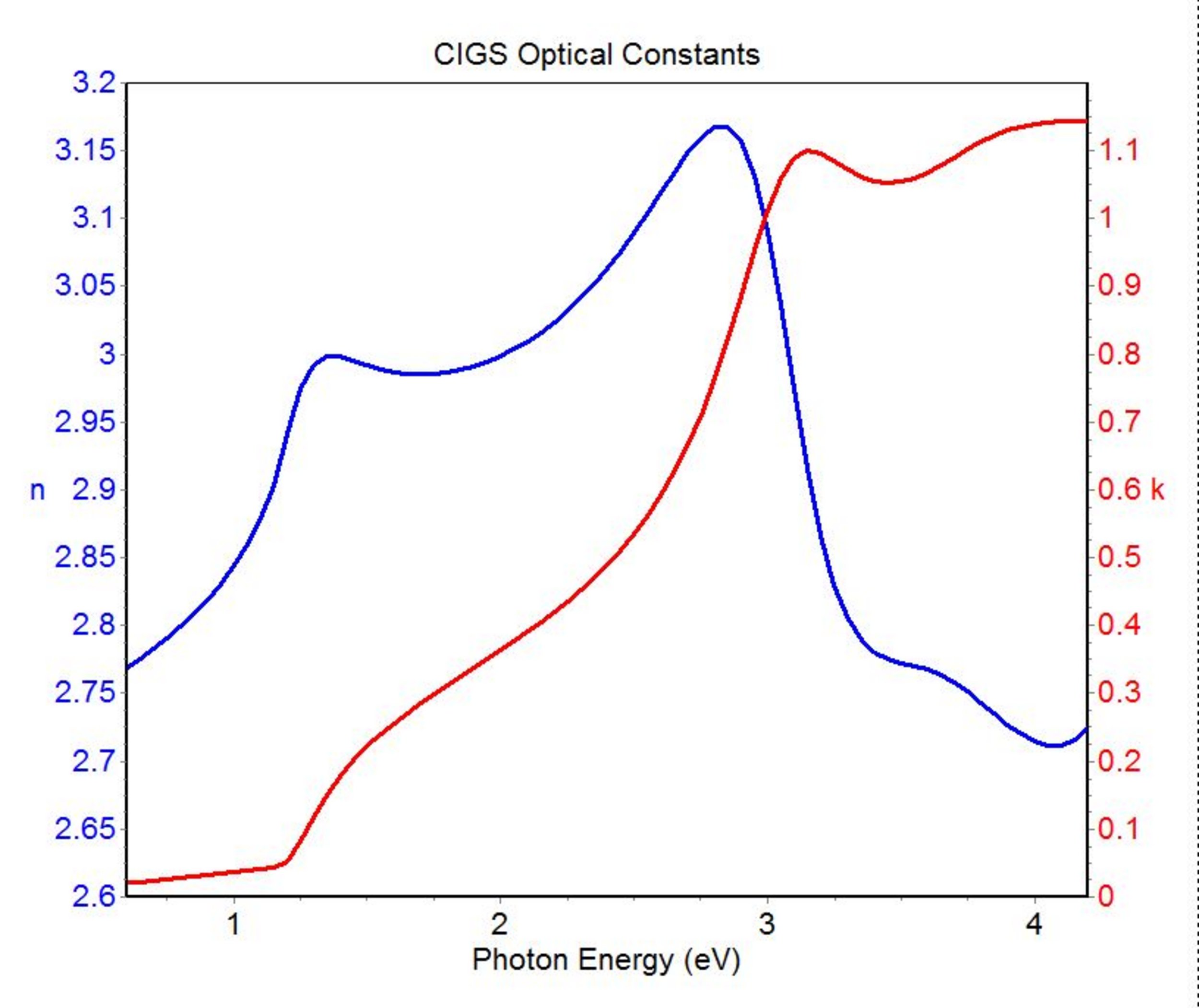
Energy
CIGS (CuIn1-xGaxSe2) thin films characterization
Explore application
Energy
Using micro-XRF for Al, Fe and Cu particle detection on a cathode sheet of lithium ion battery
We analyzed a Nickel Manganese Cobalt (NMC) cathode simulation sample using a HORIBA XGT-9000 X-ray analytical microscope and performed foreign matters analysis with the Particle Finding Module software.
Explore application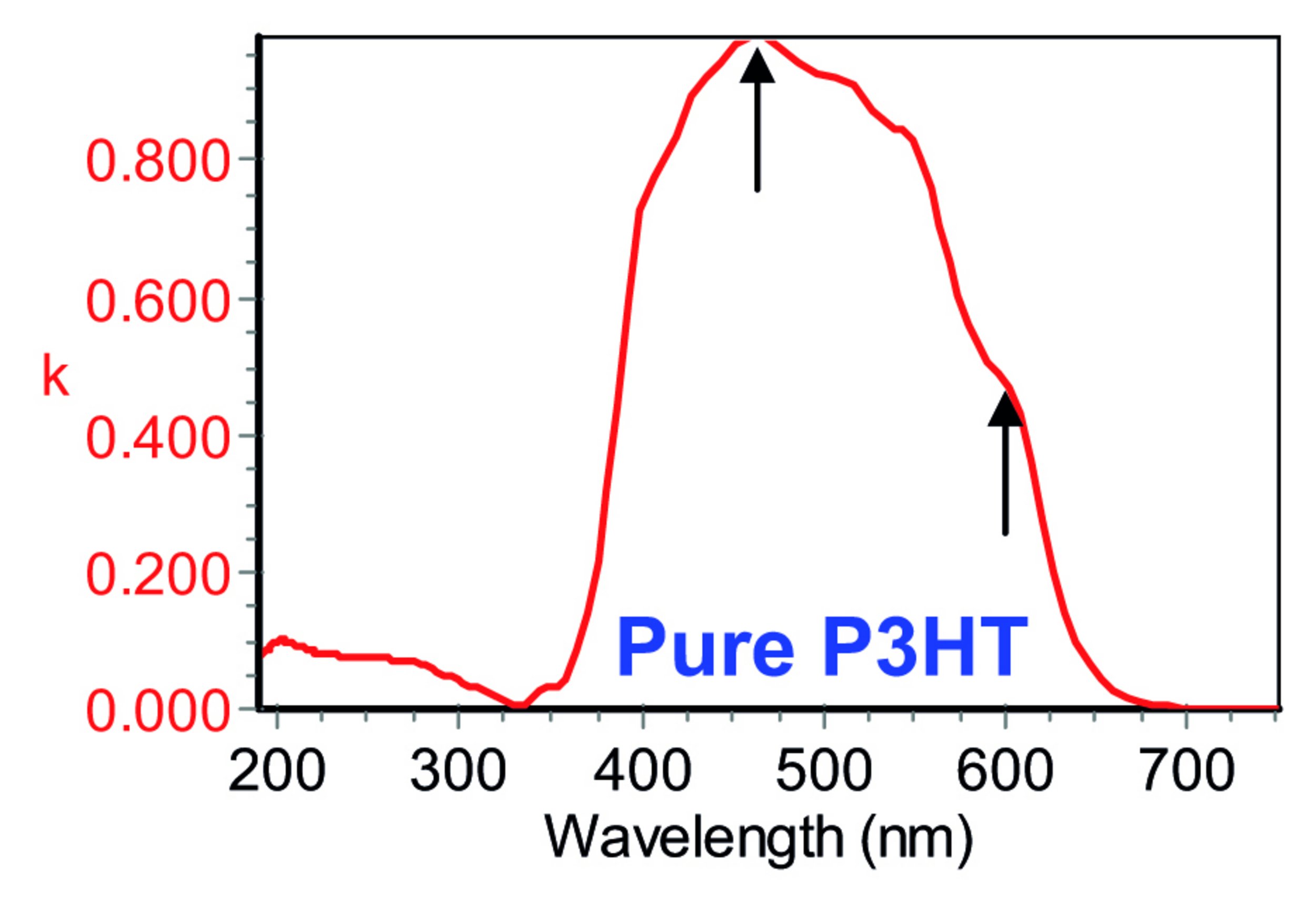
Energy
P3HT:PCBM Bulk Heterojunction Solar Cells Characterization
Explore application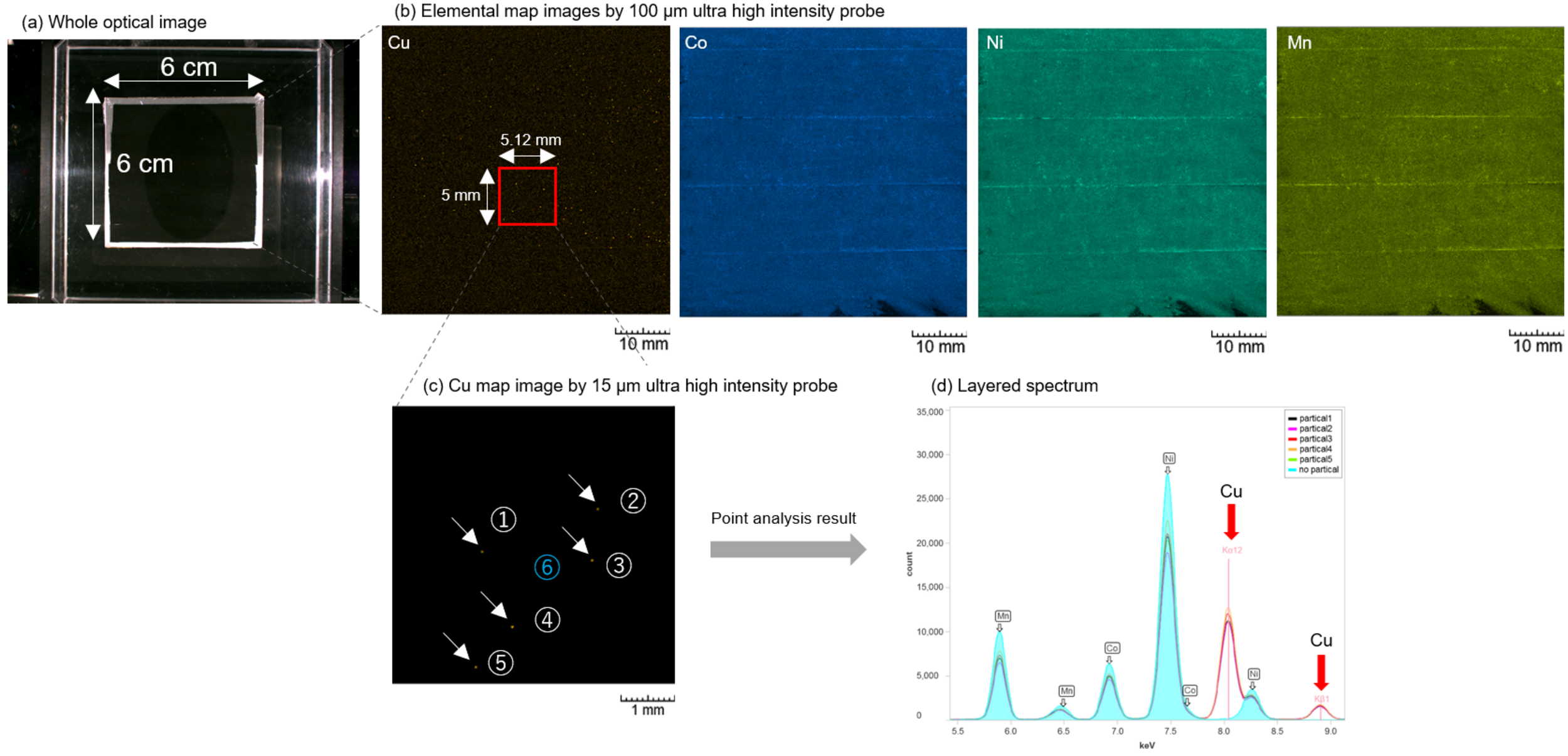
Energy
Foreign particles analysis on a LiNixMnyCozO2 (NMC) cathode material of lithium ion Battery
We used the XGT-9000 to analyze foreign particles on a lithium ion battery material. We made a NMC cathode simulation sample and added Cu particles in the sample as simulated metal foreign matter.
Explore application
Energy
Pt Loading Mass Determination of PEMFC Catalyst Sheet Using a Benchtop EDXRF Analyzer
We introduce a fast and non-destructive method for Pt catalyst loading mass determination in catalyst sheet of proton exchange membrane fuel cell using a benchtop EDXRF analyzer. We made a calibration curve by analyzing multiple in-house samples with different Pt loading masses (0.052 - 0.39 mg/cm2) and determined catalyst loading mass of a sample using the curve. Our result showed that the curve had a good linearity and that the calculated result was consistent with the labeled value of the sample with good repeatability.
Explore application
Energy
Proton Exchange Membrane Fuel Cell Material Analyses using Micro-XRF
Proton exchange membrane fuel cell (PEMFC) mainly consists of organic materials such as proton exchange membrane, carbon supports, and carbon sheets. However, it also includes some inorganic elements such as radical quenchers and precious metal catalysts. In this application note, we introduce key applications of micro-XRF for each component of PEMFC.
Explore application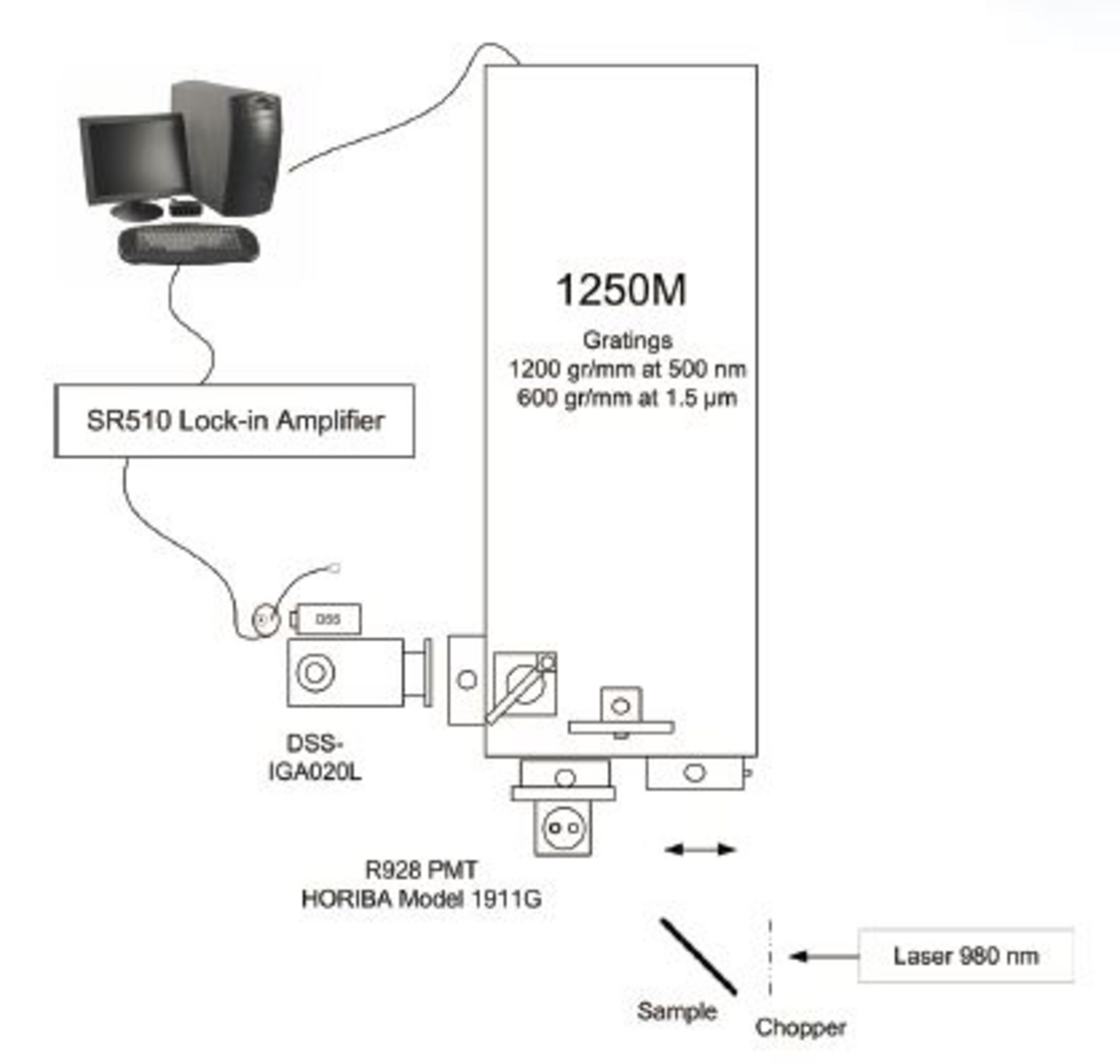
Energy
Luminescence of Glasses Doped with Rare Earths for Photonic Materials
HORIBA Spectrometers are used to characterize doped glasses for photonics
Explore application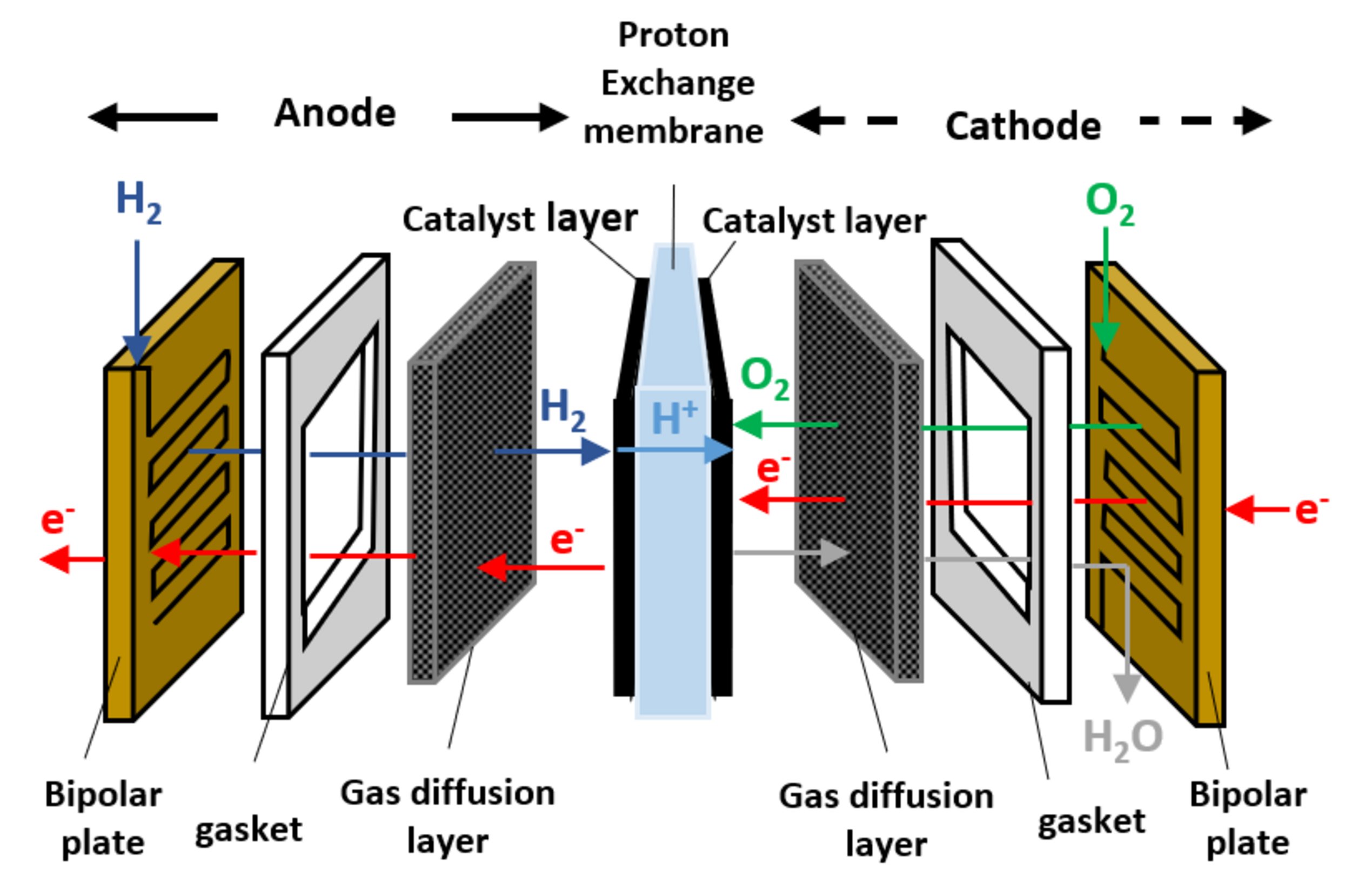
Energy
Proton Exchange Membrane Fuel Cell Bipolar Plate Analyses by GD-OES and Raman
Bipolar plates are key components of proton exchange membrane fuel cells – they notably distribute fuel gas and air and conduct electricity. Various materials and surface treatments have been developed to improve their properties. Here, we described a reverse engineering study on a bipolar plate from a commercial vehicle using GD-OES and Raman spectroscopy. The analyses revealed that the plate had an amorphous carbon coating on a titanium base plate.
Explore application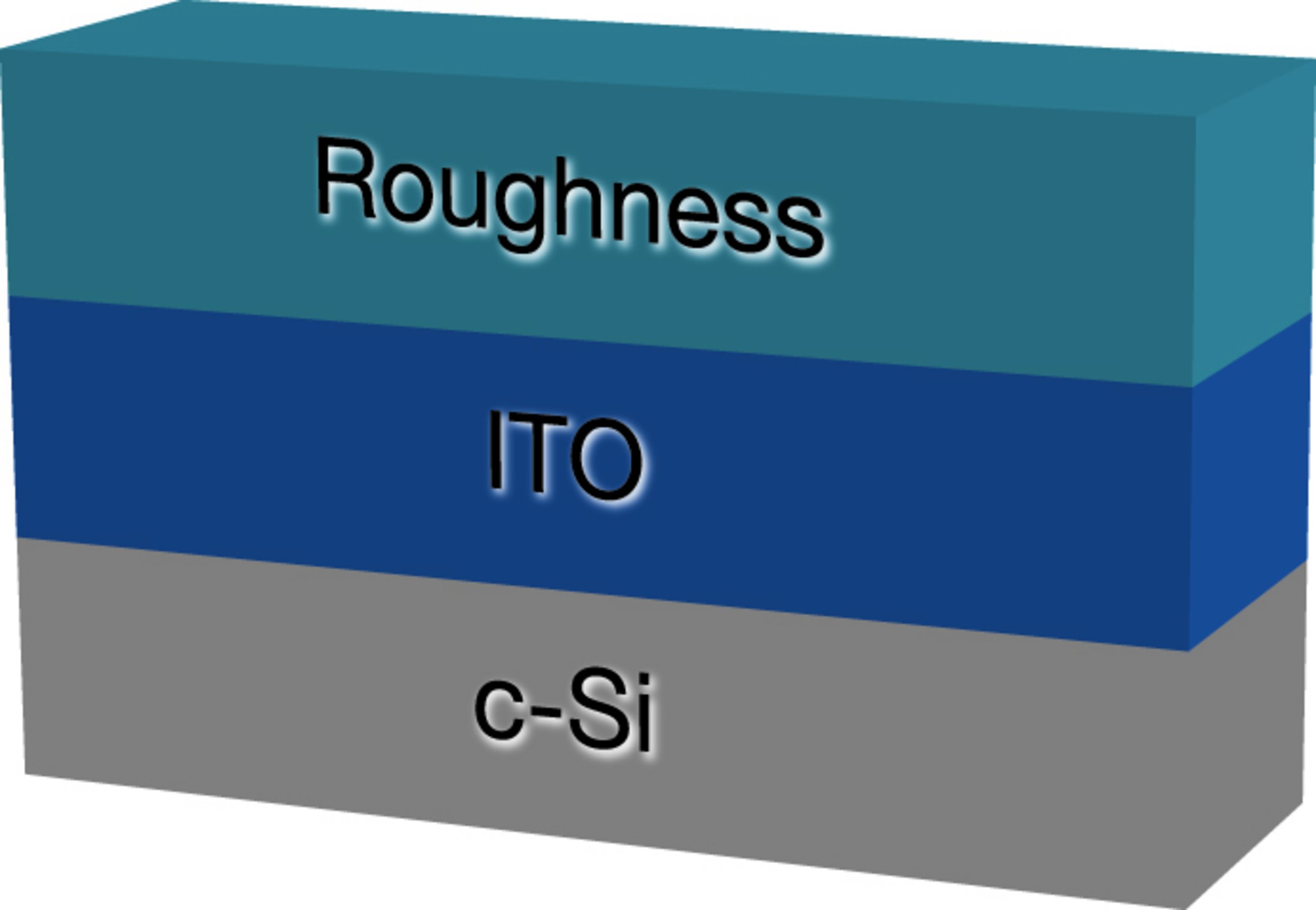
Energy
Optical Characterization of ITO Films Prepared in Different Atmospheres
Explore application
Energy
Electrical and optical properties of the small-angle grain boundaries (SA-GBs) in multicrystalline Silicon for solar cell
Explore application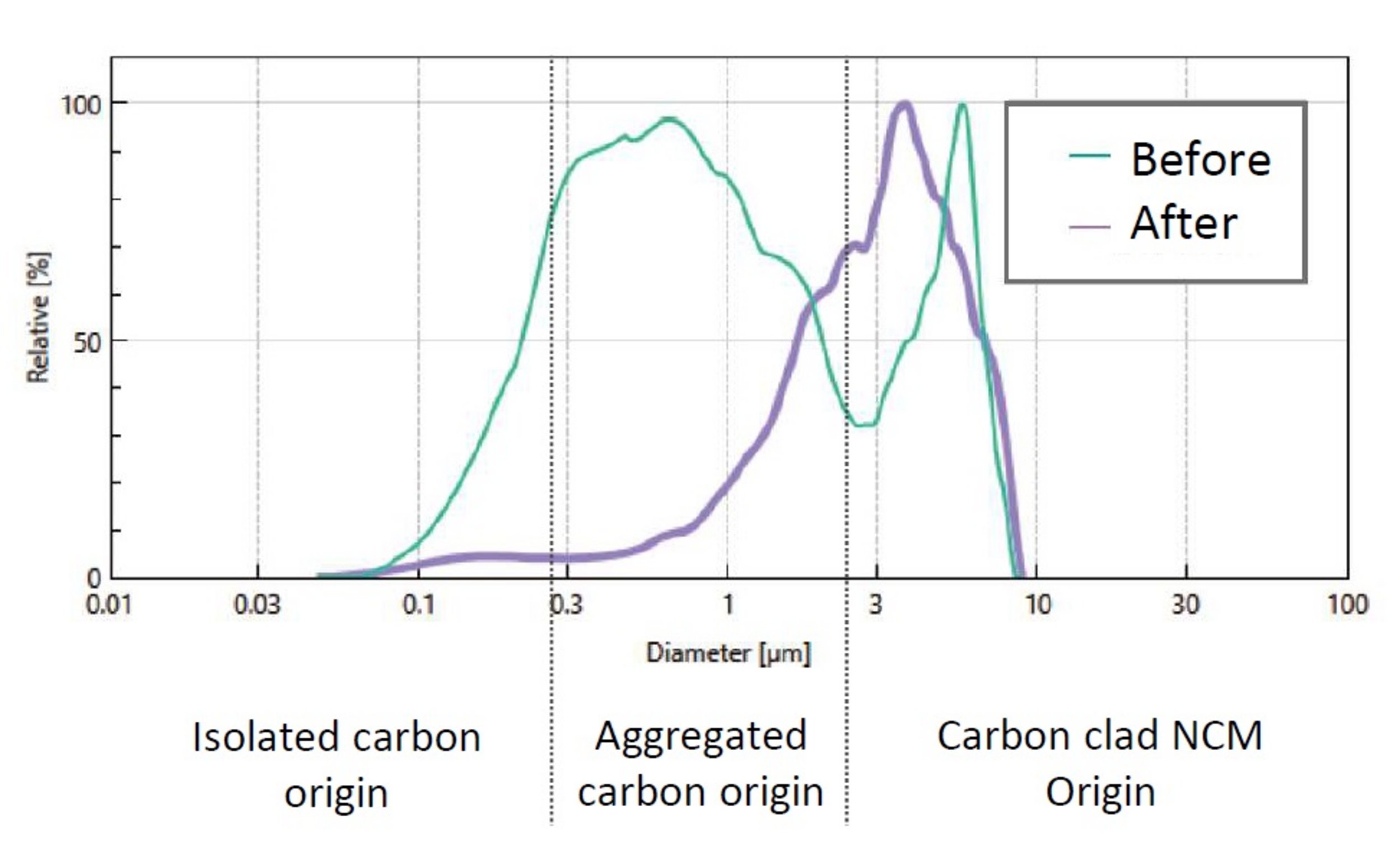
Energy
Analysis of the Mixed State of Slurry Battery Materials
We analyzed two slurry battery materials containing active material (NCM) and conductive agent (carbon). By using Partica CENTRIFUGE to analyze battery materials before and after kneading, results with distinctly different distributions were obtained, which enable us to infer the dispersion state of the battery materials.
Explore application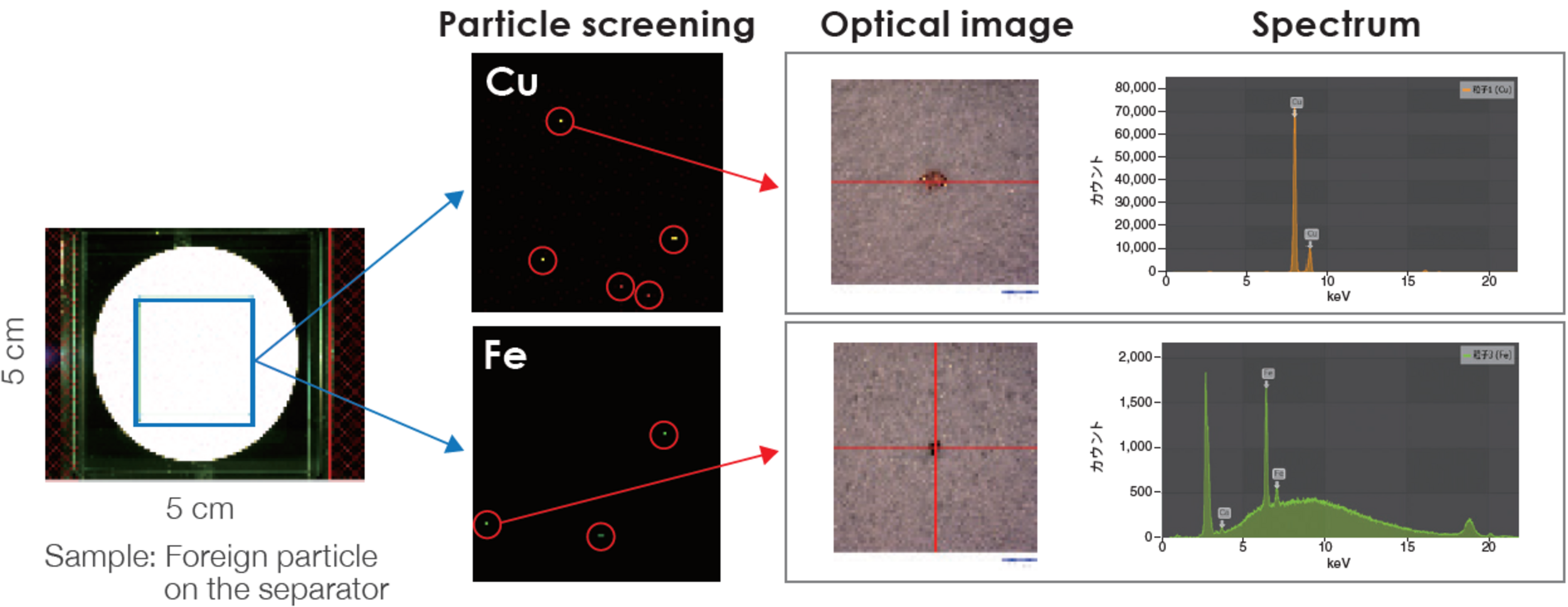
Energy
Foreign Particle Analysis on a Separator Film of Lithium-ion Battery
The XGT-9000 can detect and determine the composition of foreign particles, and therefore track the source of contamination.
Explore application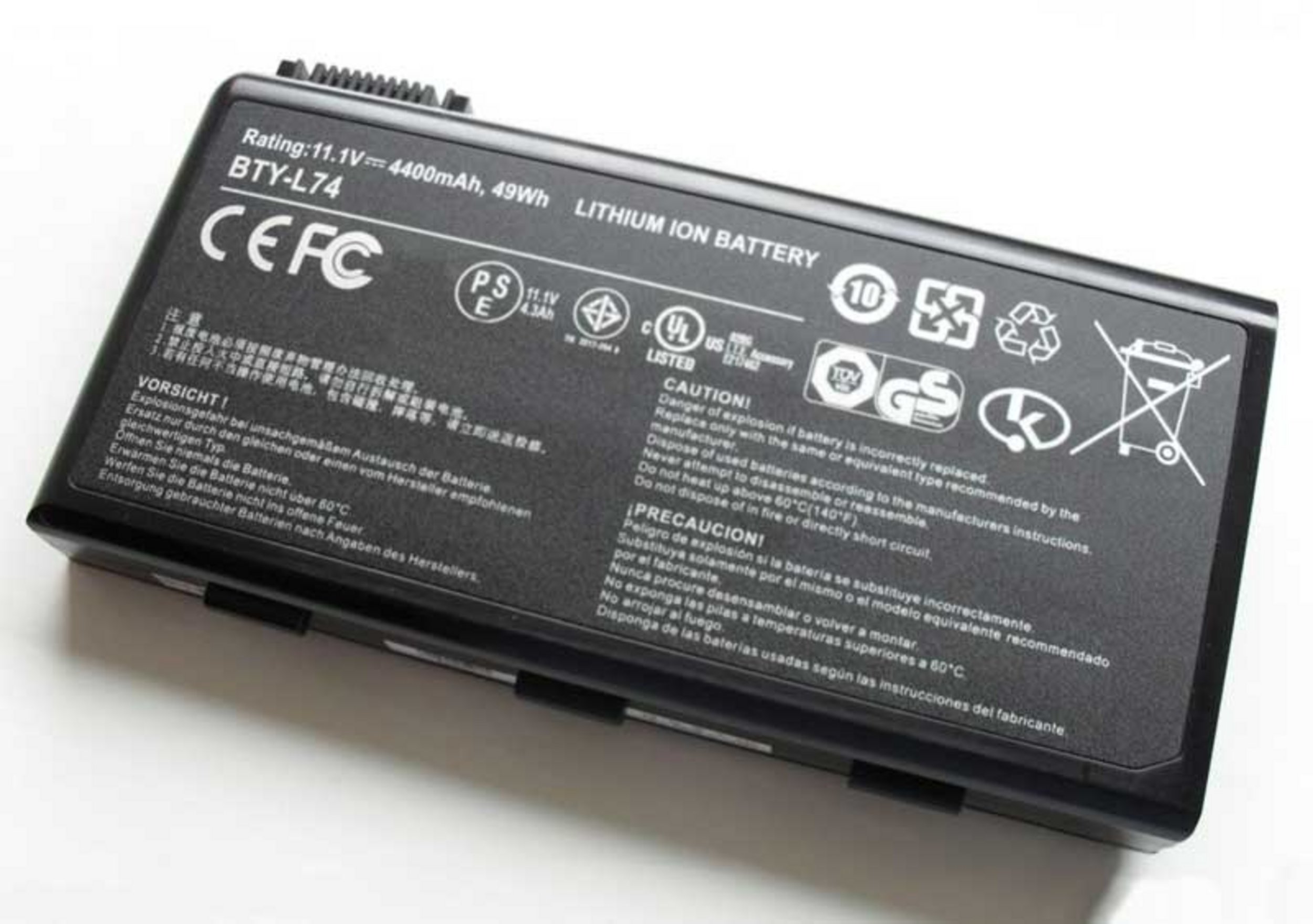
Energy
Laser Diffraction Analysis of Lithium Ion Battery Material
Battery technology is improving, keeping up with the demand for better power storage. Improved performance requires greater control of the materials used and their physical properties including the particle size distribution.
Explore application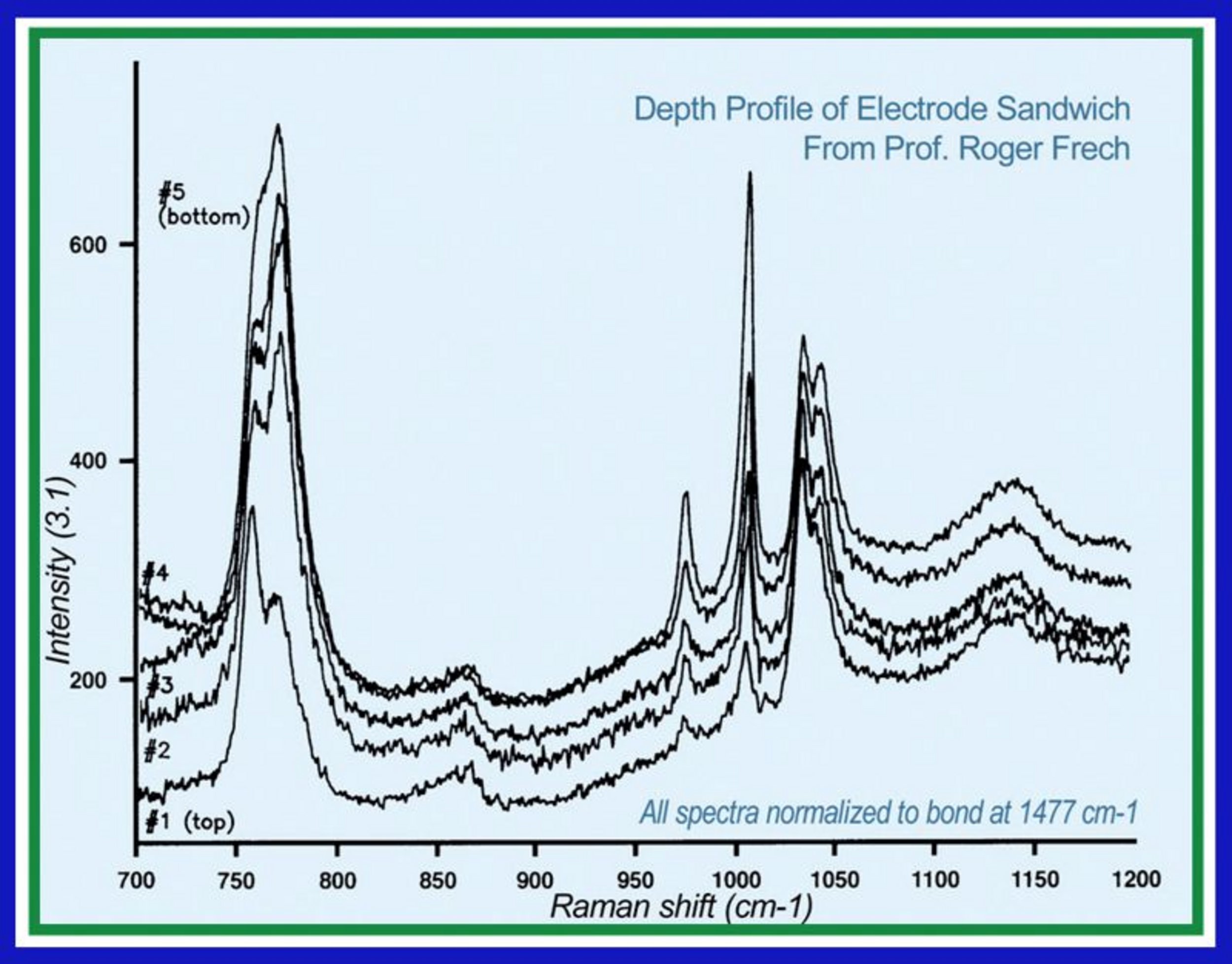
Energy
Microscopic Measurement of Diffusion
In order to engineer materials with controlled diffusive properties, we need to be able to measure the diffusive process in situ. Ideally, we would like a technique that provides molecular information with resolution on a microscopic scale, that is non destructive of the samples, and can be set up and used on a laboratory bench top with a minimum of time and effort involved in sample preparation. Raman microprobe spectroscopy is an ideal candidate for this type of studies. Use of visible light combined with a confocal microscope provides a probe with spatial resolution of a micron or better, and coupling of such a microscope to a modern Raman spectrometer equipped with holographic notch filters and CCD multi channel detectors allows rapid acquisition of Raman spectra which can be correlated with the chemical state of the species and its physical environment.
Explore application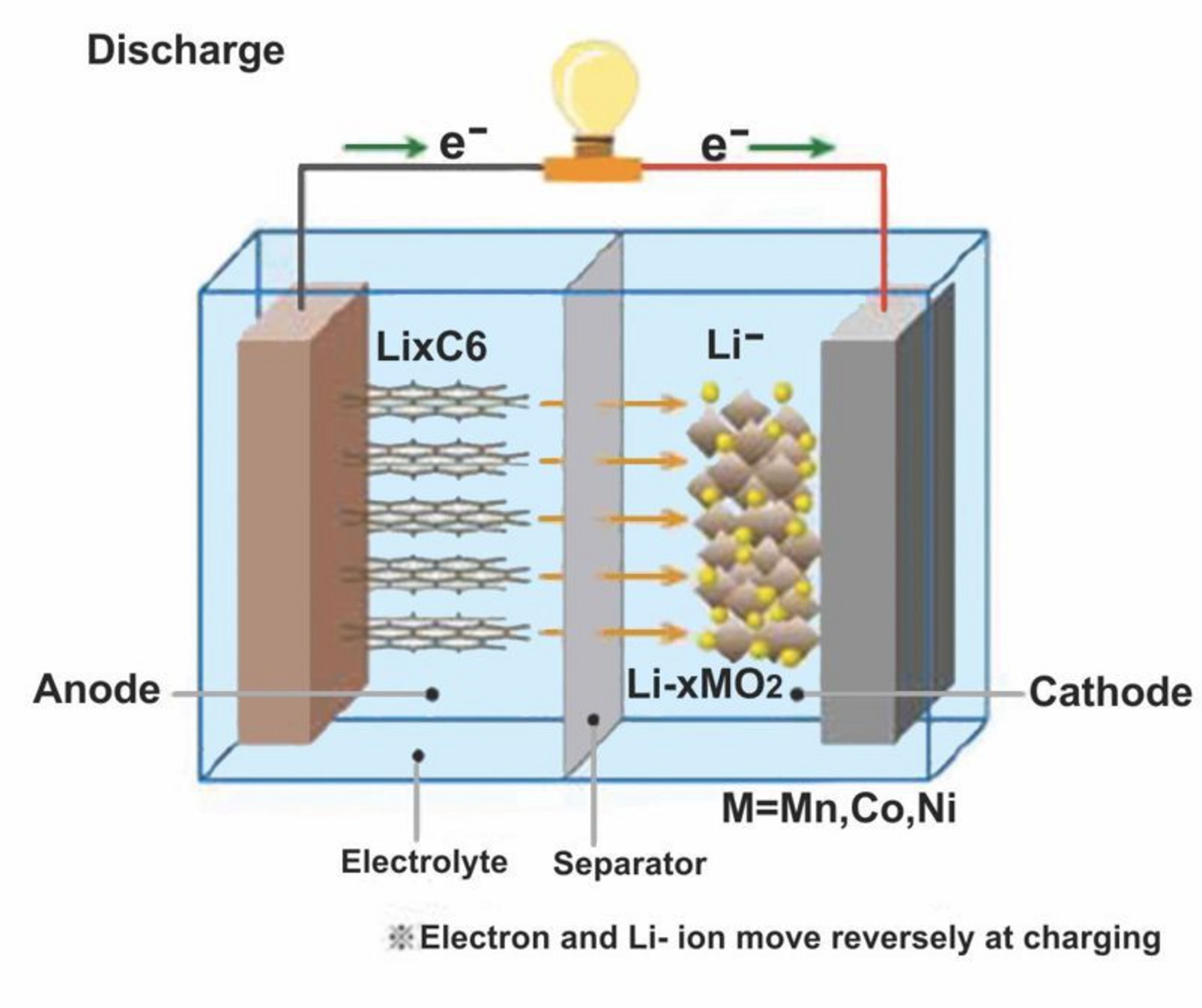
Energy
Features and Benefits of Pulsed RF GD OES for the Characterisation of Electrodes of Li-ion Batteries.
A Li-ion battery is a rechargeable battery in which lithium ions move between the anode and the cathode creating an electricity flow. Whether you study new electrodes or coatings behaviors, charge and discharge processes, process controls, or perform comparative studies for Li-ion batteries, Pulsed RF Glow Discharge Optical Emission Spectrometry is a valuable companion tool.
Explore application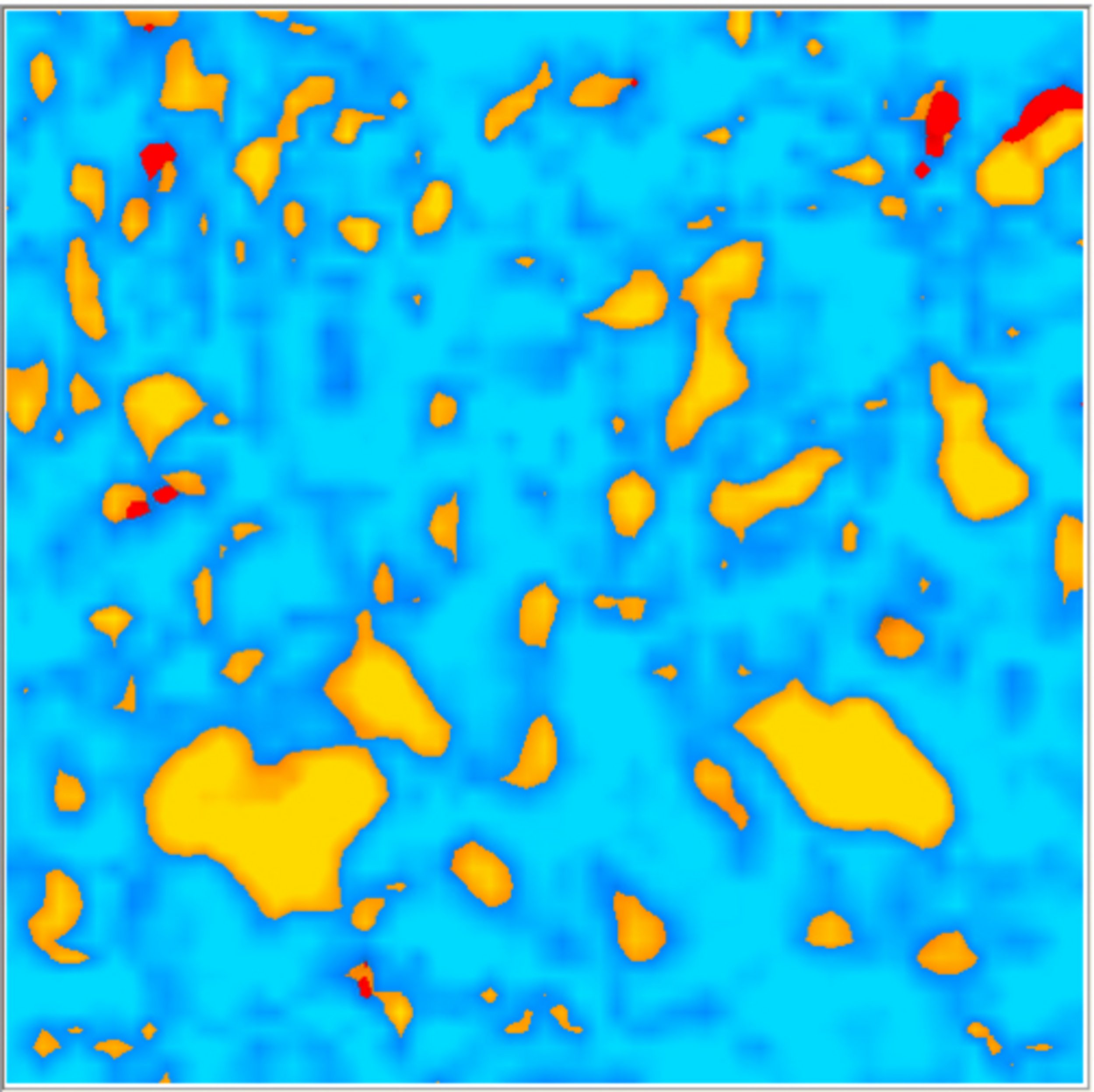
Energy
Raman Spectroscopy Applied to the Lithium-ion Battery Analysis
The application note explains how the Raman Spectroscopy can be helpful in the analysis of cathodes and anodes in Li-ion batteries. Today’s state of art of technology requires more reliable, more efficient and powerful energy sources. Lithium-ion batteries are thus of high interest. Raman spectroscopy adapts to the different stages of life of these batteries, such as the characterization of new materials for more flexible systems, failure analysis; but also more standard analysis of used material during charge/discharge process, including structural and electronic properties, and even robust, automated QC tests.
Explore application
Energy
Determination of Perovskite Optical Constants
Hybrid organic-inorganic perovskite materials have emerged over the past five years as promising absorber layers for new high-efficiency and low-cost solar cells that combine the advantages of organic and inorganic semiconductors. The increasing interest in this technology is pushing research laboratories to find the optimal techniques for the accurate characterization of opto-electronic properties of these materials.
Explore application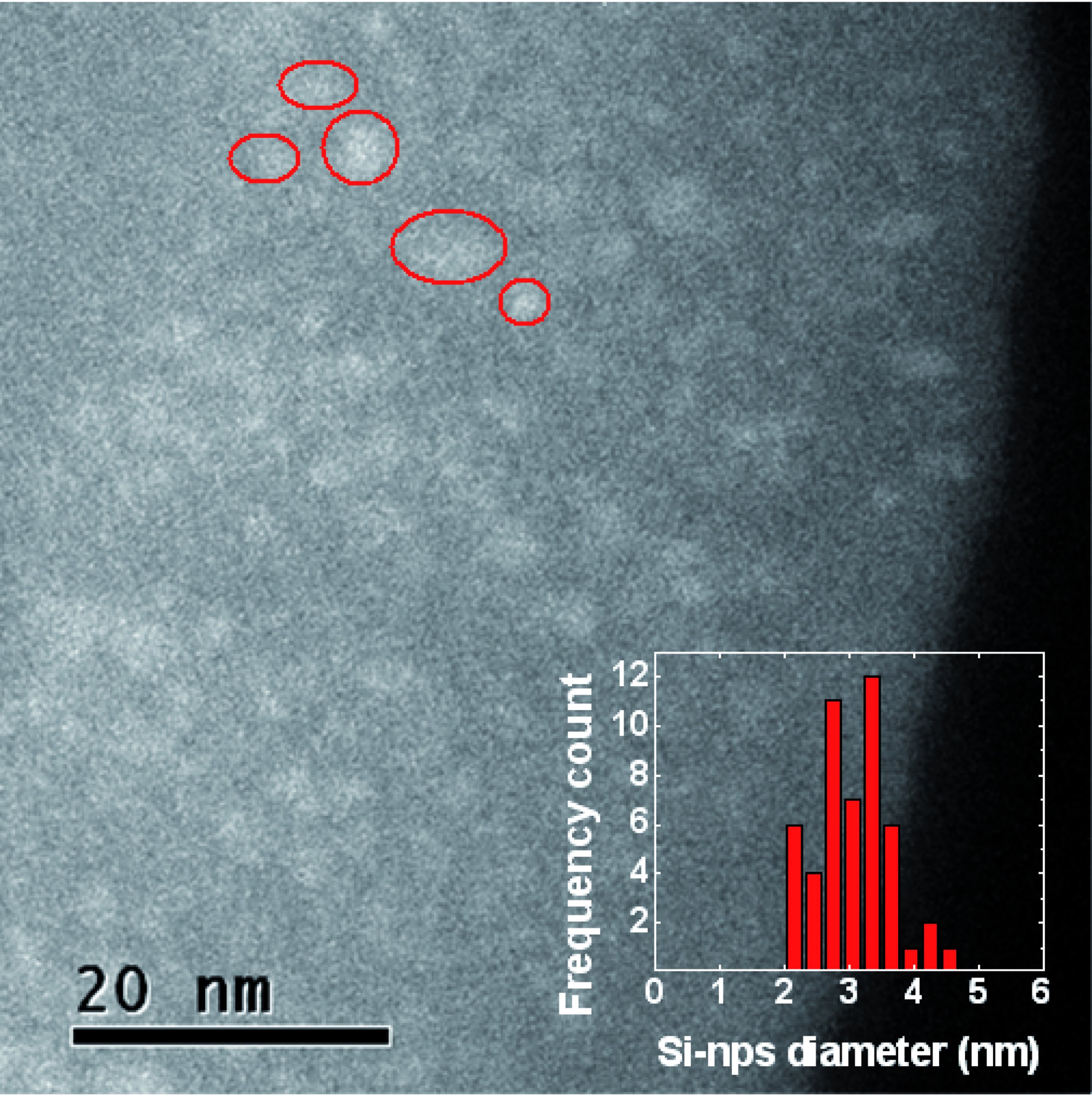
Energy
Characterization of silicon nanoparticles (Si-nps) embedded in a silicon-nitride matrix
Explore application
Energy
Dielectric Properties in Hybrid and Inorganic Perovskite Materials used for Photovoltaics Applications
Explore application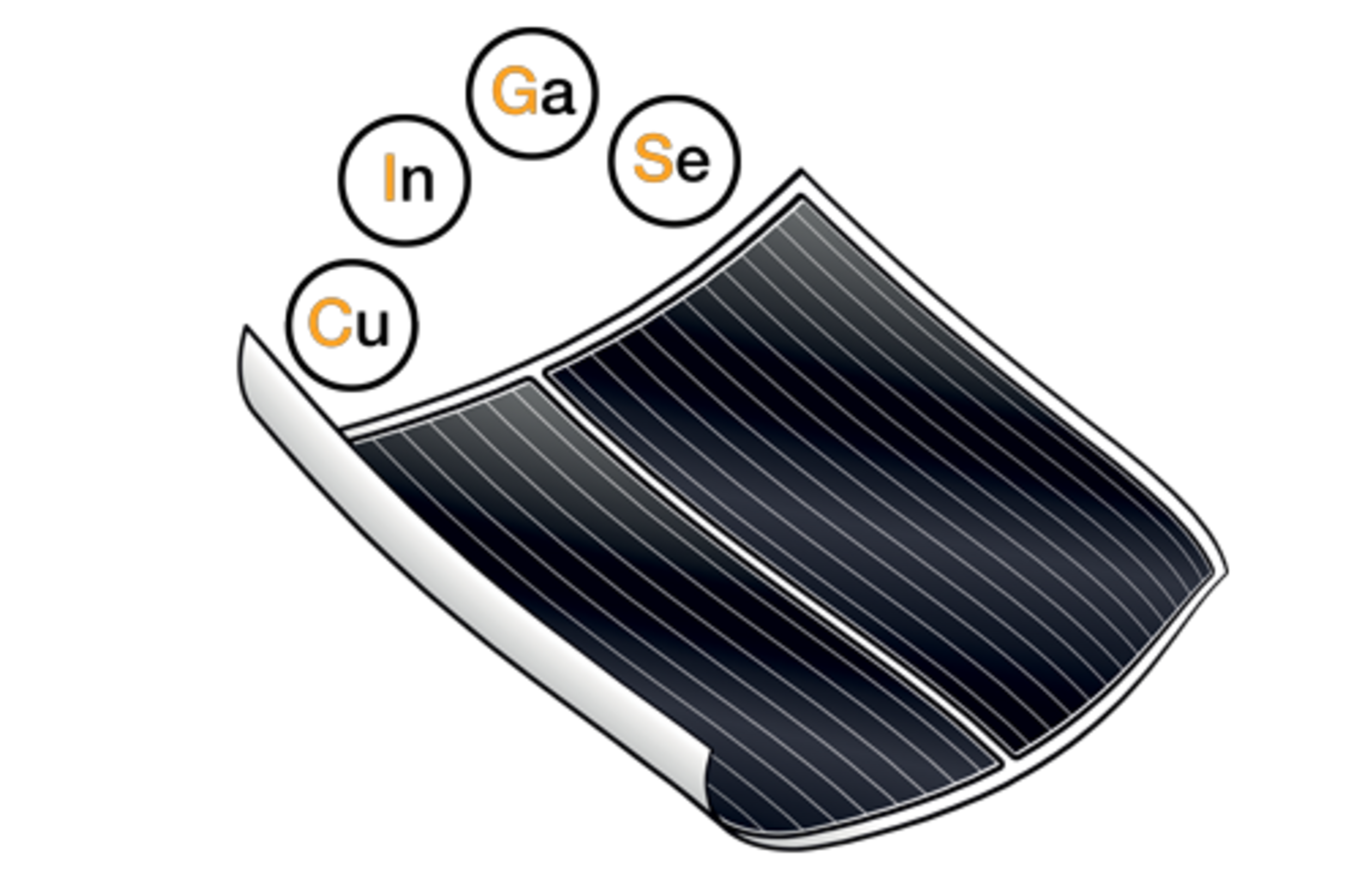
Energy
Optical Characterization of CIGS by Spectroscopic Ellipsometry
Spectroscopic Ellipsometry is an efficient and non-destructive method for extracting optical constants of materials in the UV-VIS-NIR wavelength ranges. The optical constants (n,k) of a material are among the most important sets of optical data and are specific to the material being studied. During this webinar, you will learn how to define a strategy to perform quantitative Spectroscopic Ellipsometry on CIGS semiconducting thin films. CIGS is among the most efficient absorbers for photovoltaic solar conversion. Deployed as thin or ultra thin films, CIGS optical characterization is as important in its preparation stage as in the modeling of cell stacks. However the determination of CIGS optical constants is a very complex challenge, particularly for SE when it is used as a unique and direct experimental method.
Explore application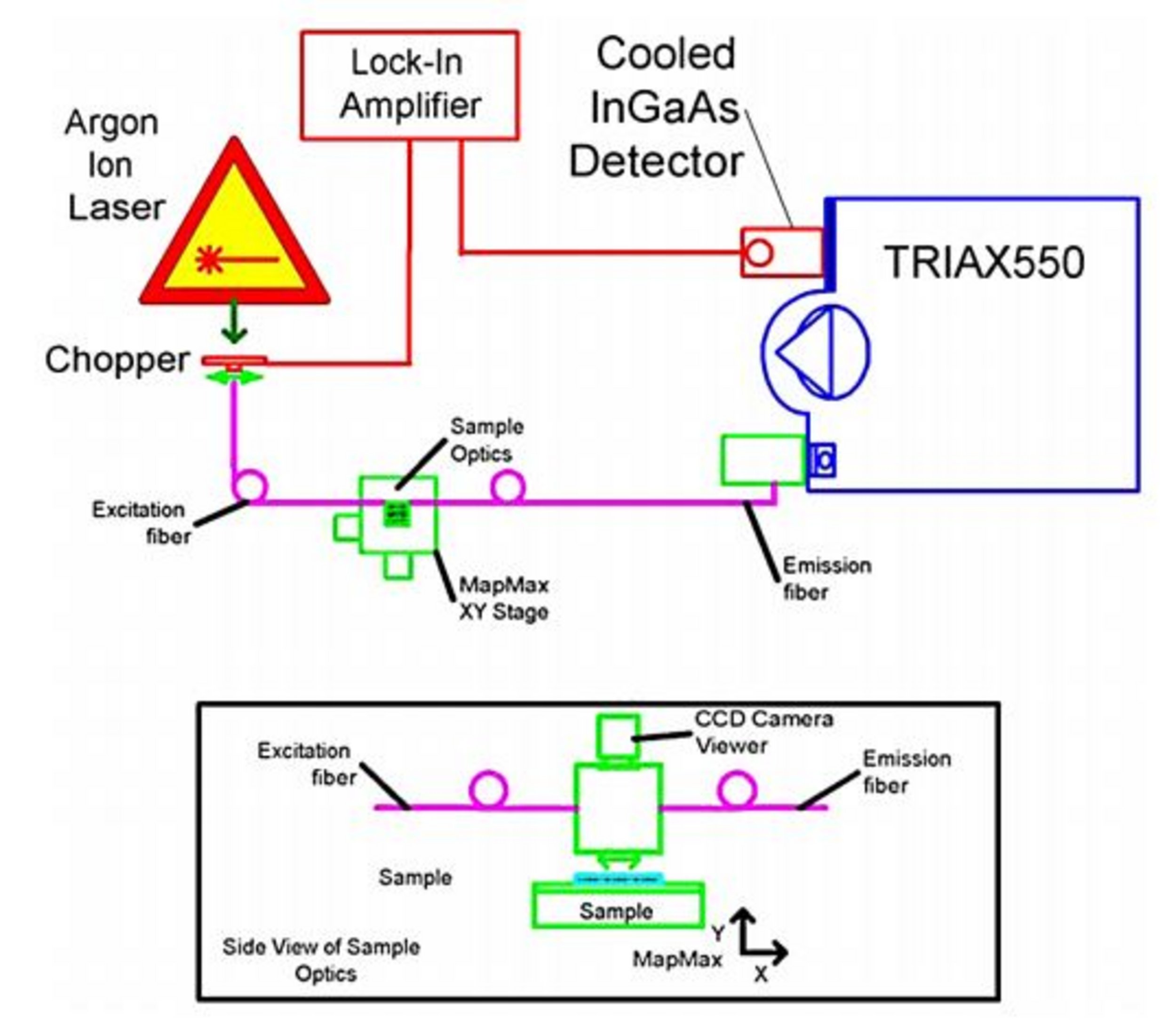
Energy
Photoluminescence of Semiconductors
Photoluminescence spectroscopy (PL) is a powerful optical method used for characterizing materials. PL can be used to find impurities and defects in silicon and group III-V element semiconductors, and to determine semiconductor band-gaps.
Explore application
Energy
High-Resolution Low-Temperature PL of Semiconductors
Temperature-dependent photoluminescence (PL) spectroscopy is a powerful optical method for characterizing materials. PL can be used to identify defects and impurities in Si and III-V semiconductors, as well as determine semiconductor bandgaps. At room temperature, PL emission is usually broad—up to 100 nm in width.
Explore application
Energy
Photoluminescence and Photoreflectance
As a result of rapid development in semiconductor manufacturing, many types of optoelectronic devices such as laser diodes, LEDs, and high-electron-mobility transistors (HEMTs) are now fabricated by epitaxial-growth methods.
Explore application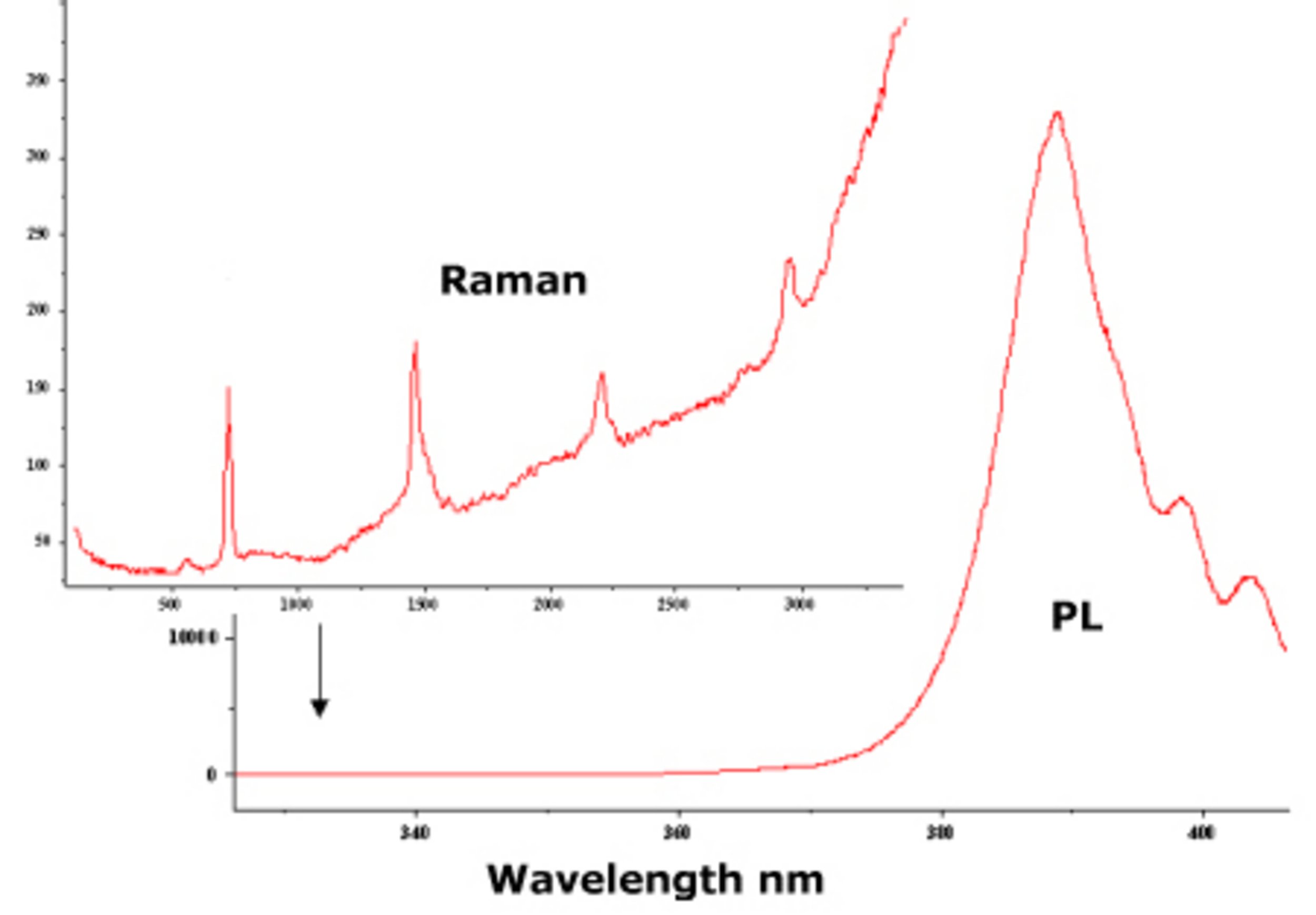
Energy
Raman and PL Characterization of GaN
Gallium Nitride (GaN) is one of a generation of promising light-emitting materials. Its direct energy band gap of ~3.4 eV at room temperature make it particularly suitable for emission in the blue, and near UV spectral ranges. The material often exhibits high temperature stability and low electrical leakage, and hence GaN is generally a good candidate for fabricating high-temperature and high-power devices.
Explore application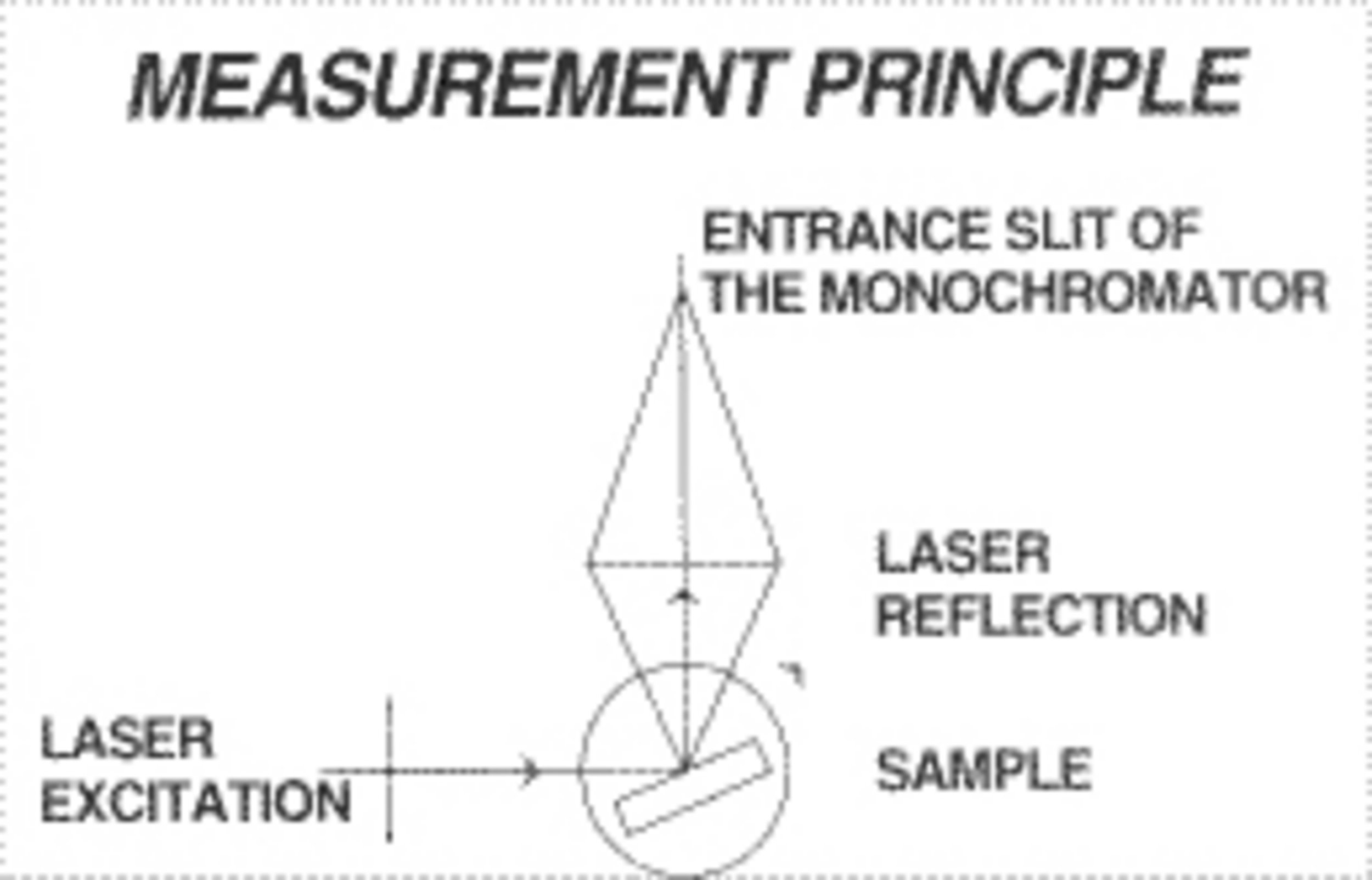
Energy
Characterization of Semiconductors with Photoluminescence Measurement System
Photoluminescence is the optical emission obtained by photon excitation (usually a laser) and is commonly observed with III-V semiconductor materials. This type of analysis allows non-destructive characterization of semiconductors (material composition, qualitative investigations, etc.
Explore application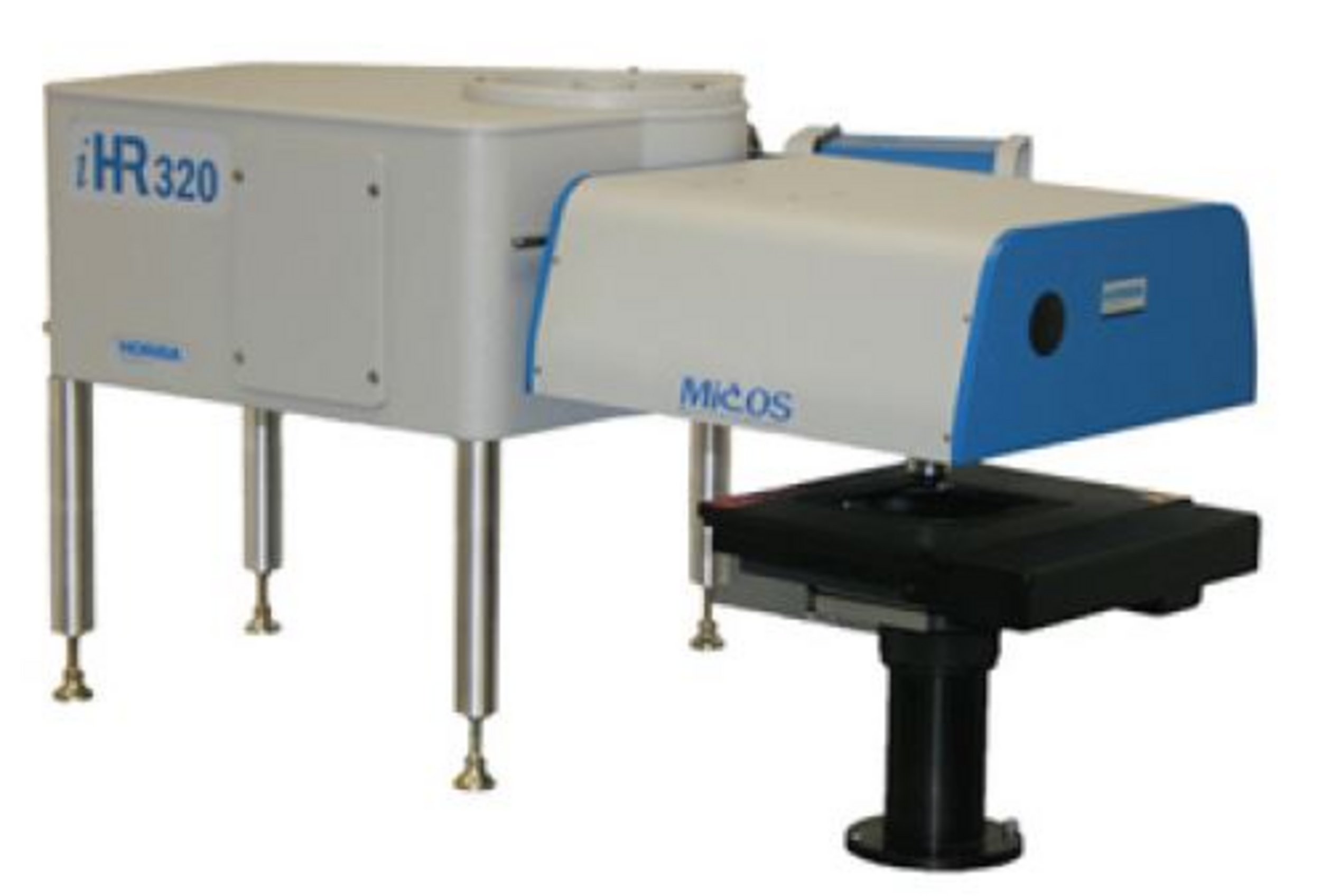
Energy
III-V Wafer Characterization through Photoluminescence Mapping
III-V semiconductors are important to the fabrication of active photonic devices such as light sources and detectors. Successful fabrication of such devices relies on the high quality of the underlying materials and precise deposition of intended geometries on a wafer substrate.
Explore application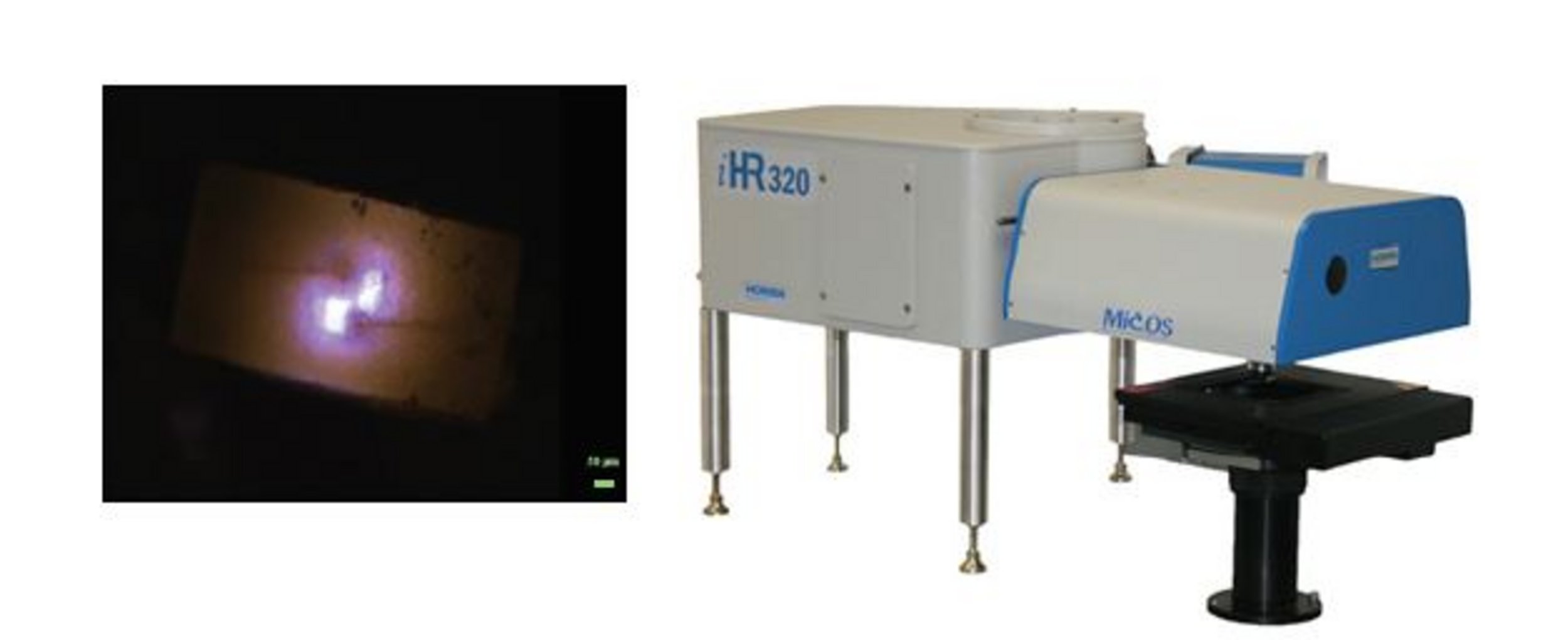
Energy
Room-temperature Micro-electroluminescent Characterization of Ge-based IR Sources
Monolithic integration of optical components on CMOS platforms is ongoing in the optical communications industry. CMOS offers a mature and robust platform, and therefore is logical for building optical-interconnect modules.
Explore application
Energy
Photoluminescence Characterization of GaN Alloys and Other Semiconductor Microstructures
GaN and related alloys are important materials used to build short-wavelength light sources (lasers and LEDs). Room- and low-temperature photoluminescence (PL) are used to characterize these materials as well as device performance.
Explore application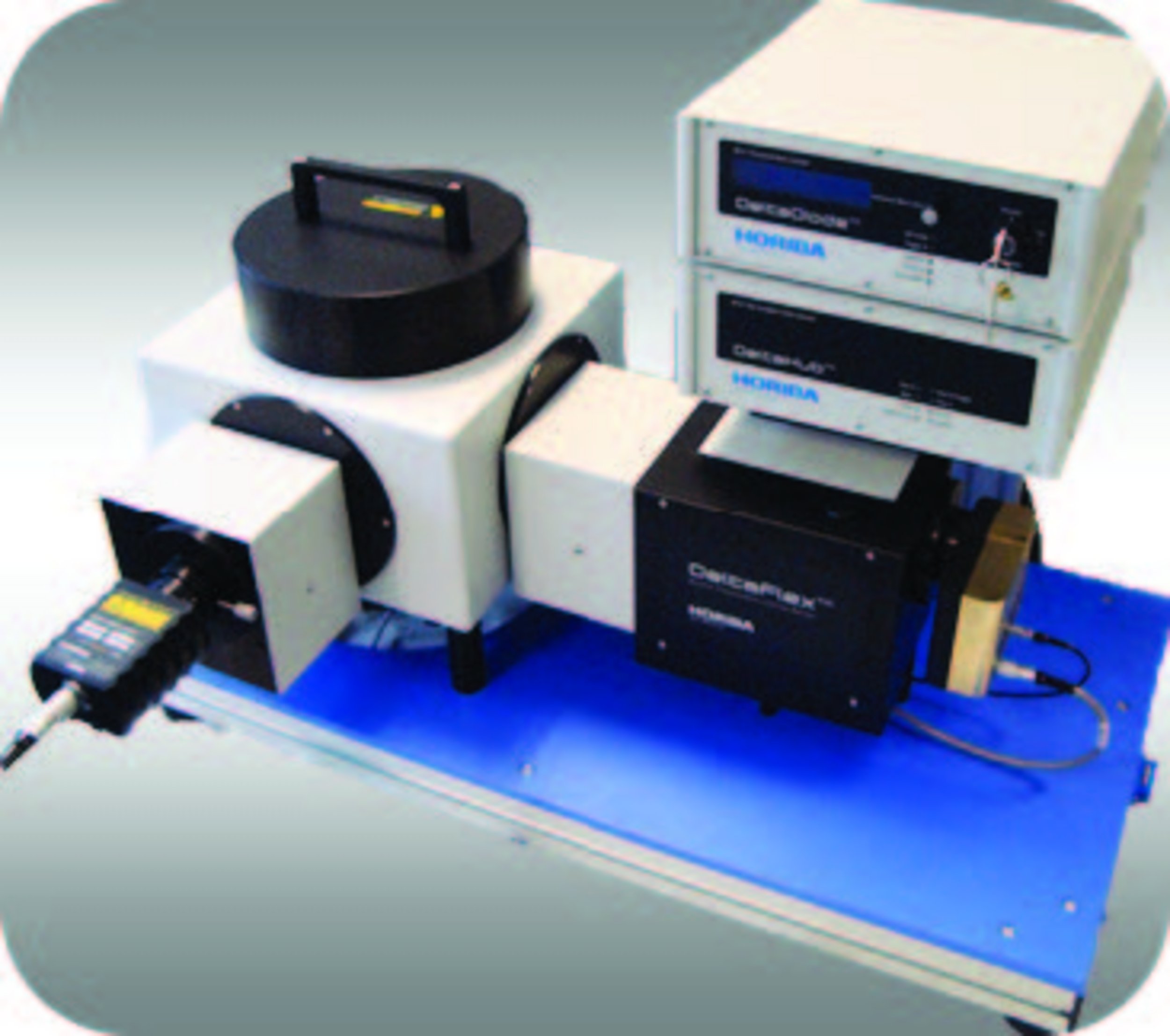
Energy
Measurement of carrier lifetime in perovskite for solar cell applications
Hybrid perovskite photovoltaics (PV) show promise because of their good efficiencies, which can be around 20%. Along with their PV characteristics, perovskite materials exhibit a high degree of radiative recombination.
Explore application
Energy
Evaluation of Novel Photoresponsive Materials via EQE Measurements
Internal Quantum Efficiency (IQE) and External Quantum Efficiency (EQE) measurements are indicators of the effectiveness of a photosensitive device such as those used in telecommunications and solar cells. EQE is the ratio of the charges generated to the total amount of photons incident on the surface; a larger EQE indicates a more efficient device.
Explore application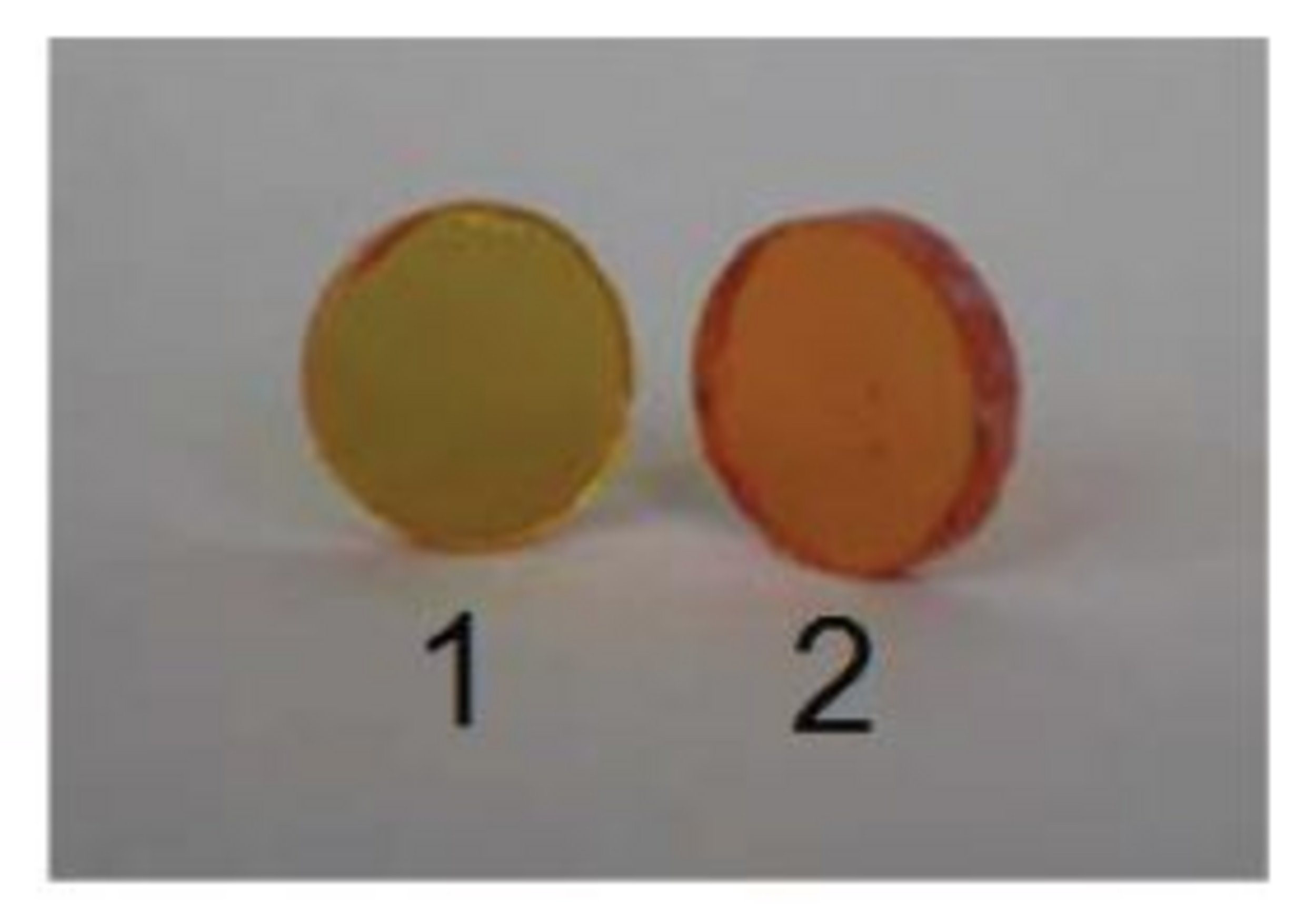
Energy
Upconversion of Lanthanide-containing glasses using DD‐980L excitation
The phenomenon of upconversion is an optical process that takes in lower energy (longer wavelength) photons and emits higher energy (shorter wavelength) photons.
Explore application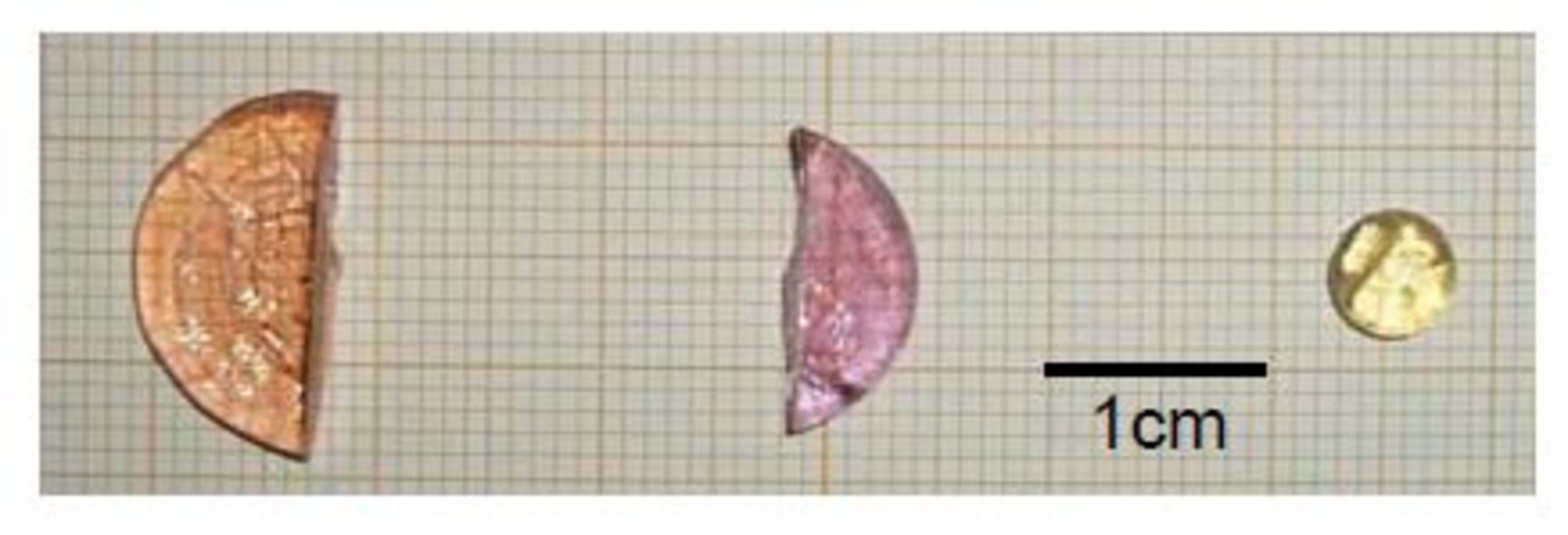
Energy
Characterizing Lanthanides in Glasses for Optical Applications
Glasses are essential materials with a multitude of uses and many forms. In the area of optoelectronics there is an interest to modify the glass composition to favor the incorporation of lanthanide elements.
Explore application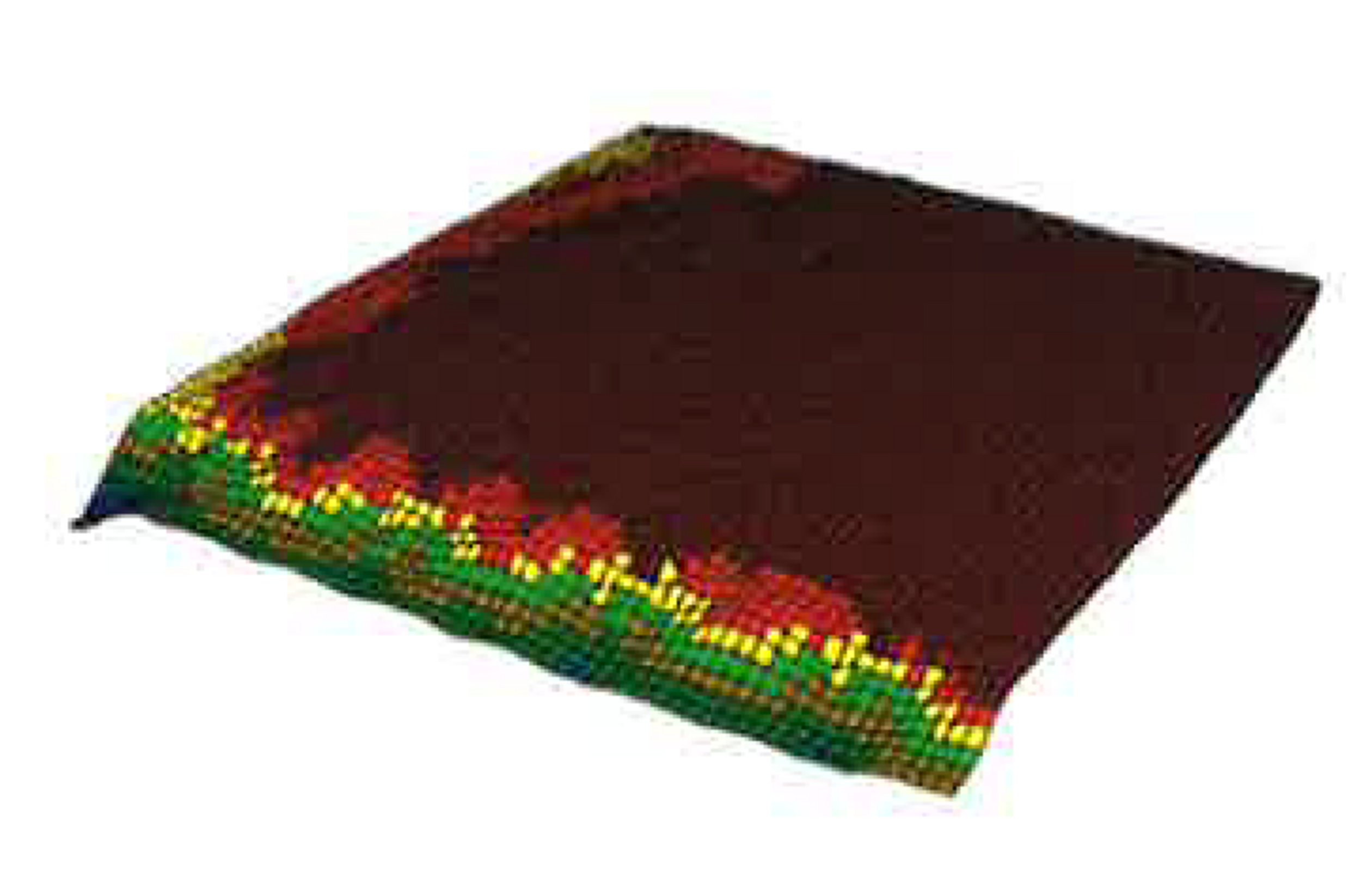
Energy
Characterization of photovoltaic devices by spectroscopic ellipsometry
Explore application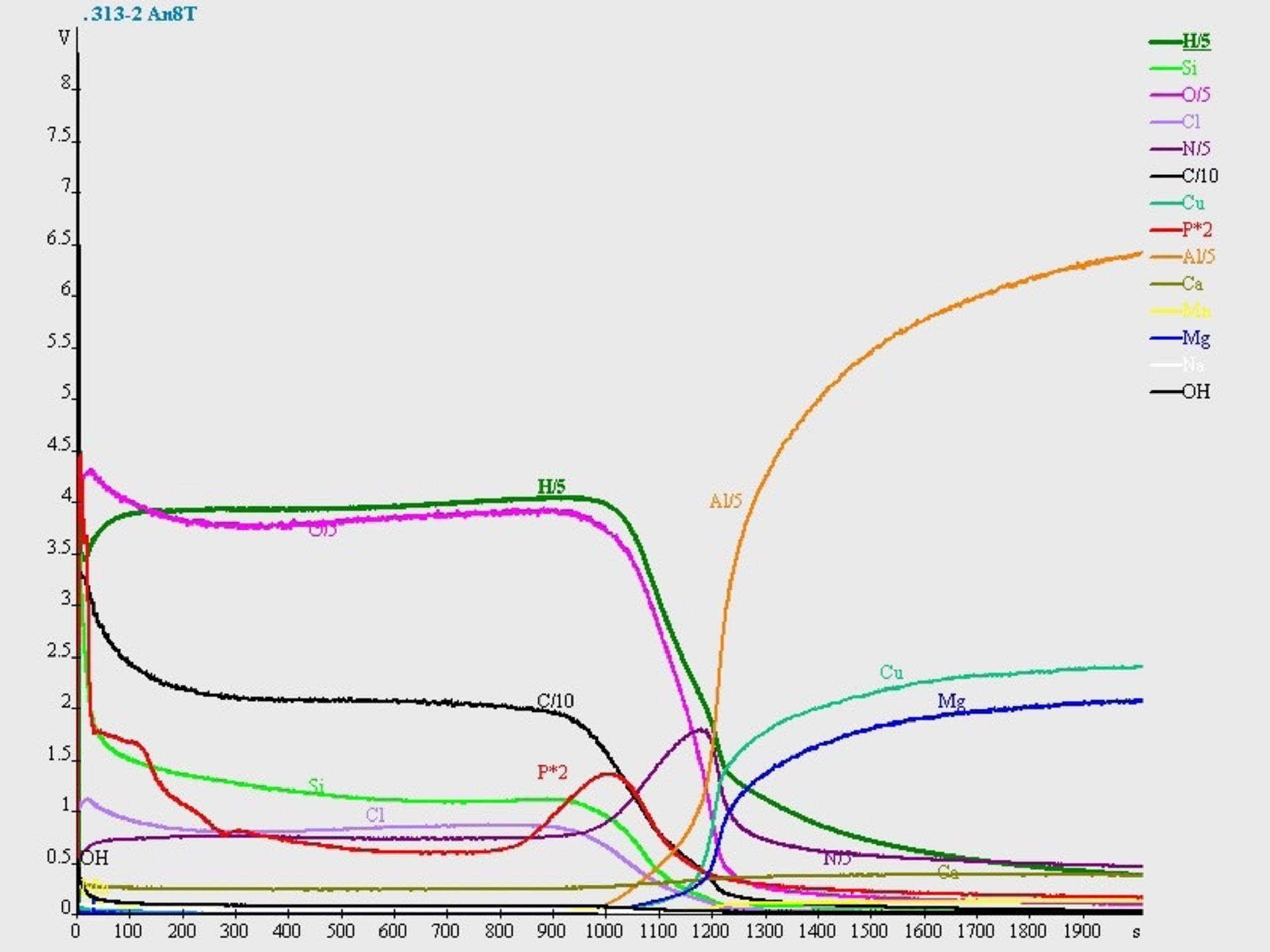
Energy
H&D Measurement of Hydrogen (and Deuterium) by RF GDOES
RF GD OES is well known for ultra fast elemental depth profile of thin and thick films. All elements can be measured including Hydrogen (H) which is important in many application fields - for corrosion studies, for PV, in metallurgy, for the development of hydrogen storage materials and for all polymeric coatings studies to name a few. The most sensitive emission line for H is in the VUV range at 121,567 nm.
Explore application