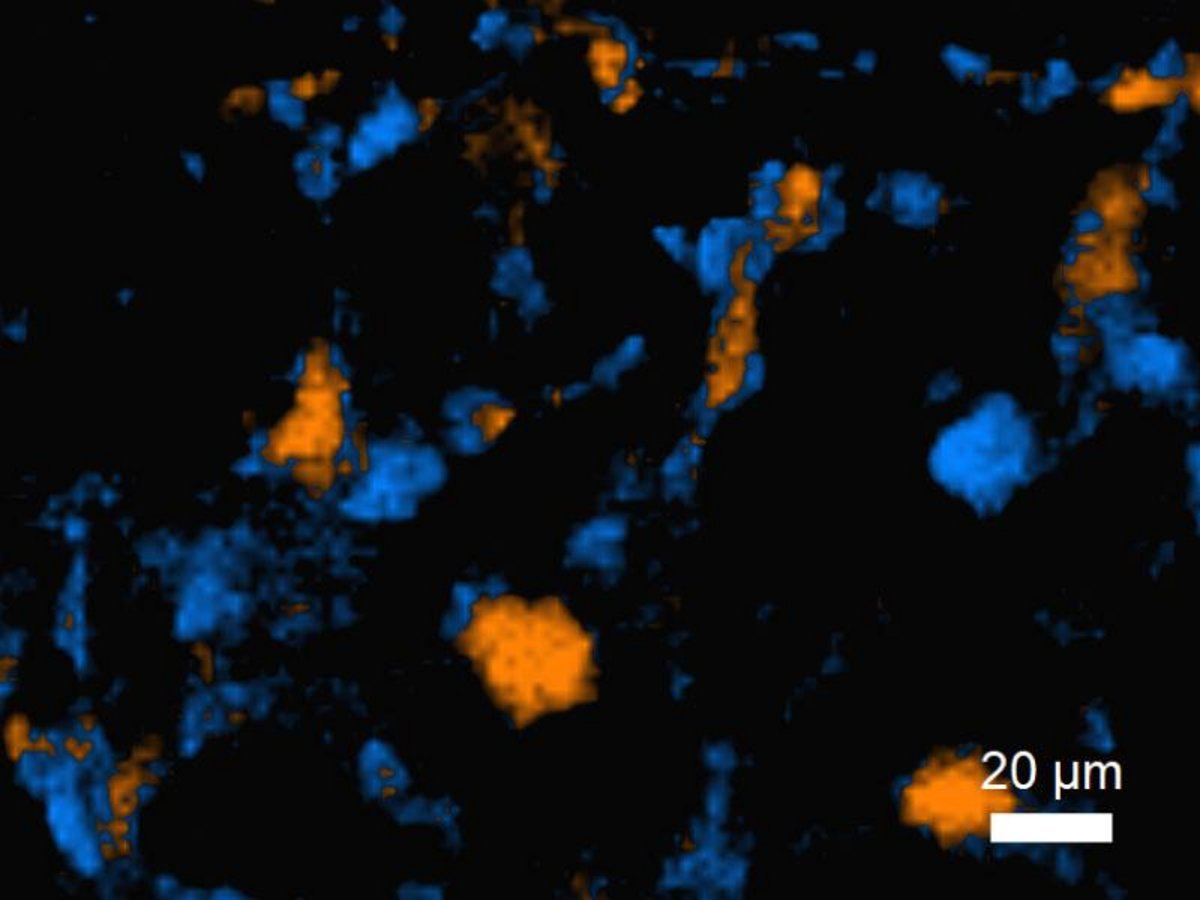
Raman spectroscopy ensures biosimilar stability by monitoring secondary and tertiary protein structures in real-time. In the highly regulated biopharmaceutical industry, ensuring the safety, stability, and efficacy of complex therapeutics is paramount. To meet these rigorous demands, Raman spectroscopy has emerged as a transformative analytical tool. By providing rapid, non-destructive, and highly specific molecular fingerprinting, this technology allows manufacturers to monitor Critical Quality Attributes (CQAs) in real time without compromising valuable product.
From verifying raw materials and detecting counterfeit drugs to monitoring crystallization processes and optimizing protein stability, Raman spectroscopy streamlines the entire drug development lifecycle. Coupled with advanced techniques like Surface-Enhanced Raman Spectroscopy (SERS) for trace detection and chemometric modeling for predictive analysis, it is an indispensable asset for modern Quality by Design (QbD) frameworks.
We answer your most frequently asked questions about how Raman spectroscopy is acting as a catalyst for innovation in drug manufacturing, process control, and formulation development, below.
Read the entire story at the Manufacturing Chemist website.
Raman spectroscopy is a transformative tool because it offers a unique combination of rapid, non-destructive, and highly sensitive characterization. It provides specific molecular fingerprints that allow manufacturers to streamline critical aspects of drug development, from raw material identification to final product release.
It supports QbD frameworks by enabling real-time monitoring of Critical Quality Attributes (CQAs) during both upstream and downstream processes. This includes applications in cell culture media optimization, formulation development, and continuous process monitoring.
Raman spectroscopy creates a detailed spectral fingerprint of a material. By comparing incoming raw materials against established reference spectra, manufacturers can instantly identify inadvertent substitutions or fake medications. Its non-destructive nature allows for multiple tests without depleting valuable stock.
Yes. It is highly effective at identifying Active Pharmaceutical Ingredients (APIs) and excipients. It is particularly valuable for differentiating between structurally similar compounds that might otherwise be confused in the supply chain.
Raman spectroscopy is used to monitor:
For drugs with polymorphic behavior, slight structural differences can impact bioavailability, stability, and dissolution rates. Raman monitoring allows manufacturers to adjust parameters "on the fly" to ensure the desired crystal structure is achieved, reducing rejects and preventing costly deviations.
It provides deep insights into API-excipient interactions and drug-excipient compatibility. By identifying molecular interactions early, researchers can select better excipients, reducing the risk of formulation instability and improving the product's shelf-life.
In a specific case study, a biopharmaceutical company used Raman spectroscopy to monitor protein aggregation in real-time. By characterizing protein conformation and secondary structure, they identified critical stabilizing excipients and optimized storage conditions, successfully extending the mAb's shelf-life.
SERS is an advanced technique that uses metallic nanoparticles to enhance the Raman signal. It is used to push detection limits down to parts-per-billion (ppb) levels, making it invaluable for detecting trace impurities, residual solvents, and low-concentration contaminants.
Raman spectra can be complex. Chemometrics uses mathematical models and machine learning algorithms to:
Sie haben Fragen oder Wünsche? Nutzen Sie dieses Formular, um mit unseren Spezialisten in Kontakt zu treten.