
Welcome to Science in Action. Our new series showcasing how our technologies, scientists, design and software engineers, and solutions are applied to real-world situations. From drilling thousands of feet below the icy surface of Antarctica to exploring concepts of life on other planets, our stories will stimulate your imagination and open new possibilities in your own scientific endeavors.

Science in Action
Unlocking the Secrets of the Deep Ocean’s Carbon Engine
Asst. Prof. Urban Wünsch, Chalmers University of Technology | Water Research
Why should you care about what happens six miles beneath the ocean’s surface? It is easy to view the "Hadal zone," those jagged, lightless trenches that plunge from 6,000 to 11,000 meters, as a remote, alien world. However, these trenches are the ocean’s ultimate recycling centers. They act as "hotspots" for carbon processing, where organic matter, often called "marine snow," settles and is consumed by specialized microorganisms.
Learn more
The Alchemist’s Factory – A Particle Characterization Story
Willie Hendrickson, Ph.D., AVEKA Group | Materials
AVEKA Group didn't begin with a grand industrial manifesto; it was born in 1994 as a specialized spin-off from the 3M Corporation. Willie Hendrickson, Ph.D., the company's founder and CEO, built the enterprise on a highly technical, yet remarkably simple truth: in the specialized world of advanced contract manufacturing, the fundamental matters are size, shape, and surface coating.
Learn more
The Grape Identity Crisis and How Spectroscopy Separated History’s Most Confusing Cultivars
Dean Volenberg, Ph.D. and Stephan Sommer, Ph.D. | Food & Beverage
In the humid, disease-prone vineyards of the American Midwest, a botanical cold case has lingered for more than a century and a half. It revolves around a rugged, cold-hardy vine that produces tight clusters of dark, ink-black berries. To the naked eye, a vine growing in Missouri looks identical to one planted in Arkansas. For decades, nurseries, growers, and even the federal government have treated them as the exact same plant. Historically, however, a quiet faction of winemakers insisted there were two distinct cultivars at play.
Learn more
The ARC Program: Forging Appalachia's Future Workforce
Prof. Max Wetherington, Penn State University Materials Research Institute | Materials
This is the story of how a critical need in American industry met an innovative educational solution at Penn State's Materials Research Institute. To provide practical skills for current students and to retrain external individuals whose jobs are shifting due to changes in industry.
Learn more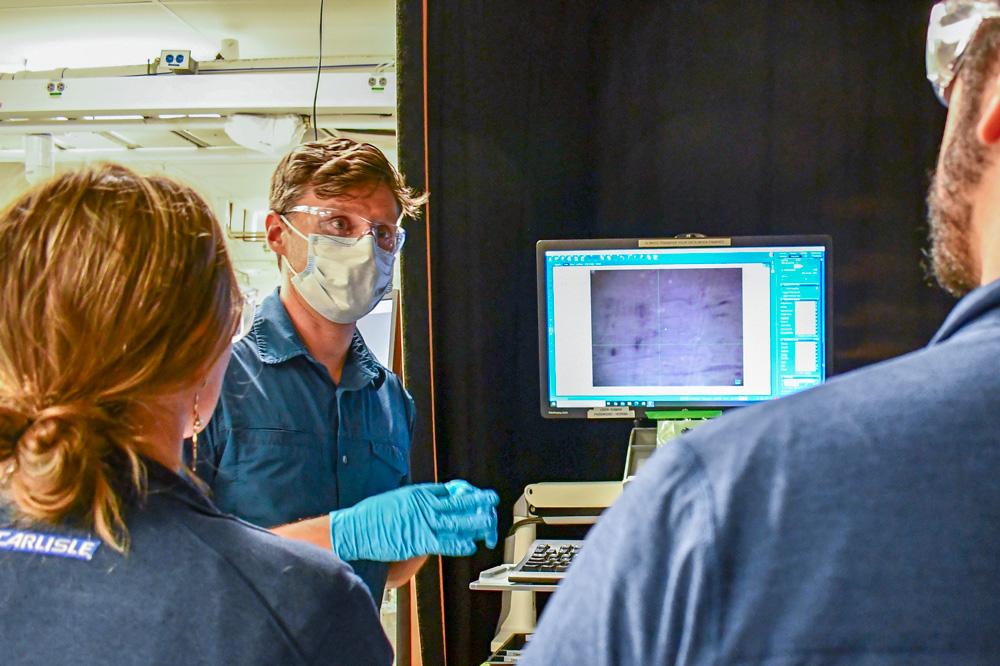
Unveiling the Truth of Art Through Science: How Analytical Techniques Bring New Value to the Art World
Dr. Kaori Taguchi, Associate Professor at Kyoto University | Art
In 2024, a notification arrived at the Museum of Art, Kochi questioning the authenticity of the painting “Girl and Swan,” part of the museum’s collection. This inquiry was rooted in the recent scandal that shook the art world: the arrest of Wolfgang Beltracchi, known as the "master of forgery." As more and more of Beltracchi's forgeries were uncovered, the museum began an investigation into the authenticity of “Girl and Swan,” prompted by information provided by the Berlin State Police.
Learn more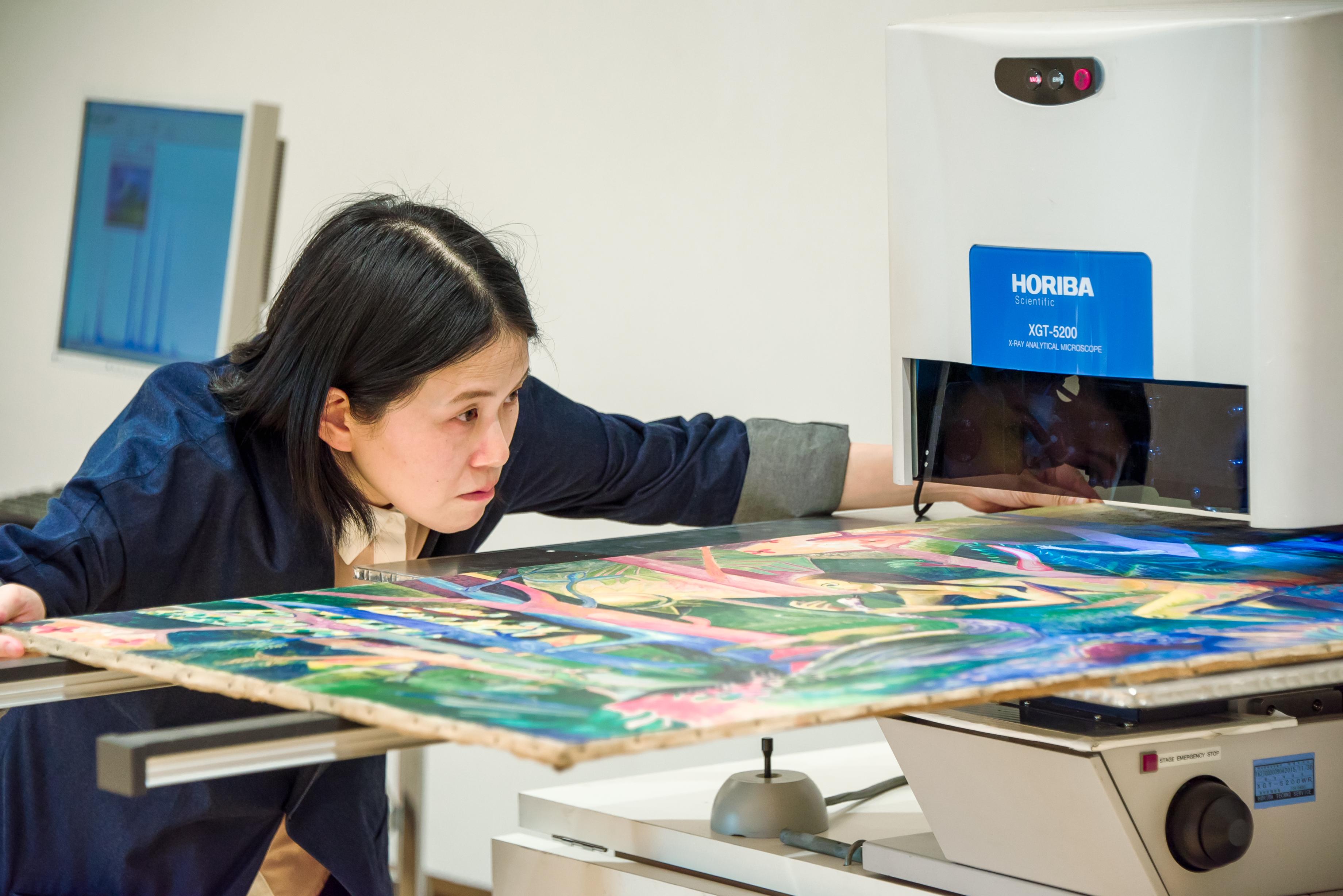
Battling Maple Syrup Fraud and Food Spoilage
Maria G. Corradini, University of Guelph | Food Science
Dr. Corradini, an Associate Professor and the Arrell Chair in Food Quality at the University of Guelph, embodies the rigorous, analytical spirit of her surroundings. She defines her field—Food Science—as a crucial applied science, a dynamic intersection of physics, biology, chemistry, and engineering. Her mandate is clear and far-reaching: to leverage these diverse disciplines to ensure the public food supply is safe, available year-round, and its production is efficient, addressing global challenges through laboratory innovation.
Learn more
The mystery of gemstone colors has finally been revealed
Professor He Xuemei, China University of Geosciences | Geology
Professor He Xuemei’s research group at the School of Gemmology, China University of Geosciences (Beijing), studied emerging gemstones such as Hezhou jade, Jinsha jade, and Xunke purple agate from Guangxi Province with XGT-9000. Her research team carried out comprehensive research on the element compositions, concentrations, and special structures.
Learn more
Exposing Counterfeit Drugs
Ravi Kalyanaraman, Ph.D., Bristol Myers Squibb | Biopharma
Integration of sophisticated spectroscopic tools into the lab are being used not just to authenticate products, but to actively detect counterfeits.
Learn more
Optimizing Wastewater Treatment in South Africa: A-TEEM Fluorescence Spectroscopy for BOD Analysis Amidst Economic Pressures
Thomas Ingwani, University of South Africa | Wastewater Treatment
South Africa, with economic and technological challenges, has shown a new approach to fluorescence spectroscopy to be more efficient and less costly for wastewater treatment.
Learn more
Exploring biogeochemical cycles, speciation, and primary productivity in the ocean using fluorescence spectroscopy
Peter Croot, Ph.D., University of Galway | Water Research
Dive into Professor Peter Croot's research on biogeochemical cycles, carbon cycling, and primary productivity in the ocean, using cutting-edge fluorescence spectroscopy to unravel the mysteries of "Planet Ocean."
Learn more
Leading the World with All-Solid-State Batteries
Prof. Akitoshi Hayashi, Osaka Metropolitan University | Energy, Battery
Professor Akitoshi Hayashi develops all-solid-state lithium-ion batteries using sulfide-based electrolytes to enhance electric vehicle safety and performance. His team pioneered glass-type Li₃PS₄ electrolytes via mechanochemical synthesis. He applies Raman spectroscopy, especially with UV lasers, to analyze structural changes, detect degradation, and identify anionic species like PS₄³⁻. These measurements are key for evaluating amorphous materials. He also highlights challenges including hydrogen sulfide management, air stability, and commercialization of solid-state battery technologies.
Learn more
Weeding out Over-the-Counter Frauds
Dr. Sayo Fakayode, Georgia College & State University | Pharmaceuticals
Dr. Sayo Fakayode of Georgia College & State University applies portable Raman spectroscopy combined with chemometric tools—regression and principal component analysis—to screen over-the-counter medicines and supplements. His approach rapidly detects and quantifies active ingredients in common OTC products, achieving approximately 94 % accuracy. This method is water insensitive, more convenient than chromatography, and allows in situ verification without opening containers. Fakayode’s work addresses global challenges arising from poorly regulated or counterfeit OTC consumables.
Learn more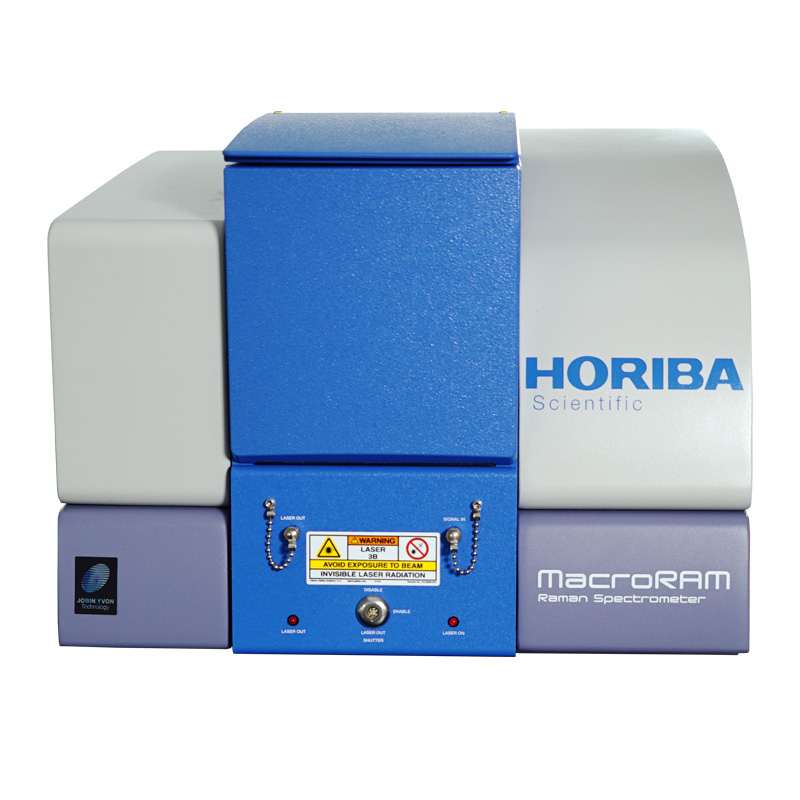
Ionic Liquids as a Breakthrough for Resource Recycling Issues
Prof. Mikito Ueda, Hokkaido University | Environment
Metal recycling is key to sustainability, and Professor Mikito Ueda's groundbreaking work on using ionic liquids for energy-efficient electrolytic purification could revolutionize how we conserve vital mineral resources.
Learn more
Cryogenics and Multimodal Microspectroscopy — Filtering out the Noise
Francis Ndi, Ph.D., HORIBA | Semiconductor
See how Cryogenics coupled with spectroscopy can quiet the noise of complex molecules to allow a focus on the one you want to study.
Learn more
The Fight to Protect the Oceans and Marine Life
Benjamin de Jourdan, Ph.D., Huntsman Marine Science Center | Water Research
Benjamin de Jourdan is on a mission – to protect economically important marine species from oil spills and other toxins. He uses a HORIBA Aqualog spectrofluorometer to characterize the spills and formulate mitigation strategies.
Learn more
Detecting early signs of cancer with Raman microscopy
Prof. Fiona Lyng, Technological University Dublin | BioPharma
Professor Fiona Lyng from Technological University Dublin uses Raman microscopy to detect precancerous biochemical changes in cervical cells before visible morphological signs appear. Her method complements Pap tests and HPV screening by providing objective, molecular-level insight. Using green laser excitation and standard glass slides, her team identifies DNA, RNA, protein, and lipid signatures non-destructively. The approach integrates seamlessly into existing clinical workflows, offering a sensitive, specific, and minimally invasive tool for early cervical cancer detection.
Learn more
Fluorescence Spectroscopy: An Alternative to Chromatography in Enhancing the Flavor of Foods
Uwe Nienaber, Ph.D., Kalsec, Inc. | Food & Beverage
Ever bitten into a burger that exploded with smoky chipotle zing, only to later discover it was secretly infused with the ghost pepper's fiery wrath? Welcome to the thrilling world of flavor creation.
Learn more
Using fluorescence spectroscopy to develop novel light-emitting materials
Marc Etherington, Ph.D., Northumbria University | Energy
It’s never been more crucial to discover efficient and stable light-emitting compounds that can curtail energy consumption. See what one researcher from the UK is doing.
Learn more
Alternative Light Sources and forensic creativity identify suspects in armed robberies
Todd Cole, Denver Police Department | Forensics
Alternative light sources are valuable tools for identifying critical evidence in crimes. This one is unusual.
Learn more
Investigators develop photographic evidence of domestic assault using alternative light sources
Randy Sparks, Coos Bay, Oregon Police Department | Forensics
Alternate light sources have proven effective at displaying domestic assault markings that ordinary white light photography doesn’t capture.
Learn more
A giant leap in fuel cell engineering
Associate Professor Takashi Sasabe, Tokyo Institute of Technology | Energy
Read about Associate Professor Takashi Sasabe at the Tokyo Institute of Technology who is developing fuel cell systems with higher efficiencies.
Learn more
Developing in-situ, online monitoring tools for radioactive materials using fluorescence spectroscopy
Hunter Andrews and Luke Sadergaski, Oak Ridge National Laboratory | Energy
Making radioactive isotopes requires precision to preserve valuable resources and maximize quality. See how fluorescence spectroscopy plays a role.
Learn more
Making carbon nanotubes more accessible
Toshiya Okazaki, National Institute of Advanced Industrial Science and Technology | Semiconductor
The supply of stable quality and production volume for the practical use of carbon nanotubes is critical for the proliferation of this unique group of materials. Read one expert's take on the state of research.
Learn more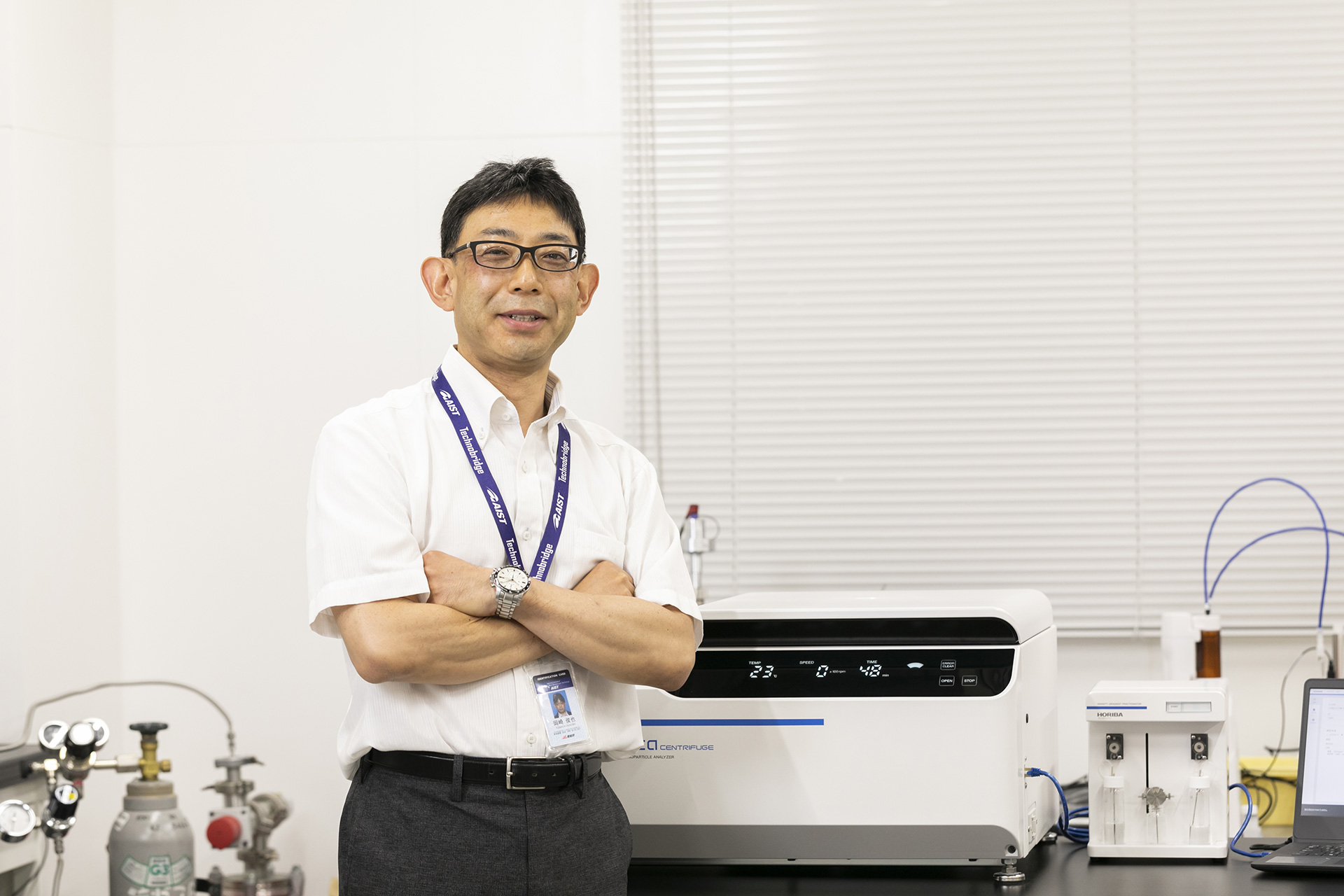
Astrobiologist/Geobiologist uses Earth as a lab to examine possibility of extraterrestrial life
Dr. Scott Perl, NASA Jet Propulsion Laboratory | Geology
Dr. Scott Perl, an astrobiologist and geobiologist at NASA’s Jet Propulsion Laboratory, treats extreme sites on Earth as planetary analogues to explore life’s persistence under harsh conditions. His research focuses on recognizing geological and biological biosignatures, including physical structures and chemical remnants, in salt-rich environments. By decoding salt records and comparing them with extraterrestrial scenarios, his work aids interpretation of potentially similar features on other solar system bodies. These insights support future planetary exploration aimed at discerning signs of life beyond Earth.
Learn more
Using AFM-Raman to understand defects in two-dimensional semiconductor materials
Sanju Gupta, Penn State University | Semiconductor
What if you could create a new type of semiconductor that could be more efficient in terms of absorbing the energy of the sun? New materials and configurations help us understand inevitable defects.
Learn more
Tracing toxic heavy metals in organisms using X-ray fluorescence (XRF)
Aaron Specht, Purdue University | Biomedical
Aaron Specht tries to improve public health conditions using X-ray fluorescence and a heavy dose of globetrotting to spot heavy metals in compromised populations.
Learn more
Understanding two-dimensional material interfaces with AFM-Raman/TERS will transform computing
Deep Jariwala, University of Pennsylvania | Materials
Two-dimensional materials have the potential to replace Silicon on microprocessors in computers. If we want to replace Silicon with some of these emerging materials, we must understand everything about it and need standard characterization routes for it too. AFM-Raman with TERS is an essential tool.
Learn more
Nano-scale research and technology leads to advanced materials development
Alexei Sokolov, University of Tennessee and Oak Ridge National Laboratory | Materials
Plastic airplanes? Nanotechnology makes it possible, with the help of AFM-Raman/TERS instrumentation. Read about how it all comes together.
Learn more
Researcher developing (non) linear nano-optical methods to characterize heterogenous interfaces
Dr. Patrick Z. El Khoury, Pacific Northwest National Laboratory (PNNL) | Materials
Dr. Patrick Z. El Khoury at PNNL advances tip enhanced Raman spectroscopy (TERS) and custom multimodal nano optical methods to probe heterogeneous interfaces at the nanoscale. His work addresses how catalytic, electronic, or biological activity varies across tiny topographic sites by combining nano Raman, nano PL, nano CARS, SHG/SFG, TPPL and extinction measurements. These high-resolution tools—built on HORIBA’s AFM optical platforms—reveal unique local chemical and physical signatures that inform chemical physics fundamentals across diverse materials systems.
Learn more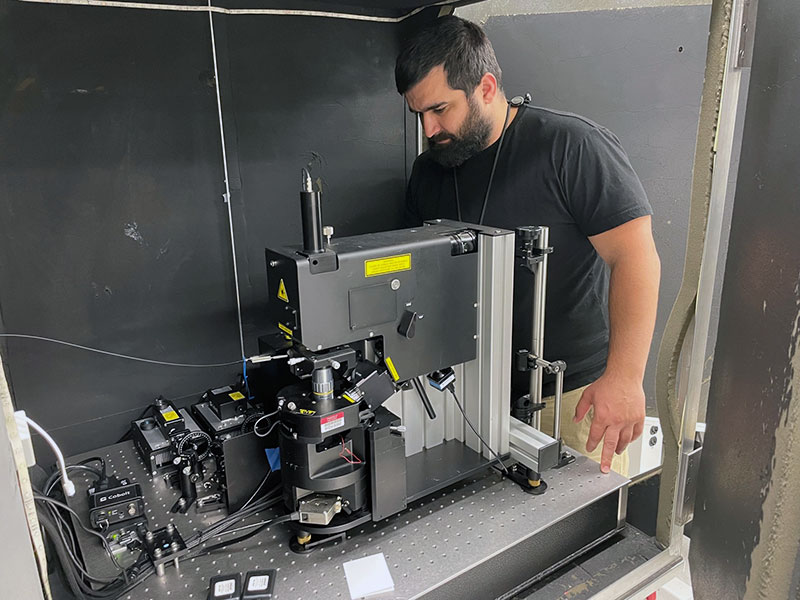
Fluorescence spectroscopy proves a fast accurate and economical method for wastewater measurement
Prof. Shane Snyder, Nanyang Environment & Water Research Institute | Water Treatment
Prof. Shane Snyder talks about wastewater management challenges and how he depends on fluorescence spectroscopy to monitor water quality.
Learn more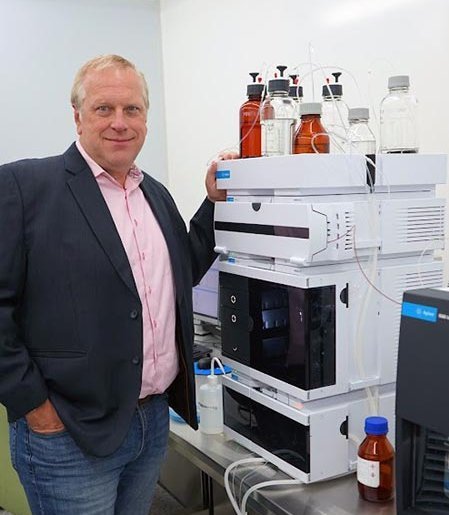
Micro-XRF uncovers secrets to Van Gogh’s brilliance
Kaori Taguchi, Tokai University | Art and Architecture
See how X-ray fluorescence allowed researchers to discover the subtle paint formulations that give Van Gogh’s artwork its depth and realism
Learn more
Fluorescence spectroscopy exposes carbon cycle changes
Juliana D’Andrilli, University of North Texas | Water Research
Humans, through the migration of populations, agricultural practices and fossil fuel consumption have interfered with the natural carbon cycle of the planet, Fluorescence spectroscopy gives us clues as to how those changes will affect our environment.
Learn more
Raman and X-ray fluorescence spectroscopies reveal the mysteries behind ancient Japanese art form
Yuya Shimoi, Shimoi Woodblock Printing Co., Ltd., Kamakura | Art
Yuya Shimoi, an Ukiyo-e reproduction specialist from Shimoi Woodblock Printing Co. in Kamakura, collaborates with HORIBA’s Hakaru LAB in Tokyo to scientifically analyze original Edo period Ukiyo-e pigments. He uses energy-dispersive micro XRF (HORIBA XGT 5200) to non destructively determine elemental compositions of mineral pigments, and confocal Raman microscopy (LabRAM HR Evolution) to identify organic plant based dyes. This dual spectroscopic approach reveals materials like turmeric, safflower, lead-white, and oyster shell powder—unveiling mysteries about traditional paint usage and supporting faithful reproductions.
Learn more
Welcome to the dawn of a paradigm shift in technology
Dr. Masoud Mahjouri Samani, Auburn University | Nanomaterials
Dr. Masoud Mahjouri Samani from Auburn University custom-built a laser diagnostic microscope by integrating HORIBA iHR320, EMCCD, and PMT to characterize 2D quantum materials. His system performs Raman spectroscopy, photoluminescence, and time-correlated single photon counting to monitor real time structural and electronic changes—such as atomic vibrations and PL shifts—during processes like laser doping and defect induction. These advanced spectroscopic tools allow rapid, in-situ tracking of material behavior as researchers engineer next-generation components for quantum electronics and devices.
Learn more
Detection of smoke taint in grapes and wine—a simpler, faster and less expensive optical method based on A-TEEM spectroscopy
Kerry Wilkinson, University of Adelaide | Food and Beverage
Increasingly frequent wildfires and bushfires threaten grape and wine output. Read how fluorescence spectroscopy and A-TEEM technology can quantify smoke taint and yield cost and quality benefits.
Learn more
Chilean grape and wine quality assessment with Aqualog A-TEEM analyses
Doreen Schober, Viña Concha y Toro | Food and Beverage
See how scientists at Chile’s largest wine maker are using HORIBA’s Aqualog with A-TEEM technology to classify grapes and wines for quality and chemical composition.
Learn more
Research into ion transport through cell membranes aided by fluorescence spectroscopy
Matthew Langton, University of Oxford | Biomedical
Ion transport through cell membranes is at the heart of most biological processes. Matthew Langton of Oxford is finding ways using fluorescence spectroscopy to synthesize molecules to take the place of dysfunctional proteins.
Learn more
Glucose Binding Molecules could revolutionize diabetes management
Robert Tromans, Bristol University | Biomedical
The discovery of a glucose binding molecule could revolutionize diabetes management. Researchers are also working with partners to develop these molecular sensors to release insulin as needed. And the Duetta benchtop spectrofluorometer is at the heart of the discovery.
Learn more
Fluorescence sensors contribute to biological and display technologies
Lars-Olof Pålsson, Durham University | Biomedical
Read about how fluorescence sensors can be used as biological detectives and also enhance display technology development.
Learn more
A-TEEM and fluorescence spectroscopy may offer a better way to feed the world
Rich Lamar, Linxi Chen, Bio Huma Netics, Inc. | Agriculture
Humic materials are part of a class of compounds called biostimulants that, when applied to plants or agricultural soils, stimulate plant growth and productivity. A-TEEM fluorescence spectroscopy and can quantify the concentration of fulvic acids more efficiently.
Learn more
Perseverance lands to pursue answers to life on Mars using XRF
Dr. Andrew Czaja, University of Cincinnati | Geology
Dr. Andrew Czaja of the University of Cincinnati assists NASA’s Mars 2020 Perseverance mission by selecting promising rock samples from Jezero Crater that may preserve signs of ancient life. On Mars, PIXL (XRF) and SHERLOC (UV Raman) instruments measure elemental and organic signatures in situ. Back on Earth, Czaja plans to analyze returned Martian samples using a HORIBA T64000 Raman spectrometer to detect organic carbon and potential microbial textures. His work aims to identify biosignatures and inform future assessments of past Martian life.
Learn more
MXenes are revolutionizing nanotechnology with the help of Raman Spectroscopy
Dr. Yury Gogotsi, Drexel University (co inventor of MXenes) | Nanomaterials
Dr. Yury Gogotsi of Drexel University, co-inventor of MXenes, leads research into two-dimensional transition metal carbides and nitrides with unique electrical conductivity, hydrophilicity, and modular properties. These materials hold promise for fast-charging energy storage, smart wearable electronics, transparent conductive coatings, and more. His team, led in part by Asia Sarycheva, is building a Raman spectra library for MXenes. Raman spectroscopy fingerprinting enables analysis of composition, surface terminations, structural defects, and stacking order, advancing quality control and structure–property tuning in MXene nanotechnology.
Learn more
Historic carbon fluctuations could expose climate change secrets
Matthew Harris, University of New South Wales, Keele University Ice Laboratory | Paleoclimatology
Our planet has posed a baffling puzzle for scientists ―one that contradicts established climate theories and has enormous implications for the future.
Learn more
Study validates fluorescence spectroscopy with A-TEEM for fast and precise wine authentication
Ruchira Ranaweera, University of Adelaide | Food and Beverage
The aim of the study was to see if fluorescence spectroscopy, using HORIBA’s proprietary A-TEEM technology, and a novel use of a multivariate algorithm could effectively and economically identify a number of wine samples produced from various regions in Australia.
Learn more
Yellowstone’s treasures may hold clues to life
Michael Gonsior, University of Maryland’s Center for Environmental Science | Biogeochemistry
Michael Gonsior studies dissolved organic materials (DOM) from an environment that scientists believe replicates many of the conditions of ancient Earth ― the majestic hot springs in Wyoming’s Yellowstone National Park.
Learn more
Launch of Mars 2020 to explore Mars using XRF
Andrew Czaja, University of Cincinnati | Geology
Was there life on Mars? We'll soon find out, as the Mars 2020 expedition, which launched on July 30, 2020, will explore an ancient lake bed with XRF for signs of life. It may change our ideas of evolution in the universe.
Learn more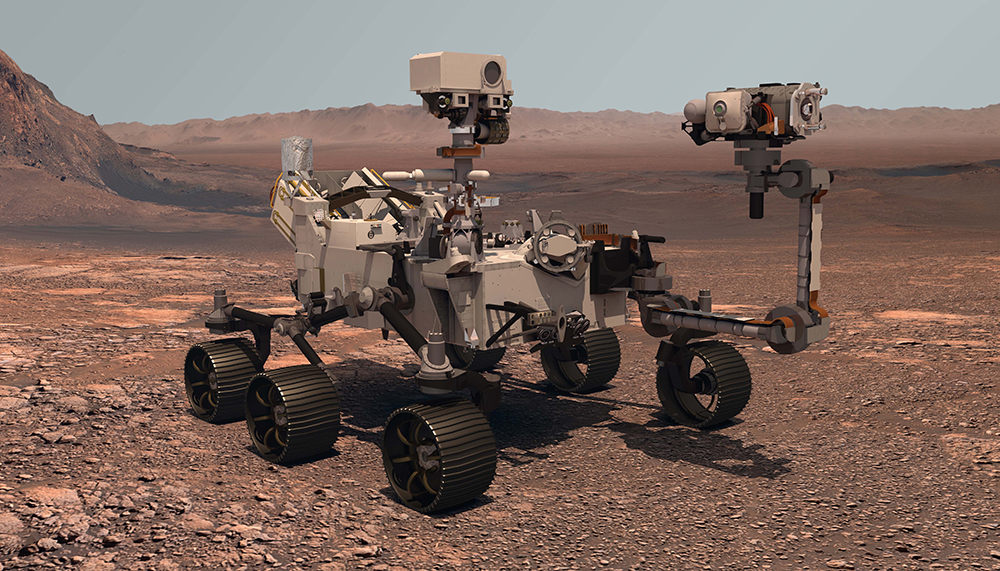
Raman breakthrough recovers erased serial numbers from plastic guns
Dr. Andreas Ruediger, Institut national de la recherche scientifique, Université du Québec | Forensics
Dr. Andreas Ruediger at INRS Université du Québec employs Raman spectroscopy to recover serial numbers ground off polymer firearms. Mechanical embossing induces subsurface residual strain that persists even after grinding. His team captured spectral imaging showing Raman peak shifts (up to ~1 cm⁻¹) and broadening correlating with strain. Combined imaging and histogram analysis enabled visualization and statistical confirmation of obliterated characters up to hundreds of micrometers deep. This nondestructive approach offers promising forensic tools for law enforcement.
Learn more
"Disruptive" carbon research deepens climate change understanding
Ryan Pereira, Heriot-Watt University | Biogeochemistry
Increasing atmospheric CO2 is causing significant warming of the Earth by changing the heat and water balances between the surface and atmosphere.
Learn more
Can Raman microscopy reveal art forgeries?
Jennifer Mass, PhD., Scientific Analysis of Fine Art, LLC. | Art
This HORIBA feature explores how Raman microscopy can help expose art forgeries by non-destructively analyzing the molecular makeup of pigments and materials. By capturing detailed Raman spectra of authentic and suspect artworks, scientists can identify inconsistencies in chemical fingerprints that indicate restoration, aging discrepancies, or fraudulent compositions. With diligence, appropriate instrumentation, and expert interpretation, Raman microscopy empowers specialists to discern genuine works from forgeries, potentially reducing the prevalence of counterfeit art in the market.
Learn more
The baker’s son
Brian Kolbilka, Stanford University | Biopharma
The chairman told him the news. The Nobel Committee chose Kobilka and his mentor, Robert Lefkowitz, M.D., as the 2012 co-recipients of the Nobel Prize for Chemistry.
Learn more
AFIS key to catching crook in unlikely match
Bradley Whitaker, Moore County Sheriff’s Office, North Carolina | Forensics
The investigators lifted the palm print, and the readable area of that print was tiny - the size the tip of a pinky.
Learn more
What are microplastics?
HORIBA Science Team | Environment
This HORIBA Science in Action entry defines microplastics as plastic fragments ≤ 5 mm, either purposefully manufactured (primary) or deriving from breakdown of larger plastic debris (secondary) The article highlights the ubiquity of microplastics—in oceans, soils, rainwater, food, salt, sugar, beer, and honey. It distinguishes primary particles intentionally released (e.g., in cosmetics) from secondary ones formed via environmental degradation, emphasizing the diverse and pervasive nature of this pollutant.
Learn more
Where do microplastics come from?
HORIBA Science Team | Environment
Microplastics – tiny plastic particles smaller than 5 mm – from that shirt or car tires are seeping into our biosphere. We ingest, inhale and absorb these particles through our skin.
Learn more
Scientist pioneers wastewater treatments to fight global warming effects
Ramola Vaidya, Virginia Polytechnic Institute and State University | Wastewater Treatment
Vaidya and her team are developing methods of advanced water treatment that not only returns the wastewater to a healthy level, but raises the ground water level, and prevents land subsidence and seawater intrusion.
Learn more
Microplastics: a big problem for the environment
HORIBA Science Team | Environment
This HORIBA Science in Action article defines microplastics as plastic fragments smaller than 5 mm formed via environmental degradation of larger items under sunlight, wind, and water. It reports widespread contamination—from drinking water (over 90% of sampled bottled water contained microplastics) to marine environments, beaches, and glaciers horiba.com. Microplastics also act as vectors for bacteria, algae, and pollutants. Highlighting their persistence, ubiquity, and varied toxicities, the article underscores the growing environmental threat posed by these pervasive pollutants.
Learn more
Microplastics explained
HORIBA Science Team | Environment
This HORIBA Science in Action article explores microplastics—tiny plastic particles (≤ 5 mm) either manufactured or formed through degradation—that are contaminating oceans, drinking water, rain, salt, and even the air we breathe. They serve as carriers for pollutants, bacteria, and viruses, entering wildlife and human food chains. Raman spectroscopy plays a crucial role in identifying the chemical composition and origins of these particles, supporting the development of policies and monitoring procedures to limit microplastic contamination.
Learn more
Mishaps and ski trip lead to laser revolution
Gérard Mourou, University of Rochester | Physics
Mourou’s goal was to develop an ultra-short, high-intensity laser pulse without destroying the equipment used to produce it.
Learn more
Researcher traces path of potentially toxic nanoparticles
Prabir Dutta, The Ohio State University | Biomedical
Scientists use nanoparticles in a variety of applications, including medicine, pharmaceuticals, electronics, biomaterials, energy production and consumer products.
Learn more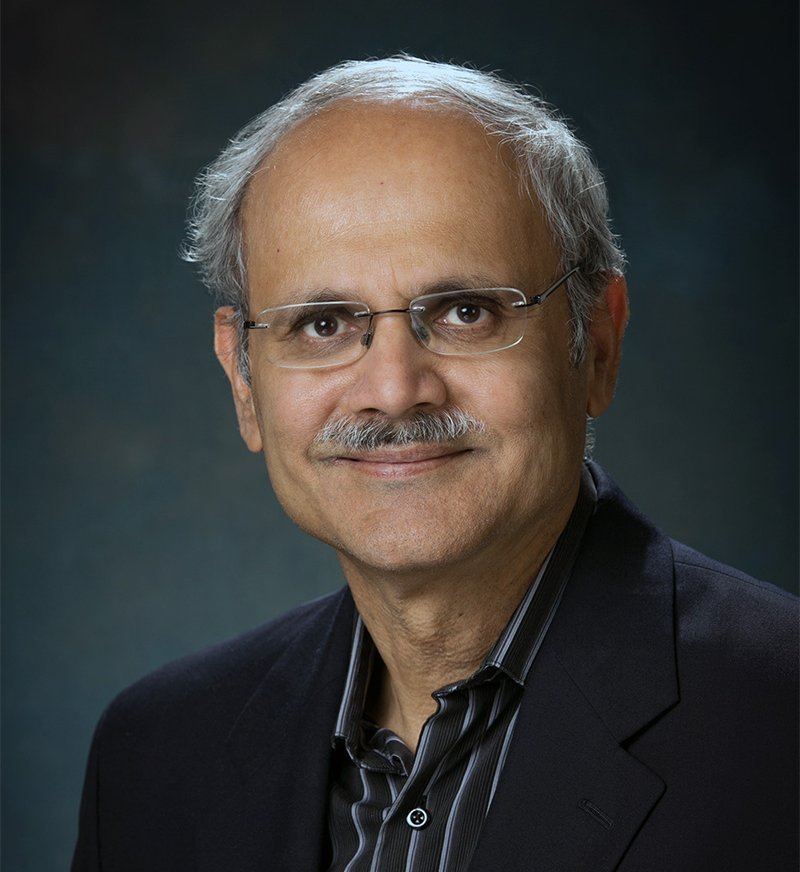
Cleaner water through fluorescence spectroscopy and artificial intelligence
Chris Miller, University of Akron in Ohio/Fontus Blue, Inc. | Water Treatment
Miller focused his research on drinking water quality monitoring and management, along with treatment optimization.
Learn more
Fluorescence spectroscopy becoming key to identifying pain
Mikhail Berezin, Washington University | Biomedical
Berezin turned his focus to imaging inflammation in the body – and how to locate it. That, he hoped, would eventually lead to the treatment of peripheral neuropathy and chemotherapy induced peripheral neuropathy in particular.
Learn more
Medical examiner department ID’s evidence with alternative light sources
Heidi Nichols, Miami-Dade County Medical Examiner's office | Forensics
Alternative light sources are typically used in crime scene investigation and post mortem examinations to identify many forms of evidence.
Learn more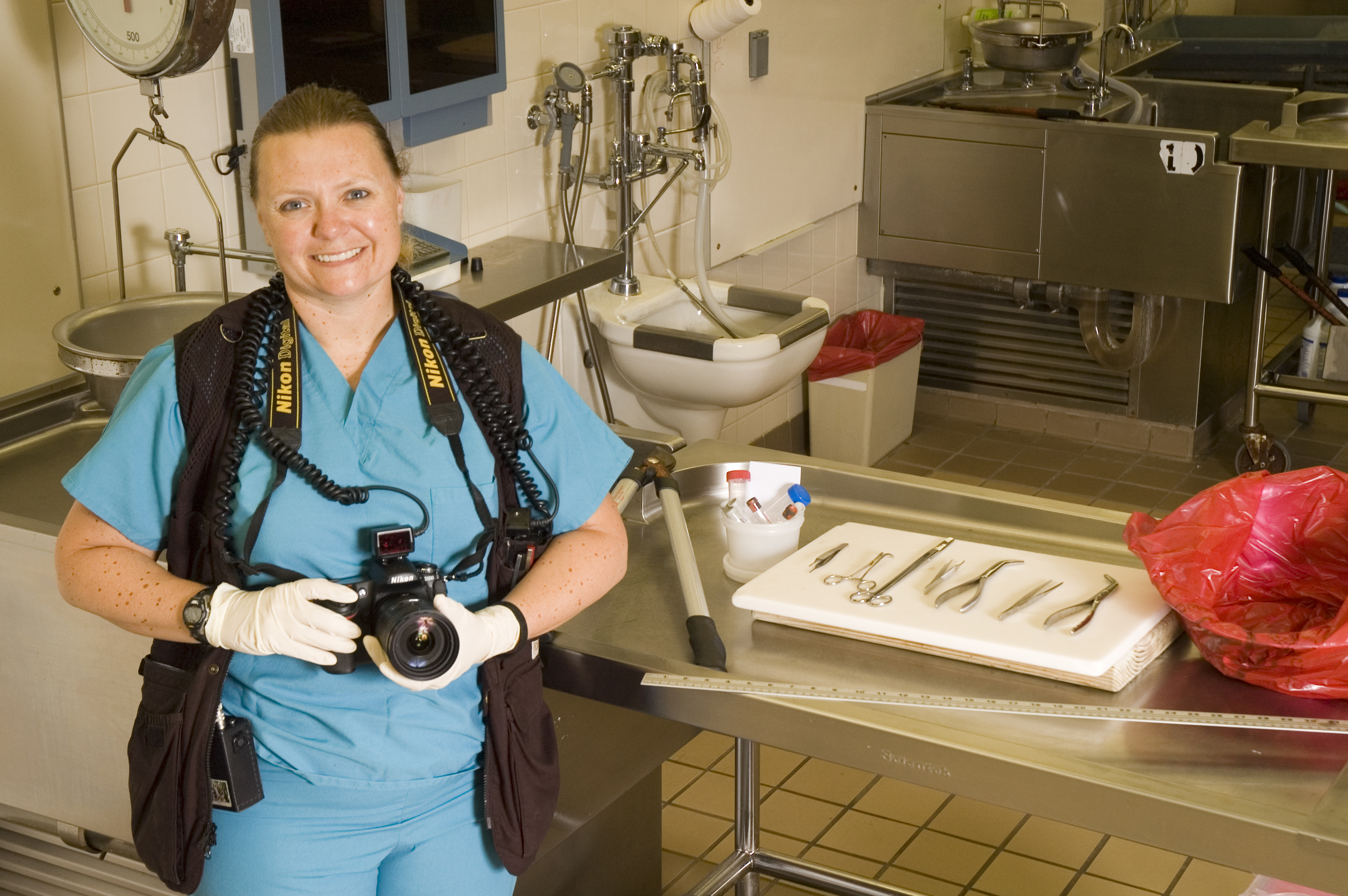
The science of food
Richard Ludescher, Rutgers University | Food and Beverage
This is the field of food science. Each food has its own unique food problem. And food scientists are responsible for designing ways to manufacture and preserve the quality and safety of those foods throughout its lifecycle.
Learn more
Using low temperatures to probe 2D materials for device applications
Dr. Rui He, Texas Tech University | Nanomaterials
Dr. Rui He at Texas Tech University investigates 2D materials like graphene, MoS₂, and chromium triiodide at ultra-low temperatures (~10 K, close to absolute zero). She uses HORIBA’s LabRAM HR Evolution Raman spectroscopy to capture vibrational, electronic, and magnetic excitations, including terahertz-frequency spin waves in ferromagnetic 2D materials. These fundamental measurements reveal temperature-dependent phase transitions and magnetic behavior key to designing faster, energy-efficient spintronic or optoelectronic devices, guiding future advances toward room-temperature application readiness.
Learn more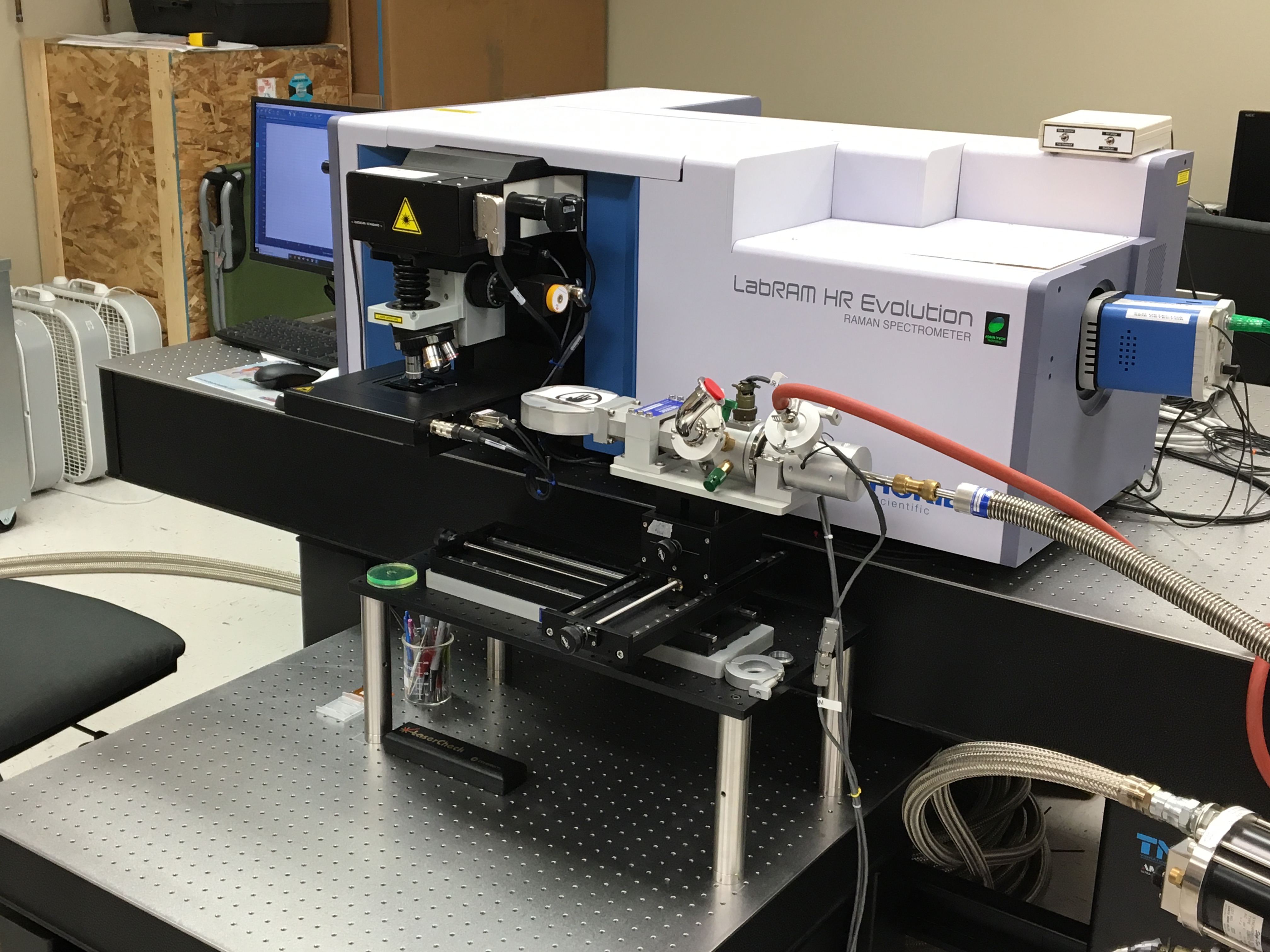
Carbon black lightens your wallet
Rafael Vargas, Birla Carbon | Materials
Vargas, a Ph.D., is the Lead Scientist for the Analytical and Materials Analysis Laboratories at Birla Carbon. And the Marietta, Georgia-based company’s world revolves around carbon black.
Learn more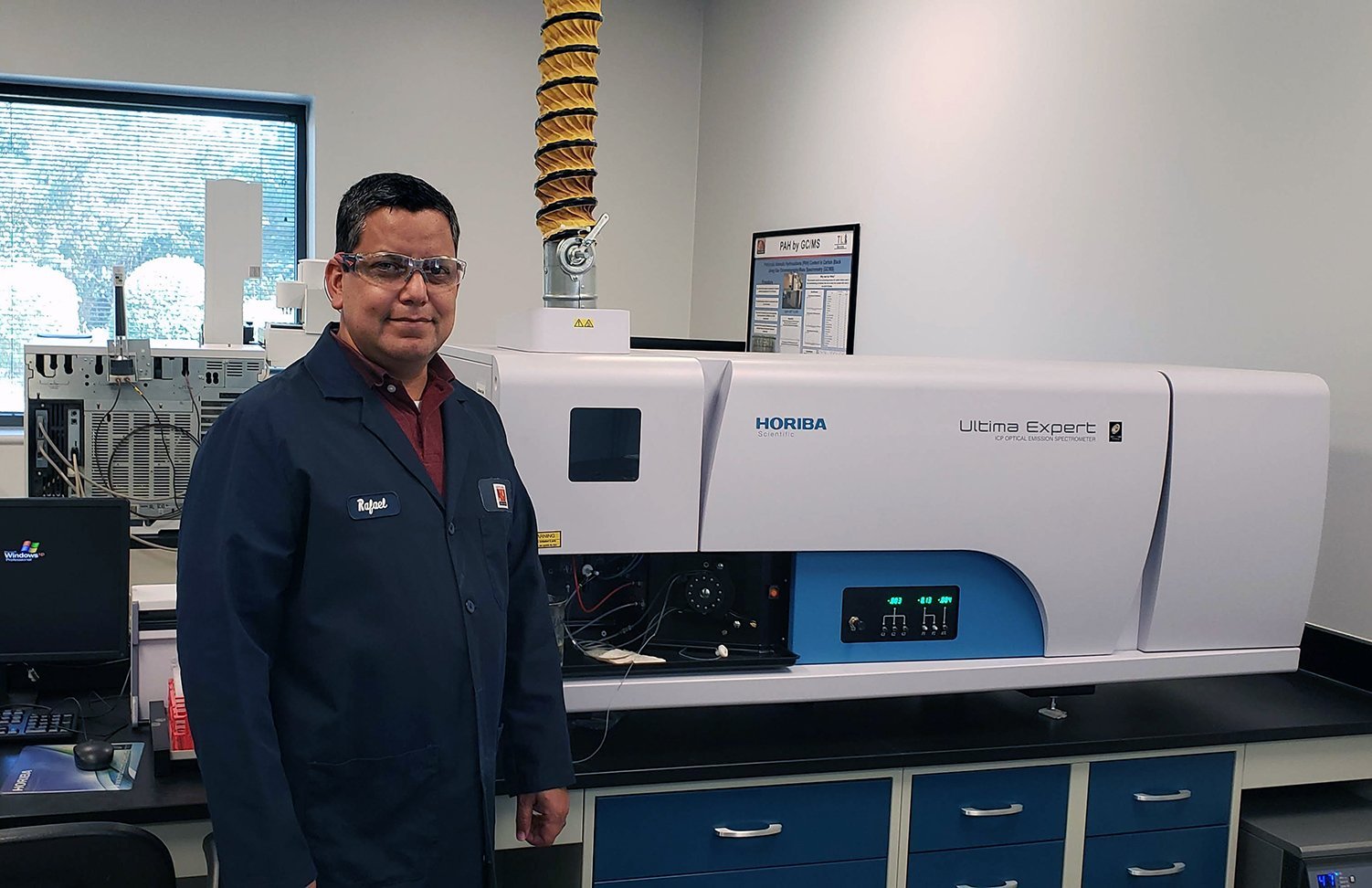
How fusion breakthroughs will lead to clean renewable energy
Chase Taylor, Idaho National Laboratory | Energy
Nuclear fusion is viewed by many as the holy grail of clean, renewable energy.
Learn more
Designing a new breed of nuclear reactors
Adriean Couet, University of Wisconsin-Madison | Energy
To most scientists, climate change is real. The challenge is to find more and better energy sources to generate electricity that do not emit greenhouse gases into the atmosphere.
Learn more
How to measure temperature with light
Professor Sukwon Choi, Pennsylvania State University | Semiconductors
Professor Sukwon Choi at Penn State University harnesses Raman spectroscopy as an “optical thermometer” to noninvasively probe submicron thermal hotspots in microelectronic devices prone to overheating. By measuring phonon energies through shifts in Raman band positions and comparing intensities of Stokes and anti Stokes scatterings using a LabRAM HR Evolution Raman microscope, his approach achieves high spatial and temperature resolution. This technique enables precise local temperature mapping essential for designing cooling systems and enhancing power device reliability.
Learn more
Materials characterization crucial in Silicon Valley systems
Fuhe Li, Air Liquide Balazs | Materials
A semiconductor manufacturer in the Silicon Valley faced a sizable setback. Something was contaminating its product, and the company halted production. That cost the manufacturer millions of dollars a day.
Learn more
Making better gas turbines
Michael Lance, Oak Ridge National Laboratory | Materials
Large, land-based gas turbines are the worker bees behind energy production. These devices convert the heat from nuclear fuel, concentrated solar power and fossil fuels like coal and gas, into electricity.
Learn more
Is this the next breakthrough in medicine?
Dr. Wei Min, Kavli Institute for Brain Science, Columbia University | Life Sciences
Dr. Wei Min of Columbia University is pioneering the application of Raman spectroscopy—particularly stimulated Raman scattering—for biomedical imaging to visualize metabolism and molecular dynamics in living tissues. He uses supermultiplexed optical imaging, deploying dozens of distinct Raman probes simultaneously to map diverse biomarkers within cells and tissues. This label-free, high-throughput method holds promise for earlier disease diagnosis, better understanding of metabolic disorders (like cancer, obesity, neurodegeneration), and enhanced drug development by revealing molecular processes in unprecedented detail.
Learn more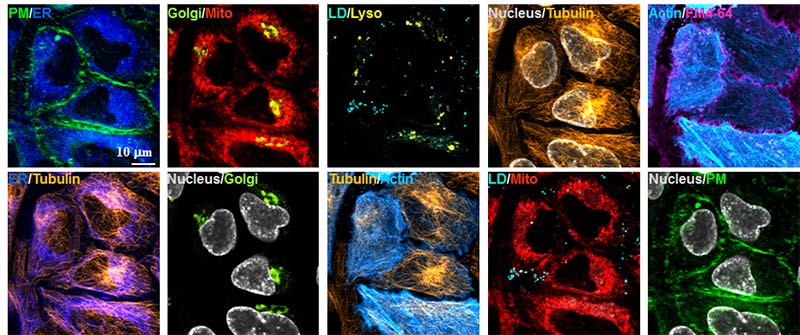
Targeting toxic waste with minerals
Dr. Aaron Celestian, Natural History Museum of Los Angeles County | Environment
Aaron Celestian’s research employs Raman spectroscopy and XRF to evaluate minerals used for treating toxic waste. By analyzing their chemical composition and structure, he identifies which minerals most effectively immobilize or neutralize contaminants. This scientific approach helps determine optimal materials for environmental remediation, guiding efforts to restore polluted sites. Spectroscopic data enable selection of mineral-based solutions that can "heal our world" by targeting specific toxic compounds through evidence-based mineral waste treatment strategies.
Learn more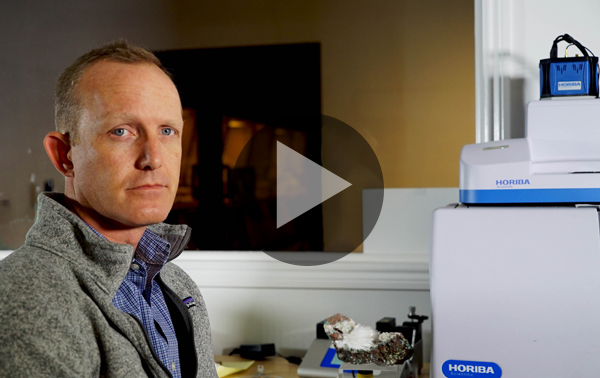
Museum’s mineral studies improving life
Dr. Aaron Celestian, Natural History Museum of Los Angeles County | Environment
Dr. Aaron Celestian of the Natural History Museum of Los Angeles County harnesses museum mineral collections for environmental and practical research. Using HORIBA’s non-destructive Raman spectroscopy (XploRA Plus) and micro XRF (XGT 7200), he analyzes rare minerals and fluid inclusions in real time without damaging samples. His work explores mineral interactions in natural and extraterrestrial contexts, including using zeolites like sitinakite to remediate nuclear-contaminated sites. He also engages community researchers and students, combining conservation, education, and scientific discovery.
Learn more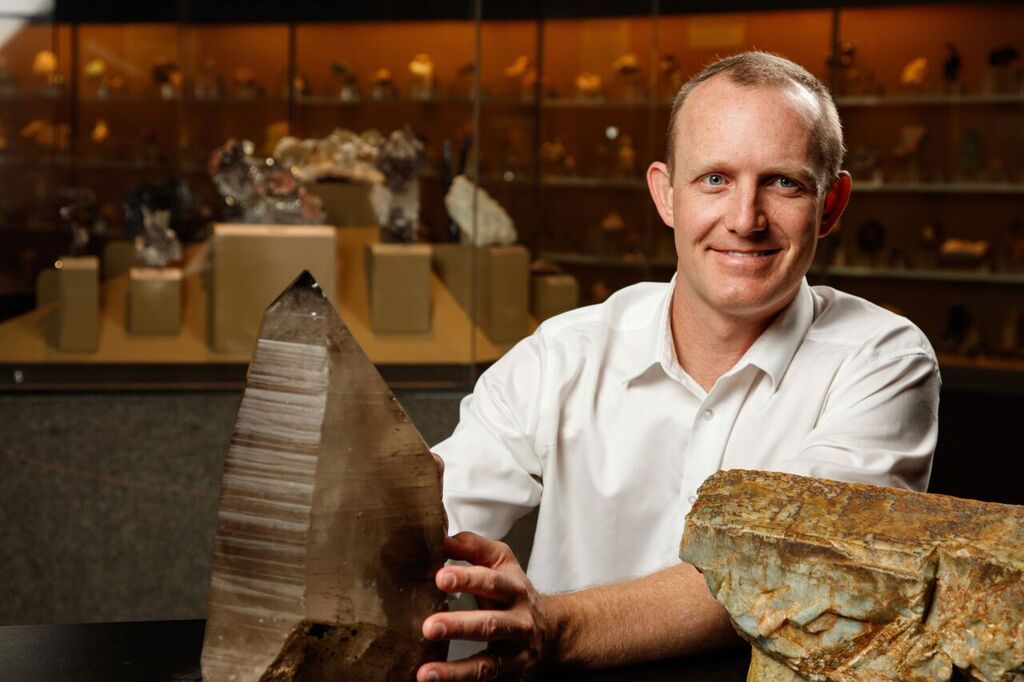
How we customized a spectroscopy solution in the low UV range
Francis Ndi, HORIBA | Semiconductor
The United States Naval Research Laboratory (NRL) faced a challenge. It wanted to conduct photoemission spectroscopy in the extreme low UV range using a tunable light source. It’s a difficult application. No off-the-shelf instruments existed to achieve its goals.
Learn more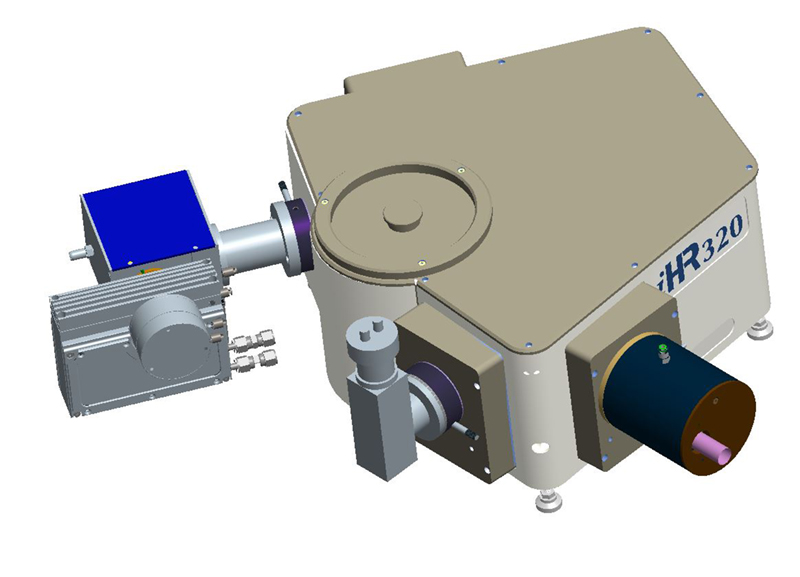
Fingerprint database leads to killers
Donna Carmichael, St. Lucie County Sheriff’s Department | Forensics
Back at the St. Lucie County Sheriff’s Department, crime scene investigators processed the tickets with chemicals to make any fingerprints on them visible.
Learn more
Should you be worried about nanotoxicity?
Dr. Christie Sayes, Baylor University | Life Sciences
Dr. Christie Sayes at Baylor University explores the emerging field of nanotoxicology, assessing risks linked to engineered nanoparticles—tiny particles sized 1–100 nm used in medicine, electronics, catalysis, and remediation. Her research indicates they can enter the body via inhalation, ingestion, or dermal contact, traverse cell membranes, and migrate to organs like the heart and brain. Animal studies show biochemical damage, inflammatory responses, apoptosis, and possible links to chronic disease. Exposure route, dose, and particle chemistry are key to understanding toxicity.
Learn more
Companies collaborate for better water treatment
Dave Brogle, Middlesex Water Company | Water Treatment
Dave faced challenges managing the amount of dissolved organic material from its water source. Its main supply of raw water is the Delaware Raritan Canal. Rain events cause runoff, compounding the problem.
Learn more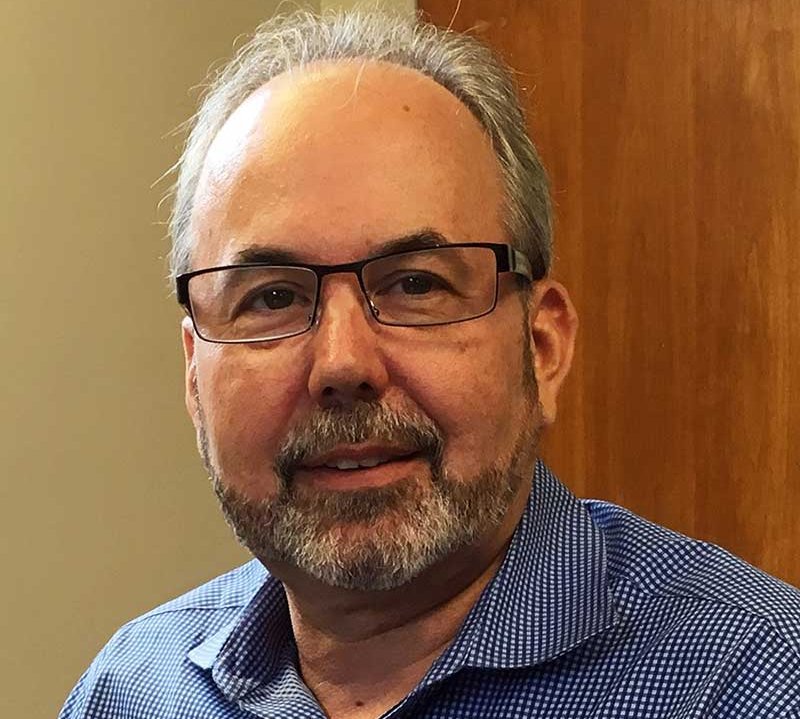
How do thin films help NASA uncover the secrets to the universe?
Manuel Quijada, NASA’s Goddard Space Flight Center | Materials
In less than two years, mankind will begin a journey that will open new doorways in its understanding of the universe.
Learn more
Raman gets the goods on counterfeiters
Mark Witkowski, Forensic Chemistry Center, U.S. Food and Drug Administration | Pharma
Mark Witkowski of the U.S. Food and Drug Administration’s Trace Examination Section uses HORIBA Raman spectroscopy to tackle counterfeit pharmaceuticals, supplements, and contaminated foods. Employing non-destructive micro-Raman (LabRAM IR2) and automated XploRA PLUS with ParticleFinder™, his team rapidly analyzes small particles and tablets. Raman spectra reveal the chemical fingerprint of components, allowing comparison to authentic products and identification of fake or adulterated formulations. This forensic approach preserves evidence integrity and supports investigations targeting counterfeiters.
Learn more
Photovoltaics and photoluminescence
Taylor Harvey, Texas A&M University | Energy
Watch the interview with Taylor Harvey, Ph.D., of Texas A&M University-Central Texas on Next Generation Photovoltaics
Learn more
Photoluminescence contributes to staggering growth of photovoltaics
Taylor Harvey, Texas A&M University | Energy
Taylor Harvey, Ph.D., of Texas A&M University-Central Texas, is deep into photovoltaic research.
Learn more
Using renewable and alternative sources for value-added products production
Prof. George Tsilomelekis, Rutgers University | Energy
Professor George Tsilomelekis at Rutgers University investigates how inexpensive, renewable sources—particularly non-edible biomass, methane, ethane, and propane—can be catalytically upgraded into value-added products like fuels, solvents, polymer precursors, and fuel additives. Using operando vibrational spectroscopy methods (Raman plus infrared), he observes molecular interactions and conversion pathways within catalytic reactors in real-time. This spectroscopic insight enables structure–activity correlations, catalyst optimization, faster screening, and improved selectivity—paving the way for more sustainable chemical production from renewable feedstocks.
Learn more
Thin film analysis reveals secrets to renewable energy
Ina Martin, Case Western Reserve University | Energy
The result of Martin’s research could help create abundant, low-cost, clean energy on a global scale.
Learn more
The best nanoparticle
Justin Sambur, Colorado State University | Energy
Professor Justin Sambur, from Colorado State, talks about his group's working looking into how to best use nano materials for better...
Learn more
Nanotechnology a pathway to efficient solar energy
Justin Sambur, Colorado State University | Energy
A Colorado group is tackling one of the largest issues facing us with some of the smallest materials known to mankind.
Learn more
Health benefits of olive oils get boost
Ewa Sikorska, Poznań University of Economics and Business | Food and Beverage
Scientists believe phenolic compounds, like those found in olive oil, can contribute to a lower rate of coronary heart disease and prostate and colon cancers.
Learn more
Fluorescent carbon nanodots: making foldable displays
Doo-Young, University of Kentucky | Materials
Imagine reading a newspaper with an LED-like display that folds to fit in your pocket.
Learn more
Raman spectroscopy breakthroughs make CSI real
Prof. Igor K. Lednev, Department of Chemistry, University at Albany (SUNY) | Forensics
Prof. Igor K. Lednev at SUNY Albany develops Raman spectroscopy for forensic use, enabling non-destructive identification of body fluids (blood, semen, saliva, sweat) using a universal chemical fingerprint, unlike presumptive biochemical tests. His team also measures the age of bloodstains to time crime events. Lednev is working to translate lab workflows to handheld Raman devices that law enforcement could deploy on-site, allowing rapid, low-cost sample triage.
Learn more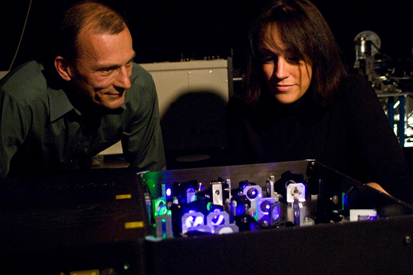
Making more efficient solar energy
Richard Loomis, Washington University | Energy
Richard Loomis is trying to make a better solar cell. And he’s taken a road off the beaten path to achieve that goal.
Learn more
Finding ancient life through minerals on earth and beyond
Eric Ellison, University of Colorado Boulder | Geology
Eric Ellison at the University of Colorado Boulder uses confocal Raman microspectroscopy (LabRAM HR Evolution) to analyze ultra-thin slices of peridotite rocks from deep beneath the Earth’s surface. He spatially maps crystal structures and chemical signatures to identify minerals that formed during serpentinization reactions-processes that generate hydrogen and could support microbial ecosystems. Through detailed mineralogical mapping, Ellison seeks to uncover evidence for ancient subsurface life on Earth—and analogous environments on other planetary bodies.
Learn more
Killing cancer with lanthanides and air
Ana de Bettencourt-Dias, University of Nevada-Reno | Biomedical
Imagine killing cancer cells with oxygen compounds. Then tracking the cancer’s metabolism with near ultraviolet light sources. That’s the potential result of the pioneering work by a team at the University of Nevada-Reno.
Learn more
Versatile Aqualog saves chemical costs at treatment plants
Adam Gilmore, HORIBA | Water Treatment
The primary role of a drinking water treatment plant is to provide clean drinking (disinfected) water.
Learn more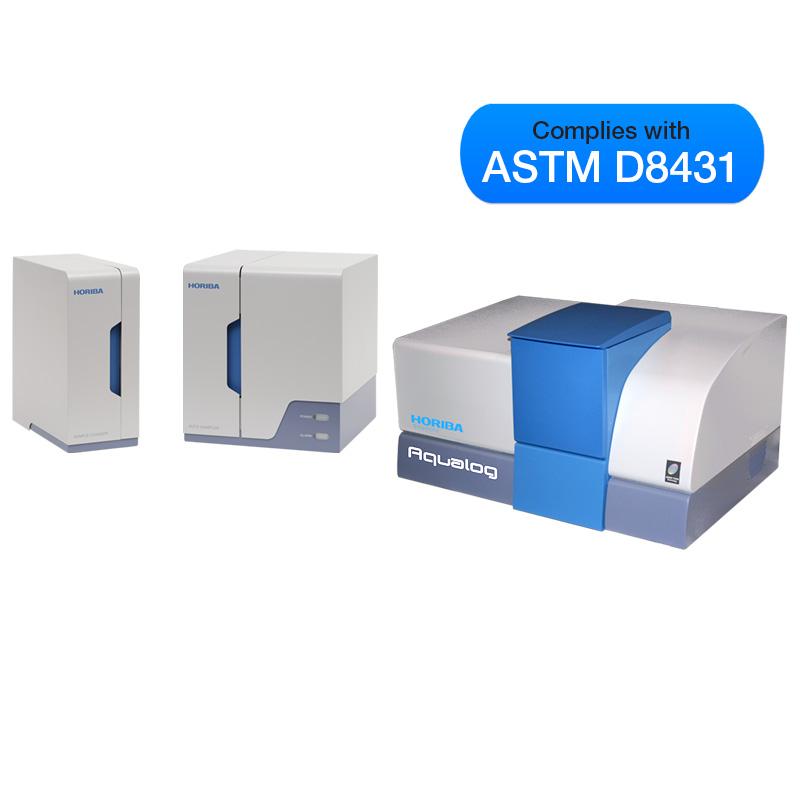
Low cost solar power on the horizon
Alex Siemiarczuk, HORIBA | Energy
A material unfamiliar to the masses may provide a huge leap in solar energy technology over the next few years.
Learn more
Alternative light sources and AFIS help identify murder suspects
Kyle King, Indian River Sheriff’s Department | Forensics
The Indian River Sheriff’s Department in Vero Beach uses alternate forensic light sources for their investigations every day.
Learn more
Researcher fights food fraud
Gene Hall, Rutgers University | Food and Beverage
Gene Hall is a crusader. His mission is to find mislabeled food and dietary supplement products, and reveal them to the world.
Learn more
Photodynamic therapy – A non-toxic way to fight cancer
Gang Han, University of Massachusetts-Medical School | Biomedical
Doctors can treat certain types of cancers with non-toxic light-emitting molecules, photosensitizers, and light. This is the essence of Photodynamic therapy, an up and coming treatment model for certain cancers.
Learn more
Man of science follows business path
Dr. Andrew Whitley, Vice President of Sales and Business Development, HORIBA
Dr. Andrew Whitley, Vice President of Sales and Business Development at HORIBA Scientific, merges technical expertise with business acumen. A classically trained chemist (PhD in vibrational spectroscopy, University of Durham), he champions applied Raman and fluorescence spectroscopy, leveraging his FACSS Charles Mann Award winning body of work to foster new applications and broaden HORIBA’s reach. Choosing a business-focused path rather than bench research, he empowers researchers globally by tailoring instrumentation solutions and enabling success.
Learn more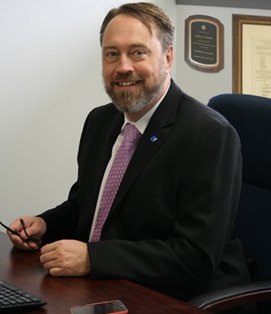
Fine wine-making with the help of HORIBA tech
Adam Gilmore, HORIBA | Food and Beverage
There are a lot of quality characteristics that the winemakers are interested in that relate to the color of the wine and the phenolic content – compounds that affect the wine’s taste, color and mouthfeel.
Learn more
Forensic light sources nab the suspects
Mark Zabinski, Rhode Island State Crime Laboratory | Forensics
Alternative light sources used by crime scene investigators help them identify evidence left by suspects at a crime scene.
Learn more
Discovering the origins of life
Prof. Andrew Czaja, University of Cincinnati | Geology
Professor Andrew Czaja, a paleobiologist at the University of Cincinnati, investigates ancient microbial life by examining microscopic fossils and their chemical signatures preserved in Earth’s oldest rocks. Using thin rock slices and a HORIBA T64000 high-performance Raman spectrometer, he maps organic carbon distributions and distinguishes authentic biological remnants from background minerals. Czaja’s methods help validate evidence of early life on Earth and inform similar analyses for future Martian samples, strengthening our understanding of life’s potential beyond our planet.
Learn more
Investigating missing carbon in Australian caves
Andy Baker, University of New South Wales | Environment
Researchers have focused on the terrestrial system to identify the missing carbon, such as in rivers and glaciers. Baker’s group is focusing on groundwater.
Learn more
An act of mercy in Baltimore
Debra Holbrook, Mercy Medical Center | Forensics
How a team of nurses revolutionized the investigation of strangulation cases in the area of domestic assault.
Learn more
Duetta: absorbance and fluorescence - in the blink of an eye
Clark Allen, HORIBA | Materials
Now, HORIBA Scientific has developed the perfect supplement for these highly capable research spectrofluorometers.
Learn more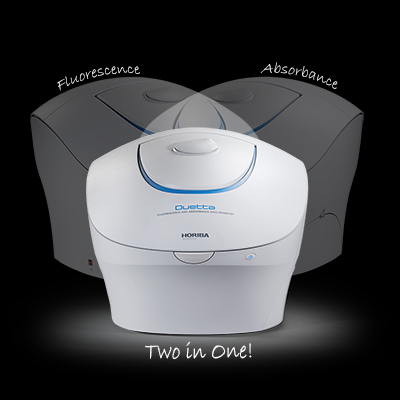
Elemental analysis and a cold brew
Matthieu Chausseau, HORIBA | Materials
Elemental Analysis is a process where a sample of a material is analyzed for its elemental and sometimes isotopic composition.
Learn more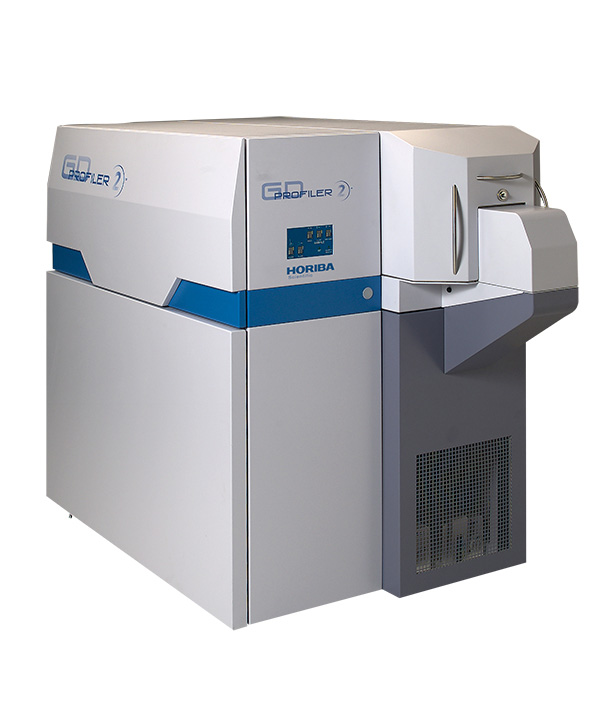
SPEX Forensics algorithms used to solve cold cases
Andy Parker, Raleigh/Wake City-County Bureau of Identification | Forensics
In one case, using an innovation created by SPEX Forensics, a division of HORIBA Instruments, a suspect was subsequently linked by fingerprints to 32 different outstanding felony cases.
Learn more
Drilling deep to discover life
John Priscu, Montana State University College | Geology
This winter, John Priscu plans to drill thousands of feet below the frozen ice of Antarctica and expects to find living creatures. If he’s successful, it could help change the way we see our planet.
Learn more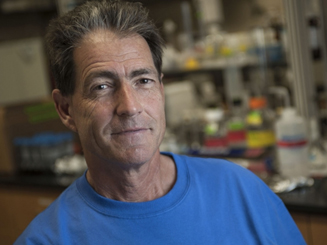
Demande d'informations
Vous avez des questions ou des demandes ? Utilisez ce formulaire pour contacter nos spécialistes.