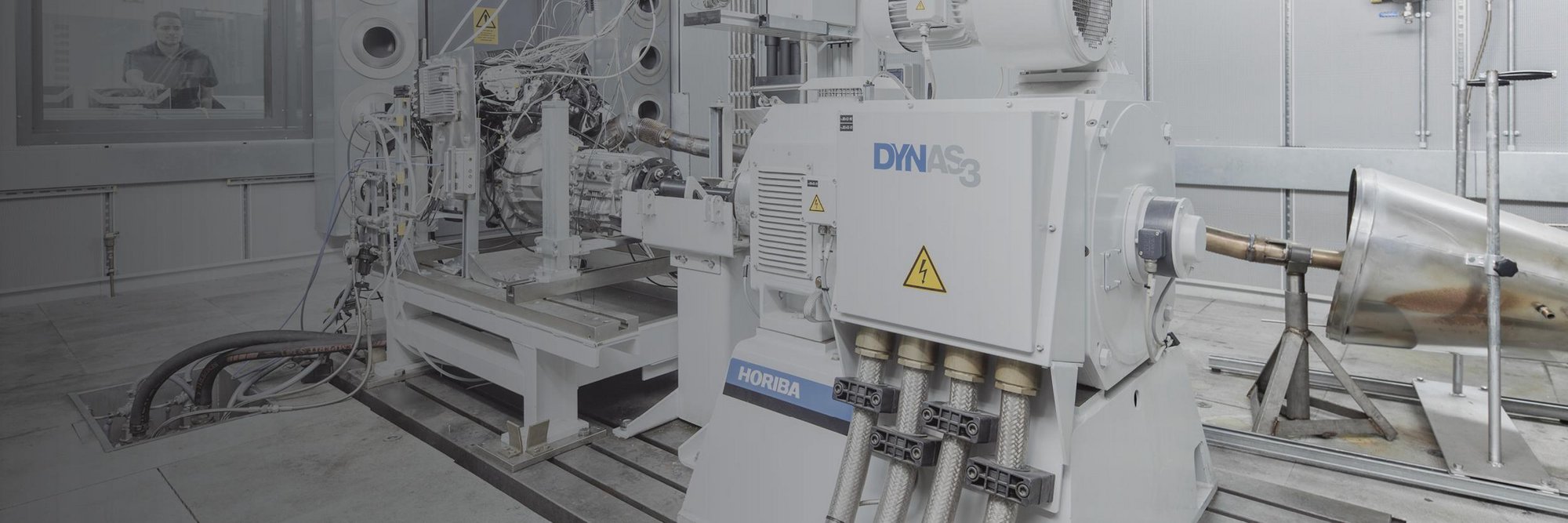
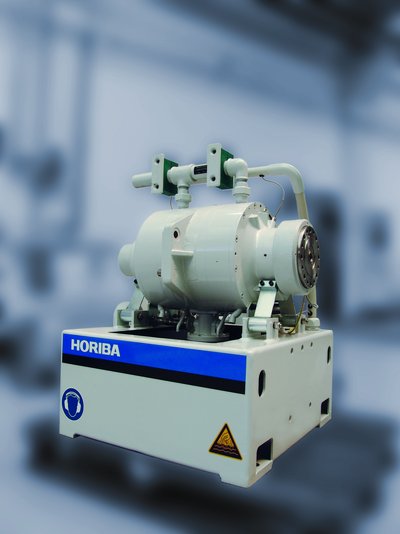
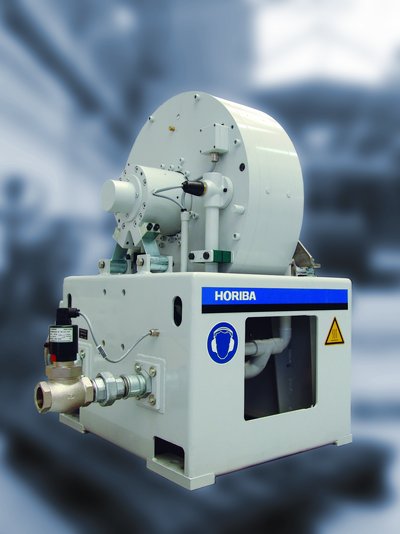
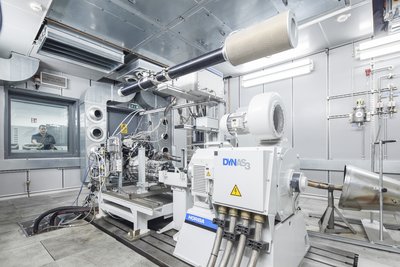
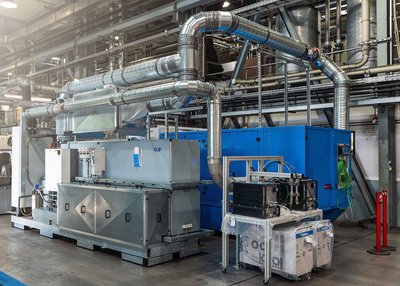
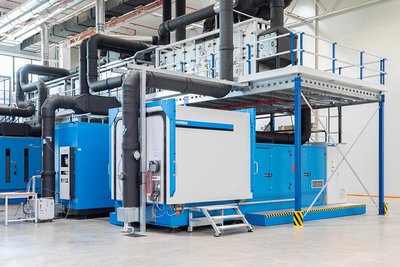
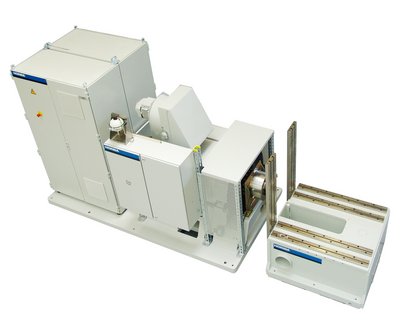
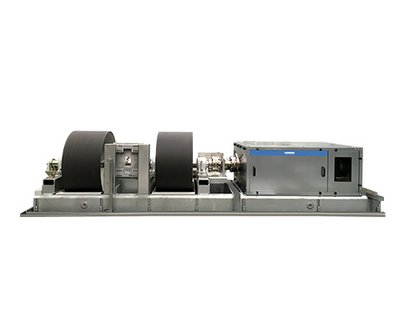
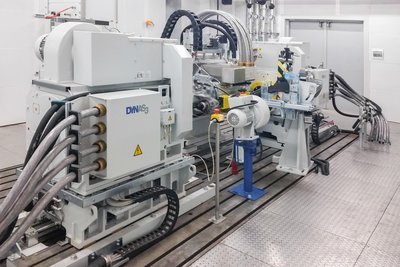
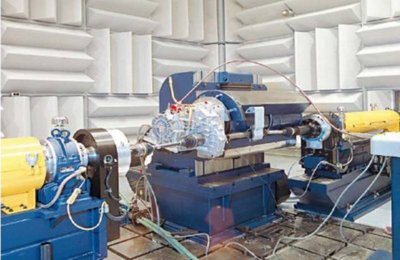
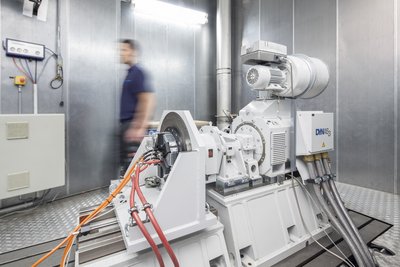
Dynamometers and Test Stands are measurement and load systems used to test, simulate, and evaluate the performance of engines, powertrains, electric motors, and complete vehicles under controlled laboratory conditions. They enable precise control of speed, torque, and load, providing accurate data essential for development, validation, and certification testing.
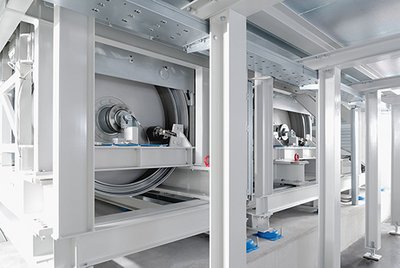
Dynamometers measure mechanical output such as torque, speed, and power, while test stands integrate the dynamometer with additional systems for automation, conditioning, safety, and data acquisition. Depending on the application, different configurations are used. Engine Dynamometers and Brake Dynamometers are typically employed for component-level testing, while Chassis Dynamometers allow complete vehicles to be tested under simulated road conditions. Powertrain Test Stands support complex driveline and transmission testing, and E-Motor Test Stands are optimized for electric motors and electrified powertrains.
Modern dynamometer systems are designed to replicate real-world operating conditions by applying dynamic load profiles, drive cycles, and environmental parameters. When combined with automation and control software, they enable repeatable testing, high measurement accuracy, and efficient test execution.
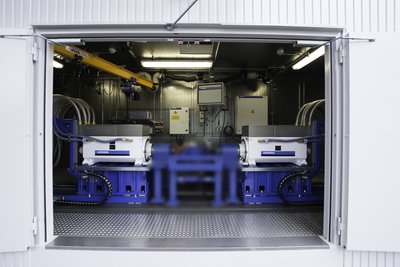
Installed permanently in test cells, stationary dynamometers and test stands are essential tools for R&D programs, durability testing, and regulatory validation. They support the development of efficient, low-emission, and high-performance powertrain technologies for today’s rapidly evolving automotive landscape.