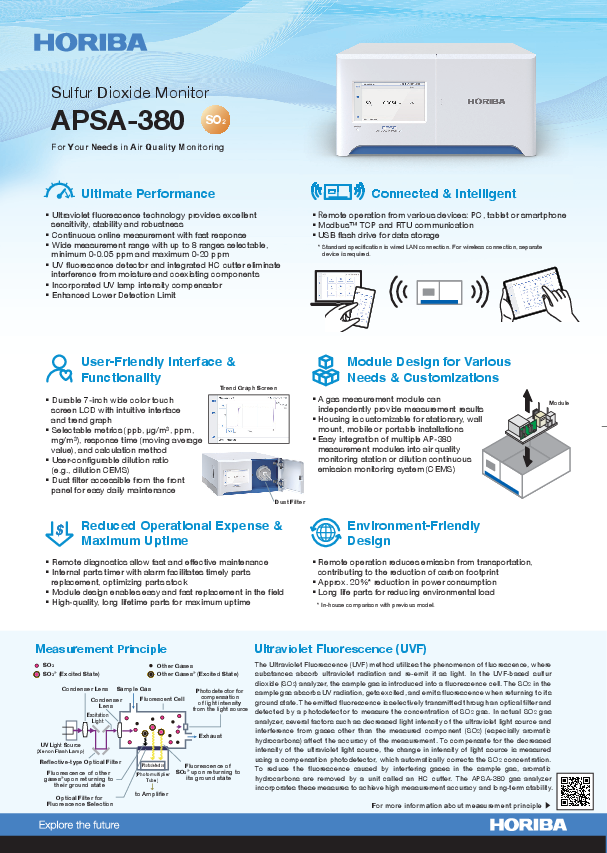
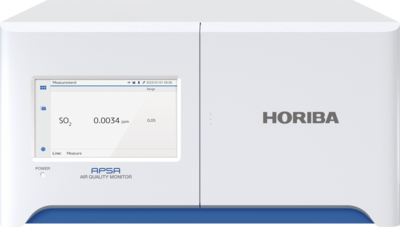
Monitoring of Sulfur Dioxide (SO2) in Environmental Chambers
In today’s industrial landscape, electronic and electrical systems are increasingly exposed to corrosive gases like sulfur dioxide (SO2) - a byproduct of fossil fuel combustion and various industrial processes. These pollutants can silently degrade contact surfaces, weaken connections, and ultimately lead to costly failures. That is why ISO/IEC 60068-2-42*, the internationally recognized sulphur dioxide test for contacts and connections, is a vital tool for manufacturers committed to reliability and performance.
This test is especially relevant for industries such as automotive, aerospace, and telecommunications, where even minor corrosion can cause signal loss, system malfunction, or safety risks.
The procedure involves exposing components to a controlled atmosphere containing 10 or 25 ppm of SO2, maintained at 25°C and either 75% or 93% relative humidity, for 4, 10, or 21 days, depending on the test objective. After exposure, the components are evaluated for contact resistance changes, mechanical integrity, and visual signs of corrosion.
This accelerated aging process reveals vulnerabilities that might otherwise remain hidden until failure occurs in the field. Laboratories around the world (often ISO17025 accredited) offer corrosion test chambers and testing services to conduct these tests with precision and repeatability.
One significant challenge faced by operators of these chambers is accurately measuring and maintaining SO2 concentration at 10 or 25 ppm throughout the test period, with minimal drift under harsh sample gas conditions.
One approach is to dilute the sample gas to mitigate its corrosive nature however, this makes precise measurement of the SO2 concentration more difficult.
* IEC 60068-2-42:2003 Environmental testing - Part 2-42:Tests - Test Kc: Sulphur dioxide test for contacts and connections


 Voice from an Operating Engineer of a Test Chamber in Germany