

In the Media
Comprehensive Characterization with A-TEEM Spectroscopy: Overcoming Fluorescence Limitations
A-TEEM spectroscopy represents a critical advancement in molecular characterization, offering analytical sensitivity that rivals traditional vibrational methods like Raman spectroscopy. By integrating absorption, transmission, and excitation/emission matrix fluorescence into a single instrument, this methodology detects subtle conformational alterations in large organic molecules.
Learn more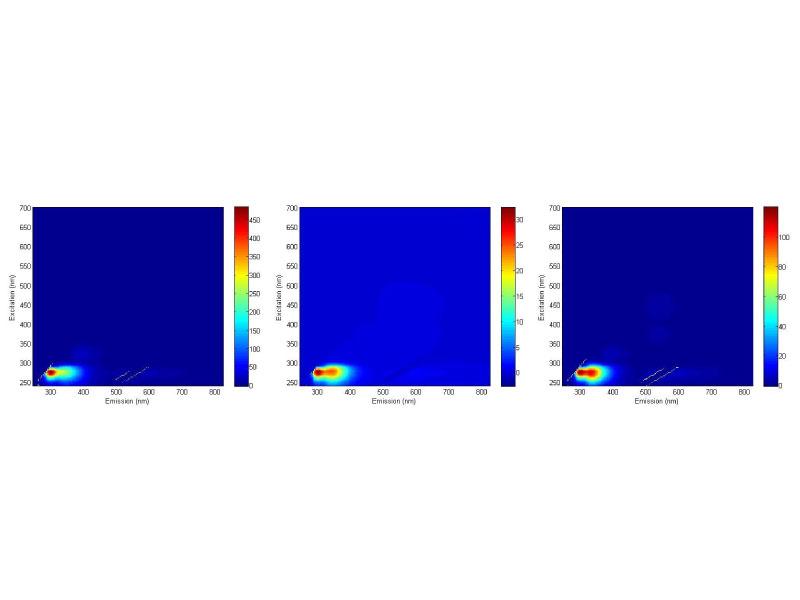
In Vivo Raman Spectroscopy for Well-Aging Dermo-Cosmetics
Achieving highly sensitive characterization without sample consumption is the primary challenge in modern dermo-cosmetics. In vivo Raman spectroscopy solves this by providing a 100% non-destructive optical evaluation of active ingredients and endogenous biomarkers within living human tissue.
Learn more
How to Choose Laboratory Analytical Technology: Problem-First Equipment Selection
This article explores how interactive demonstration spaces empower researchers to conduct side-by-side feasibility tests, such as comparing fluorescence and particle characterization for extracellular vesicles, ensuring that investments align with actual operating conditions.
Learn more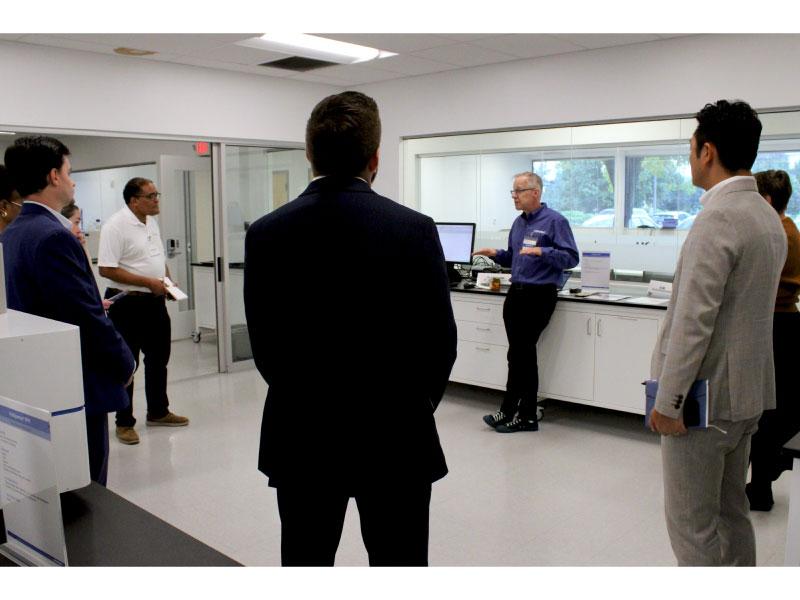
HORIBA Analytical Solution Plaza FAQ: Accelerating Biopharma Characterization and Problem-Solving Partnerships
The new HORIBA East Coast Analytical Solution Plaza bridges the gap between advanced scientific instrumentation and real-world industrial application. By providing a modular, 15,000-square-foot laboratory environment, this facility empowers researchers in biopharma, life sciences, and materials to solve complex analytical challenges collaboratively.
Learn more
Particle Correlated Raman Spectroscopy (PCRS): A Workflow for Correlating Particle Morphology with Chemical Identification
This article explores the development and application of Particle-Correlated Raman Spectroscopy (PCRS), a powerful analytical framework designed to bridge the gap between optical imaging and chemical identification.
Learn more
Cryogenics in Multimodal Microspectroscopy
Cryogenics enhances spectroscopy by significantly improving signal-to-noise ratios, enabling high-resolution measurements, and stabilizing samples for precise analysis. By cooling materials to extremely low temperatures, researchers can "quiet" thermal noise and suppress competing energy transitions.
Learn more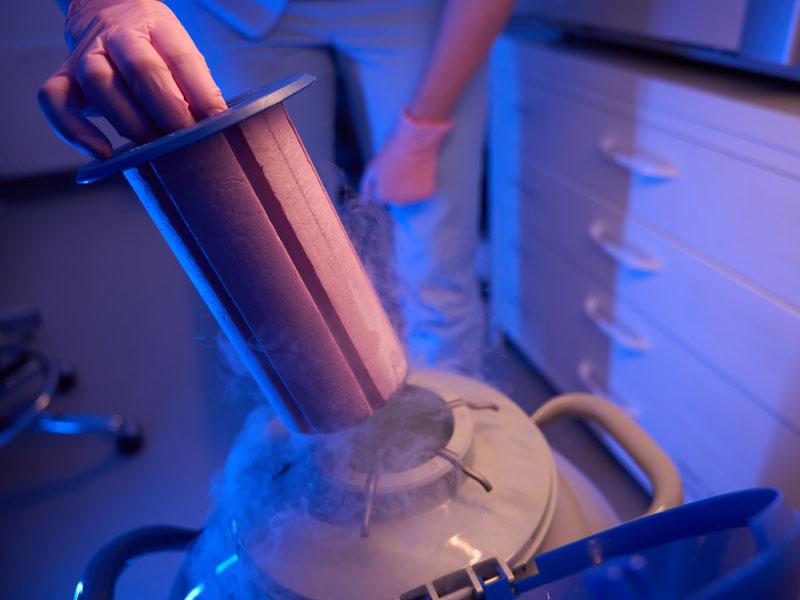
Fluorescence Lifetime Imaging Microscopy Provides Molecular Insights in Neurology
Fluorescence lifetime imaging microscopy (FLIM) is a transformative diagnostic tool in neurology, enabling the visualization of metabolic processes in living tissue with unprecedented detail. By measuring the excited-state decay of fluorophores rather than intensity, FLIM provides quantitative, environment-sensitive contrast independent of dye concentration or photobleaching.
Learn more
Spectroscopy for Advanced Semiconductor Material Characterization
Advanced semiconductor material characterization is essential for developing next-generation devices like two-dimensional materials, quantum dots, and nanowires. Using Raman spectroscopy, photoluminescence (PL) spectroscopy, and spectroscopic ellipsometry, researchers can non-destructively probe fundamental electronic, vibrational, and optical properties at the nanoscale.
Learn more
Raman’s Role in Detecting Counterfeit Pharmaceuticals
In the Pharmaceutical Technology article, "Raman Spectroscopy—A Game-Changer in the Fight Against Counterfeit Drugs," readers will discover how Raman spectroscopy provides a rapid, non-destructive, and cost-effective solution to the global threat of counterfeit medications. The piece explains how this analytical technique utilizes the inelastic scattering of light to create a unique molecular fingerprint, allowing investigators to accurately identify fraudulent drugs without even opening their packaging.
Learn more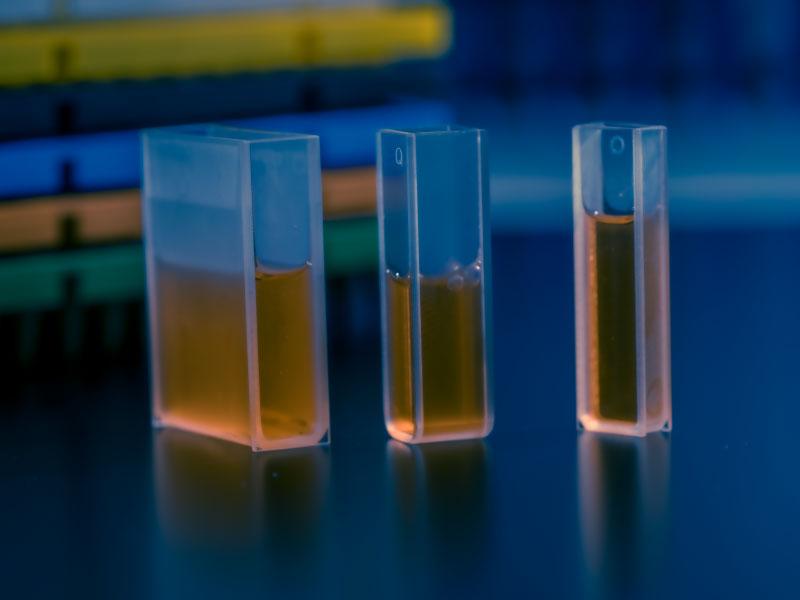
A-TEEM Analysis for Extracellular Vesicles
In the BioPharm International article, "Extracellular Vesicles and Fluorescence Excitation-Emission Matrix Spectroscopy," author Lyufei Chen explores the growing significance of extracellular vesicles (EVs) as vital intercellular messengers in health and disease.
Learn more
Tablets and Capsules: Particle Size Meets Chemistry
In pharmaceutical formulation, combining Laser Diffraction (LD) with Particle Correlated Raman Spectroscopy (PCRS) allows researchers to move beyond bulk physical measurements to gain chemically resolved insights into multi-component blends. While LD establishes the overall volume-weighted particle size distribution, PCRS utilizes Raman identification and automated imaging to reveal exactly which chemical components occupy those size ranges.
Learn more
Accelerating the Characterization of Cellular Signaling
Resolving complex molecular interactions without disrupting cellular integrity is a primary challenge in analyzing Cellular Signaling Pathways. By implementing cutting-edge optical and analytical instrumentation, laboratories can overcome the structural limitations of traditional biochemical assays and fixed-cell microscopy.
Learn more
Multimodal Spectroscopy Optimizes High-Yield Wide-Bandgap Semiconductor Wafers
Advanced material characterization using multimodal spectroscopy is essential to realizing the full potential of wide-bandgap (WBG) semiconductors like silicon carbide (SiC) and gallium nitride (GaN).
Learn more
Raman Spectroscopy in Biopharmaceutical Manufacturing
Raman spectroscopy is a transformative tool because it offers a unique combination of rapid, non-destructive, and highly sensitive characterization. It provides specific molecular fingerprints that allow manufacturers to streamline critical aspects of drug development, from raw material identification to final product release.
Learn more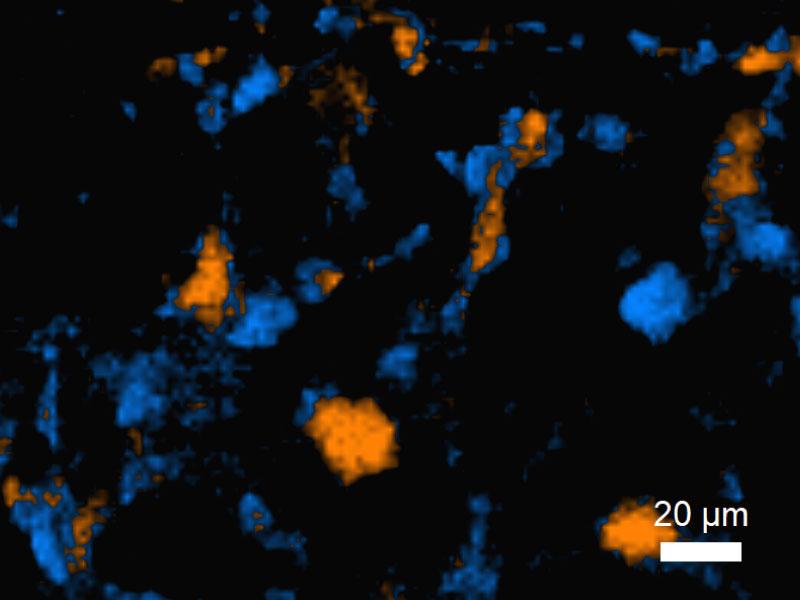
Spectroscopic PAT for Real-Time Molecular Fingerprinting
The biopharmaceutical industry is currently shifting from reactive, offline quality control measures to a proactive quality by design (QbD) framework, facilitated by Process Analytical Technology (PAT). By employing rapid, non-destructive spectroscopy, manufacturers can monitor processes continuously.
Learn more
How Recycling Turns E-Waste into Gold Standard Resources
As the global demand for smartphones, medical devices, and clean energy components soars, recovering precious metals from e-waste—a process known as urban mining—has become critical to maintaining a sustainable supply chain.
Learn more
Beating Biopharma Manufacturing Bottlenecks with Raman Spectroscopy
The following FAQ summarizes the transformative role of Raman spectroscopy in biopharmaceutical manufacturing. As the industry faces the dual pressures of rapid commercialization and strict Good Manufacturing Practice (GMP), traditional quality control methods create bottlenecks through delayed, reactive analysis. Raman spectroscopy offers a solution.
Learn more
Characterizing 3C-SiC Defects | Non-Destructive Metrology
The semiconductor industry is currently experiencing a strategic shift toward Cubic Silicon Carbide (3C-SiC) for next-generation power electronics. This wide-bandgap (WBG) material offers exceptional electron mobility and thermal stability, positioning it as a superior candidate for MOSFETs and Schottky barrier diodes.
Learn more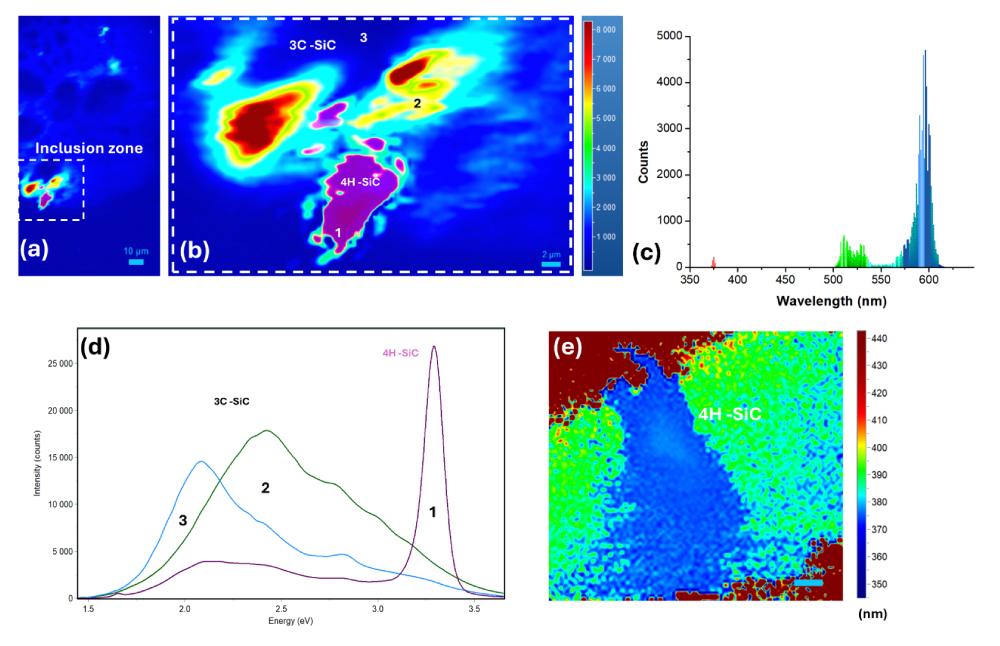
How Spectroscopy is Revolutionizing Batteries, Fuel Cells, and Corrosion Protection
Advanced spectroscopy has become the cornerstone of innovation for carbon-based energy technologies, particularly in the development of lithium-ion batteries and fuel cells. By utilizing these analytical probes, researchers can now identify the exact moment degradation begins at the molecular level.
Learn more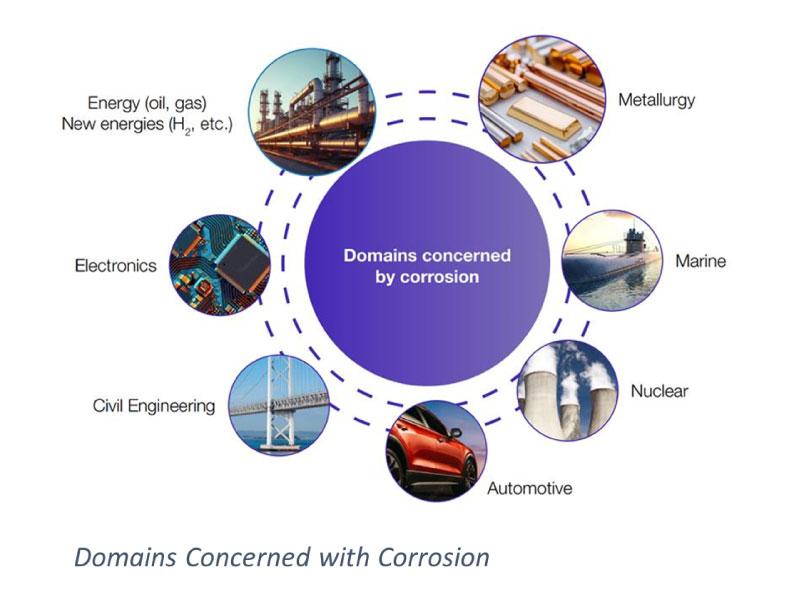
Eliminating "Invisible" Media Variability: A-TEEM Spectroscopy for Bioprocessing QC
A-TEEM (Absorbance-Transmittance Excitation-Emission Matrix) is a multi-dimensional analytical technique that identifies cell culture media variability that Raman, LC-MS, and 2D-Fluorescence miss. By providing a quantitative 'molecular fingerprint' in seconds, A-TEEM prevents batch failures, ensures GMP regulatory compliance, and reduces QC costs.
Learn more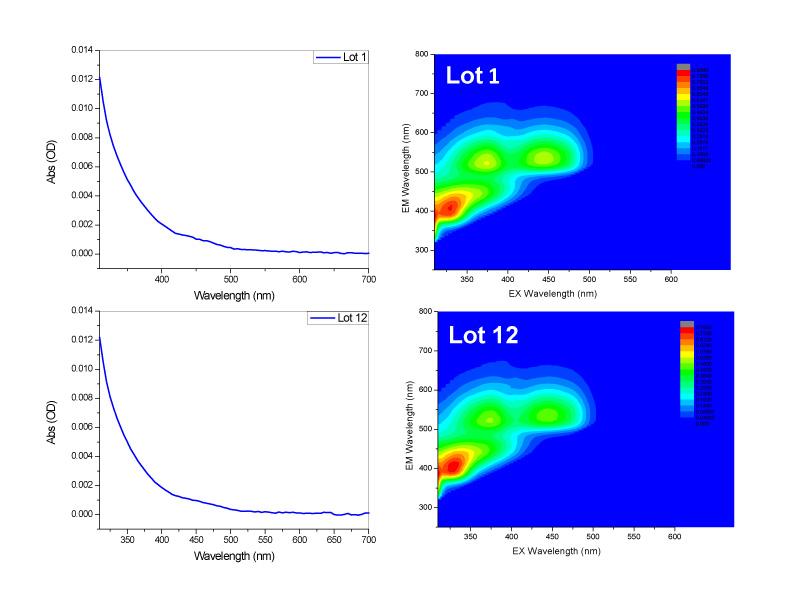
Leveraging Raman Spectroscopy for Biopharmaceutical Development and Manufacturing Quality Control
Raman spectroscopy, combined with advanced chemometric modeling, is a rapid, non-invasive, and non-destructive technique for comprehensively characterizing biological products. By generating unique molecular fingerprints, it allows manufacturers to monitor protein stability, metabolic shifts in bioreactors, and trace contaminants with high sensitivity and minimal sample preparation.
Learn more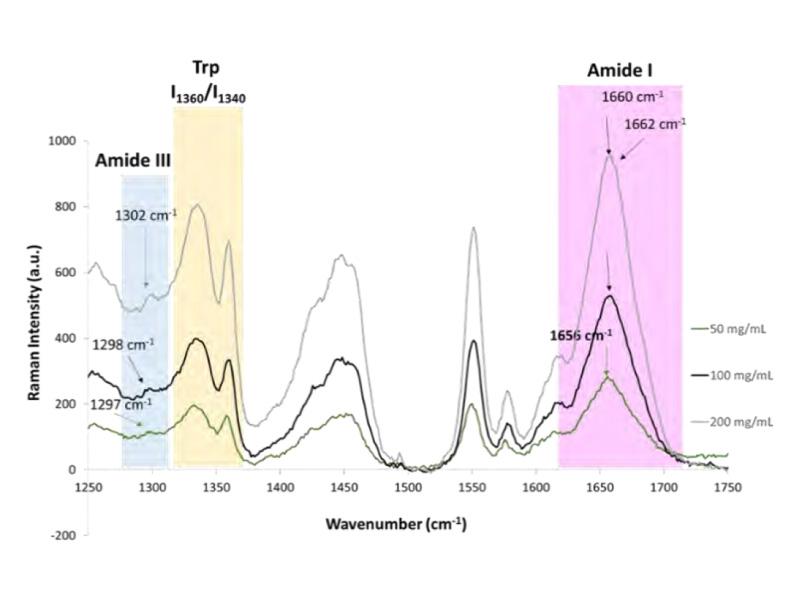
Harnessing Raman Spectroscopy for Sustainable Packaging Design and Recycling
Sustainable packaging materials, especially bioplastics and recycled polymers, must prove that they are both environmentally viable and functionally reliable. It is not enough for packaging to be greener; the material must also meet real-world requirements for quality, durability, consistency, and compliance.
Learn more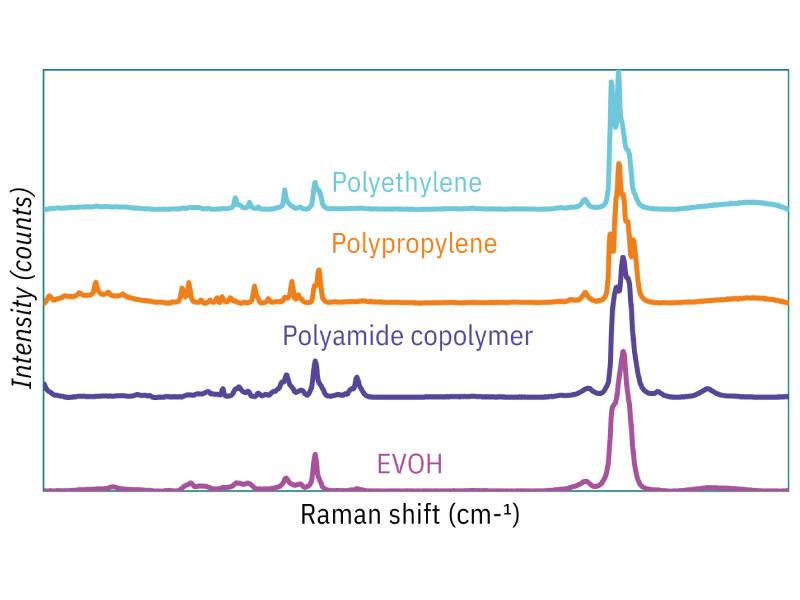
Applying Multimodal Spectroscopy for Micro-LED Wafer Defect Detection
Detecting yield-killing defects in Micro-LED wafers requires sub-micron metrology. Multimodal spectroscopy identifies micro-pits and lattice stress in GaN (Gallium Nitride) epi-wafers by mapping photoluminescence (PL) "cold spots" and carrier lifetimes via time-resolved photoluminescence (TRPL).
Learn more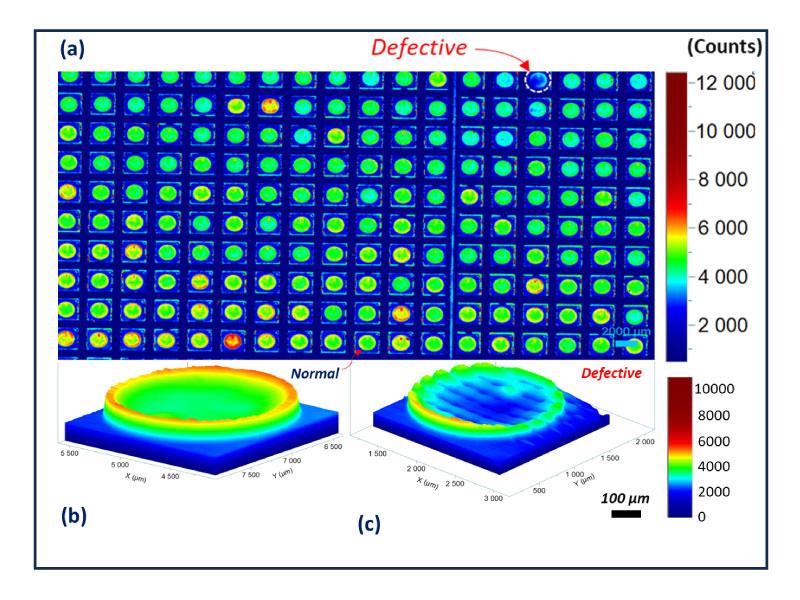
Wniosek o udzielenie informacji
Masz pytania lub prośby? Skorzystaj z tego formularza, aby skontaktować się z naszymi specjalistami.