Microplastics, microscopic bits of manufactured or decayed plastics, are invading our surroundings. Researchers found it in our seas, drinking water, rainwater - and even table salt. The particles act as transport systems for contaminants, viruses and bacteria. Amphibious life ingests these particles, as it begins its journey through the food chain and ultimately to humans. We also inhale microplastics from the air we breathe.
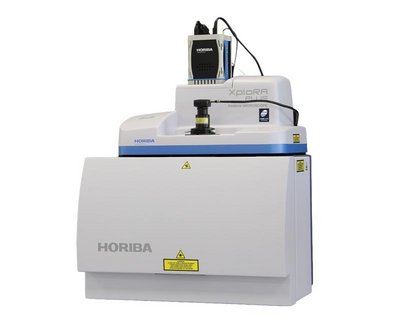
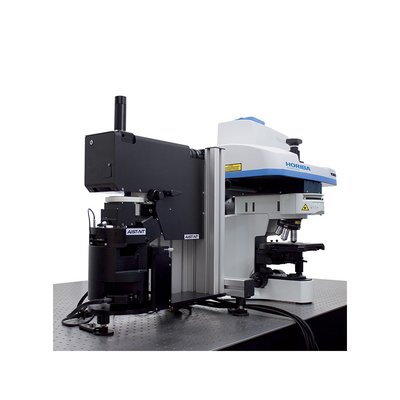
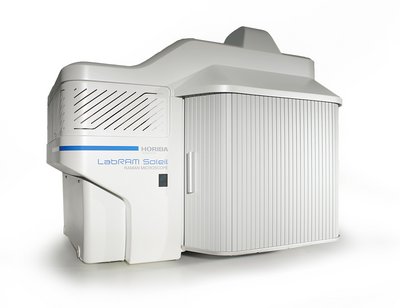
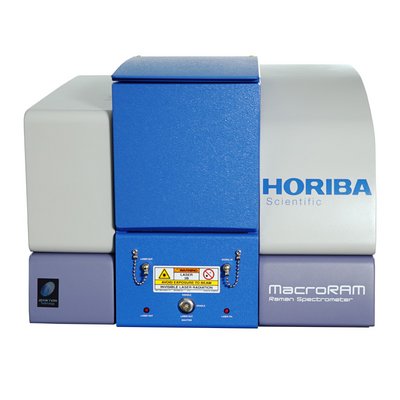
Raman spectroscopy plays a key role in identifying the types and origins of these microplastics. It’s part of the effort to develop policies and procedures for controlling the amount of microplastics introduced into our ecosystem. We look at the issues you face, and its effect on the biosphere and human health.