Upstream
Guaranteeing the purity, consistency, and compliance of raw materials.
Batteries are at the heart of the global energy transition. From electric mobility to renewable energy storage, their performance, safety, and sustainability depend on precise control at every stage of development. HORIBA supports the entire battery value chain with analytical and testing solutions that ensure purity, optimize processes, validate safety, and close the loop for a cleaner future.
Developers, manufacturers, and recyclers face unique challenges across the battery lifecycle:
HORIBA provides scalable, automated, and high-performance testing and analysis solutions, that supports battery manufacturers, material suppliers, and researchers in optimizing processes, improving product quality, and ensuring compliance with environmental regulations.
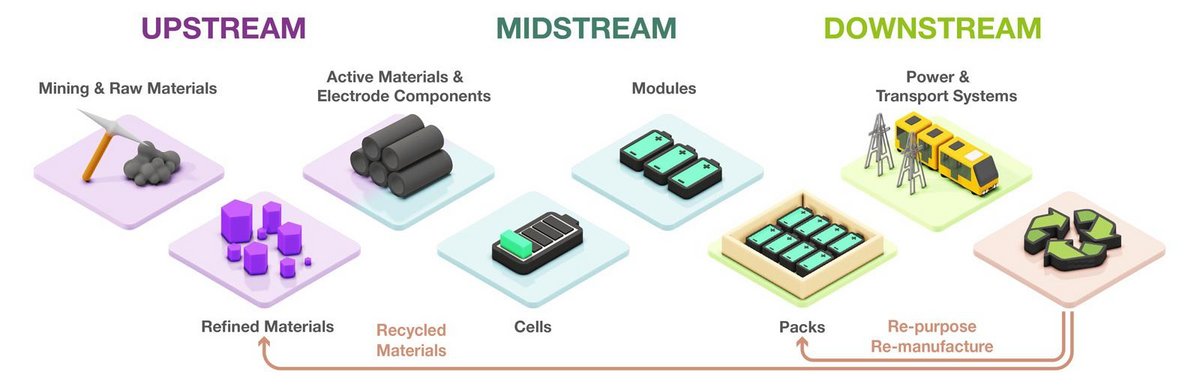
The journey to reliable batteries starts with the quality of raw materials. Cathodes, anodes, electrolytes, and separators all need to meet strict purity and structural standards. Even small impurities or defects can drastically impact capacity, safety, and lifetime. The upstream stage is therefore critical: manufacturers must guarantee the consistency and compliance of materials before they ever reach cell assembly.
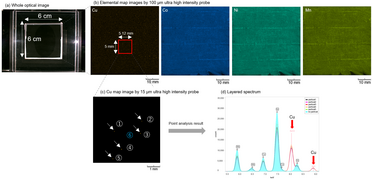
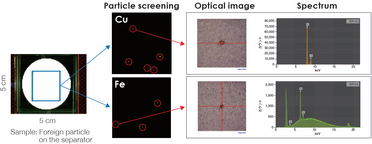
Key challenges involvemaintaining material purity at industrial scale, detecting trace impurities that can accelerate degradation and ensuring reproducibility across global supply chains. HORIBA brings solutions:
Together, these analyses safeguard the foundation of battery performance and safety, reducing costly failures later in the value chain.
At the midstream stage, raw materials are transformed into cells, modules, and packs. Here, the challenge shifts from purity to homogeneity and performance validation. Design choices, electrode quality, and electrolyte behavior must all align to deliver safe, long-lasting cells. Manufacturers need tools that provide a complete picture of electrochemical behavior under real-world conditions
Key challenges are balancing energy density, safety, and lifespan, predicting long-term degradation during accelerated testing and reproducing consistent conditions across R&D and production. With HORIBA, it’s possible to challenge:
By combining these methods, HORIBA enables data-driven design and validation that shortens development cycles and improves reliability from R&D to full production.
Once cells are assembled into modules and packs, the downstream stage focuses on safety, integration, and end-of-life management. Batteries must perform reliably under demanding conditions — from electric vehicles to grid storage — while meeting strict regulatory standards. With recycling and sustainability becoming urgent global priorities, downstream testing also ensures that valuable materials can be recovered and reused.
Key challenges involve preventing thermal runaway and catastrophic failures, ensuring consistent performance at the system level (packs and full EVs) and managing recycling and regulatory compliance. For this, HORIBA offers solutions:
This holistic approach ensures safe deployment and sustainable reuse, helping close the battery loop and support global decarbonization.
Across the full battery value chain, HORIBA’s integrated and scalable solutions support innovation from raw materials to recycling.
HORIBA for Energy and Environment brings together HORIBA’s high-precision testing technologies and the engineering expertise of HORIBA for Mobility to support the development, validation, and industrial deployment of next-generation battery systems. From R&D testing to system-level safety certification and recycling, HORIBA for Energy delivers end-to-end solutions that help manufacturers accelerate innovation while ensuring performance, compliance, and sustainability.
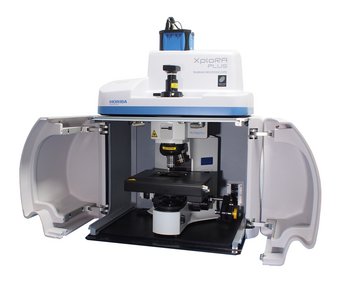
MicroRaman Spectrometer - Confocal Raman Microscope
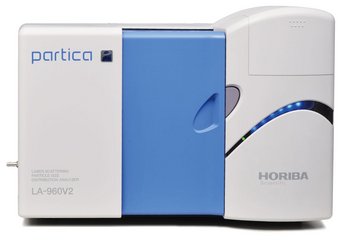
Laser Scattering Particle Size Distribution Analyzer
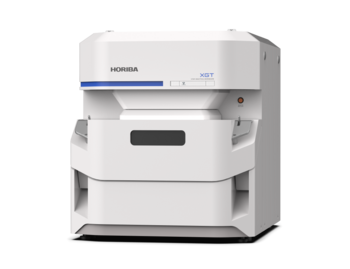
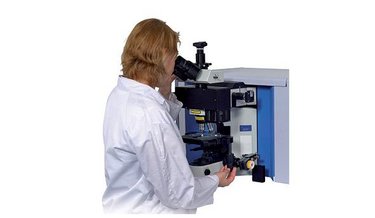
X-ray Analytical Microscope (Micro-XRF)
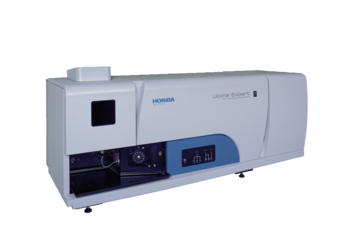
High resolution, high sensitivity and high stability ICP-OES
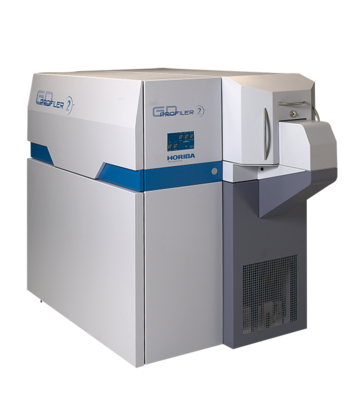
Pulsed-RF Glow Discharge Optical Emission Spectrometer
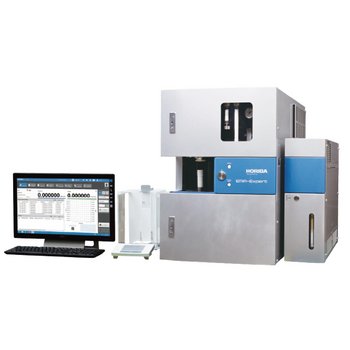
Carbon/Sulfur Analyzer
(Flagship High-Accuracy Model)
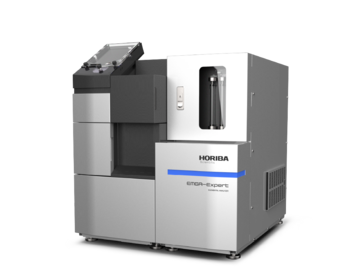
Oxygen/Nitrogen/Hydrogen Analyzer
(Flagship High-Accuracy Model)
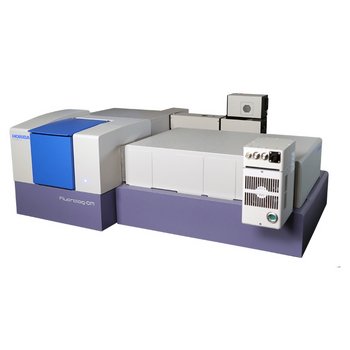
Modular Research Fluorometer for Lifetime and Steady State Measurements
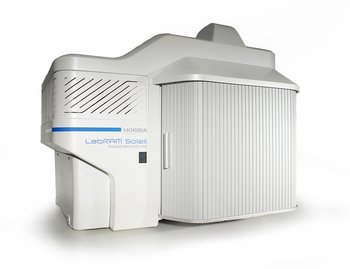
Raman Spectroscope - Automated Imaging Microscope
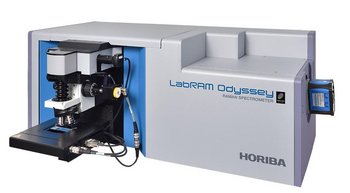
Confocal Raman & High-Resolution Spectrometer
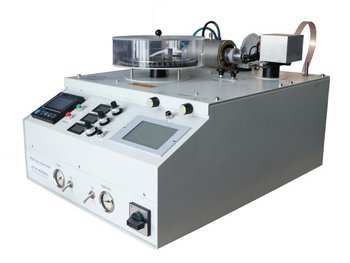
ElectroThermal Vaporization (ETV) for ICP-OES
HORIBA offers a series of webinars exploring analytical solutions across the entire battery value chain, from materials characterization to cell testing and recycling.
Discover the comprehensive solutions offered by HORIBA for every step of the battery value chain, from raw materials to recycling. Our scalable, easy-to-use, and high-performance solutions are designed to tackle the challenges faced at each stage of battery production and usage.
Minor impurities can cause major battery failures. This session delves into the critical role of impurity and additive control in both anode and cathode materials. Learn how early detection helps prevent capacity fade, short circuits, and other degradation phenomena, ensuring higher energy density and longer battery life.
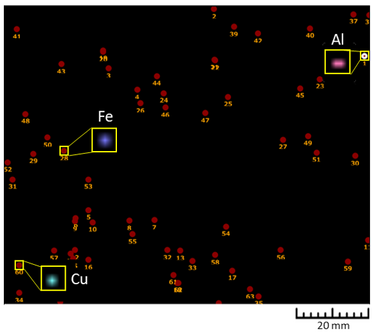
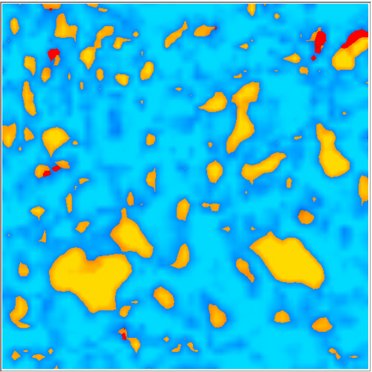
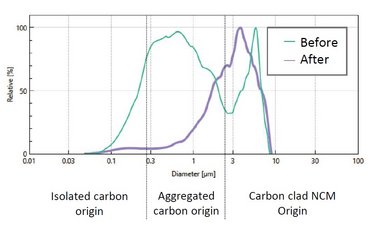
Explore how HORIBA’s integrated solutions, including particle characterization and MicroXRF, provide comprehensive characterization of carbon materials and cathode powders. While laser diffraction and centrifugal sedimentation systems analyze particle size distribution and dispersion state with high precision and minimal sample prep, MicroXRF reveals elemental composition and ratios within electrodes at microscale.
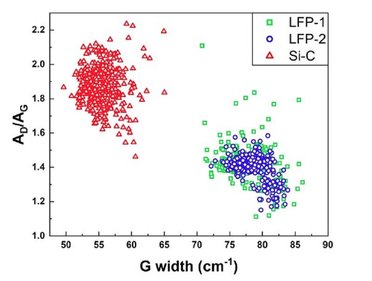
Crystallinity and material structure are key to maximizing battery energy and power density. This webinar guides you through essential characterization techniques for both carbon-based and cathode materials, empowering better design and quality control for next-gen batteries.
Understanding how and why batteries degrade over time is essential for improving design and lifecycle performance.
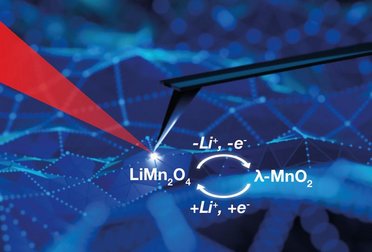
In this webinar, explore HORIBA’s approach to ageing studies using µRaman, GD-OES, and SEI for both in-situ and ex-situ diagnostics. See how we map SEI growth, detect oxide formation, and follow structural changes in electrodes to predict performance decline and inform better material and process choices.
This webinar will present the HORIBA MIRA Mobius Virtual Engineering toolchain (MOBIUS™). A modular machine learning-based digital twins development approach which enable continuous validation and calibration across the vehicle lifecycle and empowers OEMs and Tier 1s to accelerate development, reduce cost, and comply with emerging regulations requiring lifetime calibration traceability.
Discover HORIBA’s expertise in cell, module, and pack-level testing for electric vehicle (EV) batteries. This session focuses on performance validation through charge/discharge cycling, thermal management, vibration testing, safety assessment, and end-of-line solutions. You’ll see how HORIBA systems support real-world conditions, high-current tests, thermal emulation, and dynamic electrical load simulation. Ideal for OEMs and battery integrators seeking precise, scalable, and regulation-compliant solutions across the EV battery stack.
如您有任何疑問,请在此留下詳細需求或問題,我們將竭誠您服務。