基于拉曼光谱的碳材料分析方案优化
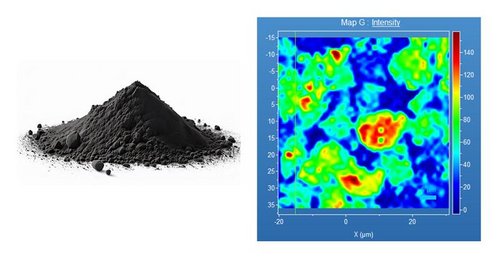
碳材料因其在能源存储等众多工业领域的广泛应用而具有至关重要的地位。对碳材料进行精准分析,是保障其质量与性能的关键。然而,碳材料结构复杂且形态多样,如晶体缺陷的存在及微观形貌的差异,均给其精确表征带来了显著挑战。

Automated Raman D-to-G peak intensity ratio analysis for carbon materials
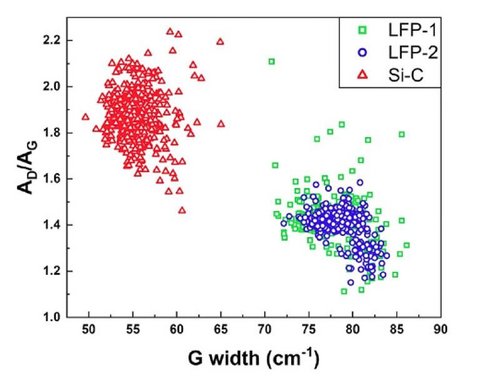
Raman spectroscopy is a powerful tool for characterizing carbon materials. It helps in analyzing the structural properties and composition of various carbon forms. The D and G peaks are significant in Raman spectroscopy for carbon materials. The D peak signifies structural defects, while the G peak corresponds to the graphitic structure. The ID/IG ratio often indicates the degree of disorder or defects in the carbon structure.
For research and quality control testing, your Raman spectral data are analyzed in one click using D and G peak intensity ratio. Statistics are displayed in your QCarbon dashboard for an overview at a glance in LabSpec 6 and a customized report is automatically generated for easy interpretation and sharing of the obtained data.
This application software associated with HORIBA Raman microscopes can be valuable in scientific research and industrial applications. Analyzing the structure, graphitization, impurity defects, coating uniformity, and other indicators through Raman spectroscopy can provide crucial insights into the quality and characteristics of different carbon materials.
Request today for a demo and/or trial version to discover the power of QCarbon and automatize the quality and characteristic analysis of your different carbon materials.
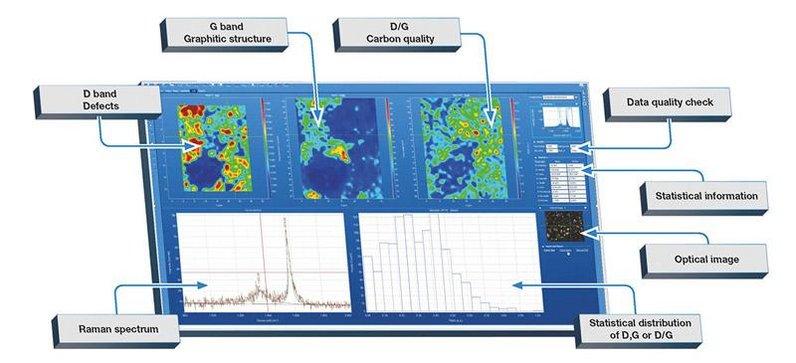
Figure 1: QCarbon facilitates Raman analysis for carbon materials, especially with its ability to automatically process Raman spectral data and giving the ID/IG ratio.
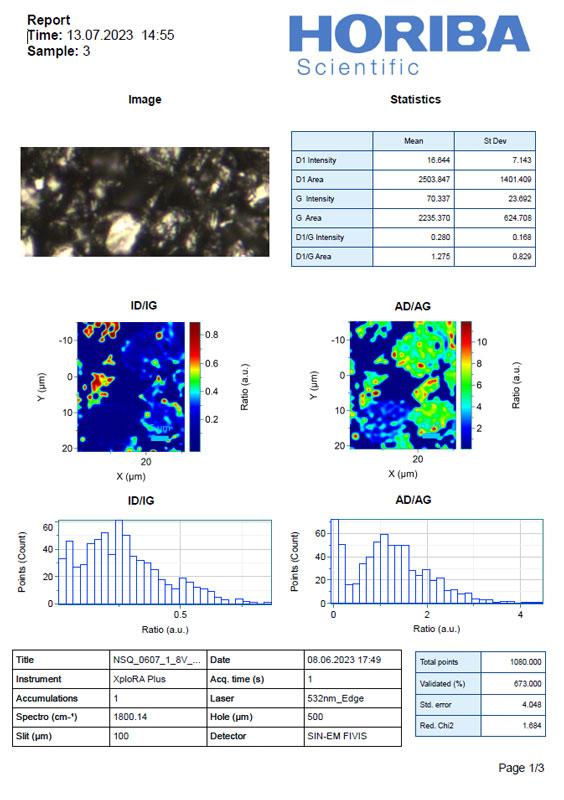
Figure 2: QCarbon exports statistics and fitting results in a customized report.
如您有任何疑问,请在此留下详细需求信息,我们将竭诚为您服务。