HORIBA Scientific and Analytical Instruments
Explore HORIBA
Corporate
  • HORIBA Group
Markets
  • Mobility
  • Energy and Environment
  • Life Science
  • Healthcare
  • Materials
  • Semiconductor
Countries/Regions
Americas
  • Brazil / Brasil
  • United States / United States
Asia
  • China / 中国
  • India / India
  • Japan / 日本
  • Korea / 한국
  • Singapore / Singapore
  • Taiwan / 台灣
  • Thailand / ประเทศไทย
  • Vietnam / Việt Nam
Europe
  • Austria / Österreich
  • Czech Republic / Česko
  • France / France
  • Germany / Deutschland
  • Poland / Polska
  • Russia / Россия
  • Spain / España
  • Türkiye / Türkiye
  • United Kingdom / United Kingdom
Global
  • International
Search
HORIBA Scientific and Analytical Instruments

Contact us

Lokalizacja

  • A giant leap in fuel cell engineering
  • AFIS key to catching crook in unlikely match
  • The Alchemist’s Factory – A Particle Characterization Story
  • Alternative light sources and AFIS help identify murder suspects
  • An act of mercy in Baltimore
  • Astrobiologist/Geobiologist uses Earth as a lab to examine possibility of extraterrestrial life
  • A-TEEM™ and fluorescence spectroscopy may offer a better way to feed the world
  • Can Raman microscopy reveal art forgeries?
  • Carbon black lightens your wallet
  • Chilean grape and wine quality assessment with Aqualog A-TEEM analyses
  • Cleaner water through fluorescence spectroscopy and artificial intelligence
  • Companies collaborate for better water treatment
  • Cryogenics and Multimodal Microspectroscopy — Filtering out the Noise
  • Designing a new breed of nuclear reactors
  • Detecting early signs of cancer with Raman microscopy
  • Detection of smoke taint in grapes and wine
  • Developing in-situ, online monitoring tools for radioactive materials using fluorescence spectroscopy
  • Discovering the origins of life
  • "Disruptive" carbon research deepens climate change understanding
  • Drilling deep to discover life
  • Duetta: fluorescence and absorbance - in the blink of an eye
  • Elemental analysis and a cold brew
  • Exploring biogeochemical cycles, speciation, and primary productivity in the ocean using fluorescence spectroscopy
  • Exposing Counterfeit Drugs
  • Finding ancient life through minerals on earth and beyond
  • Fine wine-making with the help of HORIBA tech
  • Fingerprint database leads to killers
  • Fluorescence sensors contribute to biological and display technologies
  • Fluorescence Spectroscopy: An Alternative to Chromatography in Enhancing the Flavor of Foods
  • Fluorescence spectroscopy becoming key to identifying pain
  • Fluorescence spectroscopy exposes carbon cycle changes
  • Fluorescence spectroscopy exposes carbon cycle changes
  • Fluorescent carbon nanodots: making foldable displays
  • Forensic light sources nab the suspects
  • Glucose Binding Molecules could revolutionize diabetes management
  • The Grape Identity Crisis and How Spectroscopy Separated History’s Most Confusing Cultivars
  • Health benefits of olive oils get boost
  • Historic carbon fluctuations could expose climate change secrets
  • How do thin films help NASA uncover the secrets to the universe?
  • How fusion breakthroughs will lead to clean renewable energy
  • How to measure temperature with light
  • How we customized a spectroscopy solution in the low UV range
  • Investigating missing carbon in Australian caves
  • Ionic Liquids as a Breakthrough for Resource Recycling Issues
  • Is this the next breakthrough in medicine?
  • Killing cancer with lanthanides and air
  • Launch of Mars 2020 to explore Mars using XRF
  • Leading the World with All-Solid-State Batteries
  • Low cost solar power on the horizon
  • Man of science follows business path
  • Making better gas turbines
  • Making carbon nanotubes more accessible
  • Making more efficient solar energy
  • Materials characterization crucial in Silicon Valley systems
  • Medical examiner department ID’s evidence with alternative light sources
  • Micro-XRF uncovers secrets to Van Gogh’s brilliance
  • Microplastics: a big problem for the environment
  • Microplastics explained
  • Mishaps and ski trip lead to laser revolution
  • Museum’s mineral studies improving life
  • MXenes are revolutionizing nanotechnology with the help of Raman Spectroscopy
  • Nano-scale research and technology leads to advanced materials development
  • Nanotechnology a pathway to efficient solar energy
  • Optimizing Wastewater Treatment in South Africa: A-TEEM Fluorescence Spectroscopy for BOD Analysis Amidst Economic Pressures
  • Mars life signs probed by spectroscopy
  • Photodynamic therapy – A non-toxic way to fight cancer
  • Photoluminescence contributes to staggering growth of photovoltaics
  • Photovoltaics and photoluminescence
  • Raman breakthrough recovers erased serial numbers from plastic guns
  • Raman and X-ray fluorescence spectroscopies reveal the mysteries behind ancient Japanese art form
  • Raman gets the goods on counterfeiters
  • Raman spectroscopy breakthroughs make CSI real
  • Research into ion transport through cell membranes aided by fluorescence spectroscopy
  • Researcher fights food fraud
  • Researcher developing (non) linear nano-optical methods to characterize heterogenous interfaces
  • Researcher traces path of potentially toxic nanoparticles
  • Scientist pioneers wastewater treatments to fight global warming effects
  • Should you be worried about nanotoxicity?
  • SPEX Forensics algorithms used to solve cold cases
  • Study validates fluorescence spectroscopy with A-TEEM for fast and precise wine authentication
  • Targeting toxic waste with minerals
  • The ARC Program: Forging Appalachia's Future Workforce
  • The baker’s son
  • The best nanoparticle
  • The mystery of gemstone colors has finally been revealed
  • The science of food
  • Thin film analysis reveals secrets to renewable energy
  • Tracing toxic heavy metals in organisms using X-ray fluorescence (XRF)
  • Understanding two-dimensional material interfaces with AFM Raman/TERS will transform computing
  • Unlocking the Secrets of the Deep Ocean’s Carbon Engine
  • Using AFM-Raman to understand defects in two-dimensional semiconductor materials
  • Using low temperatures to probe 2D materials for device applications
  • Using renewable and alternative sources for value-added products production
  • Versatile Aqualog saves chemical costs at treatment plants
  • Weeding out Over-the-Counter Frauds
  • Welcome to the dawn of a paradigm shift in technology
  • What are microplastics?
  • Where do microplastics come from?
  • Yellowstone’s treasures may hold clues to life
  1. Home
  2. Scientific
  3. Resources
  4. Detection of smoke taint in grapes and wine

Detection of smoke taint in grapes and wine - a simpler, faster and less expensive optical method based on A-TEEM spectroscopy

Changing times

Wildfire frequency and duration have increased in recent years

Winemakers have a problem.

Warmer global temperatures and drier conditions are causing more frequent wildfires and bushfires, which stretch fire seasons over longer durations across the globe. This has had a major impact on multiple sectors, including the winemaking industry.

In fact in 2020, wildfire smoke and flames have damaged or destroyed grapevines in some of California’s Napa and Sonoma wine regions, canceling some of the year’s fall harvest (Mobley, 2020).

In addition to the serious risk of losing vineyards to fires, wildfire smoke can significantly impact the quality of grapes used for winemaking. When smoke drifts into vineyards and lingers for prolonged periods of time, there is a risk of smoke taint, that is, undesirable smoky, burnt, and ashy aromas and flavors occurring in wines made from smoke-exposed grapes. The risk of developing smoke taint depends on multiple factors, including the timing and duration of smoke exposure (Kennison et al. 2009; 2011) and density of smoke (Szeto et al. 2020).

Assessing the damage

Kerry Wilkinson, Ph.D.

Kerry Wilkinson, Ph.D., Professor of Oenology, School of Agriculture, Food and Wine at The University of Adelaide studies this phenomena, along with ways to mitigate the impact on the winemaking industry. She looks for smoke taint markers, with the hopes of identifying smoke-affected grapes before winemakers invest in the harvest and production of wines that may be smoke tainted.

“There are compounds (volatile phenols) that are found in the smoke,” Wilkinson said. “The current hypothesis is that these compounds are taken up into grape bunches, diffusing through the skins, and because these compounds can be a bit reactive, the grapevine responds by adding one or more sugar molecules onto the compounds to lower their reactivity. As a result, there's a free form and a sugar-bound form (glycoconjugates).”

Wilkinson explained that the presence of two forms complicates chemical analyses, because two different analytical instruments are required to detect and measure them. Gas chromatography-mass spectrometry (GC-MS) is used to measure the volatile phenols, whereas their glycoconjugates must be analyzed by liquid chromatography-mass spectrometry (LC-MS). While some bigger wineries are equipped to measure the former, many do not have the resources to measure the latter in-house. One alternative strategy to quantifying the glycoconjugates via LC-MS is to measure the volatile phenols in samples with GC-MS, both before and after acid or enzyme hydrolysis. Hydrolysis cleaves the volatile phenols from the sugars, and the difference between their initial and final concentrations can be interpreted as the relative glycoconjugate concentration.

A testing problem

Colleen Szeto
Colleen Szeto

In addition to Wilkinson’s research focused on methods for measuring smoke taint, other areas of investigation include:

  • Assessing the risk of smoke taint following different levels of grapevine smoke exposure;
  • Contextualizing it with how the volatile phenols and glycoconjugate concentrations change over time post-smoke exposure; and
  • Ultimately connecting this to chemical and sensory outcomes in wines.


This work has been published recently in the “Wine Chemistry” collection of the open-access journal Molecules with one of Wilkinson’s current Ph.D. students, Colleen Szeto.

A major finding from the study was that there is potential for winemakers to underestimate their smoke taint risk as quantified by current laboratory analyses, depending on when grape samples are collected and submitted to commercial labs, relative to grapevine smoke exposure (Szeto et al. 2020). This is because, while volatile phenols are detectable one hour after smoke exposure, they have largely ‘disappeared’ 24 hours after smoke exposure (due to metabolism). Whereas the volatile phenol glycoconjugates began to appear one day after smoke exposure, they increased substantially between one week and one month after smoke exposure. 

This work suggests that there is a time-sensitive window for grape sample collection post-smoke exposure, outside of which the predictability of smoke taint via GC-MS (the most widely-used, consistent approach across labs) is limited. 

This has profound implications for the wine industry. Right now, winemakers can send samples to an outside lab for analysis to get an idea of smoke taint severity. It is an expensive process, but perhaps just as important is that it takes time to send samples and receive the results, and this could result in an underestimation of smoke taint risk prior to pressing harvest deadlines.

In addition to improving the quantitation of smoke taint in the lab, it is just as critical to develop proactive mitigation strategies in the vineyard. At present, if a region is even suspected of having smoke exposure, the grower is at risk of losing money due to presumed lower fruit quality. However, the determination of exactly how much less each ton should be worth is tricky due to an absence of data providing details about where smoke was in the vineyard, for how long it was there, how dense it was, and how the fruit was harvested. If growers cannot sell grapes, or if winemakers are unwilling to bottle wines that are too heavily tainted, there’s a significant economic cost for the wine industry as a whole.

Discriminating unaffected and smoke-affected grapes and wines with fluorescence spectroscopy

Szeto and Wilkinson are addressing these issues up front by developing a rapid, precise, and accurate method to discern unaffected and smoke-affected grapes and wines. Rather than be left uncertain regarding the extent of grapevine smoke exposure, and take the risk that smoke-affected grapes pass through the entire winemaking process to end up with unpalatable wines, the aim of this research is to enable growers and winemakers to identify tainted grape samples soon after smoke exposure. This will enable the wine industry to make more informed decisions regarding the harvest of potentially smoke-exposed grapes.

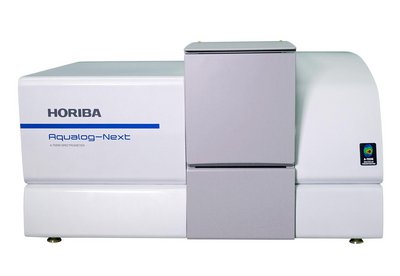
To achieve this goal, the team is using a HORIBA Aqualog®, which features proprietary A-TEEM™ spectroscopy technology that allows it to simultaneously measure absorbance and transmittance spectra as well as fluorescence Excitation-Emission Matrices (A-TEEM). The minimal sample preparation, rapid acquisition, and sensitivity of Aqualog make the analysis costs per sample in a commercial lab significantly lower than the standard for GC-MS or LC-MS analyses. The Aqualog is capable of scanning a large range of wavelengths in a short period of time. For their analysis, samples are scanned between the excitation ranges of 240-700 nm (at 5 nm increments), in just a few minutes.

The ultimate goal for smoke taint analysis using the Aqualog is to predict wine sensory outcomes based on grape spectrofluorometric data.

As described by Wilkinson, “What we're interested in with the Aqualog, is development of a rapid method so we can screen grapes and say, ‘You don't need to worry about smoke taint, you're well below problematic levels; or, you're far into problematic territory, so there's no point picking; or you're in this middle window, and you should go ahead with more detailed chemical analyses to better inform your decision-making.’ ”

Where wineries have multiple vineyards and hundreds of tons of grapes to harvest and process, they need a quick method for determining if fruit is sound, perceivably tainted, or somewhere in between. And given the time constraints around vintage, these wineries needs to be able to make timely decisions.

“If you can prioritize which samples need to go for the more detailed chemical analysis, because you've got a rapid pre-screening method, then that will be a truly beneficial step forward for industry,” Wilkinson said.

However, prior to tackling that more complicated goal, which spans grape and wine matrices and chemical and sensory datasets, it was important to establish as a proof of concept that the Aqualog was detecting the right things in scans of control (clean) and smoke-affected wines, so that the data could be used to differentiate the two. This is not the first time that Wilkinson has investigated methods to differentiate smoke-affected wines using spectral methods (Fudge et al. 2012); however, an issue that occurred previously was the misclassification of oak-aged wines as smoke-affected wines due to the presence of volatile phenols formed during the barrel toasting process and extracted into wine during barrel maturation.   

The team has collated several datasets comprising red, white, and rosé wines that have varying levels of smoke exposure and/or oak exposure. So far, there have been some strong correlations between the acquired fluorescence fingerprints from the Aqualog and the key smoke taint marker compounds measured by GC-MS and LC-MS. These results are a promising start, and the team is looking to move forward with the analysis of grape samples.

“It’s good to be able to classify wines correctly using the Aqualog, but ultimately the wine industry can already do that by tasting the wine, which is obviously much quicker than sending it for chemical analysis,” Wilkinson said. “So really we want to be able to scan grape homogenate or grape juice, and make decisions at that point.”

References

Mobley, Esther Wildfires have ravaged Napa Valley. Will California’s wine industry survive? National Geographic, October 9, 2020.

Fudge, A.L., Wilkinson, K.L., Ristic, R. and Cozzolino, D. (2012) Classification of smoke tainted wines using Mid-Infrared spectroscopy and chemometrics. J. Agric. Food Chem.2012, 60, 52–59.

Kennison, K. R.; Wilkinson, K. L.; Pollnitz, A. P.; Williams, H.G.; Gibberd, M. R. Effect of timing and duration of grapevine exposure to smoke on the composition and sensory properties of wine. Aust. J. Grape Wine Res.2009, 15, 228−237.

Kennison, K. R.; Wilkinson, K. L.; Pollnitz, A. P.; Williams, H.G.; Gibberd, M. R. Effect of smoke application to field-grown Merlot grapevines at key phenological growth stages on wine sensory and chemical properties. Aust. J. Grape Wine Res.2011, 17, S5−S12.

Szeto, C.; Ristic, R.; Capone, D.; Puglisi, C.; Pagay, V.; Culbert, J.; Jiang, W.; Herderich, M.; Tuke, J.; Wilkinson, K. Uptake and glycosylation of smoke-derived volatile phenols by Cabernet Sauvignon grapes and their subsequent fate during winemaking. Molecules. 2020, 25, 3720.

Follow Us 


Related products

Aqualog®-Next: The Future of Water Analysis is Here

Aqualog®-Next: The Future of Water Analysis is Here

Unlock Unprecedented Insights into Water Quality and Environmental Health

Pokaż mniej
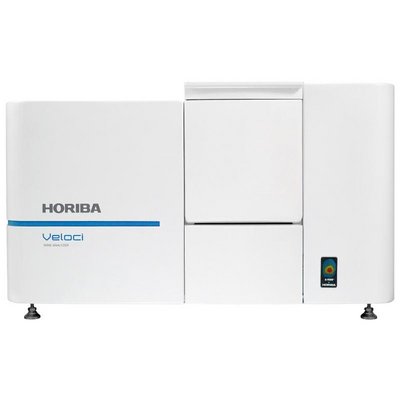
Veloci Wine Analyzer

Veloci Wine Analyzer

A-TEEM Spectroscopy

Pokaż mniej
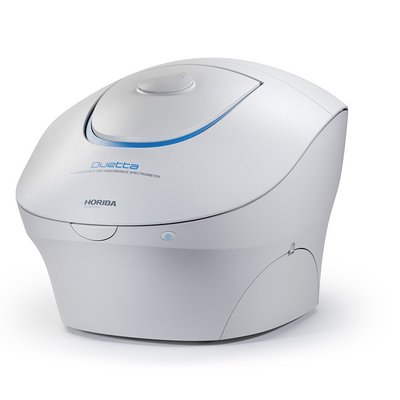
Duetta: 2-in-1 Fluorescence & Absorbance Spectrometer

Duetta: 2-in-1 Fluorescence & Absorbance Spectrometer

Full Spectra in Milliseconds for Industry and Academia

Pokaż mniej

Wniosek o udzielenie informacji

Masz pytania lub prośby? Skorzystaj z tego formularza, aby skontaktować się z naszymi specjalistami.

* Te pola są obowiązkowe.

Produkty

  • Wszystkie produkty HORIBA od A do Z
  • Mobility
  • Energy and Environment
  • Life Science
  • Healthcare
  • Materials
  • Semiconductor

Aplikacje

  • Drinking Water Utilities
  • Automotive Manufacturing
  • Semiconductor Manufacturing Process
  • Research and Testing Laboratories

Technologia

  • Glow Discharge Spectroscopy
  • Pressure-based Flowmetry
  • Quadrupole Mass Spectrometry
  • Raman Spectroscopy

Serwis

  • Wsparcie na miejscu
  • Części zamienne i materiały eksploatacyjne

Firma

  • Aktualności
  • Wydarzenia
  • Kariera
  • Historia
  • Kultura korporacyjna

Kontakt

  • Kontakt ws kariery
  • Formularz kontaktowy
  • Lokalizacje na całym świecie
  • Kontakt z relacjami inwestorskimi

Terms and Conditions Privacy Notice Cookies HORIBA Group Social Media

© Copyright 2026 - All Rights Reserved