Applications

Biopharma and Pharma

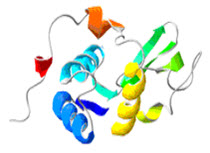
HORIBA is at the forefront of advancing next-generation biotherapeutics and pharmaceuticals, leveraging novel biomolecules and innovative delivery mechanisms to combat diseases. These biotherapeutics, cultivated in cell media, undergo crucial chemical and physical characterization steps for quality assurance during manufacturing and to deepen our understanding during development. From Raman-based protein secondary structure analysis to the rapid infectious titer determination through simultaneous multi-laser Nanoparticle Tracking Analysis, and the A-TEEM fluorescence method for AAV characterization and vaccine batch release, HORIBA provides indispensable insights that matter across the entire biotherapeutic journey, from development to manufacturing.

In the pharmaceutical arena, where small molecule therapeutics offer diverse administration routes, from pills and capsules to inhalation devices, precision is paramount. The quality of these products hinges on knowing component quantities, distribution, and size. HORIBA's comprehensive portfolio of analytical instruments, encompassing cutting-edge Raman microscopy and a full range of particle sizing techniques, accelerates product development, addresses critical troubleshooting questions, and excels in contaminant identification. Additionally, HORIBA's expertise extends to the biotechnology field, where we contribute to all aspects, from R&D to on-line measurement, supporting high-quality, high-efficiency production, and post-use wastewater monitoring in this rapidly evolving industry. These same orthogonal, non‑destructive techniques also underpin advanced pharma forensics—supporting the investigation of unknown impurities, raw material variability, counterfeit products, and formulation inconsistencies—helping manufacturers protect product integrity, ensure regulatory compliance, and reduce risk across the value chain.

Watch video on HORIBA.com

Accelerating Pharmaceutical Advancements Through Partnership

Accelerating Pharmaceutical Advancements Through Partnership

HORIBA's solutions for pharmaceutical analysis and manufacturing

4.28 MBPDF

Lifecycle of Biopharma

Applications of Biopharma and Pharma


Browse Applications

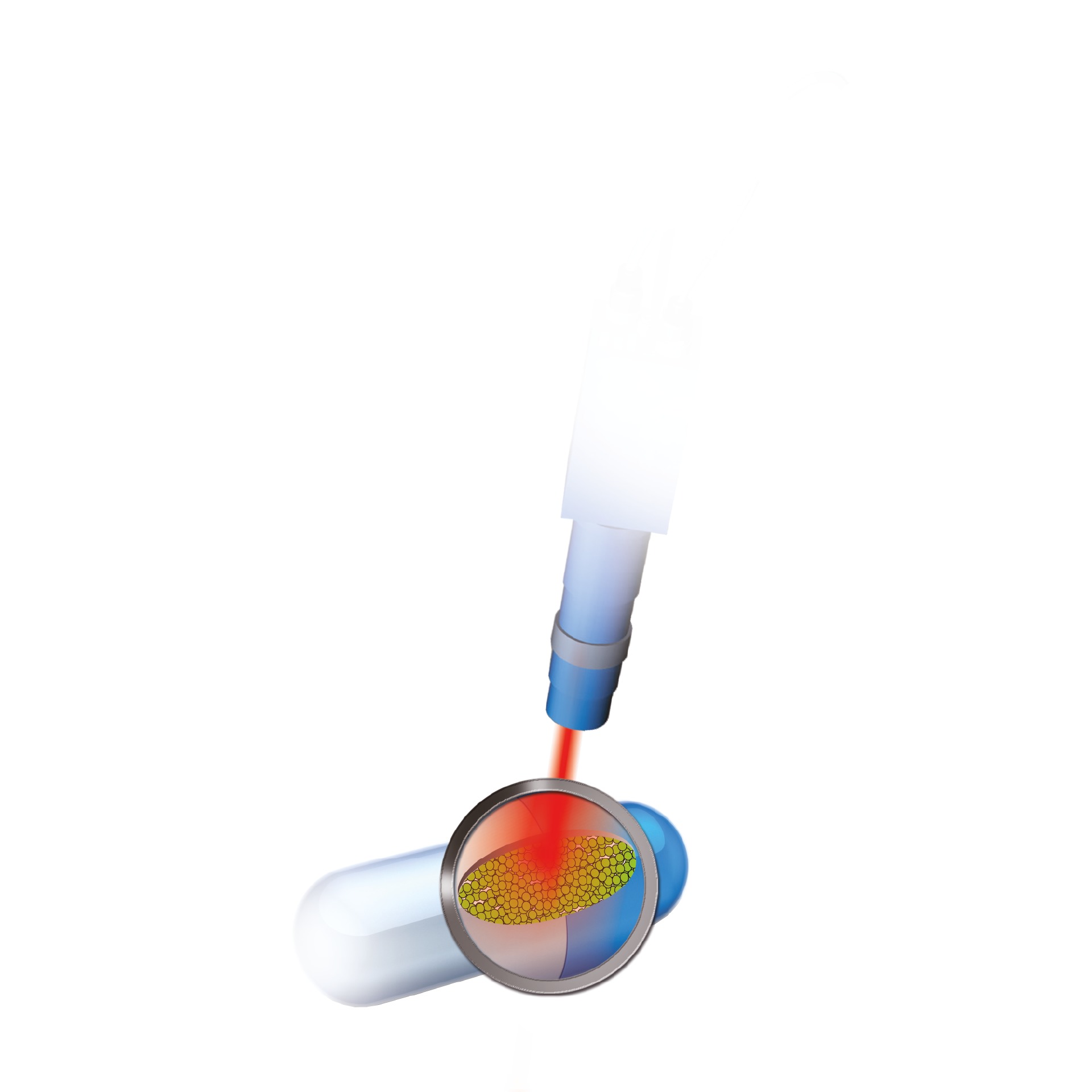
Rapid In-Line Quantification of Low Dose API in Feed Frame Simulator Using Raman Spectroscopy

Process Raman spectroscopy combined with chemometric modeling enables rapid, non-destructive quantification of low-dose APIs in pharmaceutical powder blends, supporting real-time monitoring of API assay and content uniformity in continuous manufacturing processes.

Learn more
Rapid In-Line Quantification of Low Dose API in Feed Frame Simulator Using Raman Spectroscopy - Illustration

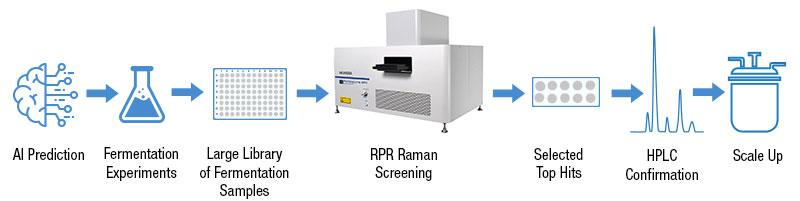
High Throughput Raman Screening for AI Guided Fermentation R&D

Rapidly validate AI identified strains and conditions using 96 well Raman screening

Learn more

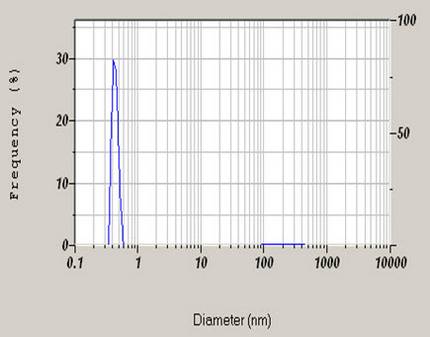
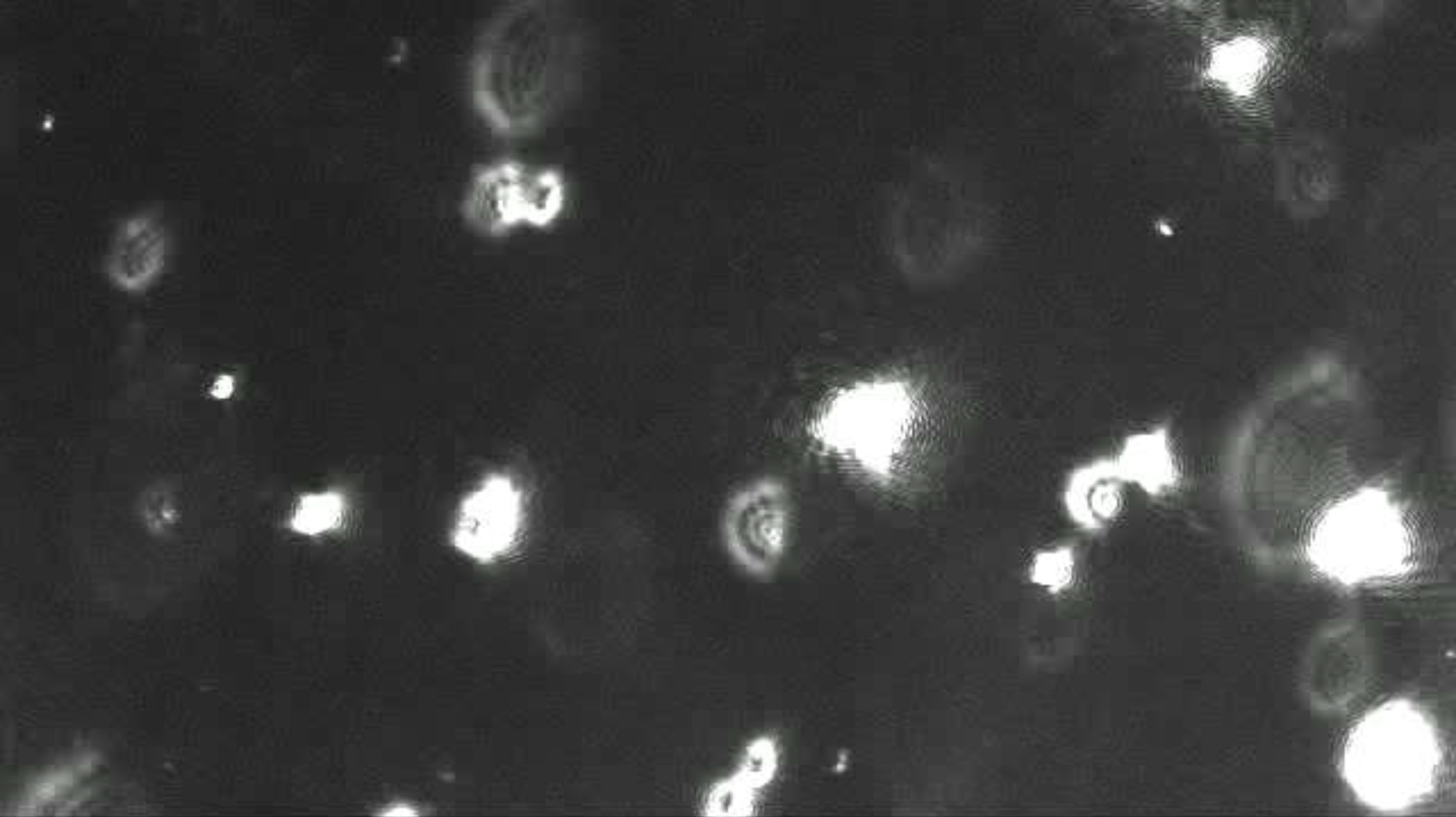
mRNA-LNP Vaccine Size and Concentration Measurement with Nanoparticle Tracking Analysis

Vaccines are essential in the eradication of many of the world’s diseases and continue to innovate with new mRNA vaccines being designed. In the case of mRNA vaccines, lipid nanoparticles (LNPs) are being used as the vector to transport the mRNA safely throughout the body. Knowing the particle size and concentration of these LNPs is essential in tracking the biodistribution and cellular uptake of the vaccine in the body.

Learn more

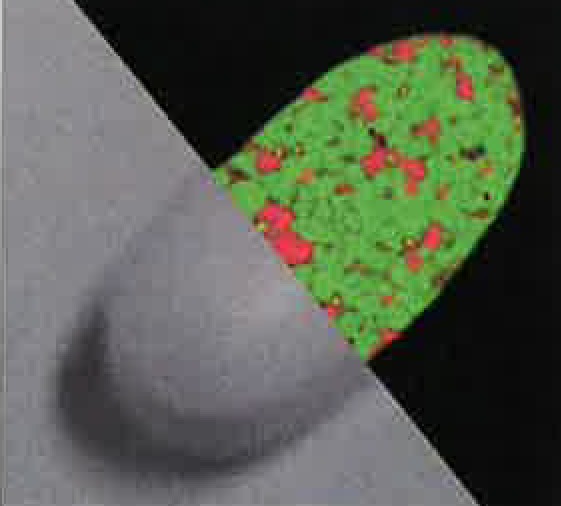
Analysis of Coating Differences between RLD and Generic Pellets with Raman Spectroscopy

Raman imaging combined with Layers app enables rapid and non-constructive layer analysis for delayed-release formulations.

Learn more
Analysis of Coating Differences between RLD and Generic Pellets with Raman Spectroscopy

High-Throughput Quantification of Pharmaceutical Powder Blends Using Raman Spectroscopy and Chemometrics

Raman spectroscopy combined with chemometric modeling enables high-throughput, non-destructive quantification of excipient composition in pharmaceutical powder blends.

Learn more
High-Throughput Quantification of Pharmaceutical Powder Blends Using Raman Spectroscopy and Chemometrics - Illustration

Drug Qualification by Raman Microscopy: Advanced Approaches for Rapid Analysis and Characterization

Raman microscopy combined with high-throughput acquisition enables rapid, non-destructive drug qualification and chemical characterization of pharmaceutical tablets.

Learn more
Drug Qualification by Raman Microscopy: Advanced Approaches for Rapid Analysis and Characterization - Illustration

3D Confocal Raman Microscopy for Detection of Minor Crystalline API Form in a Pharmaceutical Extrudate

3D confocal Raman microscopy enables non-destructive detection and spatial localization of minor crystalline API forms within pharmaceutical extrudates, supporting comprehensive solid-state characterization.

Learn more
Application note illustration: 3D Confocal Raman Microscopy for Detection of Minor Crystalline API Form in a Pharmaceutical Extrudate

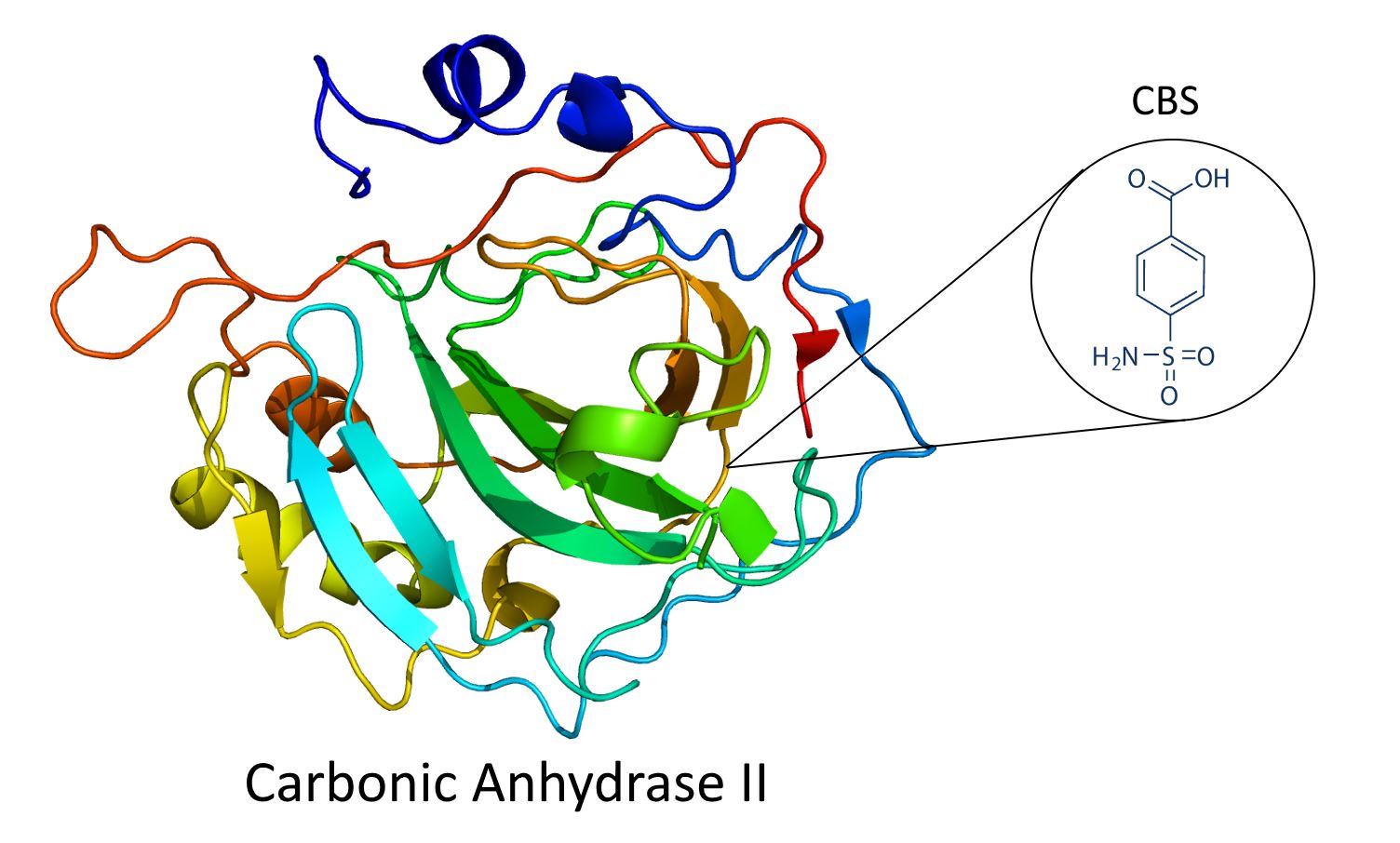
The Detection of a Low Molecular Weight Enzyme Inhibitor

The use of low molecular weight molecules in the industries of drug discovery and agri-food has become increasingly important over the course of a century of drug research and science development in agriculture and in pharmaceutical field.

Learn more
The Detection of a Low Molecular Weight Enzyme Inhibitor using the OpenPlex system

Oligosaccharides/Proteins interactions

This application highlights the development of an oligosaccharide chip (surface functionalization, density of immobilization, spacer arm length) on the same SPRi platform using conductive polymers. These results are highlighted through the example of interactions between HS and SDF-1 α chemokine.

Learn more
Oligosaccharides/Proteins Interactions

Analysis of Morphology and Chemical Identification of Pharmaceutical Micro-particles Using Particle Correlated Raman Spectroscopy

This study highlights particle correlated Raman spectroscopy (PCRS) as a powerful technique for combining particle characterization with chemical identification, enabling deeper insight into drug performance across various pharmaceutical dosage forms (sprays, tablets, creams).

Learn more
Analysis of Morphology and Chemical Identification of Pharmaceutical Micro-particles Using Particle Correlated Raman Spectroscopy - Illustration

Rapid and Reliable Zinc Determination in Liquid Using a Compact Benchtop EDXRF

We introduce EDXRF analysis as a rapid and reliable method for Zinc determination in liquid solution. We demonstrated Zn determination at ppm levels using the calibration curve method with commercial Zinc liquid standard samples. Our calibration curve had a good linearity (R2 > 0.999) and we could accurately determine 22 ppm of Zn in 1 minute. The results demonstrated that EDXRF is an effective tool for rapid and reliable laboratory analysis.

Learn more

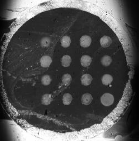
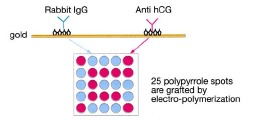
Antibody-Antigen Specific interaction

HORIBA provides the pharmaceutical industry, biotech companies and academic research laboratories with high performance instrumentation based on SPRi technology (Surface Plasmon Resonance imaging). To demonstrate the power of this technology, we carried out an experiment based on an antibody-antigen interaction. Original surface chemistry combined with an electrochemical process allows the rapid coupling of biomolecules to the gold layer (polypyrrole co-polymerisation) on the top of a glass prism.

Learn more

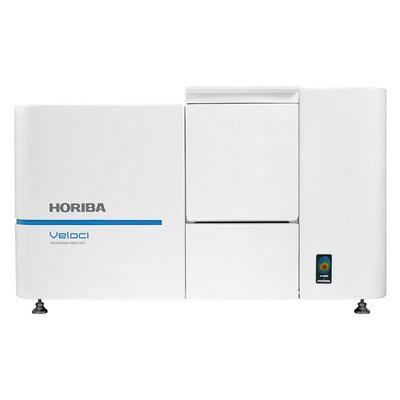
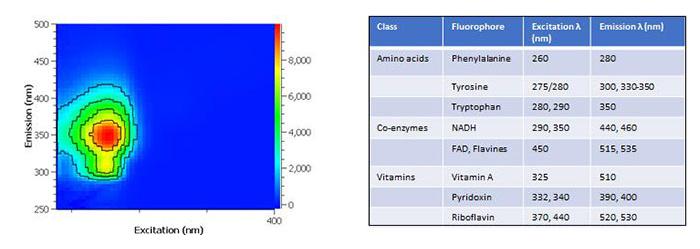
Cell Culture Media Analysis: Qualitative and Quantitative Analysis using the Veloci™ BioPharma Analyzer

This study demonstrates the potential of A-TEEM™ spectroscopy as a rapid and reliable tool for evaluating lot-to-lot variability in complex cell culture media. By leveraging the distinct spectral fingerprints of aromatic amino acids and vitamins, A-TEEM enables sensitive tracking of compositional differences without the need for extensive sample preparation or lengthy separations.

Learn more

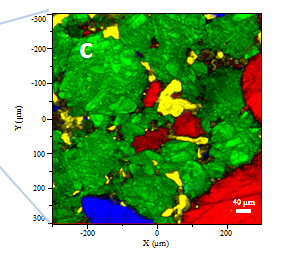
Particle characterization of pharmaceutical powder mixtures

For the study of a pharmaceutical drug product, particle characteristics (count, size and chemistry) and compound distributions (size and spatial) are among key parameters that strongly determine the quality of the product due to their huge impact on the dissolution rate (and thus bioavailability) for the final solid dosage form. Laser diffraction and Raman microscopy were applied to highlight the benefits of combining two technologies for particle characterization.

Learn more

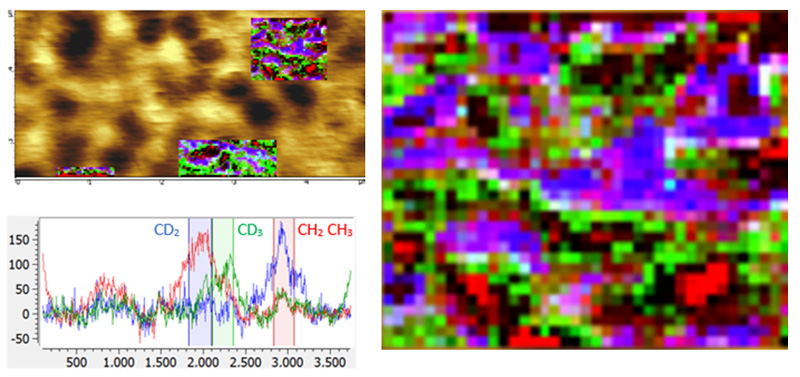
TERS Characterization of phospholipid bilayers and detection of nanoparticles

This application reports on TERS characterization of binary phospholipid bilayer systems deposited onto a gold coated coverslip. Such samples are used as model samples for directly and chemo-selectively visualizing the distribution of a lipid constituent at the nanometer scale.

Learn more
TERS Characterization of phospholipid bilayers and detection of nanoparticles

Elemental distribution imaging of inorganic minerals on a multivitamin supplement tablet using micro-XRF

We introduced a fast and non-destructive imaging method for inorganic minerals on a multivitamin supplement tablet containing various essential minerals to body functions. We used the HORIBA XGT-9000 X-ray Analytical Microscope for the imaging, and we could visualize the distribution of the key inorganic elements on the tablet less than 20 minutes even though the concentration of the elements are tens of mg or less per tablet.

Learn more

Quality control of hand sanitizer gels and 70% alcohol products using Raman spectroscopy

Disinfecting your hands with hydroalcoholic gel has become a daily practice. In the meanwhile, 70° alcohol has been used for even longer to disinfect wounds. But, to remain efficient, the alcohol concentration of these products must not be below a defined threshold and must be controlled. This application note demonstrates how to evaluate alcohol concentrations in a quality control process with Raman.

Learn more
Quality control of hand sanitizer gels and 70% alcohol products using Raman spectroscopy

Analysis of microplastics in hand sanitizers using ParticleFinder™

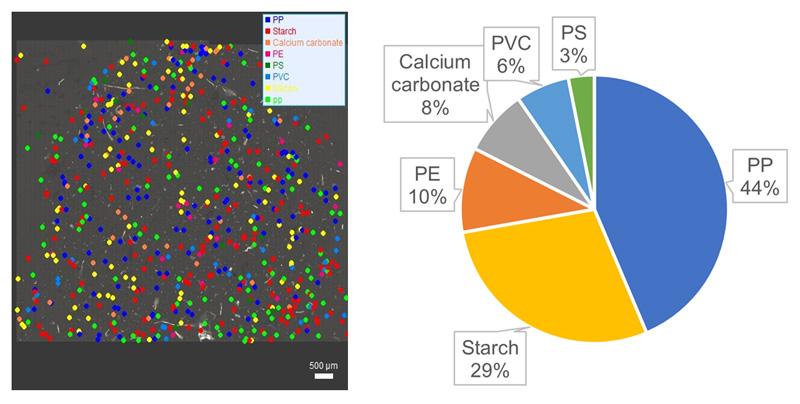
Due to the corona crisis, hand sanitizer became part of our daily routine. However, their use is not without potential risks because of their microplastics content. HORIBA offers all the tools necessary to analyze and characterize the presence of Microplastics in hand sanitizers: High-performance Raman microscopes, dedicated filtration kit, and especially the powerful particles detection software ParticleFinder™. We analyzed 3 samples of hand sanitizers, from different countries, and we were able to identify the different plastic content of each.

Learn more
Analysis of microplastics in hand sanitizers using ParticleFinder™ Application Note Picture

Quantitative Analysis Using Raman Spectroscopy in Pharmaceutical Applications

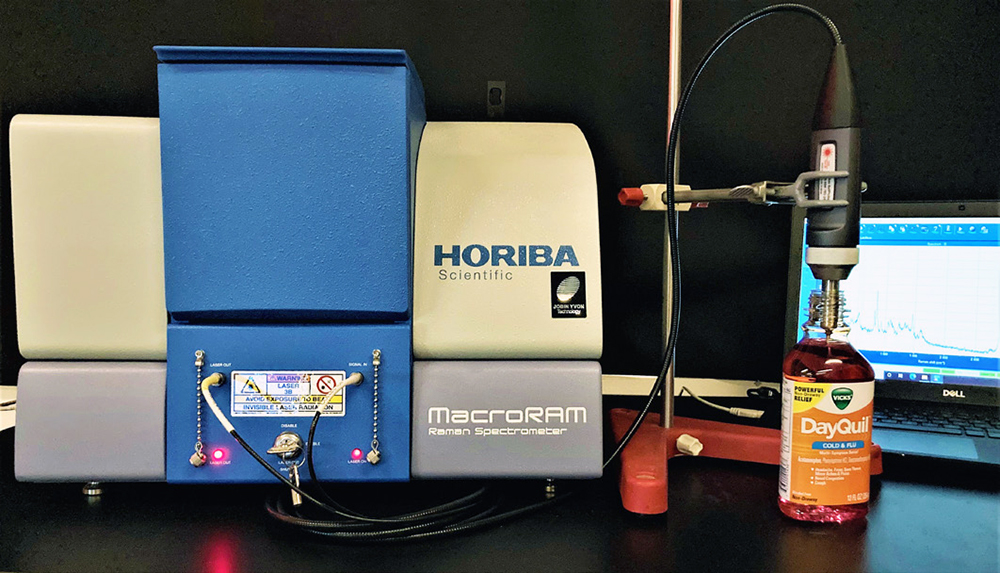
Raman spectroscopy is well known as a powerful analytical method for qualitative chemical analysis. Less well known is that under certain conditions Raman spectroscopy can also be an effective method for quantitative analysis. Here we demonstrate that capability for quantitative analysis under a variety of conditions, involving different solutes in a solution and solution mixtures, and its applications to pharmaceutical analysis such as content uniformity.

Learn more
Raman spectra of DayQuil™ and NyQuil™ collected with an immersion probe fiber-coupled to the MacroRAM™ Raman spectrometer, and a picture of the immersion probe setup.

QC, Counterfeit Products, Presence of Foreign Materials

X-ray Fluorescence photons can be partially absorbed by the encapsulated material and will not show in the spectrum. The X-ray transmission image provides a complete picture.

Learn more
Sample: Foreign matter in the capsule

Multiple Characterizations of a Blister Pack Using the XGT-9000

Packaging must provide protection, minimize the loss of constituents and should have no physical or chemical interaction which could alter the quality or present a toxicity risk. With its high degree of versatility, the XGT-9000, HORIBA’s new X-ray microscope, is the perfect tool for the pharmaceutical industry as it can be easily applied within industrial settings, as well as R&D.

Learn more
Multiple Characterizations of a Blister Pack Using the XGT-9000

Multimodal Hyperspectral Imaging for Nanotoxicological Applications

An imaging platform that combines Raman microscopy with enhanced darkfield and hyperspectral imaging technology was used to study lung tissue sections containing carbon nanotubes. It enabled easy identification of the regions containing the carbon nanotubes followed by spectroscopic characterization of chemical composition.

Learn more
Application note - Multimodal Hyperspectral Imaging for Nanotoxicological Applications

Assessing Biotherapeutics Stability using Raman Spectroscopy

We have measured solutions of lysozyme under conditions known to effect its physical state in order to investigate the potential of Raman spectroscopy as a non-invasive and label-free tool to assess protein formulation stability. Results from this study identified specific Raman signature bands in this protein that can be used to identify individual amino acid residues that are reflect structural changes in proteins.

Learn more
Raman Analysis of lysozyme

Polymorphisms characterization: when Raman microscopy supports the pharmaceutical industry

Since the physical state can affect the pharmaceutical behavior of drug substances, it is important to know what controls crystallization, solid state reactions, phase stability, and solubility.

Learn more
Polymorphisms characterization: when Raman microscopy supports the pharmaceutical industry

Morphological and chemical characterization of pharmaceutical formulations

One of the major challenges in the pharmaceutical development of a new product consists in its formulation, highly impacting the release and the efficiency of the active molecules in the body.

Learn more
Application note: Morphological and chemical characterization of pharmaceutical formulations

Raman Hyperspectral Imaging: An essential tool in the pharmaceutical field

Resulting from the combination of Raman spectroscopy and optical microscopy, Raman hyperspectral imaging has proven to be an indispensable tool in the pharmaceutical field. This article will broach a number of Raman hyperspectral imaging applications that were developed in our laboratory, in order to demonstrate the significance of the technique.

Learn more
Raman Hyperspectral Imaging: An essential tool in the pharmaceutical field

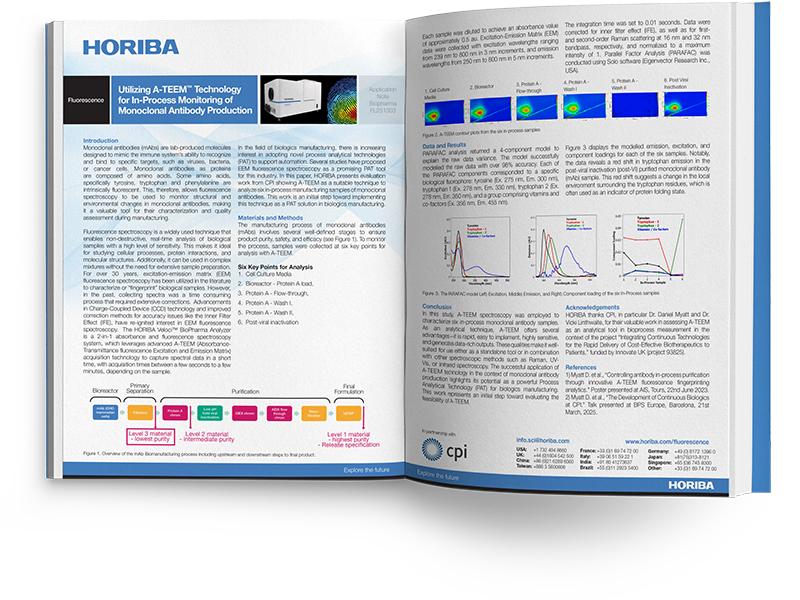
Utilizing A-TEEM Technology for In-Process Monitoring of Monoclonal Antibody Production

In this paper, HORIBA presents evaluation work from CPI showing A-TEEM as a suitable technique to analyze six in-process manufacturing samples of monoclonal antibodies. This work is an initial step toward implementing this technique as a PAT solution in biologics manufacturing.

Learn more

Bioprocess Monitoring - Cell Growth Assessment using the Veloci™ BioPharma Analyzer

Accurate monitoring of bioprocesses is essential, as small variations in culture conditions can impact productivity, product quality, and process consistency. One key challenge lies in analyzing the complex, dynamic environment of bioreactors, where media composition, metabolic byproducts, and matrix effects introduce variability. As the industry shifts toward intensified and continuous processing, there's growing demand for rapid, real-time analytical tools that operate under sterile, GMP-compatible conditions. A-TEEM™ technology meets these requirements with its high sensitivity, molecular selectivity, and real-time data output, providing actionable insights for optimizing cell growth and overall bioprocess performance.

Learn more

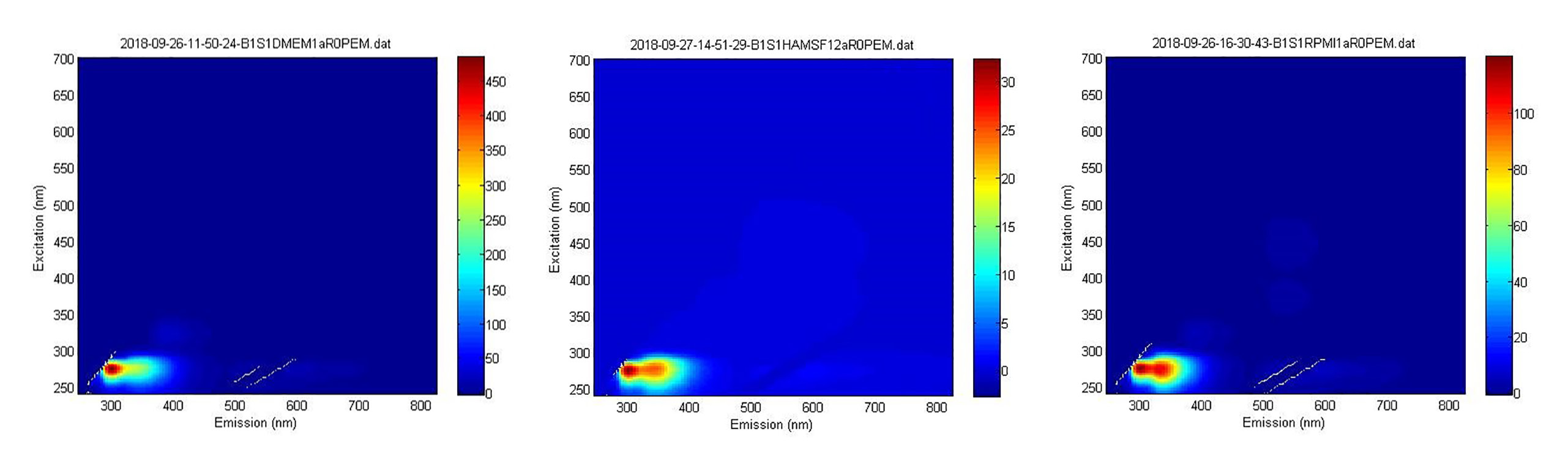
Monitoring Cell Culture Media Variability Using the Veloci and A-TEEM

Cell culture media for bioreactors are commonly prepared as aqueous solutions that provide the essential nutrients and conditions required for optimal cell growth, product yield, and quality. Even subtle variations in media composition can significantly impact cell growth rates and yield. Consequently, the identification and analysis of cell culture media are critical for maintaining consistency and optimizing performance.

Learn more
Monitoring Cell Culture Media Variability using A-TEEM Spectroscopy

Kinetic Fluorescence Determination of Vitamin B1

This technical note describes kinetic fluorescence as an analytical technique to quantify non-fluorescent species. The technique is applied to the determination of thiamine (vitamin B1) in solution.

Learn more
Kinetic Fluorescence Determination of Vitamin B1

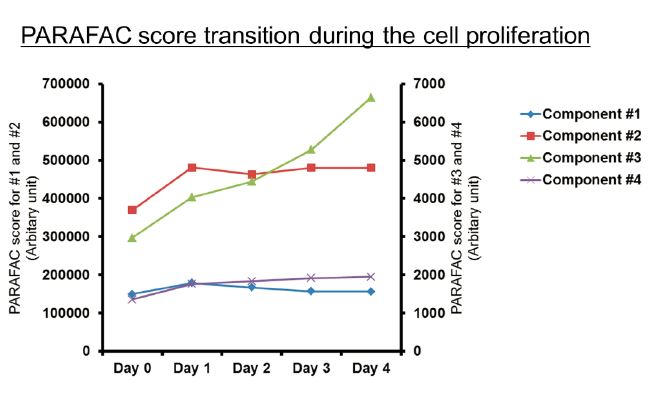
Monitoring Culture Medium Conditions During Cell Proliferation Using the Veloci

This study demonstrates the application of Excitation Emission Matrix measurement to monitor cell culture medium conditions during the proliferation of mammalian cells.

Learn more
Holistic Analysis of Mammalian Cell Proliferation using Fluorescence Spectroscopy

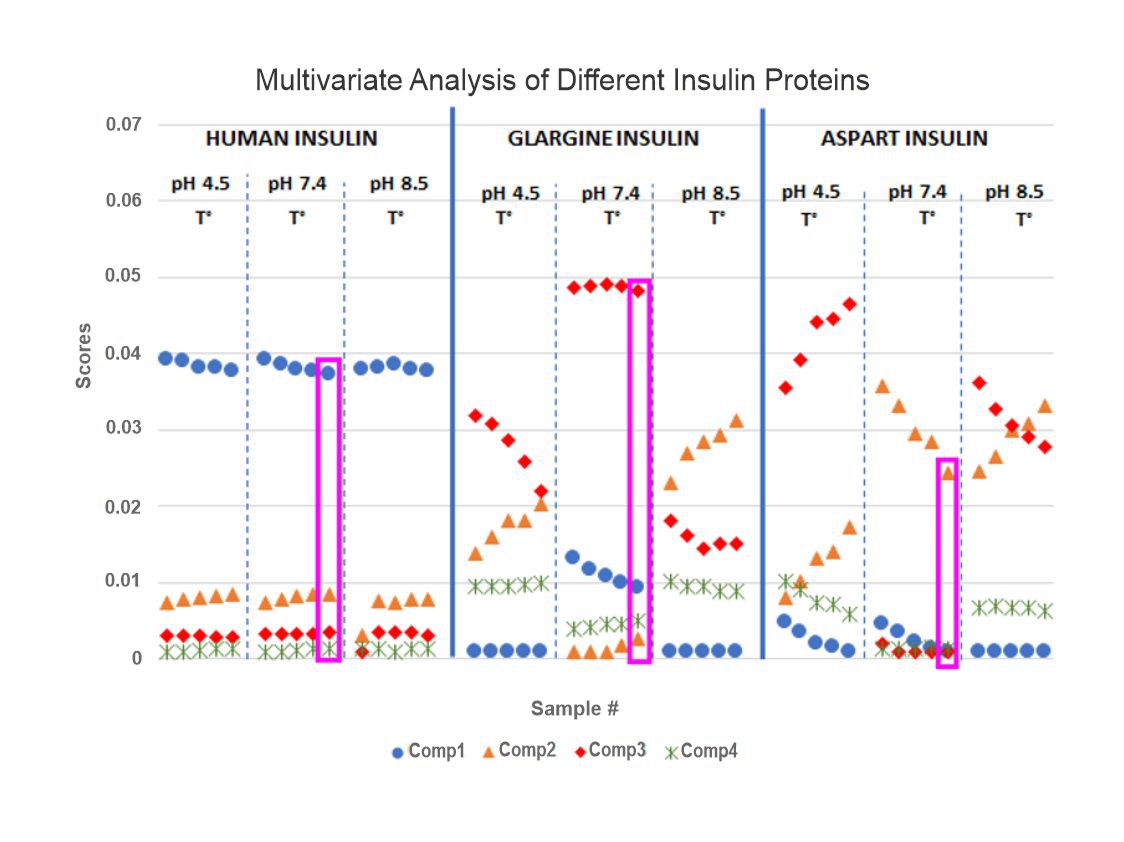
Simultaneous A-TEEM and UV-Vis Analysis for Insulin Structure and Stability Assessment

Stability and aggregation of insulin are studied using simultaneous fluorescence excitation-emission matrices (EEMs) and UV-Vis absorbance spectroscopy. Insulin is a protein-hormone produced by the pancreas and is necessary for basic metabolic processes. Commercial insulin therapeutics generally fall into two categories: short-acting and long-acting insulin. The difference between some short-acting and long-acting insulin lies, in some cases, in only one to three residues in the protein sequence.
Learn more
Multivariate analysis of different insulin proteins

Protein Quantification at Low Concentration using Fluorescence and Absorbance

In this application note, we highlight the high sensitivity of the Duetta for measuring transferrin at very low concentrations. The Duetta spectrofluorometer combines both fluorescence and absorbance measurements simultaneously, thus providing key advantages for protein analysis. In parallel, we compare the fluorescence results obtained using the Duetta with absorbance results obtained with a dedicated low-volume, benchtop spectrophotometer.

Learn more
Fluorescence Emission spectra of transferrin at increasing concentrations

Characterizing Monoclonal Antibody Purification with 2D Fluorescence Spectroscopy

Two-dimensional (2D) fluorescence excitation-emission matrix (EEM) spectroscopy has been utilized for over 30 years to characterize or “fingerprint” biological samples. Historically, data acquisition was slow and required extensive corrections. Advances in Charge Coupled Device (CCD) technology and improved data correction methodologies have renewed interest in 2D fluorescence spectroscopy.

Learn more

Monitoring Biotinylated Adeno-Associated Virus (AAV) Complexed to Streptavidin-Alexa Fluor 568 using the Aqualog and A-TEEM Molecular Fingerprinting Method

Adeno-Associated Viruses (AAVs) are becoming widely used as viral vectors to deliver cell and gene therapies and vaccines. As production methods scale to meet growing demand, more information is needed more quickly.

Learn more
Monitoring Biotinylated Adeno-Associated Virus (AAV) using A-TEEM

Characterization and mapping of active pharmaceutical ingredients and excipients in a tablet using Raman and IR spectroscopy

The objective of the measurements is to identify the unknown components and their respective dispersion within pharmaceutical tabs by Raman and FT-IR microspectrometry.

Learn more

Analysis for Pharmaceutical

Raman Spectroscopy is a powerful and widely used analytical tool within the pharmaceutical industry. Excipients and active pharmaceutical ingridients (APIs) can be analysed within seconds, and extensive Raman spectral libraries allow easy chemical identification.
Learn more

Raman Microscopy in Pharmaceutical Salt Analysis

Pharmaceutical and crystallographic samples typically require detailed characterisation and analysis to optimise a samples stability, physical properties and indeed general efficacy where an active drug substance is involved. Furthermore, strict regulatory and manufacturing procedures demand precise characterisation of a solid salt form drug candidate and the possible influence of environmental conditions. The hydration and structure of such samples under varying conditions is important in this full characterisation.

Learn more
Raman Microscopy in Pharmaceutical Salt Analysis

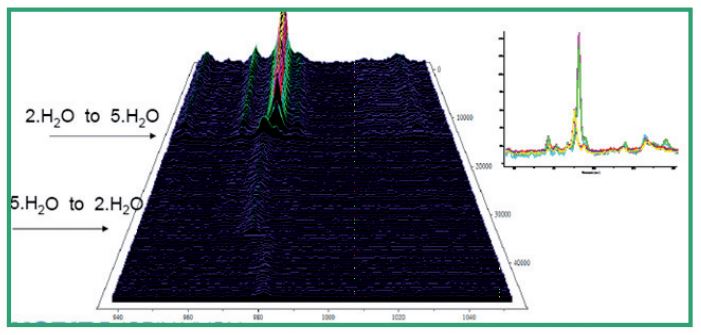
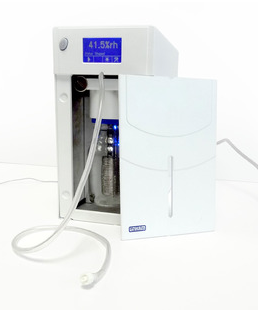
Raman spectroscopy of pharmaceutical ingredients under humidity controlled atmosphere

Full and detailed characterization of pharmaceutical formulations is required before release of new drugs. When exposed to warm and humid weather over time, ingredients may undergo change in their hydration level, thus affecting the properties and/or efficiency of the drug. Raman spectroscopy, combined to a temperature and humidity controller can mimic such harsh conditions and can be used to monitor the properties of the different ingre-dients and track their modifications induced by environmental changes.

Learn more

Characterization of Compounds in a pharmaceutical drug product

Resulting from the combination of Raman spectroscopy and optical microscopy, Raman hyperspectral imaging has proven to be an indispensable tool in the pharmaceutical field, especially to study the distribution of active(s) and excipients in a pharmaceutical drug product.

Learn more

Transmission Raman Spectroscopy: review of applications

The use of the transmission raman mode instead of the traditional backscattering one brings additional flexibility for the analysis of material, especially when averaged information of bulky samples is required.

Learn more

Raman Analysis and characterization of pharmaceuticals

Raman Spectroscopy has many useful properties which can be explored and exploited in the analysis of pharmaceutical formulations.

Learn more

Polymorphy in pharmaceuticals by Raman Spectroscopy

During the last 5-10 years, the molecular solid state has gained recognition by the pharmaceutical industry for its role in drug manufacturing, stability, and activity. In addition, definition of the crystalline phase has become as important as molecular composition in patent protection.

Learn more

Particle Size Analysis of Vitamins

Laser diffraction based particle size analyzers bring the same benefits to nutraceutical measurement that make the technique popular among the pharmaceutical industry: fast analysis time, excellent precision, sample handling systems for every application, and a wide measurement size range. We can readily observe the importance of particle characterization to the nutraceutical industry as this information impacts research and development concerns as well as quality control.

Learn more

Enhanced Characterization of Fluorescently Labeled Extracellular Vesicles

Exosomes are small extracellular vesicles, 30-150 nm in diameter, which have been determined to play a crucial role in extracellular signaling. They have been observed in both prokaryotic and eukaryotic organisms, meaning they are incredibly widely spread in nature. Exosomes bud off from their parent cells in a sealed package, taking the properties of their parent cell walls with them and encasing many intracellular components.

Learn more

Raman Investigation of Micro-organisms on a single cell level

Identification of contaminating microbes is an important public safety issue in many fields such as the control of food quality and the manufacture of pharmaceutical and cosmetic products. Previous research has shown the potential for Raman spectroscopy in combination with chemometric methods to investigate bulk samples as well as a single bacterium and yeast cell for classification on the species and strain level.

Learn more
Raman Investigation of Micro-organisms on a single cell level

Raman Analysis of Single Bacteria Cells

Traditionally, Raman has been a technique of the material scientist, physicist or chemist, but as instrumentation continues to evolve, the power of Raman in biological and medical applications is fast being realized, not least because of the high information content provided and an excellent tolerance for water.

Learn more

Viruses and Virus-Like Particles

A virus particle consists of several parts including the genetic material (DNA or RNA), a protein coat that protects these genes, and in some cases an envelope of lipids that surrounds the protein coat when they are outside a cell. The size of viruses ranges from a few tens to a few hundreds of nm, which is equal to 1/100 to 1/1000 of the cell (a few to a few tens of μm in size) of any other common living organism.

Learn more

Rapid Particle Size Analysis of Topical Ophthalmic Formulations

Successful ophthalmic drug delivery is a combination of pre-corneal retention time, corneal permeability, effectiveness of drug absorption, and dose-to-dose consistency. Whether the drug product is a suspension or microemulsion, it is a complex application involving careful analyses, research, and development efforts.

Learn more

Real-Time Prediction of Polymer-Coated Multiparticulate Dissolution using Process Analytical Technology

Process Analytical Technology, or “PAT” is the term given to analytical instruments developed to measure certain attributes of product within the manufacturing process, eliminating, or substantially minimizing the need for sampling for off-line analysis. This approach offers process measurements in-situ with instant access to data, which facilitates rapid decisions during product development and manufacture.

Learn more

Guide to D-values in Pharmaceutical Particle Characterization

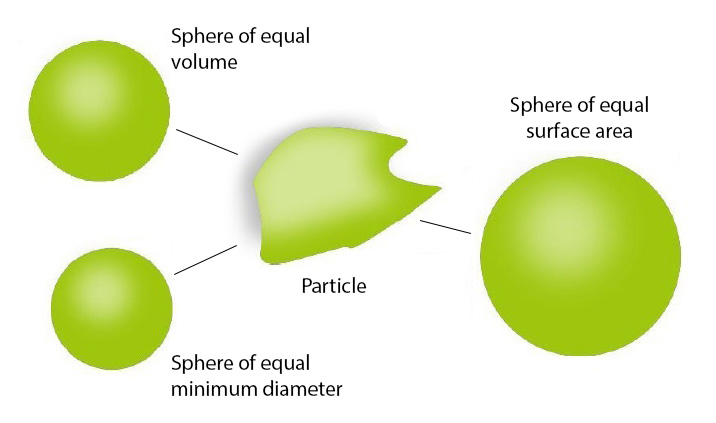
To an outsider to the pharmaceutical industry, the notion of D-values (e.g. D10, D50, D90) being a measure of particle size and distribution is a difficult concept to accept. Basic statistics and a common understanding of distributions might dictate that, provided one is allowed to assume that the particles are relatively spherical, the most logical means of quantifying the particle size of a sample would be to use the mean diameter and standard deviation values.

Learn more

Achieving Infectious Titer with Multi-laser Nanoparticle Tracking Analysis (NTA)

The complexity of viral particles remains one of the biggest hurdles in the development process. In this note, the upstream process of analyzing viral preparations is addressed, as well as the use of multi-laser nanoparticle tracking analysis (NTA) as a cost and time efficient method to measure size, count virus particles, and correlate to infectious titer.

Learn more

Accurate Protein Aggregation Analysis

Protein aggregation is an important concern when developing and manufacturing biotherapeutics since these subvisible aggregate particles have been associated with the adverse drug reactions. Protein aggregates may provoke adverse events through an unwanted immune response. And, regardless of mechanism of reaction, subvisible particle contamination has been a concern for manufacturers and regulators.

Learn more

Particle Analysis in Vaccine Manufacturing and Development

Size matters in vaccine delivery systems. Nanoparticles smaller than 200 nm generally present a greater immunogenic response than micro-particles larger than 1 micron. This rather simple statement is based on the common understanding that particles with sizes resembling the dimensions of viruses are treated like viruses by the body.

Learn more

Protein Aggregation and Size Analysis

The study of protein aggregation encompasses a broad range of interactions and mechanisms. Many studies into this subject area investigate the aggregation of misfolded proteins, which is thought to be responsible for many degenerative diseases. Since aggregation typically leads to a physical change in protein size, particle size analysis has proven to be a useful experimental technique in this field.

Learn more

Characterization of Sub-Visible Particles in Protein Therapeutic Formulations

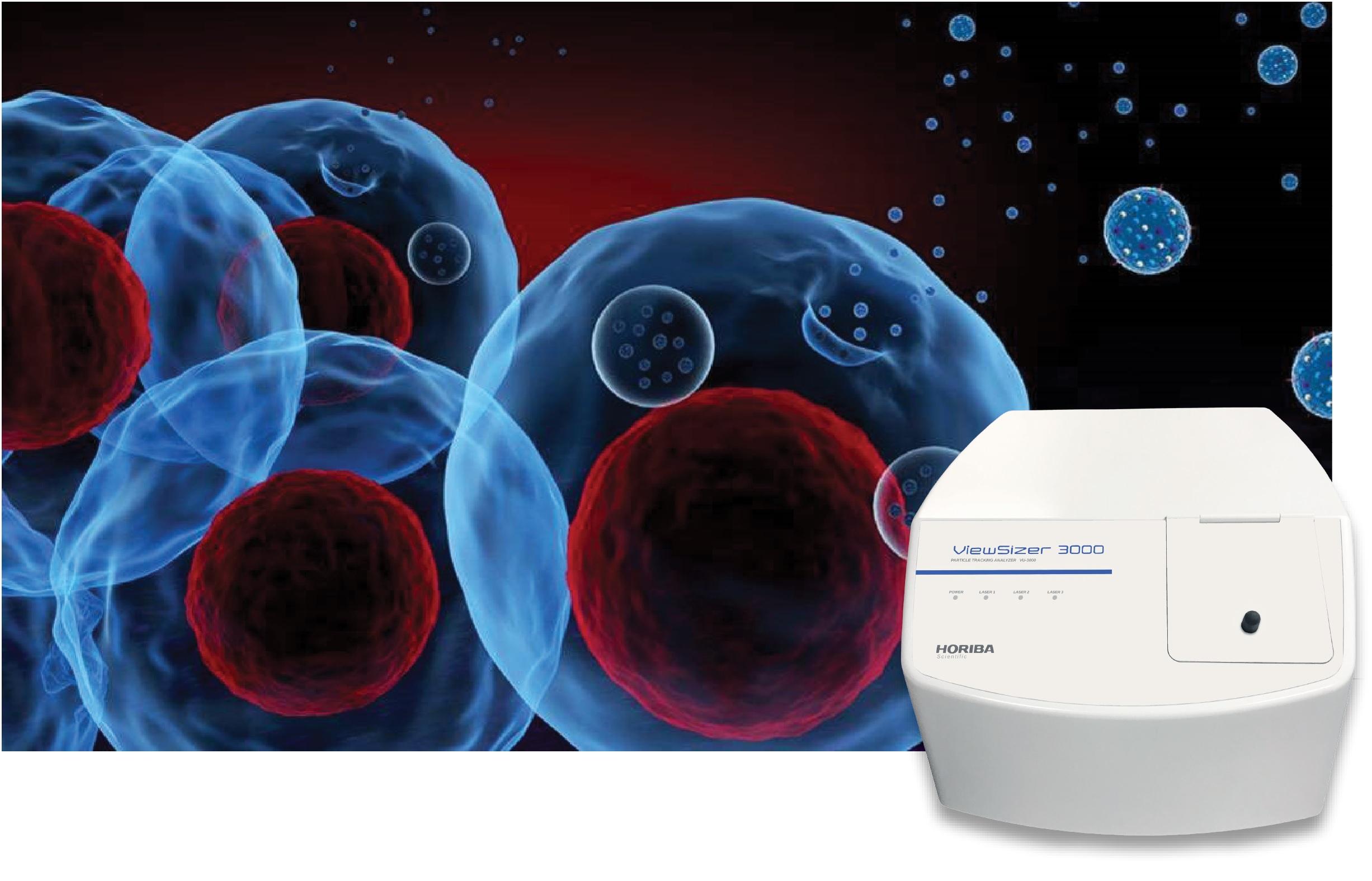
The ViewSizer 3000 enables scientists to visualize and quantify the kinetics of protein aggregation in real-time for biologic therapeutics under a variety of stress conditions including agitation, temperature and the addition of contaminants. The case study featured here validates these capabilities for agitation and temperature stress conditions with the 100 mg/mL mAb A.

Learn more
Sub-visible Particles from ViewSizer 3000

DLS and Zeta Potential of Proteins

Protein scientists typically discuss “protein size” or molecular weight, as opposed to using the phrase “particle size”, but particle size analyzers are often used in their studies. There is also interest in the surface charge or valence of proteins, so zeta potential is another measurement used by protein chemists.

Learn more

Zeta Potential of Proteins

Zeta potential is a key physical parameter that describes surface charge on proteins. Although there has been interest in measuring the zeta potential of proteins for many years, the measurements were often difficult due to a variety of reasons including the “cooking” of proteins on the cell electrodes when using light scattering techniques.

Learn more

Particle Size Analysis of Nanoparticles for Drug Delivery Applications

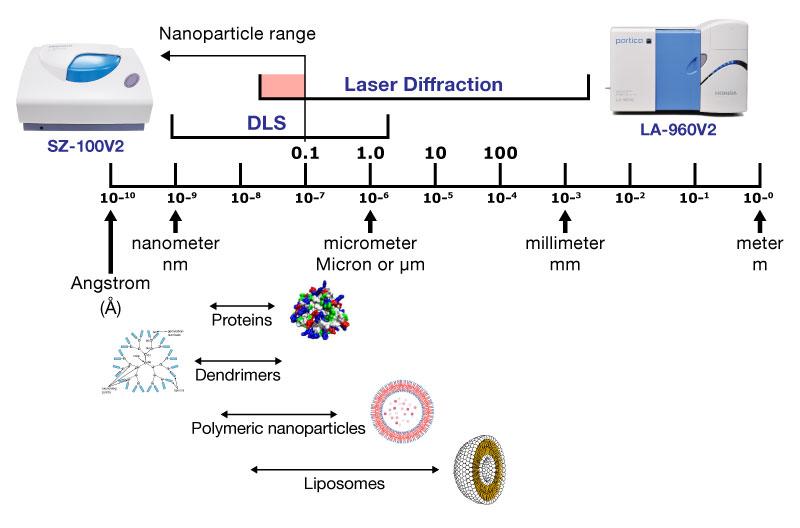
Nanoparticles used for drug delivery is an important research field combining the life sciences with nanotechnology. While the strict definition of a nanoparticle is between 1 – 100 nm, we can extend the upper size range in the context of this application up to approximately 500 nm. Laser diffraction provides the advantage of being able to measure larger particles.

Learn more

Analysis of Biopolymers with Laser Diffraction

Considerable research has been conducted exploring the use of nanoparticles composed of biopolymers as a drug delivery vehicle. Much of the particle size analysis in this field has been done using dynamic light scattering (DLS). However, certain materials will feature larger particles that are outside the upper size range of DLS, but within the capability of laser diffraction.

Learn more

Particle Characterization in the Pharmaceutical Industry

The particle size distribution of active ingredients and excipients is an important physical characteristic of the materials used to create pharmaceutical products. The size, distribution and shape of the particles can affect bulk properties, product performance, processability, stability and appearance of the end product.

Learn more

Nutraceutical Particle Characterization

Nutraceuticals are the intersection of nutrition and pharmaceutical and is an umbrella term that can also include functional foods and dietary supplements. Nutraceutical researchers working to improve the bioavailability, biocompatibility, and stability of various formulations measure particle size, particle shape, and zeta potential.

Learn more

Запросить информацию

У вас есть вопросы или пожелания? Используйте эту форму, чтобы связаться с нашими специалистами.

* Эти поля обязательны для заполнения.