HORIBA Scientific and Analytical Instruments
Märkte
Corporate Webseite
  • Corporate
Marktwebseite
  • Mobility
  • Energy and Environment Solutions
  • Life Science
  • Healthcare
  • Materials
  • Semiconductor
Länder/Regionen
Amerika
  • Brazil / Brasil
  • United States / United States
Asien
  • China / 中国
  • India / India
  • Japan / 日本
  • Korea / 한국
  • Singapore / Singapore
  • Taiwan / 台灣
  • Thailand / ประเทศไทย
  • Vietnam / Việt Nam
Europa
  • Austria / Österreich
  • Czech Republic / Česko
  • France / France
  • Germany / Deutschland
  • Poland / Polska
  • Russia / Россия
  • Spain / España
  • Türkiye / Türkiye
  • United Kingdom / United Kingdom
Global
  • International
Suche
HORIBA Scientific and Analytical Instruments

Kontakt

Standorte

  • A giant leap in fuel cell engineering
  • AFIS key to catching crook in unlikely match
  • The Alchemist’s Factory – A Particle Characterization Story
  • Alternative light sources and AFIS help identify murder suspects
  • An act of mercy in Baltimore
  • Astrobiologist/Geobiologist uses Earth as a lab to examine possibility of extraterrestrial life
  • A-TEEM™ and fluorescence spectroscopy may offer a better way to feed the world
  • Can Raman microscopy reveal art forgeries?
  • Carbon black lightens your wallet
  • Chilean grape and wine quality assessment with Aqualog A-TEEM analyses
  • Cleaner water through fluorescence spectroscopy and artificial intelligence
  • Companies collaborate for better water treatment
  • Cryogenics and Multimodal Microspectroscopy — Filtering out the Noise
  • Designing a new breed of nuclear reactors
  • Detecting early signs of cancer with Raman microscopy
  • Detection of smoke taint in grapes and wine
  • Developing in-situ, online monitoring tools for radioactive materials using fluorescence spectroscopy
  • Discovering the origins of life
  • "Disruptive" carbon research deepens climate change understanding
  • Drilling deep to discover life
  • Duetta: fluorescence and absorbance - in the blink of an eye
  • Elemental analysis and a cold brew
  • Exploring biogeochemical cycles, speciation, and primary productivity in the ocean using fluorescence spectroscopy
  • Exposing Counterfeit Drugs
  • Finding ancient life through minerals on earth and beyond
  • Fine wine-making with the help of HORIBA tech
  • Fingerprint database leads to killers
  • Fluorescence sensors contribute to biological and display technologies
  • Fluorescence Spectroscopy: An Alternative to Chromatography in Enhancing the Flavor of Foods
  • Fluorescence spectroscopy becoming key to identifying pain
  • Fluorescence spectroscopy exposes carbon cycle changes
  • Fluorescence spectroscopy exposes carbon cycle changes
  • Fluorescent carbon nanodots: making foldable displays
  • Forensic light sources nab the suspects
  • Glucose Binding Molecules could revolutionize diabetes management
  • The Grape Identity Crisis and How Spectroscopy Separated History’s Most Confusing Cultivars
  • Health benefits of olive oils get boost
  • Historic carbon fluctuations could expose climate change secrets
  • How do thin films help NASA uncover the secrets to the universe?
  • How fusion breakthroughs will lead to clean renewable energy
  • How to measure temperature with light
  • How we customized a spectroscopy solution in the low UV range
  • Investigating missing carbon in Australian caves
  • Ionic Liquids as a Breakthrough for Resource Recycling Issues
  • Is this the next breakthrough in medicine?
  • Killing cancer with lanthanides and air
  • Launch of Mars 2020 to explore Mars using XRF
  • Leading the World with All-Solid-State Batteries
  • Low cost solar power on the horizon
  • Man of science follows business path
  • Making better gas turbines
  • Making carbon nanotubes more accessible
  • Making more efficient solar energy
  • Materials characterization crucial in Silicon Valley systems
  • Medical examiner department ID’s evidence with alternative light sources
  • Micro-XRF uncovers secrets to Van Gogh’s brilliance
  • Microplastics: a big problem for the environment
  • Microplastics explained
  • Mishaps and ski trip lead to laser revolution
  • Museum’s mineral studies improving life
  • MXenes are revolutionizing nanotechnology with the help of Raman Spectroscopy
  • Nano-scale research and technology leads to advanced materials development
  • Nanotechnology a pathway to efficient solar energy
  • Optimizing Wastewater Treatment in South Africa: A-TEEM Fluorescence Spectroscopy for BOD Analysis Amidst Economic Pressures
  • Mars life signs probed by spectroscopy
  • Photodynamic therapy – A non-toxic way to fight cancer
  • Photoluminescence contributes to staggering growth of photovoltaics
  • Photovoltaics and photoluminescence
  • Raman breakthrough recovers erased serial numbers from plastic guns
  • Raman and X-ray fluorescence spectroscopies reveal the mysteries behind ancient Japanese art form
  • Raman gets the goods on counterfeiters
  • Raman spectroscopy breakthroughs make CSI real
  • Research into ion transport through cell membranes aided by fluorescence spectroscopy
  • Researcher fights food fraud
  • Researcher developing (non) linear nano-optical methods to characterize heterogenous interfaces
  • Researcher traces path of potentially toxic nanoparticles
  • Scientist pioneers wastewater treatments to fight global warming effects
  • Should you be worried about nanotoxicity?
  • SPEX Forensics algorithms used to solve cold cases
  • Study validates fluorescence spectroscopy with A-TEEM for fast and precise wine authentication
  • Targeting toxic waste with minerals
  • The ARC Program: Forging Appalachia's Future Workforce
  • The baker’s son
  • The best nanoparticle
  • The mystery of gemstone colors has finally been revealed
  • The science of food
  • Thin film analysis reveals secrets to renewable energy
  • Tracing toxic heavy metals in organisms using X-ray fluorescence (XRF)
  • Understanding two-dimensional material interfaces with AFM Raman/TERS will transform computing
  • Unlocking the Secrets of the Deep Ocean’s Carbon Engine
  • Using AFM-Raman to understand defects in two-dimensional semiconductor materials
  • Using low temperatures to probe 2D materials for device applications
  • Using renewable and alternative sources for value-added products production
  • Versatile Aqualog saves chemical costs at treatment plants
  • Weeding out Over-the-Counter Frauds
  • Welcome to the dawn of a paradigm shift in technology
  • What are microplastics?
  • Where do microplastics come from?
  • Yellowstone’s treasures may hold clues to life
  1. Home
  2. Scientific
  3. Ressourcen
  4. Chilean grape and wine quality assessment with Aqualog A-TEEM analyses

Chilean grape and wine quality assessment with Aqualog A-TEEM analyses

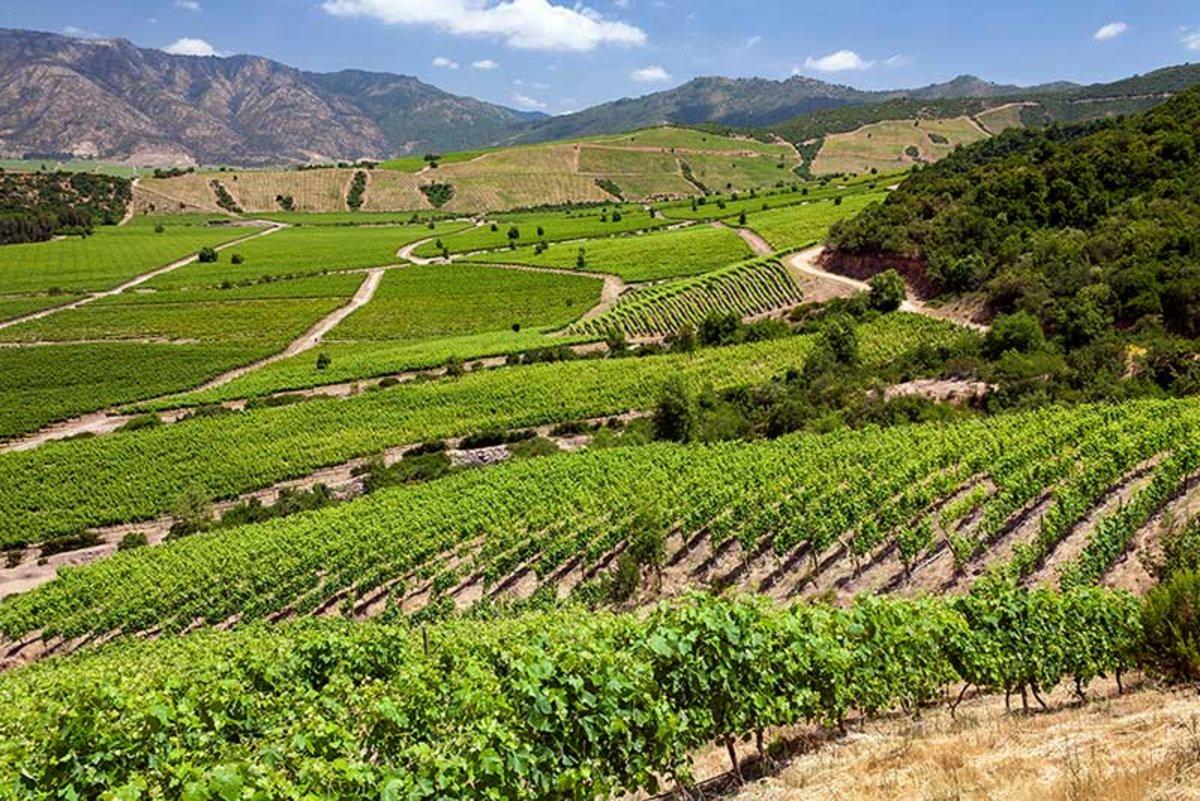
Vineyards producing Chilean wine near Santa Cruz in the Colchagua Valley in central Chile

Chile, located in the southern hemisphere, is unique.

Longitudinally, Chile is the world's longest country, extending over 2,600 miles. It runs from the Atacama Desert in the far north, the driest nonpolar desert in the world, to the Tierra del Fuego archipelago and the Drake Passage in the south, where the Atlantic, Pacific and Southern oceans meet.

That makes Chile the southernmost country in the world. East to West, it’s wedged between the Andes ― the longest mountain range in the world ― and the Pacific Ocean.

The country features arid deserts, beaches, fjords, volcanoes, snow-capped mountains, lakes, forests, ice fields and glaciers. The diversity of its topography and extreme geography produces fertile ground. As such, Chile is renowned for its quality vineyards.

Viña Concha y Toro, the largest wine grower in Latin America, dates back to 1883. Headquartered in Santiago, Chile, it cultivates 21,500 acres of vineyards spread throughout the continent’s major winegrowing regions. This includes eight principal valleys, from Limarí in the north, with low rainfall, moderate temperature oscillation and the impact of the ocean breeze, across Maipo and Maule, with high temperatures, to Bío-Bío in the south, with higher rainfalls and lower temperatures.

The soil, selection of plant material, and finally the cultivation form in the vineyard are further influences on the grapes. Managing harvests from such a diverse collection of vineyards is key to Viña Concha y Toro’s operations. So the winery turned to science, and to a new approach to improve its grape and wine classification system.
Nature meets science

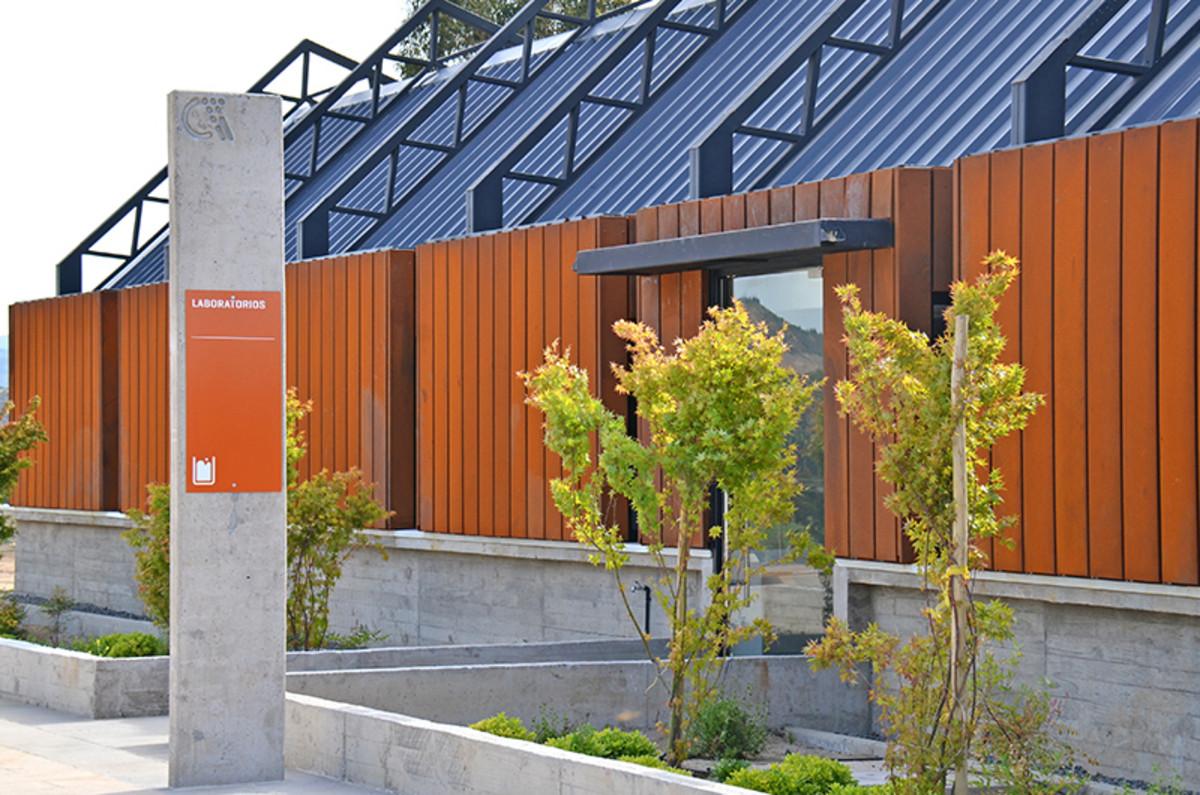
Viña Concha y Toro Center of Research and Innovation

A three-hour drive south of the centrally located capital Santiago lays the city of Talca. It is the capital of Maule, which in sharing its name as a state and wine region underlines its importance as a center for agriculture and viticulture.

It’s also the home of Viña Concha y Toro´s Center for Research and Innovation (CRI).The CRI was inaugurated in 2014, and has fully equipped laboratories and an experimental cellar to address diverse research topics in viticulture, enology, molecular biology and engineering. Since 2014, its mission has been to promote applied research, technological development and knowledge transfer in order to make better, more competitive and consistent wines in a dynamic international market with increasingly demanding consumers. (Viña Concha y Toro, 2021).

Mission

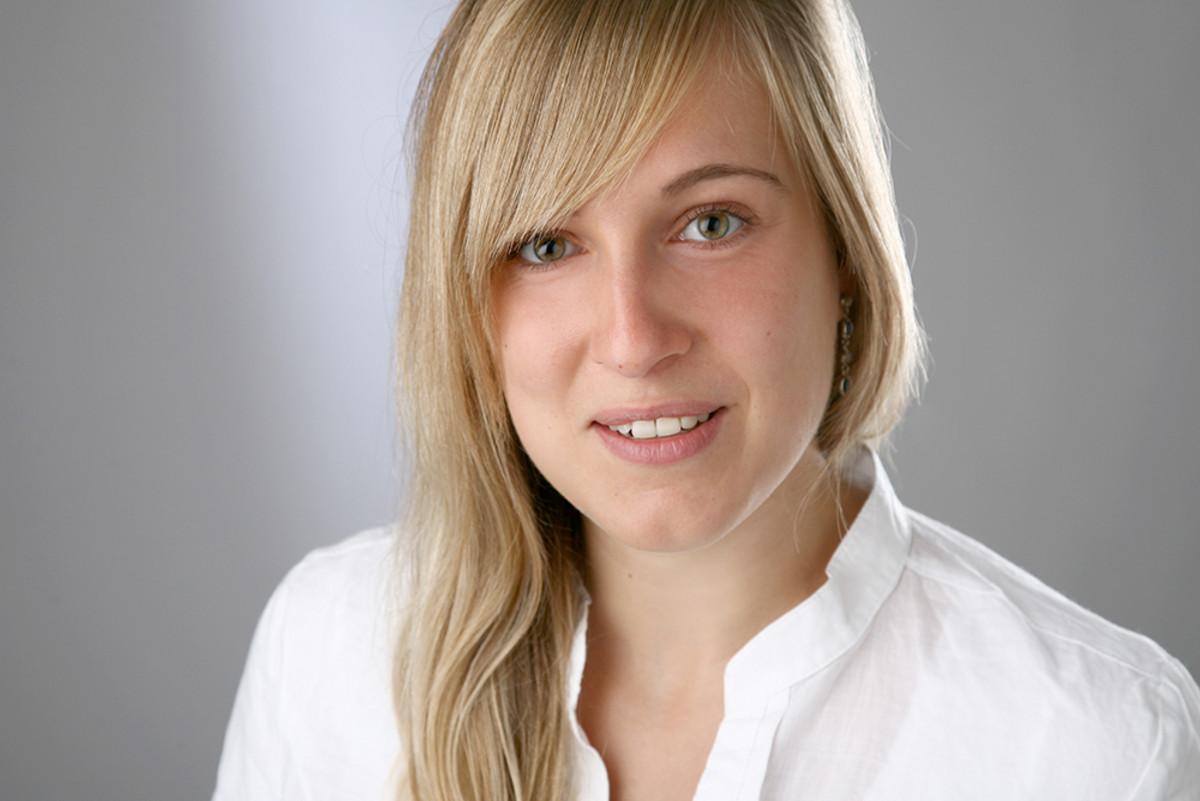
Doreen Schober, Ph.D.

Scientists at the CRI recently began to tackle the challenge of classifying grapes and wines in terms of quality, which implies the analysis of chemical compounds that form color, flavor, mouthfeel, aroma, among other traits, by turning to spectroscopic techniques. After three years of investigation on chemical quality markers and method development, their pilot program reached industrial scale and is showing promising results. The company hopes to expand it beyond testing to in-line quality assurance and quality control in their commercial wineries.

“The big picture is objective quality management,” Viña Concha y Toro Researcher Doreen Schober, Ph.D. said. “Making conclusions from the chemical composition of the grapes, allows us to predict wine quality independently from external factors, and supports the winemakers in their decisions in the production process.”

The company produces several varieties of wines from grapes cultivated in hundreds of company-owned vineyards or purchased from producers. Cabernet Sauvignon is the most common and popular in Chile and Viña Concha y Toro, and the winery has different brands and quality levels.

Quality aptitude classification is typically done in the field by company experts mainly based on viticultural traits, and few major components like sugars, but the fairest and most objective way to characterize quality is the chemical composition.

In fact, the Australian and Californian wine industries have been conducting research to establish standards for chemical quality markers in grapes for an optimized wine production since more than a decade (Bindon et al., 2020; Cleary et al., 2015). Those mainly include various polyphenolic compound families, few aromas and maturity parameters.

“From these key markers in grapes, you can draw conclusions about the wine,” Schober, a German native said. “To get there, we're analyzing the grape chemical composition, and also the wine chemical composition from standardized experimental wines we investigate in our experimental cellar. Then, as we´re evaluating the sensory properties of the wines from this data, it´s possible to obtain machine learning models to predict wine quality.”

Traditional technology falls short

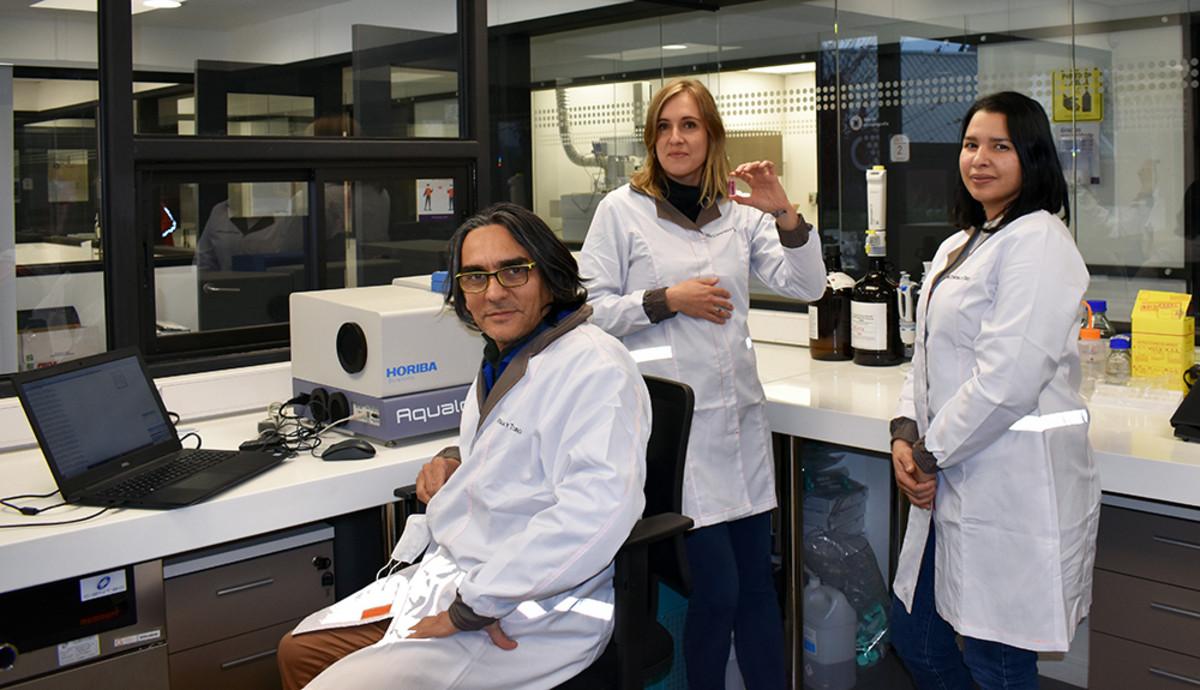
From left to right: Jorge Zincker, Doreen Schober, and Mónica Rodríguez

To do that, they traditionally relied on analysis techniques including High Performance Liquid Chromatography (HPLC) and Gas Chromatography (GC). These methods, however, tend to be slow, expensive, time consuming and require environmentally unfriendly consumables.

“Viña Concha y Toro sought out other techniques to characterize its grapes and wines” CRI laboratory Leader Jorge Zincker said. “In a way that could be localized, rapid, accurate, economical and sustainable.” The grapes can be tested in the field, and when they reach the winery. This allows us to rapidly obtain information about the chemical composition to conclude its quality potential, to assign these grapes to their corresponding brand and process, or even make corrections it might need. It’s in essence a way to sort the grapes.”

“So even though the grapes were grown for a certain quality level or brand, the quality tests support the winemaker to sort them out and to make a final determination as to what batch or brand it goes towards,” Schober said.

That’s critical. The company produces dozens of brands, from varietal to high premium wines. Therefore the grapes and wines are assigned to six quality categories, and within these categories, the winemakers use three sub-categories to adjust based on their sensory judgements.

A transition to spectroscopy

To facilitate this complex process, the company is developing a digital platform for managing the grape quality potential as part of the pilot study. It’s tracking the grapes to its vineyard origin from being delivered by different trucks to fill wine tanks of up to 100.000 liters, documenting its chemical composition and quality assignment to the finished wine. It connects all participants in the production chain, including the field, the winemakers and the laboratories.

“Although you might be working with grapes from the same vineyard plot, they will be different from harvest to harvest, depending on various factors like the climate. So to achieve the good wine, it’s absolutely necessary to keep track of their properties in the moment,” Schober said.

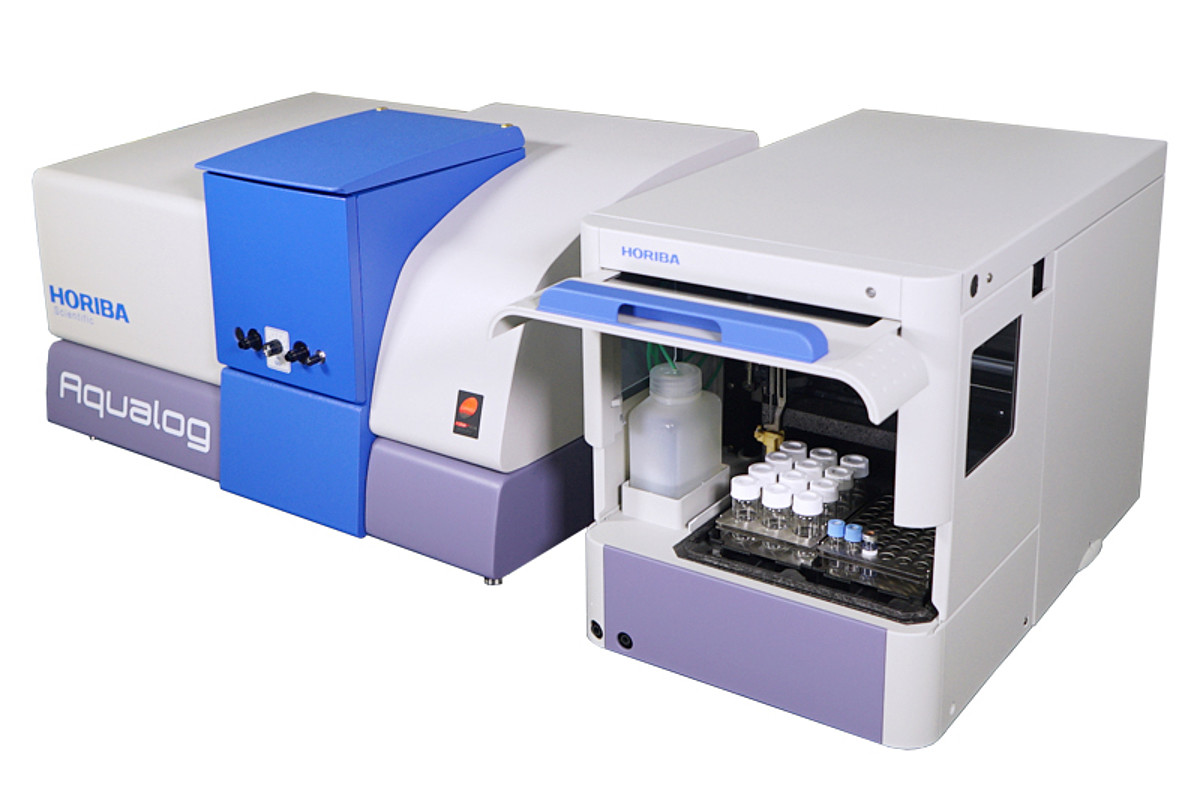
Right now, Viña Concha y Toro’s pilot program is to use a HORIBA Aqualog with its Autosampler for monitoring grape potential at the beginning of the of winemaking process, and wine properties before blending wine batches. The instrument is operated by Chemist Mónica Rodríguez.

The evaluation of the spectrophotometric measurements is thereby facilitated by the new HORIBA Multi Model Predictor (HMMP) tool, which was recently developed in cooperation with the chemometrics experts from Eigenvector Inc. The tool automatically joins the absorbance and fluorescence data, including the necessary spectral corrections, and outputs readily calculated compound concentrations and sample quality classifications. The analyst only needs to select the desired sample measurement and previously elaborated prediction model to obtain the results, which makes the analysis technique very suitable for the practical daily use in a commercial winery.

HORIBA Aqualog spectrofluorometer evaluates wine characteristics

The Aqualog features patented simultaneous Absorbance-Transmittance and fluorescence Excitation-Emission matrix (A-TEEM) technology which provides rapid access to a wide range of parameters important to commercial wine processing and quality characterization. The Aqualog acquires a complete UV-vis spectrum including the industry standard absorbance wavelengths at 280, 420, 520 and 620 nm, which are important to evaluate a wine’s phenolic content, color hue and intensity.

However, together the absorbance and fluorescence EEM data can be used to evaluate lot-to-lot, regional, and varietal characteristics, as well as sense the effects of oxidation and sulfite treatment as application for wine which makes fluorescence and absorbance spectroscopy a valuable tool for industrial wine characterization.

Study establishes A-TEEM accuracy in wine classification

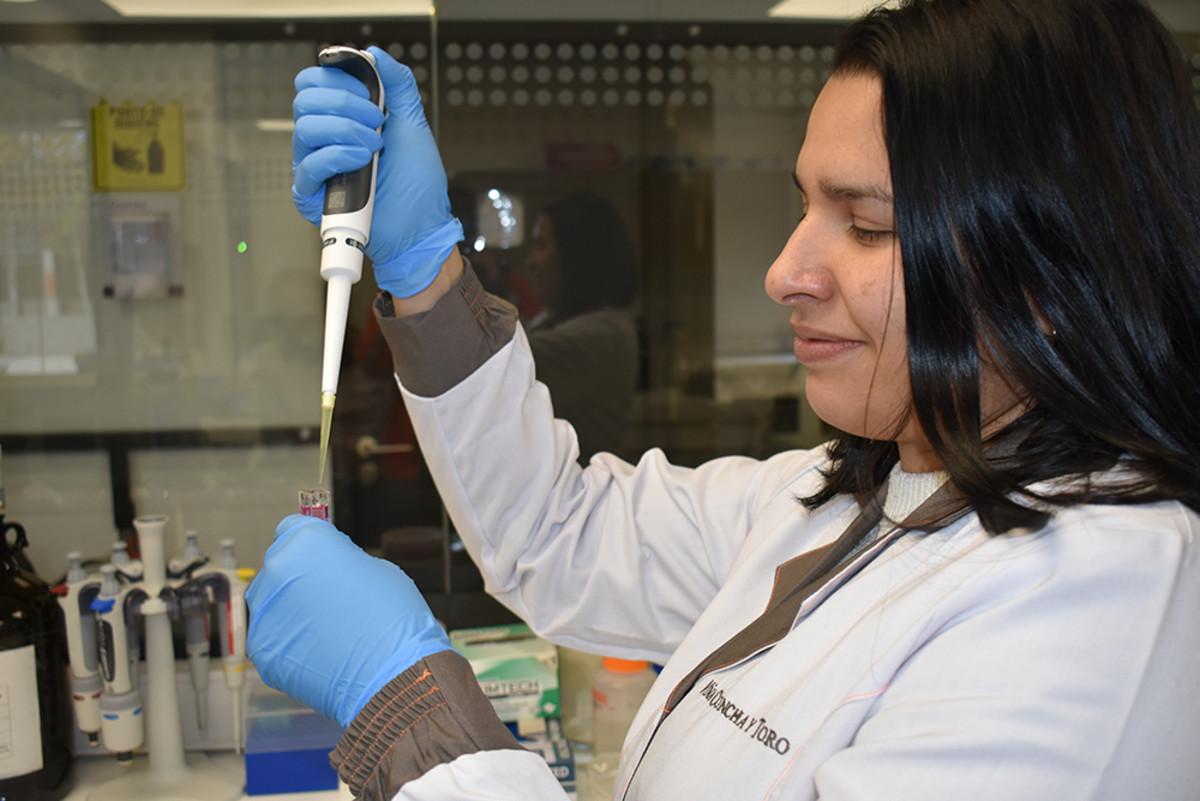
Mónica Rodríguez prepares a sample for the Aqualog

In fact, a 2021 study of fluorescence spectroscopy as a method for wine authentication showed the unique use of the A-TEEM technique for classification of red wines with respect to variety and geographical origin. Multi-block data analysis of A-TEEM data with extreme gradient boosting discriminant analysis yielded a 100 percent and 99.7 percent correct class assignment for variety and region of origin, respectively. (Ranaweera K.R.Ranaweeraa & et al, 2021).


Furthermore, the CRI has also already presented the use of A-TEEM to quantify wine polyphenols and maturity parameters in Cabernet Sauvignon in international wine congresses in the stage of R&D. The results from Viña Concha y Toro’s pilot program obtained positive feedback and recognition from the company enologists, and it hopes to roll out phase two in the form of incorporating the Aqualog in-line to evaluate grapes for the commercial production process and QC/QA reasons.

“We are evaluating what the practice needs,” Schober said. “That includes how to optimize the sampling, putting it in line and connecting all instances to make the tool available when necessary. The final assessment is expected by the end of this year.”

Not that it’s without controversy. Winemaking is an ancient craft, and traditional winemakers are reluctant to turn over their sensory skills to modern technology. But large wineries like Viña Concha y Toro acknowledge the need to manage its harvest and production processes in the most efficient and accurate manner. So don’t be surprised to see changes down the road.

References

Ranaweera K.R.Ranaweeraa, A. M., Viña Concha y Toro & et al. (2021, May 18). Spectrofluorometric analysis combined with machine learning for geographical and varietal authentication, and prediction of phenolic compound concentrations in red wine. Food Chemistry.

Viña Concha y Toro, V. C. (2021). Center for Research and Innovation. Retrieved May 18, 2021, from Viña Concha y Toro: https://cii.conchaytoro.com/

Bindon, B. K., Kassara, S., Nandorfy, D. E., Nicolotti, L., Do, Z., & Johnson, D. (2020). Identifying objective measures for Barossa Valley Shiraz grapes. Wine and Viticulture Journal, AWRI Report, 31–34.

Cleary, M., Chong, H., Ebisuda, N., Dokoozlian, N., Loscos, N., Pan, B., Santino, D., Sui, Q., & Yonker, C. (2015). Objective chemical measures of grape quality. In ACS Symposium Series (Vol. 1203, pp. 365–378). https://doi.org/10.1021/bk-2015-1203.ch023

Schober D., Gilmore A., Zincker J., Gonzalez A., 2021 (accepted). Determination of quality related polyphenols in Chilean wines by Absorbance-Transmission and fluorescence Excitation Emission Matrix (A-TEEM) analyses. Macrowine (virtual congress), 23-30.06.2021

Gilmore A., Schober D., Zincker J., Gonzalez A., 2020. Improving Multivariate Analysis Statistics of Chilean Wine Quality with Simultaneous Absorbance-Transmission and flourescence Excitation-Emission Matrix (A-TEEM) Analyses. Eastern Analytical Symposium (virtual congress), 16.-19.10.2020.

Gilmore A., Schober D., Penichet I., Zincker J., Gonzalez A., 2020. Quality assessment of Cabernet Sauvignon from Chile based on Simultaneous Absorbance-Transmission and flourescence Excitation-Emission Matrix (A-TEEM) Analysis. SciX (virtual congress), 12.10-23.11.2020.

Follow Us 


Informationsanfrage

Sie haben Fragen oder Wünsche? Nutzen Sie dieses Formular, um mit unseren Spezialisten in Kontakt zu treten.

* Diese Felder sind Pflichtfelder.

Produkte/Segmente

  • Alle Produkte (A-Z)
  • Mobility
  • Energy and Environment
  • Life Science
  • Healthcare
  • Materials
  • Semiconductor

Anwendungen

  • Trinkwasser Versorgung
  • Automobil Herstellung
  • Halbleiter Herstellung
  • Forschung & Testlabore

Technologien

  • Glimmentladungsspektroskopie
  • Quadrupol-Massenspektrometrie
  • Raman-Spektroskopie

Service

  • Unterstützung vor Ort
  • Ersatzteile und Verbrauchsmaterialien

Unternehmen

  • Nachrichten
  • Veranstaltungen
  • Karriere
  • Geschichte
  • Unternehmenskultur

Kontakt

  • Karriere Kontakt
  • Kontakt Formular
  • Weltweite Standorte
  • Investor Relations-Kontakt

Terms and Conditions Datenschutzerklärung Cookies Impressum HORIBA Group Social Media

© Copyright 2026 - All Rights Reserved