
Spectroscopy is a common technique used in the metallurgy industry to determine elemental components in solid metal samples. HORIBA offers a wide range of elemental analyzers used in foundries and metal production facilities to analyze a broad range of elements such as oxygen, hydrogen, nitrogen, sulfur and carbon. Additionally, HORIBA offers particle size analyzer used for metal powder size measurements and X-Ray fluorescence to determine film thickness and composition of thin metal layers.
Applications
Metallurgy
Browse Applications
Metallurgy
Quantitative elemental analysis in nonferrous metals aluminum, copper, and titanium
Nonferrous metals such as aluminum, copper, and titanium are functional, lightweight materials with excellent thermal conductivity and heat resistance, and are used in a variety of applications. Oxygen, hydrogen, and sulfur are intentionally added to these materials to improve their functions. In addition, the concentration of oxygen, hydrogen and carbon as foreign substances is controlled to improve quality.
Explore application
Metallurgy
Non-destructive Thickness and Composition Analysis of Coatings on Steel Using MESA-50
Steel coating plays an important role in preventing corrosion of steel samples. Therefore, an understanding of coatings can help in improving the steel properties. XRF is a powerful technique for measuring thickness and composition of coatings. We carried out non-destructive thickness and composition analysis of Zinc-Nickel coating on steel using the MESA-50 X-ray fluorescence analyzer.
Explore application
Metallurgy
Analysis of ultra-trace amounts of sulfur in metal
As the steel materials are becoming more sophisticated, such as natural gas or crude oil pipeline, sulfur content is recommended below 0.5 ppm. Hence, more accurate ultra-trace amount sulfur analysis is required. Analysis of trace amount of sulfur in steel materials can be done quickly with the conventional combustion-infrared absorption method, but the problem is that the sensitivity of the detector is insufficient and it can not be measured.
Explore application
Metallurgy
Purity Analysis in Precious Metal Recycling
While precious metals such as Au, Ag, Pt, and Pd are finite materials, they are essential for electronic components and functional materials. Therefore, it is important to separate and extract the necessary precious metals from the final products and recycle them as high-purity precious metals in order to secure resources and reduce costs. Impurities, which must be controlled, include light elements such as carbon, sulfur, oxygen, and nitrogen. For example, Au (gold) used in electronic devices must be at least 99.999% pure.
Explore application
Metallurgy
Fast, easy and safe control of Zn-Ni galvanization baths with MESA-50, a portable EDXRF
The EDXRF technique is used for the elemental analysis not only of solids, but also of liquids such as plating solution thanks to dedicated sample cells. This specific example shows the ability of MESA-50 for electrolytic baths follow-up by characterizing the degradation of Zn-Ni galvanization baths.
Explore application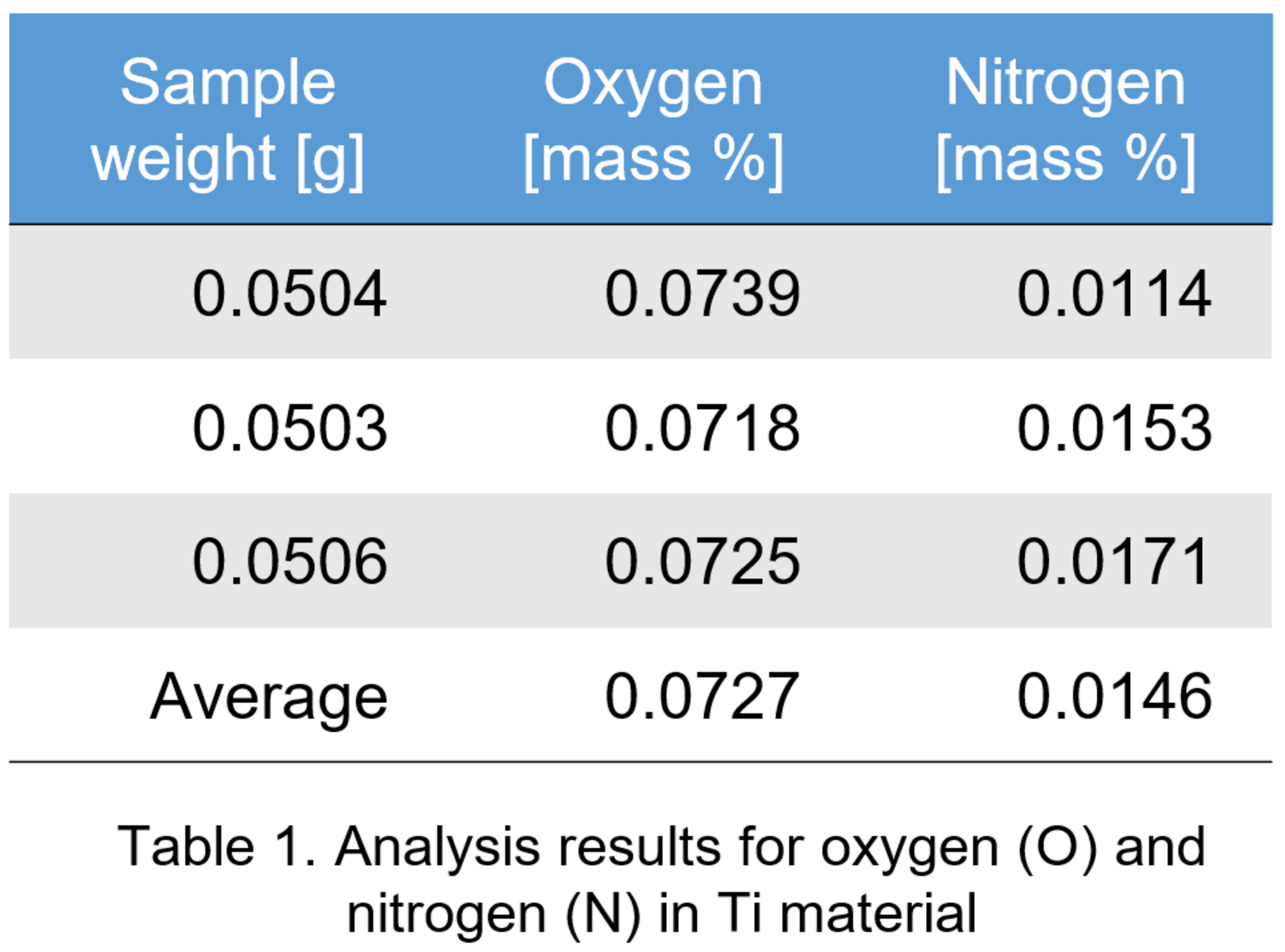
Metallurgy
Analysis of Oxygen (O) and Nitrogen (N) in Metal 3D Printer Materials
Stainless steel, Ti, Al, and Cu are commonly used as metal 3D printing materials, and customers have expressed a desire to be able to quickly manage the amounts of oxygen (O) and nitrogen (N) in those materials. For example, if the Ti material contains a large amount of oxygen (O), oxides will be produced, which can lead to defects in the printed part.
Explore application
Metallurgy
Stainless Steel Metal Powder
The particle size of SS316 powder is important to final product uses like injection molding. Here the metal must not clog the injector, so a uniform size with no large particles is important, and the metal must melt evenly throughout the molding for the best end product, again a uniform size and shape is important.
Explore application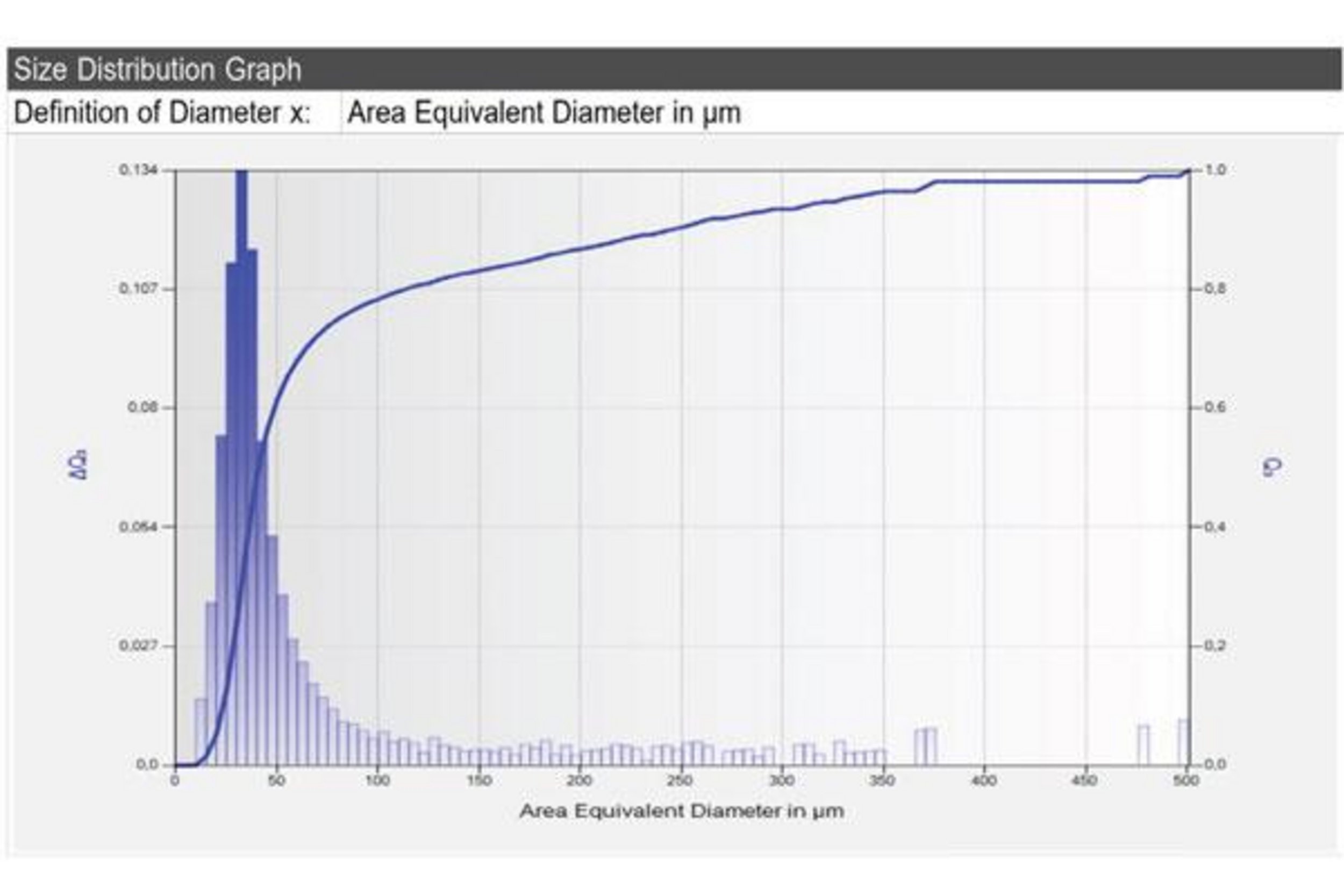
Metallurgy
Titanium Alloy Metal Powder
The particle size of titanium powder is important to final product surface quality, quality and robustness of coatings and mechanical strength of products. It also allows for the monitoring for elimination of large sizes which can plug nozzels in additive manufacturing.
Explore application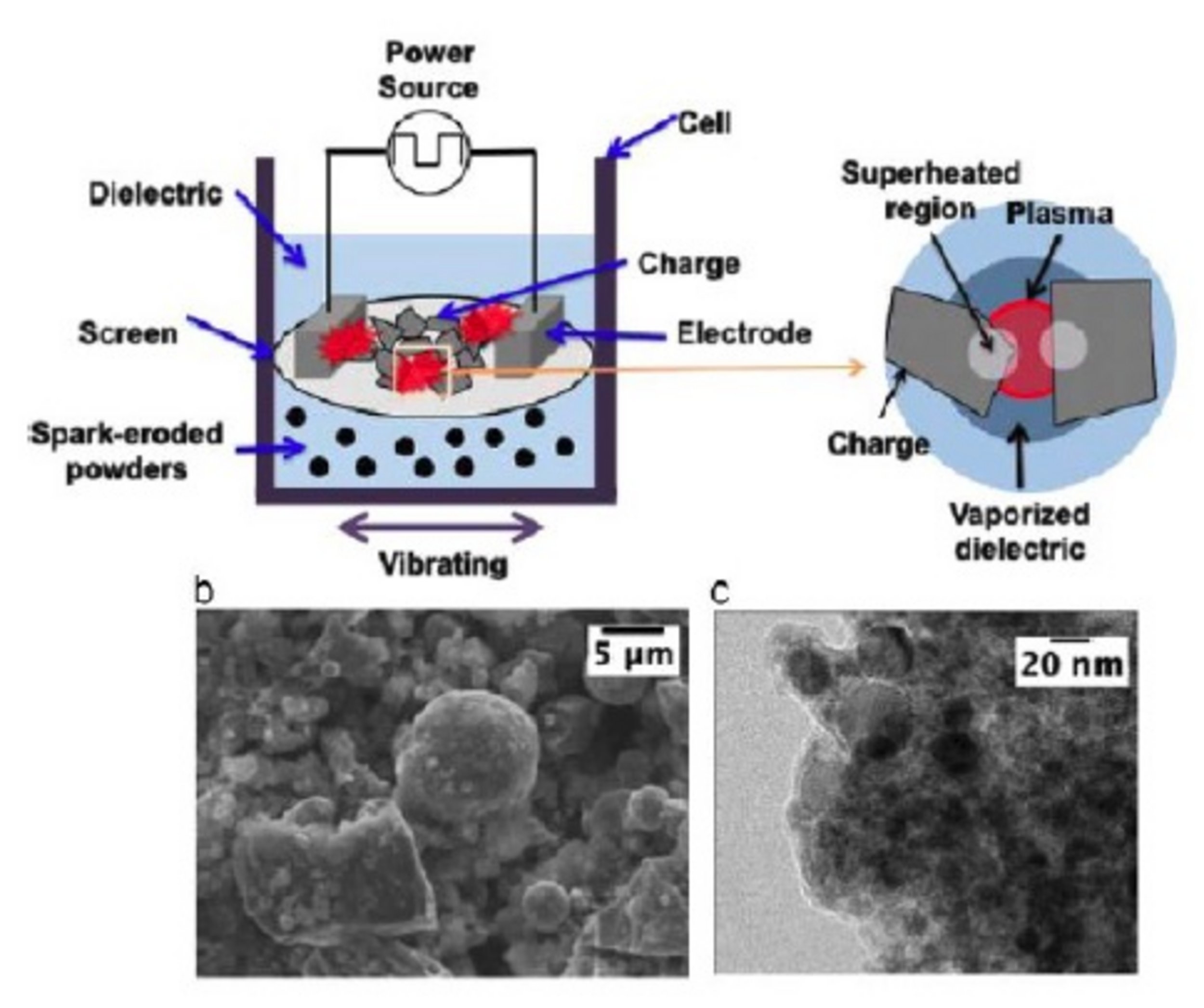
Metallurgy
Optimization of High-Performance Nanostructured Powder Metallurgy Materials
In this note, we will briefly explore the history of powder metallurgy and then examine the importance of powder quality to the production of nanomaterials.
Explore application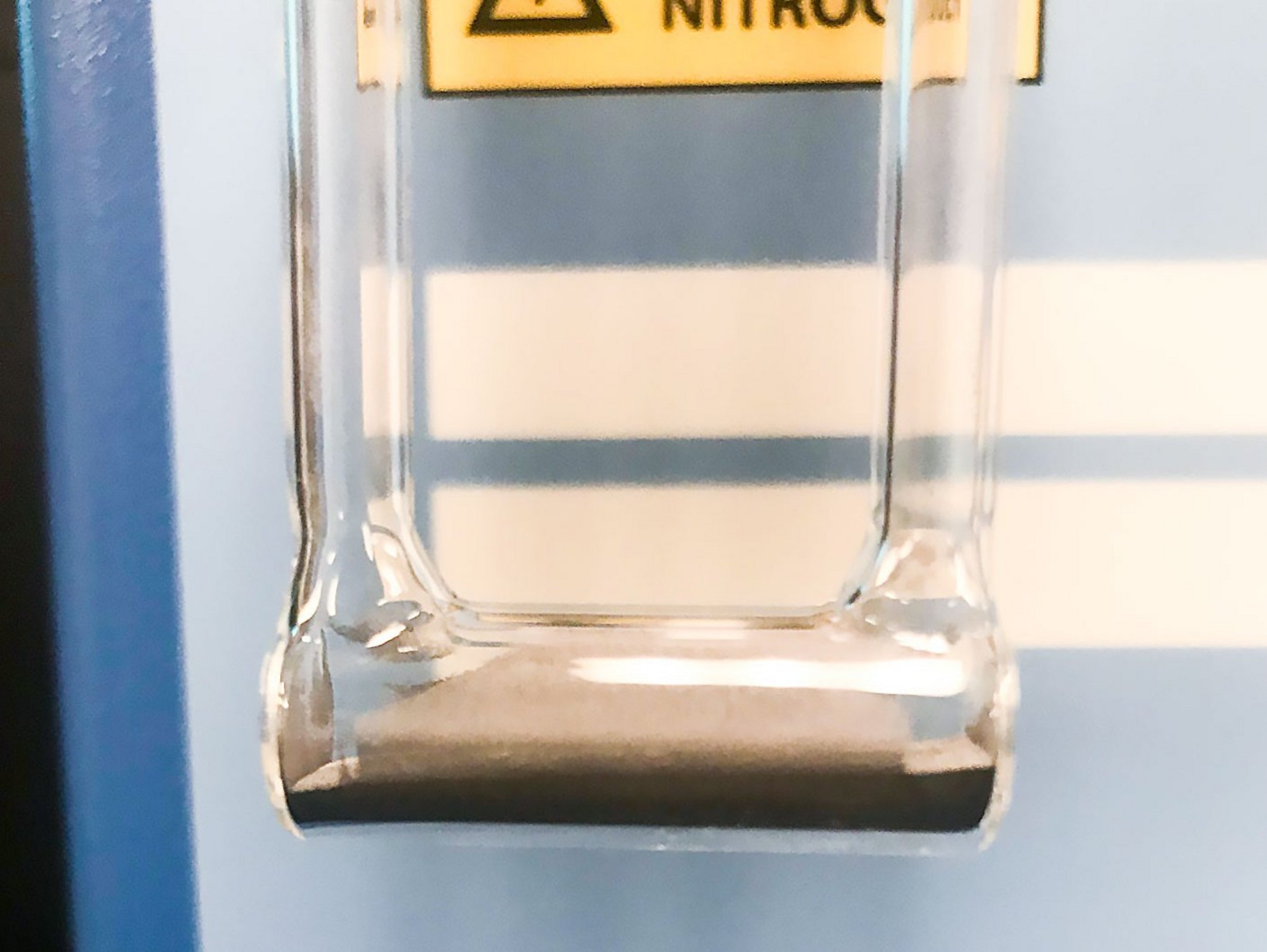
Metallurgy
Metal Powder Properties: A Case with Low Specific Surface Area
Determination of specific surface area of metal powders is an important parameter in the field of powder metallurgy. In this note, we demonstrate the use of Brunauer-Emmett-Teller (BET) technique to measure another critical metal powder property: specific surface area (SSA).
Explore application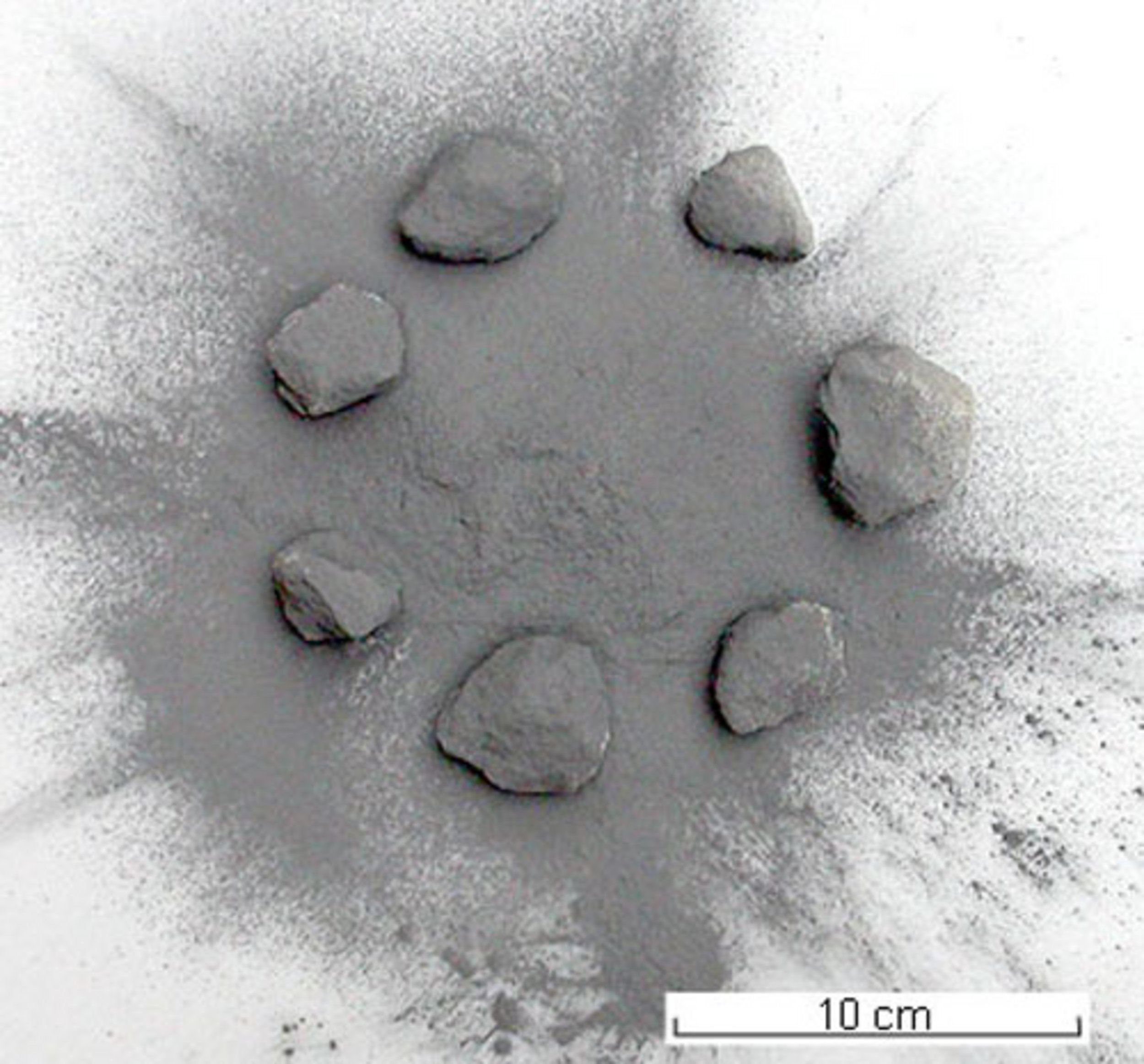
Metallurgy
Metal Powder Size Measurement
Virtually any metal can be made into a powder through processes including atomization, electrolysis, chemical reduction, and size comminution. The metal powder can then be used to fabricate parts from simple to complex shape. The technique and study of these processes is known as powder metallurgy, a field of study well acquainted with particle characterization. The size distribution and shape of the powder metal particles influences the physical properties of the parts created.
Explore application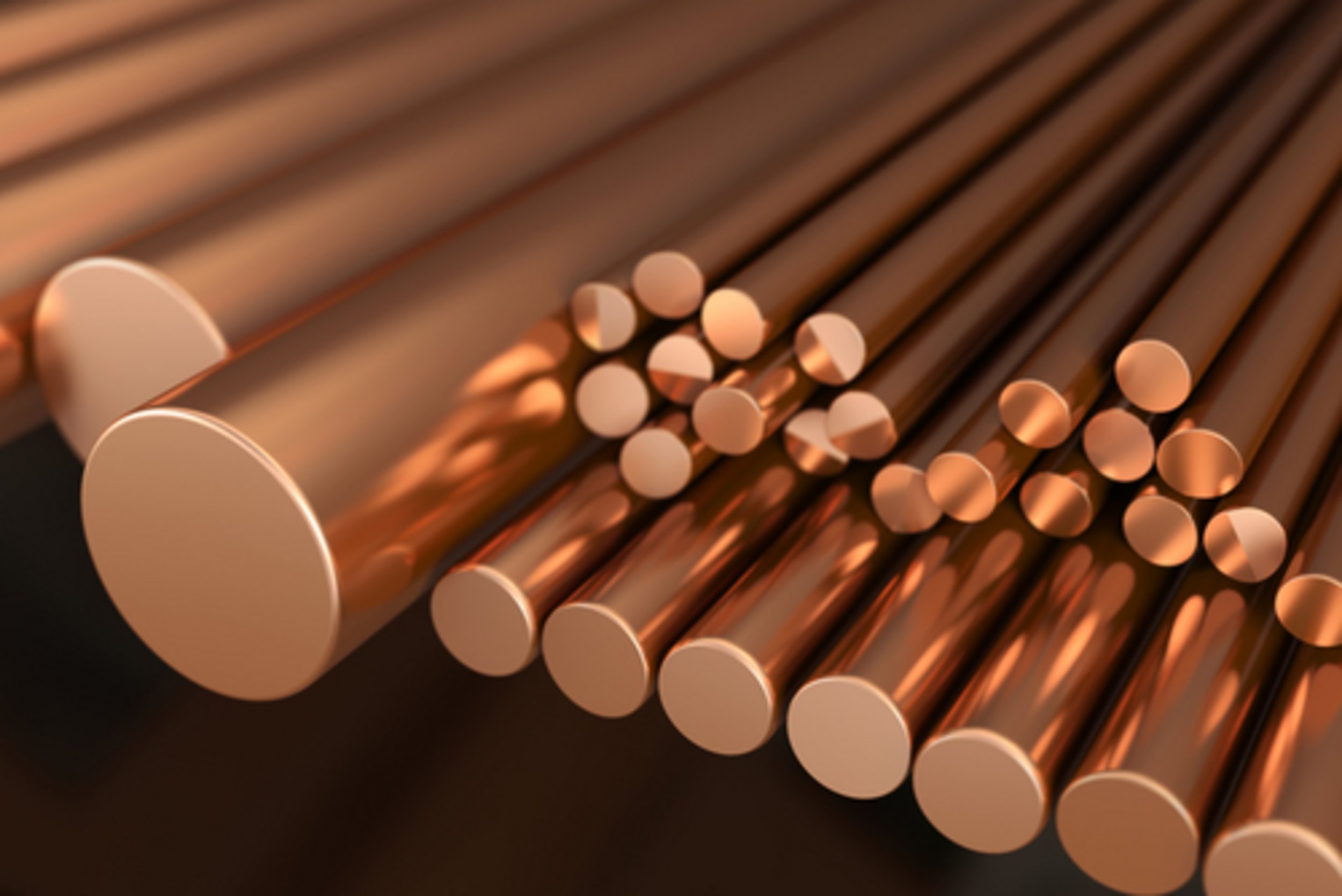
Metallurgy
Trace oxygen analysis in copper
To quickly and accurately quantify the oxygen contained as trace impurities in copper.
Explore application
Metallurgy
Hydrogen Analysis in steel and metals: Solid Extraction or Fusion
EMGA has been designed for accurate measurements of hydrogen content in different sample types such as ferrous metals, non-ferrous metals, semiconductors or electronic materials. The hydrogen content is extracted by fusion of the sample in inert gas and analyzed by a high sensitivity thermal conductivity detector. It is also possible to avoid fusion and extract hydrogen content in the sample by heating below the melting point. The purpose of this note is to explain when to use fusion or solid extraction, the benefits, the applications and samples.
Explore applicationMetallurgy
Sample Preparation and Sampling Methods for the Gas Analysis of Steel
Explore application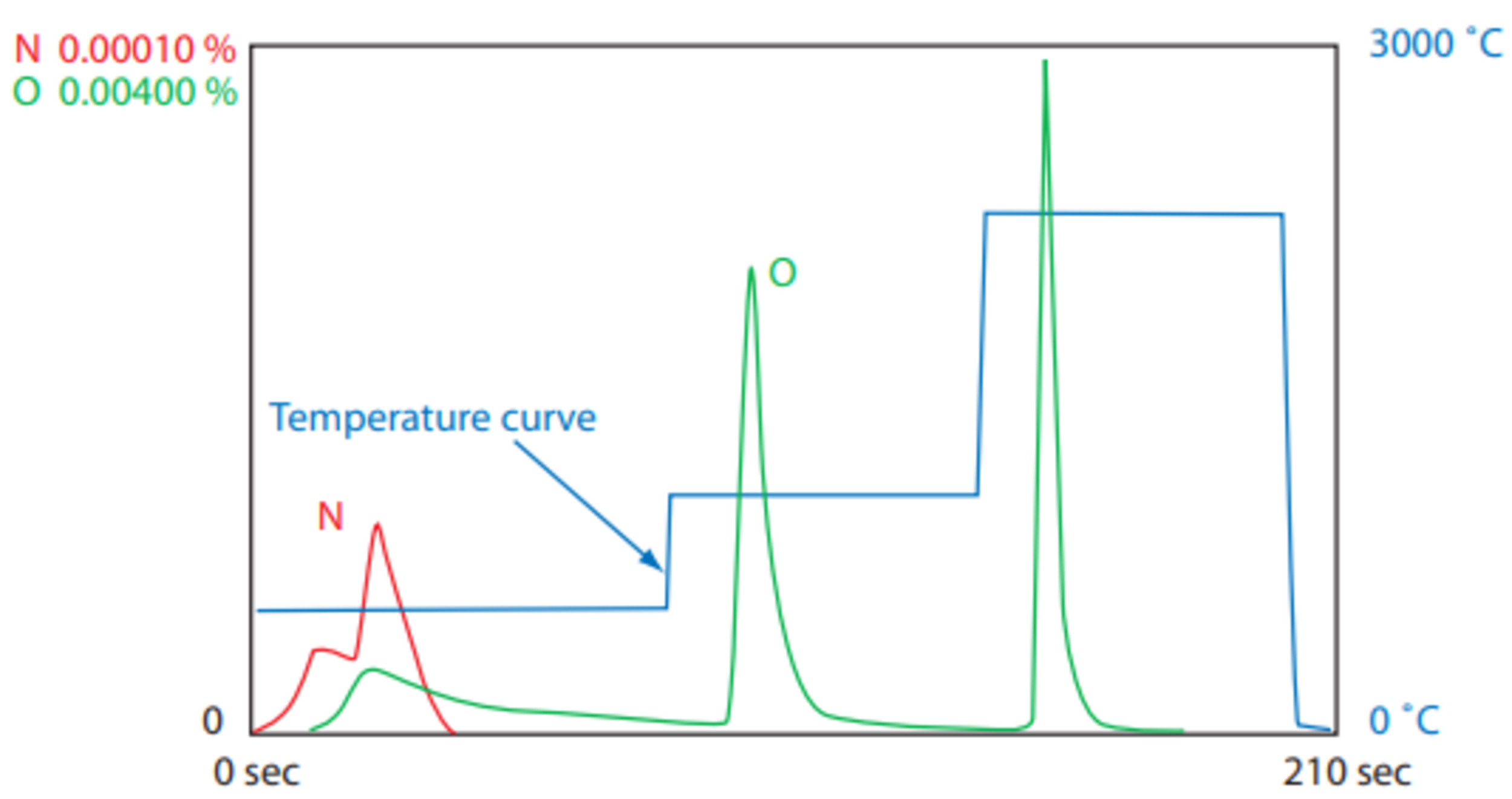
Metallurgy
Oxygen and Nitrogen determination in Boron Nitride
This application note will show the relevance of the EMGA-920 to measure high levels of nitrogen while simultaneously determininig low levels of Oxygen with good precision.
Explore application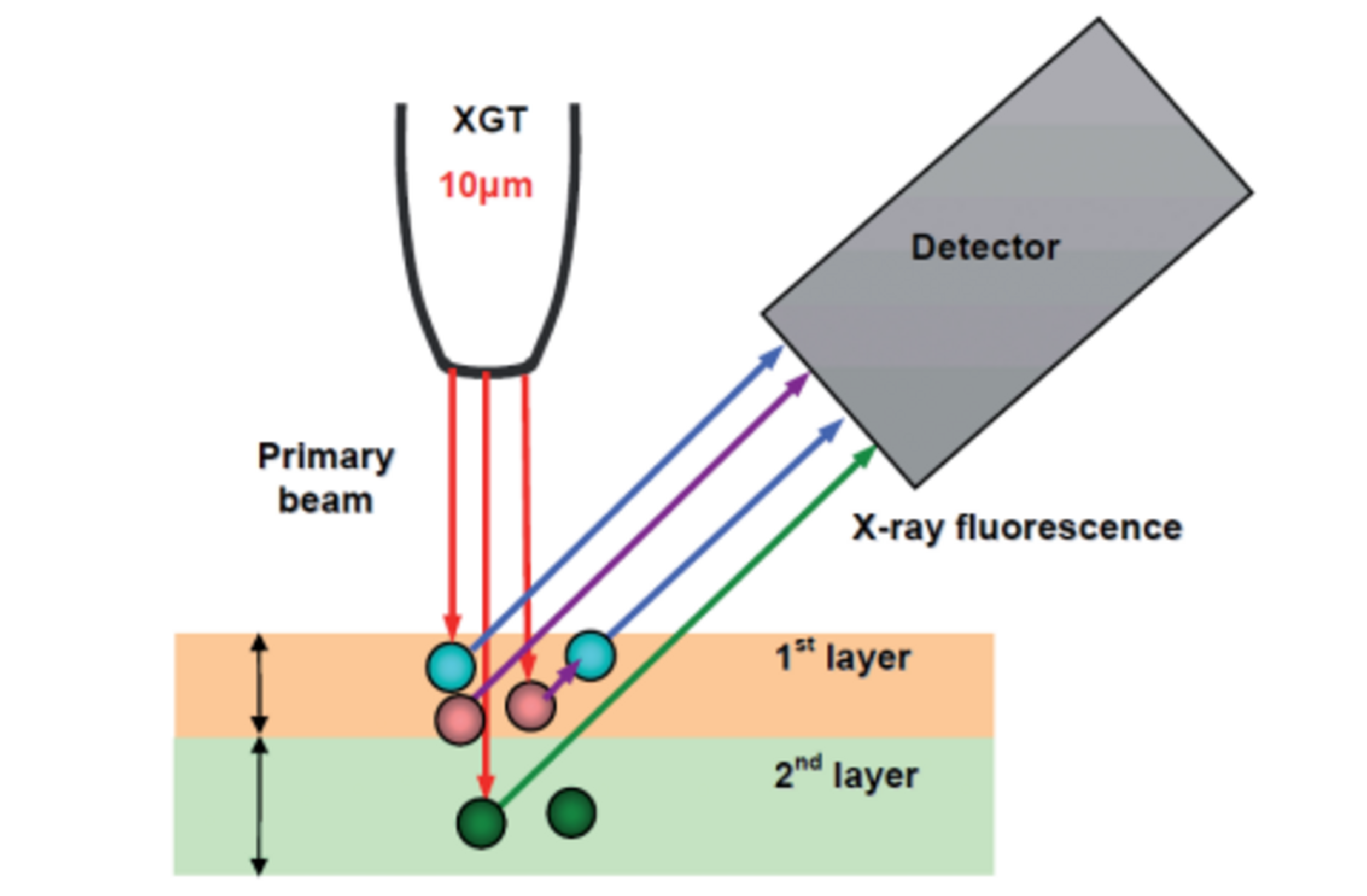
Metallurgy
Fast thickness measurement of thin metal coatings by Micro-XRF
The penetrating nature of EDXRF analysis allows multi-layered samples to be characterised with a single measurement. With high spatial resolution even microscopic features such as bonding pads on circuit boards can be interrogated for composition and layer thickness.
Explore applicationMetallurgy
Quality Assurance for the Analysis of Steel by Gas Component Analysis
Explore applicationMetallurgy
Oxygen and Nitrogen determination in Aluminium Nitride
This application note will show the relevance of the EMGA-920 to measure high level of Nitrogen while maintaining the needed precision for Oxygen determination in AIN.
Explore application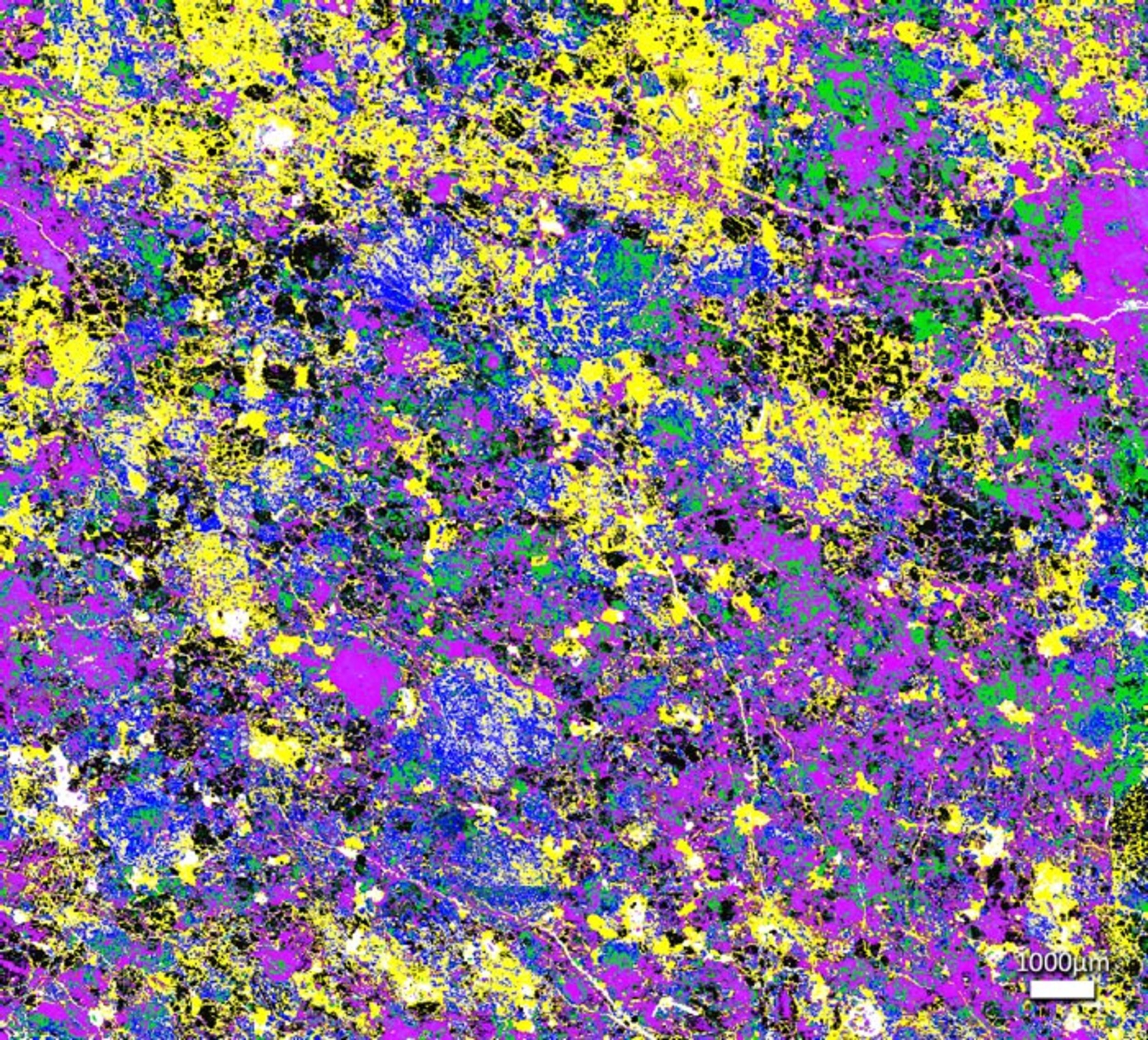
Metallurgy
Optical Micro-spectroscopies on a Path to Identify the Source of Life
In this article, we present how our Raman and X-Ray Fluorescence microscopies can be combined to shed some light on the origins of the universe. We show some examples on a meteorite piece and on water inclusion in quartz matrix.
Explore application
Metallurgy
The Hydrogen Analysis of Solid Samples
Each year the marketplace sees increasing demands for the analysis of hydrogen contained in various sample materials.
Explore application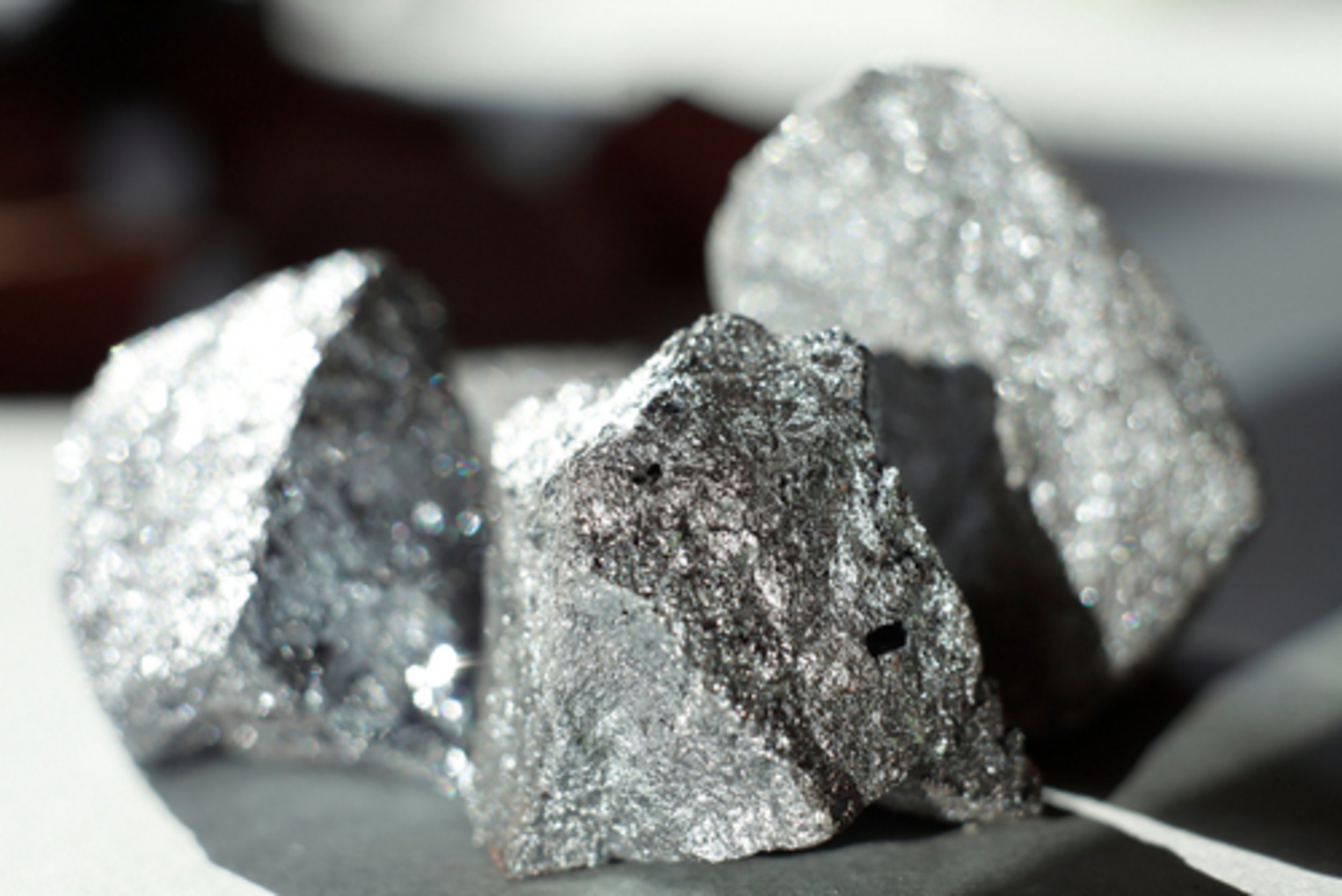
Metallurgy
Measurement of Carbon in Ferrosilicon
Ferrosilicon is added as a deoxidant and as an alloying element to steel, that require a special low carbon content. The Low Carbon in Ferrosilicon decreases the electrical conductivity and magnetostriction of electrical steels.
Explore applicationMetallurgy
Measurement of Carbon and Sulfur in Copper
Copper in reddish metal, it is malleable, ductile and an extremely good conductor of both heat and electricity. Copper metal is widely used for electrical wiring, water piping, and corrosion resistant parts, either pure or in alloy such as brass and bronze. Carbon and Sulfur are considered as impurities, so it is important to measure and check the Copper purity.
Explore applicationMetallurgy
Low Nitrogen Determination in Steel
Explore application
Metallurgy
Liquid in situ Fluorescence Measurements
No need to sample—simply take your readings directly in place in locations such as reaction vessels Collecting samples during a continuous process can be tedious and even dangerous if hazardous materials are involved.
Explore application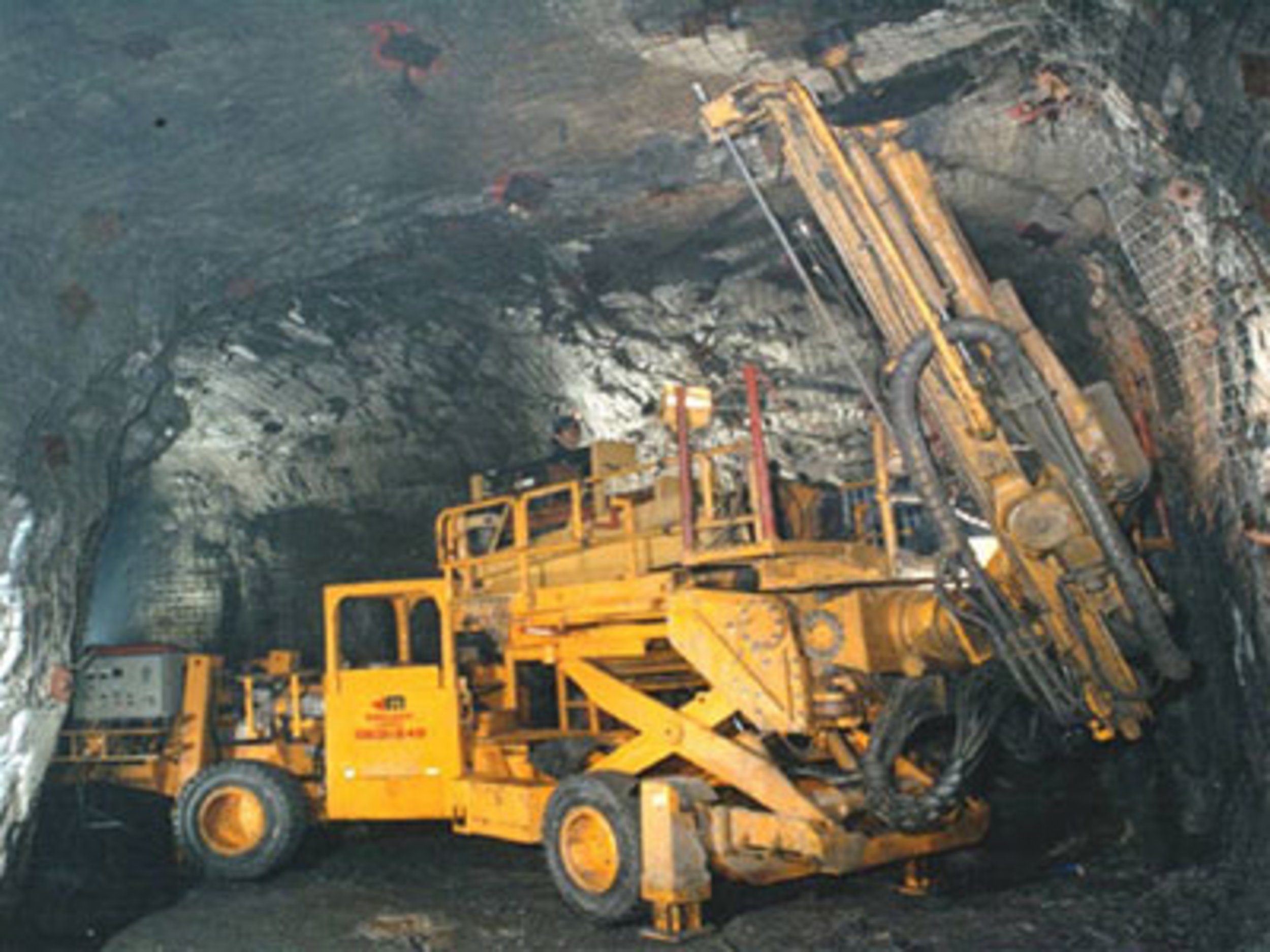
Metallurgy
Particle Analysis in Mining and Minerals
Many particles encountered in mining are characterized by sieves. Recent advances make image analysis practical for samples with sizes larger than several microns in diameter. As particle size decreases, laser diffraction becomes the technique of choice.
Explore application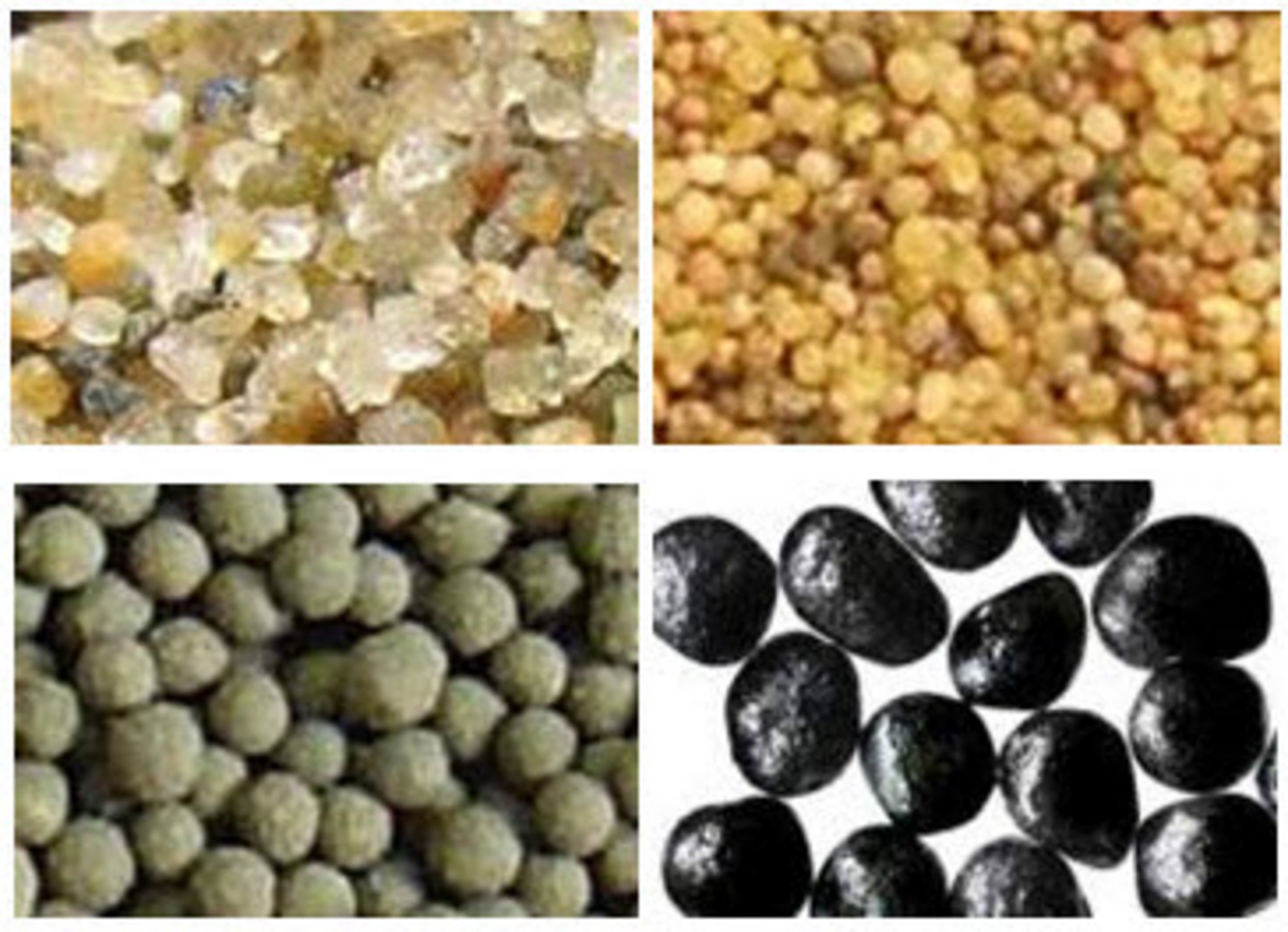
Metallurgy
Frac Sand and Proppant Size and Shape
Hydraulic fracturing is used in the oil and gas industry to increase the flow of oil and/or gas from a well. Proppants are pumped into the oil well with fracturing fluid to hold the fissures open. The proppant size, shape, and mechanical strength influences the integrity of the newly created fractures, and therefore the flow of oil and gas out of the well.
Explore applicationMetallurgy
Nonferrous Metals Characterization
Explore application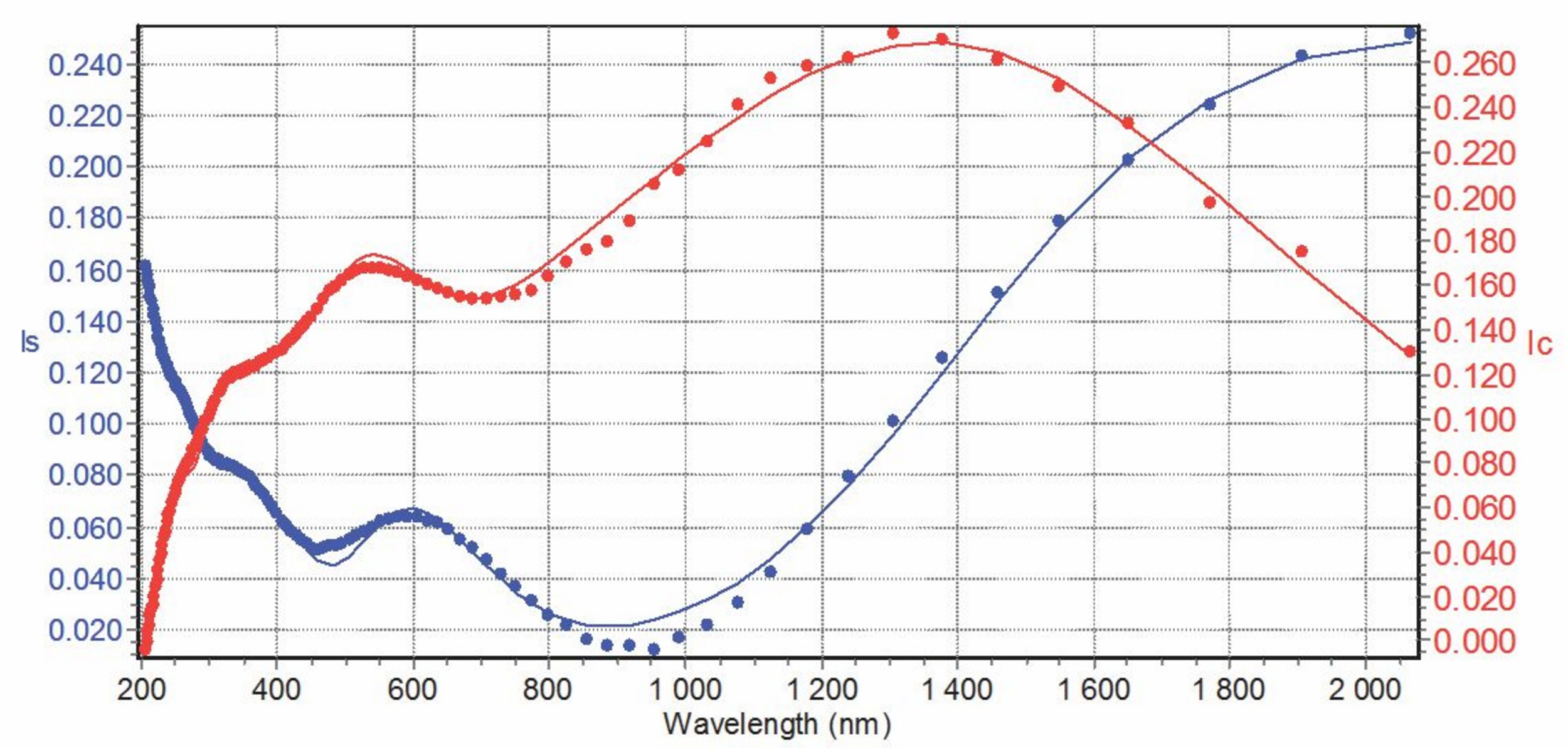
Metallurgy
Ellipsometric Characterization of Doped and Undoped Crystalline Diamond Structures
In this work, spectroscopic ellipsometry (SE) was successfully applied to characterize the optical properties and the thicknesses of doped and undoped diamond layers. The sensitivity of this technique enables the doped layer to be distinguished from the undoped one in a sample consisting of a stack of these two layers. Moreover, an interface between the two layers has been detected. This work and others reported previously show clearly that ellipsometry is the technique of choice for the characterization of optical and structural properties of layered materials thanks to its sensitivity and the wide range of information it provides.
Explore application