
HORIBA supports stable operation for various industries, including oil refineries and chemical plants, by allowing the management of pure water, measurement of the emission condition, and measurement of the atomosphere where explosions may occure. HORIBA provides the optimal analytic solutions to ensure environmental protection and maintain manufacturing efficiency in a wide range of manufacturing processes.

Chemical Manufacturing
For the accurate measurements in various manufacturing process
Browse Applications
Chemistry
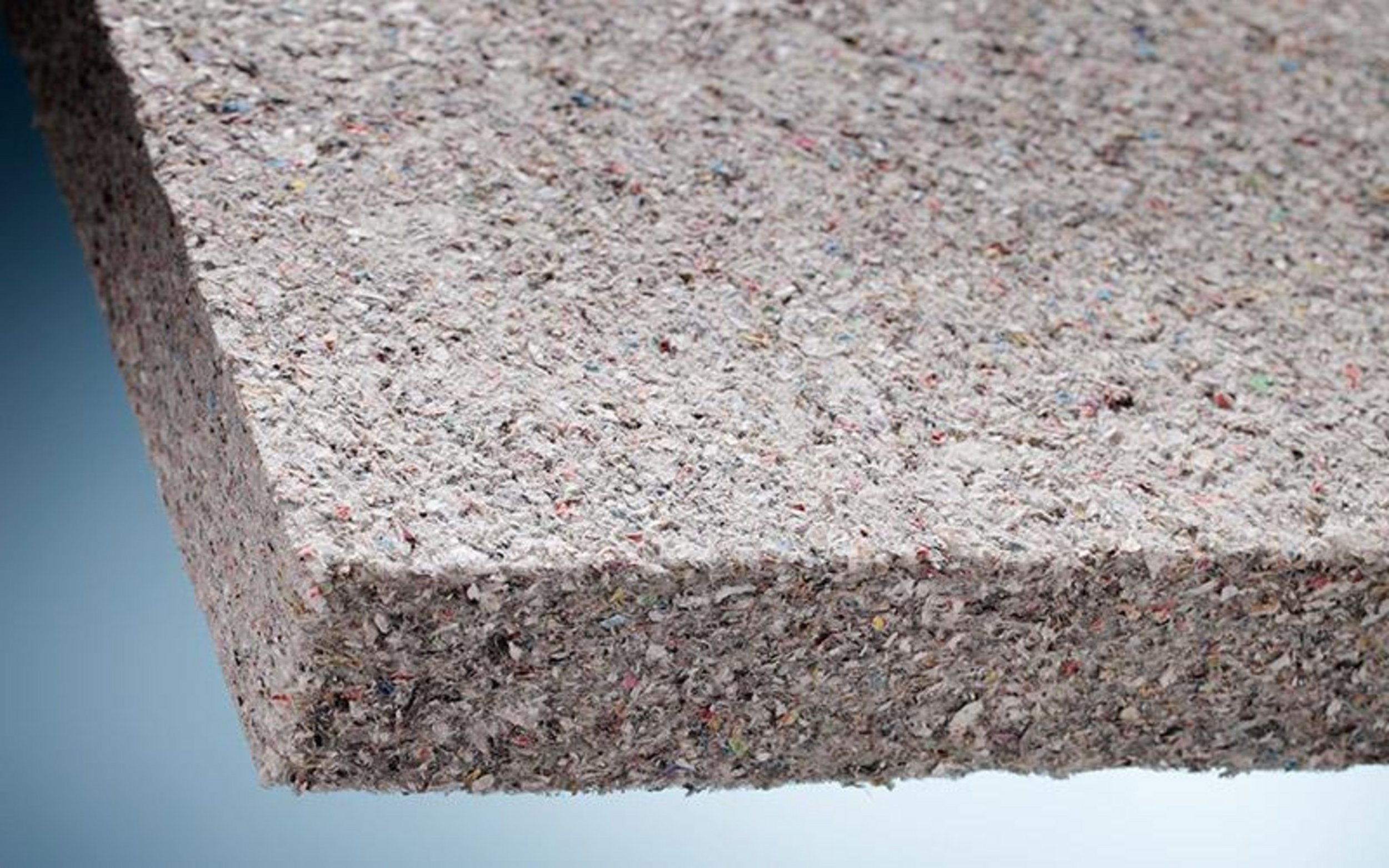
Chemometrics-Driven Chemical Characterization of Cellulose Sheets using Raman Microscopy
Raman microscopy combined with chemometric analysis enables precise, non-destructive characterization of cellulose sheets, determining crystallinity, amorphous content, and distinguishing cellulose I and II for optimized quality control.
Explore application
Chemistry
Identification of Rubber Fragment Foreign Matter Using Micro XRF and Spectrum Matching
Rubber fragments are a common type of foreign matter encountered in industrial manufacturing and can lead to quality issues when found in final products. Identifying the rubber material using analytical instruments is important for root-cause investigation and recurrence prevention.
Explore application
Chemistry
Particle Size of Paper Chemicals
To control the properties of paper, certain materials may be used during manufacturing. The particle size distribution of these materials directly affects properties such as gloss, brightness, opacity, color bleed, ink mileage, and more.
Explore application
Chemistry
Quantitative analysis of carbon and sulfur in tires
To accurately and quickly measure the amount of carbon and sulfur contained in the material.
Explore application
Chemistry
Measurement of Sulfur in Rubber
Sulfer is added in the natural rubber to produce plastic materials. However, it is important to measure the sulfer contained in the rubber to define the chemical and mechanical properties of the final product.
Explore application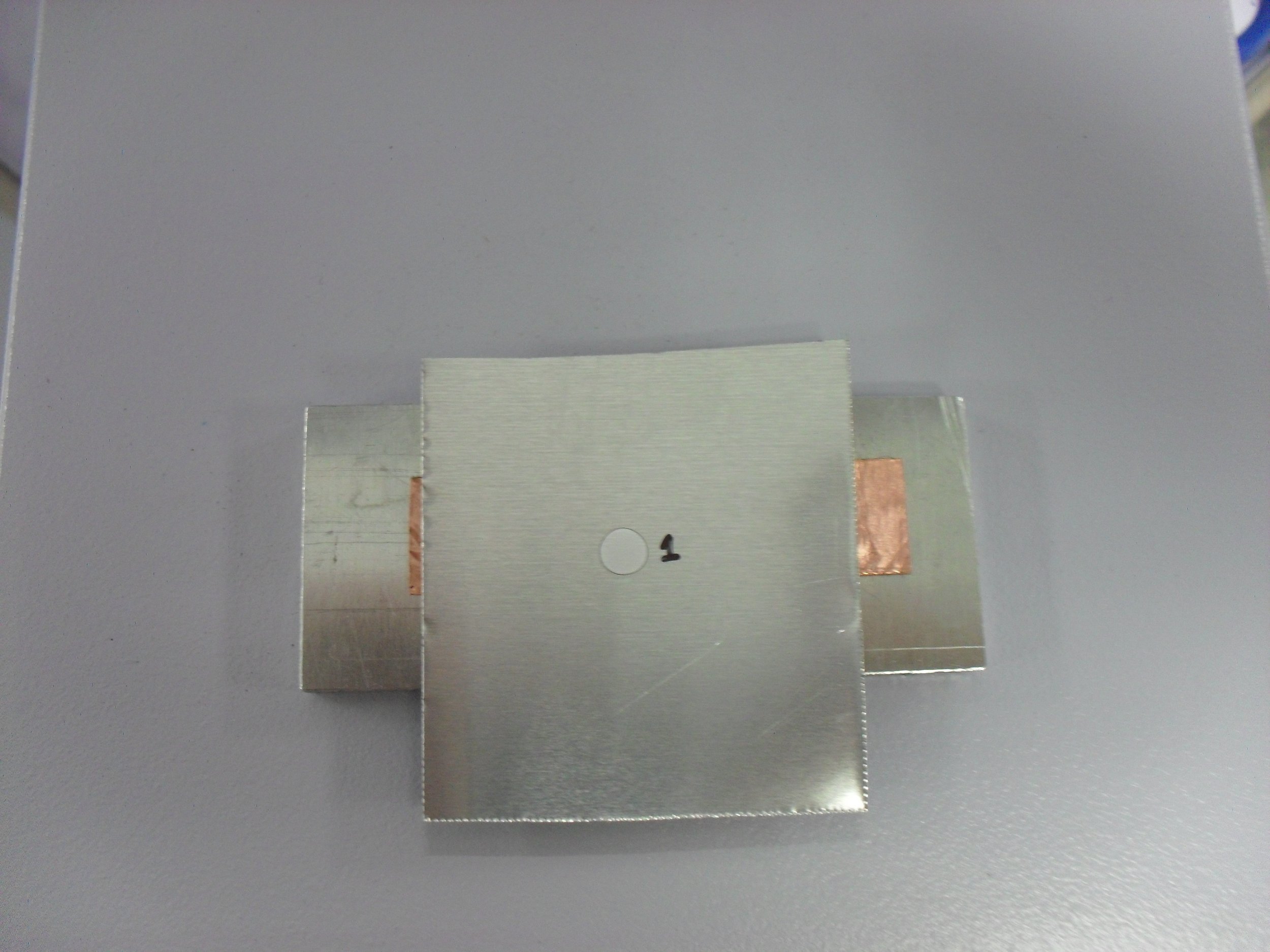
Chemistry
Quality control in the aluminium packaging industry
Explore application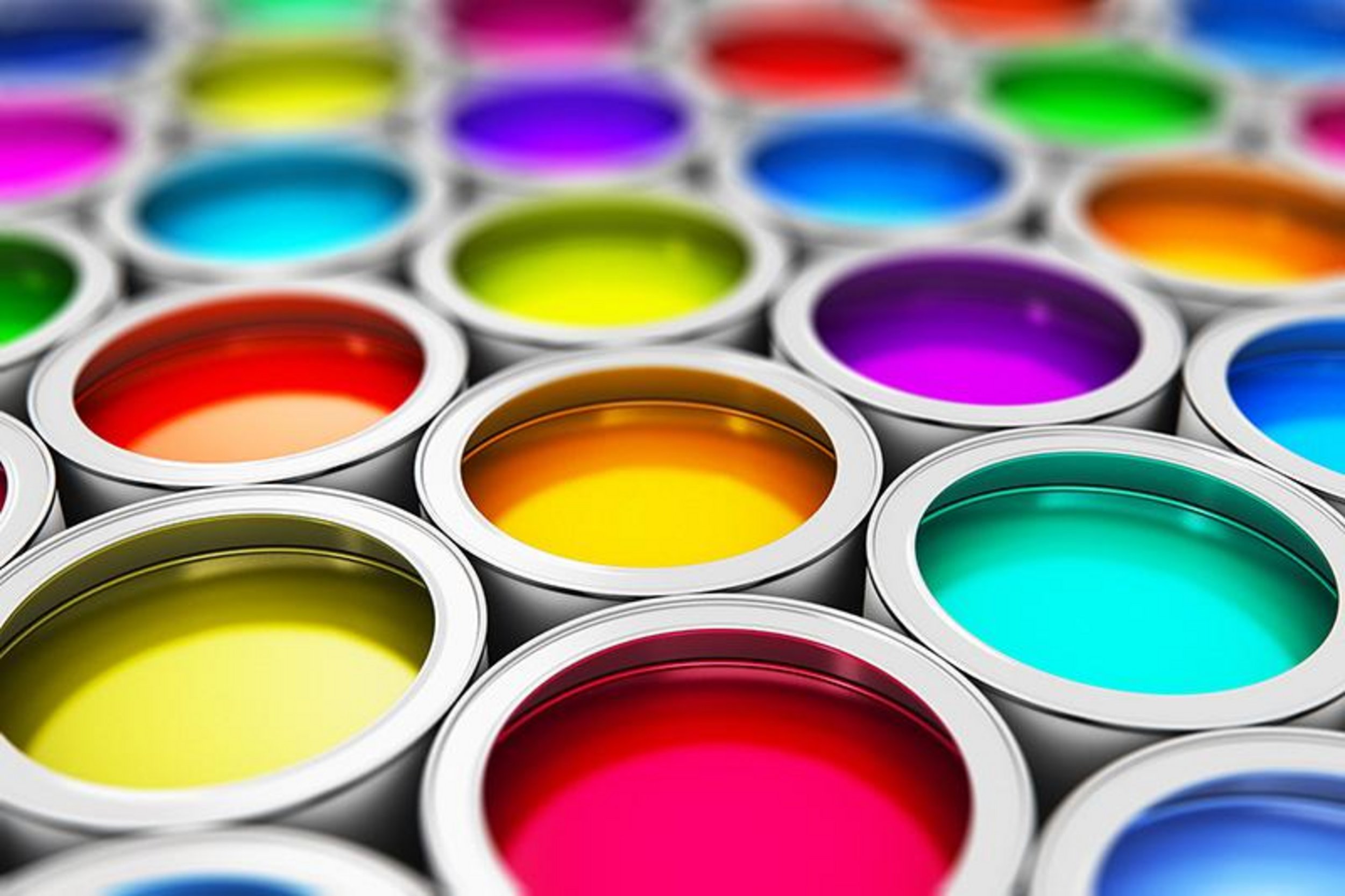
Chemistry
Optimizing Paints, Inks, and Coatings: Addressing Particle Size Challenges with Laser Diffraction Analysis
Particle size and distribution directly influence the stability, opacity, texture and performance of paints, inks and coatings. Analysing them using laser diffraction makes it possible to optimise formulations and ensure consistent quality.
Explore application
Chemistry
Responsive pH Measurements in Organic Solvents
Explore application
Chemistry
Contamination in Chemical Manufacturing: Implications for Product Integrity and Process Efficiency
Rapid detection of contamination between products is essential to ensure quality, safety and compliance in the chemical industry. Particle size analysis can effectively identify the presence of a contaminant, even at very low concentrations.
Explore applicationChemistry
Measurement of Carbon and Sulfur in Cement
This application note describes the method and conditions to use with the EMIA 820V C/S analyzer to measure cement.
Explore application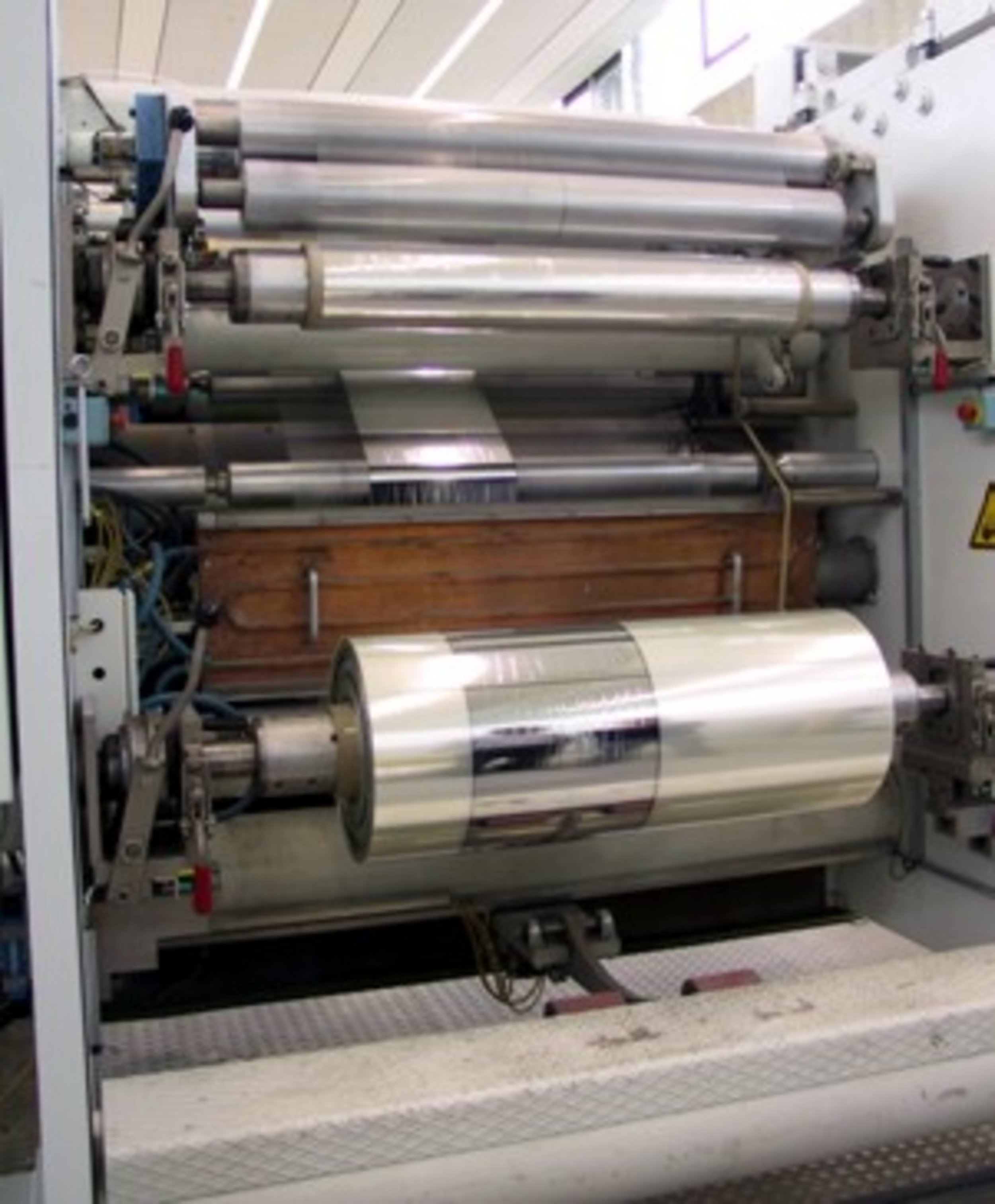
Chemistry
Characterization of Barrier Layers for Packaging Applications
Explore application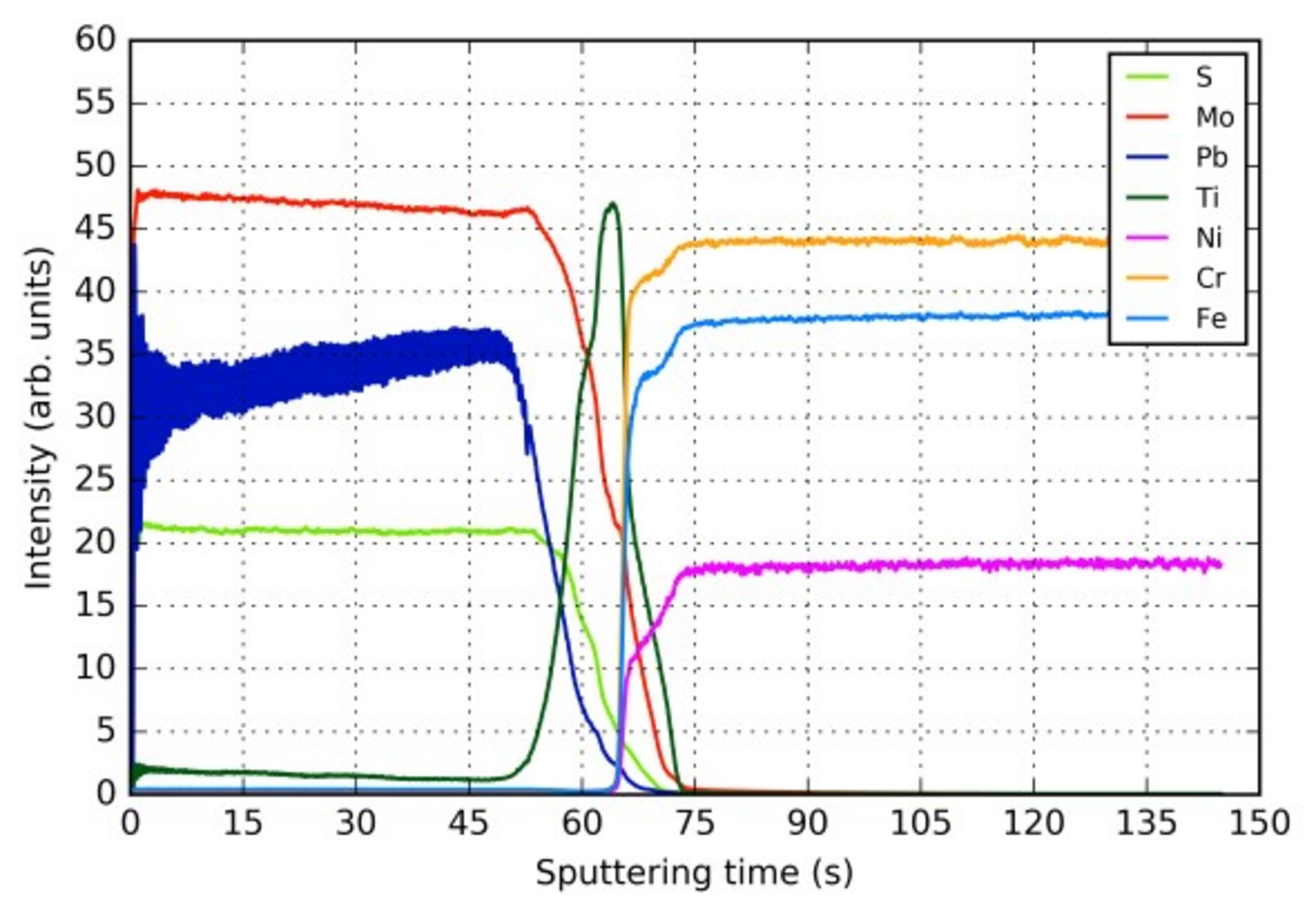
Chemistry
MoS2/Pb nanocomposite coatings for solid lubricants application
Depth profile analysis by GDOES. Pulsed RF Glow Discharge Optical Emission Spectrometry offers ultra-fast elemental depth profiling capability for the investigation of thin and thick films. Thanks to the use of a pulsed RF source, coupled with a high resolution optical spectrometer, the GD Profiler 2 provides an excellent depth resolution, allowing the fast evaluation of the coating quality. In this application note, we focus on a MoS2/Pb composite multilayered sample, used as a solid lubricant. The analysis of such a sample shows the excellent performance of this instrument for the study of nm-thick complex coatings.
Explore application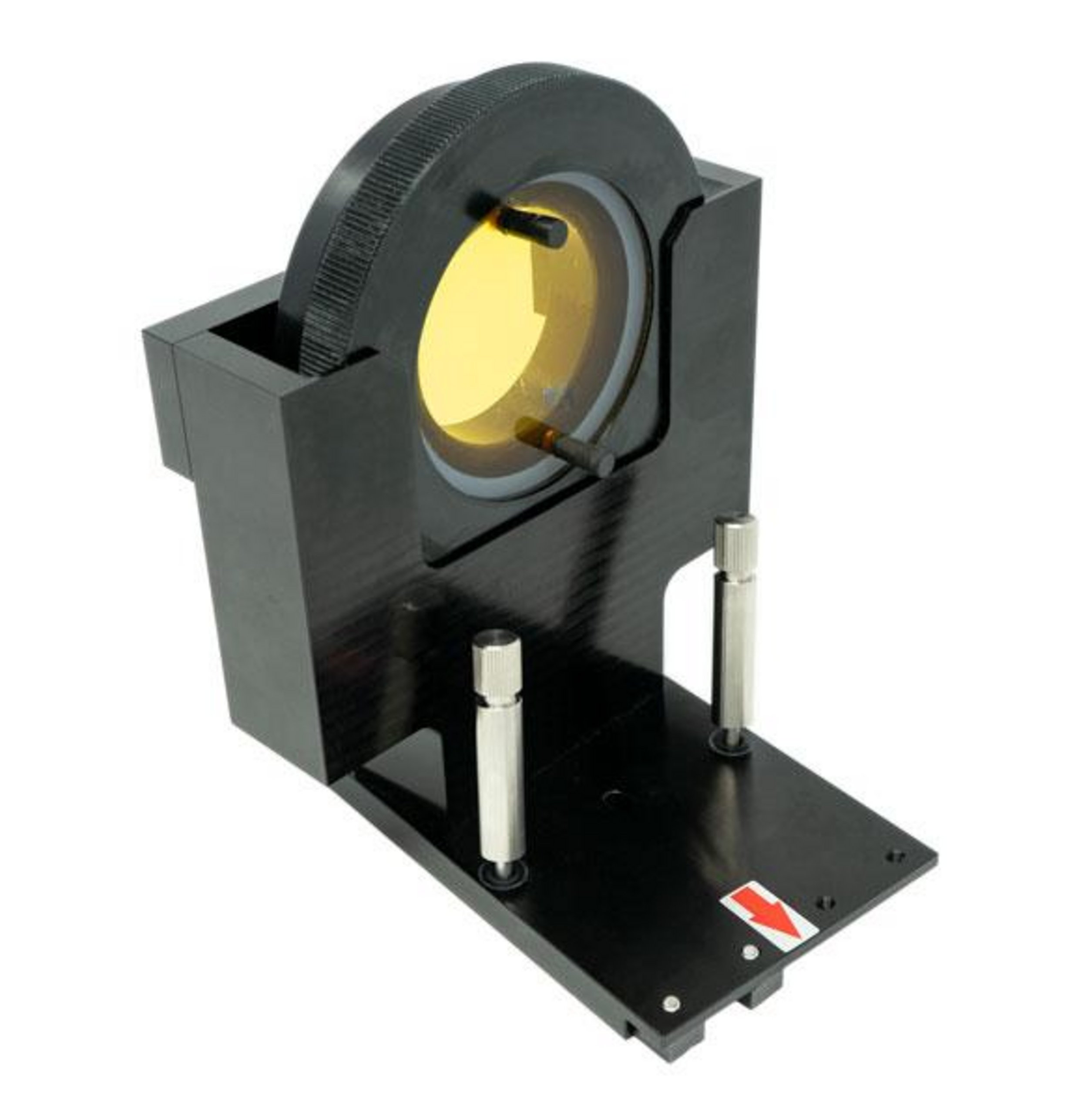
Chemistry
Measuring Organic Pigments with the HL Cell Accessory
The High-concentration Low-viscosity Cell (HL Cell) is an accessory for the LA-960V2 laser diffraction particle size analyzer that aids in measuring samples of low viscosity or high concentration. Since liquid inks, dyes, and pigments are often high concentration, the HL Cell is a useful accessory for measuring them.
Explore application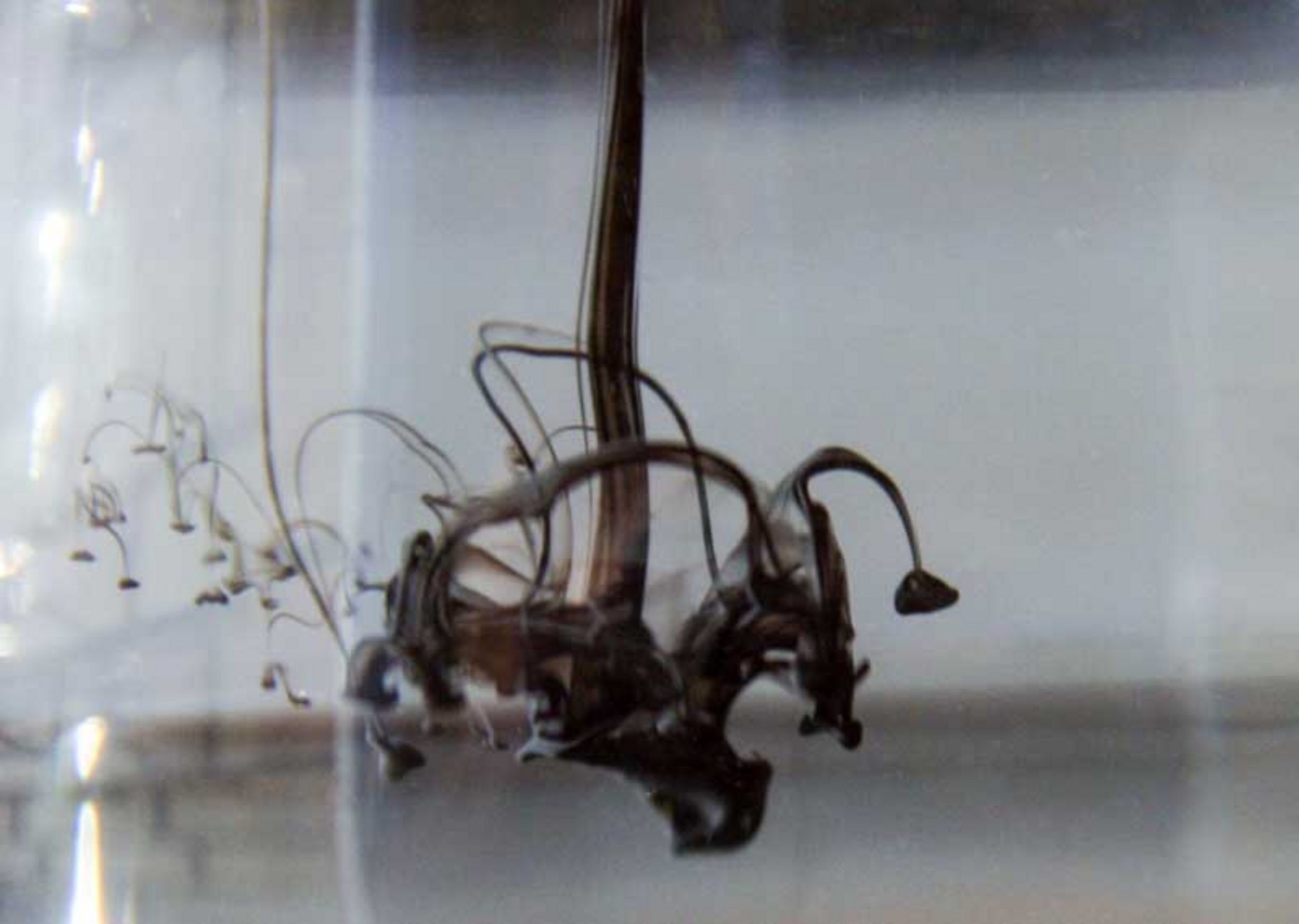
Chemistry
Laser Diffraction Analysis of Measurement of Ink Dispersions
A number of additives in ink are usually included to modify viscosity, drying, stability, or color characteristics. Particle size of the pigment particles can significantly affect the color strength, surface finish, and durability of the final product.
Explore application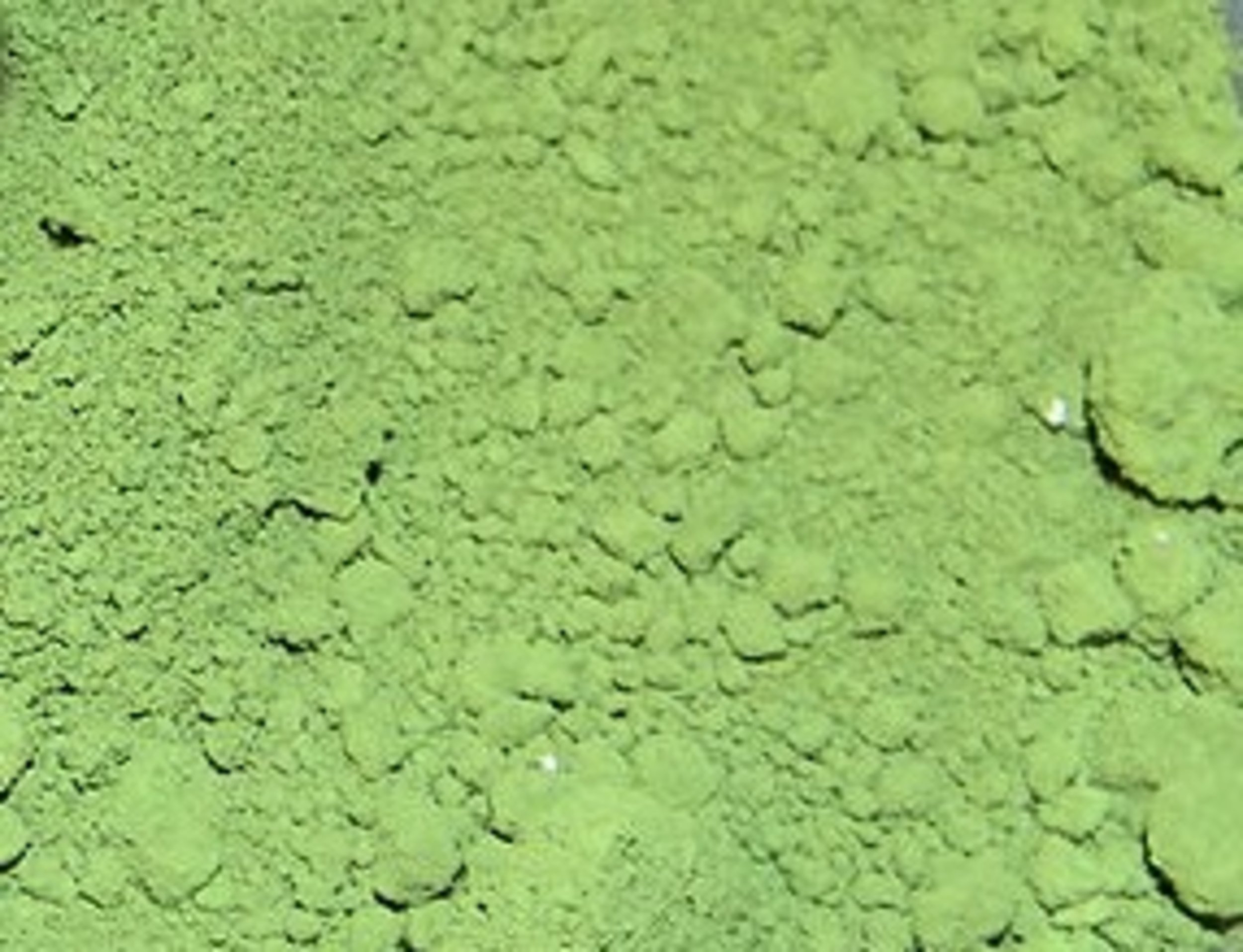
Chemistry
Laser Diffraction Analysis of Dimethicone-treated Chromium Oxide Green
Chromium oxide is a green material. The dimethicone treatment adds a degree of “slip” to the particles allowing for better color saturation.
Explore application
Chemistry
Determination of pH in Non-Aqueous Solutions
A simple extraction procedure using water is recommended for measuring the pH of non-aqueous solutions containing water-immiscible solvents.
Explore application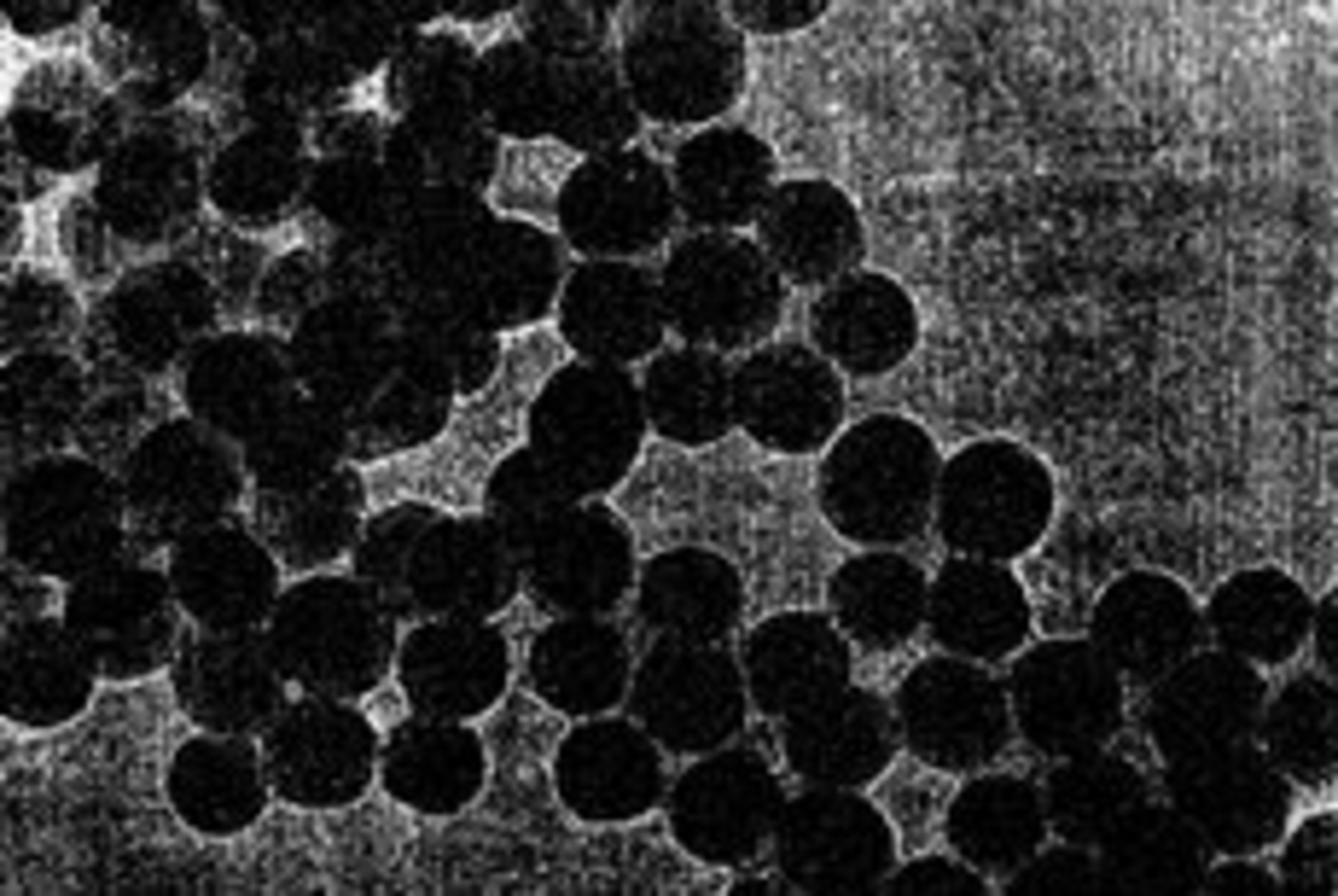
Chemistry
Size Analysis of Colloidal Silica
Most size measurements of colloidal silica are performed using dynamic light scattering instruments such as the SZ-100 Nanoparticle Analyzer. The LA-960 Laser Diffraction Analyzer can uniquely measure down to the 30 nm size range, so this laser diffraction instrument is also an option for such tests.
Explore application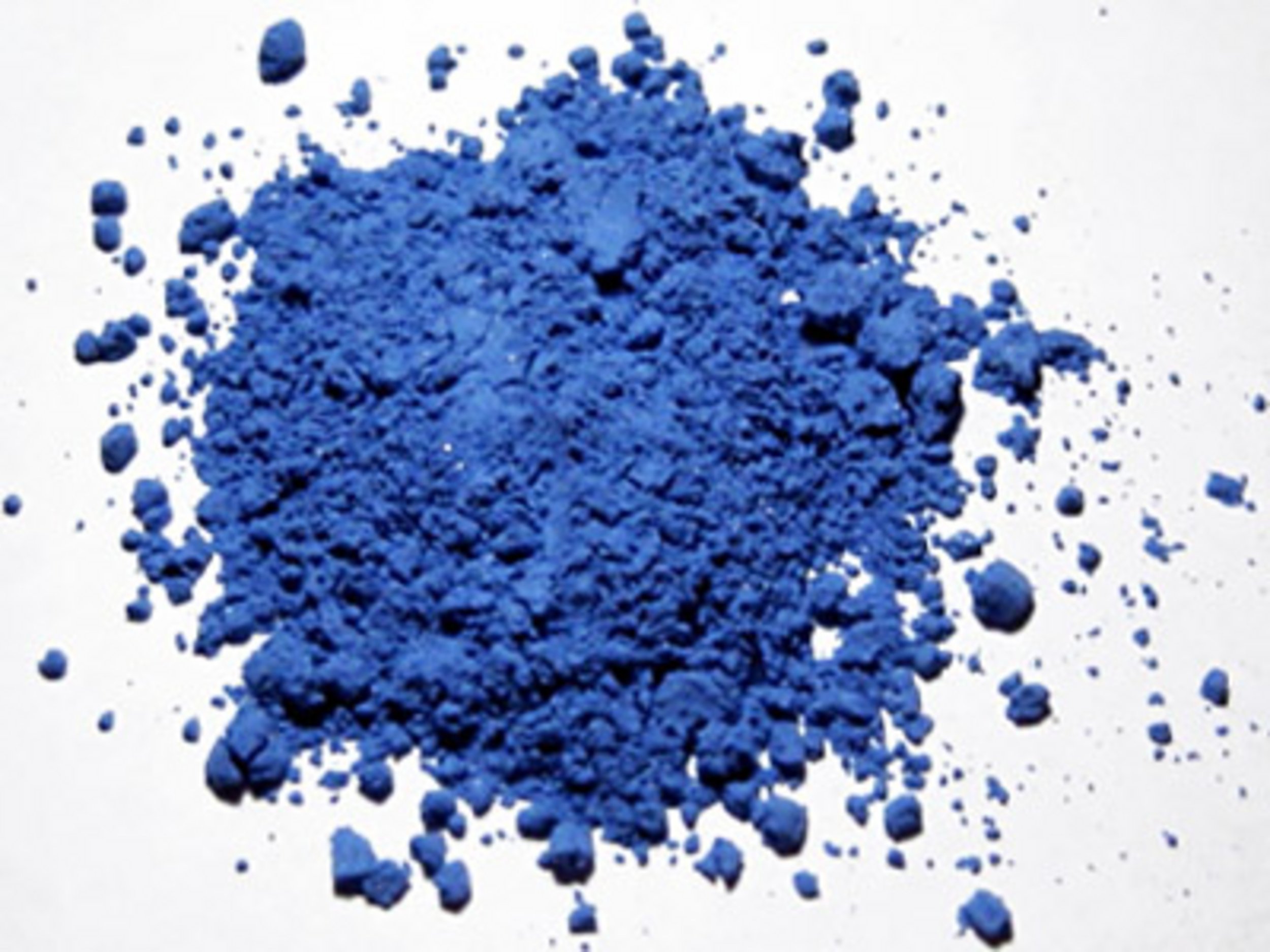
Chemistry
Pigment, Powder Coating, and Ink Particle Size
A broad collection of pigment, powder coatings, and ink products exist in particulate form in both the raw materials and finished products. The particle size distribution of these materials determines their appearance, quality, functionality and processability.
Explore application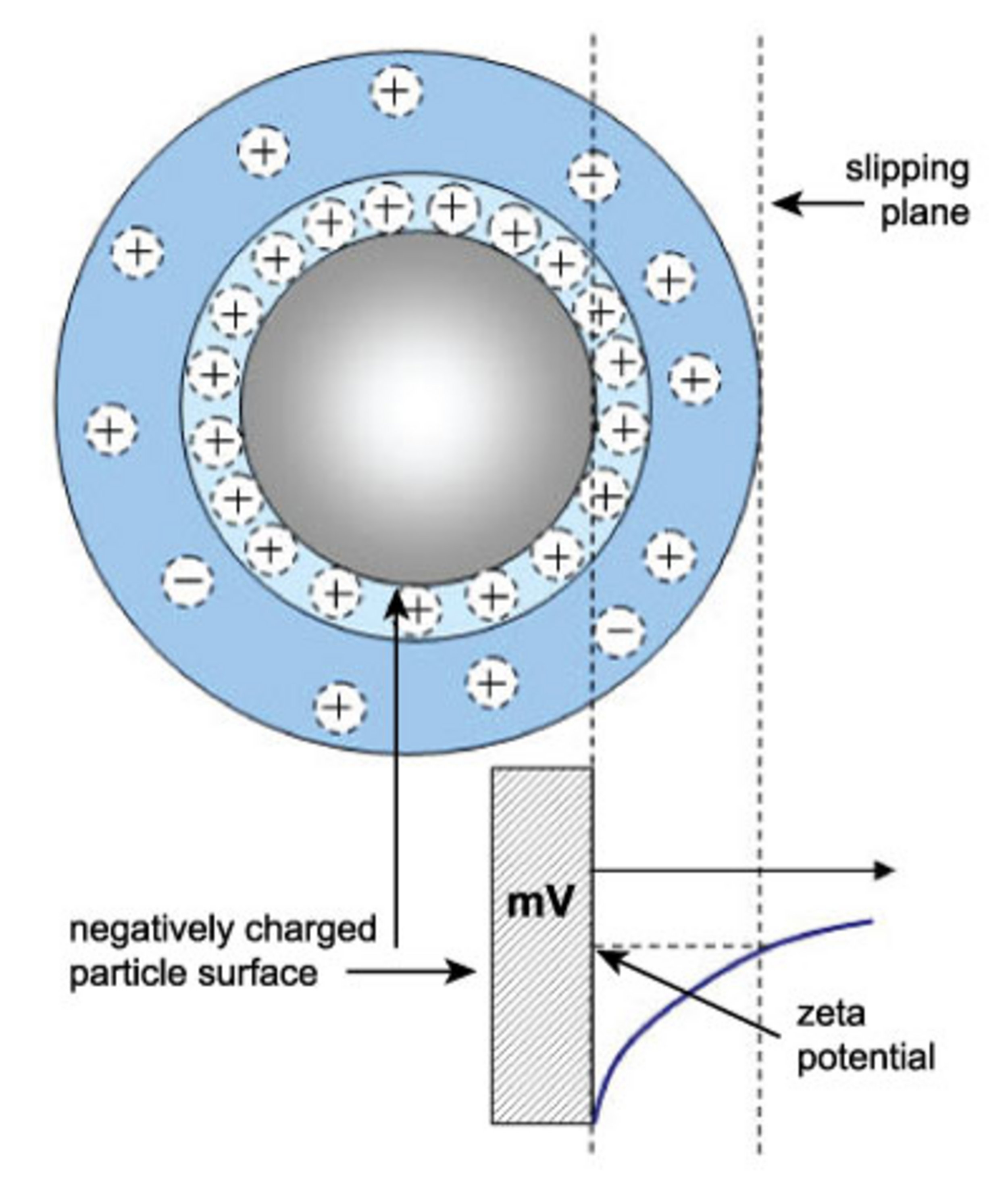
Chemistry
Colloids and Particle Characterization
A colloid is typically a two phase system consisting of a continuous phase and dispersed phase. The particle size of the dispersed phase typically ranges from 1 nanometer to 1 micrometer. Examples of colloidal dispersions include solid/liquid (suspensions), liquid/liquid (emulsions), and gas/liquid (foams).
Explore application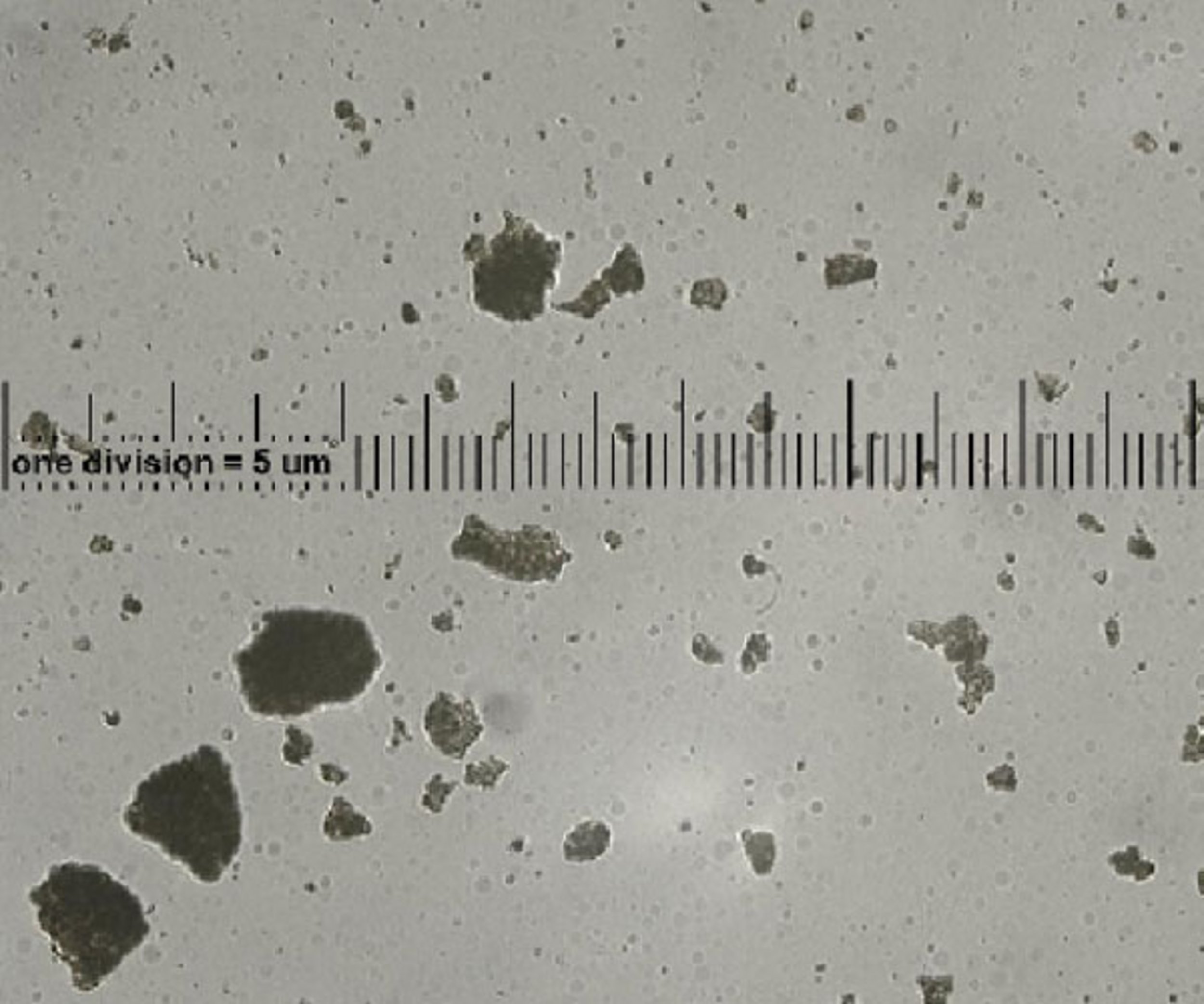
Chemistry
Measuring Organic Pigments with Laser Diffraction
Particle size is a critical physical characteristic of pigments and laser diffraction is the most popular method of particle size analysis for the milling process, allowing close control and optimization of a number of final product performance criteria.
Explore application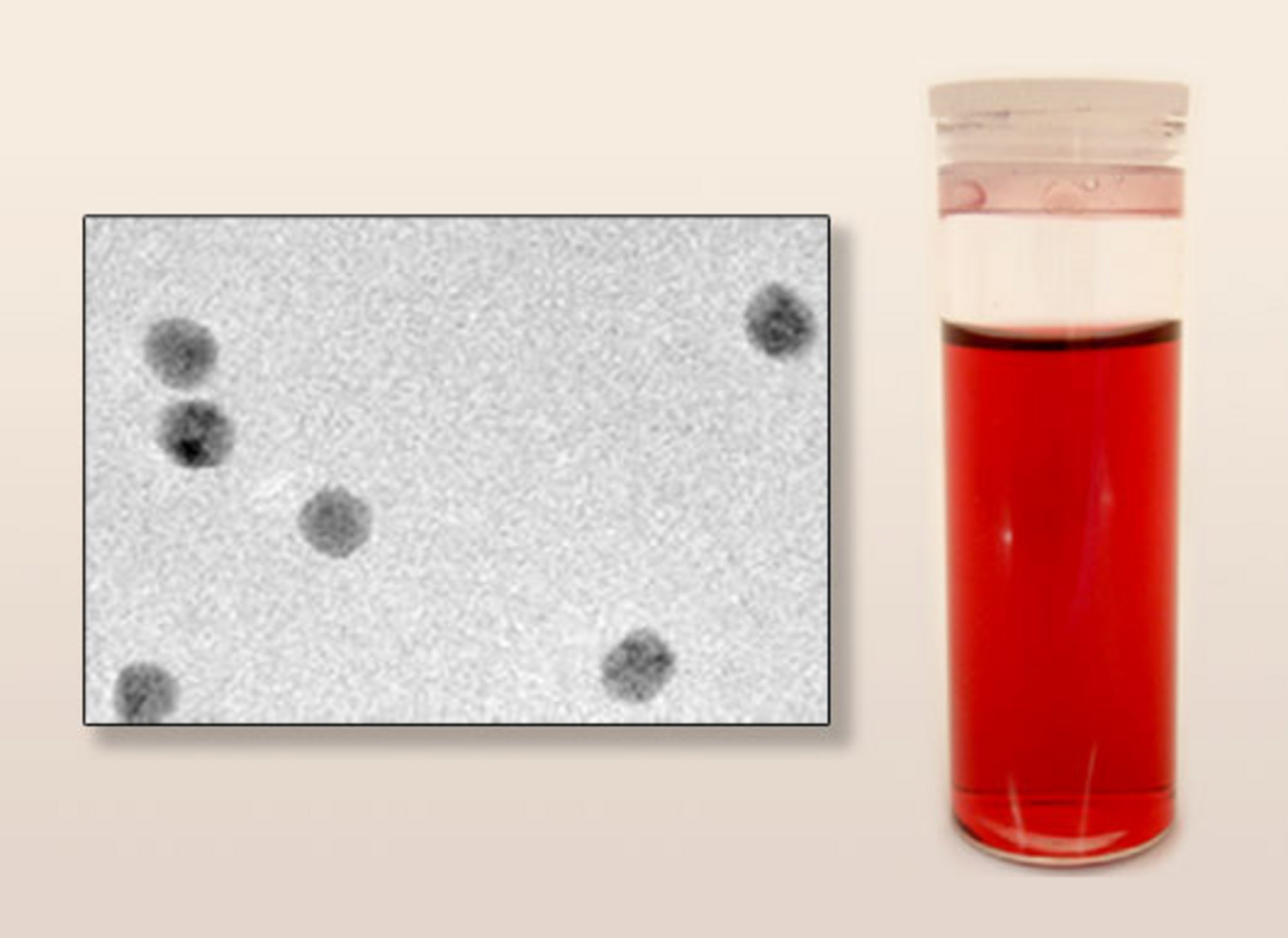
Chemistry
Particle Analysis of Gold Nanoparticles
Nanoparticle gold is a suspension of sub-micron gold particles typically dispersed in water. Gold nanoparticles are of great interest for researchers in many fields due to their unique physical and optical properties. These properties change with the particle size distribution, so size analysis is an important measurement requirement.
Explore application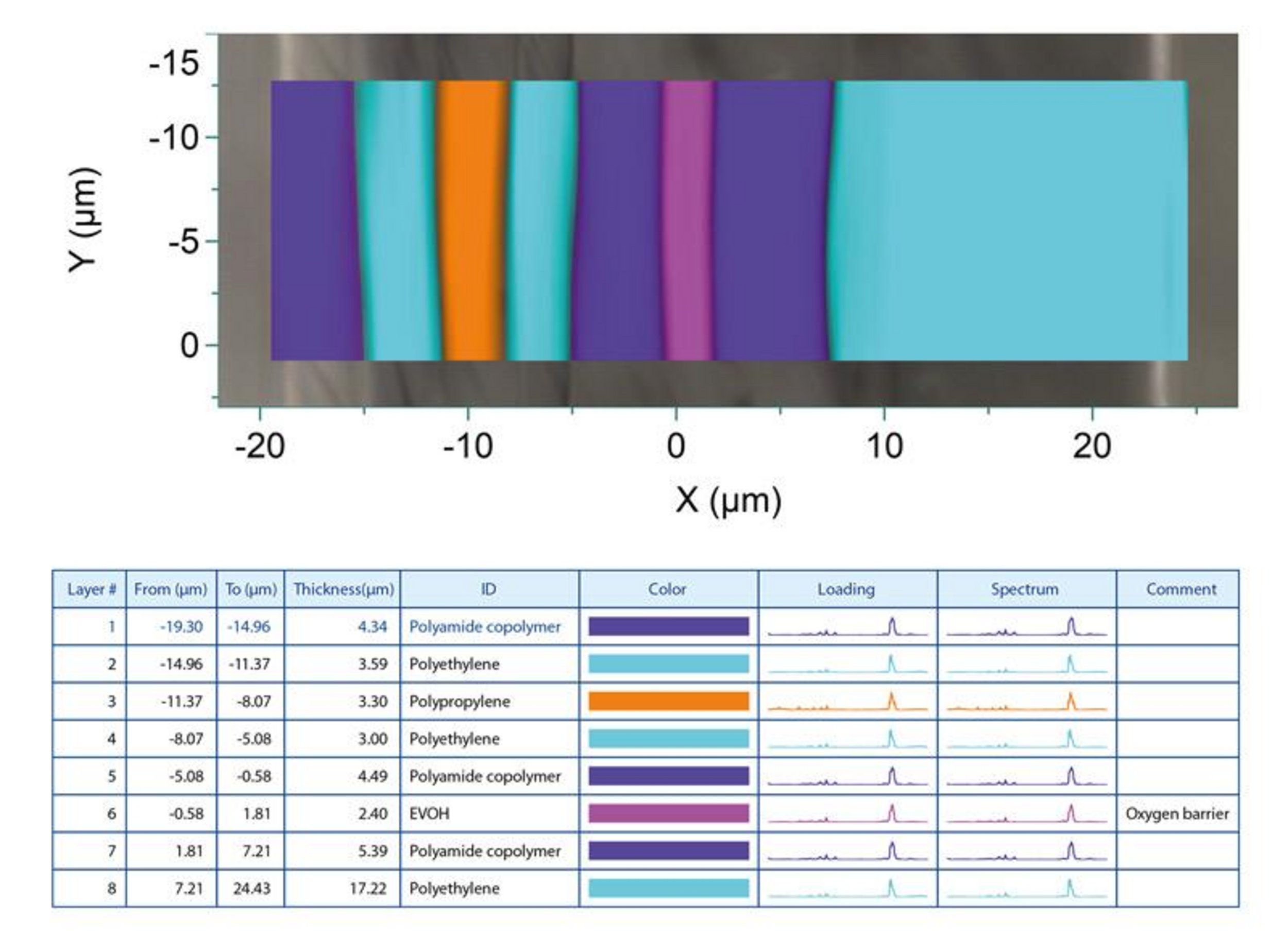
Chemistry
Resolving micron-sized layers in multilayer films with Raman microscopy by cross-section analysis and confocal depth profiling
Multilayer polymer films, composed of different materials, are used in a variety of industrial applications. The analysis of these multilayers is important to support, especially for safety and performances control. Here, we use Raman microscopy by cross-section analysis and confocal depth profiling to investigate the chemical composition of two multilayers films.
Explore application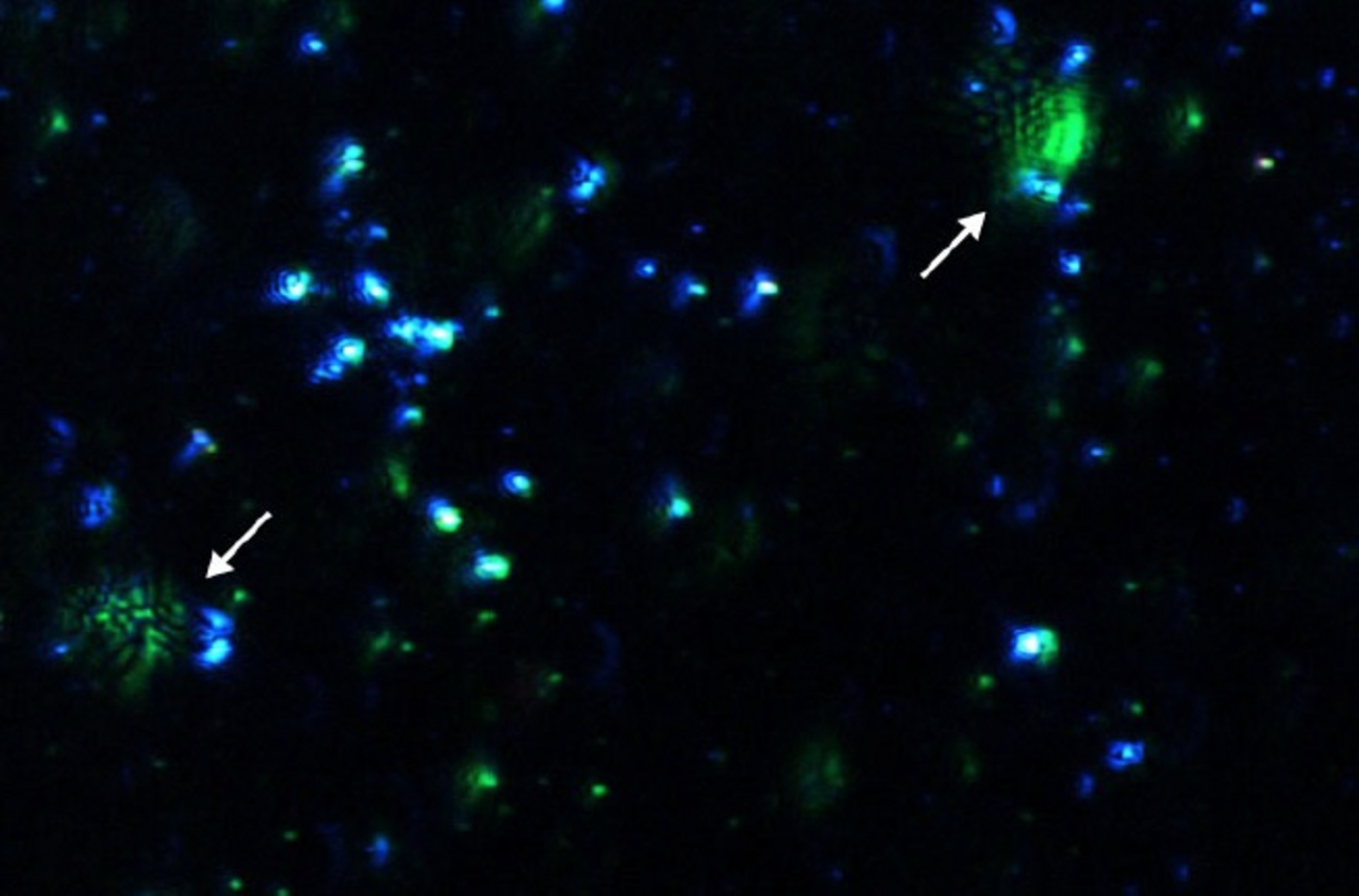
Chemistry
Nanobubble Size and Concentration Analysis with Multi-laser NTA
This note analyzes carbon dioxide and oxygen gas nanobubbles used for pain management to demonstrate multi-laser Nanoparticle Tracking Analysis’s ability to characterize a mixture of nano and microbubbles without sample manipulation.
Explore application
Chemistry
Laser Diffraction Analysis of Particles in Wax
Certain types of materials are encapsulated in wax for final product use or as an intermediate stage. If the size of the encapsulated particles is of primary interest, the analysis method must find a way to remove the intermediate phase to suspend the primary particles.
Explore application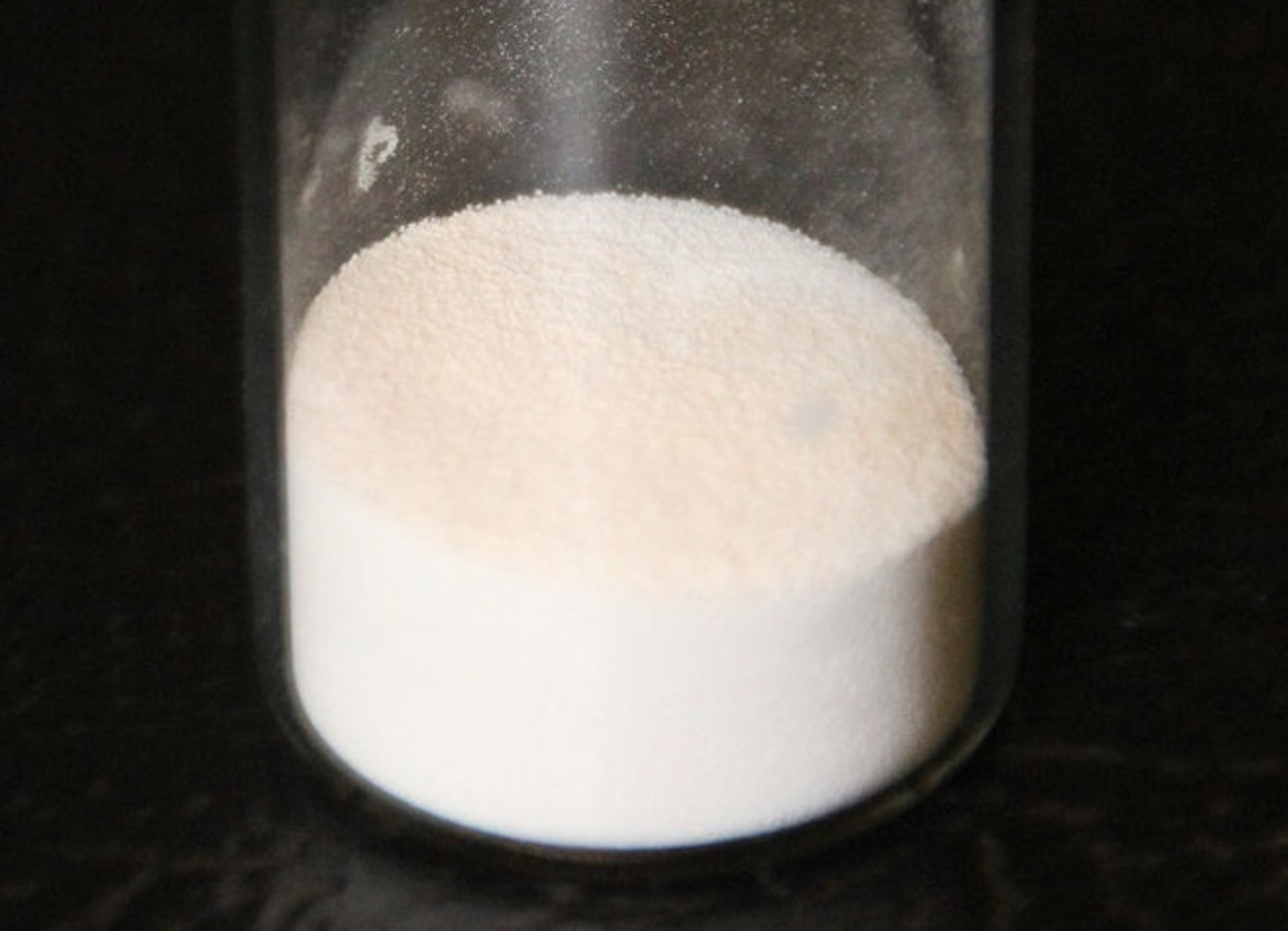
Chemistry
Laser Diffraction Analysis of Measurement of PVC Powder
Plastic powders are used in a number of applications or as an intermediate stage of a manufacturing process. Particle size can have a significant effect on the final product performance and on process parameters.
Explore application
Chemistry
Sizing Silica Particles by DLS
In this application note, the particle sizes of two different silica dispersions are analyzed to demonstrate the utility of the SZ-100 for both suppliers and users of such materials.
Explore application
Chemistry
Comparison of Wet and Dry Measurement of PLA (Polylactic Acid) Powder by Laser Diffraction
Polylactic acid (PLA) is a biodegradable polymer derived from lactic acid. It is a highly versatile material and is made from 100% renewable resources like corn, sugar beets, wheat and other starch-rich products.
Explore application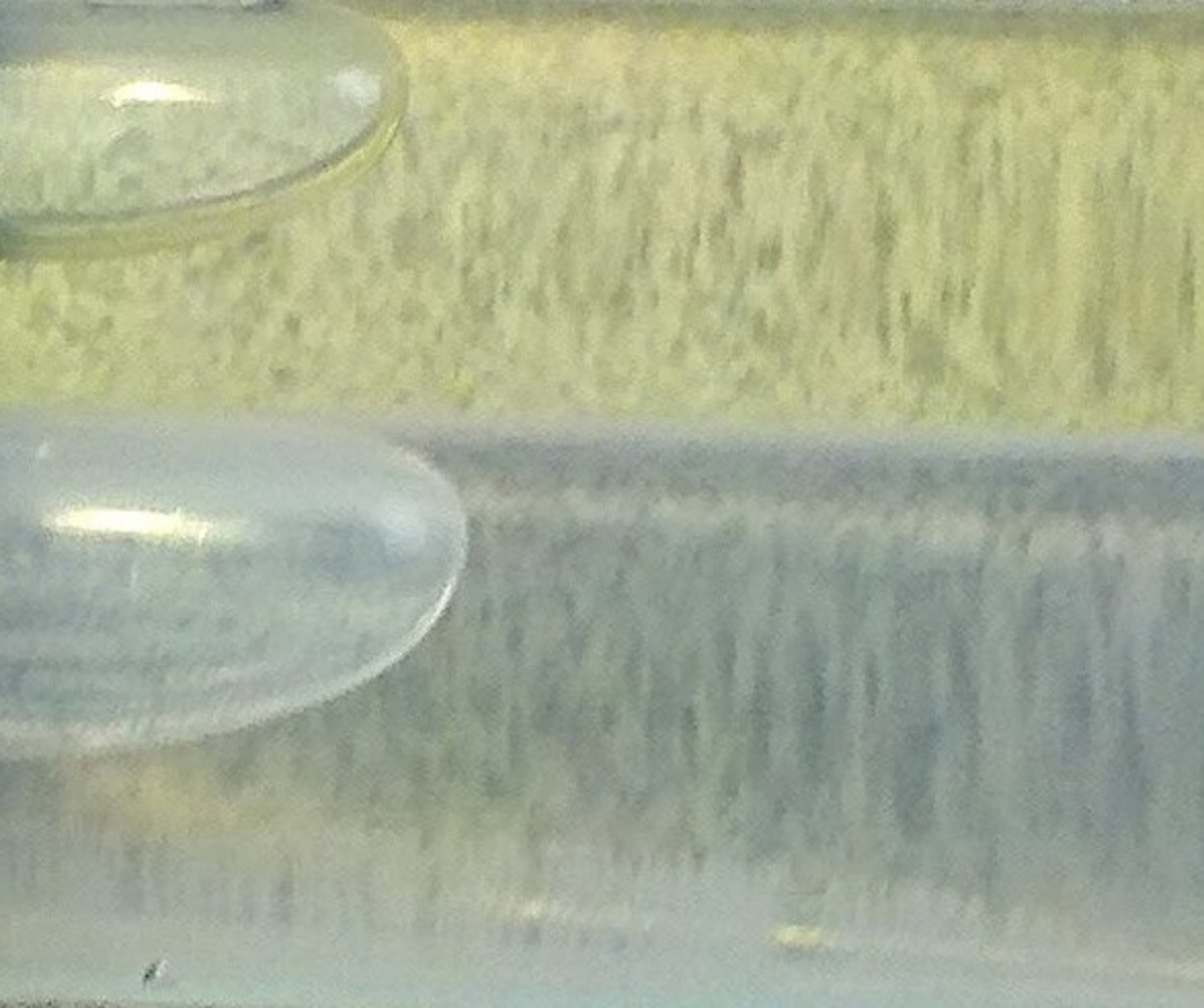
Chemistry
Laser Diffraction Analysis of Measurement of 50-100 nm Resins
A desirable property of resins is that they will dry from a viscous liquid to a variable state of hardness and elasticity. Particulate sizes of these materials are indicative of purity, therefore measurement proffers quality control.
Explore application
Chemistry
Titanium Dioxide Particle Size
Titanium Dioxide (TiO2) is a pigment used in paints and many other applications. The particle size of titanium dioxide directly impacts its performance in numerous applications, necessitating the measurement and control of this important property.
Explore application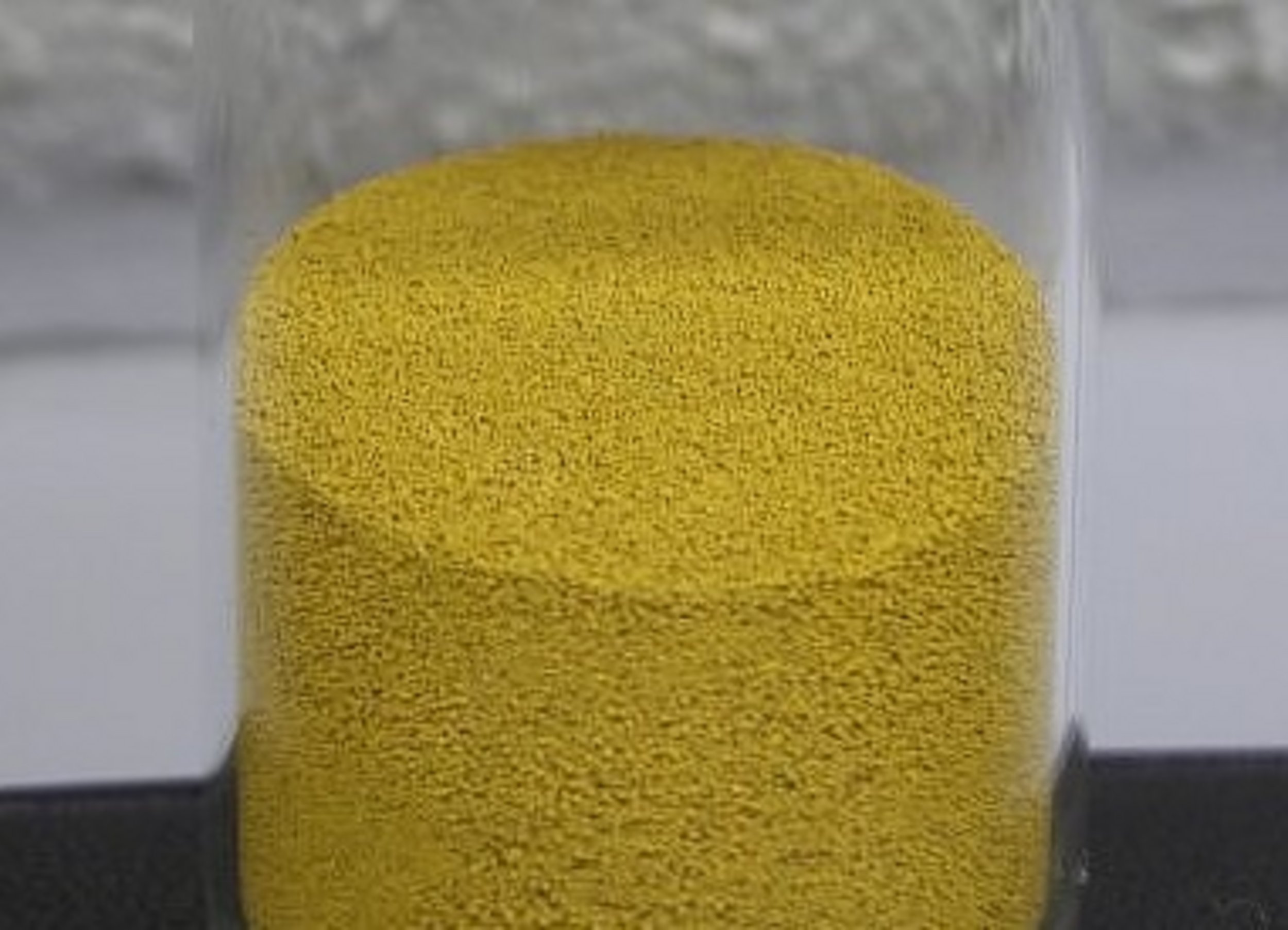
Chemistry
Laser Diffraction Analysis of Vanadium Pentoxide
Vanadium Oxide is slightly soluble in water so measurement in an organic solvent or as a dry powder is recommended.
Explore application
Chemistry
Pigment Particle Size and Hiding Power
Pigment size can be readily measured by laser diffraction. This measurement requires less time, training and effort than a color strength measurement and provides useful information for the process engineer.
Explore application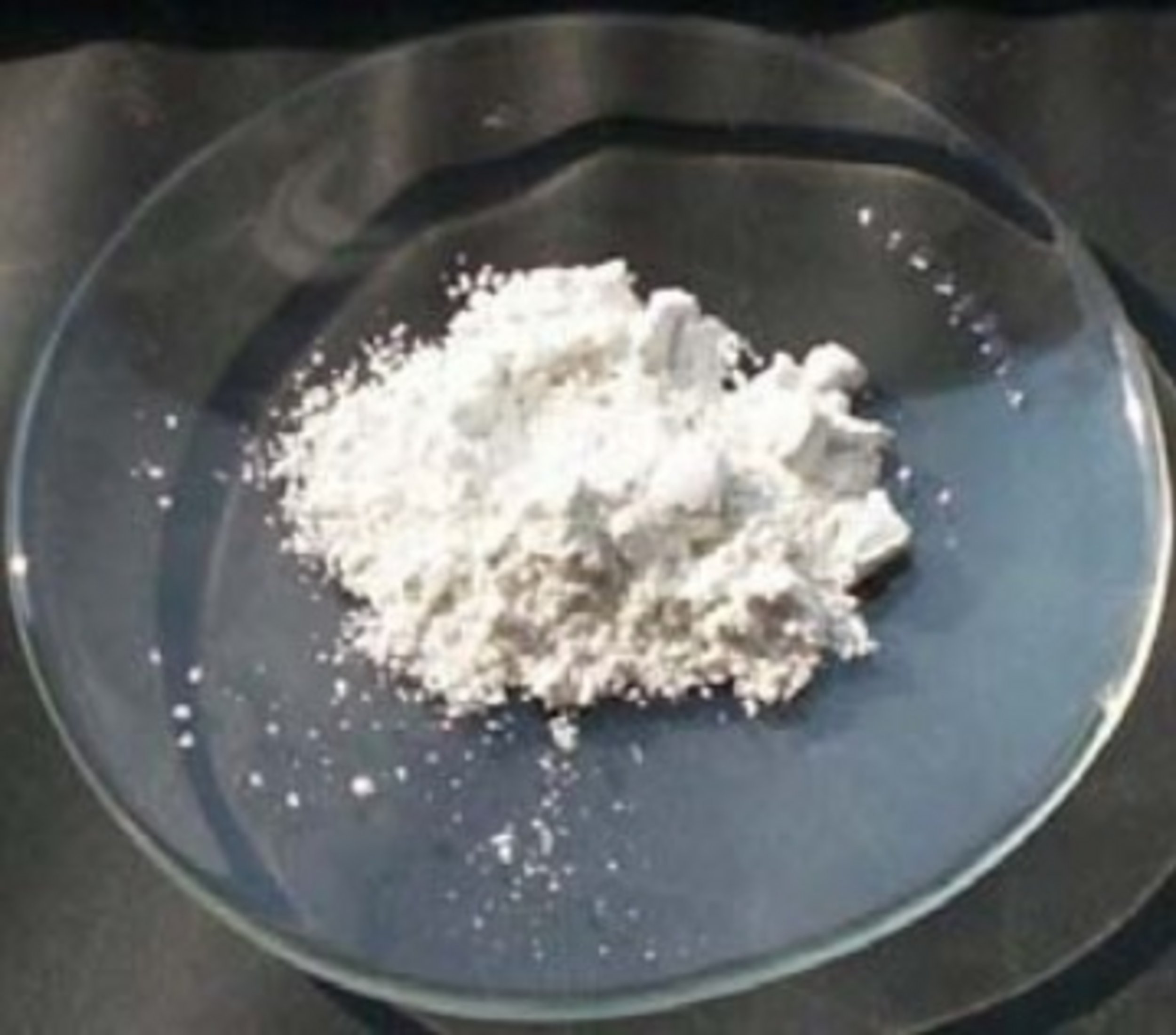
Chemistry
Particle Size Analysis of Antimonous Trioxide
Antimony trioxide, also called antimony white, has the formula Sb203 with a structure dependant on the temperature. It is used as a flame retardant, pigment, and catalyst.
Explore application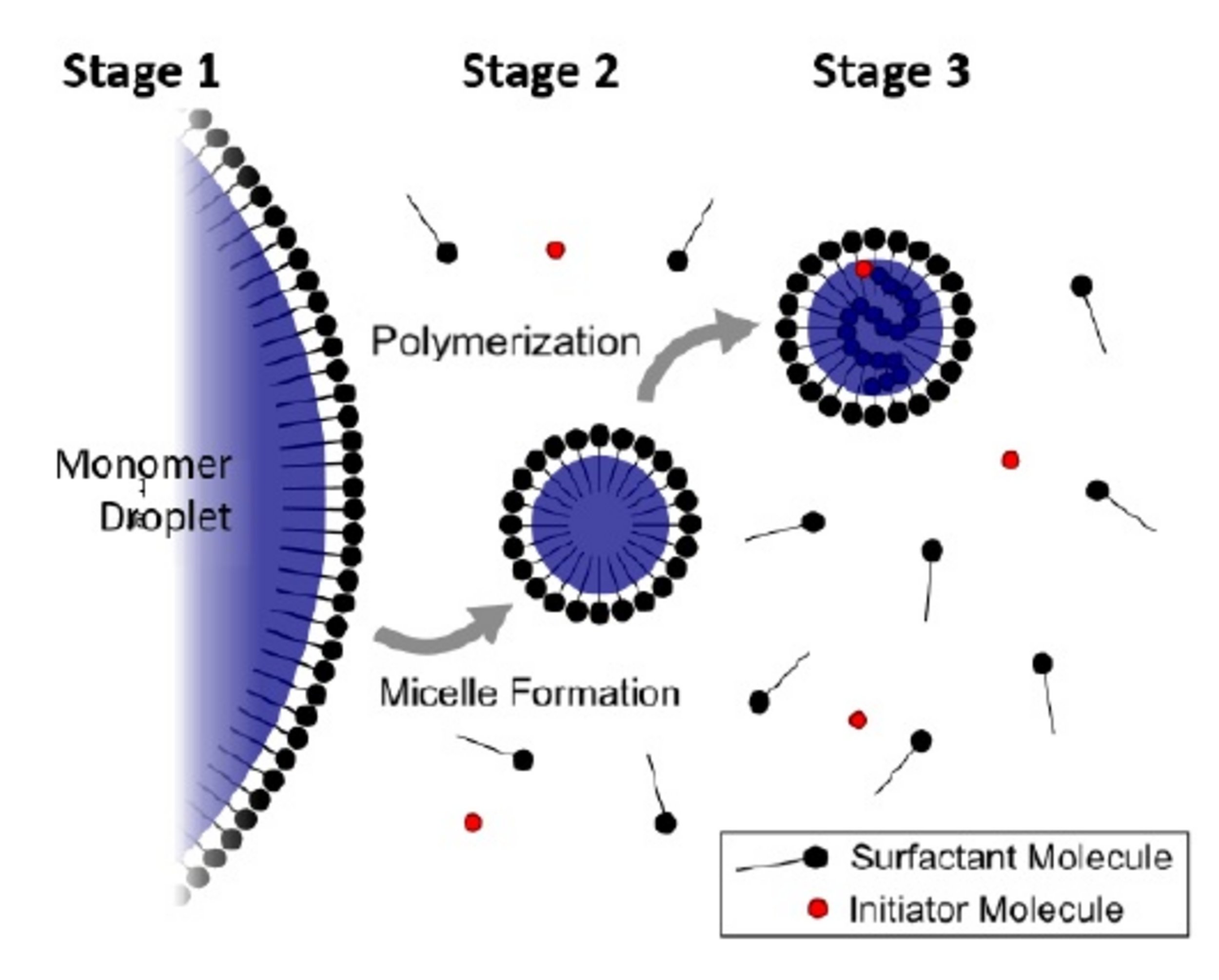
Chemistry
Optimization of an Emulsion Polymerization Process and Product Through Nanoparticle Concentration Analysis
This note covers the history, theory and processes used for emulsion polymerization. It also examines the importance of measuring the concentration of latex nanoparticles produced by emulsion polymerization for a biotech application developed by the Gianneschi lab at UCSD.
Explore application
Chemistry
The non destructive and in-situ identification of different black inks using Raman Spectroscopy
The use of security features, such as luminescent inks, has increased significantly in an attempt to prevent fraud and counterfeiting of materials and goods. Obvious applications of these inks include banknotes, branded goods, drug packaging and food security. Security inks can either show up overtly or be covert, with the latter driving the luminescence further from the visible spectral region into the ultraviolet (UV) and near infrared (NIR) regions. These are regions where light sources are not so common. The use of the luminescence lifetime on top of the wavelength signature adds an extra parameter that can be interrogated.
Explore application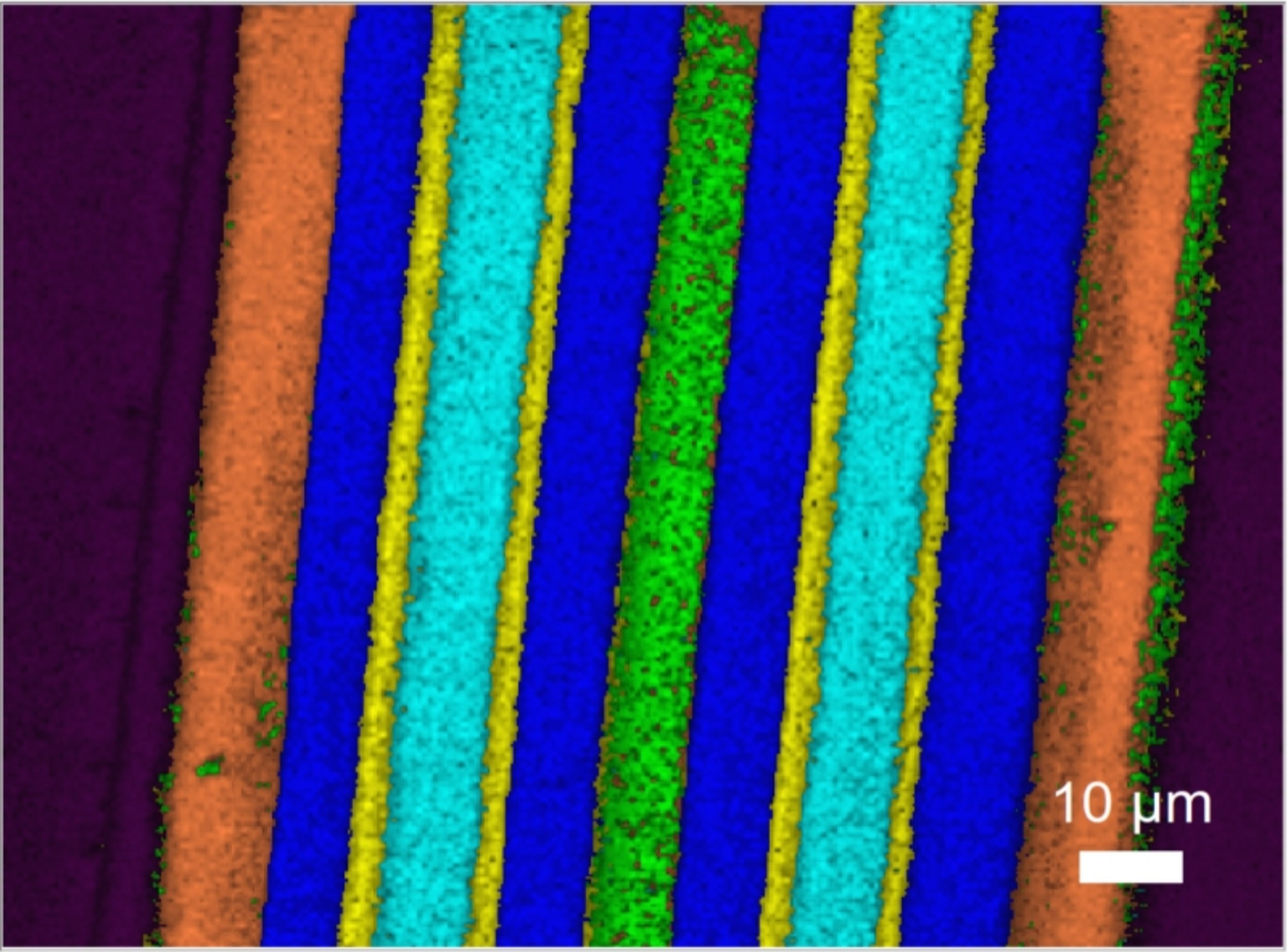
Chemistry
Raman Microscopy Applied to Polymer Characterization: An Overview
Raman microscopy is an excellent tool to address the polymer research. Raman microscopy can be used to characterize raw materials, to inline or outline monitor polymerization process, to investigate orientation and crystallization changes, and also to control the quality and traceability of genuine products, by understanding defects and compounds distribution. In this article we present how HORIBA Raman microscopy solutions can support the polymer chemical and structural understanding.
Explore application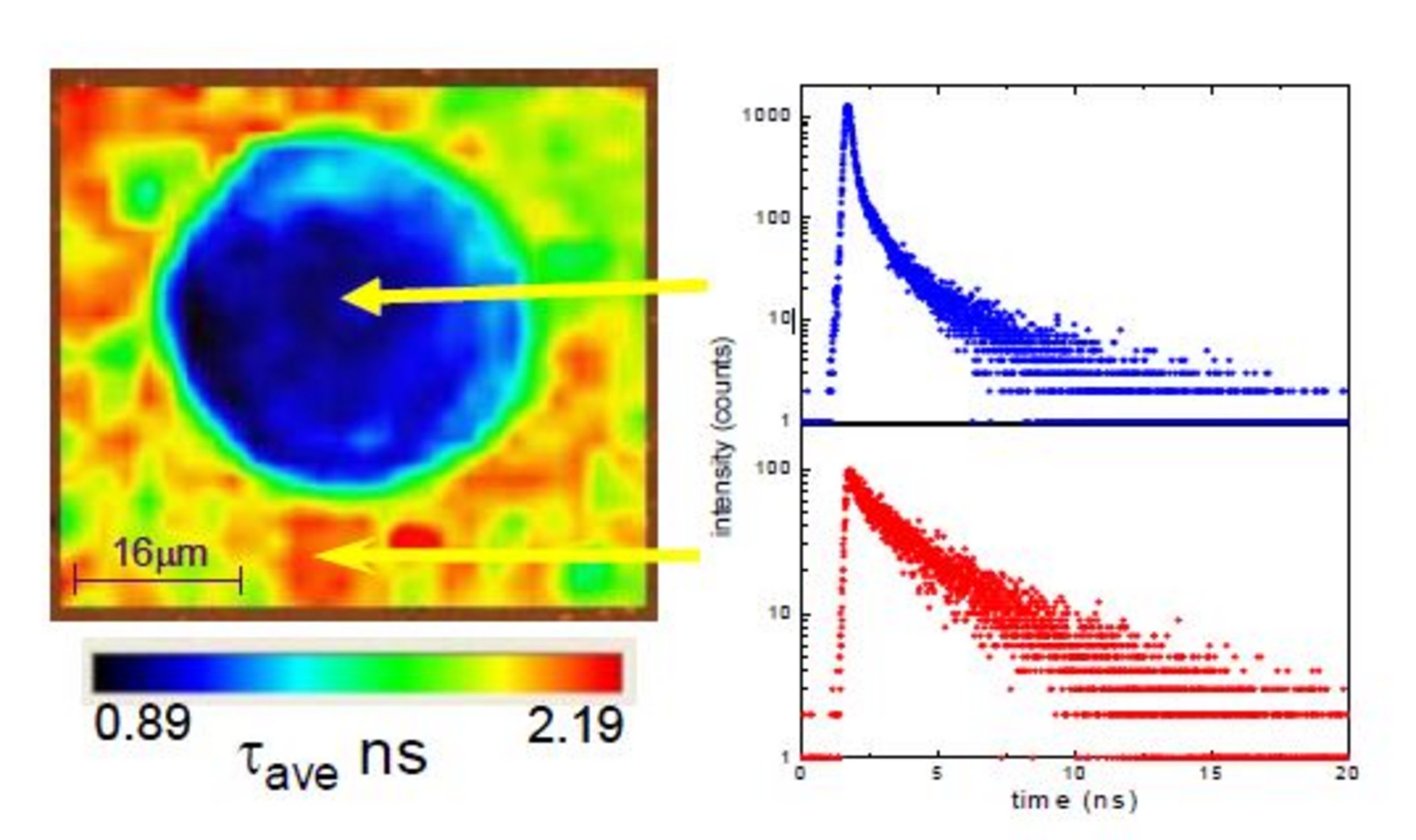
Chemistry
Plasmon enhancement of protein fluorescence by silver nanostructures
The use of metal surfaces in conjunction with fluorescence molecules employing a plasmon effect, sometimes referred to as metal enhanced fluorescence, can be advantageous because of the possible enhancement of photophysical properties.
Explore applicationChemistry
Measurement of Carbon and Sulfur in Titanium Oxide
Titanium oxide are used primarily in the production of paints and plastics and are also used in paper, priniting inks, cosmetics, textiles and food stuffs.
Explore application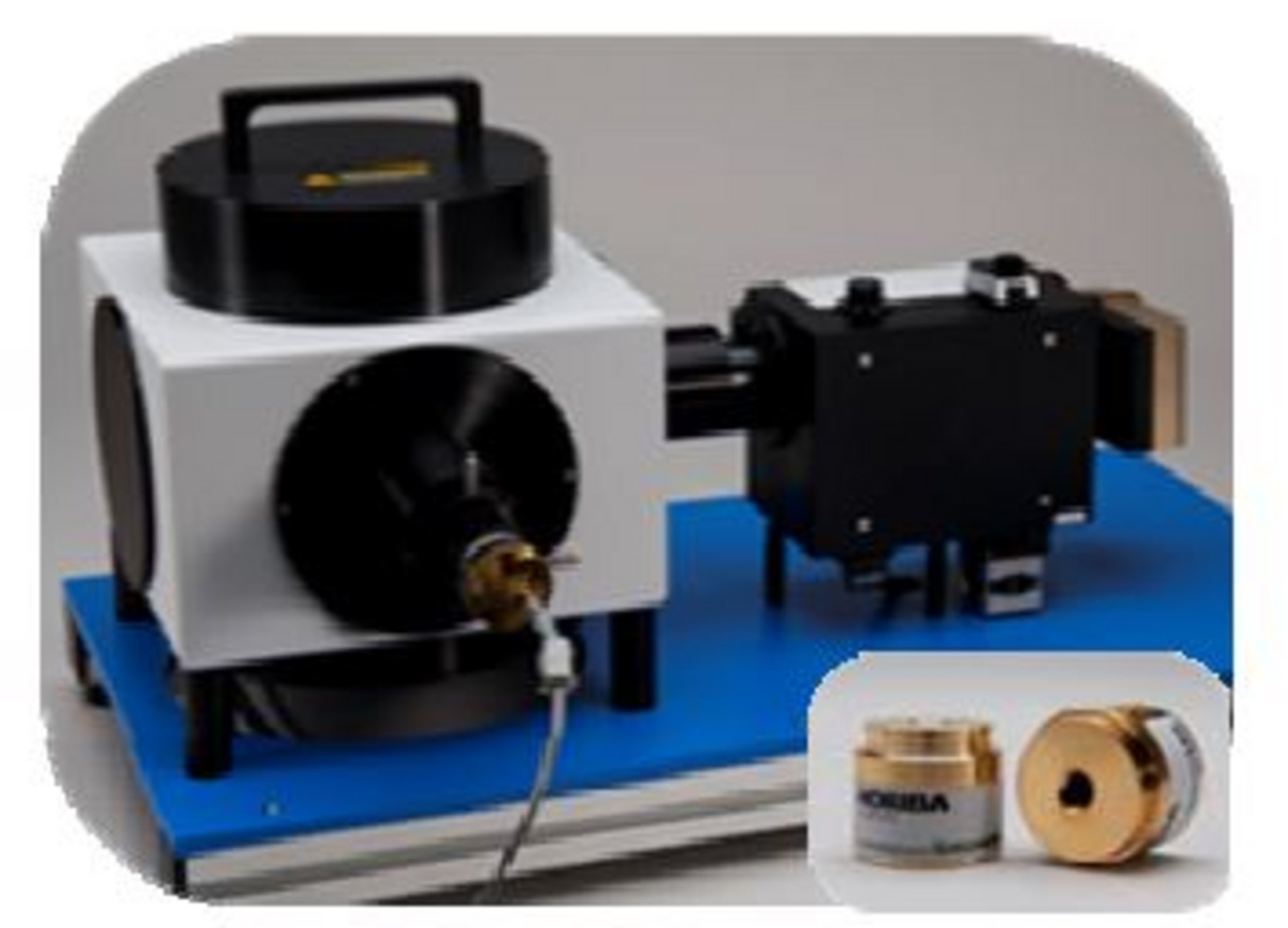
Chemistry
Time‐resolved luminescence of security inks from the UV to NIR
The use of security features, such as luminescent inks, has increased significantly in an attempt to prevent fraud and counterfeiting of materials and goods.
Explore application
Chemistry
Zeta Potential of Polyelectrolytes
The zeta potential of polyethylenimine, PEI, is measured as a function of polymer concentration with the SZ-100 Nanoparticle Analyzer. Charged polymers, that is, polyelectrolytes can be analyzed with the SZ-100.
Explore application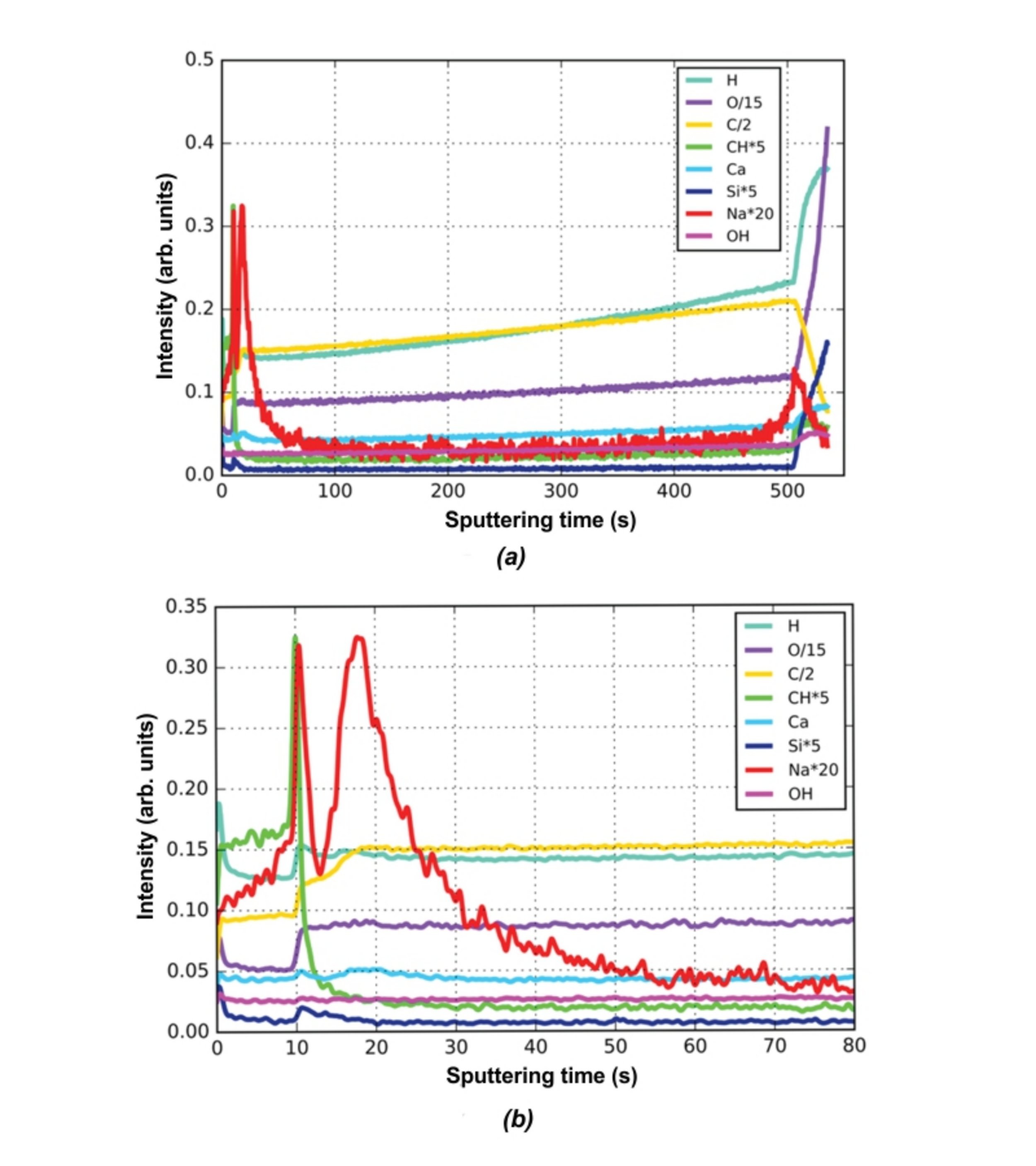
Chemistry
What’s Protecting Your Mobile Screen? A Depth Profile of Polymer Protection Covers Using Raman and UFS-GDOES
Pulsed RF Glow Discharge Optical Emission Spectrometry, coupled with the Ultra Fast Sputtering system, offers the Ultra Fast Elemental Depth Profiling of plastic thin films Polymer Mobile Screen Protection Covers. By coupling this technique with the Raman spectroscopy z-Scan analysis it is possible to acquire important information concerning the fabrication of smartphone screen protectors.
Explore application
Chemistry
Do You Know What is Protecting Your Telephone Screen
Optimization and follow up of manufacturing process of plastics films are easily achieved using Pulsed RF Glow Discharge Optical Emission Spectrometry. This technique allows the fast detection of defects and presence of contaminants. The GD Profiler 2 can be a key instrument during the optimization and follow up of manufacturing process. Indeed, GDOES is a fast technique which allows the easy comparison of different materials, the detection of defects and the presence of contaminants. Moreover, combined with the «UFS» system, it proves to be a flexible technique for organic and hybrid materials opening numerous new applications domain.
Explore application
Chemistry
Depth Profile Analysis of Organic and Organic/Inorganic Multilayered Materials by Pulsed RF GDOES
Examples of application of pulsed RF GDOES to the analysis of polymer layers and organic/inorganic films have been show illustrating the possibilities of the technique. Thanks to the use of pulsed RF source and UFS, GDOES takes its role in the multidimensional characterization of advanced multilayered organic materials where its specific strong points (speed, ease of use, large observation zone, measurement of all elements) are of great interest.
Explore application
Chemistry
Using Chemometrics and Raman Spectra for Quantitative Predictions of Physical and Chemical Properties of Polymers
As far as polymeric fibres are concerned, slight modifications of Raman features are directly related to differences in the molecular orientation and the degree of crystallinity of the fibres. To utilize these subtle spectral changes and correlate them with physical properties of the polymer, one is obliged to use Chemometrics on the Raman spectra. The resulting synergism between Raman spectroscopy and Chemometrics will provide a powerful tool for monitoring and control of manufacturing of polymeric materials.
Explore application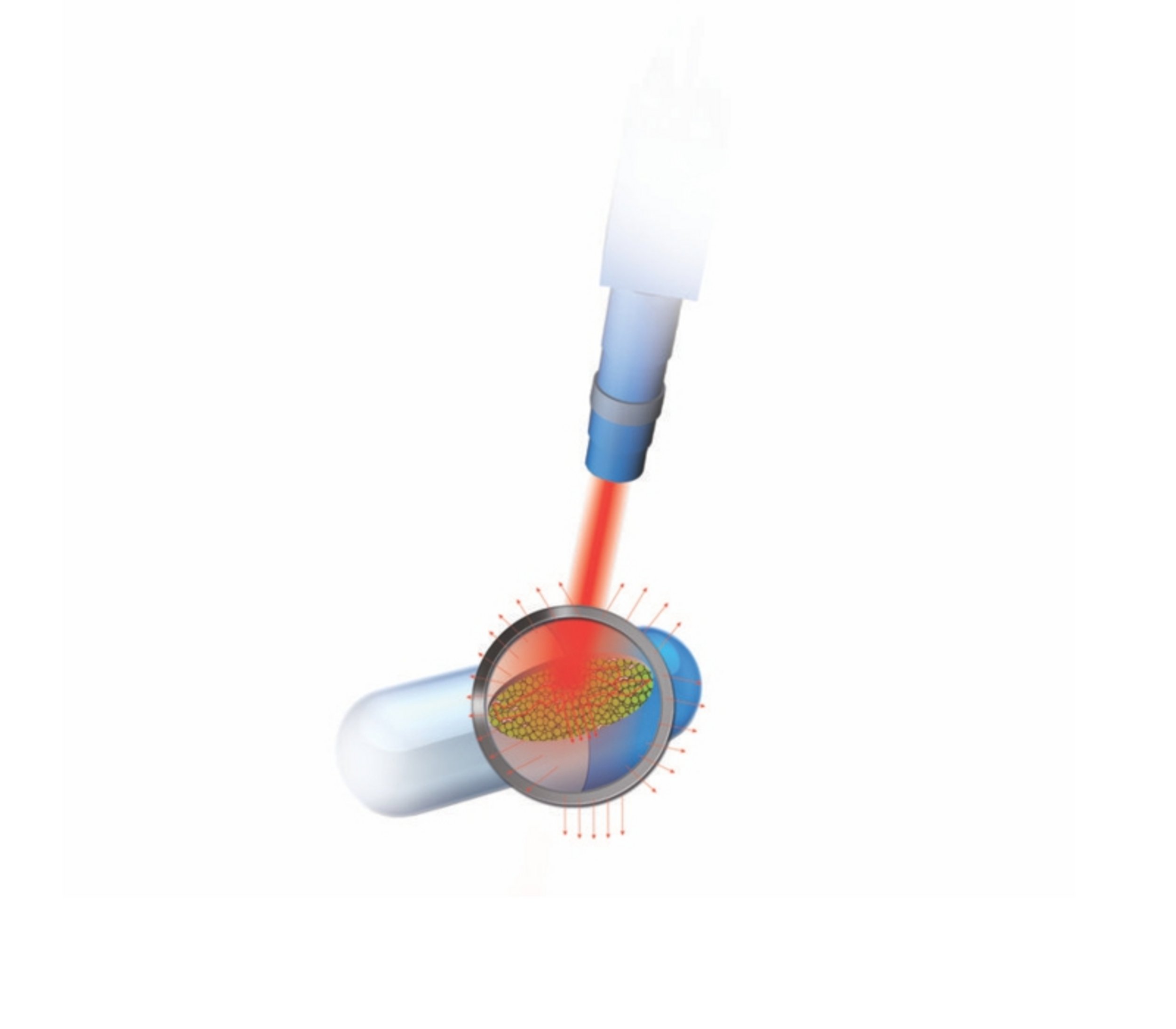
Chemistry
Transmission Raman Spectroscopy: Review of Applications
The transmission design has demonstrated to be the technique of choice whenever Raman spectral information of a bulk material is required. It has already proven its utility for pharmaceutical applications, as tablets or even powder mixtures are good candidates for this measurement mode. However, transmission Raman might be applied successfully to other sample types, such as polymers, bio-tissues or any translucent material, and can be envisaged for evaluating the content of product inside a package. In addition, as TRS provides a global spectral information of the measured sample, it will be a technique of choice when quantitative evaluation of mixtures is needed.
Explore application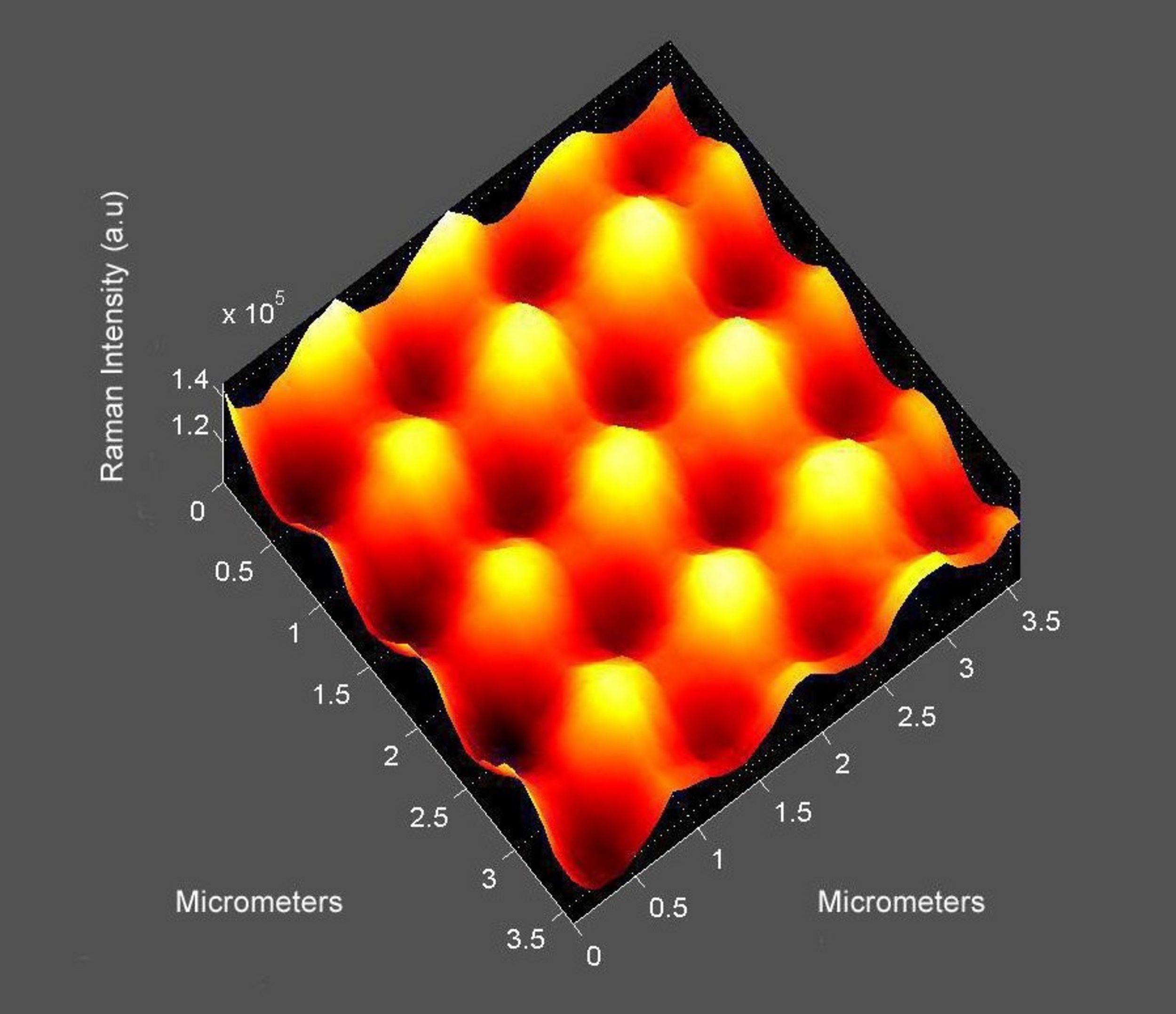
Chemistry
Raman Imaging of Holographic Gratings Inscribed on Polymer Thin Films
Using holographic techniques we have structured the surface in a one step procedure (no wet nor photocuring processing ) along the X and Y directions. A grating is first inscribed with grooves along the X direction, the sample is rotated by 90° and a second grating is inscribed with grooves along the Y direction. The intensity of the 1st diffracted orders is monitored to have equal intensities in both X and Y directions.
Explore application
Chemistry
Raman Characterization of Polymers in Industrial Applications
Recent developments in Raman instrumentation have made the technique easier to use, more compact, and more affordable. Consequently, all of the demonstrated potential of the spectroscopy for industrial uses can now be exploited, including its use in combination with statistical methods for concentration calibrations.
Explore application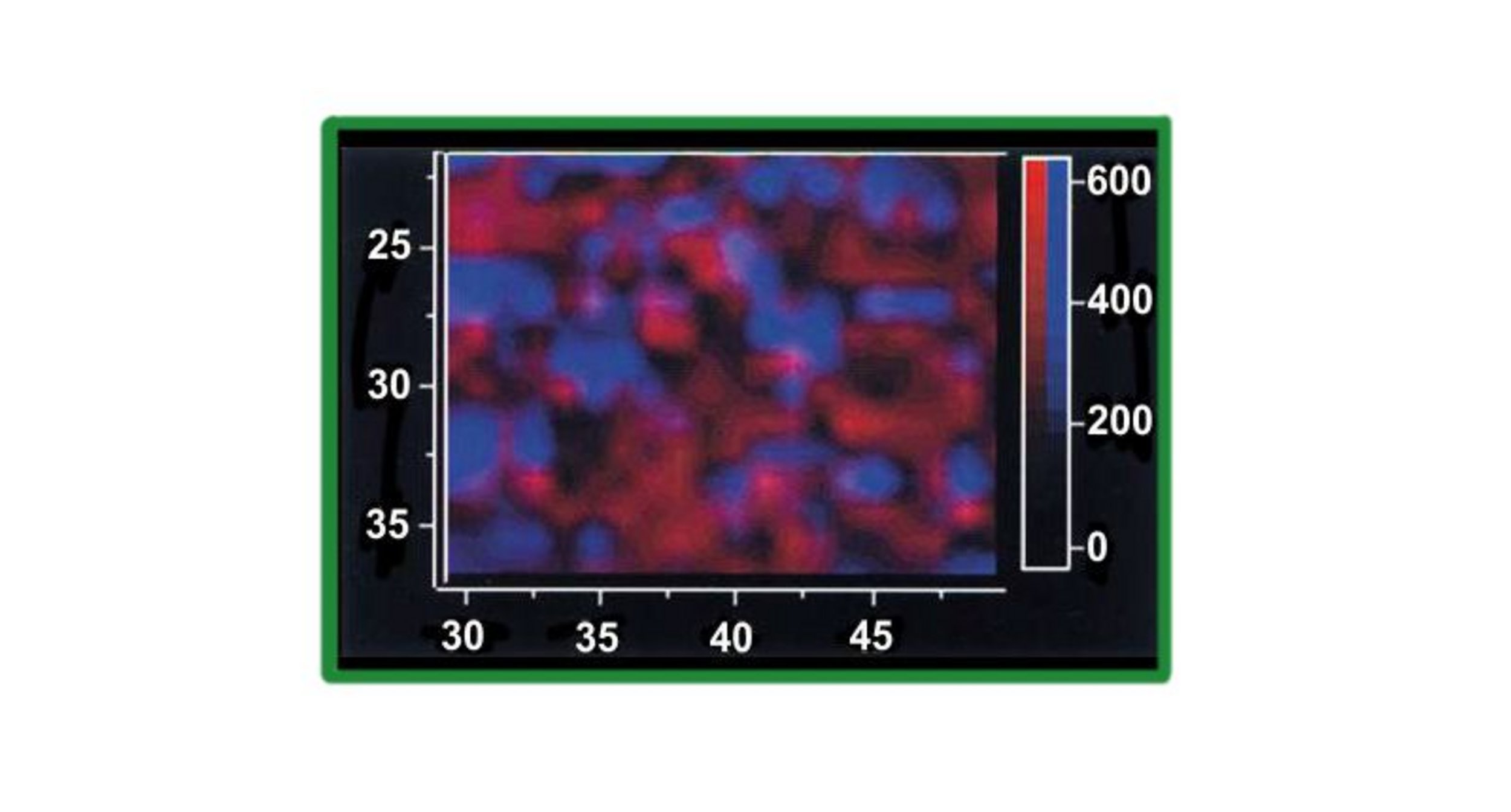
Chemistry
Localisation of Polymeric Phases by Raman Microscopy Mapping Components of a Blend in a Plane and Depth Profiles of Laminated Film
Blending, an alternative method for engineering products that combines the properties of polymer types is a physical mixing. It has the advantage of being not only simple and inexpensive, but also allows for re-cycling used material. Incompatibility or non-miscibility of the differing chemical components is often an issue in the final performance of the polymer product. The first part of this note concerns the dispersion of the two components in a polyethylene-polybutylene terephthalate blend. The chemical imaging capabilities of the LabRAM are used to get this information. The second part deals with the depth analysis of laminated films made of different polymer layers.
Explore application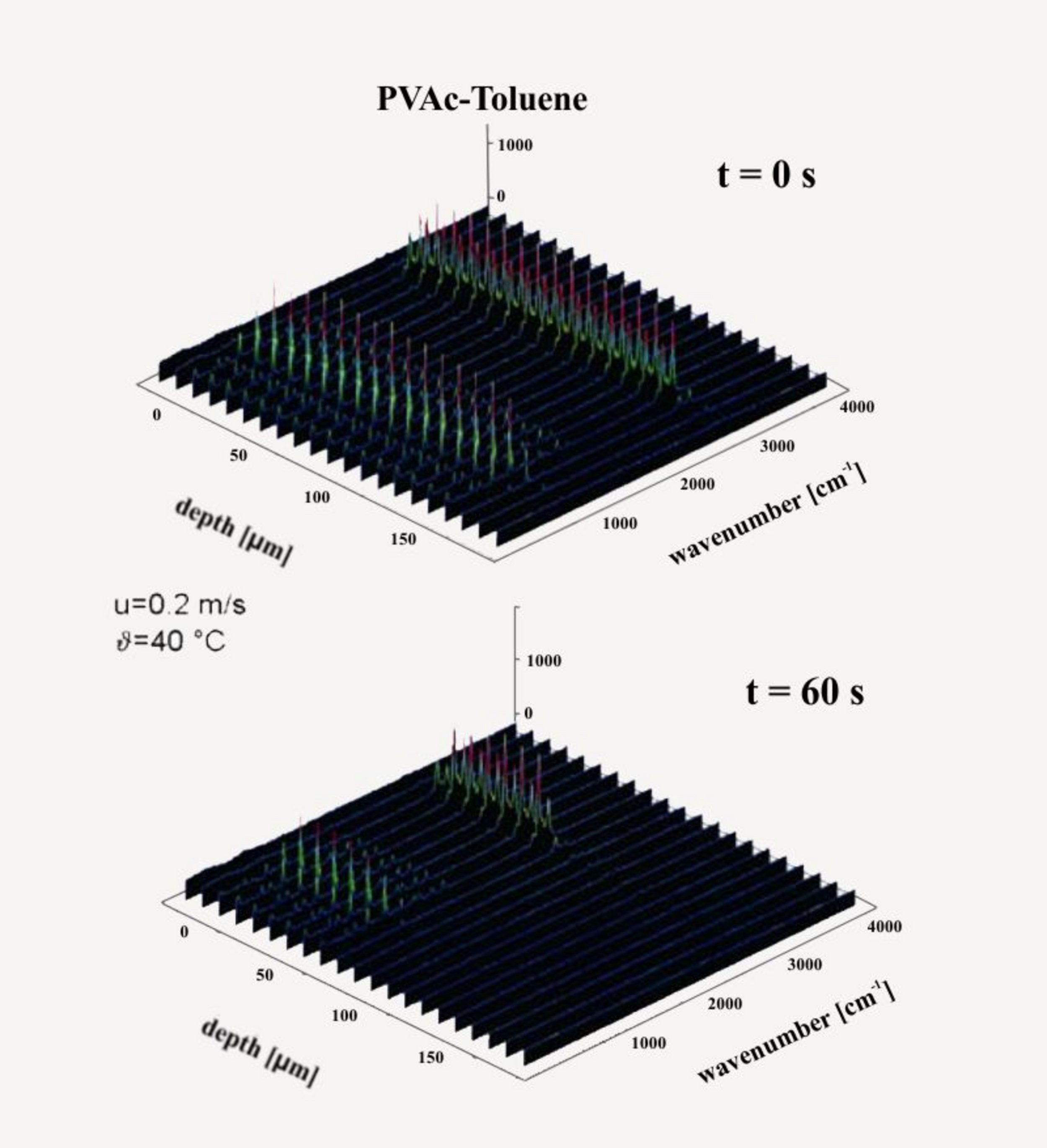
Chemistry
Concentration Profile Measurements in Polymeric Coatings During Drying by Means of Inverse-Micro-Raman-Spectroscopy
The coupling of the power of confocal Raman microscopy to the inverted sampling geometry has enabled detailed investigations to be made of solvent and water based coating systems, providing important information on the processes and chemistry that occurs at the coating interface and within.
Explore application
Chemistry
Characterizing Galvanizing Bath with Fluorescence
Automobile-parts production can be paralyzed by a defective electrongalvanizing (EV) bath line.
Explore application
제품 문의
HORIBA제품의 자세한 정보를 원하시면, 아래의 양식에 내용을 입력을 부탁드립니다.