Engine Performance and Endurance
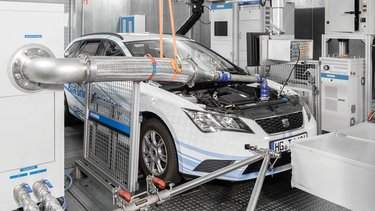
Measure torque, power and fuel consumption under repeated and sustained loads for automotive, marine and non-road engines.
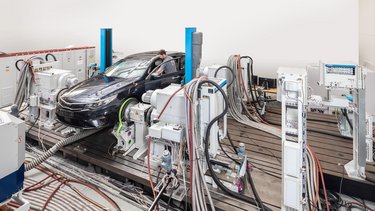
Vehicle durability testing and performance evaluation assess how engines, components, propulsion systems and complete vehicles respond to defined loads, repeated duty cycles and extended operation. Engineers measure torque, power, efficiency and transient response, then evaluate how these characteristics change over time.
Across automotive, marine and non-road applications, testing must reflect the demands of the intended operating environment. Passenger vehicles, commercial trucks, marine engines and non-road machinery experience different load profiles, operating speeds and periods of continuous use.
HORIBA integrates dynamometers, measurement systems and automation to help manufacturers and developers reproduce operating conditions, compare results and validate performance against development requirements—from individual components to complete propulsion systems and vehicles.
Performance testing establishes how a specimen operates under specified conditions. Durability and endurance testing investigate its response to repeated or sustained operation, with measurements and inspections used to identify changes.
A development program may combine initial characterization, application-specific duty cycles and periodic performance checks.
| Evaluation area | What engineers assess |
|---|---|
| Torque and power | Output across defined speed and load points, including changes following endurance testing |
| Efficiency and energy consumption | Fuel or electrical energy input relative to mechanical output |
| Transient response | Behavior during acceleration, deceleration, load changes and gear shifts |
| Durability and wear | Changes in function, performance and component condition after repeated loading |
| Thermal behavior | Temperatures and stabilization during warm-up, sustained loads and repeated cycles |
| System interaction | How engines, motors, transmissions, controls and other components operate together |
Relevant engine performance references include SAE J1349 for net power and torque measurement and ISO 3046-1 for power and consumption declarations and test methods.
Measurement channels, test duration and acceptance criteria depend on the specimen and development objective.
Understand UN GTR No. 22 requirements for in-vehicle battery durability and how HORIBA supports testing and evaluation.
Test profiles must reflect how an engine, component or vehicle operates in service. Marine engines under sustained load require different cycles from vehicles experiencing frequent acceleration and deceleration.
Key considerations include:
Reliable comparisons require control of the conditions that influence performance. Cooling, lubrication, specimen temperature and driving inputs can introduce variation between cycles, making changes harder to interpret.
Key considerations include:
Long-duration programs generate data across multiple specimens, test beds and operating periods. Engineers must connect measurements with test conditions to identify when performance changes and investigate causes.
Key considerations include:
Discuss your test requirements, equipment and automation needs with HORIBA.
HORIBA combines dynamometers, measurement and automation for controlled performance and durability testing.
Consistent driving inputs help engineers distinguish changes in vehicle performance from variation in test execution.
The ADS EVO automatic driving system uses a driving robot to reproduce prescribed cycles on a chassis dynamometer.
It reduces driver-related variation and operator fatigue, supporting repeatable operation during vehicle durability and endurance testing.
Test automation coordinates operating sequences, setpoints and data acquisition. Defined monitoring and interruption procedures support consistent execution during extended programs.
STARS Enterprise supports laboratory coordination through capabilities including test requests, scheduling, results and facility status monitoring. Connecting specimen information with test execution helps teams manage work across multiple test beds.
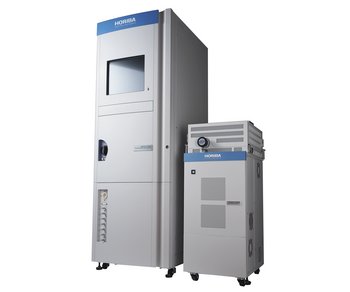
배기 가스 측정 장치
AC 동력계
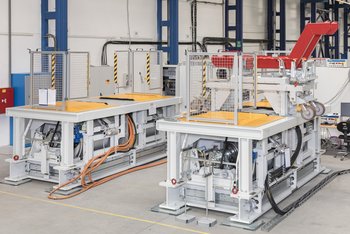
샤시 동력계
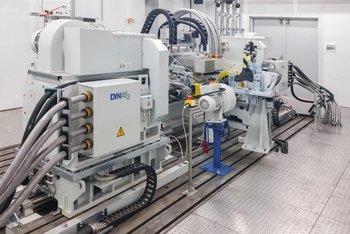
프론트, 리어 및 4륜 구동 파워트레인 테스트
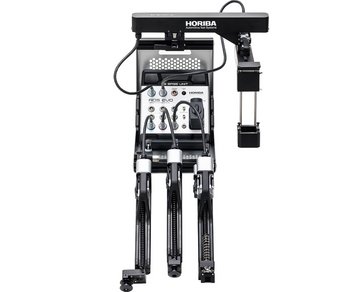
자동 운전 시스템
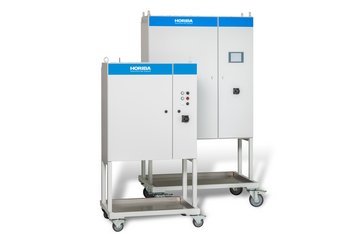
연료 흐름 측정 시스템
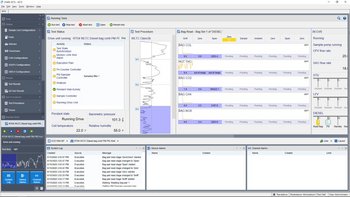
배기가스 테스트용 테스트 자동화 시스템
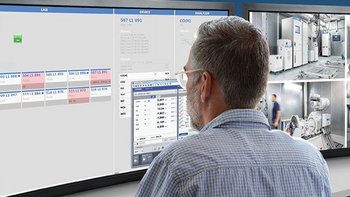
연구실용 테스트 자동화 시스템
Performance testing measures characteristics such as torque, power, efficiency and response under defined conditions.
Durability testing evaluates whether a specimen continues to meet requirements after repeated or sustained operation.
Performance measurements taken before, during and after durability testing help identify changes.
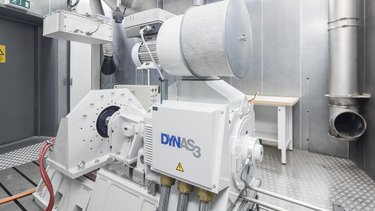
Dynamometers apply controlled loads while the test system follows specified speed or torque profiles. These profiles may use standardized cycles, application-specific sequences or recorded road and field data. Conditioning systems establish the required thermal and environmental conditions.
A driving robot reproduces prescribed driving inputs on a chassis dynamometer, reducing variation between cycles and the influence of operator fatigue. ADS EVO supports repeatable vehicle operation, helping engineers compare results under consistent driving conditions.
The principles of controlled loading, measurement and repeated evaluation apply across applications. However, the duty cycle, dynamometer capacity, conditioning and test duration must reflect the engine’s intended use. Marine and non-road engines may require substantially different operating profiles from road vehicles.
Accelerated testing can support durability assessment when the loading profile and acceleration method are justified. Relating laboratory results to service life requires representative usage assumptions, an understanding of failure mechanisms and correlation with field experience.
Speak to HORIBA about your engine, component, powertrain or vehicle testing needs—from duty-cycle development and dynamometer selection to measurement, driving automation and laboratory coordination.
HORIBA제품의 자세한 정보를 원하시면, 아래의 양식에 내용을 입력을 부탁드립니다.