Corrosion

Corrosion Analysis

Corrosion is the gradual destruction or deterioration of a material due to a chemical reaction with its environment. It usually affects metals, but also affects other materials such as polymers and ceramics.

It is essential to study this phenomenon in various materials to understand its mechanisms and help researchers and engineers make the right choice in their projects. For this purpose, advanced analytical tools and techniques to study corrosion at macro, micro, and nanoscale levels are needed to help industries predict failures, optimize material lifespan, and develop effective corrosion protection strategies.

Featured product
AESEC option for ICP-OES product picture
AESEC option for ICP-OES
Electrochemical flow cell coupled with a simultaneous ICP-OES
Download our ebook
Prevent, Protect, Perfect: Advanced Analytical Solutions for Corrosion - ebook from HORIBA

Prevent, Protect, Perfect: Advanced Analytical Solutions for Corrosion - ebook from HORIBA

Discover how advanced analytical techniques help investigate corrosion mechanisms, identify material degradation, and improve durability. Explore HORIBA solutions for corrosion research, from surface characterization to elemental and molecular analysis.

9.64 MBPDF

What is corrosion?

Corrosion is the gradual local or uniform deterioration of a material due to chemical reactions with its environment caused by environmental and mechanical factors. As a result, the material weakens, surface properties change, and performance degrades.

Variables such as pH, temperature, chemicals, or radioactivity, can cause and accelerate corrosion. This leads to material degradation, and failures, and negatively impacts safety and longevity. Stress and wear can also contribute to corrosion by degrading the surface, particularly in components exposed to stress and friction, leading to further material deterioration.

Corrosion risks are a major concern across several domains, including the energy industry, metallurgy, marine, aerospace, automotive, and so on. These sectors face significant challenges as corrosion can lead to structural failures, safety hazards, and reduced operational efficiency.

Why do we study corrosion?

Studying corrosion and its processes is crucial because it enables us to understand how and why materials deteriorate in different environments.

This knowledge is essential for industries as it helps in designing more durable materials, selecting appropriate protective coatings, and implementing effective maintenance strategies.

By understanding corrosion mechanisms, industries can predict potential failures, optimize the lifespan of their assets, and reduce the risk of catastrophic events such as structural collapses, leaks, and contamination. Ultimately, proactive corrosion management leads to enhanced safety, cost savings, and sustainability by minimizing material waste and preventing costly downtime and repairs.

What are the analytical needs?

Precise analytical techniques are necessary to assess the structure of materials, and its interactions with the environment. Also, by using the techniques and/or combining them, it is possible to get even more insight and monitor the formation of corrosion products and evaluate the performance of protective coatings and inhibitors.

Elemental analysis for material selection

Elemental analysis is crucial for selecting materials with the necessary corrosion resistance, as it reveals the exact composition and potential reactions in specific environments.

Techniques such as Inductively Coupled Plasma (ICP), X-ray Fluorescence (XRF), and Glow Discharge Optical Emission Spectroscopy (GDOES) are commonly used to perform this analysis.
 

Molecular and structural investigations

Molecular and structural investigation is essential for understanding material behavior and predicting its response to corrosive environments.

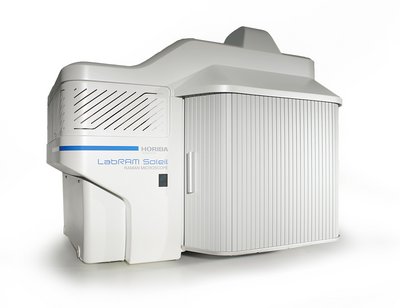
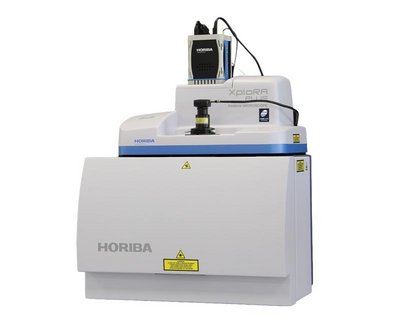
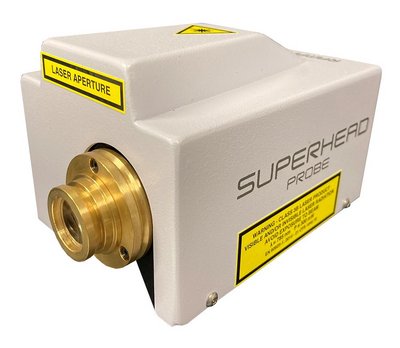
Raman Spectrometry can provide non-destructive insights into molecular and structural properties. Using tools such as Raman microscopes and probes, researchers can remotely monitor corrosion processes in real-time, gaining critical information on how materials degrade.

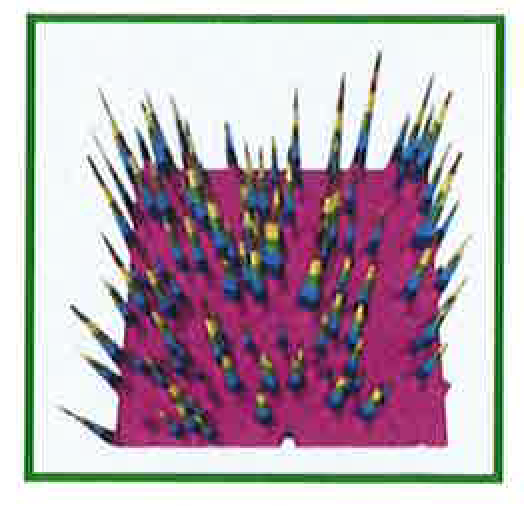
Additionally, multimodal Atomic Force Microscopy (AFM) offers precise surface topography analysis, identifying local non-uniformities where corrosion may begin.
 

Interactions with the environment

Understanding the interaction between materials and its environment help to predict corrosion behavior and ensure long-term durability. For example, surface properties and the effectiveness of protective coatings must be carefully studied to assess its performance.

Analytical solutions like in operando measurements enable real-time monitoring of surface changes when materials are exposed to flowing electrolytes, giving important insights into how they degrade or helping identify the specific reactions happening during corrosion.

Off-line studies, where corrosion parameters like time, temperature, pH, and pressure are varied, provide further understanding of how different environmental factors affect material behavior.
 

Coupling techniques to go beyond

The information obtained from any single analytical technique is inherently partial, as it results from the specific interaction between the chosen technique and the material being studied. Therefore, combining multiple techniques to provide a multidimensional analysis is essential.

HORIBA analytical methods can be seamlessly integrated with other important surface techniques.         

Raman spectroscopy measurements can be conducted at various depths within a Glow Discharge (GD) crater, enabling a combination of elemental and molecular depth profile analysis.

Correlative measurements are further enhanced by accurately repositioning points of interest across multiple techniques, such as particle analysis using µ-XRF, microRaman, and a nanoGPS navYX repositioning system.

Studying Corrosion Processes and Corrosion Protection Coatings Brochure

Studying Corrosion Processes and Corrosion Protection Coatings Brochure

Corrosion is the gradual deterioration of a material, usually metallic, due to chemical reactions with its environment. This results in material weakening, surface properties changes and performances degradation.

2.44 MBPDF

What are the analytical solutions?

HORIBA offers advanced techniques for the study of corrosion, which provide detailed insights into material composition, behavior, and interaction with environmental factors. These methods allow for precise analysis and monitoring, which are essential for understanding corrosion mechanisms, developing protective coatings, and improving material longevity.

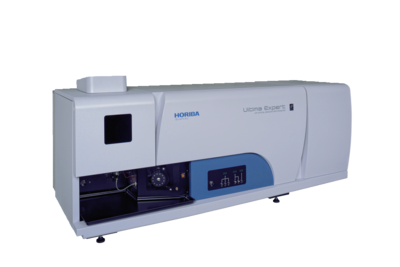
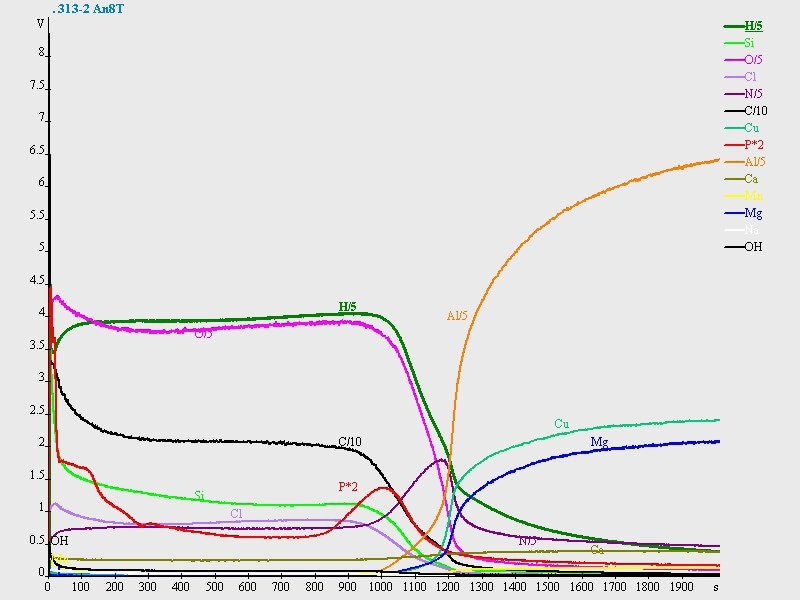
  • Atomic Emission Spectroelectrochemistry (AESEC) is a technique coupled with Inductively Coupled Plasma (ICP) that enables the study of corrosion behavior in metals and alloys through the monitoring of metal ion release and the analysis of metal deposition on electrodes.
  • Glow Discharge Optical Emission Spectroscopy (GDOES) can offer comprehensive insights into the elemental composition of both the surface and subsurface layers of a material.
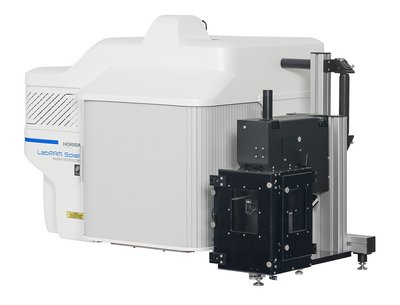
  • Raman spectroscopy offers in-depthnon-destructive molecular and structural analysis of materials.
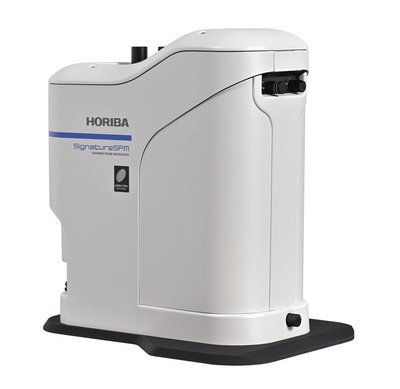
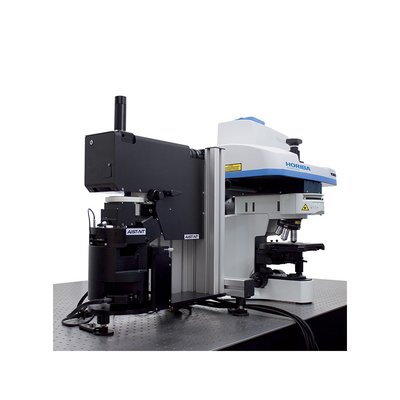
  • Atomic Force Microscopy (AFM), coupled with Raman spectroscopy, amplifies the examination of corrosion and corrosion protection coatings, enabling a thorough comprehension of corrosion mechanisms and the efficacy of protective coatings.
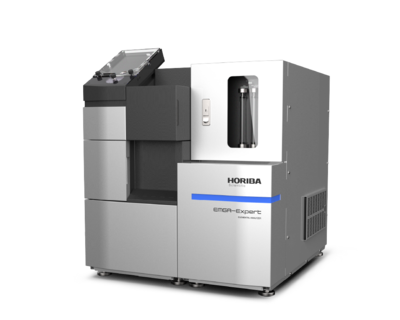
  • The Elemental analyzer is a specialized instrument used for the precise quantification of Oxygen, Nitrogen, and Hydrogen concentrations in diverse materials.
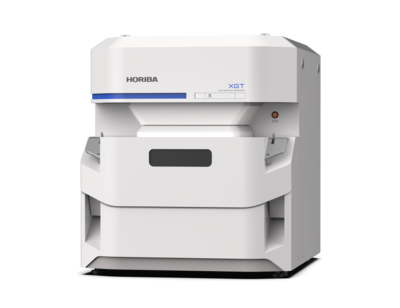
  • X-ray fluorescence (XRF, micro-XRF) is used for the creation of comprehensive elemental maps and material thickness measurements.
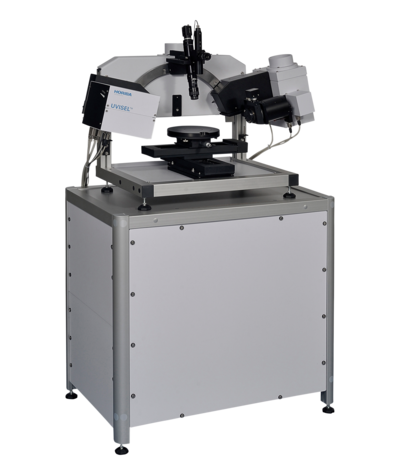
  • Spectroscopic Ellipsometry can analyze thin film properties, even in a liquid environment.
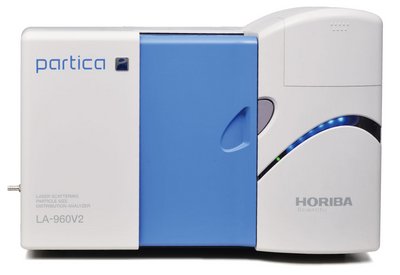
  • Particle analyzers provide valuable information on the corrosiveness of the environment and the effectiveness of corrosion inhibitors, by examining the size distribution, surface potential, and surface area of particles.
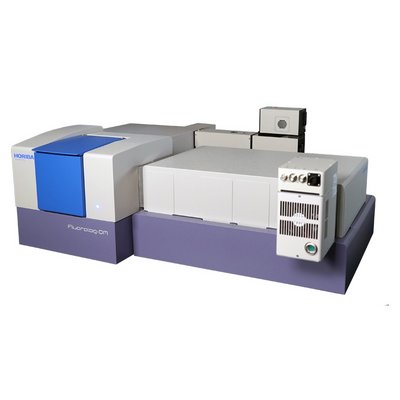
  • Fluorescence spectroscopy is employed for the molecular-level characterization of corrosion, involving the detection, identification, and analysis of corrosion products and processes.

Resources

Webinars

Watch the webinar:

Corrosion Analysis Across the Asset Life Cycle

This webinar introduces a lifecycle approach to materials degradation, following the journey from material qualification and surface characterization through corrosion initiation, propagation, failure analysis, and asset life extension. Through examples spanning low-temperature and high-temperature corrosion environments-including industrial processes, batteries, advanced energy systems, aerospace applications, and nuclear technologies-viewers will discover how complementary analytical methods provide unique insights at each stage of the degradation process.

Watch the webinar:
Watch the webinar (in French):

Prevent, Protect, Perfect with Advanced Analytical Solutions for Corrosion

For corrosion purposes, to predict failures, optimize material lifespan, and develop effective corrosion protection strategies, ensuring durability and reliability in demanding environments, different advanced analytical solutions are needed. We will present a comprehensive range of advanced analytical solutions for the corrosion market, designed to address the complexities of corrosion processes and protection strategies.

Application notes

H&D Measurement of Hydrogen (and Deuterium) by RF GDOES

RF GD OES is well known for ultra fast elemental depth profile of thin and thick films. All elements can be measured including Hydrogen (H) which is important in many application fields - for corrosion studies, for PV, in metallurgy, for the development of hydrogen storage materials and for all polymeric coatings studies to name a few. The most sensitive emission line for H is in the VUV range at 121,567 nm.

Learn more
Measurement of Hydrogen (and Deuterium) by RF GDOES

Metal elusion imaging using micro-XRF to identify the root cause of PEMFC degradation

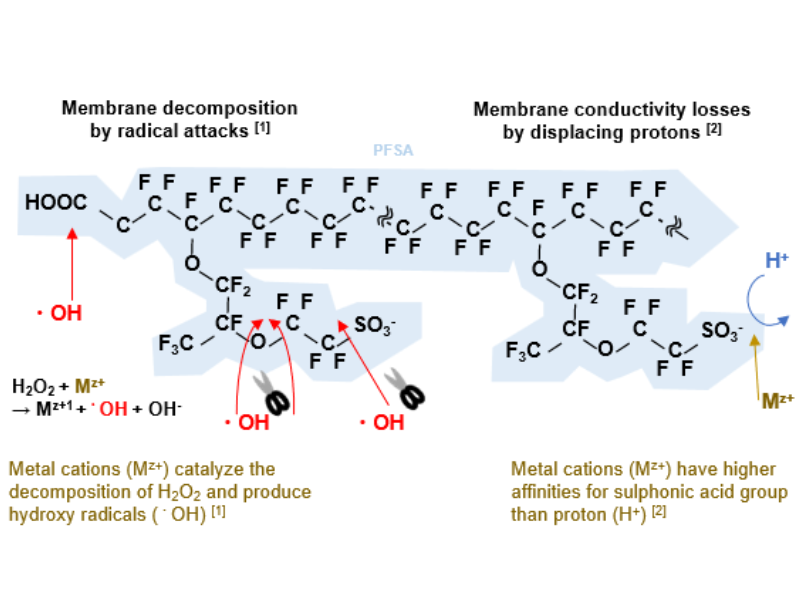
Proton exchange membrane fuel cells (PEMFCs) are getting more and more popular as a clean energy, and a lot of research is being done to achieve better durability for further spread into more commercial phase.

Learn more
PEMFC durability loss mechanism caused by metal cations

Non-destructive Thickness and Composition Analysis of Coatings on Steel Using MESA-50

Steel coating plays an important role in preventing corrosion of steel samples. Therefore, an understanding of coatings can help in improving the steel properties. XRF is a powerful technique for measuring thickness and composition of coatings. We carried out non-destructive thickness and composition analysis of Zinc-Nickel coating on steel using the MESA-50 X-ray fluorescence analyzer.

Learn more

Fast, easy and safe control of Zn-Ni galvanization baths with MESA-50, a portable EDXRF

The EDXRF technique is used for the elemental analysis not only of solids, but also of liquids such as plating solution thanks to dedicated sample cells. This specific example shows the ability of MESA-50 for electrolytic baths follow-up by characterizing the degradation of Zn-Ni galvanization baths.

Learn more
Fast, easy and safe control of Zn-Ni galvanization baths with MESA-50, a portable EDXRF

Observing Oxidating Kinetics on an aluminium alloy surface with Fluorescence mapping

Metal oxides, in contrast to most metals, are wekk known to be easily distinguished by their characteristic Raman spectra; their presence can be detected on a scale of micrometers with a Raman microprobe.

Learn more

Wniosek o udzielenie informacji

Masz pytania lub prośby? Skorzystaj z tego formularza, aby skontaktować się z naszymi specjalistami.

* Te pola są obowiązkowe.