
Non-road mobile machinery (NRMM)—also referred to as off-highway or agricultural equipment—includes engines used across construction, farming, mining, and industrial applications. These machines operate under highly variable conditions, making emissions control and performance optimization more complex than in on-road vehicles.
Global regulations continue to evolve. In Europe, Stage V introduced stricter emissions limits along with in-service monitoring using portable emissions measurement systems (PEMS), shifting the focus toward real-world validation. At the same time, regulatory pressure in North America and other regions continues to increase, with further reductions in NOx and particulate emissions expected in the coming years.
As a result, effective NRMM testing requires a combination of advanced measurement technologies, flexible testing environments, and a deep understanding of evolving global regulations.
HORIBA supports NRMM, off-highway, and agricultural engine testing with integrated solutions for emissions measurement, real-world validation, and regulatory compliance.
Operational and Testing Challenges
Off-highway engines operate under dynamic loads, harsh environments, and unpredictable duty cycles, which affect emissions behavior and testing consistency, making real-world validation more complex.
Key challenges include:
Meeting Global Regulations
The regulatory landscape for NRMM and off-highway equipment is becoming more complex and interconnected:
This shift requires flexible testing solutions that support development, certification, and in-use validation.
Discuss your NRMM testing and regulatory challenges with HORIBA
Agricultural NRMM engine testing in a laboratory environment using a HORIBA Dynas3 dynamometer system to support emissions measurement, performance validation, and regulatory compliance.
HORIBA provides a complete solution for NRMM, off-highway, and agricultural engine testing, supporting manufacturers in meeting current requirements and adapting to evolving global regulations.
Capabilities include:
Accurate measurement across variable conditions: High-precision analyzers for consistent gaseous and particulate (PN, PM) data
Real-world emissions validation: Portable emissions measurement systems (PEMS) for in-use and field testing
Performance and durability insight: Integrated engine and powertrain testing with lifecycle evaluation
Regulatory expertise and alignment: Active involvement in global regulatory discussions supports evolving compliance requirements
Scalable and automated workflows: Flexible systems that unify measurement, automation, and testing processes
HORIBA solutions combine advanced analyzers, particle measurement, and automation into a unified platform—helping manufacturers generate reliable data, reduce development risk, and confidently navigate changing regulatory requirements.
Explore NRMM and agriculture and off-highway propulsion systems and regulatory developments.
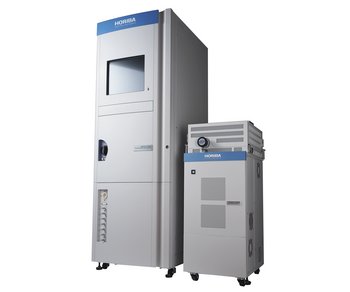
整车排放气体分析仪
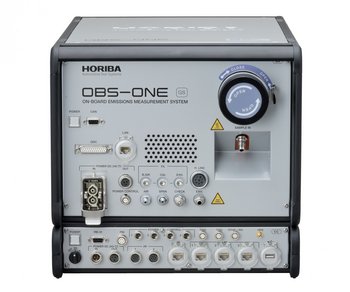
车载排放测量系统
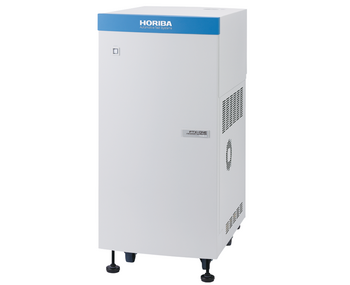
FTIR-傅里叶变换红外光谱气体分析仪-直采型
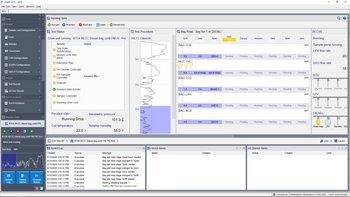
应用于排放测试的自动测试系统
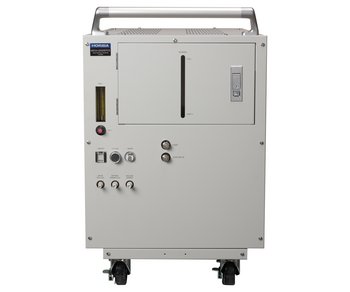
固体颗粒计数系统
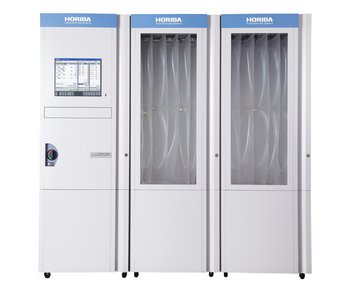
定容取样
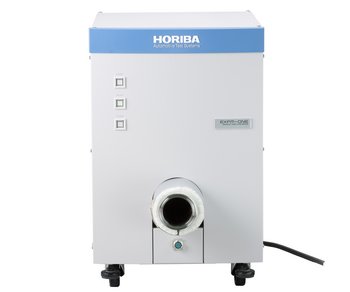
超声波尾气流量计
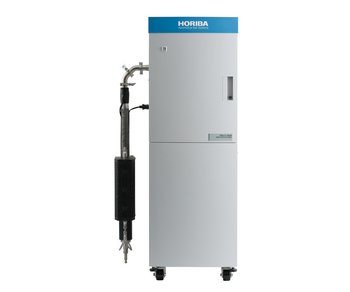
微型稀释通道
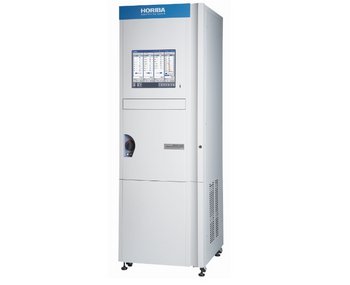
FTIR 发动机尾气分析仪
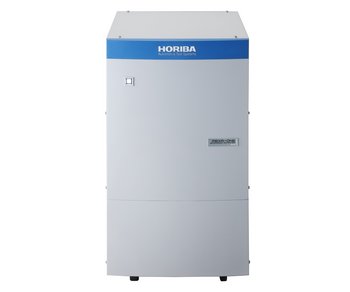
激光光谱发动机废气分析仪
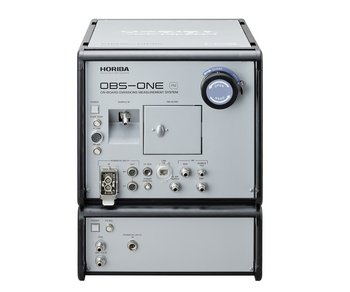
车载排放测量系统
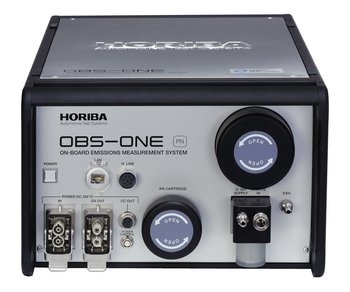
车载排放测试系统
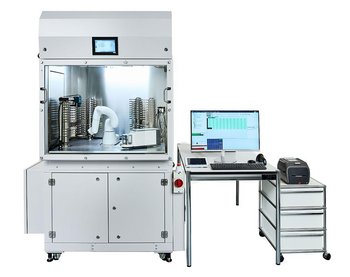
颗粒物过滤管理系统
Explore solutions for light-duty engine development, emissions measurement, and certification testing.
Explore solutions for heavy-duty engine development, emissions measurement, and certification testing.
Non-Road Mobile Machinery (NRMM) engine testing evaluates emissions, performance, and durability of engines used in off-road equipment such as construction, agricultural, and industrial machinery. Testing typically includes both laboratory-based validation and real-world measurement to ensure engines meet regulatory requirements and perform reliably under diverse operating conditions.
NRMM emissions are measured in real-world operation using Portable Emissions Measurement Systems (PEMS). These systems are installed directly on machinery and measure pollutants such as NOx, CO, CO2, and particulate emissions while the equipment is operating under normal working conditions.
PEMS testing captures second-by-second emissions data during actual use—such as construction work, farming operations, or material handling—providing a more accurate representation of engine behavior than laboratory testing alone.
NRMM (Non-Road Mobile Machinery) is the term commonly used in Europe, particularly in regulatory frameworks such as EU Stage V. In North America and other markets, similar equipment is often referred to as off-highway equipment, while agricultural equipment is used when referring specifically to farming applications.
Although terminology varies by region, these terms generally describe the same categories of engines used outside of public road transport.
NRMM regulations are becoming more stringent and increasingly focused on real-world emissions and long-term compliance.
For example, EU Stage V requiresin-service monitoring (ISM), where emissions are measured during normal operation using PEMS to ensure engines remain compliant over time.
More broadly, global regulatory trends include:
These changes are shifting NRMM testing from a one-time certification process to a continuous validation approach.
In-service monitoring (ISM) refers to the measurement of emissions from engines during normal operation over time. Under regulations such as EU Stage V, ISM requires manufacturers to collect real-world emissions data using PEMS to demonstrate ongoing compliance and support future regulatory development.
如您有任何疑问,请在此留下详细需求信息,我们将竭诚为您服务。

