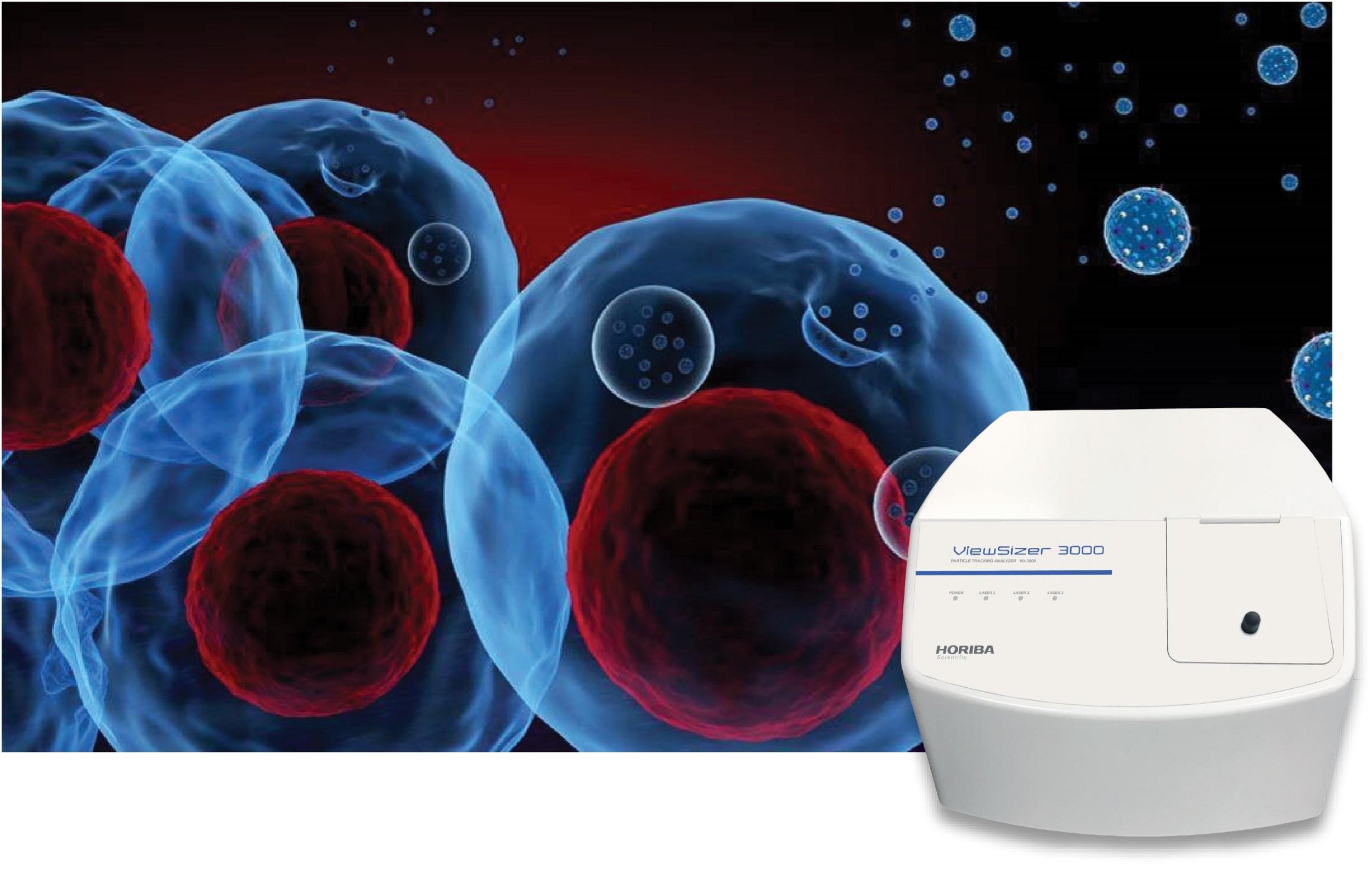
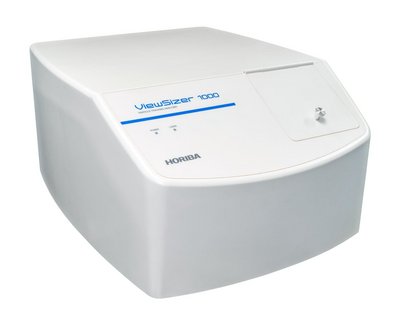
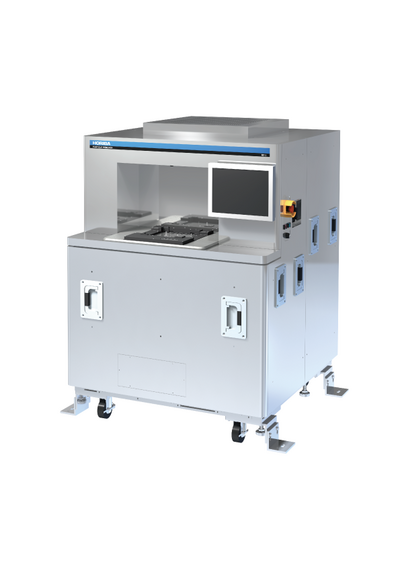
ViewSizer 3000

Simultaneous Multispectral Nanoparticle Tracking Analysis (NTA)

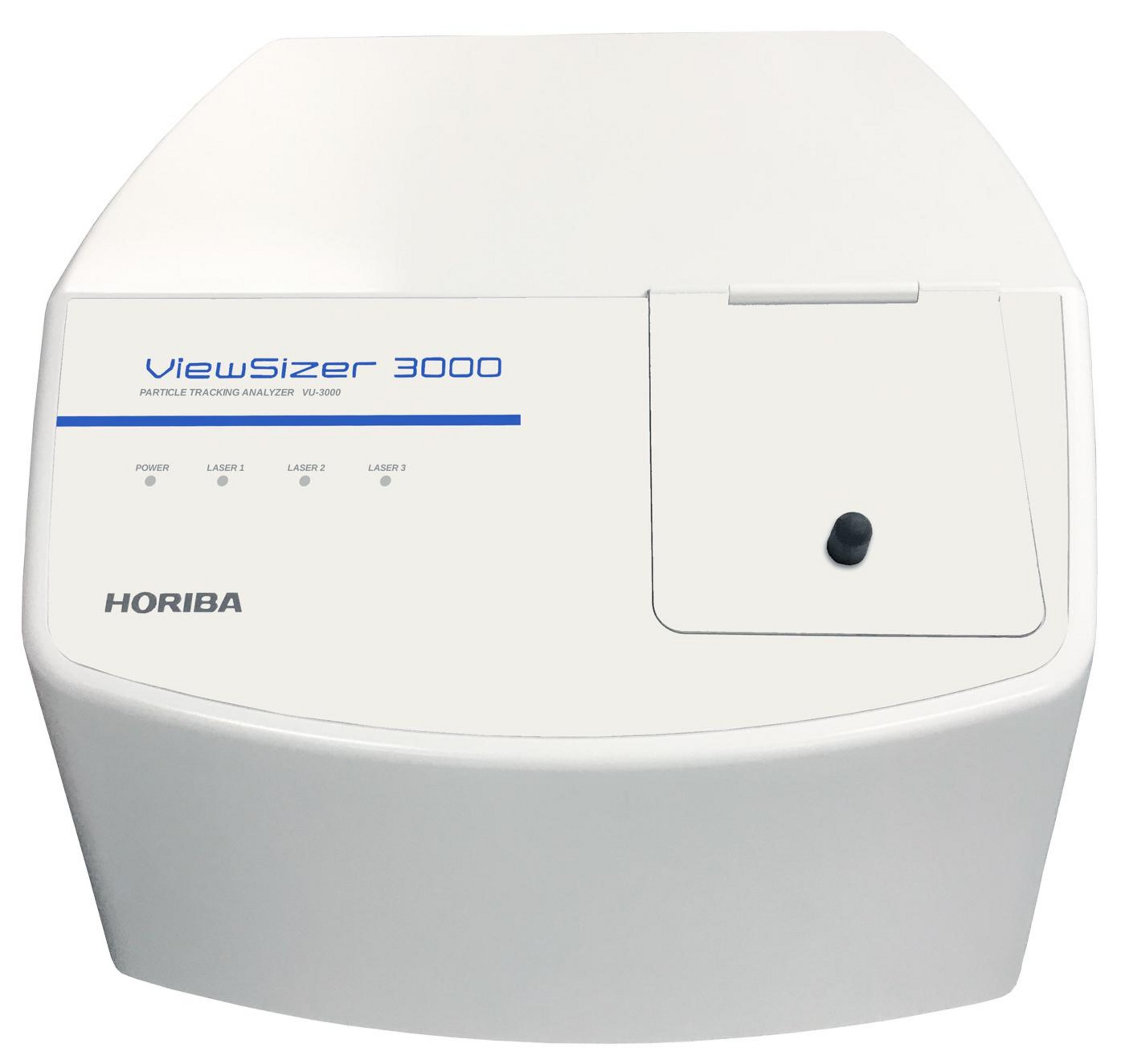
ViewSizer 3000

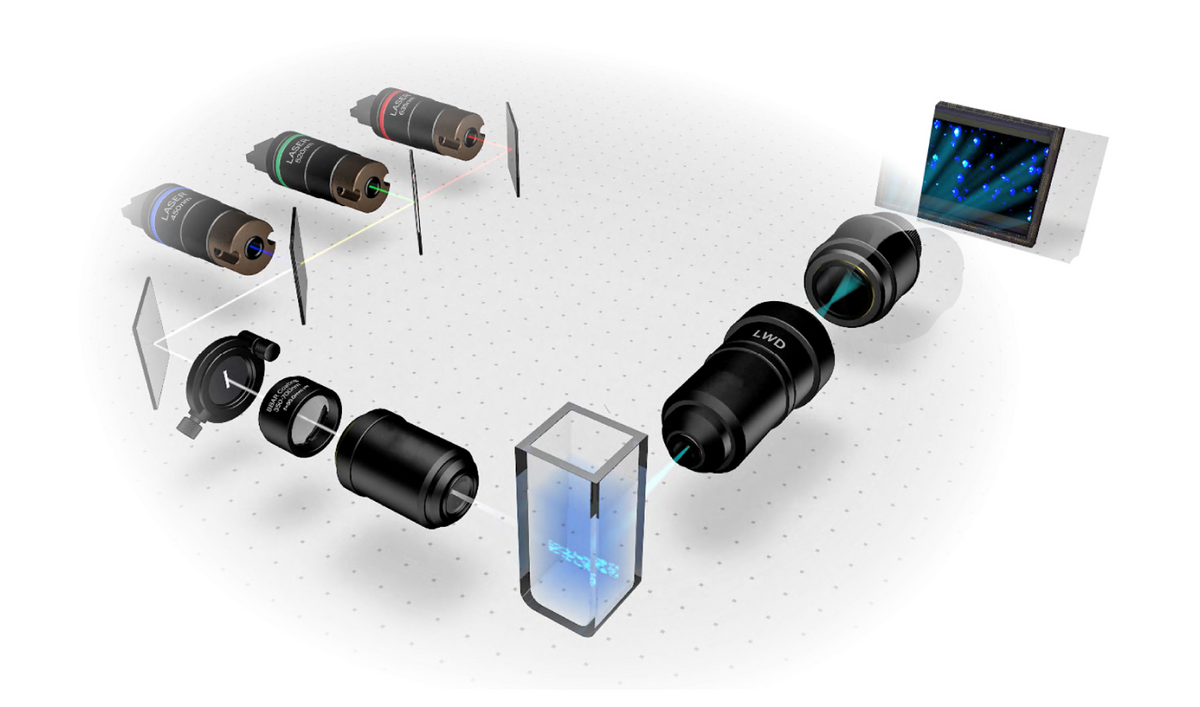
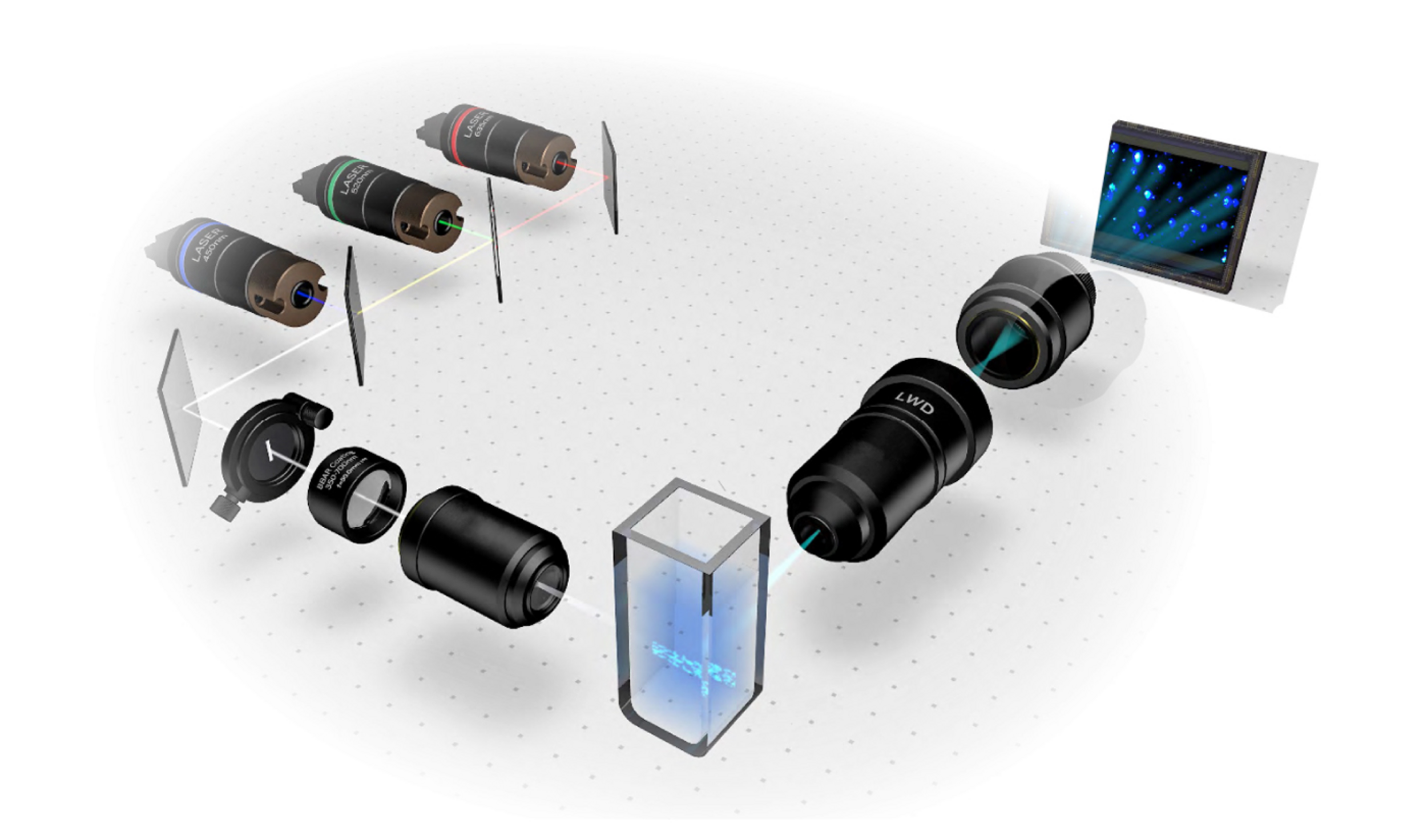
Traditional Nanoparticle Tracking Analysis (NTA) often fails to accurately characterize polydisperse samples like extracellular vesicles, fine bubbles, viruses, and engineered nanoparticles. The ViewSizer™ 3000 overcomes this limitation by employing an advanced Multi-energy NTA approach—specifically, Multispectral NTA—to capture comprehensive, detailed particle data across the entire size distribution.

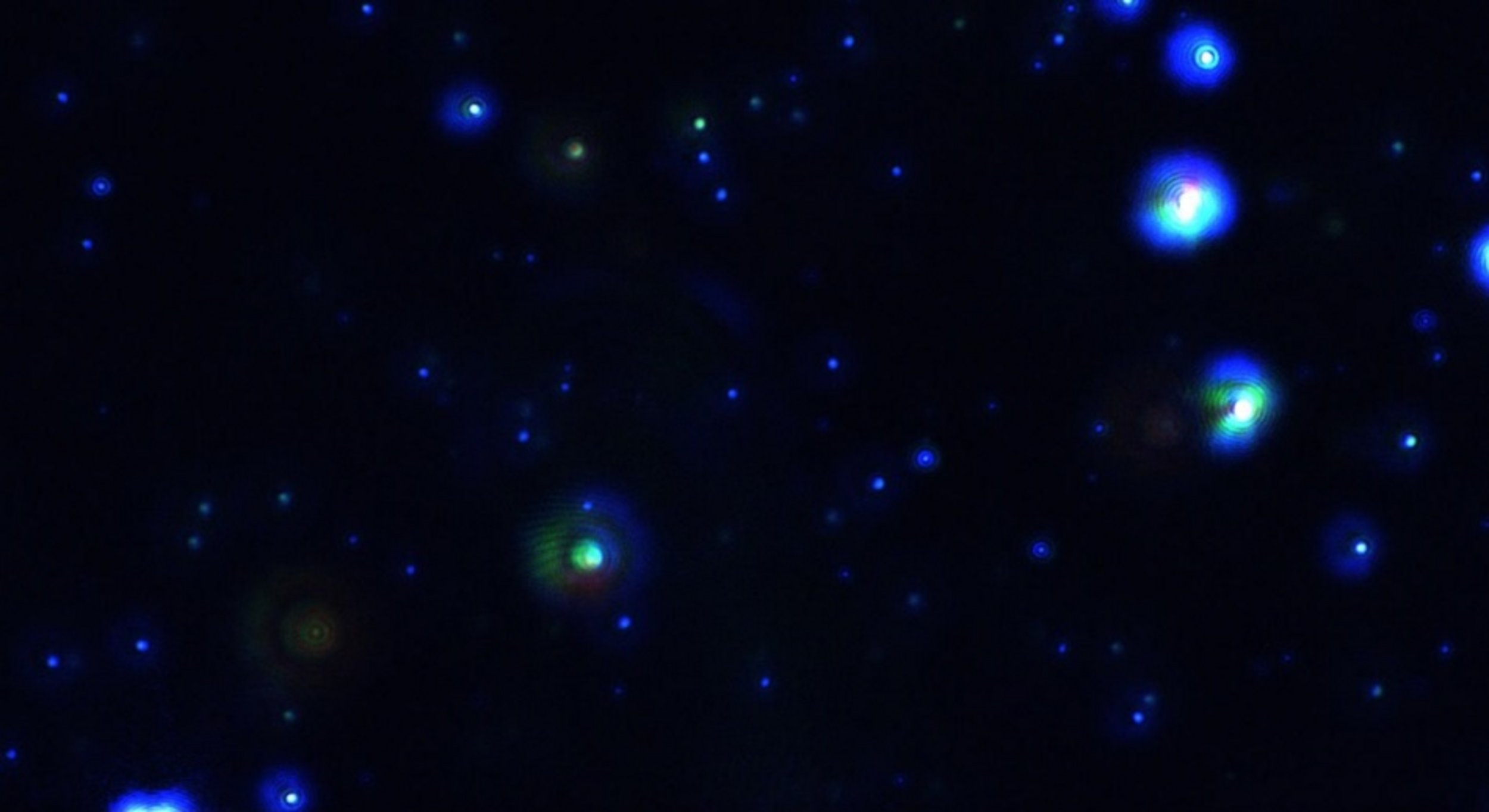
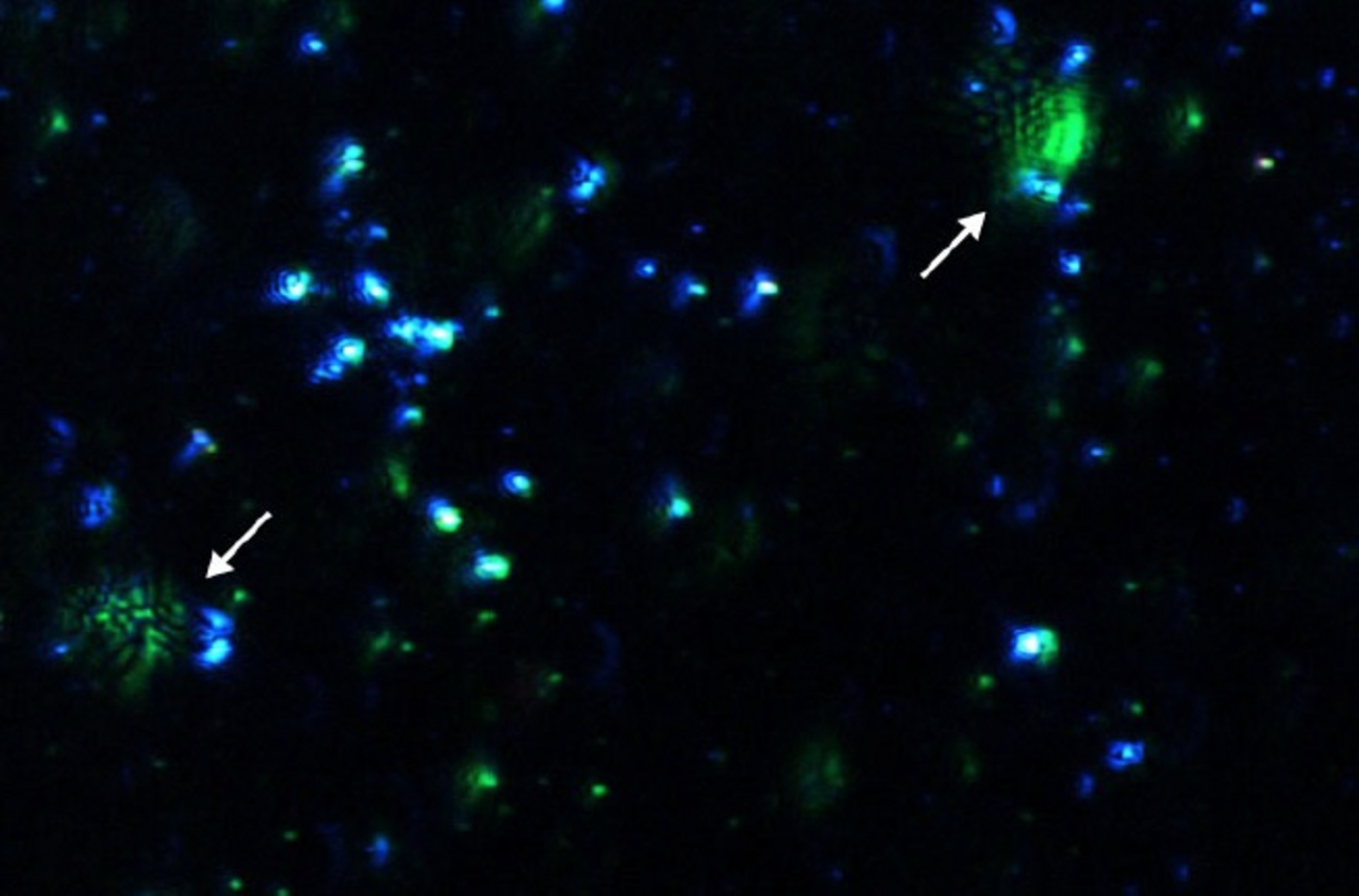
The ViewSizer 3000 uses simultaneous measurement with three lasers at different power levels, ensuring every particle is accurately tracked, regardless of its scattering intensity. This results in the most complete size and concentration information for samples from 10 nm to 15 microns.

Key Advantages of the ViewSizer 3000

  • Multi-energy NTA for Comprehensive Data: Using different power levels for each laser color, the system automatically corrects for particle size effects on light scattering. Data from a lower power laser is used when a particle signal is too bright, and data from a higher power laser is used when scattering is too weak, guaranteeing accurate results across a wide size range in a single measurement.

  • Guaranteed Accuracy and Compliance: Fully compliant with ISO 19430: 2024 for reliable, traceable particle size and concentration determination.

  • Zero Cross-Contamination: The easy-to-remove sample cell can be fully disassembled for rapid and thorough cleaning, eliminating the risk of cross-contamination and ensuring high data integrity—a critical factor for core facilities and high-throughput labs.

  • Wide Dynamic Range: Measures sample concentrations from 105 to 109 particles/mL and particle sizes from 10 nm to 15 µm.


Scroll down and contact us for more information

Product video


Featured Publications for the ViewSizer 3000:

Ultrasensitive detection of intact SARS-CoV-2 particles in complex biofluids using microfluidic affinity capturehttps://www.science.org/doi/10.1126/sciadv.adh1167
Orthogonal Measurement of Number Concentration Standards for NTA Calibration[Direct Link]
Biological characterization using protein crystal measurementshttps://bioprocessintl.com/analytical/product-characterization/biological-characterization-using-protein-crystal-measurements/
A lipase-independent pathway of lipid release and immune modulation by adipocyteshttps://science.sciencemag.org/content/363/6430/989
Application of a novel new multispectral nanoparticle tracking techniquehttps://iopscience.iop.org/article/10.1088/1361-6501/aab940/meta
Biophysical characterization of polydisperse liposomal adjuvant formulationshttps://doi.org/10.1016/j.bbrc.2020.05.156
Characterisation of particles in solution – a perspective on light scattering and comparative technologieshttps://doi.org/10.1080/14686996.2018.1517587
Cyclodextrin Reduces Intravenous Toxicity of a Model Compoundhttps://doi.org/10.1016/j.xphs.2019.01.004
Development and anti-Candida evaluation of the vaginal delivery system of ... nanosuspension-loaded thermogelhttps://doi.org/10.1080/1061186X.2018.1434660
Electrochemical sensor based on F,N-doped carbon dots decorated laccase for detection of catecholhttps://doi.org/10.1016/j.jelechem.2019.03.071
Light scattering by pure water and seawater: the depolarization ratio and its variation with salinityhttps://doi.org/10.1364/AO.58.000991
Lipid Nanoparticle-Delivered Chemically Modified mRNA Restores Chloride Secretion in Cystic Fibrosishttps://doi.org/10.1016/j.ymthe.2018.05.014
Mesenchymal Stromal Cell Bioreactor for Ex Vivo Reprogramming of Human Immune Cellshttps://doi.org/10.1038/s41598-020-67039-w
Multifunctional Nanocomposites Based on Liposomes and Layered Double Hydroxides Conjugated with Glycylsarcosine for Efficient Topical Drug Delivery to the Posterior Segment of the Eyehttps://doi.org/10.1021/acs.molpharmaceut.8b01136
Particle size analysis of polydisperse liposome formulations with a novel multispectral advanced nanoparticle tracking technologyhttps://doi.org/10.1016/j.ijpharm.2019.06.013
Review of nanoparticles in ultrapure water: definitions and current metrologies for detection and controlhttps://www.ovivowater.com/review-of-nanoparticles-in-ultrapure-water-definitions-and-current-metrologies-for-detection-and-control/
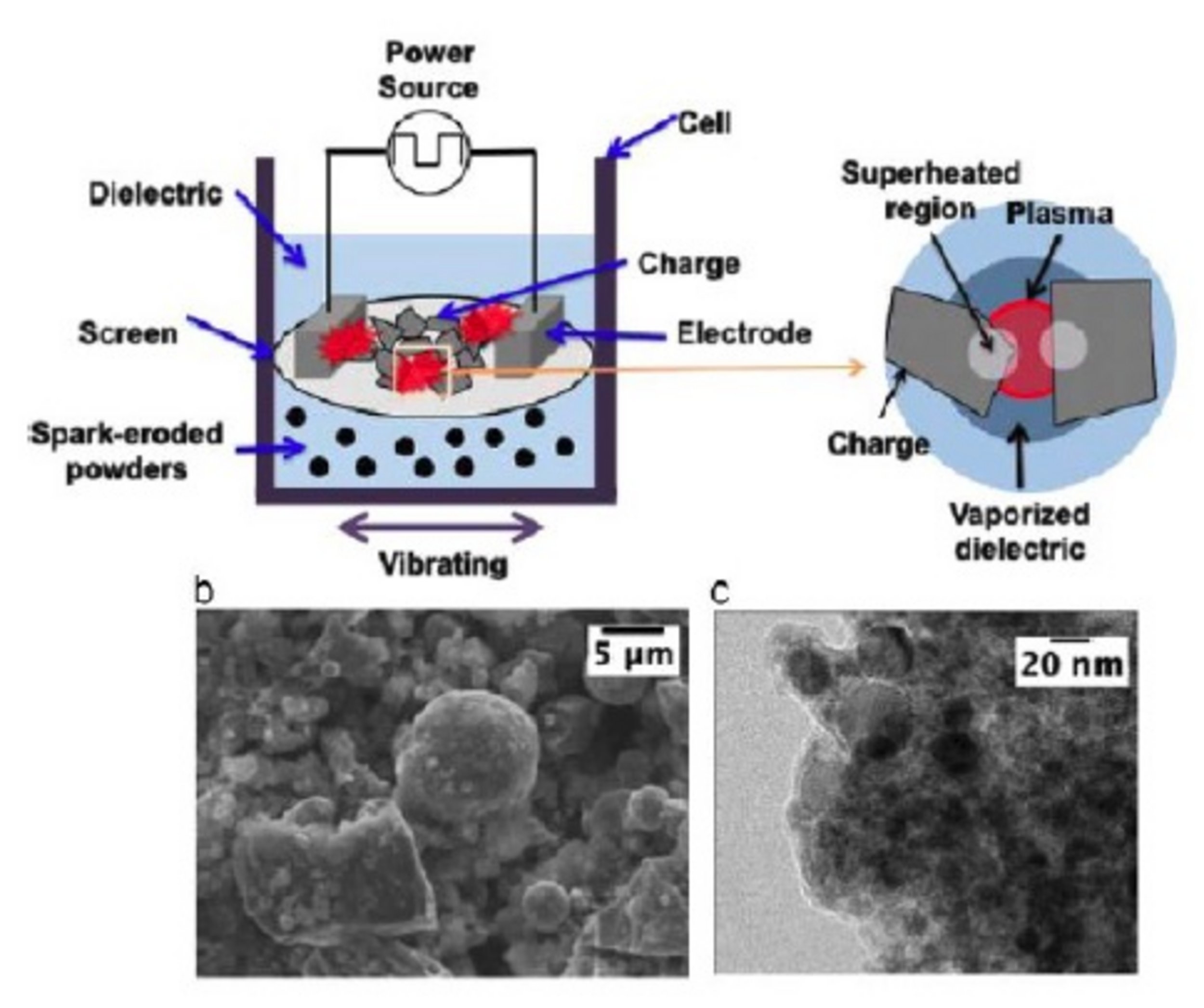
Spark erosion as a high-throughput method for producing bimodal nanostructured 316L stainless steel powderhttps://doi.org/10.1016/j.powtec.2018.01.012
Synthesis and Characterization of EGFR-Targeted Immunoporphysomeshttp://hdl.handle.net/1807/89548
Synthesis of Ultrasmall Synthetic Melanin Nanoparticles by UV Irradiation in Acidic and Neutral Conditionshttps://pubs.acs.org/doi/abs/10.1021/acsabm.9b00747
Nanoparticle Tracking Analysis for the Quantification and Size Determination of Extracellular Vesicles | Protocol (jove.com)https://doi.org/10.3791/62447
Isolation and characterization of EV in Saliva of Children with Asthmahttps://evcna.com/article/view/3962
Spinal cord injury alters microRNA and CD81+ exosome levels in plasma extracellular nanoparticles with neuroinflammatory potentialhttps://doi.org/10.1016/j.bbi.2020.12.007
Skeletal muscle tissue secretes more extracellular vesicles than white adipose tissue and myofibers are a major source ex vivo but not in vivohttps://doi.org/10.1101/2020.09.27.313932
Human milk extracellular vesicle miRNA expression and associations with maternal characteristics in a population-based cohort from the Faroe Islandshttps://www.nature.com/articles/s41598-021-84809-2
Purification of Cas9 - RNA Complexes by Ultrafiltrationhttps://doi.org/10.1002/btpr.3104
Assessment of Surface Glycan Diversity on Extracellular Vesicles by Lectin Microarray and Glycoengineering Strategies for Drug Delivery Applicationshttps://doi.org/10.1002/smtd.202100785
Bioactive extracellular vesicles from a subset of endothelial progenitor cells rescue retinal ischemia and neurodegenerationhttps://doi.org/10.1172/jci.insight.155928
Circulating Extracellular Vesicles From Septic Mice Induce Brain Inflammation via Mirna Cargohttp://hdl.handle.net/10713/19055


Measurement Range

10 nm to 15 μm

Typical Sample Volume

350 µL to 2.5 mL

Typical Sample Concentration
(Sample dependent)

10^5 – 10^9 particles/mL

Sample Temperature Range
(Controlled)

10° C to 50° C +/- 0.1° C

Dimensions

55 cm W x 66 cm D x 35 cm H

Weight

27 kg

Operational Environment

15° C to 30° C with < 85% RH


Biopharma
Pharmaceuticals and Medicine Manufacturing

Particle Analysis in Vaccine Manufacturing and Development

Size matters in vaccine delivery systems. Nanoparticles smaller than 200 nm generally present a greater immunogenic response than micro-particles larger than 1 micron.

Explore application
Biopharma
Pharmaceuticals and Medicine Manufacturing

Achieving Infectious Titer with Multi-laser Nanoparticle Tracking Analysis (NTA)

In this note, the upstream process of analyzing viral preparations is addressed, as well as the use of multi-laser nanoparticle tracking analysis (NTA) as a cost and time efficient method to measure size, count virus particles, and correlate to infectious titer.

Explore application
Chemistry
Polymers & Plastics

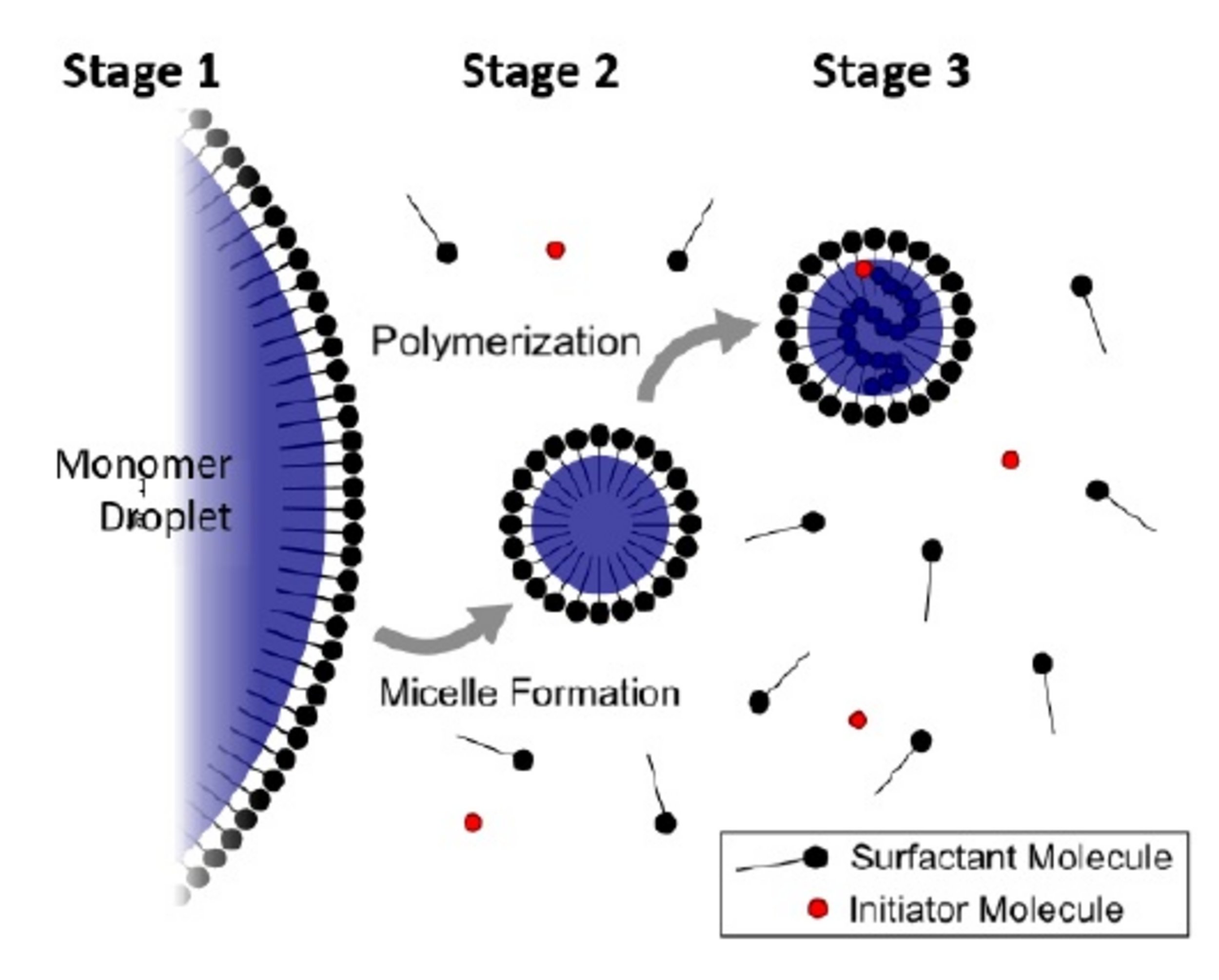
Optimization of an Emulsion Polymerization Process and Product Through Nanoparticle Concentration Analysis

This note covers the history, theory and processes used for emulsion polymerization. It also examines the importance of measuring the concentration of latex nanoparticles produced by emulsion polymerization for a biotech application developed by the Gianneschi lab at UCSD.

Explore application
Food & Beverage
Alcoholic Beverages | Non Alcoholic Beverages
Predicting Whiskey Shelf Stability with Particle Size Distribution

Careful control of the particulates in whiskey is an important step to quality flavor and color. Inadequate monitoring of particle size impedes the final product stability, consistency, quality, and price. In this note, the particle science behind these determining factors will be thoroughly examined and explained.

Explore application
Metallurgy
Metal Powder

Optimization of High-Performance Nanostructured Powder Metallurgy Materials

In this note, we will briefly explore the history of powder metallurgy and then examine the importance of powder quality to the production of nanomaterials.

Explore application
Chemistry
Chemicals

Nanobubble Size and Concentration Analysis with Multi-laser NTA

This note analyzes carbon dioxide and oxygen gas nanobubbles used for pain management to demonstrate multi-laser Nanoparticle Tracking Analysis’s ability to characterize a mixture of nano and microbubbles without sample manipulation.

Explore application
Biopharma
Pharmaceuticals and Medicine Manufacturing

Accurate Protein Aggregation Analysis

Protein aggregation is an important concern when developing and manufacturing biotherapeutics. It is important to quantify protein aggregation and particle formulation as this data is needed to guide formulation development, evaluate handling requirements, and monitor product quality.

Explore application
Biotechnology & Biomedical
Life Sciences

Size Distribution and Concentration of Extracellular Vesicles

In this study, we demonstrate the ViewSizer 3000’s capabilities as a next generation NTA based analysis instrument in order to accurately and efficiently measure and characterize extracellular vesicles (EV) via particle size and concentration.

Explore application
Biopharma
Pharmaceuticals and Medicine Manufacturing

Characterization of Sub-Visible Particles in Protein Therapeutic Formulations

The ViewSizer™ 3000 enables scientists to visualize and quantify the kinetics of protein aggregation in real-time for biologic therapeutics under a variety of stress conditions.

Explore application
Metallurgy
Metal Powder

Metal Powder Size Measurement

Virtually any metal can be made into a powder through processes including atomization, electrolysis, chemical reduction, and size comminution. The metal powder can then be used to fabricate parts from simple to complex shape. The technique and study of these processes is known as powder metallurgy, a field of study well acquainted with particle characterization. The size distribution and shape of the powder metal particles influences the physical properties of the parts created.

Explore application
Environment
Drinking Water Utilities

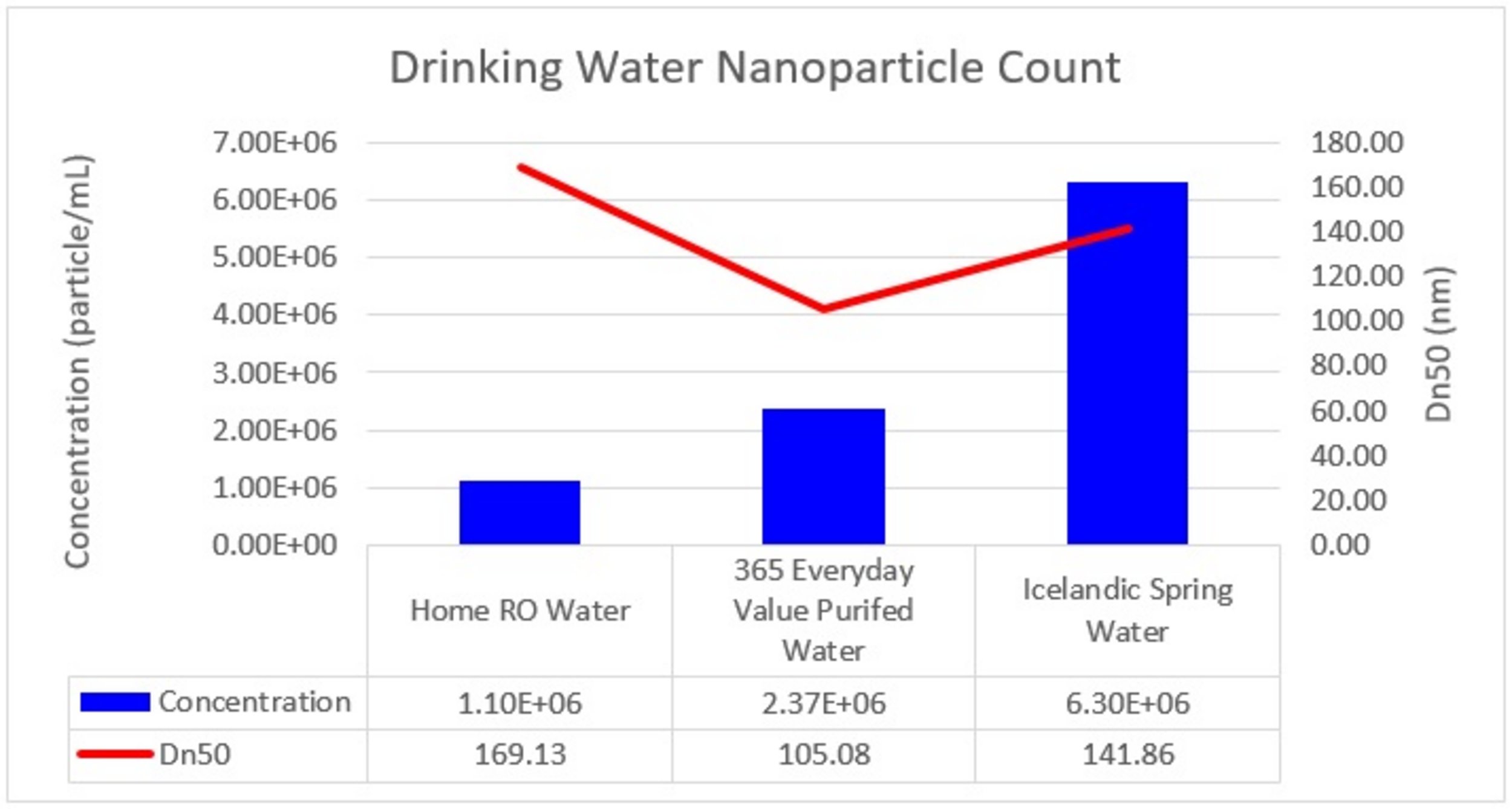
Quantifying Trace Amount of Nanoparticles in Drinking Water

The concern of water contamination from nanoplastics (≤ 1 µm) is a study receiving close scrutiny from FDA and EPA alike. Nanoparticles can gain access through inhalation, ingestion, or dermal exposure and have greater cellular uptake than those bigger in size. Nanoparticles subsequently pose a greater impact on health.

Explore application
Biopharma
Pharmaceuticals and Medicine Manufacturing

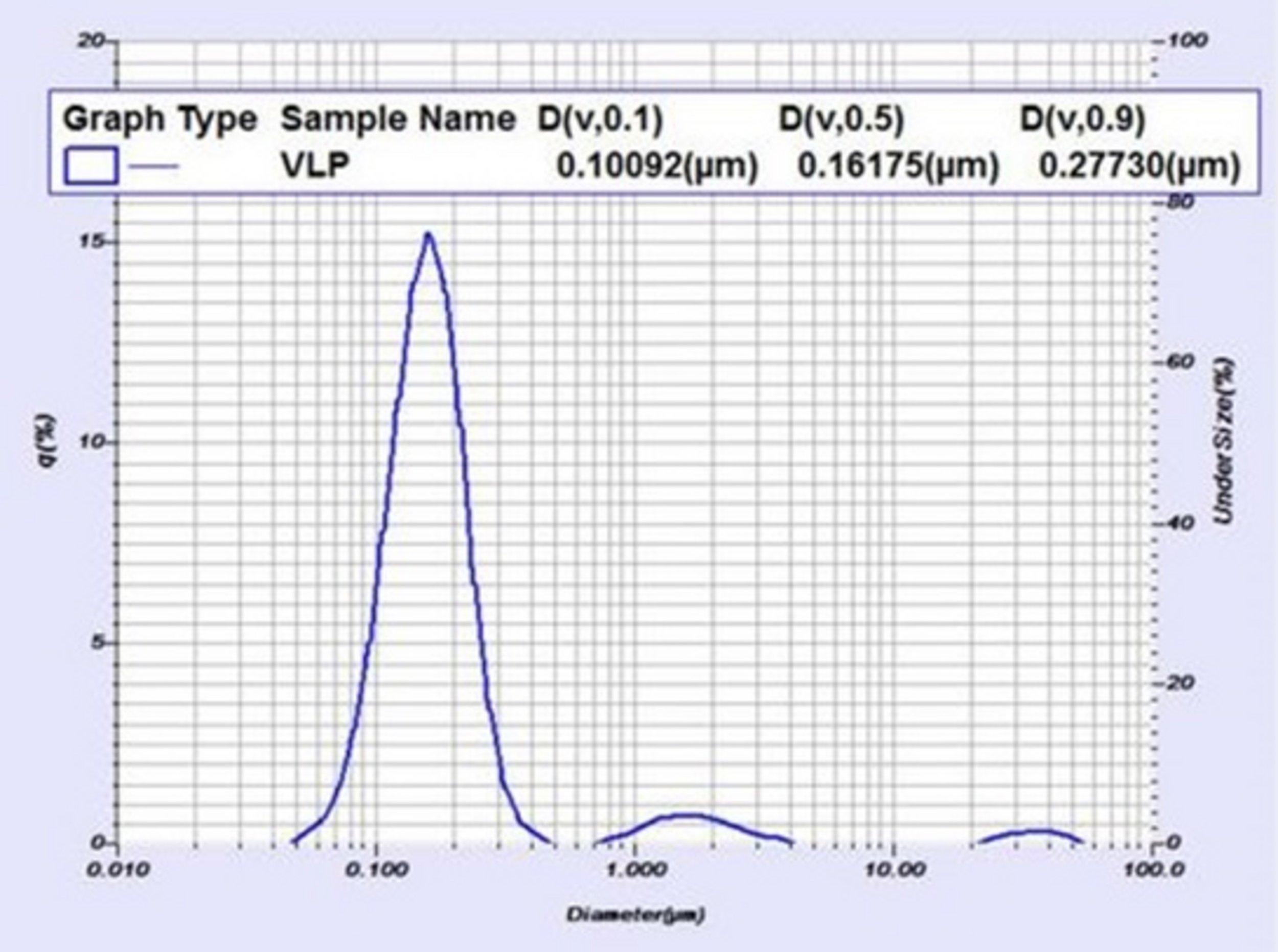
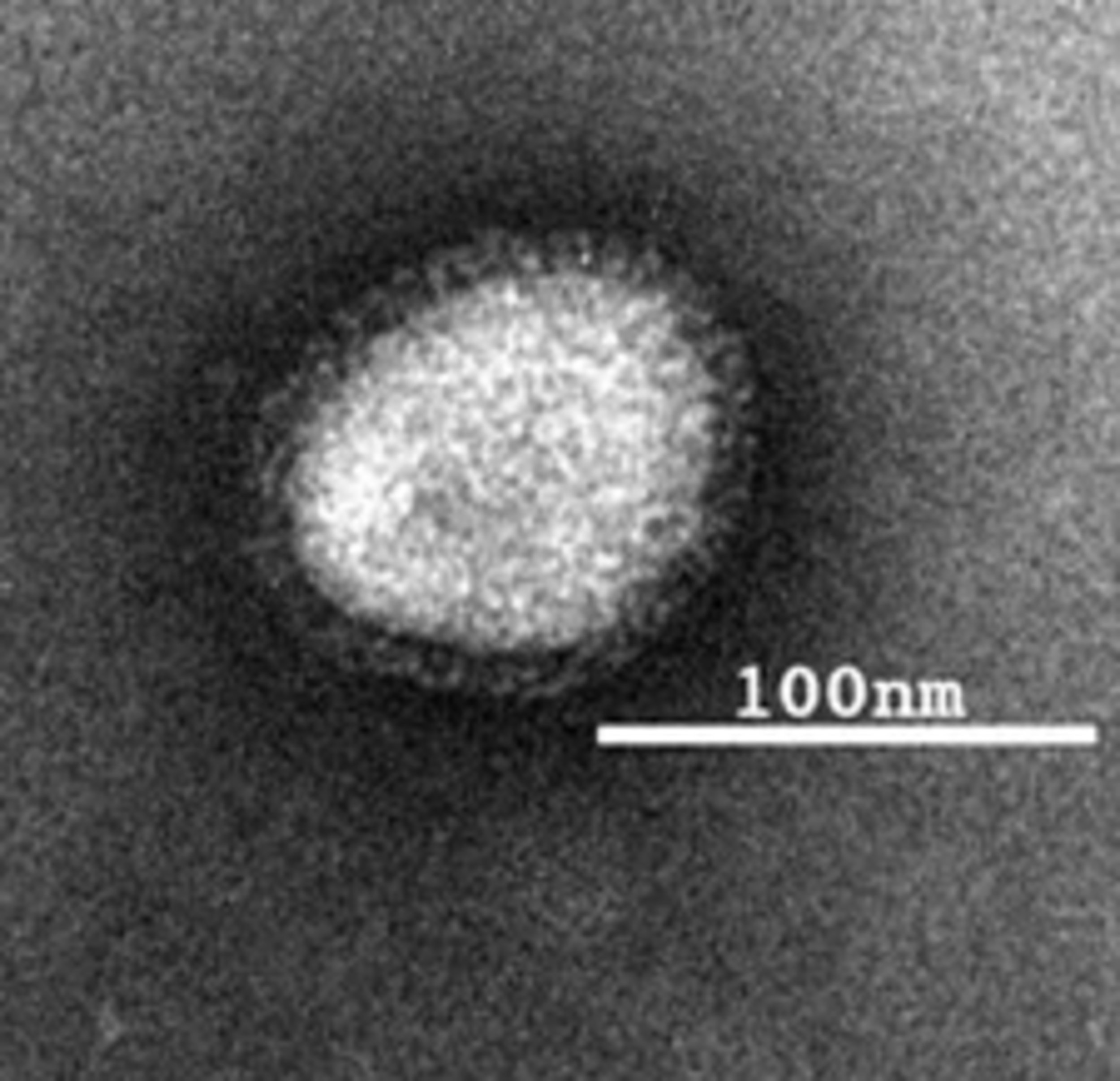
Viruses and Virus-Like Particles

A virus particle consists of several parts including the genetic material (DNA or RNA), a protein coat that protects these genes, and in some cases an envelope of lipids that surrounds the protein coat when they are outside a cell.

Explore application
Biopharma
Pharmaceuticals and Medicine Manufacturing | Nanoscience | Life Sciences

Enhanced Characterization of Fluorescently Labeled Extracellular Vesicles using ViewSizer 3000

Exosomes are small extracellular vesicles, 30-150 nm in diameter, which have been determined to play a crucial role in extracellular signaling. They have been observed in both prokaryotic and eukaryotic organisms, meaning they are incredibly widely spread in nature. Exosomes bud off from their parent cells in a sealed package, taking the properties of their parent cell walls with them and encasing many intracellular components.

Explore application
Nanoscience
Nanoscience

Comparison of Extracellular Vesicle Purification Methods

Extracellular vesicles (EVs) are particles secreted by cells and contain valuable information for both diagnostic and therapeutic purposes. However, the collection, storage, preparation, and separation of samples significantly influence EV yield both quantitatively and qualitatively.

Explore application
Nanoscience
Nanoscience

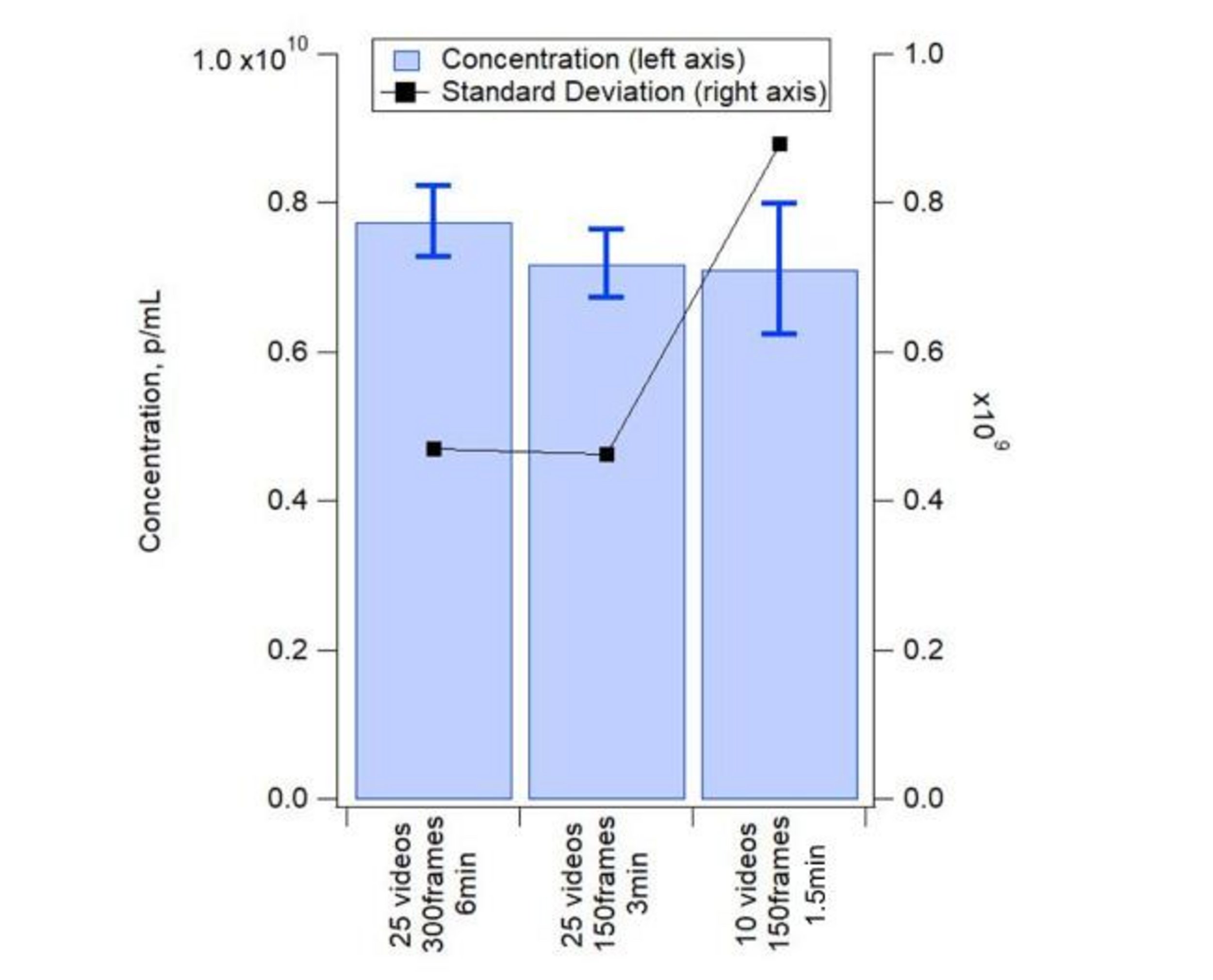
Tradeoffs for Rapid NTA Measurements

Nanoparticle tracking analysis (NTA) is a high-resolution technique for analyzing extracellular particle (EP) size and concentration. Unlike dynamic light scattering (DLS), which offers bulk measurements, NTA tracks individual particle movements, making it ideal for polydisperse samples like extracellular vesicles (EVs). However, longer recording times are often required to capture sufficient data before particles leave the field of view. This study examines how reduced measurement durations impact the trade-off between data acquisition speed and result precision.

Explore application
Material Research

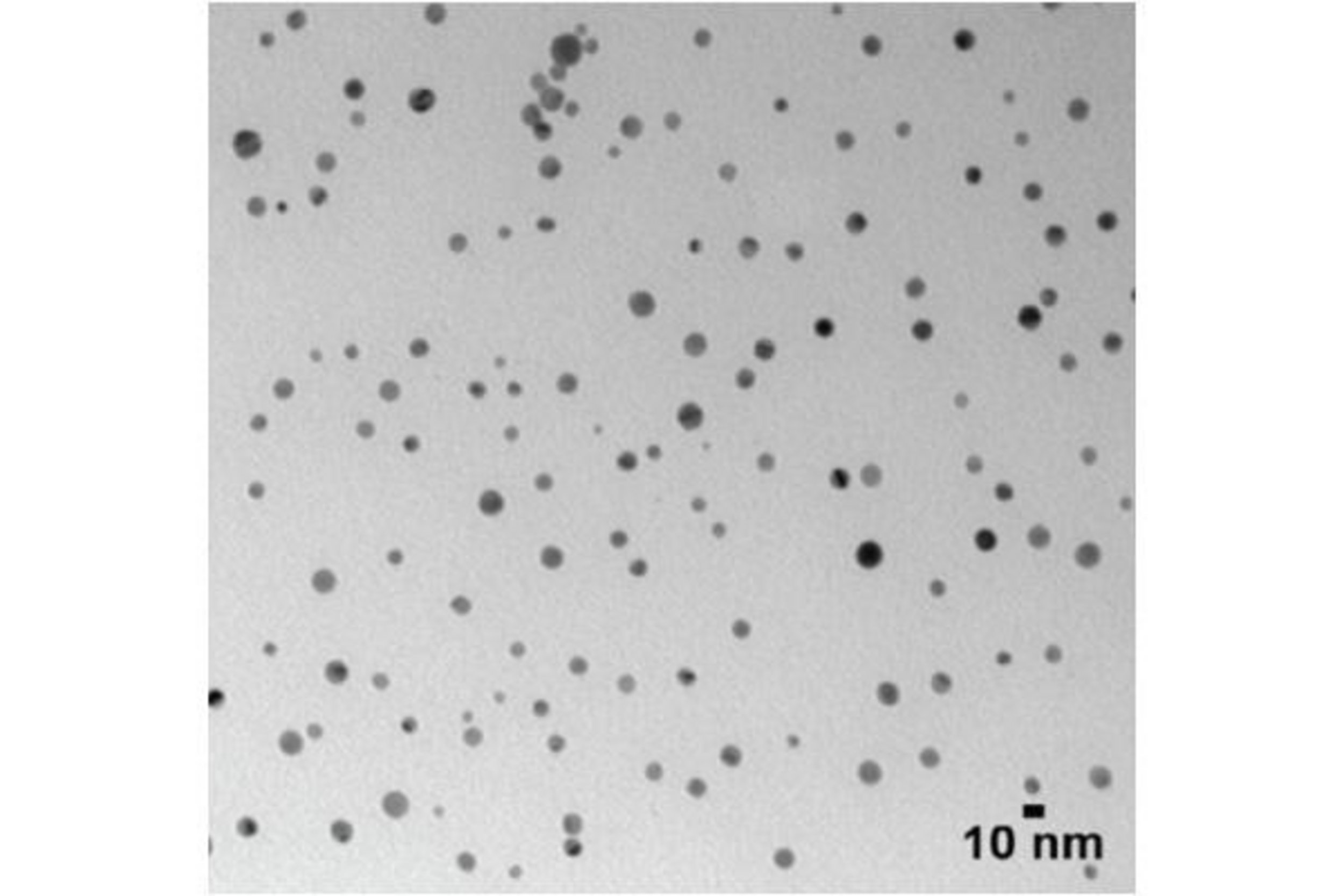
Investigating the Lower Size Limit of the ViewSizer 3000 with 10 nm Silver Nanoparticles

The ability to measure nanoparticles down to 10 nm is becoming more and more important to numerous fields as processes and products become more refined and demand for higher resolution particle size distribution data increases. In this application note, the ViewSizer 3000 was used to measure 10 nm silver nanoparticles confirmed by sizing from transmission electron microscope (TEM) images.

Explore application
Semiconductor Manufacturing Process

Tracking Settling of CMP Slurries with the ViewSizer 3000

Measuring the amount of oversize agglomerates for CMP slurries is crucial in maintaining the polishing performance in semiconductor fabs. Large particle counters struggle to count sizes below 500 nm, while particle sizing techniques like dynamic light scattering struggle to have enough resolution to see tails of the distribution above the main peak.

Explore application
Material Research

Polystyrene Latex (PSL) Standard Sedimentation Analysis on the ViewSizer 3000

Nanoparticle Tracking Analysis (NTA) is a technique that measures particle size based on the motion of individual particles. NTA is typically used for small particles that primarily experience Brownian motion. In cases with large or dense particles, sedimentation becomes the dominant force. The ViewSizer 3000 has a separate module, Sedimentation Analysis, that sizes sinking particles with diameters up to 15 microns based on Stokes’ law. In this application note, 3, 5, and 12 micron polystyrene latex particles were measured on the ViewSizer 3000 with Sedimentation Analysis.

Explore application
Material Research

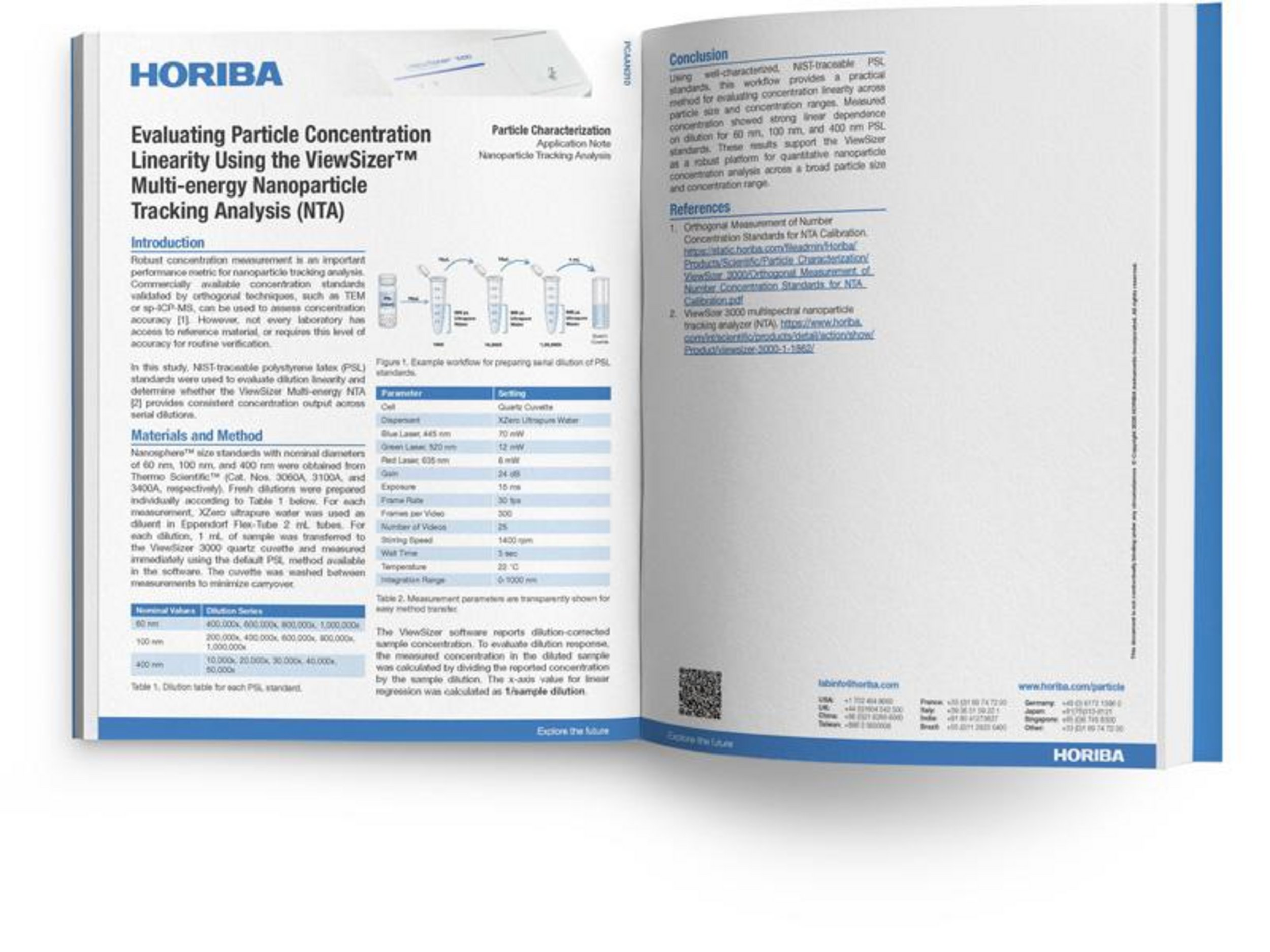
Evaluating Particle Concentration Linearity Using the ViewSizer™ Multi-energy Nanoparticle Tracking Analysis (NTA)

Robust concentration measurement is an important performance metric for nanoparticle tracking analysis. Commercially available concentration standards validated by orthogonal techniques, such as TEM or sp-ICP-MS, can be used to assess concentration accuracy. However, not every laboratory has access to reference material, or requires this level of accuracy for routine verification. In this study, NIST-traceable polystyrene latex (PSL) standards were used to evaluate dilution linearity...

Explore application
ViewSizer 3000 Brochure

ViewSizer 3000 Brochure

2.64 MBPDF
Particle Overview Brochure

Particle Overview Brochure

2.5 MBPDF
Particle Guidebook

Particle Guidebook

Learn why particle size is important, how to interpret particle size distribution calculations, result interpretation, setting specifications and more. HORIBA's full line of particle characterization instruments are explained in detail as well as how to select the right particle size analyzer for your application.

2.31 MBPDF
Accelerating Pharmaceutical Advancements Brochure

Accelerating Pharmaceutical Advancements Brochure

4.28 MBPDF
Market: Scientific
Výrobní společnost: HORIBA Instruments Incorporated

Požadavek na informaci

Máte nějaké dotazy nebo požadavky? Pomocí tohoto formuláře kontaktujte naše specialisty.

* Tato pole jsou povinná.

Nanoparticle Tracking Analysis