

PDF
0.27
MB
GA-370 Trace Gas Monitor
Brochure

Industrial gases are widely used in the steel, chemical, glass, electronics, shipbuilding, automobile, paper, energy, power generation, food, beverage, and other industries, while medical gases are used as a lifeline for people. In recent years, hydrogen (H2) has been attracting attention as a clean energy source. There are many ways to manufacture gases, so quality control of gases, such as by monitoring impurities in gases, is important when manufacturing high purity gases.
Schematic drawing of the ASU process
An air separation unit (ASU) produces high-purity gases such as oxygen (O2), nitrogen (N2), and argon (Ar) via cryogenic distillation. These gases are used across industries including the steel, chemical, energy, electronics, and healthcare industries, where even trace impurities can impact processes.
HORIBA supports industrial and medical gas production with analyzers for continuous trace-level impurity monitoring down to ppb levels, as well as purity monitors covering the full 0–100% range. The portfolio also includes radiation thermometers for gas cylinder temperature monitoring.
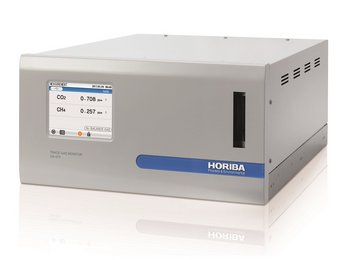
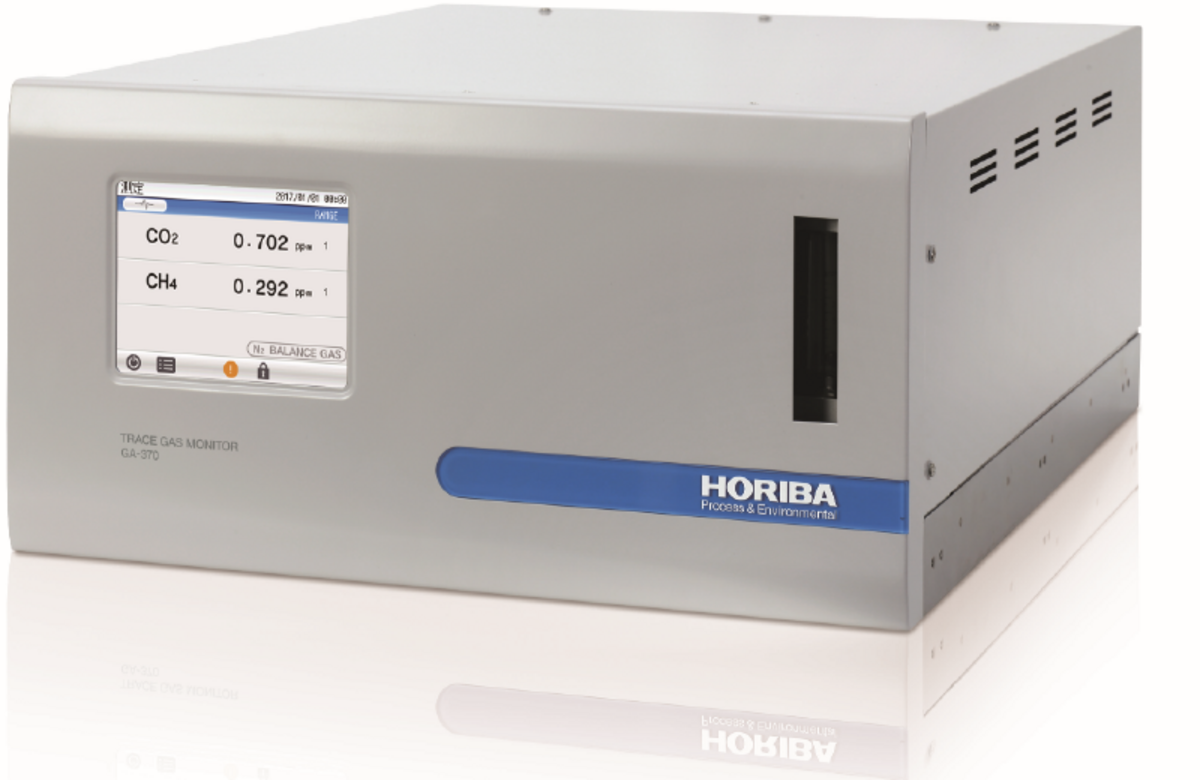
HORIBA's Trace Gas Monitor GA-370 uses non-dispersive infrared (NDIR) photometry to measure trace levels of nitrous oxide (N2O) and carbon dioxide (CO2) behind the repurification unit. Trace levels of CO2 are also measured in the N2 and O2 product stream with a typical monitoring level of 1 ppm.
GA-370 Trace Gas Monitor
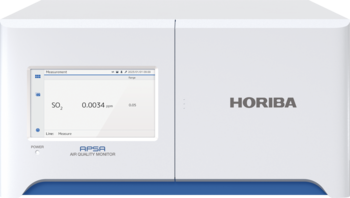
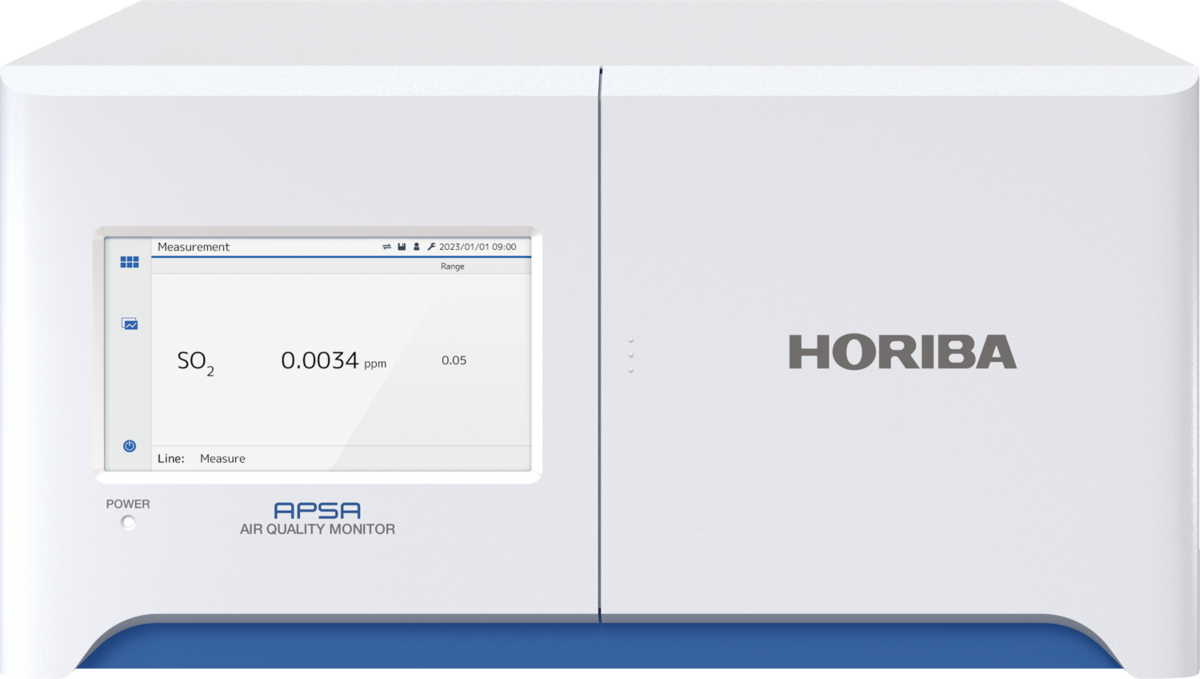
HORIBA's Sulfur Dioxide Monitor APSA-380 uses UV fluorescence to measure trace levels of total reduced sulfur (TRS) and sulfur dioxide (SO2) behind the repurification unit and in the N2 and O2 product stream.
APSA-380 Sulfur Dioxide Monitor
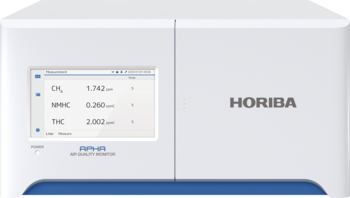
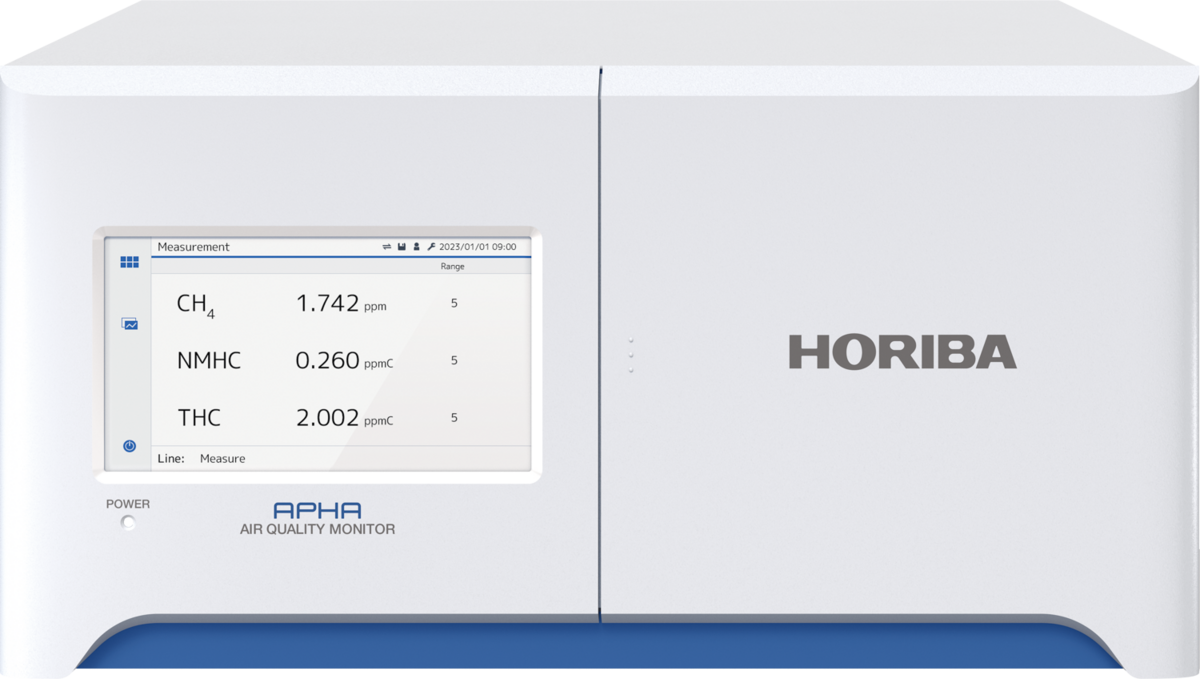
HORIBA's Hydrocarbon Monitor APHA-380 uses flame ionization detectors (FID) to measure trace levels of total hydrocarbons (THC) at the air inlet and behind the repurification unit.
APHA-380 Hydrocarbon Monitor
Methane reformers convert methane (CH4) into hydrogen-rich synthesis gas via high-temperature catalytic reactions with steam, carbon dioxide (CO2), or oxygen (O2). They are widely used for hydrogen (H2) production in refining, chemical processing, and energy applications.
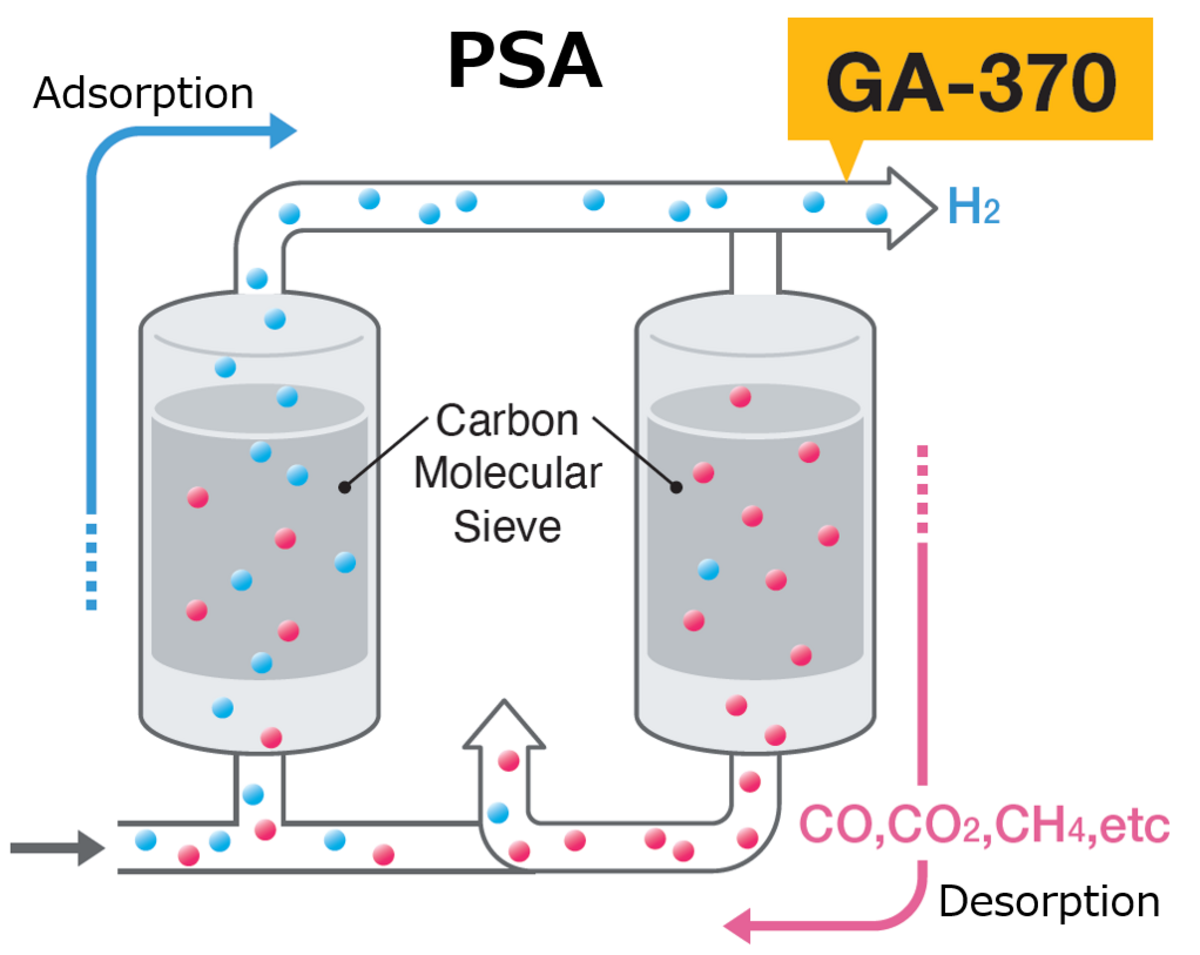
Downstream, Pressure Swing Adsorption (PSA) purifies the hydrogen, with typical residual impurities including CO, CO2, and CH4.
For fuel applications, ISO 14687 defines strict impurity limits. Carbon monoxide (CO) serves as a key indicator of hydrogen quality.
Schematic drawing of the PSA process
HORIBA's Trace Gas Monitor GA-370 uses non-dispersive infrared (NDIR) photometry to measure trace levels of carbon monoxide (CO), carbon dioxide (CO2) and methane (CH4) with measurement ranges starting at 0–1 ppm and a detection limit as low as 10 ppb.
GA-370 Trace Gas Monitor
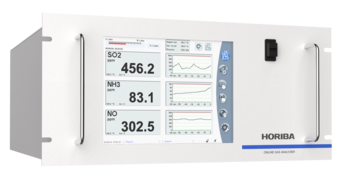
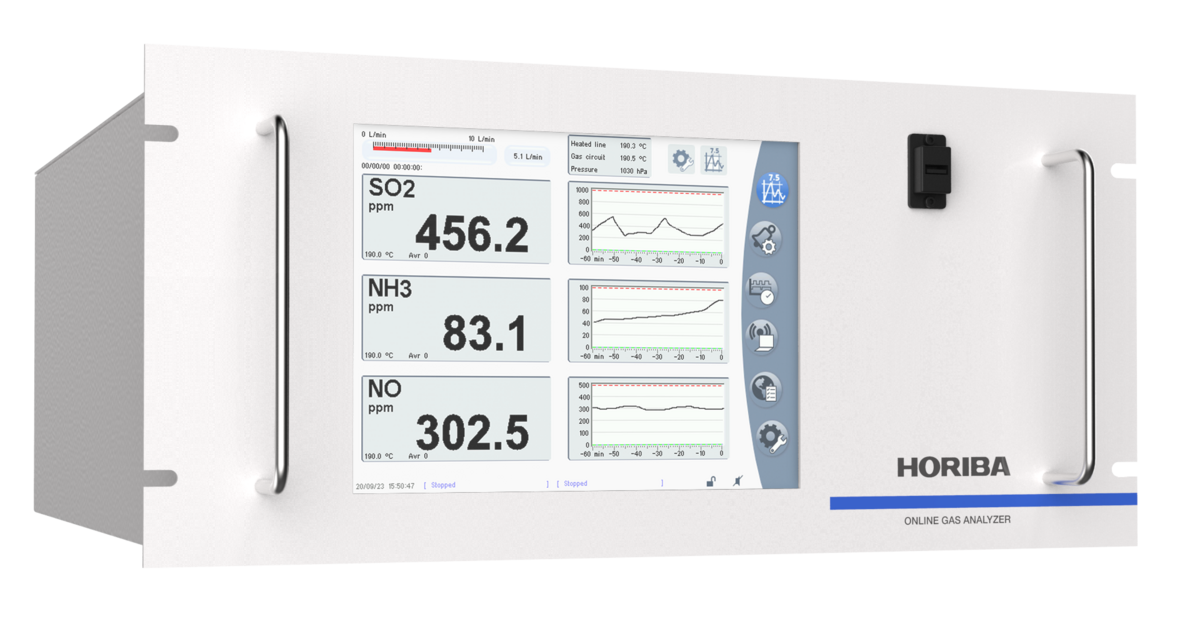
HORIBA’s Online Gas Analyzer EXM500-L uses UV spectroscopy to detect trace ammonia (NH3) contamination in hydrogen production.
EXM500-L Online Gas Analyzer
Medical gases such as oxygen, nitrogen, and medical air must meet stringent purity requirements to ensure patient safety and regulatory compliance. Even trace levels of contaminants can compromise therapeutic effectiveness or pose health risks, making continuous and reliable gas analysis essential throughout production, storage, and distribution.
Accurate purity measurement involves both the quantification of the primary gas (assay) and the detection of critical impurities at ppm to ppb levels. Advanced analytical technologies enable real-time monitoring and verification against standards such as pharmacopeia requirements, supporting consistent quality control and safe delivery of medical gases.
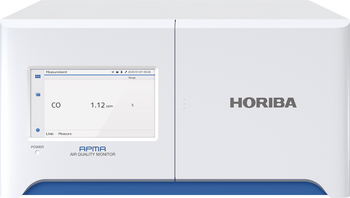
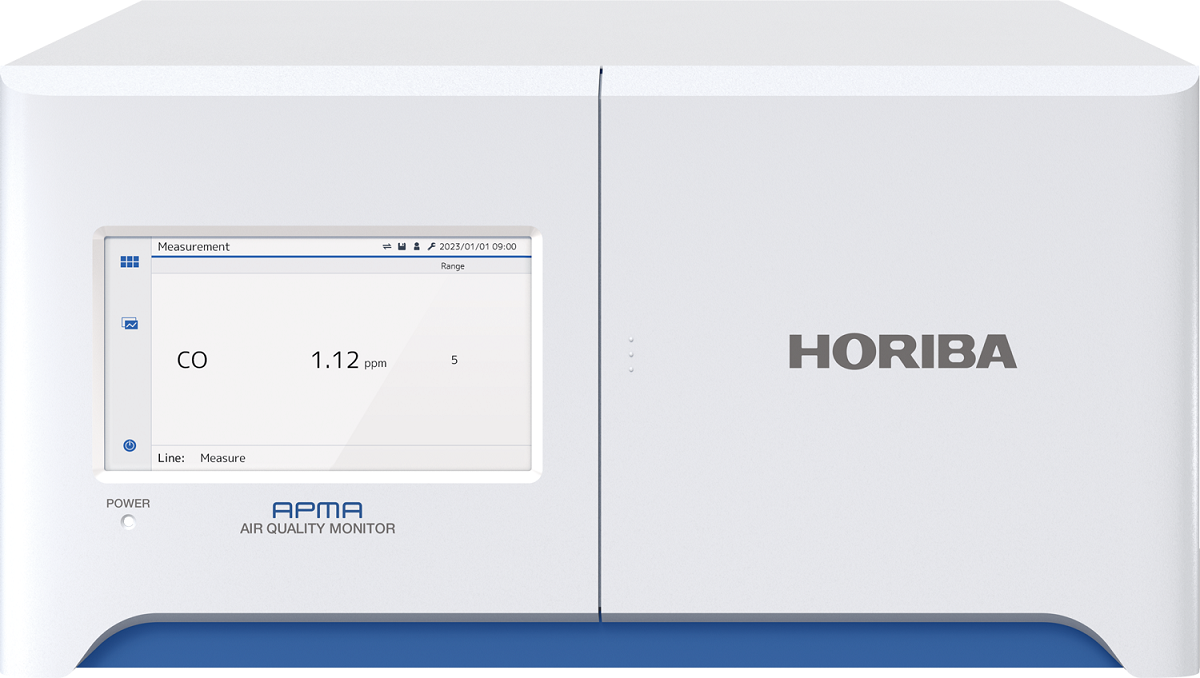
HORIBA's Trace Gas Monitor GA-370 or Carbon Monoxide Monitor APMA-380 use non-dispersive infrared (NDIR) photometry to measure trace levels of carbon monoxide (CO) with measurement ranges of 0–5 ppm in oxygen (O2), nitrogen (N2) or air backgrounds.
| O2 | O2 (93%) | N2 | Medical Air | |
|---|---|---|---|---|
| Assay | > 99.5% PMD | 90% < O2 < 96% PMD | > 99.5% GC | 20.4% < O2 < 21.4% PMD |
| CO impurity | < 5 ppm IR | < 5 ppm IR | < 5 ppm IR | < 5 ppm IR |
GA-370 Trace Gas Monitor
APMA-380 Carbon Monoxide Monitor
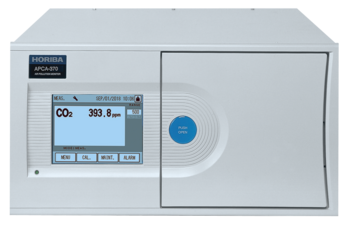
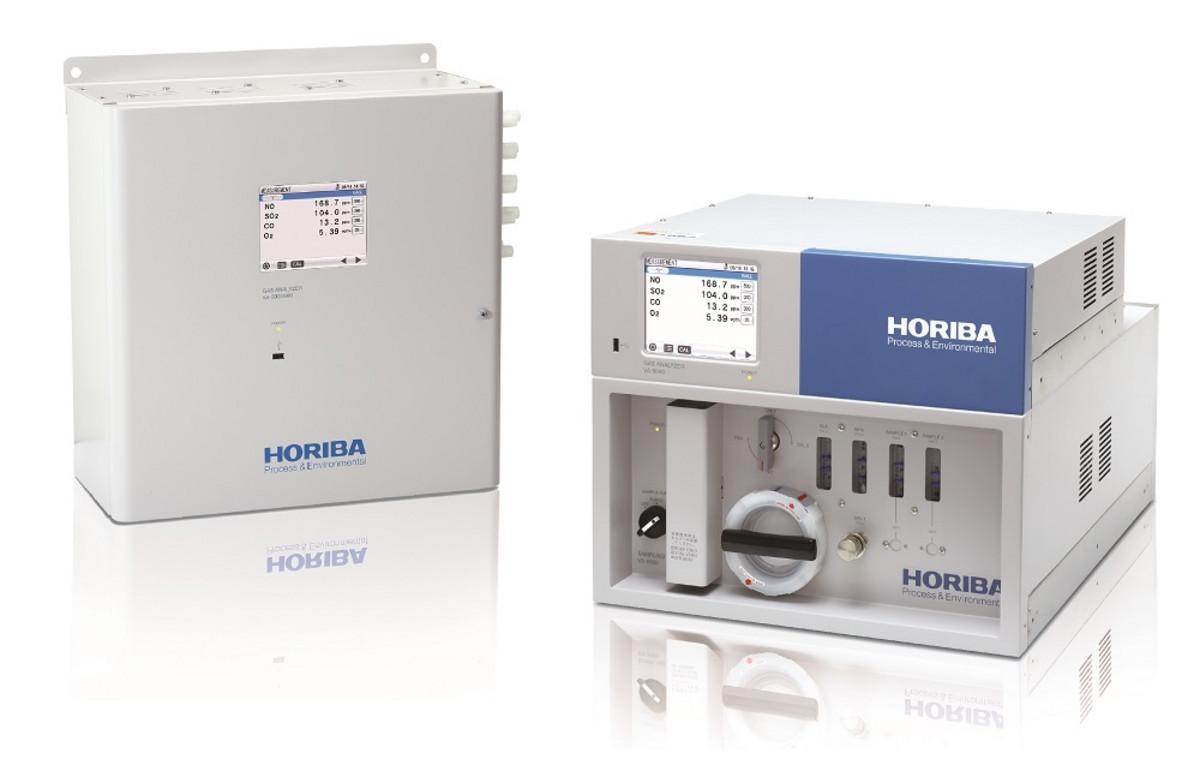
HORIBA's Multi-Component Gas Analyzer VA-5000 and Ambient Carbon Dioxide Monitor APCA-370 use non-dispersive infrared (NDIR) photometry to measure trace levels of carbon dioxide (CO2) and methane (CH4).
For measuring CO2 impurities in oxygen (O2), nitrogen (N2) or air backgrounds, VA-5000 offers measurement ranges starting at 0–300 ppm, while APCA-370 offers measurement ranges starting at 0–500 ppm.
For measuring CH4 impurities in helium (He), VA-5000 offers measurement ranges starting at 0–100 ppm, while APCA-370 offers measurement ranges starting at 0–50 ppm.
| O2 | O2 (93%) | N2 | Medical Air | He | |
|---|---|---|---|---|---|
| Assay | > 99.5% PMD | > 90% < 96% PMD | > 99.5% GC | O2 > 20.4% O2 < 21.4% PMD | > 99.5% GC |
| CO2 impurity | < 300 ppm IR | < 300 ppm IR | < 300 ppm IR | < 500 ppm IR | |
| CH4 impurity | < 50 ppm IR |
VA-5000 Multi-Component Gas Analyzer
APCA-370 Ambient Carbon Dioxide Monitor
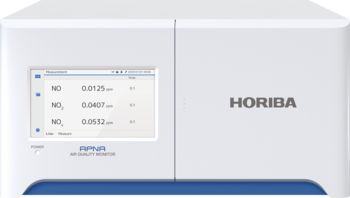
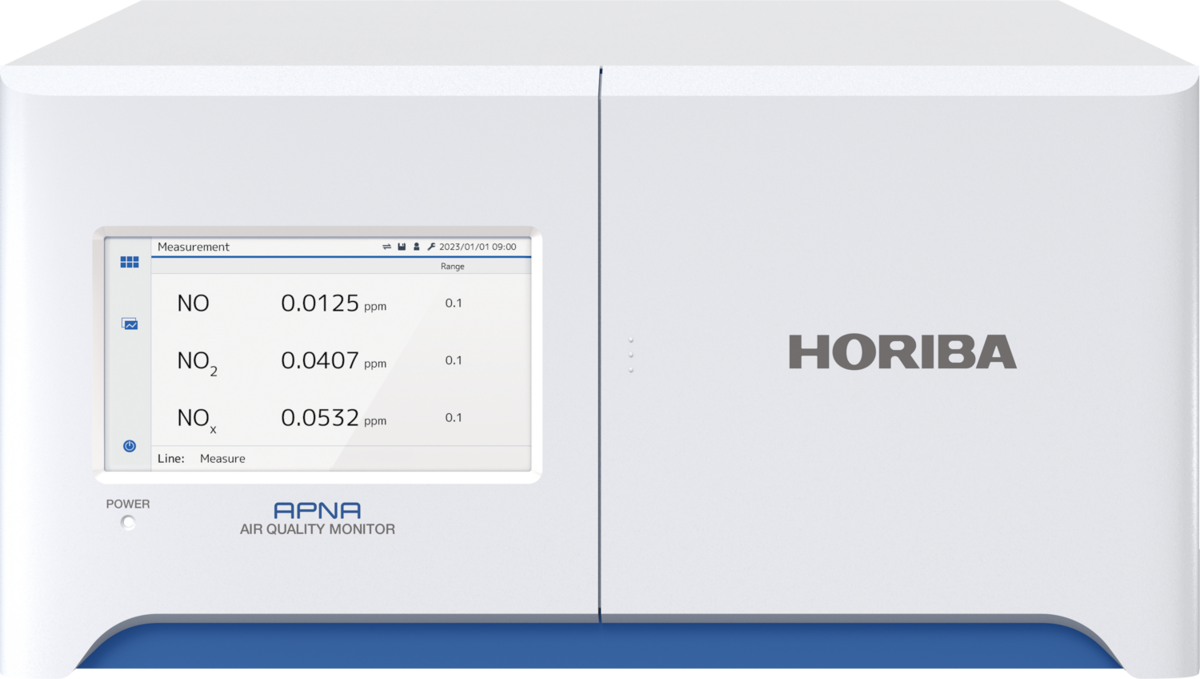
HORIBA's Nitrogen Oxides Monitor APNA-380 uses cross-flow modulated chemiluminescence (CLD) to measure trace levels of nitrogen oxides (NOx). With a dilution system, measurement ranges down to 0–2 ppm can be achieved in oxygen (O2), nitrous oxide (N2O), carbon dioxide (CO2) or air backgrounds.
| O2 (93%) | N2O | CO2 | Medical Air | |
|---|---|---|---|---|
| Assay | 90% < O2 < 96% PMD | > 98% IR | > 99.5% IR | 20.4% < O2 < 21.4% PMD |
| NOx impurity | < 2 ppm CLD | < 2 ppm CLD | < 2 ppm CLD | < 2 ppm CLD |
APNA-380 Nitrogen Oxides Monitor
HORIBA's Sulfur Dioxide Monitor APSA-380 uses ultraviolet fluorescence (UVF) to measure trace levels of sulfur dioxide (SO2) and total sulfur. With a dilution system, measurement ranges down to 0–1 ppm can be achieved in oxygen (O2), carbon dioxide (CO2) or air backgrounds.
| O2 (93%) | CO2 | Medical Air | |
|---|---|---|---|
| Assay | 90% < O2 < 96% PMD | > 99.5% IR | 20.4% < O2 < 21.4% PMD |
| SO2 impurity | < 1 ppm UVF | < 1 ppm UVF | |
| Total sulfur impurity | < 1 ppm UVF |
APSA-380 Sulfur Dioxide Monitor
HORIBA’s Online Gas Analyzer EXM500-L uses UV spectroscopy to measure trace levels of nitrogen dioxide (NO2) with measurement ranges of 0–400 ppm in nitric oxide (NO) backgrounds.
| NO | |
|---|---|
| NO2 impurity | < 400 ppm UV |
EXM500-L Online Gas Analyzer
HORIBA's Multi-Component Gas Analyzer VA-5000 and the Trace Gas Monitor GA-370 can be used to measure various assays like suppressed oxygen (O2), suppressed nitrous oxide (N2O), suppressed carbon dioxide (CO2) or carbon monoxide (CO) in nitrogen (N2).
| O2 | O2 (93%) | N2O | CO2 | Med. Air | Syn. Med. Air | 5% CO in N2 | |
|---|---|---|---|---|---|---|---|
| Assay | > 99.5% PMD | > 90% < 96% PMD | > 98% IR | > 99.5% IR | O2 > 20.4% O2 < 21.4% PMD | O2 > 21.0% O2 < 22.5% PMD | CO > 4.75% CO < 5.25% IR |
VA-5000 Multi-Component Gas Analyzer
GA-370 Trace Gas Monitor
The GA-370 Trace Gas Monitor enables continuous, high-sensitivity monitoring of CO, CO2, CH4, and N2O in high-purity gases, supporting reliable quality control in air separation and semiconductor plants.
Download the brochure for detailed specifications and application insights.
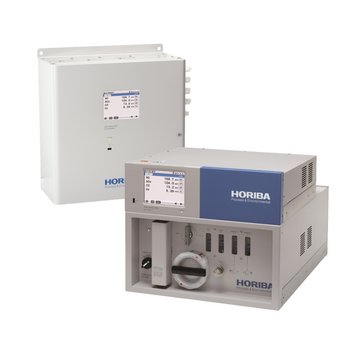
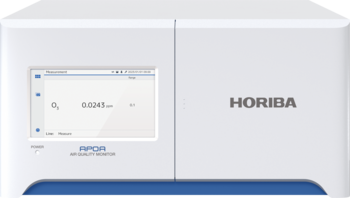
The AP-380 Series consists of the APNA-380 for measuring nitrogen oxides, the APSA-380 for measuring sulfur dioxide, the APOA-380 for measuring ozone, the APMA-380 for measuring carbon monoxide, and the APHA-380 for measuring hydrocarbons.
Download the brochures for detailed specifications and application information.
The VA-5000 Series is a configurable multi-component gas analyzer for environmental monitoring, energy applications, quality control, and CEMS, supporting up to four detector modules in a single enclosure.
Download the brochure for detailed specifications and configuration options.
The following application notes are available for download:
Watch our webinar "Continuous Gas Analysis for High-Quality Industrial and Medical Gases" and learn how gas purity and overall gas quality can be measured using different analytical technologies.
► Watch now!
Vous avez des questions ou des demandes ? Utilisez ce formulaire pour contacter nos spécialistes.
N2, O2, Ar: Air separator
CO2: Industrial sources or combustion
CO: Methane reformer (HyCO)
H2: H2O electrolysis and methane reformer
NH3: Haber-Bosch process
N2O: Heating of NH4NO3
NO: Oxidation of NH3
He: Natural gas sources
C2H4: Steam cracker
Non-dispersive infrared photometry (NDIR)
Used to measure impurities and purity levels in CO, CO2, N2O, CH4, etc.
UV fluorescence (after oxidation)
Used to measure impurities in SO2, H2S and other sulfur-containing compounds (TRS, TS).
Paramagnetic detector (PMD)
Used to measure impurities & purity in O2.
Chemiluminescence detector (CLD)
Used to measure impurities in NO, NO2, NOx.
Flame ionization detector (FID)
Used to measure impurities in CH4, C2H6, etc.