

PDF
0.65
MB
CBC+CRP (C Reactive Protein) measurement at NICU - Kumamoto Univ. Hospital

Pediatrician, Prenatal Care Center
Instrument: Hematology analyzer with 3-Diff + CRP
Parameters: CBC and CRP (C Reactive Protein)
Number of daily measurement: 4
Rapid testing and meditation is so vital for our patients. Their condition can deteriorate quickly even during the short period of time required to deliver the sample to the laboratory, which is typical for samples received after regular clinic hours.
Microsemi CRP in NICU
An instrument that rapidly measures CBC and CRP using small blood sample volume within a few minutes. This allows us to quickly treat patients with critical conditions. Testing at the central laboratory requires much larger volume of blood sample; at least 700 ul for two tests, 300 µL for CBC and 400 µL for CRP, which is too much for infants.
CBC and CRP testing is performed four times per day. Testing is conducted when infection is suspected in immature or low‑birth‑weight infants, as high fever is not always observed. When infants are not thriving and CBC and CRP results are normal, we can consider other possible causes, such as late‑stage circulatory failure. With the expansion of the ward, the number of tests is expected to increase significantly.
Quality is maintained by clinical technologists of Central Laboratory through daily control testing. If the control results are abnormal, the technologist contacts the manufacturer for an on-site inspection. The technologists provide the right information so that the instrument is usually repaired by the end of the day.
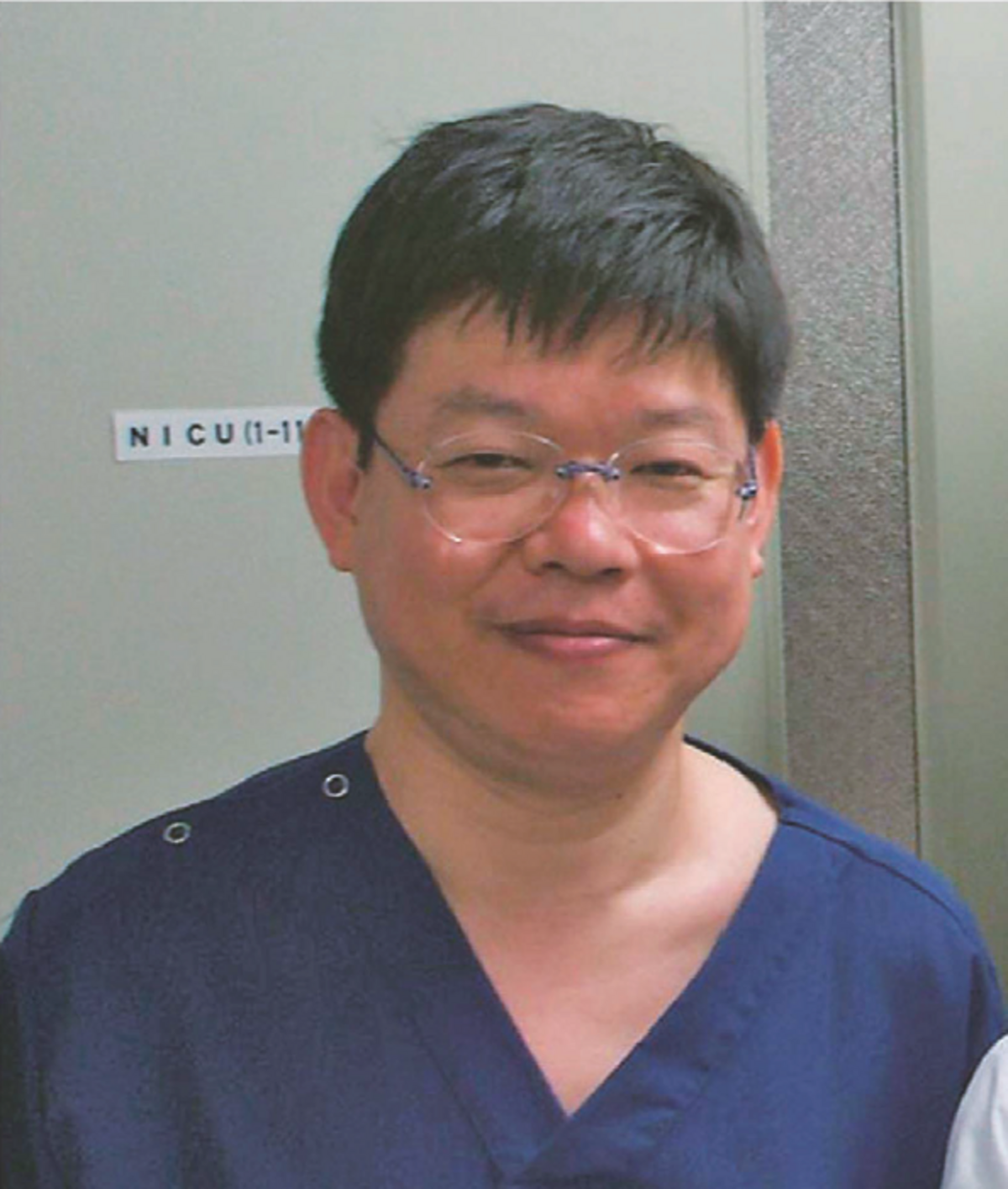
Dr. Iwai and Ms. Sasada
Mr. Ikeda, Director of Central Lab: We try to accommodate requests from clinical departments and expand the scope of our services as wide as possible. Visiting departments motivates our staff because they can see first hand how our work contribute to patient's daily medical care.
Ms. Sasada, Laboratory Technologist: Since I started maintaining and caring for the instruments in the wards, I have become more careful to make sure that the sample quantity is sufficient for testing. Also, our improved communication with doctors, nurses and other staff definitely contributes to us offering better medical care to patients.
Dr. lwai: I feel that since the laboratory technicians see the situation in NICU, they become more cooperative to help care for our infants. We appreciate very much Mr. Sasada' s daily maintenance and quality control work, which enables us to obtain reliable test results.
Masz pytania lub prośby? Skorzystaj z tego formularza, aby skontaktować się z naszymi specjalistami.