Researchers reveal how HORIBA’s fluorescence spectroscopy solutions turn ideas into discoveries and innovation into impact.
Our customer Testimonials attest to the value of using HORIBA instruments. Explore compelling real-world journeys in our Science in Action series, showing fluorescence technology overcoming challenges across diverse applications.
And learn how our equipment has played a role in the works of numerous Nobel Laureates, with some researchers using HORIBA instruments in the groundbreaking studies that ultimately earned them Nobel recognition.
Testimonials | Science in Action Articles | Nobel Laureate Connections | Contact us
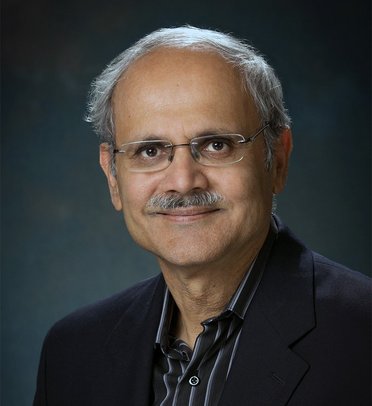
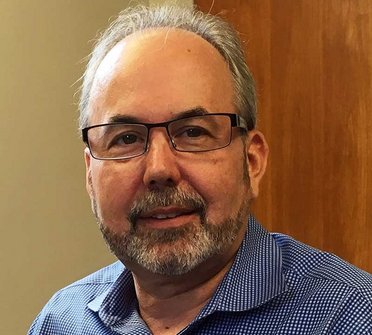
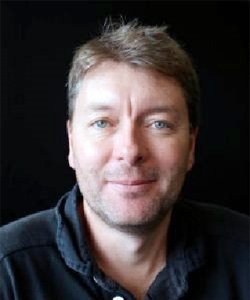
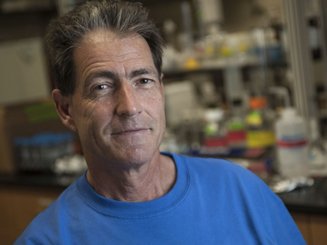
 Gérard Mourou, Ph.D., Nobel Prize in Physics Winner, 2018
When the Nobel Museum in Stockholm asked Dr. Gerard Mourou to choose a single item to display to commemorate his 2018 Nobel Prize-winning breakthrough, he chose a HORIBA grating. 
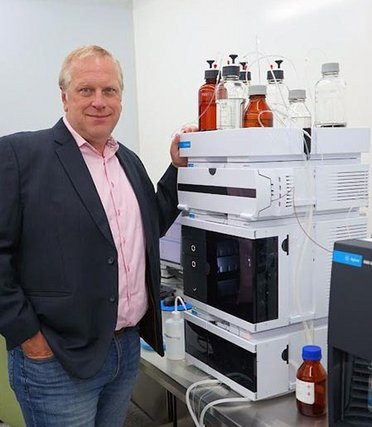
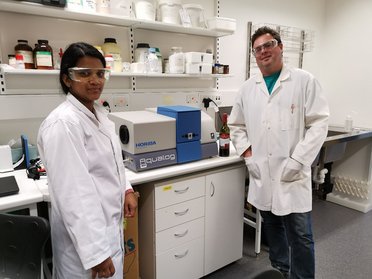
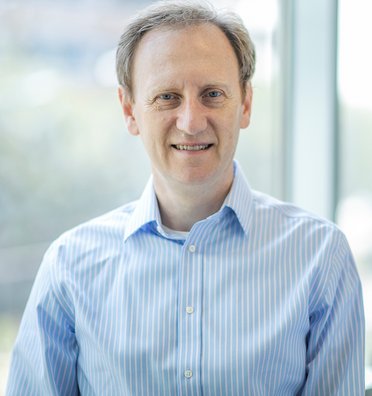
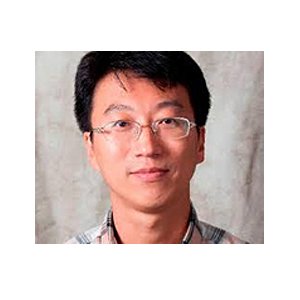
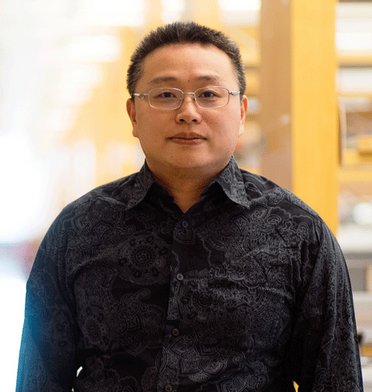
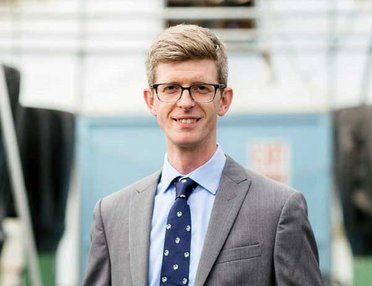
 Urban Wünsch, Assistant Professor at the Chalmers University of Technology:
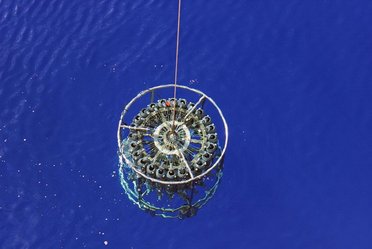
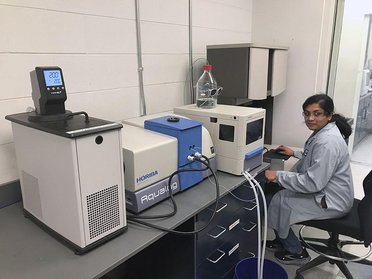
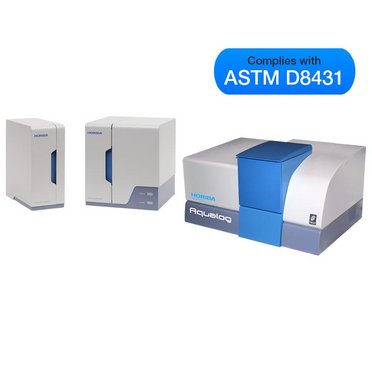
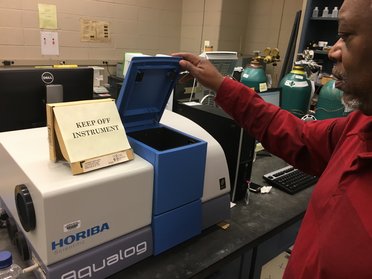
"We know the Aqualog really, really well. It’s a familiar instrument, a workhorse of our research. In order to push things a little, the Aqualog would be quite instrumental because it measures absorbance and fluorescence at the same time... the instrument allows us to collect both at the same time, which, when we combine that with high-pressure measurements, was the key point." 
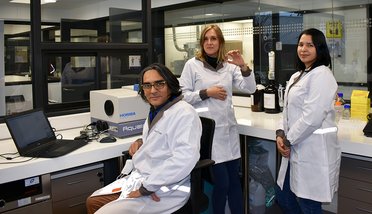
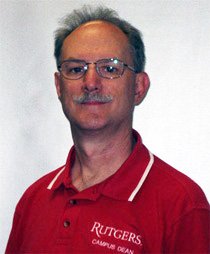
Dr. Maria G. Corradini, Associate Professor at the University of Guelph
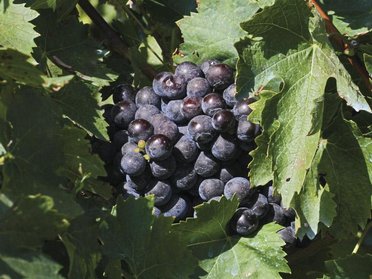
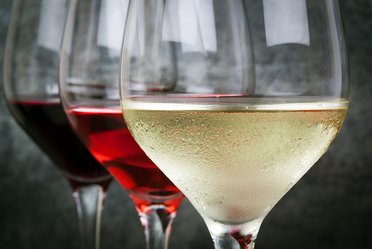
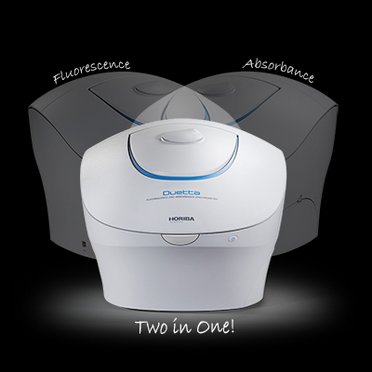
Fluorescence spectroscopy serves as a "fantastic" tool for rapid, noninvasive analysis. To execute her groundbreaking research in food integrity—including detecting counterfeit maple syrup—she relies on HORIBA's FluoroMax™ and Duetta™ systems, and looks to the advanced flexibility of the Veloci™ A-TEEM to expand her vital safety surveillance into new fields.

Máte nějaké dotazy nebo požadavky? Pomocí tohoto formuláře kontaktujte naše specialisty.