Máquinas móveis não rodoviárias (NRMM, na sigla em inglês) — também chamadas de equipamentos fora de estrada ou agrícolas — incluem motores usados em aplicações de construção, agricultura, mineração e indústria. Essas máquinas operam em condições altamente variáveis, o que torna o controle de emissões e a otimização de desempenho mais complexos do que em veículos rodoviários.
As regulamentações globais continuam a evoluir. Na Europa, a Fase V introduziu limites de emissões mais rigorosos, juntamente com o monitoramento em serviço utilizando sistemas portáteis de medição de emissões (PEMS), mudando o foco para a validação em condições reais de operação. Ao mesmo tempo, a pressão regulatória na América do Norte e em outras regiões continua a aumentar, com novas reduções nas emissões de NOx e partículas previstas para os próximos anos.
Consequentemente, testes NRMM eficazes exigem uma combinação de tecnologias de medição avançadas, ambientes de teste flexíveis e um profundo conhecimento das regulamentações globais em constante evolução.
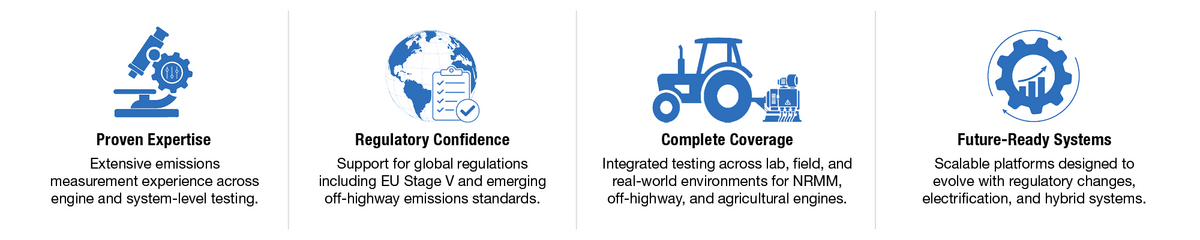
HORIBA oferece suporte aos testes de motores NRMM, fora de estrada e agrícolas com soluções integradas para medição de emissões, validação em condições reais e conformidade regulatória.
Desafios operacionais e de teste
Os motores para uso fora de estrada operam sob cargas dinâmicas, ambientes hostis e ciclos de trabalho imprevisíveis, o que afeta o comportamento das emissões e a consistência dos testes, tornando a validação no mundo real mais complexa.
Os principais desafios incluem:
Atender às regulamentações globais
O cenário regulatório para NRMM (Materiais de Resgate e Manutenção de Recursos Naturais) e equipamentos fora de estrada está se tornando mais complexo e interconectado:
Essa mudança exige soluções de teste flexíveis que deem suporte ao desenvolvimento, à certificação e à validação em uso.
Discuta seus desafios regulatórios e de teste do NRMM com HORIBA
Testes de motores agrícolas NRMM em ambiente laboratorial utilizando um sistema de dinamômetro HORIBA Dynas3 para dar suporte à medição de emissões, validação de desempenho e conformidade regulatória.
HORIBA oferece uma solução completa para testes de motores NRMM, fora de estrada e agrícolas, auxiliando os fabricantes a atender aos requisitos atuais e a se adaptar às regulamentações globais em constante evolução.
As funcionalidades incluem:
Medição precisa em diversas condições: Analisadores de alta precisão para dados consistentes de gases e partículas (PN, PM).
Validação de emissões em condições reais:Sistemas portáteis de medição de emissões (PEMS) para testes em uso e em campo.
Análise de desempenho e durabilidade: Testes integrados de motor e transmissão com avaliação do ciclo de vida.
Experiência e alinhamento regulatório: O envolvimento ativo em discussões regulatórias globais apoia a evolução dos requisitos de conformidade.
Fluxos de trabalho escaláveis e automatizados: Sistemas flexíveis que unificam processos de medição, automação e teste.
As soluções HORIBA combinam analisadores avançados, medição de partículas e automação em uma plataforma unificada, ajudando os fabricantes a gerar dados confiáveis, reduzir o risco de desenvolvimento e navegar com segurança pelas mudanças nos requisitos regulatórios.
Explore o NRMM e os sistemas de propulsão para agricultura e veículos fora de estrada, bem como os desenvolvimentos regulatórios.
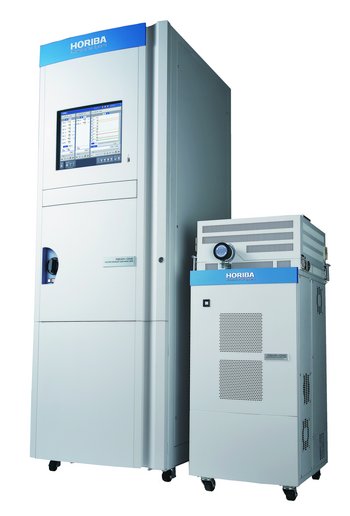
Analisador de gases de escape para testes de motores e veículos
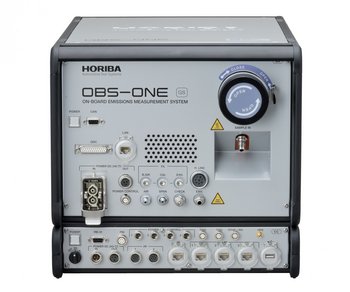
Sistema de Medição de Emissões a Bordo
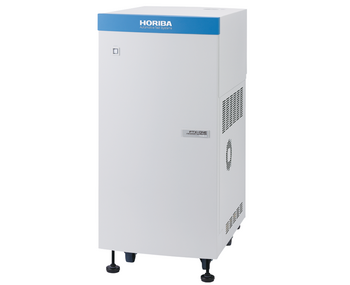
Analisador de gases de escape FTIR para medição direta de gases de escape

Software de automação de testes para testes de emissões
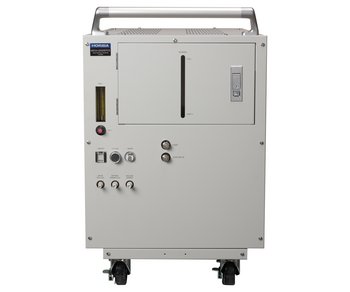
Sistema de contagem de partículas sólidas
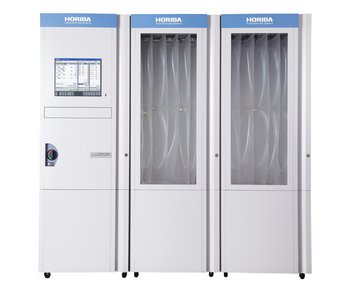
Amostrador de volume constante para emissões diluídas de veículos e motores
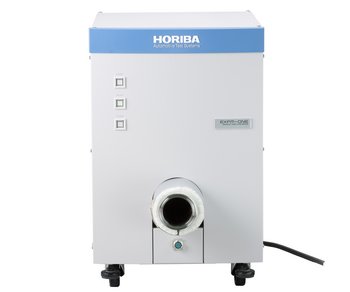
Medidor de fluxo de gases de escape ultrassônico para medição de emissões em tempo real
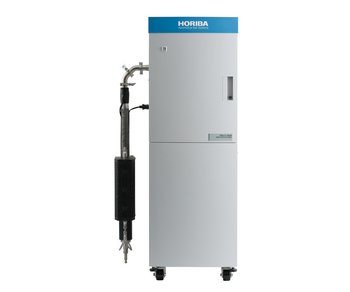
Túnel de microdiluição para amostragem de material particulado
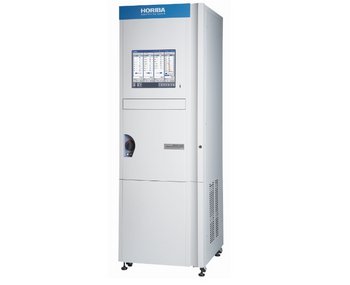
Analisador de gases de escape de motores por FTIR
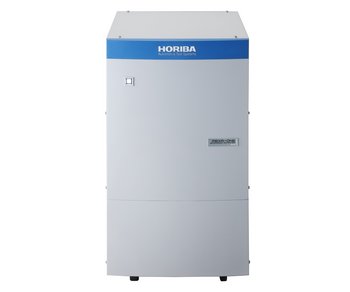
Analisador espectroscópico a laser para medição de NOx e NH3
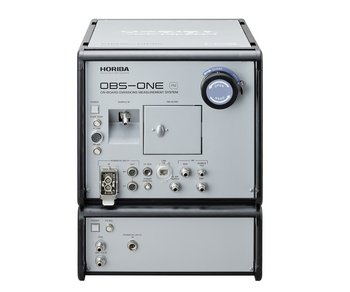
Sistema de Medição de Emissões a Bordo
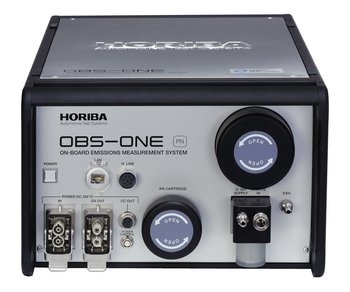
Sistema de Medição de Emissões a Bordo
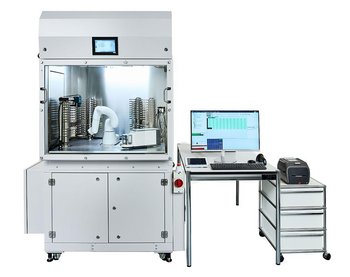
Sistema de gerenciamento de filtro de partículas
Explore soluções para o desenvolvimento de motores para veículos leves, medição de emissões e testes de certificação.
Explore soluções para o desenvolvimento de motores de serviço pesado, medição de emissões e testes de certificação.
Os testes de motores para máquinas móveis não rodoviárias (NRMM, na sigla em inglês) avaliam as emissões, o desempenho e a durabilidade de motores usados em equipamentos fora de estrada, como máquinas de construção, agrícolas e industriais. Os testes normalmente incluem validação em laboratório e medições em condições reais para garantir que os motores atendam aos requisitos regulamentares e funcionem de forma confiável em diversas condições operacionais.
As emissões do NRMM são medidas em condições reais de operação utilizando Sistemas Portáteis de Medição de Emissões (PEMS). Esses sistemas são instalados diretamente nas máquinas e medem poluentes como NO x, CO, CO2 e emissões de partículas enquanto o equipamento está operando em condições normais de trabalho.
Os testes PEMS capturam dados de emissões segundo a segundo durante o uso real — como trabalhos de construção, operações agrícolas ou movimentação de materiais — fornecendo uma representação mais precisa do comportamento do motor do que os testes de laboratório isoladamente.
NRMM (Non-Road Mobile Machinery) é o termo comumente usado na Europa, particularmente em regulamentações como a Fase V da UE. Na América do Norte e em outros mercados, equipamentos semelhantes são frequentemente chamados de equipamentos fora de estrada, enquanto equipamentos agrícolas são usados quando se refere especificamente a aplicações agrícolas.
Embora a terminologia varie conforme a região, esses termos geralmente descrevem as mesmas categorias de motores usados fora do transporte rodoviário público.
As regulamentações do NRMM estão se tornando mais rigorosas e cada vez mais focadas em emissões reais e conformidade a longo prazo.
Por exemplo, Fase V da UE requer Monitoramento em serviço (ISM, na sigla em inglês), onde as emissões são medidas durante a operação normal usando PEMS para garantir que os motores permaneçam em conformidade ao longo do tempo.
De forma mais ampla, as tendências regulatórias globais incluem:
Essas mudanças estão transformando os testes do NRMM de um processo de certificação único para uma abordagem de validação contínua.
O monitoramento em serviço (ISM, na sigla em inglês) refere-se à medição das emissões dos motores durante a operação normal ao longo do tempo. De acordo com regulamentações como a Fase V da UE, o ISM exige que os fabricantes coletem dados de emissões em condições reais de operação usando sistemas de monitoramento de emissões de motores (PEMS, na sigla em inglês) para demonstrar a conformidade contínua e apoiar o desenvolvimento regulatório futuro.
Você tem alguma dúvida ou solicitação? Utilize este formulário para entrar em contato com nossos especialistas.