Applications

Biopharma and Pharma

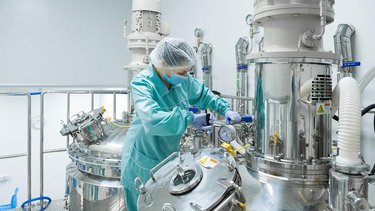
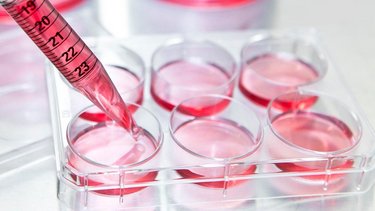
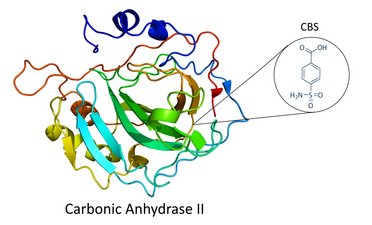
HORIBA is at the forefront of advancing next-generation biotherapeutics and pharmaceuticals, leveraging novel biomolecules and innovative delivery mechanisms to combat diseases. These biotherapeutics, cultivated in cell media, undergo crucial chemical and physical characterization steps for quality assurance during manufacturing and to deepen our understanding during development. From Raman-based protein secondary structure analysis to the rapid infectious titer determination through simultaneous multi-laser Nanoparticle Tracking Analysis, and the A-TEEM fluorescence method for AAV characterization and vaccine batch release, HORIBA provides indispensable insights that matter across the entire biotherapeutic journey, from development to manufacturing.

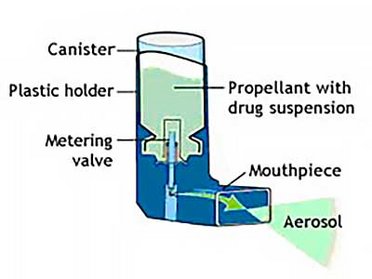
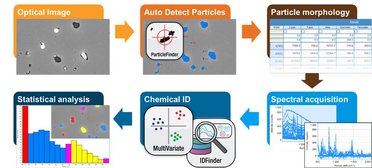
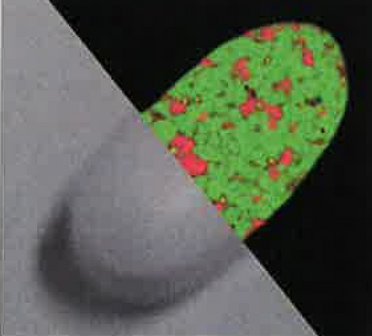
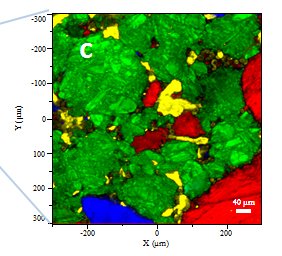
In the pharmaceutical arena, where small molecule therapeutics offer diverse administration routes, from pills and capsules to inhalation devices, precision is paramount. The quality of these products hinges on knowing component quantities, distribution, and size. HORIBA's comprehensive portfolio of analytical instruments, encompassing cutting-edge Raman microscopy and a full range of particle sizing techniques, accelerates product development, addresses critical troubleshooting questions, and excels in contaminant identification. Additionally, HORIBA's expertise extends to the biotechnology field, where we contribute to all aspects, from R&D to on-line measurement, supporting high-quality, high-efficiency production, and post-use wastewater monitoring in this rapidly evolving industry.
Contact Form

Lifecycle of Biopharma

Applications of Biopharma and Pharma


HORIBA Solutions

PoliSpectra RPR
PoliSpectra RPR

高通量拉曼快速筛选平台

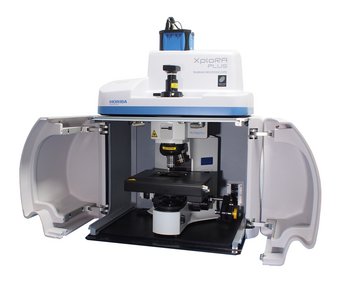
XploRA™ PLUS
XploRA™ PLUS

高性能全自动拉曼光谱

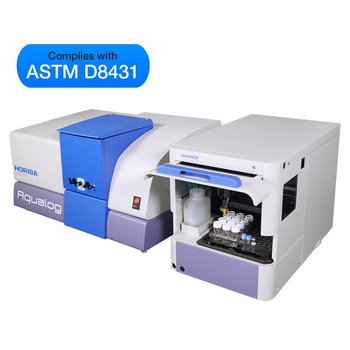
Aqualog-A-TEEM 工业 QC/QA 分析仪

一种简单、快速、“无栏”的分子指纹技术

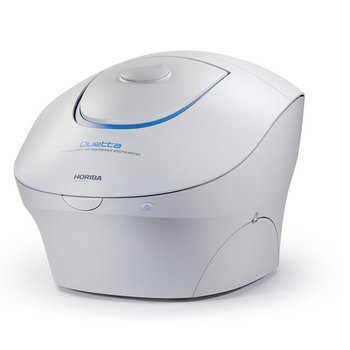
Duetta
Duetta

荧光及吸收光谱仪

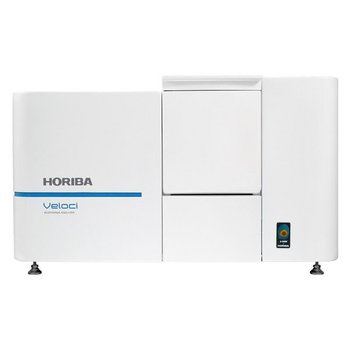
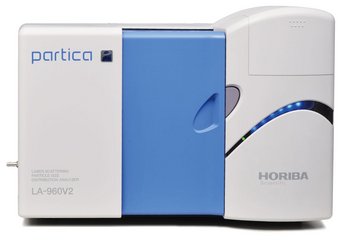
Partica LA-960V2
Partica LA-960V2

激光粒度分析仪

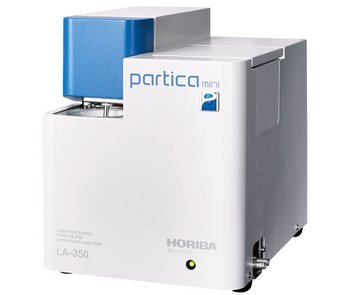
Partica mini LA-350
Partica mini LA-350

激光粒度分析仪

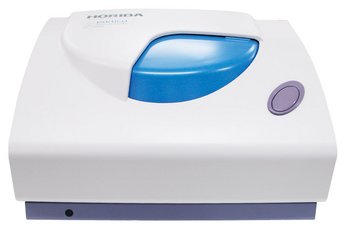
nanoPartica SZ-100V2

纳米粒度及Zeta电位分析仪

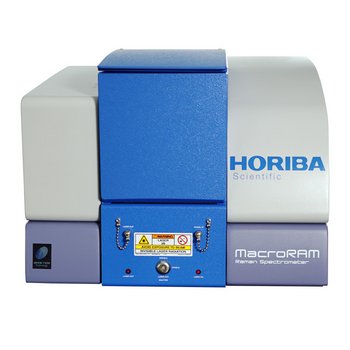
MacroRAM™
MacroRAM™

台式拉曼光谱仪

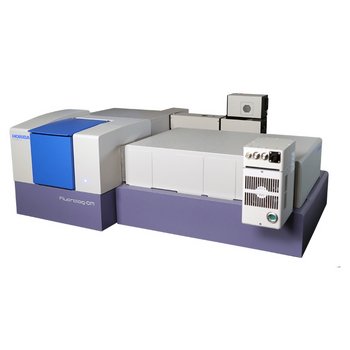
Fluorolog-QM
Fluorolog-QM

模块化科研级稳瞬态荧光光谱

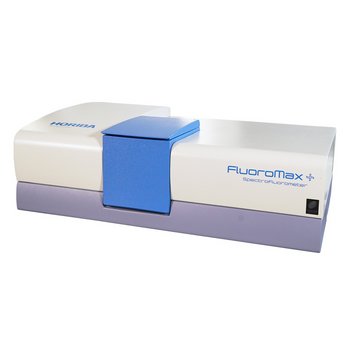
FluoroMax
FluoroMax

高灵敏一体式荧光光谱仪

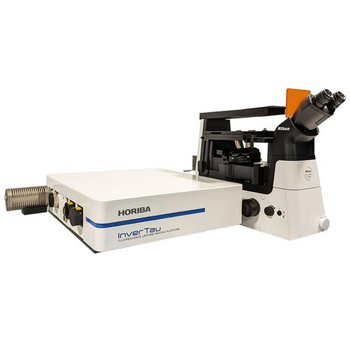
InverTau™
InverTau™

共聚焦荧光寿命显微成像系统

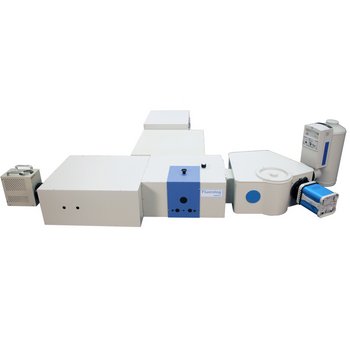
Nanolog
Nanolog

模块化科研级稳瞬态荧光光谱仪

Browse Applications

open
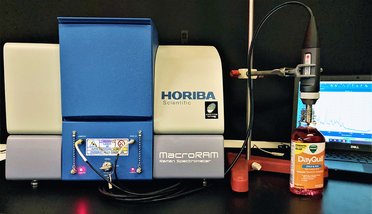
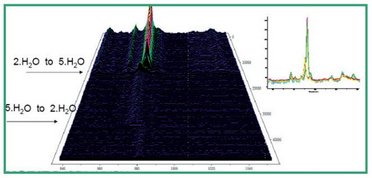
Raman spectra of DayQuil™ and NyQuil™ collected with an immersion probe fiber-coupled to the MacroRAM™ Raman spectrometer, and a picture of the immersion probe setup.
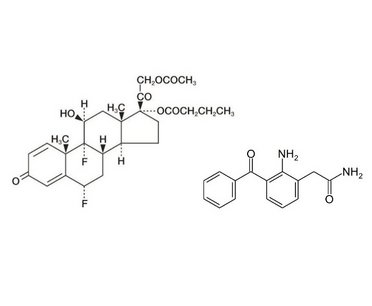
Quantitative Analysis Using Raman Spectroscopy in Pharmaceutical Applications
Raman spectroscopy is well known as a powerful analytical method for qualitative chemical analysis. Less well known is that under certain conditions Raman spectroscopy can also be an effective method for quantitative analysis. Here we demonstrate that capability for quantitative analysis under a variety of conditions, involving different solutes in a solution and solution mixtures, and its applications to pharmaceutical analysis such as content uniformity.
open
Rapid Particle Size Analysis of Topical Ophthalmic Formulations
Successful ophthalmic drug delivery is a combination of pre-corneal retention time, corneal permeability, effectiveness of drug absorption, and dose-to-dose consistency. Whether the drug product is a suspension or microemulsion, it is a complex application involving careful analyses, research, and development efforts.
open
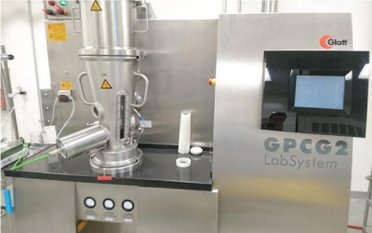
Real-Time Prediction of Polymer-Coated Multiparticulate Dissolution using Process Analytical Technology
Process Analytical Technology, or “PAT” is the term given to analytical instruments developed to measure certain attributes of product within the manufacturing process, eliminating, or substantially minimizing the need for sampling for off-line analysis. This approach offers process measurements in-situ with instant access to data, which facilitates rapid decisions during product development and manufacture.
open
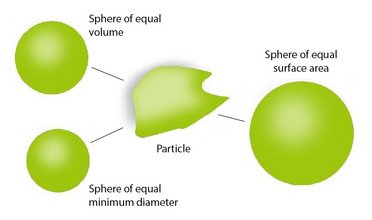
Guide to D-values in Pharmaceutical Particle Characterization
To an outsider to the pharmaceutical industry, the notion of D-values (e.g. D10, D50, D90) being a measure of particle size and distribution is a difficult concept to accept. Basic statistics and a common understanding of distributions might dictate that, provided one is allowed to assume that the particles are relatively spherical, the most logical means of quantifying the particle size of a sample would be to use the mean diameter and standard deviation values.

Back to top.

留言咨询

如您有任何疑问,请在此留下详细需求信息,我们将竭诚为您服务。
* 这些字段为必填项。
Corporate