Raman

Spectromètres, microscopes et imagerie Raman

La référence en microscopie Raman

Leader mondial de la spectroscopie Raman, HORIBA s'appuie sur plus de 50 ans d'innovation dans cette technique. La microscopie Raman est une technique d'analyse chimique rapide et non destructive des solides, des poudres, des liquides et des gaz. La spectroscopie Raman est utilisée dans des domaines très variés, de la recherche fondamentale aux solutions appliquées.

Nous fournissons des solutions de spectroscopie Raman complètes dédiées aux mesures analytiques, à la recherche Raman, à la spectroscopie Raman UV, au contrôle et à l'assurance qualité (QC/QA), ainsi qu'aux applications industrielles Raman. Ces solutions incluent notamment des spectromètres Raman, des systèmes Raman hybrides (par ex., AFM-Raman), des systèmes Raman modulaires, des analyseurs Raman par transmission, des spectromètres Raman dédiés aux processus in situ et des instruments Raman miniaturisés pour les fabricants OEM de gros volumes.

Les passionnés du Raman peuvent obtenir de nouvelles informations sur les applications, les produits, les webinaires, les articles, etc., en s'abonnant à la lettre d'information Raman XPerience et en consultant les numéros précédents. 

Comment trouver votre solution Raman ?

Cette section vous aidera à trouver la solution qui vous convient en matière d'analyse Raman, que ce soit pour une application particulière, pour votre domaine d'activité ou pour une fonctionnalité spécifique. Vous pourrez également approfondir vos connaissances en spectroscopie Raman en vous informant davantage sur cette technique, en suivant une formation, en consultant notre vaste bibliothèque de vidéos, de webinaires et d'articles avec la Raman Academy, ou simplement en découvrant pourquoi les utilisateurs choisissent HORIBA pour leurs besoins en analyse Raman. Enfin, nous vous proposons de parcourir directement notre gamme d'instruments.

Comment en apprendre plus sur la spectroscopie Raman ?

Cette section vous donne accès à une vaste collection d'informations sur la spectroscopie Raman, que ce soit pour vous former, vous exercer ou simplement comprendre pourquoi les utilisateurs choisissent les solutions HORIBA pour la spectroscopie Raman.

Comprendre la théorie

Ces pages consacrées à la technologie décrivent la théorie de la spectroscopie Raman et ses aspects pratiques. Une section FAQ étendue répondra à vos questions concernant cette technique.

Pour aller plus loin

Avec la Raman Academy, découvrez une large gamme de vidéos, webinaires et lectures sur l'analyse Raman, ses applications, l'utilisation des instruments et bien plus encore...

Suivre une formation

Nos formateurs sont des experts de la technique Raman. Ils vous fourniront des conseils et des recommandations pour tirer le meilleur parti de votre instrument HORIBA, et vous apporteront confiance et expérience dans l'analyse de vos échantillons.

Pourquoi choisir HORIBA

Découvrez ce que nos clients ont à dire sur les solutions HORIBA pour la spectroscopie Raman, que ce soient des témoignages purs ou des expériences pratiques comme les articles de la série Science in Action.

Actualité Raman

Chemometrics-Driven Chemical Characterization of Cellulose Sheets using Raman Microscopy - Illustation picture

Application note: Chemometrics-Driven Chemical Characterization of Cellulose Sheets using Raman Microscopy

Raman microscopy combined with chemometric analysis enables precise, non-destructive characterization of cellulose sheets, determining crystallinity, amorphous content, and distinguishing cellulose I and II for optimized quality control.

Read more
Application Note illustation: How Raman Spectroscopy can measure nanoelectronics structures

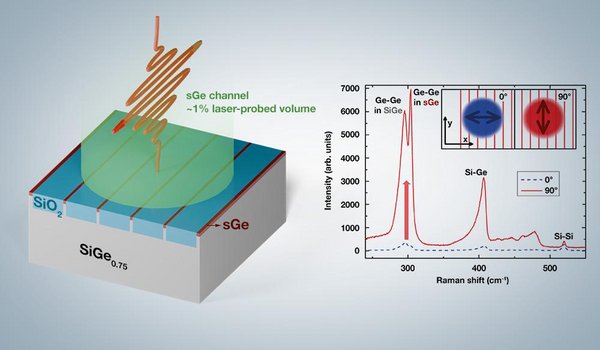
Application note: Light coupling into periodic arrays enabling Raman to investigate nanostructures

Raman spectroscopy is an essential tool for the characterization of semiconductors. However, Raman spectroscopy's spatial resolution is limited by the diffraction limit to about 200-300 nanometers, which can be insufficient for analyzing the increasingly smaller features of modern electronic devices.

Read more

Webinar replay: Ageing Uncovered: Diagnosing Battery Health with Post-Mortem and In-Situ Analysis

Understanding how and why batteries degrade over time is essential for improving design and lifecycle performance.
In this webinar, explore HORIBA’s approach to ageing studies using µRaman, GD-OES, and SEI for both in-situ and ex-situ diagnostics. See how we map SEI growth, detect oxide formation, and follow structural changes in electrodes to predict performance decline and inform better material and process choices.

Watch it now

Raman/PL deployment as a characterization/metrology tool for semiconductors

Raman microscopy has become an essential tool for semiconductor research and manufacturing, offering non-destructive, highly precise insights into material properties. From strain analysis to defect detection and full wafer mapping, Raman and photoluminescence microscopies help engineers tackle the complexity introduced by new semiconducting compounds such as wide band gap and two-dimensional materials. In this webinar, we’ll show how Raman analysis supports process optimization and qualification, quality control and process deviation diagnostics.

Join us to learn practical strategies and see real-world examples of Raman & photoluminescence in action.

Read more

Webinar replay: Revealing the Hidden Structure: Crystallinity and Layer Analysis for Battery Materials

Crystallinity and material structure are key to maximizing battery energy and power density. HORIBA’s µRaman and QCarbon tools offer direct access to carbon ID/IG ratios and coating uniformity, while GDOES reveal elemental depth profiles. This webinar guides you through essential characterization techniques for both carbon-based and cathode materials, empowering better design and quality control for next-gen batteries.

Watch it now

Webinar replay: Coupling Glow Discharge and Raman for Elemental and Molecular Depth Profile Analysis of Surfaces & Interfaces

Surface and interface studies need complementary analytical techniques, like GDOES and Raman, to provide elemental profiles and molecular insights on multilayers of various depths. This webinar illustrates this complementarity by showing selected results on polymeric coatings, anodic films, batteries, coatings on glass and DLC coatings.

Watch it now

Webinar replay: History and fundamentals of tip-enhanced Raman spectroscopy (TERS)

TERS gives the vibrational information of a sample with nanometric resolution. Obtaining physico-chemical information with such resolution opens up possibilities to characterize materials at unprecedented levels, which allows research findings unsuspected until recently. This lecture introduces the fundamentals of TERS through the history of near-field spectroscopic optics.

Watch it now

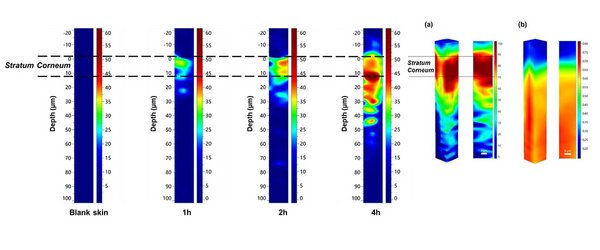
Webinar replay: Raman Spectroscopy for Skin: Building the Bridge Between Ex Vivo and In Vivo

Raman spectroscopy is a powerful tool for exploring skin structure, molecular composition, and the behavior of active compounds. Recent ex vivo studies, including the quantification of actives in various skin models and the mapping of cosmetic formulations within the tissue, have provided key insights into molecular-level skin interactions. This webinar will examine how validated ex vivo methodologies can be adapted to the complexity of in vivo skin analysis, providing practical strategies to make this transition.

Watch it now
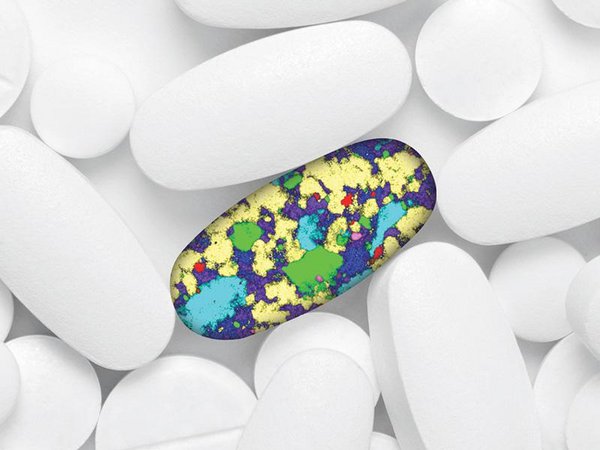
Analysis of Morphology and Chemical Identification of Pharmaceutical Micro-particles Using Particle Correlated Raman Spectroscopy - Illustration

Analysis of Morphology and Chemical Identification of Pharmaceutical Micro-particles Using Particle Correlated Raman Spectroscopy

This study highlights particle correlated Raman spectroscopy (PCRS) as a powerful technique for combining particle characterization with chemical identification, enabling deeper insight into drug performance across various pharmaceutical dosage forms (sprays, tablets, creams).

Read more
Application note: Monitoring Sub-surface Stress in 4H-SiC Using Raman Spectroscopy, illustration picture

Application note: Monitoring Sub-surface Stress in 4H-SiC Using Raman Spectroscopy

Raman spectroscopy enables precise, non-destructive stress analysis in 4H-SiC semiconductors. This study shows how peak shifts in Raman spectra reveal stress variations from surface treatments like cutting, lapping, and CMP—supporting quality control and process optimization in electronics.

Read more

Seeing Through Polymers: Raman for Sustainability and Performance

Due to rising global polymer demand and pollution concerns, understanding polymers at the molecular level is vital. This webinar explains polymers, analysis methods, and highlights Raman spectroscopy’s strengths—identification, polymerization monitoring, crystallinity assessment, defect detection, and more—using real-world examples to turn complex data into actionable insights.

Watch it now

Application Note: Microplastics analysis in food: assessing human exposure through Raman micro-spectroscopy

Sugar, a widely consumed dietary ingredient, is present in numerous food products, including desserts and beverages. Its production involves several stages—extraction, purification, crystallization, and drying—each presenting potential contamination risks from plastic-based equipment and packaging. In this work, we demonstrate the typical workflow for microplastics analysis using Raman microspectroscopy.

Read more

Webinar: Microplastics in Air and Food: Tackling Human Exposure with Raman Spectroscopy

In this webinar, we will discuss the latest developments in microplastics analysis, the existing protocols for monitoring contamination in food and air, and HORIBA’s contributions to advancing this field.

Watch it now

All you need to know (and more) about detectors and spectrometers for spectroscopy (Raman, PL…)

This webinar will explain how detectors and spectrometers work and dig into the notions of efficency, noise, etaloning, numerical aperture and etendue, resolution…

Watch it now

Unlocking Insights: Multivariate Data Analysis (MVA) and Chemometrics on Raman Spectroscopy Data with LabSpec 6

Dive into the powerful world of multivariate data analysis and chemometrics tailored for Raman spectroscopy and Raman imaging. This webinar will showcase how LabSpec 6, our advanced software platform, streamlines complex data interpretation, enabling researchers to extract meaningful insights from multidimensional datasets. Whether you're new to chemometrics or a seasoned professional, this session will guide you through practical approaches to analyzing Raman spectroscopy data, empowering you to make data-driven decisions with confidence.

Watch it now

Raman XPerience newsletter

Subscribe to our newsletter and receive updates on products, software, applications, Tips & Tricks videos, and service.

Subscribe

Spectromètres et microscopes Raman HORIBA

Nos instruments de spectroscopie Raman sont utilisés dans des universités prestigieuses, des laboratoires de recherche et des industries exigeantes équipées de lignes de production dans le monde entier. Ils sont réputés pour les qualités suivantes :

  • Stabilité/fiabilité grâce à une approche de conception robuste
  • Performances et vitesse élevées grâce à nos nombreuses fonctionnalités d'imagerie ultrarapide brevetées
  • Facilité d'utilisation grâce à notre suite logicielle LabSpec renommée
  • Expérience utilisateur améliorée et gain de temps grâce à une automatisation accrue partout où vous en avez besoin
  • Possibilité de réaliser des mesures à l'échelle nanométrique grâce au TERS, en combinant le spectromètre Raman à notre technologie AFM
     
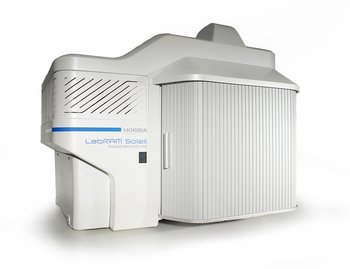
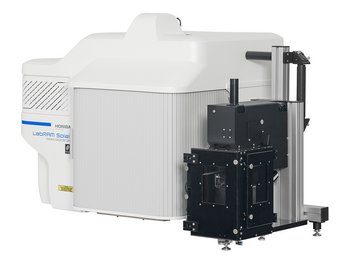
LabRAM Soleil
LabRAM Soleil

Spectroscope Raman - Microscope d'imagerie automatisé

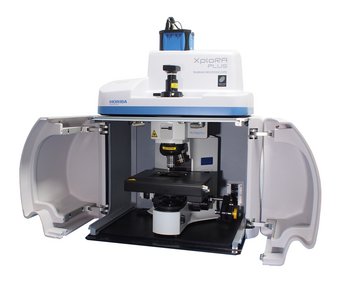
XploRA™ PLUS
XploRA™ PLUS

Spectromètre Micro-Raman - Microscope Raman Confocal

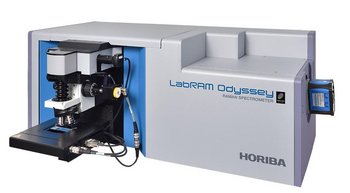
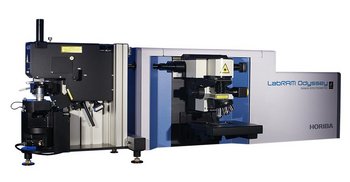
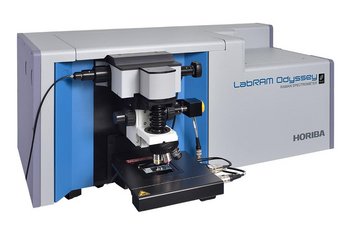
LabRAM Odyssey
LabRAM Odyssey

Spectromètre Confocal Raman à Haute Résolution

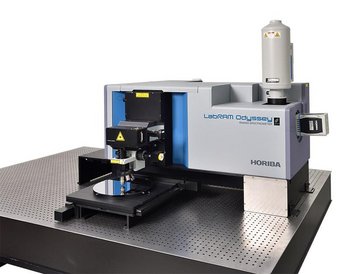
LabRAM Odyssey Semiconductor

Cartographie Raman et Photoluminescence de wafers

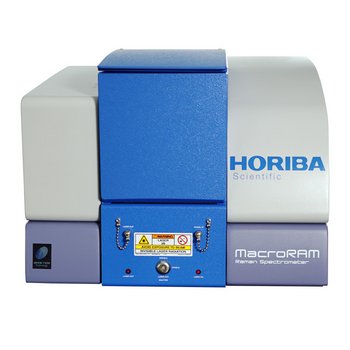
MacroRAM™
MacroRAM™

Spectromètre Raman de paillasse abordable

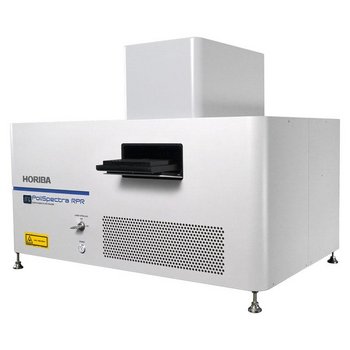
PoliSpectra® RPR for HTS

Lecteur de plaques Raman rapide - Contrôle Raman multi-puits rapide

LabRAM Soleil Nano
LabRAM Soleil Nano

Nanoscopie corrélative directe en temps réel

RZ-660
RZ-660

Analyseur Raman In Vivo

XploRA Nano
XploRA Nano

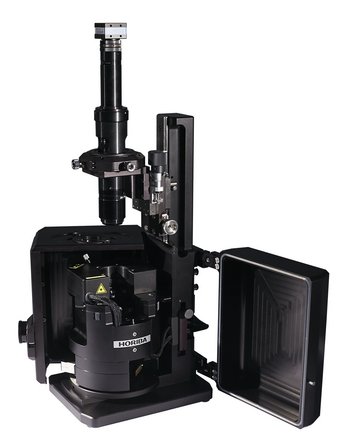
AFM-Raman pour l'imagerie physique et chimique

LabRAM Odyssey Nano
LabRAM Odyssey Nano

AFM-Raman pour l'imagerie physique et chimique

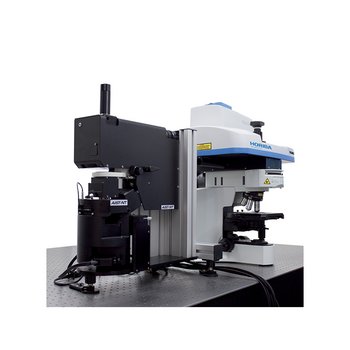
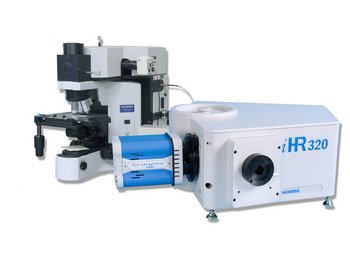
Microscope Raman modulaire

Système Raman Polyvalent

SmartSPM
SmartSPM

AFM autonome avancée

nanoGPS navYX
nanoGPS navYX

Microscopie corrélative collaborative

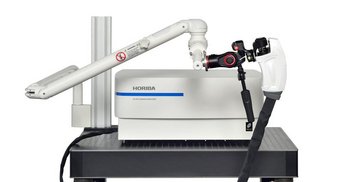
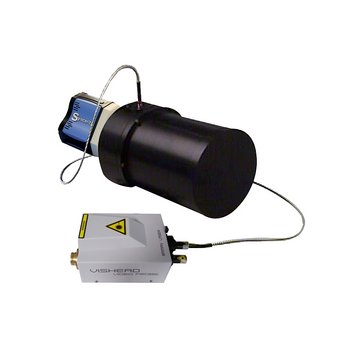
Sondes à fibre Raman

Spectromètres Raman

Spectromètre Raman térahertz modulaire

Spectromètre Raman abordable à ultra-basse fréquence, jusqu'à 10 cm-1

TRIOS
TRIOS

Couplage optique AFM polyvalent

Raman Spectrometer - MINI-CCT+

MINI-CCT+ Mini Raman Spectrometer

CombiScope
CombiScope

AFM et microscopie à lumière inversée

OmegaScope
OmegaScope

Plateforme optique AFM

Spectromètre Raman UV

pour les spectroscopistes Raman UV

Spectrographe HE
Spectrographe HE

Spectromètre Raman haute efficacité dédié pour un suivi Raman des procédés

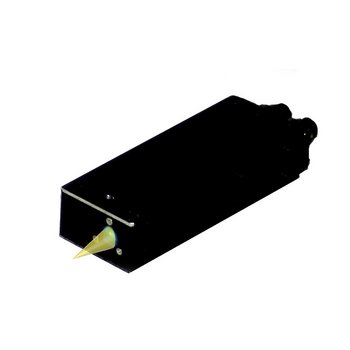
Sondes Raman miniatures OEM

Systèmes et composants Raman miniatures OEM

Demande d'informations

Vous avez des questions ou des demandes ? Utilisez ce formulaire pour contacter nos spécialistes.

* Ces champs sont obligatoires.

Corporate